• Link to X
  • Link to Facebook
  • Link to Instagram
  • Link to TikTok
  • Link to Youtube
  • About
    • About Us
      • President
      • Board of Directors
      • Board of Advisors
      • Financials
      • Our Methodology
      • Success Tracker
      • Contact
  • Act Now
    • 30 Ways to Help
      • Email Congress
      • Call Congress
      • Volunteer
      • Courses & Certificates
      • Be a Donor
    • Internships
      • In-Office Internships
      • Remote Internships
    • Legislation
      • Politics 101
  • The Blog
  • The Podcast
  • Magazine
  • Donate
  • Click to open the search input field Click to open the search input field Search
  • Menu Menu

Archive for category: Child Marriage

Child Marriage, Global Poverty

Child Marriage in Thailand

Child Marriage in Thailand
Girls Not Brides has published concerning statistics regarding child marriage in Thailand. About 23% of girls in Thailand enter marriages before the age of 18 and 4% marry before turning 15. On the male side, 10% of boys enter marriages before turning 18. Overall, Thailand has the 11th highest rate of child marriages among boys worldwide.

The Causes of Early Marriage

Child marriage prevents many youths from having the opportunity to grow and reach their full potential. Child marriage and poverty have connections as high child marriage rates link to areas struggling with economic development.

The 2015-16 Multiple Indicator Cluster Surveys show that “30% of women in Thailand’s poorest households were married before 18, compared to 10% from the richest households. Many young girls are married off so families can collect the bride price and to ease a perceived financial burden on families,” Girls Not Brides highlights. Sometimes parents pressure their daughters into early marriage to protect them from experiencing the same hardships of poverty that they faced.

Plan International explains the factors causing child marriage to remain so prominent: “a combination of factors including poverty, lack of education and job opportunities, society’s views on girls’ roles, weak legal frameworks and their enforcement, insecurity in the face of conflict and the effect of harmful customs and tradition.” Plan International also projects that by 2020, about 800 million females across the world may face the repercussions of child marriages.

Time to Act!

According to Plan International, “Louder than Words” is “a collection of testimonies reflecting girls’ and boys’ activism in collaboration with Plan International in tackling and challenging root causes of [Child, Early and Forced Marriage] to prevent this harmful practice and achieve girls’ empowerment and equality, promotes, celebrates and highlights the regional efforts to prevent and end [child marriage] that has evolved into a regional initiative called Time to Act!”

The initiative, Time To Act!, is working throughout Thailand to educate the youth on sex and reduce child marriage in Thailand. The staff members discuss often taboo subjects, such as early pregnancy, marrying young and safe sex, with Thailand’s youth.

Plan International Thailand’s Teen Power for Better Life project holds training sessions that discuss these topics. The mission aims to teach girls “to discover the links between early marriage, adolescence pregnancies, and gender discrimination” and encourage them to take hold of their lives.

Thailand ranks 12th in the Asia-Pacific region for the prevalence of child marriage; therefore, it is essential that initiatives such as Time to Act reach the country.

Testimonies from “Louder Than Words”

The testimonies in “Louder Than Words” attempt to unmask the negative repercussions of this practice. Quotes from Teen Power for Better Life project participants, such as Orn, demonstrate the initiative’s effectiveness: “After the training, I realized that If I married early, I might not be able to follow my dream to be a businesswoman. I want to study and obtain a degree, not to be someone’s wife only.”

At just 16 years old, Orn has become increasingly involved in the program and even began to teach other teenagers after the program changed her own life. She spoke on the critical information she learned from the training: “I was empowered with the learning that as girls, we can make our own choices and no one has the right to force us to do anything we do not like.”

Many girls throughout Orn’s village feel pressure to conform to child marriage because of the economic strains they feel in their families. Child marriage and poverty are often consequences of each other in disadvantaged homes throughout Thailand. Orn continues to work as a youth leader for Teen Power for a Better life.

Supporting initiatives like Time to Act!, which deconstruct cultural norms encouraging child marriages, is vital in saving the next generation from the constrictions of early marriage. These initiatives work against child marriage and poverty by empowering young women with the skills and knowledge to achieve independence and economic stability without having to rely on the potential economic benefits of marriage. Girls throughout Thailand deserve the same opportunities to pursue education and jobs without the binds of forced wedding bands.

– Brooklynn Rich
Photo: Flickr

March 1, 2023
https://borgenproject.org/wp-content/uploads/borgen-project-logo.svg 0 0 Kim Thelwell https://borgenproject.org/wp-content/uploads/borgen-project-logo.svg Kim Thelwell2023-03-01 01:30:392023-02-27 13:34:04Child Marriage in Thailand
Child Marriage, Global Poverty

Child Marriage in Bangladesh

Child Marriage in Bangladesh
UNICEF defines child marriage as the marriage or “informal union” of a girl or boy younger than the age of 18. According to a UNICEF report, Bangladesh currently holds the fourth-highest rate of child marriage worldwide and the highest prevalence in the Asian region. Though child marriage rates are on the decline in South Asia, with an 18% drop from 1985 to 2010, it is still common for young females aged 15-18 to enter into unions. However, with the help of programs that the UNICEF headed, child marriage in Bangladesh is declining.

Child Marriage in Bangladesh

A 2016 brief by the World Bank has approximated that, in Bangladesh, six in 10 women still marry “early.” To be precise, 59.4% of women currently aged 18-22 entered into unions before reaching their 18th birthday. According to the brief, on average, these women were just 15.8 years old at the time of marriage. Moreover, 0.5% of these women married before the age of 12.

Such high rates of child marriage in Bangladesh are the result of a combination of economic and social practices; in communities where marrying young is most prevalent, girls and young women are treated as subordinate to their male counterparts. Infringing on a child’s “right to free and full consent,” as a result of religious and/or cultural practices, or even in exchange for a social or economic imperative, brings about severe consequences.

Marriage at a young age increases a child’s “risk for physical, sexual, psychological and economic abuse.” Not only is child marriage a humanitarian issue but it also contributes to delayed economic development. Child marriage often arises as a consequence of poverty — impoverished families seeking economic relief by marrying off their daughters. Child marriage consequently also contributes to poverty rates by eliminating working potential.

Approximately 38 million child brides live in Bangladesh, according to a 2020 UNICEF report, and the World Bank estimates that national poverty rates in Bangladesh reached nearly 40 million in 2016, showing a clear correlation between child marriage and poverty.

With child brides not having access to educational opportunities and their own “decision-making power,” Bangladesh is eliminating a potential working class.

Action to Reduce Child Marriage

With the intervention of actionable programs, like UNICEF’s Global Programme to Accelerate Action to End Child Marriage, which responds to the complexities of child marriage practices, rates are on the decline.

In 2016, UNICEF and the UNFPA launched the Global Programme to Accelerate Action to End Child Marriage to address the issue in the countries with the highest rates of child marriage, including Bangladesh.

The program “promotes the rights of adolescent girls to avert marriage and pregnancy and enables them to achieve their aspirations through education and alternative pathways,” the UNICEF website explains. On a  household level, the program works to change attitudes about child marriage and the status of girls in society. On a broader, legislative level, the program advocates for legislation and policies that uphold the human rights of girls and encourages data-informed approaches to the development of such policies.

In 2021, 480 child journalists in Bangladesh, with girls accounting for 50% of this team, received skills training and tools from UNICEF to create videos to raise awareness on “child marriage, gender equality and girls’ empowerment.” The country’s “first-ever children’s online news platform” broadcasted the video content.

A Child Helpline and Conditional Cash Transfers

One way UNICEF’s program intervenes in the issue of child marriage in Bangladesh is through a toll-free national helpline, which it established with the Bangladesh government in 2015. In April 2020, the child helpline received 450 calls related to cases of child marriages.

The helpline saved Yesmin, a child bride, on the day of her marriage. After facing harassment from an “older man,” her family arranged her marriage as a means of protecting her. Upon receiving an anonymous tip of her arranged union through the helpline, police came to the scene, negotiating with her father to call off the marriage. In a UNICEF report, Yesmin shared, “I was so happy when I realized it wasn’t going ahead after all.”

UNICEF also offers conditional cash transfers to households that are at high risk of pushing their children into child marriages. UNICEF provides the grants on the condition that girls stay in school, do not marry and do not engage in child labor. Parents must also attend UNICEF educational sessions focusing on the negative impacts of child marriage.

In treating and supporting young girls equitably, the program boosts girls’ decision-making power and independence — qualities child marriage deprives young brides of.

By focusing on educating community members on the consequences of child marriages, supporting those betrothed as children and addressing gender discrimination, Bangladesh is on the way to effectively ending child marriage. With the work of UNICEF, a world of opportunities is opening for the youth that would otherwise come to an abrupt end as a result of child marriage.

– Micaella Balderrama
Photo: Flickr

February 6, 2023
https://borgenproject.org/wp-content/uploads/borgen-project-logo.svg 0 0 Kim Thelwell https://borgenproject.org/wp-content/uploads/borgen-project-logo.svg Kim Thelwell2023-02-06 07:30:592024-05-30 22:30:41Child Marriage in Bangladesh
Child Marriage, Global Poverty

Child Marriage in Liberia

Child Marriage in LiberiaChild marriage in Liberia is not uncommon. According to Girls Not Brides, 36% of girls in Liberia enter into marriage before reaching their 18th birthday and Liberia ranks 20th in the world for the highest rates of child marriage.
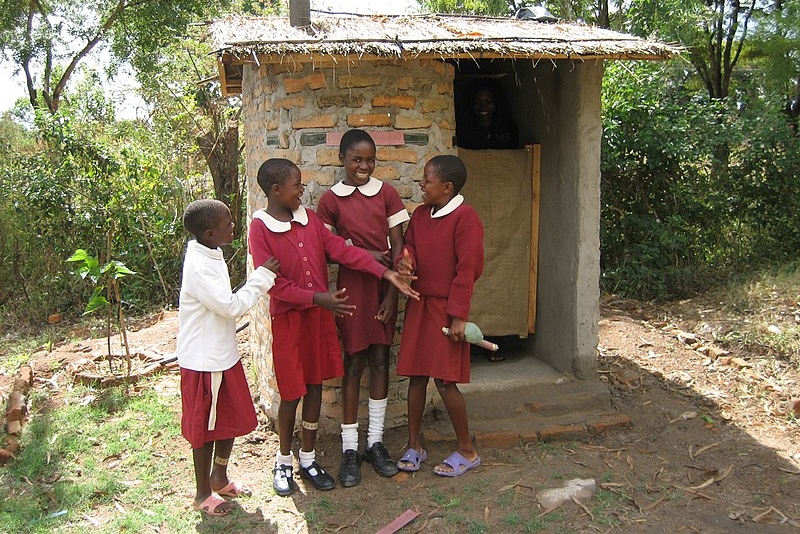
UNICEF defines child marriage as “any formal marriage or informal union between a child under the age of 18 and an adult or another child” and warns that the effects extend not only to the girl’s health and future prospects but also to the economy through economic detriment on a national level. A 2017 study by the World Bank and the International Center for Research on Women (ICRW) projects that the prevalence of child marriage “could cost developing countries trillions of dollars by 2030 – the year by which the U.N., through its Sustainable Development Goals (SDGs), calls for the elimination of the practice.”

Child brides are more likely to face domestic violence and early pregnancy before their bodies have even fully developed. Child marriage also increases the risk of HIV among young girls.

The prevalence of child marriage in Liberia will continue to hinder progress toward gender equality in Liberia unless the government introduces legislation and improvements in policy. For as long as child marriage exists, Liberia will not see significant strides in education or the economy.

Reasons for Child Marriage in Liberia

Plan International describes the generalized reasons for child marriage prevalence in countries as systemic gender inequality, poverty and societal customs/traditions, among other reasons. In terms of poverty, according to the World Bank, 34.6% of the population in Liberia lives under the international extreme poverty line ($2.15 per person per day in 2017 PPP). Due to entrenched gender discrimination and inequalities, impoverished families often view daughters as economic burdens. Parents push young daughters into marriage to ease the household’s financial burden and bring in finances in the form of the “bride price.”

Regarding customs, Plan International details that some families push their daughters into child marriage to safeguard family honor by ensuring that sexual relations outside of marriage do not occur. Child marriage in Liberia persists despite domestic legislation setting the legal age of marriage for girls as 18. Humanium explains that “the lack of consistency of customary and statutory laws” and engagement with traditional leaders means people routinely break these laws and forced marriage practices persist.

It is also important to note that while 36% of girls younger than 18 enter into marriage, this figure stands at 5% for boys in Liberia, highlighting obvious gender inequality and disparities that need to be addressed. Gender-based violence and inequality in Liberia extend to female genital mutilation (FGM). According to Equality Now, Liberia is one of the three remaining West African countries that have not legislated FGM as a criminal offense.

Organizations and NGOs Striving to Reduce Child Marriage in Liberia

BIRD-Liberia (Brighter Initiatives for Revitalization and Development) was founded by Sammenie O. Sydney in 2014. The organization’s latest efforts include working with youth activists to eliminate child marriage. BIRD-Liberia began the Power to Girls campaign, in collaboration with Girls Not Brides, to raise awareness of child marriage.

“The activists will go around the country to speak to students and school administrators,” Emmanuel Quiqui, BIRD’s Office Administrator, said to Girls Not Brides. “They’ll go to radio stations around Liberia and meet with the national legislature to spread the campaign message.” Bird-Liberia has trained 10 activists to educate fellow Liberians on the detriment of child marriage with the aim of ending the practice entirely.

Though child marriage persists, activists and organizations on the ground are showing their commitment to ending the practice and safeguarding children’s rights.

– Priya Maiti
Photo: Flickr

December 30, 2022
https://borgenproject.org/wp-content/uploads/borgen-project-logo.svg 0 0 Naida Jahic https://borgenproject.org/wp-content/uploads/borgen-project-logo.svg Naida Jahic2022-12-30 01:30:282024-05-30 22:30:38Child Marriage in Liberia
Child Marriage, Global Poverty

Reducing Child Marriage in Zimbabwe

Child Marriage in Zimbabwe
According to a 2022 press release by UNICEF, in Zimbabwe, one out of three young girls enters into marriage before reaching their 18th birthday. Child marriage often results from gender disparities in developing countries. Girls Not Brides explains that “child marriage is rooted in gender inequality” and “poverty, lack of education, harmful social norms and practices and insecurity” exacerbate it. Child marriage in Zimbabwe limits future possibilities for women and perpetuates cycles of poverty.

Child Marriage in Zimbabwe: Contributing Factors

By June 2021, the number of individuals living in extreme poverty in Zimbabwe rose to almost 8 million. The Guardian reported that “child marriage in Zimbabwe is often driven by poverty.” Families living in poverty often push their young daughters into marriage because the “bride price” the family receives will reduce the household’s financial burden.

Aside from economic reasons, there is a cultural and religious ideology that condones marrying off young girls. Specifically, indigenous apostolic religious groups have a higher number of child marriages. The doctrine of the Apostolic Christian Council of Zimbabwe directs that girls must wed between the ages of 12 and 16 in order to prevent premarital sexual relations. Furthermore, many indigenous apostolic churches in Zimbabwe prohibit girls from returning to school once married.

Whereas 33% of girls in Zimbabwe entered into marriage before the age of 18, for boys, this rate is just 2%. The lack of education among women further pushes them into oppression, limiting job prospects and forcing women to rely on their husbands economically. According to a UNICEF statistic, as of 2021, only 14% of females in Zimbabwe attain an upper secondary education.

Human Rights Watch highlights the implications of child marriage: “Child marriage in Africa often ends a girl’s education, exposes her to domestic violence and grave health risks from early childbearing and HIV and traps her in poverty.”

The Women Advocacy Project (WAP) Zimbabwe

In efforts to decrease child marriage in Zimbabwe, the Women Advocacy Project Zimbabwe, a partner of U.S.-based The Advocacy Project, provides the support young girls need to thrive. The specific child marriage program looks to raise $5,000 via the GlobalGiving platform to train five local Zimbabwean girls to become community leaders. As leaders, these girls will be able to action community-wide change to bring an end to child marriage in Zimbabwe. These girl leaders will educate others about women’s rights, the far-reaching implications of child marriage, the benefits of obtaining an education and how to safeguard oneself from abuse.

The leaders will also “identify 25 girls in each of their communities who are at risk of marrying early and assist them in choosing better options,” the project page says. Each leader will form a “Give Us Books, Not Husbands” club in their local communities. The club aims to change beliefs and attitudes regarding child marriage.

WAP expects the project to reduce rates of child marriage in Zimbabwe and increase school attendance and completion rates among girls.

The Good News

The advocacy work of organizations has created lasting impacts. On May 27, 2022, the President of Zimbabwe signed into law the Marriages Act, legally prohibiting the marriage of individuals younger than 18. This means that child marriage is now a criminal offense.

The piece of legislation brings hope to the fight against child marriage, however, implementation and enforcement will play a critical role in actioning change.

– Micaela Carrillo
Photo: Wikimedia Commons

December 23, 2022
https://borgenproject.org/wp-content/uploads/borgen-project-logo.svg 0 0 Kim Thelwell https://borgenproject.org/wp-content/uploads/borgen-project-logo.svg Kim Thelwell2022-12-23 01:30:572022-12-16 06:32:23Reducing Child Marriage in Zimbabwe
Child Marriage, Global Poverty

Child Marriage in the Ivory Coast

Child Marriage in the Ivory Coast
Child marriage in the Ivory Coast remains a prevalent issue. The Marriage Act of 1983 states that the legal age for marriage is 18 for women and 21 for men. However, 27% of women marry before the legal age of 18 and 7% marry before the age of 15. The numbers are less extreme on the male side where 4% marry before the age of 18.

Driving Factors

There are a few factors that lead to child marriage in the Ivory Coast. According to Girls Not Brides, poverty and education drive child marriage. Child marriage is often a survival mechanism to escape poverty especially when parents cannot afford to pay for education. Education is limited in the Ivory Coast. Secondary schools are scarce and oftentimes girls must board or find temporary living situations to attend them. As a result, they end up without parental or guardian supervision and are vulnerable to sexual violence and child marriage.

The third factor that can lead to child marriage in the Ivory Coast is adolescent pregnancy. In fact, according to Girls Not Brides, one in four women have their first child before the age of 18 and after pregnancy, many end up in a forced marriage. This attitude towards marriage ties into traditional religious beliefs that many leaders in the Ivory Coast have promoted. Many communities still abide by traditional beliefs regarding child marriage instead of the actual law.

Early Progress

In the early years of combatting child marriage in the Ivory Coast, there was steep progress. The government funded the development of more than 9,000 preschools and primary schools between 2011 and 2013 along with 38 secondary schools. In addition, in 2013, it also passed a law to allow students without birth certificates to attend primary school. In 2017, there was an initiative following the law to allow students in primary schools to acquire birth certificates through their school directors.

Between 2013 and 2015, the national government tried to enforce a plan to engage the community and religious leaders to address the child marriage issue. The President endorsed the plan. However, it fell through due to a lack of resources and budget.

Current Progress

The Ivory Coast government does not have a current plan or strategy to tackle the child marriage issue. However, there are organizations that focus on improving education, especially for girls which could have a direct impact on the child marriage rates. One such organization is Girls Not Brides. Girls Not Brides has a national partnership with the Ivory Coast which includes 17 member organizations working together to end child marriage.

Réseau Ivoirien pour la Défense des Droits de L’Enfant et de la Femme (RIDDEF) is a local non-governmental organization that originated in 2013. It has committed itself to women’s and children’s rights in the Ivory Coast. In partnership with the Embassy to Canada in the Ivory Coast, RIDDEF conducted a project addressing child marriage. RIDDEF brought sexual education campaigns to more than 20 schools and reached more than 6,000 students.

In addition, RIDDEF started a program where older women are partnered with younger girls to talk through sensitive conversations. The project also mobilized community leaders in both religious and education sectors to speak out against child marriage.

Ending child marriage means granting human rights to young people and especially young girls. When progress on the governmental level is slow, tackling issues that have direct impacts on the child marriage rates such as increasing education and shifting traditional attitudes are crucial.

In addition to improving human rights, ending child marriage could lead to more economic and social opportunities. Therefore, there is great potential for both social and economic growth in communities within developing nations such as the Ivory Coast.

– Jordan Oh
Photo: Flickr

July 21, 2022
https://borgenproject.org/wp-content/uploads/borgen-project-logo.svg 0 0 Jennifer Philipp https://borgenproject.org/wp-content/uploads/borgen-project-logo.svg Jennifer Philipp2022-07-21 07:30:482022-07-18 12:13:55Child Marriage in the Ivory Coast
Child Marriage, Global Poverty, Human Trafficking

5 Causes of Human Trafficking in Malawi

Human Trafficking in Malawi“After feeling pity with my situation, my friend asked [me] to go where she works. Upon reaching there, I was disturbed to see that it was sex work. I could not object because I needed money.” According to the Voice of America (VOA), that was the reason 17-year-old Hilda became a victim of sex trafficking after the death of her parents. Unfortunately, the wish to escape poverty fuels human trafficking in Malawi.
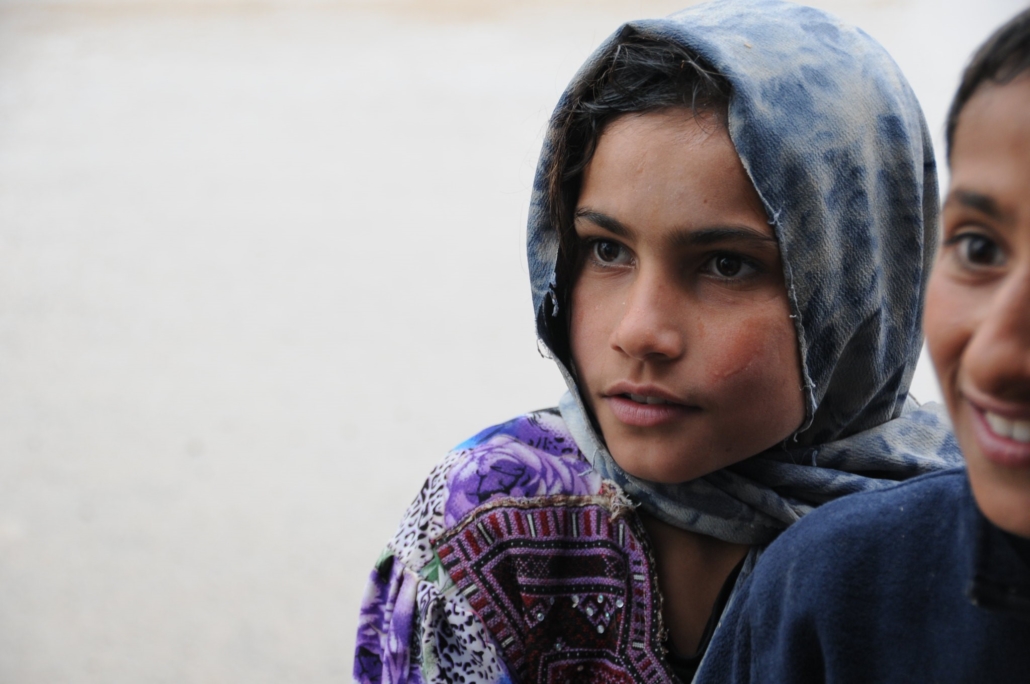
Five Reasons for Human Trafficking in Malawi

Located in Southeastern Africa, Malawi spans over 45,000 square miles and has an estimated population of 19 million. Although the government passed the Trafficking in Persons Act in 2015, human trafficking in Malawi remains rampant for many reasons, including Malawi’s extreme poverty, cultural practices and lack of law enforcement. Of course, the effects of COVID-19 also exacerbate this problem. Here are five reasons why Malawi is a source of trafficking:

  1. Poverty fuels human trafficking. According to the World Bank, more than half of the Malawi population lives below the national poverty rate. In fact, as one of the poorest countries in the world, Malawi ranks 174 out of 189 countries on the United Nations’ Human Development Index. This is partly because, as a developing nation, Malawi’s main business and export continues to be agricultural products, making the nation particularly susceptible to weather shocks and climate changes.
  2. Food insecurity plagues Malawi. Despite record harvests, 1.1 million Malawians faced high-level acute food insecurity in 2021. The agricultural sector struggles with productivity, and there are few economic opportunities beyond farming. Together, this creates extensive rural unemployment. It also makes rural residents exceptionally vulnerable to promises of good work and pay in bigger cities—the most common ruse used for human trafficking.
  3. Cultural practices put girls at risk. Despite the fact it banned child marriage in 2017, Malawi still has a high child marriage rate. Long-established cultural practices drive the continuation of child marriage and sex trafficking. For example, families marry off young girls as payment for repaying debts or dowries. Another common custom called “kutomera” involves an older (and often wealthy) man choosing a young girl to be his future wife. After negotiating payment, the girl waits until she is sexually mature and then they take her to her designated husband. Also, sex traffickers recruit girls for “domestic service” but instead force the girls into marriages in which their husbands then force them into sex trafficking.
  4. Laws are often not enforced. In a giant step towards ending human trafficking in Malawi, the 2015 Trafficking in Persons Act criminalized human trafficking and prescribed punishments of up to 14 or 21 years in prison. The government also endorsed several international human rights treaties. These include the Maputo Protocol which obligates the government to protect women and girls from sex trafficking. Unfortunately, according to Equality Now, the Malawian government often fails to adequately enforce these laws. Furthermore, poverty fuels the high levels of corruption that still exist among numerous local officials. This means many human trafficking organizations operate without fear of the law.  Even in the rare case perpetrators are apprehended, many are not held accountable through prosecution.
  5. The effects of COVID-19. Human trafficking in Malawi has worsened since the start of the pandemic. Before COVID-19, PSGR saw around two to three cases a week. During the pandemic, the number increased to seven cases a week, with some weeks seeing up to 10 or 15. This is because the economic downturns created by COVID-19 have exacerbated unemployment. This, in turn, makes people even more desperate to escape chronic poverty and vulnerable to sex traffickers.

PSGR:  Combatting Human Trafficking

Although human trafficking in Malawi continues to be a huge issue, numerous social organizations are on the ground attempting to tackle the problem. In 2020, People Serving Girls at Risk (PSGR), a local NGO helping trafficking survivors, handled more than 600 cases of sex trafficking. Yet the Malawi Police Services only reported the arrest of 48 suspects and convicted only 30 of them. That’s one reason PSGR recently launched a six-year project to mentor sex workers to learn income-generating skills so they will become less vulnerable to sex trafficking. PSGR Team Leader Caleb Ng’omba said, “Our core purpose is to empower them with vocational and other skills that they could use to generate income to reduce their vulnerability to sex work, early marriages or child labour.”

The five causes of human trafficking listed above are no doubt serious hurdles that the Malawian government face, but the continuous effort of both the administration and the NGOs could result in significant progress in the near future.

-Emilie Zhang
Photo: Flickr

July 13, 2022
https://borgenproject.org/wp-content/uploads/borgen-project-logo.svg 0 0 Jennifer Philipp https://borgenproject.org/wp-content/uploads/borgen-project-logo.svg Jennifer Philipp2022-07-13 01:30:352022-07-10 16:59:005 Causes of Human Trafficking in Malawi
Child Marriage, Global Poverty

Cause and Effects of Child Marriage in Afghanistan

Effects of Child Marriage in Afghanistan
Child marriage is a centuries-long tradition that is prevalent in sub-Saharan Africa and parts of South Asia. More specifically, it is very common in the rural regions of Afghanistan. Child marriage is a type of forced marriage where there is only parental consent instead of the child’s consent. Some families resort to child marriage with the aim of “strengthening ties with rival families and tribes” in order to settle debts or arguments while other low-income families sell their daughters for money to survive. In a November 2021 article, UNICEF estimates that about 28% of Afghan females between 15 and 49 entered into marriage before reaching their 18th birthday. Furthermore, UNICEF has received “credible reports of families offering daughters as young as 20 days old up for future marriage in return for a dowry.” Understanding the cause and effects of child marriage in Afghanistan enables organizations to develop effective solutions.

Cause: Economic Necessity

Afghanistan’s economic instability pushes families into poverty, leaving desperate families with no choice but to consider child marriage as a means of escaping their financial circumstances. Before the Taliban’s return to power in 2021, about 50% of Afghanistan lived in circumstances of poverty. The U.N. Development Programme (UNDP) has warned that “97% [of Afghans] could fall below the poverty line by mid-2022.” In 2021 alone, 700,000 Afghans faced drought, internal displacement and other crises. These dire circumstances push families to marry off their daughters to survive.

UNICEF noted a link between the rise of child marriage in Afghanistan and the occurrence of unfavorable droughts. The year 2018 brought “unprecedented levels of drought and food insecurity.” The drought in 2021 has led to more than 12 million Afghans facing a crisis or emergency levels of food insecurity. Astrid Sletten, Norwegian Refugee Council (NRC) country director in Afghanistan, explained this crisis as “the final straw for millions of Afghans struggling to survive after decades of conflict and more than a year into the COVID-19 pandemic.”

Afghanistan is an agrarian society that is dependent on agriculture, so the droughts, on top of the political and economic instability, create newfound desperation. UNICEF noted in a report that the drought had increased the prevalence of child marriages. A minimum of 161 children “from drought-affected population[s] in Badghis and Herat provinces” faced child marriage in 2018.

Effect: Increased Risk of Violence

Child marriage in Afghanistan significantly increases the risk of domestic abuse. A study that came out in 2021 looked at the relationship between child marriage and domestic violence in sub-Saharan Africa. Researchers concluded that “girls aged 20-24 years who married before they turned 18 were 20% more likely to experience intimate partner violence than those who married as adults.”

Male Victims of Child Marriage

In Afghanistan, it is common for boys to enter into marriages with women more than twice their age for financial reasons. However, no one tracks this information, and thus, stands as an untold story. Without this data, one cannot understand the full extent of child marriage in Afghanistan. Farzan Hussaini, UNICEF’s child protection chief for western Afghanistan, explained how “The research that has been conducted does not highlight the situation for boys. This is now a point for us that we definitely will consider as we design future studies on child marriage.”

How Afghanaid is Helping

Although Afghanistan faces ongoing political instability, grassroots nonprofits have filled the gap in supporting Afghans through community building and poverty reduction. Efforts focusing on economic empowerment will reduce the likelihood of impoverished families resorting to child marriage.

Afghanaid is a British organization providing humanitarian aid to people in Afghanistan for about 40 years. The organization aims to “ build basic services, improve livelihoods, strengthen the rights of women and children, help communities protect against natural disasters” and assist communities in adapting to extreme weather conditions while addressing humanitarian crises. Its community-based approach helps lessen the impact of poverty in Afghanistan and builds lifelong skills that create financial independence. In 2021 alone, Afghanaid helped more than 1.2 million people.

Afghanaid’s efforts include reducing the risk and impacts of environmental disasters, such as droughts and floods. To help in this regard, the organization has constructed 126 infrastructures, “benefiting more than 60,015 households.” Afghanaid has also planted more than 570,000 trees to protect the soil and provide households with produce to sell at markets.

Looking Ahead

As devastating as the high child marriage rates in Afghanistan are, it is vital to understand the full scope of the causes and effects of child marriage in Afghanistan for organizations to begin formulating effective solutions that have long-lasting impacts. Nonprofits can provide the support that a crisis-stricken government is unable to through community building.

– Imaan Chaudhry
Photo: Flickr

June 12, 2022
https://borgenproject.org/wp-content/uploads/borgen-project-logo.svg 0 0 Kim Thelwell https://borgenproject.org/wp-content/uploads/borgen-project-logo.svg Kim Thelwell2022-06-12 07:30:222024-05-30 22:26:04Cause and Effects of Child Marriage in Afghanistan
Child Marriage, Global Poverty

Childhood Interrupted: Child Marriage in Mauritania

Child Marriage in Mauritania
Two horizontal stripes of red sandwich a large swath of green. Over the green is a five-pointed yellow star, centered above an upward-pointing yellow crescent moon. Mauritania’s flag is not just beautiful, it is also symbolic. The green, in particular, symbolizes hope. However, not all Mauritanians have hope. Child marriage in Mauritania diminishes hope for around 37% of Mauritanian girls. The country’s legal age for marriage is 18, but lax enforcement undermines the law, according to the U.S. Department of State.

Facts about Child Marriage in Mauritania

International human rights groups, such as the United Nations Children’s Fund (UNICEF) and Human Rights Watch (HRW), have advocated for measures to prohibit child marriage. The practice correlates with some adverse outcomes and creates a cycle of effects that often mirror those outcomes. Some of these are:

  • Lack of Education – Child marriage consistently correlates to a lack of education. Getting an education becomes even more difficult after marriage. When girls must manage a household and raise children, they have little time for school. The opportunities that an education provides, including the chance for financial independence, dwindle. Beyond that, the problem is cyclical: Research shows that interrupting a child’s education may have a negative educational impact on the next generation.
  • Poverty – The poorest Mauritanian girls are almost twice as likely to marry before age 18 than their wealthier peers. Because married children are also likely to have financial prospects hindered by incomplete education, child marriage perpetuates the cycle of poverty.
  • Less Autonomy and Agency – According to an article published in J Women Polit Policy, in Mauritania, more than 50% of married girls have spouses that are a decade older. Research shows that this age gap, along with the educational disparities, results in less autonomy for the girls. This power imbalance typically persists throughout the union.
  • Psychological Distress and Isolation – These married girls leave familiar surroundings to live many miles away from friends and family. Alone and away from the familiar, they find themselves without a support system when they most need it.

Efforts to Address Child Marriage in Mauritania

Change takes time, but Mauritania has taken some steps to address the issue. Mauritania’s 2001 law making marriage under 18 illegal is not a solution on its own, but it is a first step that acknowledges the inherent problems with the practice. But guardians can circumvent the law by granting permission for a child under 18 to marry. The child must also agree, but his or her silence is considered consent. By eliminating this exception, the government would show an even greater commitment to ending child marriage in Mauritania.

Mauritania is one of several countries that has committed to ending child marriage by 2030, which aligns with target 5.3 of the United Nations Sustainable Development Goal. According to Girls Not Brides, the country demonstrated this commitment by addressing its progress in the 2019 Voluntary National Review, a government report delivered during a political forum. Mauritania has implemented the Sahel Women Empowerment and Demographic Dividend (SWEDD). SWEDD aims to keep girls in school, recognizing that lack of education is a key correlate to child marriage. It also aspires to stigmatize child marriage through education.

Some may question the impact of these seemingly symbolic steps, but a research study submitted to the Ford Foundation found that “the failure to view early marriage as a problem is chiefly what accounts for the persistence of this harmful traditional practice.” As Mauritanians like to say, “A hen cannot lay eggs and hatch them on the same day.” With each signed agreement, each law and each international commitment, Mauritania is that much closer to stigmatizing and ending child marriage.

– Vickie Melograno
Photo: Wikimedia Commons

May 20, 2022
https://borgenproject.org/wp-content/uploads/borgen-project-logo.svg 0 0 Jennifer Philipp https://borgenproject.org/wp-content/uploads/borgen-project-logo.svg Jennifer Philipp2022-05-20 01:30:012022-05-24 05:35:18Childhood Interrupted: Child Marriage in Mauritania
Child Marriage, Global Poverty

How Mobile Phones Can Fight Child Marriage

Mobile Phones Can Fight Child Marriage
A March 2021 report by UNICEF indicates that as many as 100 million girls in the world could experience child marriage in the next 10 years. The COVID-19 pandemic prompted school shutdowns, financial distress, parental mortality and early pregnancy, putting millions of girls at risk of child marriage. Several organizations have created initiatives to reduce child marriage amid the pandemic and many of the initiatives revolve around mobile phone use. Mobile phones can fight child marriage and gender discrimination by raising awareness with hotlines, social media and apps designed to educate and empower young women.

Driving Forces Behind Child Marriage

In countries where child marriage is prevalent, many parents feel social and economic pressures to marry off their young daughters. Parents who do not have the resources to support all of their children may feel that pushing their daughters into marriage is the only financial option. Patriarchal norms, economic instability, lack of educational opportunities and poverty can all increase the commonality of child marriages in developing countries. According to Girls Not Brides, many parents believe child marriage will increase their daughters’ safety and reduce the risk of sexual and physical abuse, even though this is quite the contrary — spousal abuse is quite common in child marriages. Mobile phones can fight child marriage by raising awareness about laws, rights, job opportunities and alternatives to child marriage.

The Naubat Baja Project

The National Family Health Survey 2020-21 (NFHS-5) revealed that, in Rajasthan, 25.4% of females between 20 and 24 years old entered into marriages before the age of 18. In rural areas of Rajasthan, child marriage rates of females are higher at 28.3% in comparison to 15.1% in urban areas.

The Naubat Baja project began on International Women’s Day in 2019 to reduce child marriage in Rajasthan and empower girls through mobile phones. The United Nations Population Fund (UNFPA) worked in collaboration with the Government of Rajasthan, the Directorate of Women Empowerment and the Rural Electrification Corporation (REC) Foundation to launch the initiative. The idea behind the project is to target youth using their “favorite” technological devices: mobile phones.

When girls call the Naubat Baja number, they receive a phone call back that contains a recording about government welfare schemes, job opportunities and information about child marriage, health, hygiene, COVID-19 protocols and other themes that are relevant to girls in Rajasthan. Various forms of entertainment, such as songs, stories and short audio dramas, which Naubat Baja updates regularly, relay much of this information. Initiatives like the Naubat Baja project model how mobile phones can fight child marriage and gender discrimination by providing girls with access to empowering resources and information.

Apps and Social Media

Many mobile phones support apps and social media that can fight child marriage and uplift girls who are at risk of it. The creators of the Naubat Baja project used social media and graffiti to popularize the initiative among young people. While many low-income areas lack access to the internet, launching a project like Naubat Baja on social media can help gain national and global support from communities that do have internet access.

Several developers have also created apps that prevent child marriage. Bangladesh has a child marriage prevalence of 51%, ranking in the top 10 nations with the highest rates of child marriage globally. An organization called Plan International Bangladesh designed an app for marriage registrars to verify young women’s ages before entering into marriage. In its first six months of use, the app prevented more than 3,700 child marriages.

Between apps, social media and hotlines, mobile phones offer a range of technological resources that can empower girls and fight child marriage. The rising popularity of mobile phones makes their influence increasingly widespread, especially among youth. The Naubat Baja project exemplifies how technology can lead to social development and spread awareness about pressing issues like child marriage.

– Cleo Hudson
Photo: Unsplash

April 19, 2022
https://borgenproject.org/wp-content/uploads/borgen-project-logo.svg 0 0 Kim Thelwell https://borgenproject.org/wp-content/uploads/borgen-project-logo.svg Kim Thelwell2022-04-19 07:30:032022-04-11 12:20:57How Mobile Phones Can Fight Child Marriage
Child Marriage, Global Poverty

Child Marriage in Yemen

Child Marriage in Yemen
Child marriage in Yemen is a centuries-old human rights violation. Adults, especially those living in poverty, force young teenage girls to marry men decades older than them due to reasons such as the relief of costs in caring for a child and for the heightened protection of a husband’s family. Perhaps worse than the basic psychological harm of having to enter into marriage, child brides endure abuse and face life-threatening risks. According to a 2019 report by the United Nations Children’s Fund (UNICEF) and the United Nations Population Fund (UNFPA), more than 4 million Yemeni girls are child brides and 1.4 million of these brides are younger than 15 years old. This practice needs to end to protect young girls physically and emotionally. Banning child marriage in Yemen would ensure young women the human rights they deserve.

The Impacts of Child Marriage

Because they are so young, when child brides experience intercourse or pregnancy, it often leads to physical complications. As Sarah Ferguson from UNICEF USA states in an article, “Child marriage increases a girl’s risk of violence and abuse and jeopardizes her health. Sometimes, it’s fatal.”

Yemeni child brides also lose their education rights. Young girls with dreams and aspirations should be able to endure a life of growth and opportunities. Further, husbands and family members expect young girls who marry to know how to handle managing a household. This factor influences parents in pulling daughters out of school to learn how to do so.

In a 2018 CNN interview, a 12-year-old girl named Halima spoke out about how her father forced her sisters to enter marriages and then pressured her to do the same. She spoke about how all of her friends’ families took their daughters out of school to get married. Unfortunately, Halima’s father also pushed her to ignore her desire and passion to become a physician.

The Government’s Failure to Protect Young Women

The government of Yemen has not been able to pass an effective civil agreement to curb child marriage. On February 11, 2009, the Parliament agreed to set the minimum age of marriage at 17. However, the Sharia Legislative Committee overruled that effort. In March 2010, the Parliament redrafted the bill, however, the Sharia Legislative Committee rejected it once again. When asked about why there is no minimum age limit for marriage, the Sharia Legislative Committee stated that having a minimum age for marriage is “un-Islamic.”  Twelve years later, in 2022, there is still no minimum age for marriage in Yemen.

Financial Desperation Leads to Child Marriage

In addition to Sharia law, financial hardship also pushes families to resort to marrying off their daughters. Whether it is because they cannot afford to take care of their daughter or because the family will receive a sum of money, many parents turn to child marriage as a way to ease their financial situations. To this degree, the United Nations High Commissioner for Refugees (UNHCR) spokesperson Charlie Yaxley said at a virtual briefing in May 2020, “We are seeing a growing number of families resorting to harmful coping mechanisms such as begging, child labor and marrying off children to survive.”

The Solution to Child Marriage

Child marriage in Yemen has been an issue for centuries, but currently, there are human rights advocates who are taking strong stances against it. For example, UNICEF delivers life-saving services and supplies to Yemeni child brides. UNICEF also promotes awareness. For example, it does this by sharing stories of young girls who have had to fight for their lives in violent marriages, and how they have been able to survive, and eventually thrive, due to programs promoting their independence.

The Committee on the Elimination of Discrimination against Women (CEDAW) and the Committee on the Rights of the Child (CRC) are urging governments, including Yemen, to immediately take steps to eradicate the practice. Among other rights violations, the committees specifically argue that child marriage is a setback to women’s rights and the ability to receive an education.

There are also individual human rights advocates who are taking up the issue. Nada al-Ahdal is a young Yemeni woman who escaped child marriage. She created an online video about her story that went viral. After that, she founded the Nada Foundation with the prime minister of Yemen to support young women in child marriages.

She also wrote a book published in several languages that advocates against the practice. Now based in London, she speaks around the world to encourage everyone to fight against the practice. In a 2021 IMIX story about her, she says, “I have met so many brave girls from across the world; Serbia, Pakistan, India, Morocco, Egypt. They are working so hard to change their communities. It’s not just their duty, it’s all of us, all of our duty.”

Looking Ahead: Advocacy for Policy Change

As child brides, young girls in Yemen are having their hopes, dreams and rights dissolved. Child marriage increases the risk of physical and emotional abuse as well as maternal mortality. However, with the help of advocacy within and beyond Yemen, the Yemeni government should eventually glean the power to establish effective change.

– Hayat Nagi
Photo: Flickr

March 7, 2022
https://borgenproject.org/wp-content/uploads/borgen-project-logo.svg 0 0 Jennifer Philipp https://borgenproject.org/wp-content/uploads/borgen-project-logo.svg Jennifer Philipp2022-03-07 01:30:442024-05-30 22:25:49Child Marriage in Yemen
Page 7 of 13«‹56789›»

Get Smarter

  • Global Poverty 101
  • Global Poverty… The Good News
  • Global Poverty & U.S. Jobs
  • Global Poverty and National Security
  • Innovative Solutions to Poverty
  • Global Poverty & Aid FAQ’s
Search Search

Take Action

  • Call Congress
  • Email Congress
  • Donate
  • 30 Ways to Help
  • Volunteer Ops
  • Internships
  • Courses & Certificates
  • The Podcast
Borgen Project

“The Borgen Project is an incredible nonprofit organization that is addressing poverty and hunger and working towards ending them.”

-The Huffington Post

Inside The Borgen Project

  • Contact
  • About
  • Financials
  • President
  • Board of Directors
  • Board of Advisors

International Links

  • UK Email Parliament
  • UK Donate
  • Canada Email Parliament

Get Smarter

  • Global Poverty 101
  • Global Poverty… The Good News
  • Global Poverty & U.S. Jobs
  • Global Poverty and National Security
  • Innovative Solutions to Poverty
  • Global Poverty & Aid FAQ’s

Ways to Help

  • Call Congress
  • Email Congress
  • Donate
  • 30 Ways to Help
  • Volunteer Ops
  • Internships
  • Courses & Certificates
  • The Podcast
Scroll to top Scroll to top Scroll to top