5 Challenges for Children in Burkina Faso
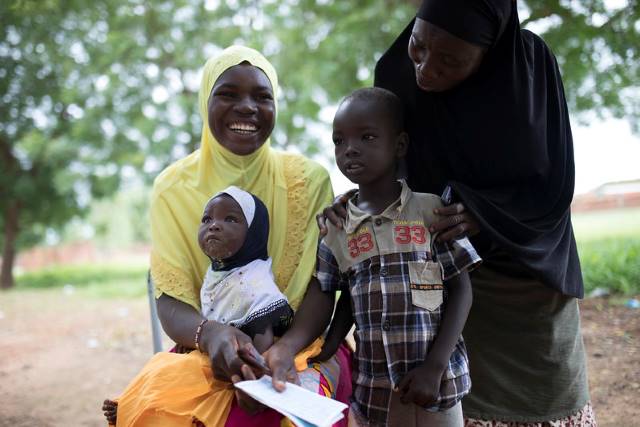 Burkina Faso, a small, landlocked country in Western Africa, is one of the least developed countries in the world. About 36.7% of the more than 20 million people who live in the nation survive on less than $1.90 per day as of 2019. Nearly 2.2 million people live in dire need of aid, with children accounting for close to 50% of those in need, according to UNICEF. This crisis has only worsened due to the ongoing conflicts in the Sahel region of Western Africa, which have displaced millions of Burkinabé people and put them at a higher risk of poverty. Children in Burkina Faso, who make up 45% of the population, face significant challenges — many of them have low access to nutrition, education and health care and often face child labor and child marriage.
5 Challenges Children in Burkina Faso Face
- Hunger and Malnutrition. While Burkina Faso has always struggled with hunger, with 25% of children suffering from stunting due to malnutrition, the COVID-19 pandemic has exacerbated the problem. The number of Burkinabé people in need of emergency food assistance has risen threefold to more than 3.2 million people as of August 2020, and many of those suffering from malnutrition are children. Doctors and nurses in Burkina Faso are reporting extremely high numbers of malnourished children entering their health care facilities each day. Prior to the pandemic, Burkinabé children experienced hunger as a result of displacement from the conflicts in Africa’s Sahel region.
- Education. While attending primary school is compulsory for children in Burkina Faso between the ages of 7 and 14, this rule is not enforced and about 36% of children do not attend school. Additionally, 67% of girls older than the age of 15 do not know how to read or write. The high levels of poverty in the country lead to low levels of education. Furthermore, the conflicts in the area have only made it more difficult for children to access and attend schools. Armed groups have raided the schools, injuring teachers and putting Burkinabé children in danger.
- Health Care. Burkina Faso has the 10th-highest under-5 mortality rate in the world, with 87.5 out of every 1,000 children in 2019 dying before their fifth birthday. In addition, about 54 infants die per every 1,000 live births. The majority of children’s deaths are from communicable diseases and malaria, which the nation has struggled to prevent and control. While the number of health care workers in the area has increased in the past few decades, particularly between 2006 and 2010, it has not been quite enough to combat the needs of the ever-growing population and many children in the area still go without health care access.
- Child Marriage. More than half of Burkinabé children enter into marriage before their 18th birthday and the country has the fifth-highest rate of child marriage in the world. One in 10 girls younger than 19 has already given birth to at least one child. Girls with limited access to education have a higher chance of marrying as children. The same holds true for girls who live in impoverished households. Both of these trends remain common in Burkina Faso. The apparent social value ascribed to girls in the region is considered lower than their male counterparts. As a result, young girls who enter child marriages often do not have a choice in whom they marry.
- Child Labor. About 42% of children in Burkina Faso engage in child labor instead of attending school. Though the government adopted a “National Strategy to End the Worst Forms of Child Labor” and raised the legal minimum working age to 16, these high rates of child labor have not decreased significantly over the past few years. These children work as cotton harvesters, miners of gold and granite, domestic workers, and in some rare cases, sex workers. Child labor puts children at risk of serious injury, exploitation, and in some extreme cases, even death.
While children in Burkina Faso face all of these challenges, work is in progress to help them receive an education and reach their full potential. Save the Children, UNICEF, Action Against Hunger and Girls Not Brides are just a handful of the organizations working in Burkina Faso to ensure that these children receive the care necessary. Enduring childhood in this region is, in fact, difficult. Yet, there is hope as these groups work to improve the lives of children across Burkina Faso.
– Daryn Lenahan
Photo: Flickr
