• Link to X
  • Link to Facebook
  • Link to Instagram
  • Link to TikTok
  • Link to Youtube
  • About
    • About Us
      • President
      • Board of Directors
      • Board of Advisors
      • Financials
      • Our Methodology
      • Success Tracker
      • Contact
  • Act Now
    • 30 Ways to Help
      • Email Congress
      • Call Congress
      • Volunteer
      • Courses & Certificates
      • Be a Donor
    • Internships
      • In-Office Internships
      • Remote Internships
    • Legislation
      • Politics 101
  • The Blog
  • The Podcast
  • Magazine
  • Donate
  • Click to open the search input field Click to open the search input field Search
  • Menu Menu

Archive for category: Africa

Africa, Electricity and Power, Global Poverty

Solar Energy in Rural Kenya: A Pathway Out of Poverty

Solar Energy in Rural KenyaApproximately 71% of Kenya’s population lives in rural areas, where access to electricity is often limited or non-existent. Without electricity, rural communities rely on kerosene lamps for lighting, which are expensive, provide poor-quality light and pose health risks due to indoor air pollution.

Solar energy presents a transformative solution in Kenya. It alleviates poverty by providing reliable electricity, promoting education and enabling various economic activities. Thus, solar energy initiatives in Kenya highlight the potential of renewable energy to drive sustainable development and improve living standards.

Solar Energy Initiatives in Kenya

One innovative approach that has made solar energy accessible to low-income households in Kenya is the pay-as-you-go (PAYG) model. This model allows users to pay for solar systems in small, manageable installments using mobile money platforms. The PAYG model reduces the upfront cost barrier, enabling more families to afford solar energy solutions.

Companies such as M-KOPA Solar are leading the change by providing these affordable solar home systems to rural households. M-KOPA Solar first launched its pay-as-you-go (PAYG) solar system in Kenya in 2010. These systems typically include solar panels, batteries and energy-efficient appliances, offering a sustainable and cost-effective source of electricity.

More than eight million households in Kenya spend a total of $1 billion on kerosene lamps for lighting, bringing the average to approximately $200 on lighting per household each year. With the introduction of M-KOPA’s PAYG solar systems, Kenyans now spend $200 for a one-time payment to receive electricity.

Impact on Education

Access to solar energy also has a profound impact on education in rural Kenya. Solar-powered schools can benefit from improved resources, such as the ability to use computers and the Internet. This access to technology enhances the learning experience and provides students with skills essential for the modern economy. Furthermore, with reliable lighting, students can study after dark, leading to better academic performance.

Economic Empowerment

Reliable electricity from solar energy enables various income-generating activities that were previously impossible or limited. For example, small businesses can extend their operating hours and farmers can use solar-powered irrigation systems to increase agricultural productivity. These opportunities contribute to higher incomes and improved livelihoods.

The solar energy sector itself also creates jobs, ranging from installation and maintenance of solar systems to sales and customer support. For instance, M-KOPA employs more than 1,000 people, the majority of whom are located in Kenya and the rest in Uganda. This contributes to economic growth, thus reducing poverty.

Moving Forward

Solar energy has the potential to significantly reduce rural poverty in Kenya by providing reliable electricity, promoting education and enabling economic activities. Through innovative models and sustained efforts, solar energy initiatives are transforming lives and contributing to sustainable development. Continued investment, supportive policies and community engagement are key to maximizing the impact of solar energy and ensuring a brighter future for rural Kenya.

– Jennifer Lee

Jennifer is based in Toronto, ON, Canada and focuses on Good News for The Borgen Project.

Photo: Pexels

June 24, 2024
https://borgenproject.org/wp-content/uploads/borgen-project-logo.svg 0 0 Hemant Gupta https://borgenproject.org/wp-content/uploads/borgen-project-logo.svg Hemant Gupta2024-06-24 07:30:042024-06-23 13:30:28Solar Energy in Rural Kenya: A Pathway Out of Poverty
Africa, Developing Countries, Global Poverty

Elderly Poverty in Malawi

Elderly Poverty in MalawiElderly poverty in Malawi is a growing issue that requires attention. With more than half of the population (52.4%) in Malawi living in poverty, UNDP found that 17.2% of 50-year-olds and older in Malawi were living in poverty showing that elderly poverty is an issue that is facing the population. The problem is multifaceted and without proper solutions, the level of elderly poverty could continue to grow. Several factors add to and continue the problems of poverty such as economic issues, social and demographic changes and inadequate healthcare in Malawi. Both local government initiatives and international NGOs such as the Scotland – Malawi Partnership are working hard to address the issue and provide successful solutions.

Economic and Social Issues

One of the main factors contributing to elderly poverty in Malawi is economic instability. One way this is highlighted is the lack of state pensions with less than 5% of the elderly receiving any pension benefits, according to a 2016 HelpAge International report. This is most often the case because most have worked in informal sectors when they were of working age which do not contribute to state pension schemes. This leaves a portion of the elderly without a reliable source of income in their old age.

Support from families has traditionally been crucial in helping older members but this support is becoming less reliable as younger members try to lift themselves out of poverty. The elderly population also tend to face abuse, neglect and harassment because of cultural norms. Malawi’s older population is also growing which increases pressure on resources such as healthcare which the elderly need more often than other demographics. This affects poverty rates due to the availability and quality of care the elderly receive and therefore their health.

Health care in Malawi is heavily strained especially with population growth. The elderly struggle to access timely and adequate health care. Additionally, food security is a growing issue, this is highlighted by rising prices of essential food, UNDP reports. This then leads to poor health outcomes among the elderly, adding pressure to an already poverty-stricken elderly group.

Solutions

Despite the issues being significant some initiatives focus on providing solutions to elderly poverty in Malawi. The Malawian government implemented the Social Cash Transfer Programme (SCTP) in 2006. The programme has helped to increase income and provide food security for the elderly population to the elderly that were the heads of households. Whilst the program has benefited some, it only reached a quarter of the elderly population, according to a 2016 HelpAge International report. This is why there is a call for a universal pension which studies have found would provide a solution to the issue. Ongoing discussions about the implementation of a universal pension scheme offer a reason to be optimistic about the future support of the poverty of the elderly in Malawi.

The Scotland – Malawi Partnership has also offered solutions to various issues in Malawi, including health care. One such initiative focuses on improving the health care system in Malawi. Considering the already stretched health care system in Malawi, the partnership has tried to help specific issues such as cervical cancer. Malawi has the highest global mortality rate from cervical cancer. The initiative partnered with a hospital in Malawi to provide these screenings to women. Since 2013, the initiative has provided screening to 30,000 women with plans to reach a further 80,000. The effort not only benefits early cancer detection but also the health care burden. This means that women who are in poverty receive timely and effective treatment.

Hope for the Future

Elderly poverty in Malawi is an issue that with effective initiatives and solutions, there is hope for the future. The continuation of the work of both the Malawian government and international partnerships proves that there is a way forward to addressing elderly poverty.

– Rosie Miller

Rosie is based in Edinburgh, Scotland and focuses on World News for The Borgen Project.

Photo: Flickr

June 22, 2024
https://borgenproject.org/wp-content/uploads/borgen-project-logo.svg 0 0 Jennifer Philipp https://borgenproject.org/wp-content/uploads/borgen-project-logo.svg Jennifer Philipp2024-06-22 01:30:352024-06-21 07:33:15Elderly Poverty in Malawi
Africa, Global Poverty, Hunger

UN Initiatives To Address Severe Drought in Zambia

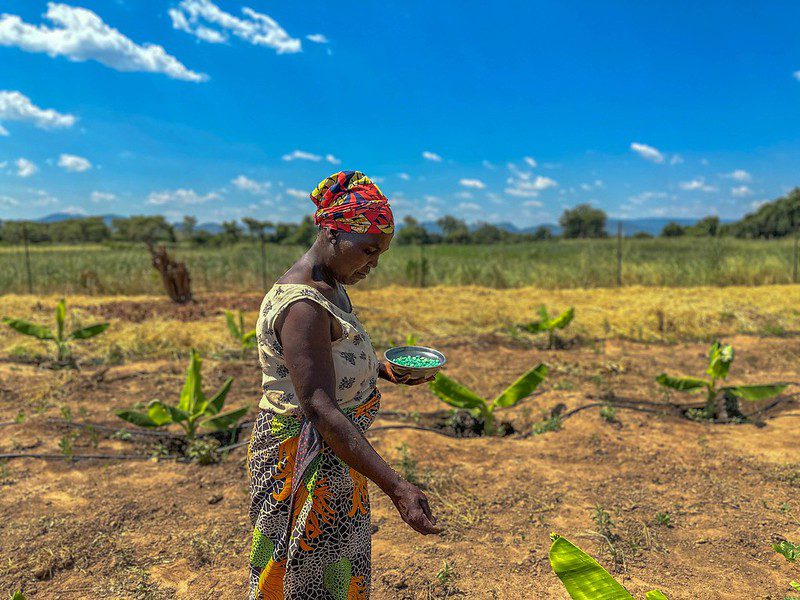
Drought in ZambiaIn February of 2024, the president of Zambia, Hakainde Hichilema, declared a national emergency due to significant drought and widespread hunger. The 2023-2024 rain season, which usually begins in September or October, instead began in January and lasted only one month. Since then, almost no rain has fallen. The United Nations (U.N.) estimates that the drought has destroyed more than two million hectares of crop fields and affects about 9 million people country-wide.

In response to the drought, which is considered Zambia’s worst drought in 20 years, the U.N. allocated $5.5 million in relief funding. In early May of 2024, the U.N.’s Office for the Coordination of Humanitarian Affairs (OCHA) submitted an appeal for another $228 million in funding. This additional aid, if approved, will bolster humanitarian efforts to address the drought in Zambia.

Rainfall and Crop Production

Zambia relies on rainfall for crop production and inconsistent rainfall means a serious lack of food. When subsistence farmers cannot harvest crops to feed their families, their only option is to purchase food. But even the commercial farmers who supply that food are struggling. As food production becomes more constrained, costs skyrocket, leaving millions hungry.

Alternative water collection methods, such as irrigation systems, are expensive and, therefore, not widely used in Zambia. Commercial farmers can sometimes obtain loans, which enable them to install such technology. However, subsistence farmers, without a consistent source of revenue, are often unable to receive such funding. The drought’s impact is felt most strongly among small-scale farmers who cannot water their crops, have no funding to install water technology and have limited means to purchase food.

Hydroelectricity

The drought in Zambia has extensive consequences beyond the food crisis. Zambia relies largely on hydroelectric power for its energy needs; about 80% of its total power is derived from hydroelectric sources. Low water supply has forced Zambia Electricity Supply Corporation (ZESCO), which supplies about 95% of the country’s energy needs, to limit power generation to only eight hours per day.

This widespread energy crisis has far-reaching consequences. According to the World Bank, “lack of reliable electricity severely restricts the country’s potential for improving per capita gross domestic product (GDP) and reducing poverty.” Furthermore, “increasing rural access to modern energy promotes social cohesion and assists the government in economic development initiatives.”

National Government’s Proposed Solutions

Zambia’s legislature has proposed realigning the national budget to allocate more funding toward drought relief. It also offers loans to subsistence farmers to install irrigation technology. For the most vulnerable people who simply have no access to food, Zambia plans to enhance its Social Cash Transfer Program (SCT), which aims to reduce extreme poverty.

To prevent future crises, Zambia plans to diversify its energy mix by adding other renewable sources, such as wind and solar. Relying less heavily on hydroelectric power will help mitigate the effects of future droughts on the nation’s farmers. The Zambian government has been in a debt restructuring process for three years, constraining its ability to give loans and direct cash aid to starving families. Hichilema is calling on the nation’s creditors to expedite the process, stating that “if this process does not close, it’s not just an indictment on Zambia but the global system.”

UN Initiatives

The World Food Programme (WFP), a branch of the United Nations, is working with Zambia to combat the current crisis. Its efforts include distributing food, using boreholes to find clean water and updating the country’s water technology systems. Cindy McCain, the executive director of the WFP, explains that the relief effort must focus on both long-term and short-term goals.

According to McCain, the short-term priority is increasing food availability. In contrast, long-term relief efforts would focus on preventative measures, such as installing irrigation systems and distributing drought-resilient seeds. The crucial first step is securing the additional $228 million in aid requested by OCHA. This funding infusion will greatly help the national government, the U.N. and other nongovernmental organizations meet the needs of the nation’s struggling farmers.

– Maren Fossum-Wernick

Maren is based in St. Paul, MN, USA and focuses on Technology and Global Health for The Borgen Project.

Photo: Flickr

June 10, 2024
https://borgenproject.org/wp-content/uploads/borgen-project-logo.svg 0 0 Hemant Gupta https://borgenproject.org/wp-content/uploads/borgen-project-logo.svg Hemant Gupta2024-06-10 07:30:282024-06-09 09:36:10UN Initiatives To Address Severe Drought in Zambia
Africa, Economy, Global Poverty

Circular Economy Innovations and Poverty in Ethiopia

Poverty in EthiopiaEthiopia is a country with a cultural heritage and natural wealth. Yet, it faces high rates of poverty and environmental challenges. Even in this adversarial backdrop, innovative approaches toward a circular economy are emerging as one of the transformative solutions. These efforts shed light on how zero-waste initiatives, resource recovery programs and upcycling enterprises are not only mitigating environmental degradation but also creating economic opportunities and combating poverty in Ethiopia.

Poverty in Ethiopia

Ethiopia is among many African countries that face pervasive poverty. According to estimates by the World Bank, more than 20% of Ethiopia’s population lives below the poverty line and has little access to clean water, education and health facilities. Furthermore, rapid population growth and climatic changes raise the difficulty of the already existing challenges, making sustainable development a matter of high priority.

The principles of circular economies stress the use of resources in ways that are more regenerative, wasting little and reaping full value. It is within this argument that the circular economy opens a promising pathway for poverty alleviation in Ethiopia by inspiring economic growth while at the same time protecting the environment.

Zero-Waste Initiatives

Zero-waste initiatives aim to eliminate waste through redesigning production, reusing and promoting responsible consumption. In Ethiopia, organizations like the Zero Waste Ethiopia project pioneered such waste management strategies, with the core of reuse and recycling. By diverting waste away from landfills and incinerators, these initiatives effectively reduce environmental pollution while creating employment opportunities in the waste collection and recycling sectors.

An example of this progress is the Addis Ababa Waste-to-Energy Facility, which commenced operations in 2018. This facility converts municipal solid waste into electricity, offering a sustainable energy source to the capital while reducing methane emissions at landfill sites. In addition, community-based initiatives like the “Clean and Green Ethiopia” campaign encourage citizen participation in waste segregation and recycling, promoting environmental stewardship and community empowerment.

Resource Recovery Programs

Resource recovery programs tap into innovative technologies that release value from waste materials. Such initiatives in Ethiopia include producing biogas from organic waste and wastewater treatment plants, reducing environmental pollution and producing renewable energy and organic fertilizers. These programs empower locals by providing them with access to clean energy sources and enhanced agricultural productivity for poverty reduction.

With the support of international organizations, the Ethiopian Biogas Program began in 2009 and has since installed more than 42,000 biogas digesters in rural households, substituting traditional sources of biomass fuels and hence improving indoor air quality. The same applies to the wastewater treatment plant of the Hawassa Industrial Park, which recycles and treats industrial effluent to prevent water pollution of Lake Hawassa, sustaining the industrial development of the region in an environmentally friendly way.

Upcycled Ventures

Upcycled ventures give otherwise discarded material a high-value new life, creating a circular economy where waste represents a valuable resource. In Ethiopia, social enterprises like Sabahar and SoleRebels typify transformational potential through upcycling. Sabahar produces exquisite textiles from recycled materials, which gives artisans sustainable livelihoods while preserving traditional weaving techniques. Similarly, SoleRebels transforms old tires into fashionable footwear, offering opportunities for employment among marginalized groups while reducing waste in landfills.

These businesses not only help reduce poverty but also promote social inclusion and cultural conservation. These enterprises combine traditional craftsmanship with innovation in design, projecting cultural heritage to the world while generating income for their local communities.

Final Remark on Poverty in Ethiopia

The impacts of circular economy innovations extend into environmental sustainability dimensions, such as social and economic benefits, by creating new markets for recycled materials, employment opportunities and efficiency in resource use that contribute to poverty reduction and inclusive economic growth. However, such scaling up would involve a collaborative partnership among government, private sector and civil society stakeholders, coupled with investment in research, infrastructure and capacity building.

For a country like Ethiopia, which faces huge challenges regarding poverty and environmental issues, embracing circular economy innovations could show the way toward sustainable and inclusive development. The potential of zero-waste initiatives, resource recovery programs and upcycling enterprises can secure resilience in communities, protect natural resources and uplift the most vulnerable populations in Ethiopia. 

– Honorine Lanka Perera

Honorine is based in Highland, NY, USA and focuses on Business and Technology for The Borgen Project.

Photo: Flickr

June 3, 2024
https://borgenproject.org/wp-content/uploads/borgen-project-logo.svg 0 0 Hemant Gupta https://borgenproject.org/wp-content/uploads/borgen-project-logo.svg Hemant Gupta2024-06-03 01:30:072024-06-01 13:31:34Circular Economy Innovations and Poverty in Ethiopia
Africa, Global Poverty, Women and Female Empowerment

Ending Period Poverty in Benin: How Innovation is Building Dignity 

Period Poverty in BeninAs a normal biological process, menstruation should not hinder access to health care, education or general well-being. In Benin, however, period poverty disproportionately affects millions of women and girls who do not have access to sanitary goods and menstrual hygiene management (MHM) materials. This lack of access forces girls to resort to risky behaviors that can negatively impact their confidence, health and school attendance. Despite these challenges, creative solutions are emerging. Thanks to the efforts of committed non-governmental organizations and government programs more is being done to eradicate period poverty in Benin. By empowering women and girls to manage their periods with dignity and confidence, these initiatives further seek to eradicate the taboo surrounding menstruation in Benin.

Understanding the Depth of the Problem

A complex web of interrelated factors beyond just physical hardship causes period poverty. Social taboos surrounding menstruation create a culture of silence that prevents open dialogue and access to reliable information. Traditional beliefs that portray menstruation as dirty or shameful contribute to a lack of support for girls and women during their periods.

This silence leads to poor sanitary practices. Unable to afford sanitary pads or lacking access to proper sanitation facilities, many women and girls have to use unsanitary substitutes. These practices increase the risk of infections, urinary tract issues and reproductive health problems.

Period poverty also compels girls to miss school. Fear of leaks, inadequate sanitary facilities and a lack of knowledge about menstrual hygiene management can all contribute to school absences. This disrupts their education and potentially widens the gender gap in educational achievement around the world and in Benin.

According to the World Bank, Benin’s national poverty rate in 2021-2022 was 36.2%. This widespread poverty creates significant challenges for women and girls to afford necessities, including sanitary products.

Eco-Friendly and Community Education Initiatives

Organizations like Ilewa recognize the need for sustainable solutions that address both environmental concerns and period poverty in Benin. It produces and markets reusable sanitary pads made from sustainable, locally sourced materials. Its 2021 fundraising drive provided reusable pads to 500 underprivileged girls in Parakou. By promoting a dignified approach to menstrual hygiene, these initiatives empower women. Additionally, they promote environmental sustainability by reducing reliance on disposable products.

Long-term change requires breaking the taboo surrounding menstruation. Organizations like Action Education organize community seminars and awareness campaigns. These campaigns go beyond educating girls and women, also including men and boys in the conversation about menstrual hygiene. These initiatives strive to dispel stigma and create a more supportive environment for menstruating women and girls by fostering empathy and compassion.

Impact and the Road Ahead

Benin’s creative solutions are showing positive results. Increased access to sanitary products, improved hygiene facilities and educational efforts are empowering women and girls to manage their periods effectively. This improves their health and overall well-being, while also promoting educational opportunities and social inclusion.

Challenges remain, however. Reaching remote areas, ensuring program sustainability, and addressing the broader social and cultural aspects of menstruation all require ongoing efforts. Scaling up these programs and advocating for legislative changes that prioritize menstrual health is crucial to achieving menstrual equity for all in Benin.

Conclusion

Period poverty is a complex problem, but a combination of innovative thinking and unwavering commitment can solve it. The programs and organizations working in Benin offer hope for a future where menstruation is not a source of shame or a barrier to opportunity. By shattering the taboo, promoting education, and providing practical solutions, these initiatives are laying the groundwork for a future where period power enables women and girls to thrive.

– Taiwo Makanjuola

Taiwo is based in Sunderland, UK and focuses on Global Health and Good News for The Borgen Project.

Photo: Flickr

June 2, 2024
https://borgenproject.org/wp-content/uploads/borgen-project-logo.svg 0 0 Jennifer Philipp https://borgenproject.org/wp-content/uploads/borgen-project-logo.svg Jennifer Philipp2024-06-02 01:30:092024-06-11 00:12:48Ending Period Poverty in Benin: How Innovation is Building Dignity 
Africa, Child Poverty, Global Poverty

Child Poverty in Djibouti

Child Poverty in DjiboutiThe Republic of Djibouti is home to 1.1 million people. With a GDP growth of 6.7% in 2023, Djibouti has experienced a graceful economic incline due to port commerce and trade. Despite attaining low-middle income status, the poverty rate in Djibouti currently sits at 79%. Socio-economic pressure on Djiboutian families living on lower-income status or below the poverty line has caused widespread exposure to child labour and malnutrition. Children living in rural areas are more likely to be struggling with insufficient prenatal care and social services such as education and health care facilities. With the consideration of children representing a third of the country’s population, the alleviation of child poverty in Djibouti continues to be an essential step in governmental & international humanitarian relief.

A Debrief of Djibouti’s Malnutrition Crisis

Djibouti’s record of food insecurity traces back to its heavy dependence on foreign aid and struggles with “persistent droughts and food shortages.” The weather in Djibouti instigates consistent agricultural production with conditions of 130 mm of rainfall per year, according to the World Bank, and recurring droughts. As one of Africa’s smallest countries, Djibouti’s limitation in arable land impedes the ability to produce food, the World Bank reports. The insufficient production of food resources is disproportionate to the necessary nutritional needs of a human being, significantly impacting 42% of the population of Djibouti that is living in extreme poverty, according to the World Food Programme (WFP). As a result, the country imports 90% of food production through global markets instead.

The increment in pricing for commodities such as housing, electricity and water fuels financial pressure on lower to middle-income families. Household expenses in addition to the inflated international food import prices render it difficult for parents to protect children and adolescents from nutritional deficiency. Due to limited economic opportunity for lower-income Djiboutian families, the financial prioritization of basic household requirements leaves little room for imperative dietary coverage.

Djibouti holds one of the highest cases of child malnutrition compared to other countries within the Middle East and North Africa regions. Due to the exacerbated food shortages, weather conditions and economic setbacks, one in three Djiboutian children are severely malnourished, according to the SOS Children’s Villages. More than 10% of Djiboutian children aged between 6 and 59 months are living in households with food insecurity and are suffering from acute malnutrition, according to a 2011 report. The high occurrence of malnutrition due to limited feeding practices for Djibouti’s children comes with deterioration in physical development such as stunted growth and critically underweight.

Susceptibility to Child Labor

Due to the financial strain on families, children have to be a part of the workforce from an early age. Djiboutian children are more likely to work at the age of 5 than to be attending school or other childhood services, according to the World Bank report. Often, these children struggle with aggressive workplace conditions to attend school or contribute to their family income. From caring for livestock to street work such as polishing shoes or washing cars, Djiboutian children in the workforce partake in diverse roles. However, Djibouti’s children are also vulnerable to illicit activities such as human trafficking. Commercialized sexual exploitation occurs due to the absence of labor inspectors.

While Djibouti’s Ministry of Labor has enacted laws that provide standardized guidelines on child labor; there yet exists legal gaps in protection from sexual exploitation. The country proposed the national labor inspection Strategy in 2020, however, it has been ineffective in applying adequate protection against child labor. Children’s exploitation occurs due to the absence of labor inspectors, according to Humanium. The financial strain on Djibouti’s government prohibits further law enforcement protocol to protect vulnerable children from unethical forms of labor. Child labor tends to compromise a child’s engagement with education due to physically and psychologically demanding circumstances that they are subjected to.

Going Forward With International Effort

International organizations alongside the Djiboutian government are in motion to develop policies and services to secure food, proper housing and educational opportunities for children living in harsh conditions. For example, the SOS Children’s Villages has been providing support in Djibouti for children without parental care since 2011. SOS Children’s Villages have immensely supported 190 Djiboutian children and families living in poverty within the city of Tadjourah.

Additionally, UNICEF and the WFP are simultaneously strategizing to reduce acute malnutrition through policy advocacy. UNICEF has appealed for $2.5 million from the U.S. government where 36% would go to water, sanitation and hygiene, around 8% would be allocated for education, and around 17% for food security. UNICEF has also partnered with Djibouti’s government to provide accessible water and nutritional goods for more than 6,000 children.

In 2022, the World Bank approved a $30 million International Development Association (IDA) grant for Djibouti to provide financial means to protect families that are exposed to sudden economic disparities. Due to the recurrence of severe droughts, pricing in Djibouti has had a significant impact on lower-income households. The Social Protection Emergency Crisis Response Project is on a mission to generate social safety nets for households in Djibouti struggling with multiple crises.

A Secure Childhood

This form of financial protection could shield vulnerable families from national crises, and those that cannot be substantially supported by the government. By ameliorating the scarcity of resources for families living in poverty, children in Djibouti are pushed even further to attain a secure childhood as every child should. A safe environment for children in Djibouti begins with quality education, access to nutrition, and relief from labor exploitation. International focus has been a remarkable contributor to protecting the rights and freedom of the young generations of Djibouti and preventing further child poverty in Djibouti.

– Abigail Lobo

Abigail is based in Ontario, Canada and focuses on Good News and Technology for The Borgen Project.

Photo: Flickr

June 1, 2024
https://borgenproject.org/wp-content/uploads/borgen-project-logo.svg 0 0 Jennifer Philipp https://borgenproject.org/wp-content/uploads/borgen-project-logo.svg Jennifer Philipp2024-06-01 07:30:122024-05-30 05:58:38Child Poverty in Djibouti
Africa, Developing Countries, Global Poverty, Mental Health

Poverty and Mental Health in Djibouti

Mental health in DjiboutiIn Djibouti, one of the smallest but geographically strategic countries in the Horn of Africa, the relationship between mental health and poverty presents major challenges to individuals and communities. They are interrelated in such a way that economic deprivation increases mental health struggles, while poor mental health transfers them into cycles of poverty. Given this dynamic, it is clear that this challenge needs interventions that approach the issue with substantial social and health care dimensions.

Understanding the Link

Poverty in Djibouti is pervasive and much of the population lives below the threshold level of subsistence. The economy remains unstable, with scarce educational facilities and high unemployment rates. In such conditions, individuals and families have to endure many stressors emanating from lack of access to basic needs, housing insecurity and food insecurity. Stressors of this nature affect not only physical but also mental health.

According to the World Bank, “Using the lower middle-income poverty line, it is found that about two-fifths of the population lives below $3.20 a day. As the pace of economic growth declines due to the spread of COVID-19, the pace of poverty reduction is under threat.” Mental health problems are among the most common in Djibouti. Yet, they are barely noticed: depression, anxiety and trauma-related disorders. Among other causes, it is underreported and underdiagnosed because of the stigma, cultural beliefs and the lack of mental health professionals.

In addition, the deficit of reachable and affordable services for mental health increases the burden on individuals who already bear the burden of poverty. Organizations like the United Nations Children’s Fund (UNICEF) have led by example. According to the organization, in Africa alone, “nearly 37 million adolescents (aged 10–19) live with a mental disorder.” In Djibouti, UNICEF has found that 10.8% of boys and girls aged 10 to 19 are victims of mental disorders.

Multifaceted Approaches

Therefore, approaches that consider the complex interplay between mental health and poverty are essential. Poverty reduction strategies, in particular, reduce stressors that contribute to poor mental health outcomes. Similarly, improved access to education provides the tools for breaking out of the poverty cycle and enhances resilience against mental health problems. Furthermore, opening job opportunities, particularly for the most disadvantaged, improves economic prospects, builds self-esteem and increases the social integration necessary for better mental health.

In addition, social safety nets, which include cash transfer programs and food assistance schemes, make essential support for vulnerable households less burdensome on the pocket and ensure stability. These poverty reduction interventions could actually prevent risk factors that lead to poor mental health. At the same time, cultural sensitivity in mental health services will be supported by investment in the infrastructure for mental health. This will include training and deploying more mental health professionals, such as psychologists, psychiatrists and counselors, to build a strong workforce in the field of mental health.

De-stigmatizing mental illness will also help develop local support systems, including peer support groups and community health centers, helping mental health services reach unserved, far-flung areas. Therefore, the process has to consider reducing the stigma associated with mental illness. This is basically to ensure that people seek help without much stress or feeling embarrassed. Targeted awareness campaigns to dispel misconceptions and increase mental health literacy can reduce stigma and empower people to seek help openly in their communities. It is equally crucial for partnerships between the government, nonprofit sectors and international partners to share resources and expertise and coordinate efforts.

Combating Stigma and Fostering Collaboration

Reducing stigma around mental illness is the foremost strategy for enhancing help-seeking behavior and early intervention. In this regard, awareness campaigns like UNICEF’s #OnMyMind campaign can challenge misconceptions while improving mental health literacy. This can help lower stigma and increase open dialogue at the community level. Moreover, fostering the collaboration of government agencies, nonprofit organizations and international partnerships is vital to pool resources and expertise and harmonize efforts.

Given the strengths of government institutions, civil society organizations and humanitarian agencies, holistic and sustainable solutions can be devised. This collaboration could, therefore, ensure the elaboration of comprehensive policies on mental health, mobilization of resources for mental health programs and setting up mechanisms for monitoring purposes to ensure accountability.

Conclusion

The intricate relationship between mental health and poverty in Djibouti necessitates integrated and coordinated responses that address the social, economic and health aspects of the issue. Combining efforts to reduce socioeconomic stressors with initiatives to increase mental health services and reduce stigma will facilitate a pathway toward holistic and sustainable solutions for Djibouti. Ultimately, by placing human well-being at the top of the agenda, Djibouti can build resilient communities that succeed both economically and in mental health.

– Honorine Lanka Perera

Honorine is based in Highland, NY, USA and focuses on Good News and Global Health for The Borgen Project.

Photo: Flickr

May 24, 2024
https://borgenproject.org/wp-content/uploads/borgen-project-logo.svg 0 0 Hemant Gupta https://borgenproject.org/wp-content/uploads/borgen-project-logo.svg Hemant Gupta2024-05-24 01:30:262024-05-24 02:25:39Poverty and Mental Health in Djibouti
Africa, Child Poverty, Global Poverty

The Impact of Reducing Child Poverty in Angola

Child Poverty in AngolaAn intense history of a 27-year civil war burdens Angola. The children of Angola are suffering the most – with high rates of child poverty, illiteracy and mortality. Low contraceptive use has resulted in a fertility rate of more than five children per woman. Positively, Angola has been a party to the Convention on the Rights of the Child since 1990 and efforts are underway to protect children in Angola from the consequences of poverty. That said, here are three areas that will undergo positive improvements if child poverty in Angola is reduced.

Education

Currently, 33% of children in Angola are illiterate and only 30% progress to upper secondary school. Additionally, more than a quarter of households in Angola have children who aren’t enrolled in school. This is mainly due to a lack of education, closely tied to intergenerational poverty traps. Education for girls is particularly at risk, with 30% of women aged 20-24 having been married or in a union before the age of 18. If poverty and hardship were not defining issues for these children, they could experience the normalcy of education and childhood.

Fortunately, there have already been significant improvements in education in Angola. The Committee on the Rights of the Child (CRC) has recognized multiple efforts being made to get more children into education. For example, the National Action Plan 2013-2020 was entitled “Education for All.” Additionally, the gross enrolment rate of children attending nursery, primary and secondary school increased to 97.5% in 2016.

Investment in the quality of teaching has led to more young people attending school – often due to the hard work of organizations such as SOS Children’s Villages. It works toward making education accessible to everyone. It has funded school fees, uniforms, learning materials and tutoring. Due to SOS Children’s Villages’ diligence and hard work, the project has enabled more than 1390 children in Angola to learn at its kindergartens and schools.

Health

Angola has suffered from an influx of droughts, flooding and diseases such as malaria, where medical treatment is sparse. Families in rural areas have found themselves struggling with rising food prices, leading to issues such as undernutrition being responsible for 45% of child deaths. A lack of access to water and sanitation has become a crucial issue for children’s health. However, when child poverty is dealt with, nutritious food will prevent the high rate of stunted children aged less than 5.

In response, Angola implemented a National Health Development Plan from 2012 to 2015, with one of its key objectives being to reduce maternal, infant and child mortality and morbidity rates. However, several challenges have arisen since the plan’s announcement. Malaria remains the leading cause of death in the country, responsible for more than 10,400 deaths in 2020. Additionally, the decline in oil growth in 2014 has led to decreased public spending in the health sector.

Despite these challenges, life expectancy in Angola is expected to increase from 61 years in 2023 to 68 years by 2050. Between 2018 and 2022, the health care workforce significantly increased and in 2020, Angola began offering specialty training courses for doctors in five provinces. By 2023, the program had expanded to include 2,500 medical doctors across 17 regions. The Minister of Health has also nominated a Task Force to oversee postgraduate training for health professionals.

SOS Children’s Villages is also actively working to ensure that social and health care facilities are accessible. Its efforts have enabled 450 families in Angola to stay together, providing crucial support and assistance.

Labor

Approximately 30% of Angolans live below the poverty line and widespread unemployment often leads to children becoming breadwinners for their households. The COVID-19 pandemic exacerbated a four-year recession in Angola, significantly impacting many families financially. Children aged 0-14 are particularly affected and live on less than $2.15 a day. Currently, three-quarters of children in Angola are living in poverty. Additionally, a staggering 19% of them work to support their families.

However, tackling extreme child poverty means that the number of children in the workforce within industries such as mining, construction and agricultural sectors will lessen and child trafficking will dissipate. Positive efforts have been made in this regard. Law no.3/14 criminalizes the exploitation of children for sexual purposes and prostitution.

Furthermore, in 2022, the Angolan government funded and participated in programs to prevent child labor. These initiatives include Social Protection Programs, Mobile Schools and Free School Meals for Children. Specifically, these programs target children in Southern Angola who are at high risk of being engaged in child labor.

– Xantippe Steele

Xantippe is based in Hove, UK and focuses on Good News and Politics for The Borgen Project.

Photo: Flickr

May 22, 2024
https://borgenproject.org/wp-content/uploads/borgen-project-logo.svg 0 0 Hemant Gupta https://borgenproject.org/wp-content/uploads/borgen-project-logo.svg Hemant Gupta2024-05-22 07:30:062024-05-22 01:13:57The Impact of Reducing Child Poverty in Angola
Africa, Global Health, Global Poverty

Clean Water Water Accessibility in Gabon

Clean Water Accessibility in the Cities of Gabon Gabon, a Central African nation, faces significant challenges in water accessibility despite its abundant natural resources. This disparity underscores the broader issues associated with urbanization, where a third of Gabon’s population resides in Libreville, leading to intense competition for resources, higher living costs and lower wages. Inefficiencies in water treatment infrastructure restrict widespread access, contributing to the 39.2% of Gabonese living below the poverty threshold.

Water Access Disparity and Infrastructure Development

Urbanization in Gabon, driven by superior infrastructure and facilities, manifests starkly in Libreville where more than 97% of residents have access to clean water. In contrast, less than 55% of the rural population enjoys similar access. Despite its wealth in water resources, with seven rivers and a potential annual water resource of 170 billion cubic meters, Gabon struggles with water accessibility. The per capita annual water resource stands at a high of 127,825 cubic meters. The core issue lies in inadequate water treatment infrastructure, which fails to distribute these abundant resources effectively to the Gabonese people.

The Role of the African Development Bank

In 2018, the African Development Bank allocated UA 96.95 million to tackle Gabon’s water issues, leading to the 2019 launch of the Integrated Drinking Water Supply and Sanitation Program. Now nearing completion, the program has refurbished the water networks and the hydraulic equipment and booster station at the SOTEGA water tower in Libreville. It also upgraded the Nzeng-Bourg water tower. New water towers in Ntoum and Bikele, along with 39 drinking fountains, mark further progress. Additionally, the installation of new water pipes and a new pumping station has improved water access in the cities of Nzeng-Ayong, Montalier, Ondogo, Alibadeng, Haut de Gue Gue and Bas de Gue Gue.

Economic and Social Impact

The Integrated Drinking Water Supply and Sanitation Program has significantly enhanced water accessibility in the cities of the Estuaire province, including Libreville, encouraging migration from the overcrowded capital to nearby cities. Set for completion by June 30, 2024, the program has already expanded water access to more than 20,000 residents. Improved water access in these cities is expected to attract investors, potentially spurring job creation and offering residents opportunities to break free from the cycle of poverty. This initiative not only aims to improve living conditions but also to foster economic development through enhanced water resource management, aligning with global efforts to ensure sustainable access to clean water for all.

Looking Ahead

Gabon is poised to make significant strides in bridging the water accessibility gap between urban and rural areas. With continued investments and the successful implementation of infrastructure projects, more communities could gain reliable access to clean water. This advancement could catalyze socioeconomic development, creating new employment opportunities and improved public health. Moreover, as the country moves toward more equitable water distribution, the potential for economic growth and poverty reduction increases. These ongoing efforts underscore Gabon’s commitment to sustainable development and enhancing the quality of life for all its citizens.

– Hafsa Dijoo

Hafsa is based in Sharjah, UAE and focuses on Good News for The Borgen Project.

Photo: Unsplash

May 21, 2024
https://borgenproject.org/wp-content/uploads/borgen-project-logo.svg 0 0 Precious Sheidu https://borgenproject.org/wp-content/uploads/borgen-project-logo.svg Precious Sheidu2024-05-21 07:30:132024-05-21 01:19:02Clean Water Water Accessibility in Gabon
Africa, Child Poverty, Global Poverty

Alleviating Child Poverty in Eswatini

Poverty in EswatiniThe kingdom of Eswatini is a small country in Southern Africa. It is a landlocked nation surrounded by South Africa to its north, west and south and Mozambique to its east. While it takes only three hours to travel from Eswatini’s western to eastern borders, this country’s intriguing traditions, wildlife, festivals, ceremonies and public events are some of the primary reasons tourists frequent it. Nevertheless, around 58.9% of the population of Eswatini lives below the national poverty line. Within this population, 56.5% of Swazi children are multidimensionally poor, meaning they lack adequate nutrition, housing, clothing, sanitation, water, health care, education and information and communication technology (ICT). Fortunately, many organizations are working to serve children in Eswatini.

HIV Infections Among Swazi Children

HIV is a particularly cruel form of child poverty in Eswatini. With one of the highest rates of HIV infections globally, the country is grappling with the devastating impact of this disease. Currently, approximately 26% of Swazis suffer from this disease. In 2020, more than 13,000 children between the ages of 0 and 14 were living with HIV.

Fortunately, Eswatini has made significant progress in its war on HIV. It is one of two African nations in history to not only meet but exceed the 95-95-95 global HIV treatment targets in 2020 and the number of HIV infections is declining every year. In 2022, the Pact organization reported that more than 6,000 Swazi children were supported with HIV services through its Ready, Resourceful, Risk Aware project.

Further, in 2023, through a mobile clinic, the World Food Programme (WFP) provided treatment literacy training to 135 caregivers and 1,800 children at 46 neighborhood care points (NCPs) in Eswatini. Working with Eswatini’s government, the WFP created safety nets for Swazis affected by poverty and HIV/AIDS. The target of these safety nets was 27,000 at-risk children at NCPs and specific Swazi schools.

Malnutrition Among Swazi Children

Malnutrition is a prevalent issue among children in developing countries, representing a significant aspect of child poverty in Eswatini. One consequence of chronic malnutrition among Swazi children is stunting, which occurs when a child is shorter than average for their age. In 2022, the stunting rate for Swazi children stood at 20%. Additionally, malnutrition contributes to child wasting, a condition characterized by thinness relative to height and a weak immune system. About 2% of Swazi children aged less than 5 experience wasting and one in 20 is underweight.

Many nongovernmental organizations (NGOs) are helping Swazis fight against child malnutrition, with one standout leader being the WFP. In 2023, the WFP played a pivotal role in addressing child malnutrition in Eswatini through various initiatives. By identifying the most undernourished populations across the country, the WFP targeted its efforts where they were most needed.

Through the innovative home-grown school feeding program pilot, nutritious meals were provided to NCPs, which serve as a combination of soup kitchens and informal preschools offering food, daycare and education to orphaned and vulnerable children. By implementing this program and working with Eswatini’s Ministry of Education, the WFP provided 23,000 school children with healthy food.

Clean Water and Sanitation for Swazi Children

One in three Swazis does not have access to clean water. Consequently, more than 200 Swazi children aged less than 5 die yearly from diarrhea caused by poor toilets and dirty water. Therefore, to attain number six on the United Nations (U.N.) list of Sustainment Development Goals, Eswatini has determined to provide all Swazis with fair and universal access to clean, safe, affordable water, sanitation and hygiene by 2030.

Further, many organizations, such as World Vision and WaterAid, are working to provide Swazi children with clean water and better sanitation. In 2022, World Vision and WaterAid provided clean water to local regions throughout Eswatini, enabling more children to enroll in Eswatini’s schools and spend more time learning.

Final Remark

Many Swazi children continue to find everyday life difficult. However, men and women in and outside Eswatini work night and day to create a brighter future for these children.

– Jacob Stubbs

Jacob is based in Indianapolis, IN, US and focuses on Good News for The Borgen Project.

Photo: Flickr

May 17, 2024
https://borgenproject.org/wp-content/uploads/borgen-project-logo.svg 0 0 Hemant Gupta https://borgenproject.org/wp-content/uploads/borgen-project-logo.svg Hemant Gupta2024-05-17 01:30:162024-05-15 22:44:56Alleviating Child Poverty in Eswatini
Page 18 of 24«‹1617181920›»

Get Smarter

  • Global Poverty 101
  • Global Poverty… The Good News
  • Global Poverty & U.S. Jobs
  • Global Poverty and National Security
  • Innovative Solutions to Poverty
  • Global Poverty & Aid FAQ’s
Search Search

Take Action

  • Call Congress
  • Email Congress
  • Donate
  • 30 Ways to Help
  • Volunteer Ops
  • Internships
  • Courses & Certificates
  • The Podcast
Borgen Project

“The Borgen Project is an incredible nonprofit organization that is addressing poverty and hunger and working towards ending them.”

-The Huffington Post

Inside The Borgen Project

  • Contact
  • About
  • Financials
  • President
  • Board of Directors
  • Board of Advisors

International Links

  • UK Email Parliament
  • UK Donate
  • Canada Email Parliament

Get Smarter

  • Global Poverty 101
  • Global Poverty… The Good News
  • Global Poverty & U.S. Jobs
  • Global Poverty and National Security
  • Innovative Solutions to Poverty
  • Global Poverty & Aid FAQ’s

Ways to Help

  • Call Congress
  • Email Congress
  • Donate
  • 30 Ways to Help
  • Volunteer Ops
  • Internships
  • Courses & Certificates
  • The Podcast
Scroll to top Scroll to top Scroll to top