Ending Period Poverty in Benin: How Innovation is Building Dignity
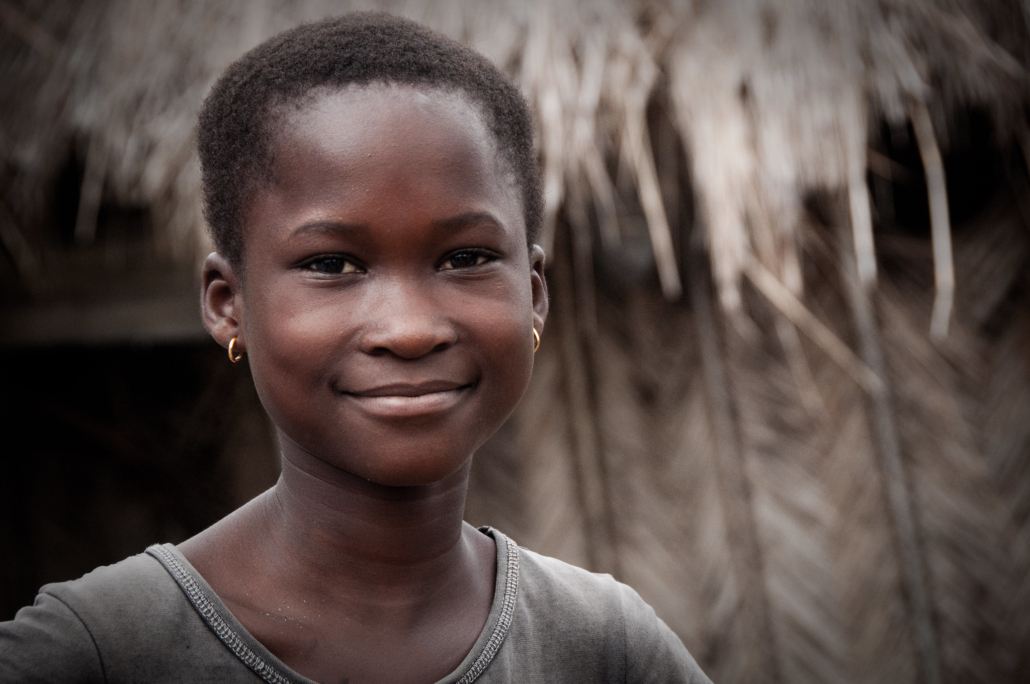 As a normal biological process, menstruation should not hinder access to health care, education or general well-being. In Benin, however, period poverty disproportionately affects millions of women and girls who do not have access to sanitary goods and menstrual hygiene management (MHM) materials. This lack of access forces girls to resort to risky behaviors that can negatively impact their confidence, health and school attendance. Despite these challenges, creative solutions are emerging. Thanks to the efforts of committed non-governmental organizations and government programs more is being done to eradicate period poverty in Benin. By empowering women and girls to manage their periods with dignity and confidence, these initiatives further seek to eradicate the taboo surrounding menstruation in Benin.
Understanding the Depth of the Problem
A complex web of interrelated factors beyond just physical hardship causes period poverty. Social taboos surrounding menstruation create a culture of silence that prevents open dialogue and access to reliable information. Traditional beliefs that portray menstruation as dirty or shameful contribute to a lack of support for girls and women during their periods.
This silence leads to poor sanitary practices. Unable to afford sanitary pads or lacking access to proper sanitation facilities, many women and girls have to use unsanitary substitutes. These practices increase the risk of infections, urinary tract issues and reproductive health problems.
Period poverty also compels girls to miss school. Fear of leaks, inadequate sanitary facilities and a lack of knowledge about menstrual hygiene management can all contribute to school absences. This disrupts their education and potentially widens the gender gap in educational achievement around the world and in Benin.
According to the World Bank, Benin’s national poverty rate in 2021-2022 was 36.2%. This widespread poverty creates significant challenges for women and girls to afford necessities, including sanitary products.
Eco-Friendly and Community Education Initiatives
Organizations like Ilewa recognize the need for sustainable solutions that address both environmental concerns and period poverty in Benin. It produces and markets reusable sanitary pads made from sustainable, locally sourced materials. Its 2021 fundraising drive provided reusable pads to 500 underprivileged girls in Parakou. By promoting a dignified approach to menstrual hygiene, these initiatives empower women. Additionally, they promote environmental sustainability by reducing reliance on disposable products.
Long-term change requires breaking the taboo surrounding menstruation. Organizations like Action Education organize community seminars and awareness campaigns. These campaigns go beyond educating girls and women, also including men and boys in the conversation about menstrual hygiene. These initiatives strive to dispel stigma and create a more supportive environment for menstruating women and girls by fostering empathy and compassion.
Impact and the Road Ahead
Benin’s creative solutions are showing positive results. Increased access to sanitary products, improved hygiene facilities and educational efforts are empowering women and girls to manage their periods effectively. This improves their health and overall well-being, while also promoting educational opportunities and social inclusion.
Challenges remain, however. Reaching remote areas, ensuring program sustainability, and addressing the broader social and cultural aspects of menstruation all require ongoing efforts. Scaling up these programs and advocating for legislative changes that prioritize menstrual health is crucial to achieving menstrual equity for all in Benin.
Conclusion
Period poverty is a complex problem, but a combination of innovative thinking and unwavering commitment can solve it. The programs and organizations working in Benin offer hope for a future where menstruation is not a source of shame or a barrier to opportunity. By shattering the taboo, promoting education, and providing practical solutions, these initiatives are laying the groundwork for a future where period power enables women and girls to thrive.
– Taiwo Makanjuola
Taiwo is based in Sunderland, UK and focuses on Global Health and Good News for The Borgen Project.
Photo: Flickr
