The Impact of Reducing Child Poverty in Angola
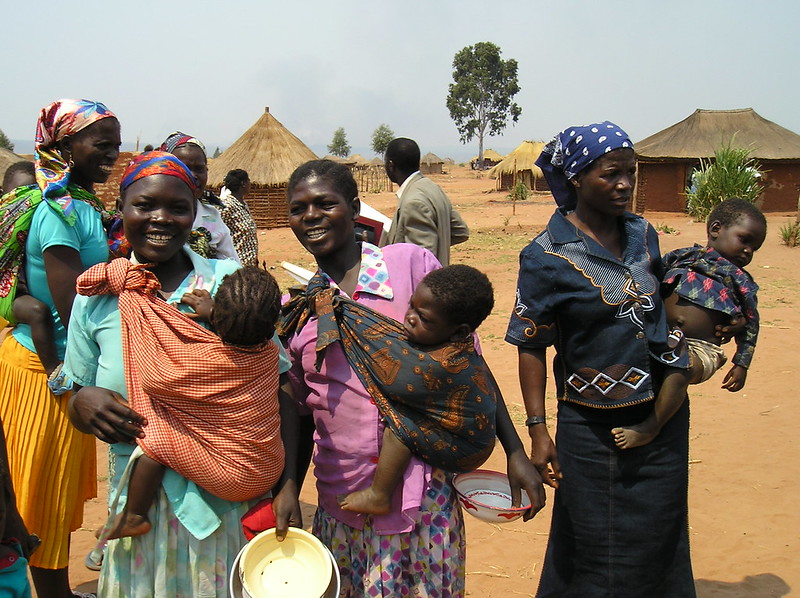 An intense history of a 27-year civil war burdens Angola. The children of Angola are suffering the most – with high rates of child poverty, illiteracy and mortality. Low contraceptive use has resulted in a fertility rate of more than five children per woman. Positively, Angola has been a party to the Convention on the Rights of the Child since 1990 and efforts are underway to protect children in Angola from the consequences of poverty. That said, here are three areas that will undergo positive improvements if child poverty in Angola is reduced.
Education
Currently, 33% of children in Angola are illiterate and only 30% progress to upper secondary school. Additionally, more than a quarter of households in Angola have children who aren’t enrolled in school. This is mainly due to a lack of education, closely tied to intergenerational poverty traps. Education for girls is particularly at risk, with 30% of women aged 20-24 having been married or in a union before the age of 18. If poverty and hardship were not defining issues for these children, they could experience the normalcy of education and childhood.
Fortunately, there have already been significant improvements in education in Angola. The Committee on the Rights of the Child (CRC) has recognized multiple efforts being made to get more children into education. For example, the National Action Plan 2013-2020 was entitled “Education for All.” Additionally, the gross enrolment rate of children attending nursery, primary and secondary school increased to 97.5% in 2016.
Investment in the quality of teaching has led to more young people attending school – often due to the hard work of organizations such as SOS Children’s Villages. It works toward making education accessible to everyone. It has funded school fees, uniforms, learning materials and tutoring. Due to SOS Children’s Villages’ diligence and hard work, the project has enabled more than 1390 children in Angola to learn at its kindergartens and schools.
Health
Angola has suffered from an influx of droughts, flooding and diseases such as malaria, where medical treatment is sparse. Families in rural areas have found themselves struggling with rising food prices, leading to issues such as undernutrition being responsible for 45% of child deaths. A lack of access to water and sanitation has become a crucial issue for children’s health. However, when child poverty is dealt with, nutritious food will prevent the high rate of stunted children aged less than 5.
In response, Angola implemented a National Health Development Plan from 2012 to 2015, with one of its key objectives being to reduce maternal, infant and child mortality and morbidity rates. However, several challenges have arisen since the plan’s announcement. Malaria remains the leading cause of death in the country, responsible for more than 10,400 deaths in 2020. Additionally, the decline in oil growth in 2014 has led to decreased public spending in the health sector.
Despite these challenges, life expectancy in Angola is expected to increase from 61 years in 2023 to 68 years by 2050. Between 2018 and 2022, the health care workforce significantly increased and in 2020, Angola began offering specialty training courses for doctors in five provinces. By 2023, the program had expanded to include 2,500 medical doctors across 17 regions. The Minister of Health has also nominated a Task Force to oversee postgraduate training for health professionals.
SOS Children’s Villages is also actively working to ensure that social and health care facilities are accessible. Its efforts have enabled 450 families in Angola to stay together, providing crucial support and assistance.
Labor
Approximately 30% of Angolans live below the poverty line and widespread unemployment often leads to children becoming breadwinners for their households. The COVID-19 pandemic exacerbated a four-year recession in Angola, significantly impacting many families financially. Children aged 0-14 are particularly affected and live on less than $2.15 a day. Currently, three-quarters of children in Angola are living in poverty. Additionally, a staggering 19% of them work to support their families.
However, tackling extreme child poverty means that the number of children in the workforce within industries such as mining, construction and agricultural sectors will lessen and child trafficking will dissipate. Positive efforts have been made in this regard. Law no.3/14 criminalizes the exploitation of children for sexual purposes and prostitution.
Furthermore, in 2022, the Angolan government funded and participated in programs to prevent child labor. These initiatives include Social Protection Programs, Mobile Schools and Free School Meals for Children. Specifically, these programs target children in Southern Angola who are at high risk of being engaged in child labor.
– Xantippe Steele
Xantippe is based in Hove, UK and focuses on Good News and Politics for The Borgen Project.
Photo: Flickr
