• Link to X
  • Link to Facebook
  • Link to Instagram
  • Link to TikTok
  • Link to Youtube
  • About
    • About Us
      • President
      • Board of Directors
      • Board of Advisors
      • Financials
      • Our Methodology
      • Success Tracker
      • Contact
  • Act Now
    • 30 Ways to Help
      • Email Congress
      • Call Congress
      • Volunteer
      • Courses & Certificates
      • Be a Donor
    • Internships
      • In-Office Internships
      • Remote Internships
    • Legislation
      • Politics 101
  • The Blog
  • The Podcast
  • Magazine
  • Donate
  • Click to open the search input field Click to open the search input field Search
  • Menu Menu

Archive for category: Africa

Africa, Child Marriage, Global Poverty

Legislation Passed: Child Marriage in Sierra Leone is Banned

Child Marriage in Sierra LeoneOn July 2, 2024, President Julius Maada Bio signed the Prohibition of Child Marriage Act to end the widespread practice in Sierra Leone.

Law That Aims to Protect

In Sierra Leone, a milestone has been achieved in the country; the Prohibition of Child Marriage Act was recently signed into effect, eradicating all child marriages younger than the age of 18. This includes conspiracy, aiding and abetting a child to enter marriage; violators can expect strict penalties if found guilty, with punishments of up to 15 years in prison and approximately $4,000 fine.

Obligations on community and religious leaders will require them to take strong measures so they don’t officiate child marriages and no person is allowed to attend the ceremony involving a child. It will also prevent cohabitation with a child regardless of whether married or not, criminalizing both as offenses.

The new bill contributes to protecting women, girls and children from harmful practices, even employing marriage prohibition officers who will work within communities to advise and issue reports, ensuring the law is being followed.

The Scale of Child Marriage

According to the United Nations Children’s Fund (UNICEF), an estimated 800,000 child brides reside in Sierra Leone, with half having been married before the age of 15 years. Child marriage is common in the country, with 30% of girls aged 20 to 24 years old married before age 18 and 13% married before age 15.

The reasons for child marriage are complex and vary: poverty, education, gender inequality, religion and even inheritance are all factors related to this ongoing issue. Families with limited resources seek to find ways for their children to gain opportunities; by offering a bride in the form of a child, the motivation is not just economic, but also a custom and local practice.

Education, FGM and Risks

The effects of child marriage have been devasting, resulting in many disadvantages for women and girls throughout their lives. Girls are often less educated and unable to complete secondary school, which limits their employment opportunities. This makes them underrepresented in skilled and professional industries and digital literacy, such as the internet, cell phones and technology that can provide them access to more resources and information.

There is also the divisive practice of Female Genital Mutilation (FGM) used to initiate girls into womanhood and prepare them for marriage. It’s a method of suppressing women’s and girls’ sexual urges and keeping them focused on the woman’s responsibilities and duties she will face within her home. According to the 2019 Sierra Leone Demographic and Health Survey, 83% of women and girls aged between 15 and 49 years have undergone FGM.

Final Remark

Additional concerns that must be addressed are fear of retaliation for having a family member imprisoned and increased poverty, which will prevent many from following the new law. Therefore, it will take much involvement from the community for this law to make a substantial impact. The benefits for women, girls and children are great for now. They can finish school, gain more skills and seek opportunities. Most of all, they can enjoy childhood without the pressures of being forced into child marriage.

– Tanita Love

Tanita is based in Chicago, IL, USA and focuses on Good News and Politics for The Borgen Project.

Photo: Unsplash

July 27, 2024
https://borgenproject.org/wp-content/uploads/borgen-project-logo.svg 0 0 Hemant Gupta https://borgenproject.org/wp-content/uploads/borgen-project-logo.svg Hemant Gupta2024-07-27 03:00:432024-07-26 07:17:19Legislation Passed: Child Marriage in Sierra Leone is Banned
Africa, Global Poverty, Nonprofit Organizations and NGOs

Human Appeal Is Helping Alleviate Poverty in Somalia

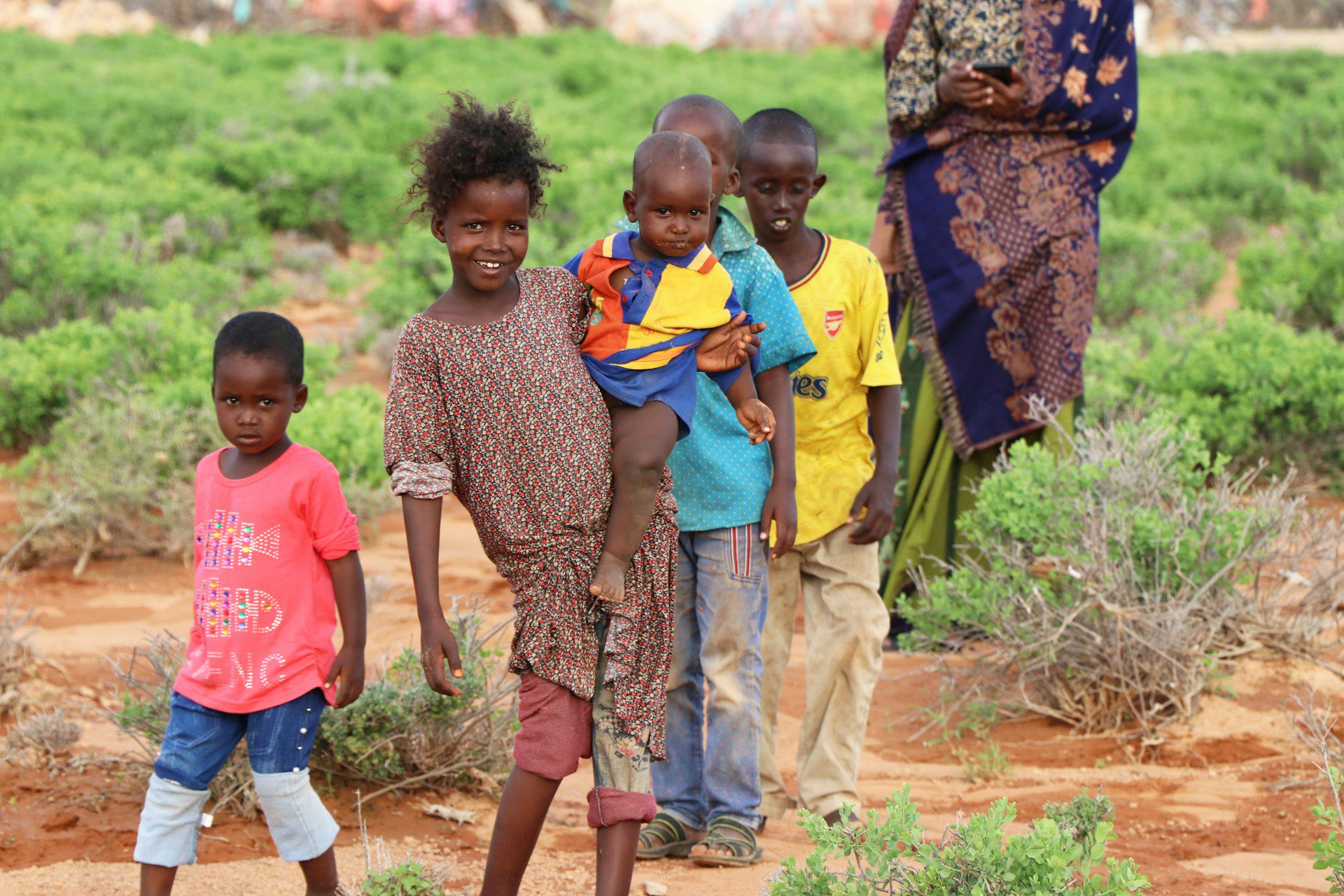
Human AppealSomalia is enduring civil war and one of its worst droughts in 40 years, following a fifth consecutive failed rainy season. Most of Somalia’s livelihoods depend on agriculture and the current drought has devastated crops and agricultural activities. As a result, up to 1.8 million children are facing malnutrition. Additionally, approximately 40% of the population, around 6.6 million people, are experiencing acute food insecurity, meaning they urgently need sufficient food. Despite Somalia’s extreme difficulties, there is hope in the fight against poverty.

Human Appeal is a global nonprofit organization that has been combating poverty for more than 30 years. The organization is dedicated to improving the lives of people around the world who are living in poverty. The organization’s slogan, “Whoever saves one life- it is as if he had saved mankind entirely,” summarizes its mission to alleviate poverty worldwide.

Human Appeal’s Work in Somalia

Human Appeal has been active in Somalia since 2016 and is dedicated to supporting vulnerable groups and individuals nationwide. The nonprofit is improving lives in Somalia by fighting against poverty, social injustice and natural disasters. Its work in Somalia entails providing relief and establishing self-sufficient programs that aim to invest in places experiencing higher poverty rates so that these people can find sustainable solutions and independently improve their lives.

Human Appeal is helping alleviate poverty in Somalia through various initiatives, including:

  • Distributing food parcels containing rice, flour, sugar, oil and milk powder, which can sustain families for up to a month.
  • Providing one month’s clean water to communities affected by the drought.
  • Collaborating with UNICEF to supply high-calorie treatment for malnutrition.
  • Offering shelter and nonfood items to displaced families arriving at camps in Mogadishu.

Human Appeal also addresses poverty in Somalia through sustainable efforts that aim to build a lasting future rather than merely provide temporary relief. The projects are managed by local staff, with local doctors and nurses operating hospitals. This approach focuses on reducing poverty and creating a better future for the people of Somalia.

Human Appeal has also been able to reach some of the most remote regions of Somalia, which are often the most in need of aid and struggling with extreme poverty. During these vulnerable times, the Human Appeal team provides critical assistance, saving lives and improving the quality of life for many citizens.

In 2023 alone, Human Appeal reached 287,142 people in Somalia, providing food support for more than 170,000 and health care for 98,000. The organization also provided access to clean water and improved sanitation for more than 11,000 people in the country.

Final Remark

Although much good work by Human Appeal and other aid organizations has already taken place in Somalia, the need for aid is increasing. Due to widespread drought and civil war, the demand for assistance within the country has doubled. Addressing coverage gaps and unmet needs of the affected population remains critical.

– Lachlan Wellington

Lachlan is based in Fareham, UK and focuses on Technology and Global Health for The Borgen Project.

Photo: Unsplash

July 26, 2024
https://borgenproject.org/wp-content/uploads/borgen-project-logo.svg 0 0 Hemant Gupta https://borgenproject.org/wp-content/uploads/borgen-project-logo.svg Hemant Gupta2024-07-26 07:30:072024-07-26 05:06:35Human Appeal Is Helping Alleviate Poverty in Somalia
Africa, Global Poverty, Natural Disaster

Solution in Sight for Drought in the Horn of Africa

Drought in AfricaThe Horn of Africa, encompassing Kenya, Ethiopia, Djibouti, South Sudan and Uganda, has been experiencing the most severe drought in decades. This crisis has directly and indirectly impacted millions. The death toll in Somalia alone reached a staggering 43,000 in 2022. However, the accurate scale of the devastation caused by the drought in the Horn of Africa will only become clear once we have the total count of deaths from the other affected countries.

Current Situation

In the past three years, the region has been grappling with a severe lack of precipitation, with some areas receiving minimal to no rainfall. This prolonged drought has had devastating consequences, particularly for the communities whose livelihoods depend on livestock and the rain. Approximately 10 million animals have perished due to drought, resulting in displacement for millions of herders who are forced to flee their homes for areas where water is available and seek humanitarian assistance.

The drought-related food insecurity has pushed them to the brink, where they face hunger, malnutrition, starvation and even death. Furthermore, the drought has increased transportation costs and food prices, exacerbating the situation and plunging more individuals into poverty. These dire conditions have also heightened the risk of conflicts in the region.

Good News

Recurrent droughts have led to collaborative efforts between governments and aid agencies to explore long-term sustainable solutions. These efforts have yielded promising results, with numerous studies revealing substantial regional underground water reserves. This finding offers hope in this crisis, as these reserves have the potential to sustain millions of people for an extended period, reducing their dependency on rainwater and mitigating the effects of drought and other such phenomena.

Project – Africa Groundwater Access Facility

Implementing a cross-border initiative presents challenges and opportunities of paramount significance to the region. Essential to this project is the necessitated exchange of knowledge and comprehensive research across participating nations. The primary objectives of this strategic plan are as follows:

  1. Active engagement of local communities to instill a sense of ownership and commitment to the project.
  2. Rigorous identification of already known drought hotspots for targeted intervention.
  3. Execute well drilling and establish deep underground bores near these identified hotspots for long-term water scarcity mitigation.

Other Solutions – Land Restoration

Certain countries, like Burkina Faso, are implementing nature-based solutions to challenges such as drought and flooding. These strategies involve tree planting, utilizing innovative agricultural practices and integrating agriculture, farming, fruit crops and livestock pastors within a single area. This holistic approach, which is cost-effective and sustainable, has the potential to not only help millions of people but also save billions of hectares of land in low-income countries in the years to come.

Final Remark

Approximately 1.84 billion people worldwide are impacted by drought, with 85% residing in low-income countries. According to estimates, drought will displace 700 million in the next decade and affect one in every four children. Therefore, the urgency of finding sustainable solutions to reduce the effects of drought cannot be overstated. 

– Maria Waleed

Maria is based in Yokohama, Kanagawa, Japan and focuses on Good News and Global Health for The Borgen Project.

Photo: Flickr

July 26, 2024
https://borgenproject.org/wp-content/uploads/borgen-project-logo.svg 0 0 Hemant Gupta https://borgenproject.org/wp-content/uploads/borgen-project-logo.svg Hemant Gupta2024-07-26 03:00:432024-07-25 13:28:37Solution in Sight for Drought in the Horn of Africa
Africa, Developing Countries, Global Poverty

Updates on SDG 1 in Sudan

SDG 1 in SudanPoverty is one of the most pressing concerns facing the globe today. How poverty exacerbates many issues indicates the importance of achieving Sustainable Development Goal (SDG) 1. Following the conclusion of the Millennium Goals in 2015, the United Nations created the 17 SDGs to provide a framework for achieving development by 2030. The first SDG put forth by the U.N. is no poverty and concerns both extreme poverty and the poverty line. Sudan has been fighting poverty for decades and according to the SDG index trends are continuing to decrease with already concerning levels of poverty throughout the country. This article unpacks the updates on SDG 1 in Sudan and the path to achieving no poverty.

Updates on SDG 1 in Sudan

The United Nations SDG index ranks Sudan 159th out of 166 countries included in the index analysis. The U.N. identifies that Sudan has major challenges remaining with decreasing trends in terms of achieving no poverty. This indicates that poverty in Sudan is not only extreme but continues to worsen every day. Based on data analytics from the United Nations SDG Index, the percentage of the population in Sudan living in extreme poverty has been steadily increasing from 12.5% in 2016 to 26.98% in 2024, the highest rate since 2000, according to the Sustainable Development Report.

According to the World Poverty Clock, 29% of people in Sudan are living on $2.15/day or less. On top of that, 52% of the population lives on $3.65/day, at or below the poverty line. https://worldpoverty.io/ Furthermore, according to a 2021 UNICEF analysis child poverty rates increased from 12% to 85% between 2014 and 2020.

GDP and Poverty Rates

A 2024 World Bank datasheet on poverty in Sudan explains that GDP could decrease by 3.5% after decreasing by 12% in 2023 due to the collapse of government institutions and conflict throughout the country. The conflict has disrupted public spending and reduced the country’s tax base which has consequently increased poverty rates as data from the World Poverty Clock and the SDG Index indicate. Thus the progress toward SDG 1 in Sudan has seen a negative impact from economic instability and conflict.

Life in Poverty

The interconnectedness of each of the SDGs brings about the discussion of how poverty impacts other aspects of life and development. Life in poverty heavily influences all other aspects of living and is reflected in the progression of many other SDGs.

Education in Sudan is an example that is largely related to patterns of poverty. As of 2018, only 77% of children of the official school age are enrolled in primary education and the participation rate in pre-primary organized learning is just 38.63%.  Such information indicates the relationship between poverty and education thus deepening the importance of tackling global poverty as taking action towards one SDG will positively impact others.

The Future

To combat the rising poverty rates, the International Rescue Committee (IRC), along with many other NGOs and foreign aid programs, have identified Sudan as a high-priority concern. As an NGO dedicated to supporting developing countries and their citizens, the IRC has set up and strengthened operations in the Blue Nile, White Nile, and Gaderef states in Sudan to support and bring humanitarian aid to the 25 million Sudanese that need humanitarian aid, the 8.2 million that have been forcibly displaced and the 18 million that are facing crisis levels of food insecurity.

In 2021, the Commission on Social Safety and Poverty Reduction under the Ministry of Social Development launched the Mothers and Child Cash Transfer Plus Program (MCCT+) to support mothers and children affected by poverty. The flagship program in Sudan actively supports those in need with cash provisions, sharing information, and care of women and children and has supported 50,000 pregnant women in just the first phase of the program.

Overall, these updates on SDG 1 in Sudan highlight the troubling situation for the Sudanese people. Poverty rates across the country have continued to rise along with growing economic instability, a declining GDP and its negative influence on education. However, it is with support from foreign aid, government initiatives like the Mothers and Child Cash Transfer Plus program and NGO’s like the IRC that bring hope to Sudan and make progress possible.

– Juliana Granville

Juliana is based in Broooklyn, NY, USA and focuses on Politics for The Borgen Project.

Photo: Flickr

July 25, 2024
https://borgenproject.org/wp-content/uploads/borgen-project-logo.svg 0 0 Jennifer Philipp https://borgenproject.org/wp-content/uploads/borgen-project-logo.svg Jennifer Philipp2024-07-25 01:30:382024-07-25 01:27:05Updates on SDG 1 in Sudan
Africa, Electricity and Power, Global Poverty

Using Renewable Energy in Chad to Combat Poverty 

Renewable Energy in ChadLocated in North Central Africa, Chad is an exceptionally diverse country, home to more than 200 ethnic groups and 100 different languages. However, with a cumulation of political instability and natural disasters, Chadians are suffering from rising food insecurity and poverty levels. In 2023, extreme poverty across the country was recorded at 35.4%. Energy is scarce and unreliable across Chad. Only 4% of the population has access to electricity. Currently, traditional wood fuel is the primary source of energy consumption across the country. Despite this, the country has optimistic targets to achieve nearly a 50% increase in electricity access by 2050.

The source of this increase derives substantially from the innovation and expansion into renewable energy. Utilizing Chad’s high levels of solar irradiation, The Djermaya Solar Project is paving the way for socio-economic prosperity that can combat the rising poverty levels. Here is information about renewable energy in Chad.

The Djermaya Solar Project

Initiated in 2015, the Djermaya Solar Project has two stages. Firstly, a 36 MWp solar photovoltaic (PV) plant in Djermaya will be constructed, 30km north of N’Djamena, Chad’s capital. Following this, there will be a 24 MWp phase. This will gradually integrate renewable power into Chad’s national grid, according to InfraCo Africa.

Chad’s first renewable energy project is jointly developed by InfraCo Africa and Denham Capital, as well as supported by government agencies, including the African Development Bank Group (ADB).

The European Investment Bank (EBI) described the solar PV plant as a “pioneering project” that “will help liberalise the energy sector, and mobile private investment in Chad.” It is calculated that the cost of electricity will be less than half the current cost of power following the project.

Catalyzing Chad’s Socio-Economic Prosperity

The Djermaya Solar Project will significantly improve Chad’s socio-economic prosperity. Not only will the project provide lower cost energy, increasing accessibility across the country, but it will also create 250 jobs during construction, as well as 12 permanent positions during the operational phase.

Once online, the Djermaya solar project could power 60,000 households and reduce the overall cost of electricity generation. USAID’S Power Africa has guided tariff approaches, indicating that the Djermaya plant will produce electricity at a cost that is 40% less than existing sources. Overall, Chadians will have an increased access to cleaner, sustainable energy.

In the long term, this project will provide a sustainable and reliable source of energy for the Chadian electricity distribution network. Subsequently, this increases high-speed internet access and improves the transport routes used for business.

People across Chad have to use conventional energy resources, such as biomass and charcoal in order to cook, light their house and other economic activities. In particular, it is women and children who spend a lot of time sourcing the biomass materials, which increases their risks of harmful respiratory diseases. Therefore, this creation of renewable energy in Chad offers a new alternative to the old conventional way of energy production. Women and children could then dedicate this time to income-generating activities instead.

A Pathway Out of Poverty

Investment director at Emerging Africa Infrastructure Fund, Paromita Chatterjee, emphasizes that The Djermaya project is the key to “unlock the country’s economic potential and to fly the flag for more green energy projects”.

The Djermaya Project will help alleviate poverty, as well as foster universal economic activity across Chad. This is because the solar project provides lower cost power to the grid, in comparison to the current fossil fuel-fired generation. This is a fundamental step in achieving Chad Vision 2030’s target of becoming an emerging country. 

Resultantly, this will enable the government to reduce its current subsidies to the energy sector, and instead, focus its limited resources on other essential services, such as education and health. 

In addition, the Djermaya Project is a pioneer in liberalizing Chad’s energy sector, encouraging independent power producers. This mobilizes private investment across Chad, spurring sustainable economic prosperity. Alongside this, this is a crucial development into renewable energy within Chad, adding to the sustainable eradication of poverty. 

Looking Ahead

Overall, the Djermaya Solar Project yields a significant role in the alleviation of poverty across Chad, on both a small and large scale. Not only does Chad’s renewable energy project maintain its climate commitments under the Paris Agreement, but, crucially, it offers a solution to the destitute poverty suffered by millions of Chadians. As development begins, this is an exciting and prosperous project for the long term socio-economic success of Chad.

– Sian Ameer-Beg

Sian is based in Durham, UK and focuses on Technology and Solutions for The Borgen Project.

Photo: Flickr

July 25, 2024
https://borgenproject.org/wp-content/uploads/borgen-project-logo.svg 0 0 Jennifer Philipp https://borgenproject.org/wp-content/uploads/borgen-project-logo.svg Jennifer Philipp2024-07-25 01:30:342024-07-25 01:10:45Using Renewable Energy in Chad to Combat Poverty 
Africa, Education, Global Poverty

Education in Angola: Challenges and Developments

Education in AngolaEducation enhances the knowledge, health and lifestyles of people from all walks of life. However, for the people of Angola, education has become inaccessible to many, prompting concern for their future development. Angola borders the South Atlantic Coast of West Africa and has a population of more than 35 million.

The Angolan peninsula’s resources include oil and diamonds, but although these resources suggest wealth for the nation, the great majority of the country lives in poverty. The Angolan system lacks in meeting the needs of all of the nation’s citizens, with education being a prime example. Development within the system has quickly ensued, with the prospect of a refined education plan getting closer and closer each day.

The Civil War

With more than one-fourth of the population being considered illiterate and approximately two million children being out of school, the question arises as to why a country with such abundant resources has been lagging in its educational advancement. After the Portuguese granted Angola its independence, from 1975 to 2002, civil war invaded the lives of the Angolan people. Buildings and infrastructures nationwide were dilapidated from the war and one common structure that was destroyed was schools.

According to the United Nations Children’s Fund (UNICEF), more than 1500 schools were destroyed between 1992 and 1996 alone. Now that the war has officially ended, a lot of these schools have since been abandoned or burned out. With the schools that survived the war, the quality of these structures still lacked essentials. Many classrooms lack windows, doors, toilets, roofs, or even basic reading and writing facilities.

Not Enough Classrooms

According to statistics taken by Angop, the state-controlled news agency, the annual average rate of enrolling children without a place to study stands at a whopping 18.59%. Although children are willing to attend school, spatial barriers prevent many from receiving an education. The Luanda province, located on the Northern coast of Angola, reported that it was unable to find room for roughly 16,000 children who finished the 9th grade to continue their education.

Children who want to either enter or continue their schooling in various Angolan provinces are continually being denied due to a lack of infrastructure, although recent legislation regarding education seems to be improving the future of Angolan schooling.

Improvements and Progresses

Strides have been made to alleviate the issues within the education system, as legislation and funding for schooling have risen in recent years. As of December 8, 2023, the World Bank granted a 10-year program to support Angola’s tertiary education system, providing $550 million to enhance and aid the quality of programs in priority areas and strengthen governance within the education system. The program’s goal is to increase the number of highly qualified graduates who have labor market-aligned skills in various areas. In the next ten years, the expansion and progress of Angolan schooling will reach up to 3.2 million students nationwide, providing them with better learning opportunities and educational access.

Another initiative that has aided in the Angolan education system is the Back to School Campaign, supported by UNICEF, with its origin stemming from 2002. The campaign has supported the training of more than 20,000 teachers. It has also restored roughly 13,000 classrooms while still preparing thousands of education kits for children and teachers. The goal of the campaign is to increase the number of children in schools, as well as to improve the literacy rate throughout the country.

In recent years, progress in literacy has been made. The Angolan literacy rate has increased from 67.4% in 2001 to 72.4% in 2022 and has an average annual growth rate of 3.8%. This growth is concurrent with the implementation of funding and legislation in support of Angolan education. With an estimated increase in literacy each year, the future of schooling in Angola can take many turns for the better.

The Future of Education in Angola

Improvement of the Angolan education system will be a long-term process, especially after the devastation its infrastructure and economy have faced after the war. From the lack of classrooms to the low rates of literacy and graduation, the Angolan youth continue to seek a successful education.

Now, with the increase in funding for school governance, quality of programs, school building and teacher training, the future of Angolan education seems promising. Suppose the government continues to prioritize the restoration and development of the education system. In that case, Angola can transition into one of the educational powerhouses of Africa.

– Oliver Martin

Oliver is based in Honolulu, HI, USA and focuses on Global Health for The Borgen Project.

Photo: Flickr

July 23, 2024
https://borgenproject.org/wp-content/uploads/borgen-project-logo.svg 0 0 Hemant Gupta https://borgenproject.org/wp-content/uploads/borgen-project-logo.svg Hemant Gupta2024-07-23 03:00:252024-07-23 01:22:59Education in Angola: Challenges and Developments
Africa, Global Poverty, Health

How USAID Programs in South Africa Are Fighting HIV

USAID Programs in South AfricaDespite decades of efforts to reduce poverty, South Africa’s levels of income inequality still rank “amongst the world’s most extreme.” As the country struggles against colonial and apartheid legacies and a lack of economic growth, the 2014 World Bank data suggested that approximately 55% of the South African population was living below the poverty line.

E-International Relations article has identified an undeniable and inextricable link between poverty and ill health, with poverty preventing access to hospital treatment, and ill health preventing the ability to carry out labor. It may be unsurprising, then, that HIV in the country is not just widespread, but at the epicenter of the wider HIV epidemic. Despite this, USAID programs in South Africa aim to change this reality and recent developments in their work suggest a brighter future for the health of the population.

HIV Prevalence in South Africa

In 2022, the South African government estimated that 8.45 million people were living with HIV in the country, and as of 2019, 20% of all new HIV cases occurred there. The concentration of cases in the 15-49 age group, where individuals are of reproductive age further exacerbates the crisis. Combined with conditions such as low condom use in the 15-24 age group, and young men debuting sexually at earlier ages (before age 15), HIV continues to wage its war on the South African population, according to the Center for Strategic and International Studies (CSIS).

USAID’s Response

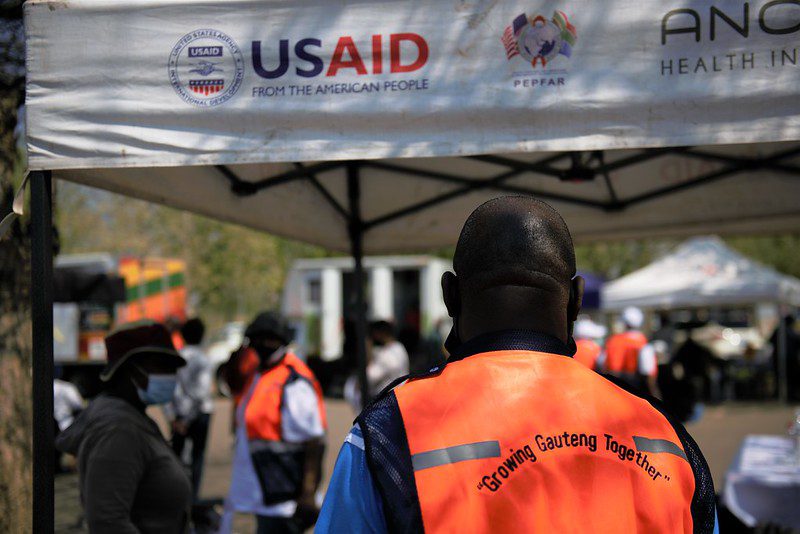
USAID is doing critical work in the health sector. The agency’s work in the region is facilitated through the President’s Emergency Plan for AIDS Relief (PEPFAR), a scheme through which the U.S. government has contributed more than $110 billion to the global HIV/AIDS response. PEPFAR’s funding allows USAID to work effectively against the HIV crisis in South Africa, ultimately aiming to strengthen the country’s overall health system.

Though the South African government finances almost 80% of its HIV response, according to the CSIS, USAID has also been instrumental. The agency has been able to provide more than 1.4 million antiretroviral treatments (ART) in South Africa, a treatment that prolongs the lives of those already infected with HIV. Furthermore, according to its website, it has supported the South African National TB Program in expanding its treatment capacity, an essential strategy in fighting the public health threat posed by HIV and AIDS-related tuberculosis.

A Future of Prevention

In September 2023, USAID announced that it had partnered with the South African Medical Research Council, contracting them for research and development of an HIV vaccine. This development in USAID programs in South Africa marks a notable shift from a focus on treating HIV infection, to preventing it, and fittingly accompanies PEPFAR’s plan to focus on sustainable prevention of HIV throughout the next five years, according to USAID’s website. The search for an HIV vaccine has been ongoing for 40 years, and this localized initiative will now allow South African scientists to be at the forefront of healing their country from crisis.

In USAID’s official press release for this contract, Deputy Administrator Paloma Adams-Allen emphasized that, in South Africa, “the scientific community is on the cusp of developing a vaccine to prevent HIV.” This hopeful suggestion, and the clear shift from treatment towards prevention, points to a brighter future for South Africa and is a significant step towards USAID and PEPFAR’s goal to end HIV as a public health threat by 2030.

– Maeve Relihan

Maeve is based in Birmingham, UK and focuses on Global Health and Politics for The Borgen Project.

Photo: Flickr

July 21, 2024
https://borgenproject.org/wp-content/uploads/borgen-project-logo.svg 0 0 Jennifer Philipp https://borgenproject.org/wp-content/uploads/borgen-project-logo.svg Jennifer Philipp2024-07-21 01:30:192024-07-20 09:16:52How USAID Programs in South Africa Are Fighting HIV
Africa, Child Poverty, Global Poverty

How Francis Ngannou is Fighting Poverty in Cameroon

Francis NgannouPoverty is a global issue. It is present in every country and continent. This is a story about Francis Ngannou, an MMA fighter and cross-over elite boxer, who runs a foundation to help improve access to education and opportunities for thousands in Cameroon.

Poverty in Cameroon and Sub-Saharan Africa

According to the World Bank, in 2019, 57% of the world’s poor lived in sub-Saharan Africa. This means that more than half of the families in the subcontinent experience poverty and consequently have challenges accessing necessities like food, water, clothing and shelter.

In Cameroon, 43.6% of people live in multidimensional poverty. Multidimensional poverty is a World Bank index that measures the percentage of households that experience poverty in “health, education and standard of living.”

Francis Ngannou escaped poverty in Cameroon by traveling a dangerous route to Europe, in the process getting jailed and becoming homeless. Luckily, he found fortune as an MMA fighter initially in France, later in the U.S., and also crossed over to global elite boxing.

Life in Cameroon

Francis Ngannou was born on September 5, 1986, in the village of Batié in Western Cameroon, the fourth of five children. He struggled to get an education as the system in the country did not embrace the needs of diverse young learners like him. He became a child laborer for meager wages in the sand mines to support his poor family at the age of 10. In 2012, at the age of  25, his relentless spirit for success led him to undertake a dangerous odyssey to leave Cameroon and try to reach Europe. His dream was to become a professional boxer.

His ordeal became further complicated when he arrived in Spain by boat as an undocumented immigrant and was jailed for two months for illegally crossing the border. In the same year, he made it to France, where he was homeless for many months before his fortune changed.

Francis Ngannou’s career as a mixed martial artist began in France, where he achieved initial success, which allowed him to catch the attention of American mixed martial artists’ biggest company, the Ultimate Fighting Champion (UFC), where he became Heavy Champion of the World in 2021.

Ngannou was able to leave Cameroon, however, millions who live in the country, face challenges like child labor, poverty and low wages. 

The Francis Ngannou Foudation

Founded in 2018, the Francis Ngannou Foundation was his way to give back to his community and country. According to the foundation’s website, its mission is to “reach highly low-income, underserved and vulnerable populations, marginalized communities, causes and geographical locations often overlooked by mainstream philanthropy in Cameroon and Africa.” The foundation focuses its work on core areas: education, sports and arts, health, mental health and drug addiction and Emergency Relier.

Notable achievements of the foundation include renovating, modernizing, and expanding dozens of schools across Cameroon.  The foundation provided school materials to thousands of children and students with quality supplies so that they could start their academic year well-equipped and motivated. During the COVID-19 crisis, the foundation distributed groceries and financial aid to 1,050 families. The organization has also built the first and second MMA-certified gyms in Cameroon and Central Africa in Douala.

– Jonathan Ajah

Jonathan is based in London, UK and focuses on World News for The Borgen Project.

Photo: Flickr

July 20, 2024
https://borgenproject.org/wp-content/uploads/borgen-project-logo.svg 0 0 Jennifer Philipp https://borgenproject.org/wp-content/uploads/borgen-project-logo.svg Jennifer Philipp2024-07-20 07:30:412024-07-20 04:33:49How Francis Ngannou is Fighting Poverty in Cameroon
Africa, Global Poverty, Health

AMVA: An Initiative to Expand Vaccine Manufacturing in Africa

Vaccine Manufacturing in AfricaA summit held in Paris on June 20, 2024, announced the launch of the African Vaccine Manufacturing Accelerator (AVMA), an initiative that will provide $1 billion in funding for vaccination manufacturing in Africa by 2030.

AMVA Launch

GAVI has officially launched its innovative financing system, the African Manufacturing Vaccine Accelerator (AMVA), in an effort to increase the vaccine manufacturing industry in Africa. The aim is to prevent outbreaks, promote health and prepare for pandemic response. The African Union, along with the French government and members of the European Union, will contribute more than $800 million toward the diversification and improvement in the accessibility and distribution of vaccines locally within the continent.

Supplying a Continent in Need

Africa remains the least vaccinated continent, importing 99% of vaccines yet manufacturing less than 1% globally. With a population of more than one billion, the impact of COVID-19 brought a harsh reality upon much of the region. By the end of 2021, 50% of the world was fully vaccinated compared to only 7% of the African population. Many countries faced issues with supply, lack of funding and logistics and inadequate distribution, creating challenges in obtaining a sustainable vaccination program. This resulted in a push for change in becoming self-reliant.

Therefore, the Partnership for African Vaccine Manufacturing (PAVM) was launched in 2022 by the African Union and managed by the African Centers for Disease Control and Prevention (African CDC), also a stakeholder in this new accelerator initiative. Currently, more than 56% of Africans have reached full COVID-19 vaccination; while this is an achievement, more work needs to be done. Africa needs to begin manufacturing vaccines in order to continue this progress.

How AMVA Operates

AMVA will use financing to encourage manufacturers to invest in Africa. It offers two incentive types: the milestone payment and the accelerator payment. The milestone payment is issued for producing vaccines listed as a priority by GAVI for treating diseases such as Cholera, Malaria, Measles-rubella, hepatitis B, Yellow Fever and Ebola.

In contrast, the accelerator payment is a “pay per dose” option that is paid upon delivery of vaccines purchased through the United Nations Children’s Fund (UNICEF) tenders. All manufacturers must submit an application to GAVI for an assessment and prequalification process. Additional requirements are that vaccines must be fully manufactured in Africa or the fill and finishing process must be handled at a facility in Africa.

Looking Ahead to the Future

The goal of PAMVA is to meet 60% of the continent’s vaccine requirements by 2040. This vision will not come without challenges, though. About $30 billion in funding is needed for this strategy and many African countries have different struggles, from issues with unreliable pricing to negotiating contracts to a lack of budget and expertise in vaccine procurement. This plan is going to take time, training and careful planning, but this could be the start of a major shift in reshaping Africa, saving lives and advancing the economy.

– Tanita Love

Tanita is based in Chicago, IL, USA  and focuses on Technology and Solutions for The Borgen Project.

Photo: Flickr

July 19, 2024
https://borgenproject.org/wp-content/uploads/borgen-project-logo.svg 0 0 Hemant Gupta https://borgenproject.org/wp-content/uploads/borgen-project-logo.svg Hemant Gupta2024-07-19 01:30:432024-07-18 10:33:42AMVA: An Initiative to Expand Vaccine Manufacturing in Africa
Africa, Foreign Aid, Global Poverty

USAID Pledges $176 Million to Combat Poverty in West Africa

USAID Pledges $176 Million to Combat Insecurity in West AfricaThe West Africa region is grappling with significant challenges, including food insecurity and economic instability. These challenges severely affect the quality of life, especially among vulnerable communities. As of April 2024, Mali, a nation steeped in conflict, faces acute food shortages. An estimated 2,600 people are at risk of severe starvation daily.

In Northern Nigeria, about 31% of women aged 15 to 49 suffer from acute malnutrition. Additionally, predictions indicate that around 55 million people in West and Central Africa could experience food insecurity during the lean season from June to August 2024. Furthermore, in West Africa, eight out of 10 children between 6 to 23 months old do not receive the minimum required food intake for healthy growth and development. In response, countries worldwide are pledging aid and support to those struggling with poverty in West Africa.

The U.S. Provides Aid to West Africa

On May 28, 2024, the United States Agency for International Development (USAID) announced it would provide an additional $176 million in humanitarian aid to West Africa. This funding aims to address the region’s severe security challenges and assist vulnerable communities. This contribution follows a previous allocation of $150 million on March 16, 2023. Funds were allocated to countries in West and Central Africa and the Sahel region. The funding supported refugees and internally displaced persons with health care and nutritional services through the State Department’s Bureau of Population, Refugees and Migration (PRM). USAID’s efforts in West Africa are coordinated with United Nations (U.N.) agencies, including the World Food Programme (WFP) and the United Nations Office for the Coordination of Humanitarian Affairs (OCHA), to facilitate USAID’s humanitarian assistance.

Details of USAID’s $176 Million Aid

USAID’s $176 million in foreign aid to West Africa encompasses food and nutritional support as well as health care services. In 2022, for example, USAID’s regional office in the Sahel provided emergency food assistance to about 1.8 million vulnerable individuals in Chad. Furthermore, they constructed 70 shelters for those displaced by local conflicts. Additionally, in Burkina Faso, this office facilitated pregnancy, natal and neonatal health care for roughly 405,000 mothers and their newborns. This support is crucial. More than 370 health care facilities in Burkina Faso were at risk of closure by February 2024 due to ongoing conflict between the government and armed rebels. This situation has left approximately 3.5 million people in urgent need of health care services. These ongoing efforts underscore the significance of the United States’ (U.S.) recent relief efforts in West Africa, where many countries face crises similar to those in Burkina Faso.

How U.N. Agencies Utilize Aid Funds

USAID’s $176 million foreign aid package to West Africa includes funding for U.N. agencies to help address critical issues like food insecurity and health care access in the region. For instance, between July 2022 and January 2023, the World Health Organization (WHO) in Mali supported approximately 75,000 people in the Menaka region. The organization provided medical and nutritional assistance, including treating 1,034 malnourished children. Additionally, these funds enable the World Food Programme (WFP) to continue airlifting food to countries such as Burkina Faso. More than 1.2 million displaced individuals have benefited from these ongoing efforts. This underscores the vital role U.N. agencies play in ensuring that international aid is effectively utilized to support vulnerable populations.

Looking Ahead

West Africa faces ongoing challenges of food insecurity and economic instability, affecting millions of vulnerable people. USAID’s $176 million aid aims to reduce poverty in West Africa by providing essential food and health care support. Collaborating with U.N. agencies, this initiative strives to alleviate the severe conditions in the region, underscoring the necessity for continuous international assistance.

– Abdullah Dowaihy

Abdullah is based in Riyadh, Saudi Arabia and focuses on Good News and Global Health for The Borgen Project.

Photo: Flickr

July 11, 2024
https://borgenproject.org/wp-content/uploads/borgen-project-logo.svg 0 0 Precious Sheidu https://borgenproject.org/wp-content/uploads/borgen-project-logo.svg Precious Sheidu2024-07-11 03:00:052024-07-11 01:32:11USAID Pledges $176 Million to Combat Poverty in West Africa
Page 16 of 24«‹1415161718›»

Get Smarter

  • Global Poverty 101
  • Global Poverty… The Good News
  • Global Poverty & U.S. Jobs
  • Global Poverty and National Security
  • Innovative Solutions to Poverty
  • Global Poverty & Aid FAQ’s
Search Search

Take Action

  • Call Congress
  • Email Congress
  • Donate
  • 30 Ways to Help
  • Volunteer Ops
  • Internships
  • Courses & Certificates
  • The Podcast
Borgen Project

“The Borgen Project is an incredible nonprofit organization that is addressing poverty and hunger and working towards ending them.”

-The Huffington Post

Inside The Borgen Project

  • Contact
  • About
  • Financials
  • President
  • Board of Directors
  • Board of Advisors

International Links

  • UK Email Parliament
  • UK Donate
  • Canada Email Parliament

Get Smarter

  • Global Poverty 101
  • Global Poverty… The Good News
  • Global Poverty & U.S. Jobs
  • Global Poverty and National Security
  • Innovative Solutions to Poverty
  • Global Poverty & Aid FAQ’s

Ways to Help

  • Call Congress
  • Email Congress
  • Donate
  • 30 Ways to Help
  • Volunteer Ops
  • Internships
  • Courses & Certificates
  • The Podcast
Scroll to top Scroll to top Scroll to top