• Link to X
  • Link to Facebook
  • Link to Instagram
  • Link to TikTok
  • Link to Youtube
  • About
    • About Us
      • President
      • Board of Directors
      • Board of Advisors
      • Financials
      • Our Methodology
      • Success Tracker
      • Contact
  • Act Now
    • 30 Ways to Help
      • Email Congress
      • Call Congress
      • Volunteer
      • Courses & Certificates
      • Be a Donor
    • Internships
      • In-Office Internships
      • Remote Internships
    • Legislation
      • Politics 101
  • The Blog
  • The Podcast
  • Magazine
  • Donate
  • Click to open the search input field Click to open the search input field Search
  • Menu Menu

Archive for category: Africa

Africa, Global Poverty, Trade

Economic Partnership between the Gulf States and Africa

Economic Partnerships between the Gulf States and AfricaIn the last five years, an economic partnership between the Gulf States and Africa has emerged via the Gulf Cooperation Council (GCC). The GCC is a political and economic alliance between Saudi Arabia, Kuwait, the United Arab Emirates (UAE), Qatar, Bahrain and Oman. It was established in 1981 to promote greater cooperation and achieve shared objectives based on the similar political and cultural identities of Islamic culture.

An example of the growing economic partnership between the Gulf states and Africa is when, in 2023, companies within the GCC announced 73 foreign direct investment projects in various African countries worth more than $53 billion. Businesses and nations in the GCC look to Africa as an economic partnership expected to grow in value, mainly due to the new Africa Continental Free Trade Area signed in 2018.

The African Continental Free Trade Area

The African Continental Free Trade Area (AfCFTA) agreement is one of the largest free trade areas in the world, as measured by the number of participating countries. The pact connects 1.3 billion people across 55 countries, with a combined gross domestic product (GDP) valued at $3.4 trillion.

AfCFTA entices investment from the GCC because its free trade gives greater access to the African market, which has the potential to develop into a more lucrative market. This investment further ties countries in the GCC and Africa to an economic partnership driven by a mutual interest in diversification. For countries in the GCC, diversification is essential as these investments are ways to diversify their economy away from oil and other hydrocarbon exports into something more sustainable.

Examples of Investment Projects

Some of the GCC’s high-profile initiatives involve countries across the continent. One example is ACWA Power, based in Saudi Arabia, which has agreed to develop a green hydrogen project in Egypt’s Suez Canal Economic Zone and committed more than $4 billion. The first phase aims to produce 600,000 tonnes of green ammonia annually.

Similarly, AMEA Power, a different company based in Dubai, is planning to build a hydrogen project in Kenya, along with the Abu Dhabi National Energy Company, which has invested $1.6 billion in renewable energy projects in Morocco. These are not small investments and highlight the importance that companies and countries from the GCC give these projects in Africa.

What Does This Mean for the West?

This increasing investment into Africa from the GCC comes as many countries in the West have fallen behind in their commitment to invest in sustainable projects to help develop the continent. With countries in the West and even China generally decreasing their investment in Africa, countries in the GCC see an opening in the continent to increase their influence in these countries and benefit from any development into a fast-growing economy. An expanding middle class in Africa is desirable for investors and entrepreneurs as it could mean millions of new customers for products and services from the Middle East.

Building economic ties in Africa is easier logistically for countries in the GCC as they can capitalize on their geostrategic location to access Africa through ship and land trade routes. Expanding their economic influence in African states has provided GCC states with an essential source of leverage to advance their regional security and diplomatic goals, increasing their power projection worldwide. This means that countries in the West, especially the U.S. and countries in the GCC will have more significant influence across the continent. They may act more independently in ways that might not align with the interests of the U.S. or other Western countries in the region.

While nothing suggests that countries in the GCC will soon want to adjust the way the U.S. has approached the region or directly challenge U.S. interests, the fact is that the U.S. is currently ceding its influence, positive relations, opportunities for economic investment and diplomatic relationships in Africa to other powers like the countries in the GCC and China.

– Mathieu Pare

Mathieu is based in Toronto, Canada and focuses on Business and New Markets for The Borgen Project.

Photo: Flickr

July 5, 2024
https://borgenproject.org/wp-content/uploads/borgen-project-logo.svg 0 0 Hemant Gupta https://borgenproject.org/wp-content/uploads/borgen-project-logo.svg Hemant Gupta2024-07-05 07:30:422024-07-04 04:36:04Economic Partnership between the Gulf States and Africa
Africa, Global Poverty, Health

A Promise for Improvement: Mozambique Health Care

Mozambique Health CareMozambique ranks extremely lowly among health indicators. Progress has only begun recently. In 2019, the Mozambique president enacted the One District, One Hospital initiative.  The aim of the initiative was to expand the medical infrastructure, providing citizens with better access to health care.

The Current State of Mozambique’s Health Care

Mozambique’s current health care state is dire. There are very few medical centers and frequently, Mozambicans have to walk miles to get treatment. Medicine shortages are common and the small number of medical professionals who are present often need more training.

There is no silver lining to this poor system. Many Mozambicans, about 1.2 million, are ill with either HIV or AIDS. About 200,000 children are also sick with the infectious disease. Many Mozambicans are also plagued by malaria, in addition to other diseases like tuberculosis. So, there is a requirement for improving the Mozambican health care system and the Mozambican government agrees.

The One District, One Hospital Initiative

The One District, One Hospital Initiative aims to ensure that millions of people in Mozambique access good-quality health care. The initiative will establish larger hospitals with new facilities, including operating rooms, radiology technology, blood transfusion equipment and storage, orthopedics and newer laboratories.

In the past six years, the Mozambican government has increased the number of medical workers and caregivers from around 1,000 in 2018 to more than 8,000 in 2022. One way the government did this was by introducing community health workers. By having at least one person trained in health care per community, the health centers would not be as busy with a sudden influx of Mozambicans from all over. This also allows faster treatment in an emergency.

The One District, One Hospital Initiative will also build level two hospitals in the 90 districts that currently lack them. Building hospitals that meet level two requirements ensure that treatment can meet heavy trauma damage and have more comprehensive diagnostic capabilities. These new hospitals will also have housing for employees, providing both security in the poverty-torn country and an incentive for Mozambican people to join the medical field.

Impact

The improvements made to Mozambique’s health care system have greatly benefited its people. More than 8,000 medical workers are now active in Mozambique and nearly 2 million households have access to health services—a significant increase from the 240,000 households in 2018. Many health workers in Mozambique are also trained in nutrition, enabling them to benefit young children and educate families on improving health and nutrition through better dietary choices.

Final Thoughts

Mozambique’s health care system was dire about six years ago. However, the Mozambican government has taken steps to provide health care to its citizens and ensure widespread access to medical treatment. The One Hospital One District Initiative has given Mozambicans security in health, as they no longer have to travel long distances to receive necessary medical aid. This initiative was enacted out of necessity to care for its citizens and adhere to the United Nations (U.N.) 2030 Agenda. So, Mozambicans can expect more improvements.

– Paige Tamasi

Paige is based in Los Gatos, CA, USA and focuses on Global Health and Politics for The Borgen Project.

Photo: Unsplash

July 3, 2024
https://borgenproject.org/wp-content/uploads/borgen-project-logo.svg 0 0 Hemant Gupta https://borgenproject.org/wp-content/uploads/borgen-project-logo.svg Hemant Gupta2024-07-03 03:00:072024-07-03 01:04:17A Promise for Improvement: Mozambique Health Care
Africa, Global Poverty

Innovations in Poverty Eradication in Botswana

Innovations in Poverty Eradication in BotswanaAccording to U.N. statistics, 17.2% of the population in Botswana lives in poverty, with an additional 19.7% vulnerable to falling back into poverty. All economic indicators suggest a nation is on an upward trajectory in the global sphere; however, poverty remains a pervasive barrier for a significant portion of the populace. In recognition of this deficiency, the government of Botswana and the international community have formulated initiatives and programs to tackle the disproportionate rates of hardship. After gaining independence in 1966, it was one of the 10 poorest countries in the world. In defiance of this, between 1966 and 2008, economic growth averaged 8.7%, advancing Botswana into the upper-middle-income classification due to excellent governing strategies.

An Aspirational Future

Poverty reduction efforts in Botswana are a major operation despite its economy growing in recent years. Rather than applying general, tried-and-tested methods of addressing poverty, techniques in Botswana have gone further in the endeavor to confront the problem. The government constantly develops schemes and systems to rectify the country’s looming obstacles. By identifying the foundational causes of extreme poverty, the government has developed strategies designed to target the issue at its very root. Many have identified the leading causes of poverty to be unemployment, inequality, lack of education and diseases such as HIV/AIDS, according to the International Journal of Development and Sustainability.

Vision 2036 is an ambitious National Development Plan (NDP) that aims not just to reduce rates of poverty, but to annihilate it by 2036. The government created Vision 2036 in 2016 as a continuation of its predecessor, Vision 2016. The intent behind the initiative is to graduate Botswana from an upper-middle-income country to a high-income country by focusing on human, social and sustainable developments.

One key characteristic of Vision 2036 is a lessened reliance on the diamond trade. Botswana has enormously benefitted from its natural resources, utilizing them to enhance their economic mobility but it has since been a major source of inequality. Innovations in poverty eradication in Botswana such as this one are rich in considered solutions to adversity and join several other government-led projects.

Practical Government Solutions

In 2011, the government launched the Poverty Eradication Program (PEP) to lift citizens out of multidimensional poverty. The program targets those living in abject poverty, aiming to restore dignity to their lives. Citizens of Botswana eligible for PEP must be 18 or older, living on less than $1.25 a day and lacking certain assets such as livestock. The programme focuses on establishing sustainable income for households by promoting entrepreneurship and employment. PEP promotes self-reliance for low-income families that otherwise lack the resources to escape vulnerability, providing vital opportunities for millions of citizens in both rural and urban areas.

Alongside this, a labor-based programme has been in place since 2008. The Ipelegeng initiative provides income to the unemployed poor, targeting unskilled laborers and recruiting them for up to one month to maintain public facilities. While only offering short-term employment, the program takes on 50,000 beneficiaries a month, supplying them and their families with necessary supplementary income, according to the International Journal of Development and Sustainability. The scheme was first introduced as a means to relieve families from economic hardship as a result of droughts, but proved successful and so was adopted as a more permanent government operation. The rates for workers differed depending on the role and were recently increased in 2023: casual laborers are paid $45 a month, and supervisors $51 a month.

Innovations in poverty eradication in Botswana continue to be at the forefront of government sentiment. An awareness by the government of the principal causes has been recognized allowing the country to look towards a healthy, prosperous future.

– Molly Ralph

Molly is based in Bridport, Dorset, UK and focuses on Good News for The Borgen Project.

Photo: Flickr

June 30, 2024
https://borgenproject.org/wp-content/uploads/borgen-project-logo.svg 0 0 Jennifer Philipp https://borgenproject.org/wp-content/uploads/borgen-project-logo.svg Jennifer Philipp2024-06-30 01:30:352024-06-30 01:22:53Innovations in Poverty Eradication in Botswana
Africa, Education, Global Poverty

Higher Education in Sierra Leone

Higher Education in Sierra LeoneSierra Leone is a low-income country on the West African coast that is still recovering from a decade-long civil war (1991-2002). The Ebola epidemic (2014-2016) only hindered Sierra Leone’s ability to bounce back, with children losing a year of schooling during this time. In 2019, 72.4% of Sierra Leone’s rural population lived below the poverty line and the adult literacy rate was 51%.

Gender Disparities in Sierra Leone’s Education Enrollment

Gender disparities exist in Sierra Leone’s education enrollment. For instance, in 2021, boys completed lower secondary education at a rate of 46%, while girls did so at a rate of 67%. Additionally, the United Nations Children’s Fund (UNICEF) reported that 27% of boys and 18% of girls completed upper secondary school.

A research paper published by IGI Global highlights the consistently low overall enrollment ratio in tertiary (higher) education in Sierra Leone from 1950 to 2010. It also reveals that from 1995 to 2010, the gender gap in higher education enrollment has widened.

Sierra Leonean students can only attend technical and vocational institutions or the University of Sierra Leone’s constituent colleges after finishing secondary school. As of 2020, 17 universities were registered with the Tertiary Education Commission (TEC) of Sierra Leone, along with 15 post-secondary institutions offering undergraduate degree programs through affiliation.

While the government has mainly focused on improving primary and secondary school attendance, the Ministry of Technical and Higher Education (MTHE) has also been focused on improving the quality of higher education in Sierra Leone.

Government Support for Higher Education

The Universities Act of 2005 reoriented higher education in Sierra Leone by supporting the establishment of private universities. There are at least 11 private higher education institutions in Sierra Leone that the TEC accredits. Many of these private institutions are affiliated with public institutions so that they can offer undergraduate degrees.

The MTHE offers students access to higher education through the government’s Grant-in-Aid and the Student Loan Scheme. Further, an Act of Parliament in 2001 instituted the Eastern Polytechnic and Milton Margai College of Education and Technology (MMCET) as polytechnics, ensuring that both institutions will focus on providing hands-on, applied education.

In 2023, the Minister of the MTHE, Dr. Ramatulai Wurie, outlined recent improvements in Sierra Leone’s higher education system and plans for further enhancements to the United Nations Educational, Scientific and Cultural Organization’s (UNESCO) Secretary-General. One notable improvement is the investment of 21% of the national budget in the Free Quality Education (FQE) program from 2018 to 2023.

Wurie emphasized President Julius Maada Bio’s objective to increase education funding. Wurie also stated that the government overall and the MTHE are improving “teaching methods, curriculum review… and youth empowerment.” UNESCO has also helped by providing support for the development of a National Science, Technology and Innovation Policy for Sierra Leone in 2022. Viewing middle manpower as crucial for Sierra Leone’s growth, Wurie emphasized the government’s commitment to strengthening the nation’s Technical Vocational Education Training (TVET) sector. This investment is aimed at boosting socioeconomic development and preparing the younger generation for the job market.

Higher Education Challenges and Solutions

Higher education institutions still need to update their academic programs to meet the current job market’s demands and the Assuring Quality Higher Education in Sierra Leone(AQHEd-SL) project is the first step toward doing so. In 2022, the AQHEd-SL pilot successfully helped develop curriculum review processes for eight post-secondary institutions in programs associated with health, science, technology, engineering and mathematics (STEM), management and agriculture. It also trained 37 quality assurance officers to work in universities and 450 university staff members in learner-centered teaching and critical thinking. The University of Sierra Leone led the AQHEd-SL partnership with many local partners, including Njala University and the University of Illinois Urbana-Champaign, U.S.

Establishing standard learning outcomes for programs in similar fields of study is another issue in Sierra Leone’s higher education system that needs to be addressed. Systems like credit transfer and standardizing qualifications across different institutions’ programs give students the flexibility to switch between different institutions across the country. The drafted National Qualifications Framework(NQF) is credits-based. It seeks to provide a form of standardization for learning programs in similar fields throughout different institutions within the country. According to the African Continental Qualifications Framework, Sierra Leone drafted a new NQF in 2024 and the document is being examined in a nationwide consultation process with stakeholders.

Higher education institutions have also complained for many years about political interference and requested more autonomy. Bio responded by using the Universities Act of 2021 to remove the role of Chancellor from all public universities. This legislation allows other citizens to be appointed in such a leadership position for public universities. There are also plans to address compliance concerns raised by the new leaders of the public universities by improving regulatory frameworks and providing more support for the new Chancellors.

– Elisabeth Nwasokwa

Elisabeth is based in Bellerose, NY, USA and focuses on Good News for The Borgen Project.

Photo: Flickr

June 29, 2024
https://borgenproject.org/wp-content/uploads/borgen-project-logo.svg 0 0 Hemant Gupta https://borgenproject.org/wp-content/uploads/borgen-project-logo.svg Hemant Gupta2024-06-29 03:00:252024-06-28 13:34:20Higher Education in Sierra Leone
Africa, Global Health, Global Poverty, HIV/AIDS

Addressing HIV/AIDS in Libya

HIV/AIDS in LibyaIn Libya, the HIV/AIDS epidemic is characterized by a low but concentrated prevalence among drug users. Additionally, political, economic and societal stigma has exacerbated health care system challenges for those suffering. However, recent programs funded by the Joint United Nations Programme on HIV/AIDS (UNAIDS) and the World Health Organization (WHO) have led to progress, contributing to a decline in the rate of infection to 0.07 from 0.13 between 2010 and 2019. Despite this progress, there are still significant challenges.

Historical Context and Challenges

Libya first saw the appearance of the disease in 1986 when a Factor VIII contamination affected 24 hemophilia patients. In 1998, a tragic outbreak affected 400 children in Benghazi Hospital. Before the revolution in spring 2011, UNAIDS reported that international development partners found it difficult to work systematically in Libya. Society did not openly discuss AIDS, nor did it consider it a health priority. New data confirmed that the situation in Libya was worse than what officials previously reported.

Despite the low and concentrated epidemic among drug users in Libya, societal challenges persist. The United States’s (U.S.) 2018 Country Report cites no available information on societal violence toward persons with HIV/AIDS. However, it does mention reports of the Libyan government denying persons with HIV/AIDS permission to marry.

Additionally, it reported instances of segregation of detainees suspected of having the disease from the rest of the population in overcrowded spaces. In these cases, these people were often the last to receive medical treatment. In Libya, there is no specific law prohibiting discrimination based on age, gender, sexual orientation or HIV-positive status.

Interventions and Programs

Various interventions and programs have been implemented to address HIV/AIDS in Libya. In 2012, UNAIDS recommended drug substitution treatment and harm reduction measures such as voluntary, confidential counseling and testing, as well as the prevention of sexual transmission of HIV among drug users. This approach, which was implemented, centered around respecting the rights of drug users and worked to reduce the stigmatization of HIV/AIDS.

Furthermore, the United Nations Office on Drugs and Crime (UNODC) relaunched the second phase of the HIV project in Libya, focusing on the HIV prevention program among people injecting drugs in prison settings. The then-Libyan government funded the project. However, it was suspended in 2011 due to security problems and resumed the following year. Additionally, in 2019, officials implemented a program to prevent mother-to-child transmission (PMTCT). However, ongoing internal conflict and the COVID-19 pandemic have hindered its effectiveness.

Collaboration with UNODC experts also led to an evaluation study on rehabilitation as a component of harm reduction. Trainers educated a group of medical assistants in communities with several committees such as Y-Peer and Libyan Red Crescent. These efforts aimed to support prevention and treatment initiatives at the community level.

Recent Efforts and Recommendations

Despite some progress, significant challenges remain in treating HIV/AIDS in Libya. In 2022, the WHO reported that although Antiretroviral therapy (ART) is free to all Libyan citizens, repeated stockouts have interrupted treatment and led to increasing numbers of people living with HIV being admitted to health facilities with advanced stages of the disease.

Additionally, only four of Libya’s eight ART centers are fully functioning and there are fewer than 10 HIV testing centers in the entire country. The stigma of HIV extends even to health care workers through their association with those who have HIV/AIDS due to misconceptions about the disease.

To improve the response to HIV/AIDS, the WHO has advocated for regular funding for the National Aids Program (NAP) and aligning its activities with the Regional Action Plan on HIV, hepatitis and sexually transmitted infections (STIs).

Final Remark

Continued international support, enhanced infrastructure for testing and robust anti-stigma campaigns are crucial for addressing the HIV/AIDS epidemic in Libya effectively. This could be achieved by collaborating with philanthropic organizations and foundations that focus on global health. By focusing on these areas, Libya can build a stronger, more inclusive response to the HIV/AIDS epidemic, ultimately improving health outcomes for all.

– Nia Willis

Nia is based in Carmarthenshire, UK and focuses on Global Health for The Borgen Project.

Photo: Flickr

June 29, 2024
https://borgenproject.org/wp-content/uploads/borgen-project-logo.svg 0 0 Hemant Gupta https://borgenproject.org/wp-content/uploads/borgen-project-logo.svg Hemant Gupta2024-06-29 03:00:112024-06-29 16:24:43Addressing HIV/AIDS in Libya
Africa, Global Poverty, Health

Hope for Mothers in Malawi

Mothers in MalawiMalawi is one of the most impoverished countries in the world, with approximately 71% of the population earning less than $1.90 a day. Poverty hinders access to health care services, thus putting vulnerable, for example, pregnant women, at extreme risk and dimming the hope for mothers in Malawi. Additionally, there is a lack of awareness regarding obstetric complications, further increasing the risk for them.

Maternal Mortality in Malawi

These factors have resulted in extremely high maternal mortality in Malawi, with 381 deaths per 100,000 live births recorded in 2020. This rate ranks Malawi at number 25 out of 182 countries. However, the current statistics show an improvement from the previously recorded 439 deaths per 100,000 live births in 2017, which has increased the hopes of survival for the mothers in Malawi.

The Good News

The reduction in maternal mortality has been made possible due to the dedicated efforts of individuals, the government of Malawi and organizations like the United Nations (U.N.), the United States Agency for International Development (USAID) and more. Efforts to reduce maternal deaths and improve conditions for women are ongoing.

Various organizations and individuals are taking measures to enhance maternal health and achieve Sustainable Development Goal (SDG) 3.1, which aims to reduce maternal deaths to 70 per 100,000 live births or no more than 140 per 100,000 live births worldwide.

Two notable individuals in this regard are Lucy Msukwa and Mercy Kafotokoza. The loss of their loved ones due to a lack of access to health care facilities motivated them to start initiatives aimed at ensuring the safety of mothers during pregnancy and childbirth.

Uchembere Wabwino Maternity Ltd

In 2019, Msukwa started a clinic, Uchembere Wabwino Maternity Ltd, in Mzuzu to provide better health care services to pregnant women and educate them about complications. Msukwa, a certified nurse and midwife, graduated from an Academy for Women Entrepreneurs program in 2021. She received a $10,000 grant to improve the clinic’s facilities and train her staff.

Furthermore, the clinic also provides sexual and reproductive health services, family planning services and preconception services, along with educating pregnant women, hence creating hope for mothers in Malawi. A 2023 report by the United States African Development Foundation (USADF) highlighted several achievements of the clinic: the number of patients increased from 1,894 to 5,000, zero deaths were recorded during deliveries and the clinic’s business revenues improved.

Msukwa has continued to work for women and has become a beacon of hope for mothers in Malawi. She is also working to end period poverty in Mzuzu and her vision is to implement innovative, data-driven programs to enhance women’s access to health care services.

Nurses on Bikes

In 2016, Kafotokoza, now a registered nurse, founded Wandikweza to reduce deaths from preventable causes and provide accessible health care to people living in remote areas of Malawi, where approximately 82% of the population lives. Wandikweza has various sub-programs, such as community health workers, mobile clinics, community engagement and health centers focused on improving maternal health in rural areas.

In 2019, it launched another initiative, Nurses On Bikes. It provides trained nurses with bikes to care for pregnant women. Wandikweza is running Nurses On Bikes in Dowa and Mangochi areas, with 14 nurses who have served 21,901 women in one quarter of 2024. Nurses On Bikes ignites new hope for mothers living in remote areas of Malawi who previously had no access to health care facilities due to lack of transport or finances.

Lessons for the Future

“One person can change the world”- Rosa Parks. Msukwa and Kafotokoza’s journeys are powerful reminders that one individual can make a meaningful difference and that involving local actors is extremely important to improve maternal health. Following the success of these initiatives, collaboration between international organizations and local communities has intensified.

One such effort is the Vodafone Foundation’s launch of the “m-mama” project in Malawi in 2025. This emergency referral and transport system, already operational in Tanzania and Lesotho, will provide life-saving services to 12,600 pregnant women and babies. After its launch, the Government of Malawi will be able to sustain the project for just $350,000, which is less than the cost of two new ambulances. These collaborations offer a promising future full of hope for mothers in Malawi.

– Maria Waleed

Maria is based in Yokohama, Kanagawa, Japan and focuses on Good News and Global Health for The Borgen Project.

Photo: Flickr

June 29, 2024
https://borgenproject.org/wp-content/uploads/borgen-project-logo.svg 0 0 Hemant Gupta https://borgenproject.org/wp-content/uploads/borgen-project-logo.svg Hemant Gupta2024-06-29 03:00:082024-06-28 13:38:33Hope for Mothers in Malawi
Africa, Child Soldiers, Global Poverty

Child Soldiers in Cameroon 

Child Soldiers in CameroonConflicts have been devastating in Cameroon for several years. This ongoing conflict has led to the recruitment of child soldiers in Cameroon. The insurgencies and other forms of violence present within the country have exacerbated the state of poverty within the country.

Humanitarian Impact

In Cameroon, more than 55% of the population lives in poverty, 37.7% suffer from impoverishment and 4.4 million people require humanitarian assistance. This situation impacts their health, education, livelihood and shelter.

Cameroon faces three complex humanitarian crises: the Lake Chad Basin conflict, the North West and South West (NWSW) and the Central African Republic (CAR) refugee crisis. These humanitarian crises severely impact rural areas. The ongoing conflict and insecurity worsen poverty, illiteracy, lack of access to natural resources, limited income, minimal agriculture and livestock production.

The Boko Haram insurgency and the Anglophone Crisis led to the existence of child soldiers in Cameroon. Unidentified Boko Haram-affiliated and splinter groups recruit and use boys as young as 10 years old. These boys act as spies and undertake other tasks in the Far North Region.

With the onset of the Anglophone Crisis, perpetrators continue to exploit children. Children face abduction, denial of education and coercion to join military groups in an attempt to overcome poverty. The use of child soldiers in Cameroon deprives these children of their human rights, educational aspirations and sustainable peace.

International Laws and Conventions

The presence of child soldiers in Cameroon represents a direct contravention of international laws and conventions. Efforts by Cameroon to combat this violation must be appreciated. Further strengthening the national laws, Cameroon has ratified the Conventions on the Rights of the Child in 1993, the African Charter on the Rights and Welfare of the Child in 1997 and the Optional Protocol on the Involvement of Children in Armed Conflict in 2013. These Conventions and Protocols collaborate to prevent the recruitment and use of child soldiers in Cameroon. Demobilization, rehabilitation and reintegration into society become key factors for the protection of the child soldiers in Cameroon.

Helping the Children

Founded in 2019, Hope for Cameroon (HFC) contributes to uplifting children in Cameroon. It empowers the marginalized population and provides access to transformational educational opportunities through the HFC Education Fund from 2019. The funding program helps alleviate the financial challenges faced by these families because of the crisis within the country. Dieudonne is a recipient of this fundraising campaign. A victim of the Anglophone crisis, Dieudonne can secure the necessary funds and pursue his dreams of attending university.

Launched in 1996, Nkumu Fed-Fed is a women-based organization to help the most vulnerable groups of women and girl children belonging to the less privileged in the rural communities of Cameroon. With the ongoing conflict, Nkumu Fed-Fed works toward alleviating poverty and guaranteeing equity in Cameroonian society. This organization helps vulnerable women and girls by setting up a Community Micro-finance Credit Scheme in support of its Income Generating Activities. Additionally, Nkumu Fed-Fed supports communities requiring improvement in infrastructure within schools.

Promoting Sustainability

One of the main focuses of Deutsche Gesellschaft für Internationale Zusammenarbeit (GIZ) is rural development. Since the 1960s, GIZ has been a strong support to Cameroon. GIZ recognizes the severe poverty in Cameroon and aids the country by promoting sustainable resource management and the protection of biodiversity. This helps improve incomes and ensure food security. Furthermore, implementing subsistence farming in rural areas leads to profitable mechanisms coupled with social and environmental sustainability. This helps to tackle the issue of malnutrition among women and chronic undernourishment among children.

Efforts by national leaders, local NGOs, grassroots organizations and support from the international community create a hopefulness that Cameroon will emerge victorious in this arduous struggle.

– Caren Thomas

Caren is based in Dubai, UAE and focuses on Technology and Politics for The Borgen Project.

Photo: Flickr

June 28, 2024
https://borgenproject.org/wp-content/uploads/borgen-project-logo.svg 0 0 Jennifer Philipp https://borgenproject.org/wp-content/uploads/borgen-project-logo.svg Jennifer Philipp2024-06-28 01:30:422024-06-27 15:19:44Child Soldiers in Cameroon 
Africa, Developing Countries, Global Poverty

Fighting Against Elderly Poverty in Rwanda

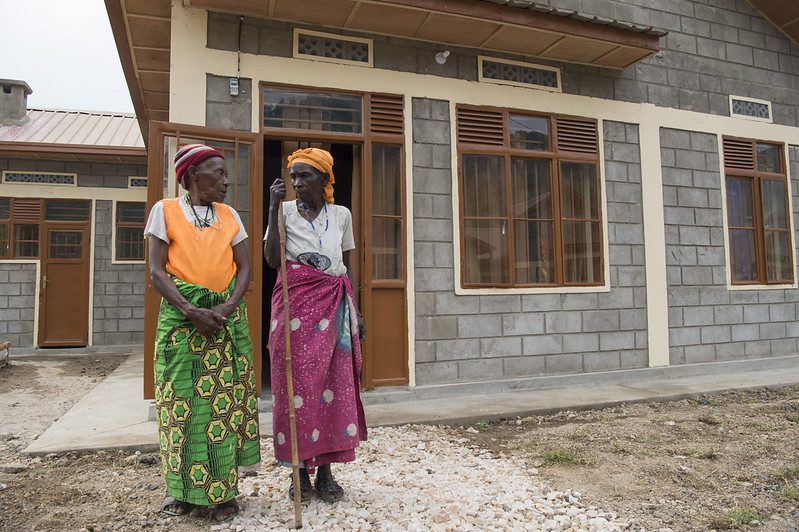
Elderly Poverty in RwandaExtreme poverty is a reality in Rwanda, where 48.8% of the population is multidimensionally poor. Elderly poverty in Rwanda is a further concern, where elders are facing economic challenges in retirement and limited access to quality health care. Nonetheless, initiatives proposed by the government and nongovernmental organizations (NGOs) offer hope for the future of older adults in Rwanda.

Why the Elderly?

While poverty affects all sections of Rwandan society, the United Nations (U.N.) states that 16% of the population lives in extreme poverty, earning less than $1.90 per day. Its effects are particularly noticeable in the older generation. A study of hospitalized patients in the southern city of Butare noted that 17.5% of the hospital beds were occupied by people aged more than 60, most of whom suffered from infections requiring large quantities of medicine.

The increase in population in the last decade partly explains this. Demographics show that out of 12.6 million people, only 5.1% of the growing population is aged more than 60. Governmental policies and organizations invest in the younger generation, providing more opportunities for development. This means the needs of older adults are not always prioritized; consequently, they often face the harsher consequences of poverty.

Government Action

Despite this, in recent years, the Rwandan government has been developing policies that aim to improve the quality of life of elders. The National Older Person’s Policy (NOPP) is an example of one such program, which a U.N. report states aims to support 67,000 older people.

Since its original development in 2016, it has provided social protection, raised funds through stakeholders and established a National Council for Older Persons. The community-based health insurance has been particularly successful in extending health care to 87% of older people in need.

NSINDAGIZA Organization

This Rwandan organization was created in 2014 with the mission of supporting native elderly communities. It does so by raising awareness and advocating for the well-being and human rights of older people, with a particular focus on rural communities. The organization collaborates with Helpage International to regularly hold events in support of older communities.

In 2016, Elie Mugabowishema co-founded NSINDAGIZA and created the “Rwanda Leave No One Behind Network.” Elie was able to do so with the support of another nine organizations. The program centers itself around meeting the Sustainable Development Goals, advocating for the inclusion of marginalized sectors of society and protecting their human rights. This included providing sanitation facilities to locals during the COVID-19 pandemic.

Final Remark

The journey away from elderly poverty in Rwanda is long, but it is making progress step by step. Looking at the government and individual incentives directed toward improving the situation offers a hopeful path to look to the future. There is action and this is bringing positive change to Rwanda’s elderly population.

– Grace Pasqualucci Sammartini

Grace is based in Rome, Italy and focuses on Good News and Global Health for The Borgen Project.

Photo: Flickr

June 28, 2024
https://borgenproject.org/wp-content/uploads/borgen-project-logo.svg 0 0 Hemant Gupta https://borgenproject.org/wp-content/uploads/borgen-project-logo.svg Hemant Gupta2024-06-28 01:30:152024-06-27 04:24:03Fighting Against Elderly Poverty in Rwanda
Africa, Global Poverty, Health

3 Facts about Diseases Impacting Sudan

Diseases Impacting SudanSudan is a country in Africa and ranks among the poorest countries in the world. With such rampant poverty comes a plethora of challenges that the nation must face. In addition to these challenges, Sudan has been in conflict since April 2023. This conflict has only inflated many of the problems faced by the country, especially diseases. These are three facts about diseases impacting Sudan that people should know.

Fragile Health System

The health system in Sudan is severely underpowered. With very little investment, it cannot provide efficiently and thus many citizens struggle with getting the health care they need. There is a shortage of skilled doctors within the country, and half of the people who attend health care facilities are likely to receive no aid. In addition, due to the crisis, more than 70% of all health care facilities do not operate, drastically impacting how much diseases affect Sudan, according to the International Rescue Committee (IRC).

Frequent Outbreaks

War in Sudan has caused massive outbreaks of multiple diseases due to the worsening living conditions and the high amounts of displacement, causing further deterioration of health as diseases impact Sudan. In addition, vaccinations have not been able to be administered to many people, leading to increased illness throughout the country. Diseases that have had outbreaks include cholera, hepatitis, yellow fever, Rift Valley fever, meningitis and haemorrhagic fevers. Not only are these outbreaks occurring domestically, but they are also spreading to neighbouring countries as well. As long as the war rages in Sudan, it will be very difficult for many of the people suffering from these diseases to be helped due to the struggling health care system.

Mortality Rates and Life Expectancy

Life expectancy in Sudan has been rising slowly over the years in Sudan, but it remains fairly low at 66 years old. The global average is roughly 70 years old. Many people die from preventable diseases in Sudan due to the poor health care system, which significantly lowers life expectancy. In addition, another big cause of the low life expectancy is that infant mortality rates are alarmingly high. While the rates have declined over the years, just like life expectancy, it remains a problem.

According to UNICEF, for every 100,000 live births, 295 women will die, and this is the result of minimal aid provided to women both during and after their pregnancy. Only just over 50% of women receive a minimum of four antenatal care visits. After they give birth, only 34% of women receive post-natal care services, and 69% can receive a tetanus toxoid vaccination.

Aiding the System

The World Health Organization (WHO) is working with health authorities to distribute medical supplies and improve the coordination of health response. In a situation report from December 2023, WHO confirmed that a Cholera vaccination campaign in the Gedaref and Al Jazirah states targeted at 2.26 million people had a 98% coverage rate. This same report also confirmed that over 1190 metric tons of supplies have been donated to WHO hubs in Sudan. As of May 2024, WHO secured a $3 million donation from the European Union.

The efforts of WHO undoubtedly have aided the struggling health system and will continue to stabilize it during this time of conflict. Vaccine administration will continue hoping to reach as many people as possible, and campaigns to do so will continue. Other organizations, such as the United Nations Populations Fund (UNFPA), work in health facilities to provide sexual and reproductive health care. There is a lot more work to do, but the truth shown by these efforts is that it is very feasible to improve how diseases impact Sudan.

– Tyra Brantly

Tyra is based in Los Angeles, CA, USA and focuses on Global Health for The Borgen Project.

Photo: Flickr

June 27, 2024
https://borgenproject.org/wp-content/uploads/borgen-project-logo.svg 0 0 Jennifer Philipp https://borgenproject.org/wp-content/uploads/borgen-project-logo.svg Jennifer Philipp2024-06-27 03:00:582024-06-25 04:55:283 Facts about Diseases Impacting Sudan
Africa, Conflict, Global Poverty

Alleviating Poverty in Post-Conflict Cities: UN Plans for Mogadishu

Plans for MogadishuA 2020 report by the World Bank predicts that by 2030, more than one-half of the world’s impoverished will be living in fragile and conflict-affected situations (FCS). Following 2007 estimates, the number of individuals living near or in FCSs has almost doubled, which has raised questions as to whether the 2030 poverty reduction goals can be reached.

The UNDP

In the past eight years, the United Nations Development Programme (UNDP) has been a beacon of hope, supporting stable and legitimate governments in states transitioning out of FCS. This concerted effort has yielded tangible results, improving stability and increasing development in these transitioning countries.

In collaboration with the United Nations (U.N.)-Habitat, the UNDP has spearheaded reconstruction initiatives for transitionary regions, demonstrating the potential for significant poverty reduction in post-conflict cities.

Pathways for Peace

The 2018 U.N. publication “Pathways for Peace” offers a compelling solution. The Institute for Economics and Peace’s research reveals a striking cost-effectiveness ratio for conflict resolution: 1:16. This means that investing in peace and development saves donor nations money in foreign aid over time and significantly contributes to poverty reduction in post-conflict cities. The success of these strategies is evident in the case of Mogadishu, Somalia.

U.N.-Habitat Plans for Mogadishu

Since 2012, Mogadishu has been one of the fastest-growing regions in Somalia. As a result of several years of internal conflict, the city and municipality surrounding it lack the necessary infrastructure and the general information needed to create strategic urban plans.

Following the 2014 Urban Analysis of Mogadishu conducted, the U.N. developed five plans for the city’s all-around development and socially sustainable growth. Projects one and two focus on building or redeveloping highway systems that connect the city with the surrounding municipality.

Project three specifically affects the rehabilitation and historical preservation of the medieval historic districts, specifically by developing drainage and waste disposal centers within the districts. While it is currently impossible to restore the entirety of the “old town,” developers plan to improve the district with smart tourism and new business opportunities within vacant buildings.

Project four hopes to expand market access within urban Mogadishu while expanding public transportation opportunities to and around market centers. Finally, Project Five plans to redevelop public spaces with the input of the districts of Mogadishu to redevelop public places that are significant to the communities they foster.

Final Remark on Plans for Mogadishu

All projects being researched and prepared are based on the relative stability of Mogadishu. Poverty reduction-centric planning and aid can only work in regions of peace; poverty in post-conflict cities can be alleviated more consistently than FCS-based poverty. By investing in peace, poverty can be reduced for more than 74 million people, and organizations such as the U.N. and World Bank can create localized programs and initiatives to allow communities to rebuild themselves.

– Jamie Sackett

Jamie is based in Hutto, TX, USA and focuses on Global Health and Politics for The Borgen Project.

Photo: Flickr

June 26, 2024
https://borgenproject.org/wp-content/uploads/borgen-project-logo.svg 0 0 Hemant Gupta https://borgenproject.org/wp-content/uploads/borgen-project-logo.svg Hemant Gupta2024-06-26 03:00:282024-06-25 04:21:01Alleviating Poverty in Post-Conflict Cities: UN Plans for Mogadishu
Page 17 of 24«‹1516171819›»

Get Smarter

  • Global Poverty 101
  • Global Poverty… The Good News
  • Global Poverty & U.S. Jobs
  • Global Poverty and National Security
  • Innovative Solutions to Poverty
  • Global Poverty & Aid FAQ’s
Search Search

Take Action

  • Call Congress
  • Email Congress
  • Donate
  • 30 Ways to Help
  • Volunteer Ops
  • Internships
  • Courses & Certificates
  • The Podcast
Borgen Project

“The Borgen Project is an incredible nonprofit organization that is addressing poverty and hunger and working towards ending them.”

-The Huffington Post

Inside The Borgen Project

  • Contact
  • About
  • Financials
  • President
  • Board of Directors
  • Board of Advisors

International Links

  • UK Email Parliament
  • UK Donate
  • Canada Email Parliament

Get Smarter

  • Global Poverty 101
  • Global Poverty… The Good News
  • Global Poverty & U.S. Jobs
  • Global Poverty and National Security
  • Innovative Solutions to Poverty
  • Global Poverty & Aid FAQ’s

Ways to Help

  • Call Congress
  • Email Congress
  • Donate
  • 30 Ways to Help
  • Volunteer Ops
  • Internships
  • Courses & Certificates
  • The Podcast
Scroll to top Scroll to top Scroll to top