From Pond to Plate: Aquaculture in Zambia Is Transforming Lives
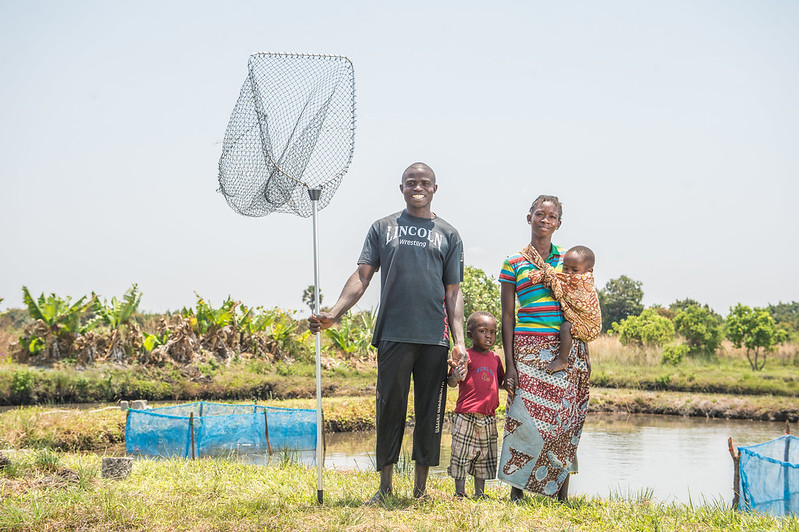 In Zambia, a landlocked country in southern Africa, fish serve as more than just sustenance; they are the very foundation of livelihoods. More than 30% of the country’s animal protein is derived from fish. As the population grows, the imperative of cultivating aquaculture in Zambia grows ever more pronounced, emerging as a pivotal conduit for securing food security and economic stability, especially within rural communities.
With the strategic interventions of the United States Agency for International Development (USAID) and the collaborative efforts of government initiatives, Zambia is poised to harness the potential of its growing aquaculture sector. The nation aims not only to meet the nutritional needs of its populace but also to drive sustainable development while safeguarding its resources for generations.
The Prospects of Aquaculture in Zambia
Zambia is a prominent figure in Sub-Saharan Africa’s aquaculture landscape, standing as one of the continent’s leading producers of farmed fish. Within the agricultural sector, fisheries contribute significantly, constituting 3.2% of the country’s gross domestic product (GDP). The nation boasts an annual production of 75,500 tons of tilapia, marking a nearly 10,000% increase since 1986. Despite this impressive growth trajectory, the demand for fish shows no signs of abating. Projections indicate a need for an additional 71,591 tons of fish by 2030 to meet the country’s surging population demand.
Zambia remains a net importer of fish, highlighting the persistent challenge of bridging the supply-demand gap in this vital sector. Therefore, the country stands to reap substantial macroeconomic benefits from expanding its aquaculture industry. By fostering growth in fisheries and enhancing common practices, the nation is primed not only to attain agricultural independence but also to address the pressing challenge of food insecurity, which affects 48% of the population. Recent research by the University of Stirling demonstrates the pivotal role aquaculture plays in bolstering food security in Zambia.
However, the expansion of the aquaculture industry holds promise beyond enhancing food production; it has the potential to alleviate poverty by creating employment opportunities and increasing incomes directly. Moreover, it facilitates coherent community development measures, offering a new avenue for revenue generation for entire lakeside towns. Aquaculture in Zambia often synergizes with crop agriculture, leveraging the fertile conditions and irrigation opportunities provided by lakes, fostering income diversification and growth. To ensure that farmers and fishermen can fully harness the benefits of aquaculture, various domestic and international initiatives are in place to provide support and assistance.
Zambian Government Initiatives
For decades, the Zambian government has played a pivotal role in fostering the growth of the aquaculture industry. In 2004, the introduction of the National Aquaculture Development Strategy (NADS) signaled a concerted effort to provide guidelines and support for private sector-led growth aimed at promoting entrepreneurship and bolstering production. Additionally, the establishment of the centralized Department of Fisheries underscores the government’s commitment to the sector, with five aquaculture centers positioned across the country.
These centers are tasked with conducting feasibility studies and research, particularly concerning fish nutrition and species selection, to drive innovation and sustainable development. Moreover, the Agriculture Commercialization Programme (ACP) offers low-risk financial services to farmers and fishermen, as well as provides a gateway to access relevant technologies.
Ultimately, the Zambian government’s commitment to empowering its fisheries and rural population is not only a testament to its dedication to food security but also to uplifting its most vulnerable citizens. By providing entrepreneurial and employment opportunities, initiatives like the ACP contribute significantly to poverty alleviation in Zambia.
Foreign Investment in Aquaculture
Foreign aid, particularly from USAID, plays a crucial role in fortifying aquaculture in Zambia as well. Through initiatives like feasibility tests, USAID provides invaluable insights into the profitability of aquaculture ventures, demonstrating that even modest investments can yield substantial returns.
For example, one such test revealed that the input costs for a 500 square meter pond, approximately $1,000, offer an impressive 42.38% internal rate of return.
USAID’s aquaculture initiatives in Zambia extend beyond research. For instance, the Farmer-to-Farmer (F2F) program facilitates access to emerging technologies, enhancing the quality and quantity of fish and produce available in local markets.
Similarly, FishFirst! Zambia and the USAID-Mississippi State University partnership at Zambia’s Feed The Future Innovation Lab for Fish prioritize research on fish nutrition and the development of fish-based products, such as instant porridge, which has notable potential for both domestic consumption and international export. These efforts not only promote entrepreneurship but also contribute directly to improved nutritional outcomes for rural communities.
Additionally, USAID programs equip rural Zambians with educational resources, imparting knowledge on the nutritional benefits of various fish species and offering practical guidance through recipe handbooks. Ultimately, foreign investment plays a pivotal role in augmenting food security and reducing poverty in Zambia by fostering innovation, education and economic opportunities.
Final Remark
Aquaculture in Zambia offers a promising avenue for sustainable economic growth and poverty alleviation as the country moves into the future. With support from domestic and international channels, there is immense potential for the expansion of the vital industry. With continued investment and collaboration, Zambia’s fisheries can play a pivotal role in achieving broader development goals and alleviating poverty through the creation of long-term, sustainable and profitable employment opportunities.
– Matthew Candau
Matthew is based in St. Andrews, Scotland and focuses on Business and New Markets and Politics for The Borgen Project.
Photo: Flickr
