Poverty Reduction in Ethiopia
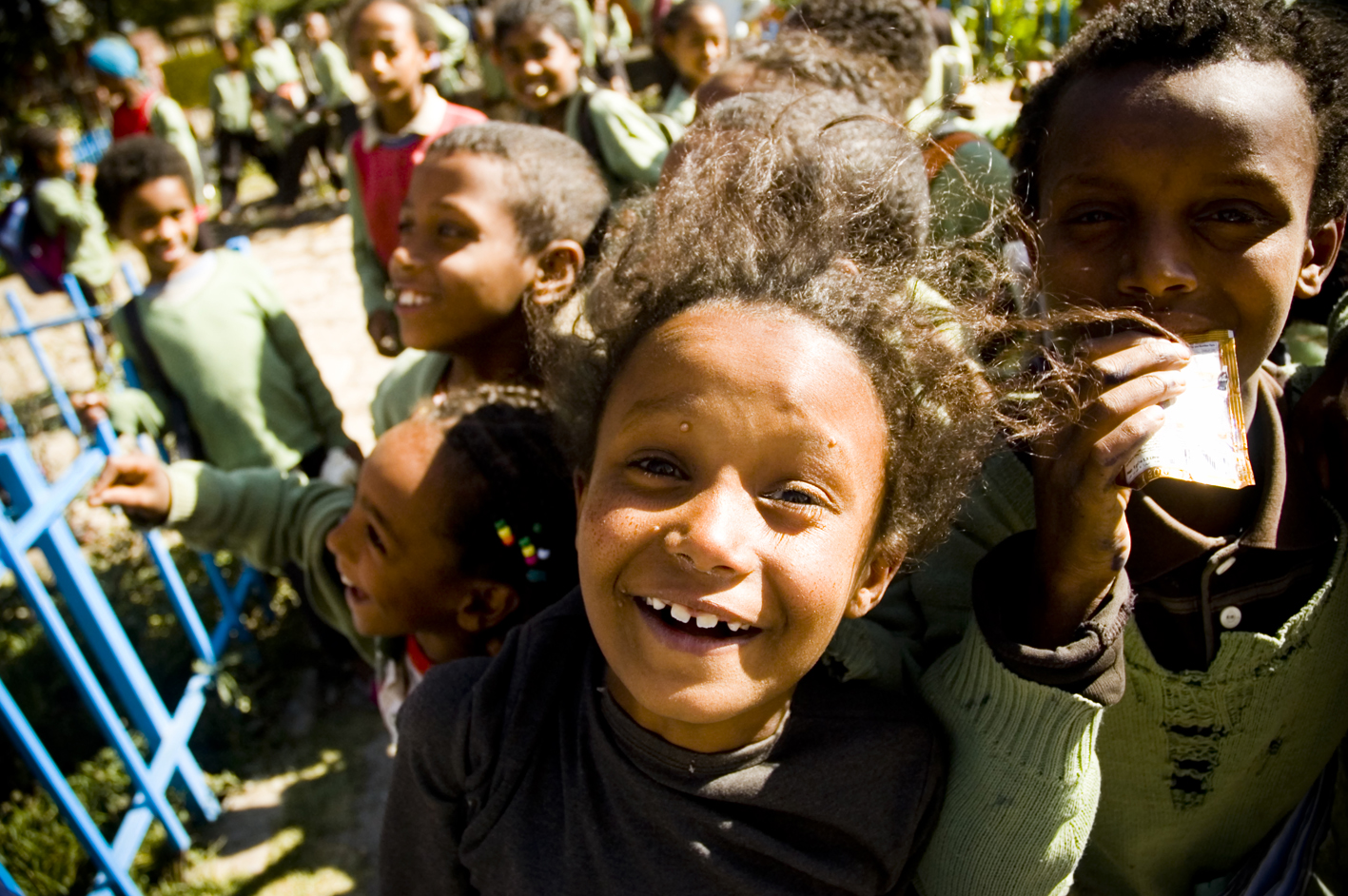 Ethiopia is Africa’s oldest independent country and is the second most populous country in Africa. With a growing population of 128 million as of 2024, the United Nations estimates that more than 68% of all Ethiopians live in poverty. Poverty reduction in Ethiopia is difficult due to prolonged drought in the Horn of Africa has left 13 million Ethiopians to experience acute food insecurity. Due to damage to agriculture and El Niño’s effects, Ethiopia has a significant humanitarian risk.
Additionally, the issue of poor housing poses an urgent danger to the health and sanitation of many Ethiopians, as 70% of houses require total replacement. These staggering numbers emphasize the urgency for assistance in Ethiopia, where the public health crisis is worsening. However, significant efforts have been made internationally to combat poverty in Ethiopia and the public health crisis.
The Productive Safety Net Program
One major catalyst for poverty in Ethiopia is food insecurity, which affects millions of Ethiopians. Food insecurity is rapidly growing in the nation due to a drastic increase in droughts since 1999. Ultimately, this impacts Ethiopia’s crop and livestock production, which accounts for nearly 60% and 25% of the Ethiopian agricultural income.
The Productive Safety Net Program (PSNP), implemented by the Government of Ethiopia in 2015, targets households without secure access to food, providing short-term relief and long-term solutions. For example, financial opportunities through cash transfers, reducing food insecurity and increasing resilience to a crisis in Ethiopia.
As a safety net, it prevents starving Ethiopians from selling important assets to overcome food shortages. Since 2015, there have been clear improvements to poverty in Ethiopia; statistics of Ethiopians who live below the poverty line have reduced by 21% and there is a significant reduction in food insecurity.
International Humanitarian Support
The U.S. and the U.K. are continuously making significant efforts to provide vital humanitarian assistance to the people of Ethiopia. They are funding millions to protect their health and improve the quality of life for Ethiopians who are affected daily by poverty.
As the largest single-country provider of Ethiopia, the U.S. has funded more than $331 million in humanitarian assistance towards the country’s poverty crisis in 2023. The funding supports Ethiopians affected by droughts and food insecurity, providing life-saving support such as food, shelter, sanitation and safe drinking water.
In addition, the U.K. has funded £100 million (approximately $126 million) since 2023, focusing on ending preventable deaths targeted at children as well as pregnant women. The U.K.’s objective is to help around three million individuals. Additionally, 75 health centers will be aided in tackling malnutrition and deadly diseases such as malaria and cholera.
Improvements to Sanitation and Housing
Addressing the difficult living conditions generated by poverty in Ethiopia is important. Poorly built housing has a major impact on the public health of Ethiopians, where a staggering 70% of houses require complete replacement. The houses are made of wood and mud with cracked walls, dirt floors and unstable roofs, which are at risk of leaks. Further, only 28% of homes have access to sufficient sanitation facilities, 38% of Ethiopians have no toilet facilities and 48% use open pits or latrines.
Habitat for Humanity has been assisting vulnerable Ethiopians living in poverty since 1993, providing safe homes with water facilities and access to sanitation. Multiple projects provide different objectives to improve the health of Ethiopia, such as the urban slum upgrading project, the water and sanitation project and the Resilience Building Assistance Network (RBDC). Statistics show that since 2022, Habitat for Humanity has been serving more than 97,000 struggling Ethiopians, building more than 65 new homes and improving more than 96,000 homes in need of urgent repair.
Poverty Reduction in Ethiopia
Over the years, Ethiopia has shown remarkable progress. Ethiopians living below the poverty line have decreased by 21% as a result of many factors, including international support and PSNP. However, poverty persists due to natural disasters and extreme population growth, which pose a serious risk to the lives of many. Poverty in Ethiopia is complex and requires continuous support and sustainable solutions for a lasting impact.
– Emily Whatley
Photo: Flickr
