• Link to X
  • Link to Facebook
  • Link to Instagram
  • Link to TikTok
  • Link to Youtube
  • About
    • About Us
      • President
      • Board of Directors
      • Board of Advisors
      • Financials
      • Our Methodology
      • Success Tracker
      • Contact
  • Act Now
    • 30 Ways to Help
      • Email Congress
      • Call Congress
      • Volunteer
      • Courses & Certificates
      • Be a Donor
    • Internships
      • In-Office Internships
      • Remote Internships
    • Legislation
      • Politics 101
  • The Blog
  • The Podcast
  • Magazine
  • Donate
  • Click to open the search input field Click to open the search input field Search
  • Menu Menu

Archive for category: Africa

Africa, Disability, Global Poverty

Disability and Poverty in Togo

Disability and Poverty in TogoIn Togo, a country where poverty intertwines deeply with social stigma, the plight of persons with disabilities has gained increasing attention, particularly during the challenging times of the COVID-19 pandemic. The virus’s spread exacerbated existing inequalities, striking hardest at the most vulnerable groups, including persons with disabilities, who face heightened risks due to systemic exclusion from health care, education and economic opportunities. During this global health crisis, one of the most affected demographics has been youth with disabilities.

Already at a disadvantage due to often lacking access to education or vocational training, these young individuals found themselves further marginalized in the job market. In response, the United Nations Agency for International Development (USAID) has been a key player, aligning efforts with the Fédération Togolaise des Associations des Personnes Handicapées (FETAPH) to tackle these issues. This partnership focuses on increasing vocational training accessibility and adjusting curricula to be inclusive of sensory disabilities.

FETAPH’s Initiatives

FETAPH’s initiatives include conducting sensitization workshops to foster employer openness toward hiring people with disabilities and collaborating with companies to provide necessary equipment and training placements. These efforts to address disability and poverty in Togo are crucial in a societal landscape where stigma and discrimination are rampant, significantly affecting the livelihoods of disabled persons.

Moreover, the push for a national fund to support the training and professional integration of persons with disabilities is gaining momentum. This fund would not only address immediate employability gaps but also offer long-term support structures for sustainable development. Advocacy for such a fund was bolstered by the commendation from the Committee on the Rights of Persons with Disabilities, which noted ongoing revisions to Togolese law aimed at enhancing social protection for people with disabilities.

The committee also highlighted grave concerns, such as inhumane treatment leading to fatalities among children with disabilities and the persistent cultural practices that underpin such abuses. Questions were raised about protective measures against abandonment and harmful traditional practices like forced marriages and infanticide.

In response, Togolese officials pointed to legislative strides such as the prohibition of discrimination against persons with disabilities in the Children’s Code and severe penalties for those who abandon children due to disability. Despite these legal frameworks, implementation remains inconsistent and many individuals with disabilities continue to face significant barriers to integration and acceptance within their communities.

The role of international and local advocacy in shaping policy and public opinion regarding disability and poverty in Togo cannot be understated. The ongoing dialogue between Togolese authorities and international bodies underscores the pressing need to transform societal attitudes and institutional practices. This dialogue is crucial for ensuring that the rights of persons with disabilities are not only recognized on paper but earnestly protected and facilitated.

About Children With Disabilities in Togo

Additionally, in Togo, children living with disabilities represent one of the most vulnerable segments of the population. This vulnerability is not only marked by poverty but also compounded by significant social isolation and discrimination. Recognizing the urgent need to address these disparities, the United Nations Partnership to Promote the Rights of Persons with Disabilities (UNPRPD) initiated a project in 2012 specifically aimed at enhancing the lives of Togolese children with disabilities.

Firstly, it aimed at harmonizing Togo’s domestic laws with the Convention on the Rights of Persons with Disabilities (CRPD) to ensure that legal frameworks were not only compliant but also supportive of the rights of children with disabilities. Secondly, the project focused on expanding educational opportunities for children with disabilities, particularly in the Kara and Savanes regions. By fostering an environment where children with disabilities are given the tools to thrive, such as access to tailored education and health care, the program aimed to break the cycle of exclusion and poverty.

However, while these initiatives are commendable, they are just the beginning of what needs to be a sustained, multi-faceted effort to integrate persons with disabilities into Togolese society fully. Continuous monitoring, adequate funding and persistent advocacy are essential to ensure that the legal and institutional frameworks not only exist but are actively enforced. They have to effectively contribute to the everyday lives of those whom they aim to protect, who suffer from the compounded effects of disability and poverty in Togo.

Conclusion

While the effort to combat disability and poverty in Togo has been commendable, especially regarding efforts to align its policies with international conventions on disability rights, significant challenges remain. The dual crises of COVID-19 and systemic exclusion have highlighted the urgent need for comprehensive strategies that address both immediate vulnerabilities and long-term social integration. Moving forward, the success of these endeavors will hinge on the sustained collaboration between the government, civil society and international partners to create an inclusive society where persons with disabilities can live with dignity and equal opportunities.

– Avery Fuller

Avery is based in Princeton, NJ, US and focuses on Global Health for The Borgen Project.

Photo: Flickr

May 14, 2024
https://borgenproject.org/wp-content/uploads/borgen-project-logo.svg 0 0 Hemant Gupta https://borgenproject.org/wp-content/uploads/borgen-project-logo.svg Hemant Gupta2024-05-14 07:30:082024-05-14 01:03:27Disability and Poverty in Togo
Africa, Developing Countries, Global Poverty

Urbanization in Lagos: Impacting Poverty in Nigeria

Urbanization and Its Impact on Poverty in Lagos Nigeria In 2024, the population of Lagos state, Nigeria, reached 16,536,018, marking an increase of 590,106 people over the previous year. This number reflects a 3.7% annual growth rate. The process of urbanization in Lagos, significantly increases the disparity between the wealthy and impoverished residents. While some individuals have benefitted from Lagos’ booming economy and accumulated considerable wealth, a large portion of the population live in inadequate conditions in squatter settlements like Makoko. Unfortunately, issues such as overcrowding, lack of basic amenities and poor living conditions affect these slums.

The Struggles of Slum Dwellers in Makoko

Makoko, a prominent slum in Lagos, stands on stilts above the Lagos lagoon, highlighting its residents’ precarious living situation. Most individuals living in Makoko are employed in the informal economy, earning as little as $1.25 per day, insufficient to cover their basic needs. This extreme poverty perpetuates a cycle of disadvantage and limits opportunities for economic mobility among the residents of Makoko and other similar slums in Lagos.

The Borgen Project spoke with an individual who wishes to remain anonymous for privacy reasons. The young lady, living in one of the slums in Lagos with her three children, stated, “I make nothing less than N2500 a day.” Currently, N2500 is equivalent to $1.86. She further mentioned that she only uses the money to make sure her kids have something to eat. She says, “Every day is a struggle to survive, with no end in sight to our suffering.” Living in the slums traps them in a cycle of poverty and despair. 

Urban Challenges: Poverty and Infrastructure

Urbanization, urban poverty and slums are closely linked and present significant challenges for both developed and developing countries. Nigeria, like other developing nations, faces these ongoing challenges, which have a more pronounced impact due to limited resources and rapid population growth in urban areas. Efforts to address these ongoing issues require comprehensive strategies that prioritize sustainable urban development, poverty reduction and job creation initiatives.

Over the past 50 years, rural-urban migration has been the primary driving factor of population growth in Lagos. This is primarily due to the notable advancements in social and economic development, which have fueled uncontrolled population expansion in these urban areas. This rapid growth has led to various challenges, such as strain on existing infrastructure, environmental deterioration, traffic congestion, lack of adequate housing and an increase in crime rates in Nigerian major cities.

Urban poverty drastically undermines urban sustainability in Nigeria, as the poor in cities face social exclusion, unemployment, homelessness, unpaid work, environmental risks and poor health. These hardships drive the proliferation of slums, squatters’ settlements and deteriorating housing, which are becoming permanent fixtures in Nigeria’s major cities.

The Lagos State Urban Development Policy

The Lagos State Urban Development Policy (LSUDP) is a comprehensive and holistic approach to guiding sustainable urban development in Lagos State, Nigeria. The policy is rooted in the recognition of the rapid urbanization and population growth that Lagos State, which addresses significant challenges in infrastructure, housing, transportation and social services

The LSUDP addresses the ongoing challenges by providing a long-term vision and strategic direction for developing Lagos State over the next three decades (2022-2052). The policy outlines key objectives and strategies that promote inclusive growth and development, reduce poverty and inequality, enhance residents’ quality of life and ensure sustainable resource use.

One of the core principles of the LSUDP is to create inclusive cities where all residents, regardless of their socio-economic status, can access basic services, opportunities for economic advancement, and a high quality of life. This includes policies to promote affordable housing, improve access to health care and education, enhance transportation infrastructure and protect the environment.

Furthermore, the LSUDP emphasizes the importance of sound socio-economic foundations, which are essential for sustainable development. This involves fostering economic growth, attracting investments, creating job opportunities and supporting entrepreneurship and innovation. By laying down this strong foundation, the LSUDP aims to ensure that urban development in Lagos State is sustainable, equitable and beneficial for all residents.

The LSUDP represents a strategic roadmap for the future development of Lagos State, with a focus on creating livable, inclusive and prosperous cities that can meet the needs of current and future generations.

Moving  Forward

The Lagos State Urban Development Policy promises to transform urban living conditions by addressing critical infrastructure needs and reducing inequality. By prioritizing sustainable growth and inclusive policies, Lagos is poised to enhance the quality of life for all its residents. These ongoing initiatives could help break the cycle of poverty and create a more equitable urban environment in Nigeria’s bustling metropolis.

– Oyinkansola Adewumi

Oyinkansola is based in Denver, CO, USA and focuses on Good News for The Borgen Project.

Photo: Unsplash

May 9, 2024
https://borgenproject.org/wp-content/uploads/borgen-project-logo.svg 0 0 Precious Sheidu https://borgenproject.org/wp-content/uploads/borgen-project-logo.svg Precious Sheidu2024-05-09 01:30:212024-05-09 01:25:01Urbanization in Lagos: Impacting Poverty in Nigeria
Africa, Global Poverty, Nonprofit Organizations and NGOs

Empowering Youth Leadership in Africa

Empowering Youth Leadership in Africa The global youth population, ages 15 to 24, currently stands at approximately 1.2 billion, with the majority residing in developing countries. Africa boasts the world’s youngest population, with 60% of its citizens under the age of 25, and a median age of about 19 years, compared to the U.S. median age of 39 years. This demographic provides African countries with unique opportunities and challenges in harnessing the potential of their youthful population, especially in empowering youth leadership.

Challenges in Low-Income African Countries

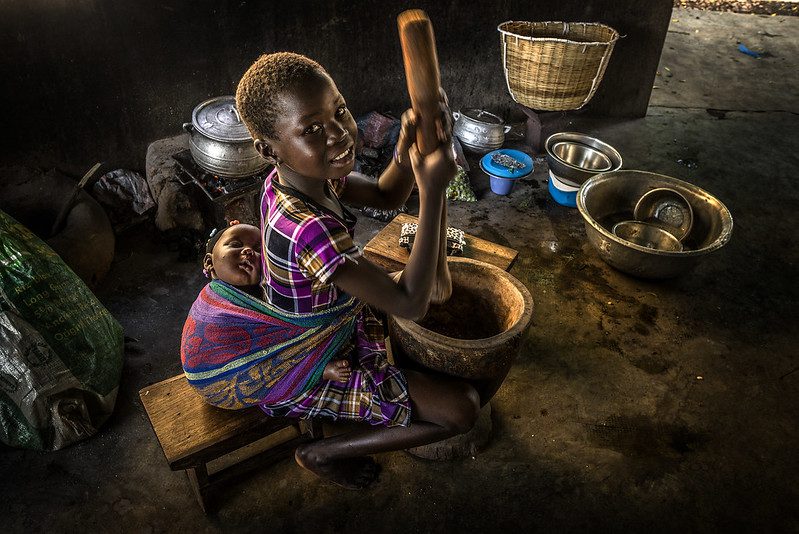
The median age of Africa’s leaders is approximately 63 years old. This age disparity underrepresents Africa’s youth population. According to Brookings, 80 million young Africans live in extreme poverty and face concerns of insufficient economic opportunities and deteriorating education systems, especially in rural areas. There are also high levels of gender inequality for young women in Sub-Saharan Africa. Young women handle the majority of household tasks such as childcare, cooking, securing water and more. This results in lower employment rates than their male counterparts. This often prevents them from obtaining an education or securing paid employment. According to the International Labor Organization (ILO), the inability of young people to secure employment, get an education or receive training, can result in present and future limitations. 

Youth Leadership

By providing opportunities for youth to actively participate in decision-making processes, it can help them feel included in their governments. The United Nations (U.N.) Under-Secretary-General, Rosemary DiCarlo, stresses that there must be more support and investments in youth as “Investing in youth is investing in peace.” She also stressed the importance of acknowleding young people’s voices and perspectives in leadership positions.

Authorities could prioritize and promote education by actively eliminating barriers, especially for women. Harmful social norms and stereotypes, such as the expectation for women to remain at home and exclusively fulfill caregiving roles, as well as the perception that women are only suited for specific professions (nurses and teachers) restrict their potential. A lack of education and training can also limit job options. 

Three Initiatives Empowering Youth Leadership

  1. Empowerment and Livelihood for Adolescents (ELA) program initiated by the Bangladesh Rural Advancement Committee (BRAC). This program operates in Liberia, Sierra Leone, Tanzania, South Sudan and Uganda. It integrates social empowerment, economic empowerment, community engagement and education. The goal is to assist young people, particularly girls and young women. These individuals often face poverty, exploitation and limited job prospects. The program helps them reach their full potential. BRAC’s youth programs help build self-confidence, critical thinking, leadership, decision-making skills and social skills. It explores gender dynamics and learns to navigate issues that may affect their health, well-being and future. Furthermore, it learns about relationships, sexual and reproductive health, gender-based violence, early marriage, human and legal rights and more. The ELA program facilitates sports and reading activities to build a support network. This foundation helps prepare young people to evolve into strong, resilient and flexible adults.
  2. UNICEF Youth Advocates in west and central Africa. UNICEF Youth Advocates are located worldwide and vocalize their goals of advocating and inspiring young people to help change society for the better. It informs world leaders about the problems that children face and helps others speak up for their rights. These advocates often choose a specific issue to advocate for. An example of a youth advocate is Djedje Aurélia Esther, a 16-year-old child rights advocate who represents the country Côte d’Ivoire. She is the main facilitator for the Human Rights Education and Citizenship club at her school. Additionally, she has created a board game focused on Life Skills for Peace. Aurélia is currently vice-coordinator of the national platform of children’s organizations in Côte d’Ivoire helping protect children’s rights.
  3. Young Global Leaders Community in Africa. Facilitated by the World Economic Forum and the Aliko Dangote Foundation. This platform helps support Africans and issues to be heard on a global scale and represented in decision-making processes. This youth leadership program chooses speakers to voice their perspectives on issues. It helps young people from developing countries have their needs heard and valued on a global scale and helps promote international conversations. Kamissa Camara, a Young Global Leader, is a Professor of Practice in International Diplomacy at the University of Michigan. As a former Foreign Minister of Mali and a current Aliko Dangote Fellow, she discusses her governmental experiences, crisis management and political challenges. Kamissa speaks about her experiences as a government official in Mali, crisis management and politics. In addition, she represents those who share her experiences and welcomes innovative solutions that can bring positive change to people’s home countries.

Looking Forward

The empowerment of Africa’s youth through education, leadership and advocacy initiatives holds promise for transformative change. These programs not only cultivate young leaders but also ensure their voices play a vital role in shaping the future. With sustained support and expanded opportunities, there is hope that Africa’s young population can drive progress and innovation across the continent.

– Gabrielle Schwartz

Gabrielle is based in Tallahassee, FL, USA and focuses on Politics and World News for The Borgen Project.

Photo: Flickr
May 8, 2024
https://borgenproject.org/wp-content/uploads/borgen-project-logo.svg 0 0 Precious Sheidu https://borgenproject.org/wp-content/uploads/borgen-project-logo.svg Precious Sheidu2024-05-08 07:30:072024-05-08 00:18:12Empowering Youth Leadership in Africa
Africa, Economy, Global Poverty

Zimbabwe’s New Currency: A New Start?

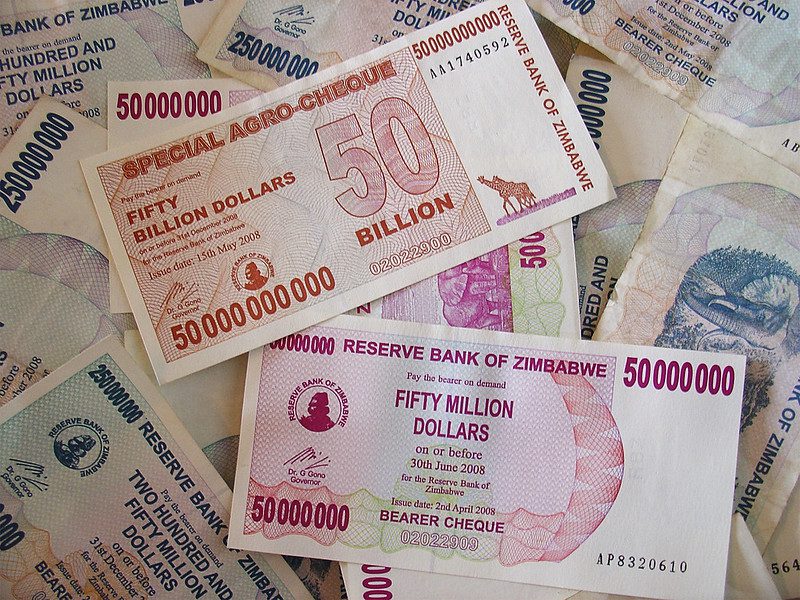
Zimbabwe’s New CurrencyZimbabwe is a country in Southern Africa that has faced a volatile economy and high poverty and unemployment rates in the last decades. Amid surging inflation, which reached 55% in March 2024, the government announced the creation of a new currency, the ZiG, indexed on market prices and backed by gold. The hope is that this new currency could stabilize the economy and restore market confidence. Zimbabwe’s new currency and poverty situation are now closely interlinked.

Zimbabwe’s Economic Situation

The 2023 elections, which saw President Emmerson Mnangagwa get reelected, largely happened under the sign of economic concerns plaguing the country. The foregone rule of Mugabe left the country in dire financial circumstances. Among other problems, high inflation, corruption and a suspension of aid from the World Bank and the International Monetary Fund (IMF) as part of sanctions have yielded a cutthroat economic situation.

Although real gross domestic growth (GDP) reached 5.5% in 2023, this number is expected to fall to 3.3% in 2024 due to the effects of an El Nino induced drought and the general macroeconomic instability. However, the country’s economic foundations are considered decent as several sectors, such as agriculture and mineral production, remain locally and globally competitive. Yet, structural economic challenges will have to be tackled head-on to fulfill Zimbabwe’s economic potential truly.

Zimbabwe and Poverty

The decades of economic instability have stunted the country’s ability to fight poverty. As of 2023, it’s estimated that 42% of the population still lives in extreme poverty, with a quarter of the population being food insecure. With certain economists claiming the country’s unemployment rate is as high as 85%, much of the burden for the slow progress in diminishing poverty rates falls upon the country’s economic situation.

Zimbabwe’s New Currency and Poverty

Finance Minister Ncube announced the creation of the ZiG (Zim Gold) as part of a series of measures that sought to restore economic stability to the country. Since its election, the government has increased taxes on products such as sugar to repay some of the debt that has caused much of the country’s structural problems.

The new currency, indexed on the country’s gold reserves and precious minerals, would be less volatile than its predecessor. Indeed, backed by hard value items, this would prevent the currency from losing its worth. If successful, the new currency could help restore the country’s economy, where currently 85% of transactions are recorded in the United States (U.S. dollars). The government’s main objective is to regain strength and trust in a national currency as a path to leave the U.S. Dollar.

Suffering from high exchange rates, confidence in a national currency could lend itself to a better overall context for small and private businesses if restored. Zimbabwe’s new currency and poverty both rely upon stability and forthcoming measures.

Looking Ahead

The currency debuted and Zimbabweans were asked to exchange their remaining Zimbabwean Dollars for the ZiG in early April. Since then, mixed reports have come out. The general mistrust of the population regarding the historically chaotic management of the country’s economic institution leads many to remain keen on prioritizing the U.S. Dollar in most exchanges.

However, the ZiG does stay at a much lower exchange rate than its predecessor, the U.S. dollar. The choice of backing up the currency with hard assets still yields questions as economists wonder if the country’s gold and mineral reserves are large enough to back a currency. Whether this new approach will bear its fruits for Zimbabwe’s new currency and poverty alleviation requires close monitoring in the future.

– Felix Stephens

Felix is based in London, UK and focuses on Business and Politics for The Borgen Project.

Photo: Flickr

May 7, 2024
https://borgenproject.org/wp-content/uploads/borgen-project-logo.svg 0 0 Hemant Gupta https://borgenproject.org/wp-content/uploads/borgen-project-logo.svg Hemant Gupta2024-05-07 01:30:202024-05-07 00:40:59Zimbabwe’s New Currency: A New Start?
Africa, elderly poverty, Global Poverty

Understanding Elderly Poverty in South Africa 

Elderly Poverty in South Africa South Africa, a nation grappling with various tribulations confronts yet another growing challenge: elderly poverty.

The Ageing Index

The rise in the proportion of elderly individuals within the population, referred to as population ageing has become one of the most pertinent issues of the 21st century, affecting nations globally.

The Ageing Index denotes the ratio of individuals aged 60 years and above per 100 individuals less than the age of 15 within a given population. Thus, a higher index signifies a larger proportion of elderly people within a population.

The ageing index in South Africa increased from 30 in 2017, to 33 in 2022, a clear signal of the problem, according to Statistics South Africa. It also reported that in 2022, more than 5 million people were 60 or older. This means that around 9.2% of South Africa’s population comprises the elderly.

Financial Vulnerability

Statistically, one-quarter of all older people could be chronically poor. In addition to this, the University of Natal found that Africans make up almost 90% of chronically poor elderly. This poses a huge threat to the safety and well-being of the elderly population in South Africa. This vulnerability stems from various factors, including inadequate pensions, limited employment opportunities and the burden of supporting extended families.

Root Causes

The elderly in South Africa face a wide range of challenges. Having spent the majority of their lives under an apartheid system, South Africans older than 50 spent their working years under employment restrictions. Thus, one of the main causes of elderly poverty is unemployment. Highly competitive labor markets, without work opportunities for those with poor training and education, serve as a huge hindrance to older workers. Further, limited social protection is another factor that exacerbates elderly poverty in South Africa. The state old age pension system is the only policy in place, however, it is not completely effective due to extended families exploiting the pension, and bureaucratic hurdles. Thus, this policy is unable to help the elderly meet their basic needs, especially in light of rising inflation.

Efforts Towards Alleviation

Efforts to alleviate elderly poverty in South Africa involve various government policies, social programs and initiatives from non-governmental organizations.

The South African government provides social grants to vulnerable groups, including the elderly. The South African Social Security Agency (SASSA) administered The Old Age Pension in 1928, providing financial assistance to elderly citizens who meet certain criteria. By 1958, the percentage of old age people receiving the grant had risen to 60%.

Government and non-profit organizations run elderly care facilities that provide housing, health care and social support to seniors in need. These facilities aim to improve the quality of life for elderly individuals who may be experiencing poverty. These are in the form of – Retirement villages, Residential Care facilities, Communal living and Abbeyfield homes.

Many community organizations run meal delivery programs that provide nutritious meals to elderly individuals who may have difficulty preparing food themselves due to physical limitations or financial constraints. For example, the Meals on Wheels Association of South Africa (MOWASA) delivers meals to the homes of elderly citizens across the country. Doctor Denis Baird founded it in 1964, and its national program currently comprises more than 700 service points.

Financial Literacy and Empowerment Programs

Some community organizations offer financial literacy workshops and empowerment programs specifically focusing on elderly individuals to help them manage their finances, access available benefits and resources and plan for their future. These programs aim to enhance the economic security and independence of elderly citizens. The Ageing with Dignity (AWD) initiative started in 2009 and provides financial literacy training and resources to elderly individuals in underserved communities.  The primary aim is to prevent loss of dignity due to health issues in old age, mainly stemming from the feeling that one is a burden to the family. Under AWD, anybody above the age of 60 years in the Dakulguda cluster of 15 villages can choose to join the club meant for them, by paying an annual subscription of Rs 10. In the AWD program, there are currently 636 members, which is almost the entire elderly population of the program villages.

– Naysa Seth
Photo: Flickr

May 6, 2024
https://borgenproject.org/wp-content/uploads/borgen-project-logo.svg 0 0 Jennifer Philipp https://borgenproject.org/wp-content/uploads/borgen-project-logo.svg Jennifer Philipp2024-05-06 01:30:572024-05-28 03:57:31Understanding Elderly Poverty in South Africa 
Africa, Global Poverty

Brewing a Better Future

BrewingBeer has been a stalwart companion to humanity for centuries, providing important nutrients to every aspect of the social strata and becoming a key element to dozens of cultures worldwide. This fermented cereal beverage has been at the epicenter of culture worldwide, but most modern beer culture revolves around the European tradition. Lagers, pilsners and pale ales rain supreme in most beer-consuming worlds, but Africa has a long and storied brewing history that modern breweries are trying to revitalize.

Bature Brewery

Bature Brewery is a Nigerian-based craft brewery specializing in creating unique brews using local ingredients and traditional brewing techniques. Its most famous brew, the Black Gold Stout, which won the African Beer Cup in 2019, utilizes Nigerian coffee as a main ingredient. This Internationally recognized stout is just the beginning of Bature’s brewing lineup of beloved brews, all produced with local ingredients and designed by local artists. This commitment to relying on locals while reaching international markets is key to creating a strong brand.

Bature is not allowing success to go to its head and instead of resting on its laurels, it is experimenting and extending its purview. All of these products and successes indicate the spirit of African craft brewing, which is that keeping true to local culture is a key building block for these companies.

Senator Keg Beer

Another example of the local ingenuity of these brewers is the Senator Keg beer, which has been a popular staple of Kenyan beer culture for more than a decade. This brew is an inexpensive alternative to more dangerous alcoholic beverages. Senator Keg is brewed by Kenya Breweries using local ingredients and techniques.

This emphasis on maintaining strong local roots is also seen in the outreach done using the beer. Many local farms used to produce the beer are helmed or hire disabled farmers. This was a deliberate effort by the brewery to instigate a physical and psychological change in how disabled workers are treated.

SABMiller’s Innovative Use of Local Resources

Using local resources, be it an underutilized workforce or crop, is at the forefront of many businesses that strive to make a difference. SABMiller, a South African international beer distributor and brewer has found a new way to use local ingredients. Cassava is a long root vegetable similar to sweet potato, creating rich, starchy flour.

This is one of Africa’s most widely grown crops, but it is rarely seen anywhere else; SABMiller is looking to change that. Its new brew, Impala Lager, is made using cassava as a new means to increase the exportation of this widely grown crop to markets that would have ignored it, ultimately pulling African farmers out of poverty.

Final Remark

These companies and initiatives are examples of the desire to expand African beer production and craft breweries. This goal would not only create dozens of new and delicious beers for people from all over to enjoy, but it would also lead to increased exportation of local African ingredients, therefore, pulling vulnerable farmers in the continent out of poverty.

– Charles McFadden

Charles is based in Glasgow, Scotland and focuses on Business and Good News for The Borgen Project.

Photo: Unsplash

May 5, 2024
https://borgenproject.org/wp-content/uploads/borgen-project-logo.svg 0 0 Hemant Gupta https://borgenproject.org/wp-content/uploads/borgen-project-logo.svg Hemant Gupta2024-05-05 07:30:552024-05-07 00:46:35Brewing a Better Future
Africa, Developing Countries, Global Poverty

Period Poverty in Somalia

Period Poverty in SomaliaSomalia stands as an exceedingly impoverished nation, ranking as one of the poorest countries in Africa. The Voluntary National Review of 2022 acknowledges that nearly seven out of 10 Somalis endure poverty, falling below the international poverty line. The country consistently faces recurrent droughts, attributed to unsuccessful rainy seasons. These droughts have resulted in the loss of tens of thousands of lives and caused extensive crop failures.

What Is Period Poverty? 

Period Poverty is a global issue. According to the World Bank, as many as 500 million people across the globe face Period Poverty. Consequently, 500 million girls and women have a lack of access to menstrual hygiene products (commonly pads, tampons and menstrual cups), sanitation facilities (disposal and washing) and education/information regarding menstruation and period products.

Examining Period Poverty in Somalia

In Somali society, people often consider menstruation a taboo. Menstruating girls and women are viewed as unclean, making them deemed unfit for regular daily activities. This lack of awareness surrounding menstruation contributes to a shortage of proper sanitary hygiene products in Somalia. Furthermore, this lack of understanding makes girls and women refrain from seeking necessary treatment for menstrual pain. 

Consequently, numerous girls and women turn to utilizing leaves, aged fabric, socks, the interiors of worn-out mattresses and newspapers. The results of such desperation are heartbreaking. The use of unhygienic materials as sanitary products heightens the risk of urogenital symptoms and infections among Somali girls and women.

Period poverty in Somalia significantly impacts girls’ education. Many girls in the Somali capital regularly miss classes during menstruation. The lack of access to sanitary products leaves them feeling uncomfortable and fearful of potential embarrassment or staining their clothes. This disadvantage faced by females in Somalia hinders their academic progress and diminishes their prospects for future success, further perpetuating gender inequality. 

Positive Action 

The Youth Peer Network supported by UNFPA Somalia has initiated a campaign addressing sexual reproductive health for young people. Launched in 1999 and established in 2011, the Youth Peer Network has branches in more than 50 countries around the world.

The campaigns main priority is menstrual hygiene. Mohamed Arshad Ibrahim, a peer educator for the Youth Peer Network, states, “We aim to eradicate the lack of menstrual hygiene products, and we have distributed reusable sanitary pads to many vulnerable girls for use during their periods, which allows them to stay in school.”. The campaign has been carried out in several schools and universities. Over 2,000 girls suffering from period poverty in Somalia, have benefitted from packs of reusable sanitary supplies. These reusable sanitary supplies are included in the campaign’s dignity kits. The kits include disposable and reusable menstrual pads, underwear, soap and other essentials. 

Founded in 2005, the GBV Area of Responsibility currently has operational presence in 44 countries across 5 regions of the world. GBV Area of Responsibility is actively working to distribute dignity kits to vulnerable women and girls throughout Somalia. In 2020, GBV Area of Responsibility provided 12,816 people with dignity kits in 17 coordination hubs across Somalia. Upon receiving these kits, women and girls gain access to essential items such as soap and hand sanitizers, contact details for GBV service providers, laundry soap, baby-safe antibacterial wipes, chamber pots with privacy shields and sanitary products.

A Look Ahead

Unfortunately, the Somalian government has shown no initiative in providing support for women regarding healthcare needs and finances. The commendable efforts made by organizations such as UNFPA and GBV Area of Responsibility to aid women and girls in Somalia should be greatly applauded. 

– Libby Jackson
Photo: Flickr

May 3, 2024
https://borgenproject.org/wp-content/uploads/borgen-project-logo.svg 0 0 Jennifer Philipp https://borgenproject.org/wp-content/uploads/borgen-project-logo.svg Jennifer Philipp2024-05-03 07:30:492024-05-03 00:12:35Period Poverty in Somalia
Africa, Developing Countries, Global Poverty

The $10 Billion Plan to Combat Rural Poverty in Egypt

Rural Poverty in EgyptIn response to the persistent challenge of rural poverty in Egypt, the government has unveiled an ambitious initiative known as the “$10 Billion Plan.” This comprehensive strategy aims to tackle the multifaceted issues underlying rural impoverishment by targeting key sectors and implementing various initiatives. With a substantial budget allocation of $10 billion, the plan focuses on revitalizing the agricultural sector, improving infrastructure, implementing social welfare programs and fostering entrepreneurship in rural communities. By addressing systemic barriers and investing in sustainable development, the plan seeks to uplift rural populations, enhance livelihoods and promote inclusive economic growth across Egypt’s rural landscape.

Since its inception, the Decent Life Initiative has garnered high expectations. In 2021, the Egyptian prime minister hailed it as Egypt’s mega project of the 21st Century, drawing parallels to iconic national endeavors like the Suez Canal and the Aswan High Dam.

Over the years, the initiative has begun to fulfill the promises made by Egyptian leadership. Branded as “Haya Kareema,” the Decent Life Initiative represents a comprehensive strategy to eradicate rural poverty in Egypt, encompassing many projects to foster sustainable growth in rural areas. Praised by the United Nations (U.N.) for its meticulous planning, Decent Life targets various facets of rural life, benefiting from broad support beyond governmental realms, with private sector entities and humanitarian organizations actively participating. With a combined funding of 500 billion Egyptian Pounds ($10.5 billion), Decent Life demonstrates a concerted effort to uplift rural communities and foster enduring socio-economic progress.

Rural Poverty in Egypt

A stark contrast exists between the quality of life in rural and urban Egypt. In 2011, 30% of the rural population struggled to afford necessities, compared to 10.6% in urban areas. Similarly, poverty rates mirrored this discrepancy, with 9.6% of rural Egyptians unable to access adequate food, while only 2.6% faced such challenges in urban locales. The Decent Life initiative represents a concerted effort to ease the impoverished conditions experienced by many rural Egyptians.

The Logistics of Decent Life

Decent Life commenced its official launch in 2019, marking the beginning of a transformative initiative. Initially, the government undertook a comprehensive survey of every rural village, employing an algorithm to identify the disadvantaged communities. These villages were ranked based on various criteria, including access to water and sanitation, education rates, health care accessibility, transportation infrastructure and poverty levels. The inaugural phase of Decent Life, from 2022 to 2024, concentrated on addressing the needs of identified communities. During this phase, a remarkable 23,000 projects were implemented across 1,477 villages, resulting in approximately 18 million Egyptians benefiting from the initiative.

The First Phase

Decent Life integrates vital life-saving interventions with projects aimed at fostering growth. Here are some notable achievements of the initiative thus far: access to water and sanitation: The government constructed 169 water stations, resulting in a significant increase of 24,000 households gaining access to clean water. Additionally, nine sewage treatment plants and 739 sanitation projects under Decent Life were inaugurated. These efforts led to a notable rise in household access to the sewage system, benefiting 287,000 individuals.

The Impact of the Decent Life Initiative

Decent Life, an initiative in Egypt, has made substantial contributions across various sectors. In education, it has constructed more than 14,000 classrooms across 1,242 schools, reducing classroom density in 35% of schools and eliminating the need for shifts due to overcrowding. Health care access has also seen significant improvements with the opening of 382 health units, a new hospital in the Aswan Governance and more than 300 new ambulance services.

Further, transportation infrastructure has been upgraded by paving 45 roads, including 15 main thoroughfares, refurbishing 60 railway stations and enhancing public transport services. Addressing rural poverty is another focus of Decent Life, achieved through initiatives like enhancing financial access. This includes establishing 12 new bank branches, renovating 112 existing branches and installing 563 ATMs, leading to more than 200,000 new bank accounts opening. Efforts to improve internet connectivity have connected more than 180 villages to a fiber optic network and installed more than 1,000 network towers, expanding internet access and economic opportunities for rural communities.

The Future of Decent Life

The completion of the first phase is slated for 2024, with the second phase poised to commence shortly after that. Encompassing more than 1,600 villages and impacting the lives of 20 million Egyptians, the Decent Life Initiative represents a monumental endeavor to eradicate rural poverty in Egypt. The ongoing efforts of the initiative have already yielded substantial benefits for millions of Egyptians, underscoring the imperative of its continuation. With a steadfast focus on sustainable growth, there is optimism that the initiative will provide a lasting solution to rural poverty in Egypt rather than a temporary fix.

– Richard Sartor
Photo: Flickr

May 1, 2024
https://borgenproject.org/wp-content/uploads/borgen-project-logo.svg 0 0 Hemant Gupta https://borgenproject.org/wp-content/uploads/borgen-project-logo.svg Hemant Gupta2024-05-01 07:30:002024-05-01 01:30:59The $10 Billion Plan to Combat Rural Poverty in Egypt
Africa, Charity, Global Poverty, Health

Charities Aiding the Public Health Crisis in Uganda

Public Health Crisis in UgandaThe escalating population in Uganda, now surpassing 49 million, underscores a pressing public health crisis. Various factors, including mental health, food insecurity, education and agricultural practices, collectively contribute to the deterioration of public health, highlighting the critical need for global charitable support

Uganda faces severe food insecurity, with a Global Hunger Index score of 25.3. Additionally, the prevalence of infectious diseases, inadequate health care infrastructure and food scarcity exacerbated by unpredictable weather patterns, floods and the repercussions of COVID-19 further exacerbate the decline of public health.

Nevertheless, charitable organizations worldwide have made significant strides in addressing the public health crisis in Uganda, providing essential health care and resources for a more robust and secure future. According to the World Health Organization (WHO), the average life expectancy at birth in Uganda saw a notable improvement, rising from 45.7 years to 62.2 years for males and from 50.5 years to 64.2 years for females between 1991 and 2014.

Medical Teams International

Effectively addressing the public health crisis in Uganda requires concerted efforts. It is imperative to prioritize enhancing both physical and mental well-being. A Lancet Psychiatry correspondence in 2022 revealed that approximately 32% of Uganda’s population grapples with mental illness, a challenge compounded by insufficient resources and a shortage of psychiatric nurses. Additionally, in 2020, more than 69% of Ugandans experienced food insecurity, with more than 21% facing severe food shortages. Furthermore, the prevalence of life-threatening diseases like malaria, HIV/AIDS and tuberculosis contributes to more than 50% of morbidity and mortality rates in the country.

Since 2004, Medical Teams International has actively collaborated with Uganda, prioritizing accessibility to health care for refugees and locals. Through comprehensive programs, the charity offers prenatal care for mothers, administers vaccines to children and operates clinics providing life-saving treatments for various diseases and malnutrition. Over the years, Medical Teams International has conducted more than 834,000 malnutrition screenings and facilitated the safe delivery of more than 32,000 babies in Uganda.

Furthermore, Uganda faces a prevalence of mental health disorders, surpassing that of other low-income countries. Compounding this issue is the inadequacy of mental health services and the lack of the necessary resources for effective intervention. The influx of refugees into Uganda has exacerbated the demand for mental health support, evidenced by approximately 277 reported suicide cases in refugee settlements in 2023 alone. Unfortunately, Uganda has only about 53 psychiatrists, equating to roughly one psychiatrist per million people, posing a significant public health concern. However, Medical Teams International has trained more than 1,600 volunteers in psychological first aid to address this challenge. By providing counseling and promoting mental health awareness, the organization aims to improve access to care and mitigate the impact of mental health disorders in Uganda.

Hope Health Action

Hope Health Action (HHA) is another organization actively addressing the public health crisis in Uganda. The charity dedicates itself to serving the people of Uganda specializing in health care, disability care and emergency response. The country has experienced a significant influx of refugees fleeing conflict and violence in the Democratic Republic of Congo, with more than 1.6 million refugees and asylum seekers arriving in Uganda as of 2024, according to the WHO. Consequently, the demand for health care has surged, underscoring the essential role of organizations like HHA in providing emergency medical services to Uganda’s growing population.

Among its initiatives, HHA prioritizes health programs for vulnerable women and children, offering health education, immunizations and treatment for malnutrition. The organization also identifies high-risk cases requiring urgent hospital or clinic care. The CRADLE project, specifically designed for high-risk pregnancies, supports thousands of women and children. Additionally, HHA provides critical support to disabled individuals in Uganda through community-based rehabilitation efforts. The organization aims to uplift and empower Uganda’s most vulnerable citizens by offering local partners training, materials and financial assistance.

Seeds for Development

Seeds for Development is actively addressing the public health crisis in Uganda, mainly focusing on impoverished farming communities in Northern Uganda. The organization’s initiatives are to provide these communities with essential support, including regular meals, access to education for children, safer housing and the establishment of sustainable businesses to foster community rebuilding.

Agriculture is pivotal in Uganda’s economy, with approximately 68% of the population engaged in agricultural activities. The country benefits from favorable soil and climate conditions, contributing to its agricultural success, which accounts for about 85% of export earnings and 21.9% of GDP. However, disruptions caused by unpredictable weather patterns, floods and the impact of COVID-19 have severely affected Uganda’s agricultural sector and supply chains, leading to widespread food insecurity and economic strain.

Seeds for Development has responded by implementing forest gardens and regenerative agroforestry practices, empowering farmers to support their families sustainably. Since 2020, the organization has been working to establish forest gardens to support across Uganda, utilizing innovative technologies such as Geographic Information System mapping to optimize crop planning and growth. Moreover, Seeds for Development prioritizes education, providing monthly contributions to schools and offering nutritious porridge to students, alleviating the burden on parents and enabling them to focus on agricultural activities while ensuring their children receive a quality education.

Mental health, food insecurity, education, health care and farming persist as significant challenges in Uganda, exacerbated by the ongoing influx of refugees fleeing conflict. Charitable organizations sustain their efforts in Uganda to address these pressing issues and uplift communities. Fortunately, the concerted efforts of numerous charities dedicated to alleviating the public health crisis have made significant strides in assisting Uganda.

– Emily Whatley
Photo: Unsplash

April 30, 2024
https://borgenproject.org/wp-content/uploads/borgen-project-logo.svg 0 0 Hemant Gupta https://borgenproject.org/wp-content/uploads/borgen-project-logo.svg Hemant Gupta2024-04-30 07:30:412024-04-30 01:26:28Charities Aiding the Public Health Crisis in Uganda
Africa, Electricity and Power, Global Poverty

Renewable Energy in Liberia

Renewable Energy in LiberiaRenewable energy is any form of energy that comes from natural resources. An important component of renewable energy is its source. For energy to be renewable, it must come from a place that replenishes. Some examples of renewable energy include the sun and wind.

It is now a common trend for new and developing countries to adopt renewable energy as their main energy source, with Liberia currently working to incorporate more renewable energy into its energy sector. The country’s plans for renewable energy seek to rectify its inadequate power situation. According to a study by the International Energy Agency in 2019, only 3% of the population had access to the electrical grid.

What Is the Issue?

Like many other countries in the world, Liberia mostly relies on common forms of energy. Its major source of energy is biomass fuel, which includes firewood and charcoal. Another important source of electricity for the country is the combination of hydroelectric power and diesel generators. These sources are only available to a limited portion of the population, as the more remote the area, the lower the probability of electricity being produced in the area.

Renewable energy usage in Liberia is low, with hydroelectric power accounting for just 6% of energy consumption. This is due to a reliance on traditional sources of electricity and energy. Liberia has great potential to harness renewable energy from sources such as solar energy and hydro biomass (a combination of energy from dead animals/plants and water). However, the main challenge in Liberia’s adoption of renewable energy is obtaining the necessary resources to do so.

The Goal

In 2024, Liberia announced in the National Determined Contribution Document that it plans to reduce greenhouse gas emissions by at least 64%. The goal is to reach this number by 2030. The country also wants to use around 30% renewable energy after 2030. To achieve these goals, Liberia is looking for monetary help from countries and organizations abroad.

The help from other organizations began in 2017 when the Climate Investment Fund Awarded the country around $23 million to help remodel the country’s energy sector. Further, the Green Climate Fund aims to help with climate change around the world. Since 2017, the fund has donated $44 million to help reach the country’s energy goals.

How Is It Going?

Renewable energy is slowly becoming a reality in Liberia. Starting in 2018, Sun Star Green Energy, a renewable energy company, installed more than 10,000 solar-powered homes and solar lamps in the country’s rural areas. Implementing these homes is helping the residents in the area immensely, giving residents a chance to have electricity.

In that same year, the Millennium Challenge Corporation fixed the Mount Coffee hydropower plant in the country. As of now, the new plant produces 88 watts of power, which is twice as much as the country used to produce. Ultimately, renewable energy in Liberia is on track to have a bright future with the help and resources of others to facilitate it.

– Madison McCray

Madison is based in Rockhill, SC, USA and focuses on Good News and Global Health for The Borgen Project.

Photo: Pixabay

April 23, 2024
https://borgenproject.org/wp-content/uploads/borgen-project-logo.svg 0 0 Hemant Gupta https://borgenproject.org/wp-content/uploads/borgen-project-logo.svg Hemant Gupta2024-04-23 01:30:322024-04-22 10:27:05Renewable Energy in Liberia
Page 19 of 24«‹1718192021›»

Get Smarter

  • Global Poverty 101
  • Global Poverty… The Good News
  • Global Poverty & U.S. Jobs
  • Global Poverty and National Security
  • Innovative Solutions to Poverty
  • Global Poverty & Aid FAQ’s
Search Search

Take Action

  • Call Congress
  • Email Congress
  • Donate
  • 30 Ways to Help
  • Volunteer Ops
  • Internships
  • Courses & Certificates
  • The Podcast
Borgen Project

“The Borgen Project is an incredible nonprofit organization that is addressing poverty and hunger and working towards ending them.”

-The Huffington Post

Inside The Borgen Project

  • Contact
  • About
  • Financials
  • President
  • Board of Directors
  • Board of Advisors

International Links

  • UK Email Parliament
  • UK Donate
  • Canada Email Parliament

Get Smarter

  • Global Poverty 101
  • Global Poverty… The Good News
  • Global Poverty & U.S. Jobs
  • Global Poverty and National Security
  • Innovative Solutions to Poverty
  • Global Poverty & Aid FAQ’s

Ways to Help

  • Call Congress
  • Email Congress
  • Donate
  • 30 Ways to Help
  • Volunteer Ops
  • Internships
  • Courses & Certificates
  • The Podcast
Scroll to top Scroll to top Scroll to top