• Link to X
  • Link to Facebook
  • Link to Instagram
  • Link to TikTok
  • Link to Youtube
  • About
    • About Us
      • President
      • Board of Directors
      • Board of Advisors
      • Financials
      • Our Methodology
      • Success Tracker
      • Contact
  • Act Now
    • 30 Ways to Help
      • Email Congress
      • Call Congress
      • Volunteer
      • Courses & Certificates
      • Be a Donor
    • Internships
      • In-Office Internships
      • Remote Internships
    • Legislation
      • Politics 101
  • The Blog
  • The Podcast
  • Magazine
  • Donate
  • Click to open the search input field Click to open the search input field Search
  • Menu Menu

Archive for category: Africa

Africa, Developing Countries, Global Poverty, Youth Unemployment

High Rates of Unemployment Among Youths in Sudan

Unemployment in SudanIn 2022, the youth unemployment rate in Sudan remained nearly unchanged at around 34.45%. However, according to the data provided by the International Labor Organization (ILO), the unemployment rate in Sudan has increased to 20.80% in 2023, up from 17.60% in 2022. This means that a larger percentage of the labor force in Sudan is currently unemployed or actively seeking employment.

The data also shows that the unemployment rate in Sudan has averaged 16.02% from 1991 until 2023, with the highest rate recorded in 2023 and the lowest recorded in 2009 at 13.00%. These fluctuations in the unemployment rate over the years indicate the varying economic conditions and job opportunities in Sudan.

The high rates of unemployment among youths in Sudan are a pressing economic and social issue. They are garnering attention from both local and international media outlets, particularly given the country’s current difficult financial situation resulting from the secession of South Sudan and ongoing armed conflicts. This means that not only are there limited job opportunities available, but the overall instability and insecurity in the country exacerbate the problem of unemployment.

Contributing Factors

Several contributing factors to this issue exist. However, one key issue is a lack of access to quality education and vocational programs. Many young people in Sudan do not have the skills or qualifications needed to secure employment in a competitive job market. More than 70% of the population in South Sudan is younger than 30, with half of them lacking basic literacy skills.

Further, South Sudan has one of the lowest literacy rates globally and a significant number of children, about 2.8 million, do not attend school. Various factors such as ongoing violence, poverty, lack of leadership and insufficient investment in education contribute to the limited access to quality education for many children in the country.

Girls, in particular, face significant challenges such as child marriage, which often results in them being unable to pursue their education. This has resulted in a high illiteracy rate among girls, with very few of them enrolled in secondary school.

Another factor is lack of experience. In South Sudan, the lack of experience is a major barrier to employment for many individuals. Due to the country’s limited job market and economic opportunities, employers often seek candidates with relevant industry experience to fill positions. This can pose a challenge for recent graduates or individuals entering the workforce for the first time, as they may not have the necessary experience to compete with more seasoned job applicants.

Additionally, the ongoing conflict and instability in South Sudan have contributed to the limited job opportunities available, making it even more difficult for inexperienced individuals to secure employment. This lack of experience can create a cycle of unemployment and poverty as individuals struggle to gain the necessary skills and expertise needed to access better job prospects.

To combat youth unemployment, the Sudanese government implemented initiatives to support young people in entering the workforce.

YEEP

Youth Employment and Empowerment Through Private Sector and Value Chain Development (YEEP) is a four-year initiative (December 2018-December 2022) that focuses on empowering youth in specific locations in South Sudan, including Bor, Jubek, Rumbek, Torit and Yambio. The project, a collaboration between the United Nations Development Programme (UNDP) and the Ministry of Labor, is financially supported by the Kingdom of the Netherlands and UNDP.

The main objective of YEEP is to empower youth by nurturing their entrepreneurial mindset and providing them with market-relevant skills that will enhance their employability and enable them to participate actively in economic activities. By doing so, the project aims to contribute to the socioeconomic transformation of South Sudan, promoting durable peace and sustainable development.

YEEP’s implementation is guided by various frameworks and strategic plans, including the United Nations Cooperation Framework (UNCF), the Partnership for Recovery and Resilience (PfRR), UNDP’s strategic plan of 2019-2021 and the UNDP Country Programme Document 2019-2021, (CPD), which focuses on inclusive and risk-informed economic development.

YEEP aims to support livelihood training, infrastructure renovations and the establishment of institutions that can effectively serve the youth population of South Sudan. Through these efforts, the project seeks to create a conducive environment for youth empowerment and sustainable development in the country. As a result, more than 1400 young people, including 553 females, signed up for vocational skills training in various trades.

The diverse range of trades offered in the program highlights the efforts to cater to the varied interests and career aspirations of the participants. The high enrollment numbers and the inclusion of female participants demonstrate the program’s success in promoting skills development and vocational training among youth.

ENABLE Youth Sudan

ENABLE Youth Sudan is part of the African Development Bank’s (AfDB) Enable Youth Initiatives, which are part of the Bank’s strategic focus on transforming Africa’s agriculture. The program’s main goal is to provide young women and men in Sudan with the chance to start businesses and access decent employment opportunities within key agricultural value chains in the country. The program specifically targets individuals younger than 35. It requires participants to be graduates with at least a postgraduate degree. By directly benefiting selected young people, the ENABLE Youth Sudan program aims to contribute to the overall transformation and growth of Sudan’s agricultural sector while providing a pathway to sustainable livelihoods for the country’s youth population.

The allocation of beneficiaries for the program will be determined by the proportion of the total youth population in each area, taking into consideration both urban and rural demographics as well as the level of education. The goal of the program is to train and empower 2,000 agripreneurs in five specific target states. Each agripreneur is expected to hire five support workers, resulting in a total of 12,000 new jobs being generated, with 6,000 of those jobs specifically earmarked for women for the first five years. This strategy aims to strategically distribute opportunities across various regions and demographics, ultimately contributing to job creation and empowerment within the agriculture sector.

Final Remark

The Sudanese government is taking necessary steps to address the issue of youth unemployment by implementing these initiatives. By promoting private sector engagement and value chain development, empowering young individuals and promoting sustainable agricultural practices, young people are empowered to achieve economic independence and contribute to the overall development of their communities.

– Oyinkansola Adewumi
Photo: Flickr

April 17, 2024
https://borgenproject.org/wp-content/uploads/borgen-project-logo.svg 0 0 Hemant Gupta https://borgenproject.org/wp-content/uploads/borgen-project-logo.svg Hemant Gupta2024-04-17 01:30:412024-06-11 00:12:45High Rates of Unemployment Among Youths in Sudan
Africa, Developing Countries, Electricity and Power, Global Poverty

Hydropower in Namibia

Hydropower in NamibiaNamibia, a small nation in Southern Africa, has begun making strides toward renewable energy, which has dominated its market. The country has a demand of 600 MW but only a generation capacity of 486.5 MW, which is expected to grow as the population increases year after year. The government of Namibia wishes to boost its generation to fulfill its requirements and provide electricity to all educational institutions and health care facilities by 2020. However, in 2024, the country still doesn’t generate even half of what it consumes.

Additionally, Namibia has an electrification rate of 50%. However, this doesn’t display the full picture as there is a huge disparity between urban and rural areas. Urban areas have an electrification rate of 72% and the rural regions only have a rate of 21%. With more than 46% of people living in rural areas, many citizens lack options. At the time, there was truly no hope for the Namibia population. However, all hope is not lost. The International Renewable Energy Agency researched the situation of South Africa and Namibia in particular and found that focusing on renewable energy could be the solution to Namibia’s energy poverty. With nearly 21.6% of Namibians unemployed, equipping these workers with the training required could also ease the unemployment rate.

Namibia’s Renewable Energy Initiative

In 2021, the government of Namibia passed the Second Harambee Prosperity Plan (HPPII). The HPPII is a government-powered group of targeted policies aimed at providing enhanced services, boosting the economy, combatting poverty and engendering inclusive growth. The push for this campaign came after the country was found struggling after the pandemic.

This initiative was intended to completely reform the country from how it handled conflict with other countries to how to deliver electricity to its people. The initiative also builds on Namibia’s current energy production while ensuring that the country prioritizes clean, renewable energy.

Currently, Namibia produces most of its energy in a renewable fashion through hydropower. Roughly two-thirds of the country’s energy production comes from hydropower. Specifically, four power stations produce approximately 60% of the country’s energy, leaving the population vulnerable if one shuts down. The current plan is to slowly build more solar and hydropower projects to boost the country’s production and decrease the reliance on any project and other countries for energy. 

Namibia has a unique geographical advantage that makes it perfect for solar projects. With a lack of dense areas and an abundance of flat land that receives a lot of sunlight, Namibia can drastically increase its production through the use of solar farms. Additionally, this can bring in many new high-skilled jobs.

Conclusion

While renewable energy in Namibia is still an emerging market, it has the potential to completely shift the narrative of the country. It can provide millions of jobs and lift many people out of poverty while providing clean electricity to the population. By harnessing its unique hydropower and solar advantage, Namibia can meet its energy needs and achieve much more.

– Aman Chaudhary
Photo: Wikimedia Commons

April 14, 2024
https://borgenproject.org/wp-content/uploads/borgen-project-logo.svg 0 0 Hemant Gupta https://borgenproject.org/wp-content/uploads/borgen-project-logo.svg Hemant Gupta2024-04-14 01:30:222024-05-30 22:32:55Hydropower in Namibia
Africa, Developing Countries, Global Poverty

From Pond to Plate: Aquaculture in Zambia Is Transforming Lives

Aquaculture in ZambiaIn Zambia, a landlocked country in southern Africa, fish serve as more than just sustenance; they are the very foundation of livelihoods. More than  30% of the country’s animal protein is derived from fish. As the population grows, the imperative of cultivating aquaculture in Zambia grows ever more pronounced, emerging as a pivotal conduit for securing food security and economic stability, especially within rural communities.

With the strategic interventions of the United States Agency for International Development (USAID) and the collaborative efforts of government initiatives, Zambia is poised to harness the potential of its growing aquaculture sector. The nation aims not only to meet the nutritional needs of its populace but also to drive sustainable development while safeguarding its resources for generations.

The Prospects of Aquaculture in Zambia

Zambia is a prominent figure in Sub-Saharan Africa’s aquaculture landscape, standing as one of the continent’s leading producers of farmed fish. Within the agricultural sector, fisheries contribute significantly, constituting 3.2% of the country’s gross domestic product (GDP). The nation boasts an annual production of 75,500 tons of tilapia, marking a nearly 10,000% increase since 1986. Despite this impressive growth trajectory, the demand for fish shows no signs of abating. Projections indicate a need for an additional 71,591 tons of fish by 2030 to meet the country’s surging population demand.

Zambia remains a net importer of fish, highlighting the persistent challenge of bridging the supply-demand gap in this vital sector. Therefore, the country stands to reap substantial macroeconomic benefits from expanding its aquaculture industry. By fostering growth in fisheries and enhancing common practices, the nation is primed not only to attain agricultural independence but also to address the pressing challenge of food insecurity, which affects 48% of the population. Recent research by the University of Stirling demonstrates the pivotal role aquaculture plays in bolstering food security in Zambia.

However, the expansion of the aquaculture industry holds promise beyond enhancing food production; it has the potential to alleviate poverty by creating employment opportunities and increasing incomes directly. Moreover, it facilitates coherent community development measures, offering a new avenue for revenue generation for entire lakeside towns. Aquaculture in Zambia often synergizes with crop agriculture, leveraging the fertile conditions and irrigation opportunities provided by lakes, fostering income diversification and growth. To ensure that farmers and fishermen can fully harness the benefits of aquaculture, various domestic and international initiatives are in place to provide support and assistance.

Zambian Government Initiatives

For decades, the Zambian government has played a pivotal role in fostering the growth of the aquaculture industry. In 2004, the introduction of the National Aquaculture Development Strategy (NADS) signaled a concerted effort to provide guidelines and support for private sector-led growth aimed at promoting entrepreneurship and bolstering production. Additionally, the establishment of the centralized Department of Fisheries underscores the government’s commitment to the sector, with five aquaculture centers positioned across the country.

These centers are tasked with conducting feasibility studies and research, particularly concerning fish nutrition and species selection, to drive innovation and sustainable development. Moreover, the Agriculture Commercialization Programme (ACP) offers low-risk financial services to farmers and fishermen, as well as provides a gateway to access relevant technologies.

Ultimately, the Zambian government’s commitment to empowering its fisheries and rural population is not only a testament to its dedication to food security but also to uplifting its most vulnerable citizens. By providing entrepreneurial and employment opportunities, initiatives like the ACP contribute significantly to poverty alleviation in Zambia.

Foreign Investment in Aquaculture

Foreign aid, particularly from USAID, plays a crucial role in fortifying aquaculture in Zambia as well. Through initiatives like feasibility tests, USAID provides invaluable insights into the profitability of aquaculture ventures, demonstrating that even modest investments can yield substantial returns.

For example, one such test revealed that the input costs for a 500 square meter pond, approximately $1,000, offer an impressive 42.38% internal rate of return.

USAID’s aquaculture initiatives in Zambia extend beyond research. For instance, the Farmer-to-Farmer (F2F) program facilitates access to emerging technologies, enhancing the quality and quantity of fish and produce available in local markets.

Similarly, FishFirst! Zambia and the USAID-Mississippi State University partnership at Zambia’s Feed The Future Innovation Lab for Fish prioritize research on fish nutrition and the development of fish-based products, such as instant porridge, which has notable potential for both domestic consumption and international export. These efforts not only promote entrepreneurship but also contribute directly to improved nutritional outcomes for rural communities.

Additionally, USAID programs equip rural Zambians with educational resources, imparting knowledge on the nutritional benefits of various fish species and offering practical guidance through recipe handbooks. Ultimately, foreign investment plays a pivotal role in augmenting food security and reducing poverty in Zambia by fostering innovation, education and economic opportunities.

Final Remark

Aquaculture in Zambia offers a promising avenue for sustainable economic growth and poverty alleviation as the country moves into the future. With support from domestic and international channels, there is immense potential for the expansion of the vital industry. With continued investment and collaboration, Zambia’s fisheries can play a pivotal role in achieving broader development goals and alleviating poverty through the creation of long-term, sustainable and profitable employment opportunities.

– Matthew Candau

Matthew is based in St. Andrews, Scotland and focuses on Business and New Markets and Politics for The Borgen Project.

Photo: Flickr

April 13, 2024
https://borgenproject.org/wp-content/uploads/borgen-project-logo.svg 0 0 Hemant Gupta https://borgenproject.org/wp-content/uploads/borgen-project-logo.svg Hemant Gupta2024-04-13 07:30:002024-04-12 15:31:48From Pond to Plate: Aquaculture in Zambia Is Transforming Lives
Africa, Developing Countries, Disability, Global Poverty

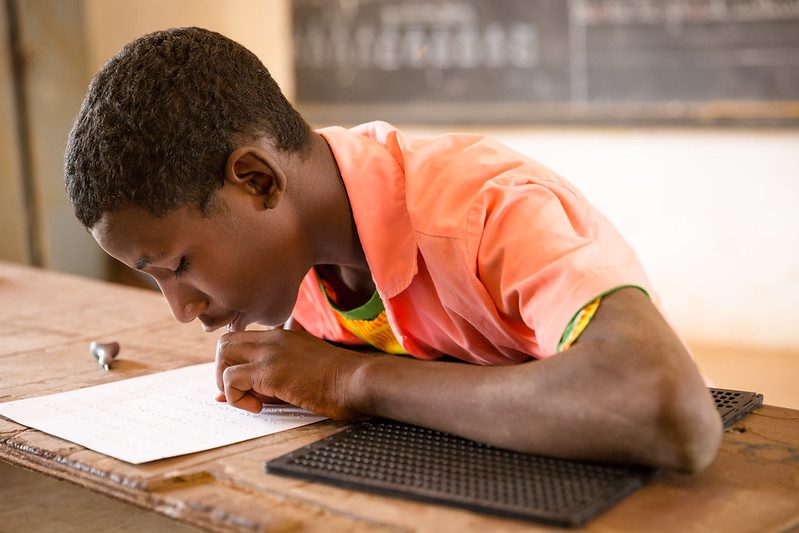
Tackling Poverty Among People With Disabilities in Niger

People With Disabilities in NigerIn Niger, disability affects a significant portion of the population, with approximately 4.2% of individuals living with disabilities, according to the African Disability Rights Yearbook. Sadly, these individuals often face social exclusion, hindering their ability to thrive and participate fully in economic activities. However, various initiatives are underway to promote inclusivity and empower people with disabilities in Niger. From targeted programs focusing on children and girls to collaborative efforts with international organizations, the country is striving to ensure equal opportunities for all its citizens, regardless of ability.

Societal Inclusion as a Strategy in Niger

Humanity & Inclusion (HI) is actively expanding its efforts in Niger to support individuals affected by armed conflicts and natural disasters. The organization is working to facilitate the socioeconomic advancement of people with disabilities through greater societal inclusion. It involves conducting research studies to identify the specific needs of individuals with disabilities and understand the barriers they encounter in achieving success when these needs are unmet.

The objective of these studies is to foster broader societal awareness of the challenges faced by people with disabilities. HI collaborates closely with local organizations, institutions and humanitarian actors to advocate for the integration of people with disabilities into society. Additionally, the organization is dedicated to ensuring that children with disabilities have access to primary education and the opportunity to pursue secondary education upon completion of their studies.

Programs for People With Disabilities in Niger

The government of Niger, along with international institutions, has implemented initiatives to support education and employment programs for individuals with disabilities. The Niger Learning Improvement for Results in Education Project, backed by $230 million, aims to improve educational access by constructing learning facilities, training educators and refining teaching methods nationwide.

Specifically, the project allocates funds for the construction of boarding schools and classrooms to facilitate girls’ access to education. Additionally, the Disability Inclusion Strategy, integrated into the International Organization for Migrant’s existing efforts, outlines the rights and needs of individuals with disabilities. This strategy emphasizes enhancing educational opportunities, particularly for girls who historically faced barriers to schooling.

Niger is committed to ensuring that individuals with disabilities have the necessary resources and opportunities to thrive and contribute to the economy. Furthermore, initiatives such as the Committee on the Rights of Persons with Disabilities, one of many policies in Niger, strive for equal opportunities and societal integration by aligning with the Convention on the Rights of Persons with Disabilities.

International Organization for Migration

In Niger, the International Organization for Migration (IOM) has organized various initiatives to connect individuals with disabilities to employment opportunities. One notable event was the observance of the International Day of Persons with Disabilities on December 3, 2019. Collaborating with local organizations in Agadez and Tahoua, the aim was to promote the societal inclusion of people with disabilities as outlined in the 2030 Agenda. The event featured conferences, presentations by local organizations, film screenings, bicycle races and poetry readings, all aimed at fostering integration and awareness.

– Ryan Patrick
Photo: Flickr

April 12, 2024
https://borgenproject.org/wp-content/uploads/borgen-project-logo.svg 0 0 Hemant Gupta https://borgenproject.org/wp-content/uploads/borgen-project-logo.svg Hemant Gupta2024-04-12 07:30:102024-04-11 15:37:03Tackling Poverty Among People With Disabilities in Niger
Africa, Child Poverty, Child Soldiers, Children, Developing Countries, Global Poverty

Child Soldiers in Sudan

Child Soldiers in SudanSudan has been rife with conflict since its first civil war in 1955 when the north and south clashed. In 2005, they agreed to stop fighting and in 2011, South Sudan became its own country. But in the meantime, there have been ongoing tensions, especially in the Darfur region since 2003. Even though they made another peace deal in 2020 to have a temporary government, there was a military coup soon after and the fighting started again in 2023.

Across Sudanese conflicts, child soldiers are a consistent humanitarian concern, with most nongovernmental organizations (NGOs) emphasizing their recruitment in the South. However, according to the United Nations Children’s Fund (UNICEF), approximately 6,500 children served in armed groups in northern Sudan during the civil war, with around 70% serving in Darfur alone. This trend continued with armed groups recruiting more than 400 children between 2011 and 2020 and an 11% increase in recruitment just in 2023.

The Multi-Faceted Reality of Child Soldiers in Sudan

Children become soldiers for a variety of reasons. While some are forced into service by armed groups, many, especially those separated from their parents, do so “voluntarily.” Sudan’s conflict has caused extreme poverty and widespread violence, leaving children with few alternatives than to turn to the armed forces simply out of a need for their resources and protection.

Though some children may become soldiers consensually, such activity is still a violation of international humanitarian law. It can have severe long-term consequences on child soldiers, ranging from physical to psychological illness. The experiences of child soldiers, which are often the drivers of such trauma, are characterized by violence during an age when development is most vulnerable.

Child soldiers are not only combatants but may, in fact, serve a variety of roles. Recruitment may mean a child is utilized in the armed forces as a cook, porter, messenger or spy; many sexually exploit children, too. Limiting the scope of what a child soldier is to exclude these distinct forms of abuse can leave certain victims out of the reintegration process.

Understanding this nuance is crucial not only for grasping how child soldiers in Sudan serve but also for pinpointing where they serve. Though initially conscripted in areas like Darfur, many armed groups train child soldiers in Sudan for the sole purpose of being sent to combat zones elsewhere. Several reports indicate that dangerous conflicts ranging from Yemen to Libya may employ child soldiers from Sudan.

Solutions

Several organizations have played key roles in aiding child soldiers in Sudan and Darfur. In 2007, the United Nations (U.N.) initiated the African Union-United Nations Hybrid Operation in Darfur (UNAMID) to mediate hostilities, aiding child soldiers’ transition back into society through a process known as Disarmament, Demobilization and Reintegration (DDR). UNAMID oversaw several releases of child soldiers for reintegration. In 2011, The Sudan Liberation Army / Historical Leadership (SLA/HL) released 70 child soldiers, of which 24 were girls. Similarly, the Sudanese government released 21 child soldiers in 2016. Following the 2020 peace agreement, UNAMID ended its operations.

Subsequently, the United Nations Integrated Transition Assistance Mission (UNITAMS) was created to uphold the peace agreement and oversee Sudan’s transition to democratic rule. Continuing much of UNAMID’s goals, UNITAMS had “a strong child protection mandate,” which allowed for the monitoring of any human rights violations against children and the further facilitation of DDR. However, a military coup stopped the democratic transition in 2021, preventing UNITAMS from fulfilling this mandate. UNITAMS ultimately ended its operations on Feb. 29, 2024.

NGOs have also been essential to ending the recruitment of child soldiers in Sudan, with one of them being War Child. War Child is known for many campaigns, but in 2019, it launched its Can’t Wait to Learn program in Sudan, intervening in children’s education as early as possible to dissuade them from becoming soldiers. This targets the issue of recruitment at its source, bringing quality education to an impoverished population. War Child reached 2,667 children in 2019 alone but ended its operations following the resumption of conflict.

Final Remark

Despite the challenges, supporting organizations working toward ending poverty and the recruitment of child soldiers remains one of the best strategies to ensure the future of reintegration and demobilization in Sudan.

– Jacob Rampino
Photo: Wikimedia Commons

April 9, 2024
https://borgenproject.org/wp-content/uploads/borgen-project-logo.svg 0 0 Jennifer Philipp https://borgenproject.org/wp-content/uploads/borgen-project-logo.svg Jennifer Philipp2024-04-09 01:30:402024-04-08 15:26:18Child Soldiers in Sudan
Africa, Global Poverty, Health

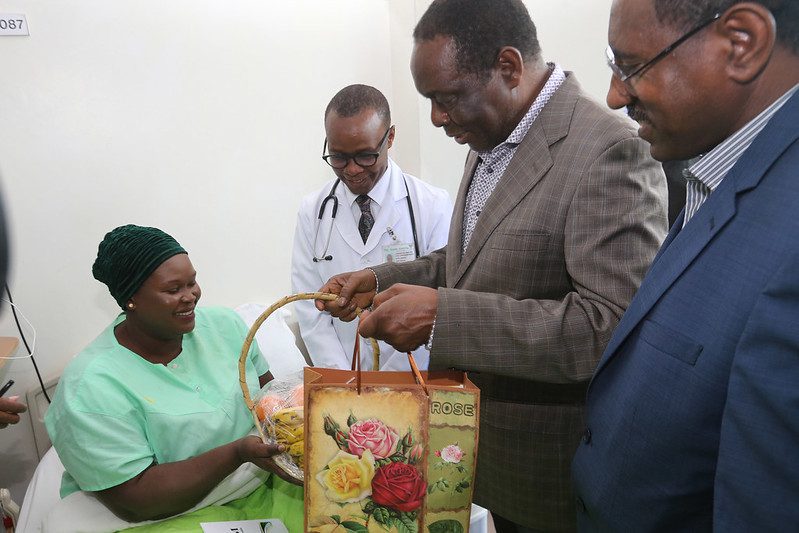
How Investments Are Improving Kenya’s Health Care System

Kenya’s Health Care SystemKenya, located in East Africa, is known for its stunning landscapes and wildlife preserves. Since 2010, the nation has witnessed significant enhancements in its health care system. This has resulted in improved services and quality of life. The constitution, established in 2010, guarantees every individual the right to access the highest attainable standards of health care. Presently, Kenya’s health care system holds the second position in Africa, with South Africa leading in first place.

Despite this achievement, Kenya’s health care system is still facing obstacles to meeting its goal of having Universal Health Coverage (UHC) by 2030. The World Health Organization (WHO) defines UHC as being able to provide people with access to quality and essential health services (treatment, prevention, rehabilitation etc.) without subjecting the user to financial hardship. Currently, investments play a crucial role in helping accomplish this goal.

U.S. Trade and Development Agency

The U.S. Trade and Development Agency (USTDA) study grant to the Kenya Hospital Association (KHA) will expand and improve Kenya’s health care infrastructure. The project will increase access to more than 96,000 patients annually. It will support the building of five medical centers with advanced equipment. Furthermore, it will expand cancer treatment services at the Nairobi Hospital and digitize its health care services and operations.

World Bank Vaccine Facility

The World Bank announced in February 2024 that it will be financing Kenya’s first vaccine production facility. The facility is expected to be built and operational in 2029 and will be able to meet Kenya’s growing vaccine demand. The population of Kenya is increasing steadily by approximately 2% a year. Currently, the vaccine demand is 16 million people. However, it is expected to reach upwards of 25 million people in the coming years.

This investment will help decrease the mortality rate from preventable diseases through immunizations. Finally, with this new facility, Kenya will be able to catch up with South Africa in producing vaccines and successfully avoid vaccine shortages by producing locally.

$215 million Resilient Health Systems Project

Kenyan citizens, refugees, the counties of Garissa and Turkana (host communities) and women and children who are considered low-income will be able to receive an improved quality of health care. This project will play a crucial role in furthering UHC and care. It will increase the capacity of people that they can care for, addressing geographical challenges, financing and worker shortages.

The financial management of Kenya’s Medical Supplies Authority (KEMSA), which provides health products and technology, will be improved by enhancing accountability and transparency. The lack of health care delivery and services will be addressed for about 1.8 million people in host communities. Additionally, this will aid 590,000 refugees living in Garissa and Turkana. It will support the transition and operation of the Social Health Authority (SHA). In collaboration with UHC, it will provide “efficient, affordable and non-discriminatory health care services to all Kenyans.”

Final Remark

With investments like these, Kenya’s health care system is set to make a transformative step toward achieving its dream of UHC. Increasing access to quality health care for rural, low-income individuals, refugees, mothers and children will help improve socioeconomic inequalities in Kenya. These investments help ensure that Kenya is able to maintain a leadership role in health care. They guarantee access to health care as a fundamental right, as defined in its constitution.

– Gabrielle Schwartz
Photo: Flickr

April 8, 2024
https://borgenproject.org/wp-content/uploads/borgen-project-logo.svg 0 0 Hemant Gupta https://borgenproject.org/wp-content/uploads/borgen-project-logo.svg Hemant Gupta2024-04-08 01:30:022024-04-07 14:17:45How Investments Are Improving Kenya’s Health Care System
Africa, Aid, Food & Hunger, Refugees

How ShelterBox is Aiding Nigeria 

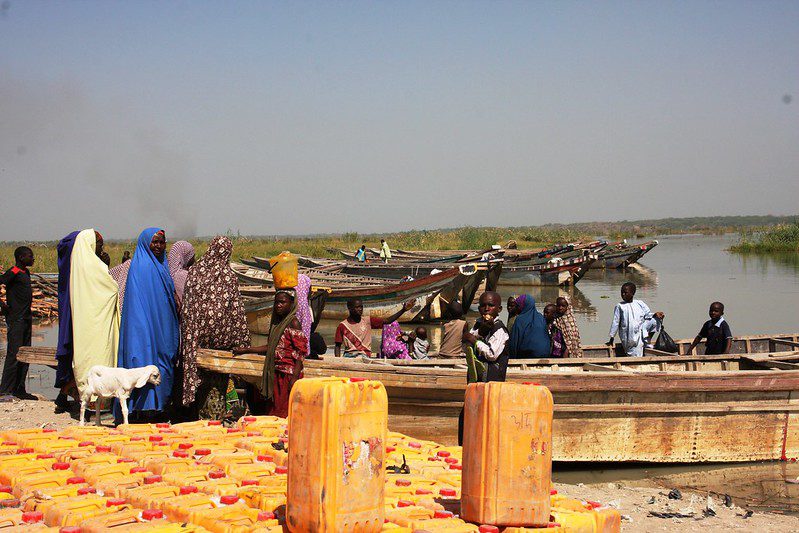
aiding NigeriaWith a population of almost 220 million people, Nigeria is the most populous country in Africa and the world’s sixth most populous country. Nigeria has been facing growing instability and fear due to Boko Haram’s mutiny against the Nigerian government since 2009, particularly targeting the northeast and committing large-scale acts of violence. More than 2.9 million Nigerians have no choice but to flee their homes to seek refuge in neighboring countries, leaving behind crops and vital necessities for survival. Ultimately, this has resulted in a humanitarian crisis as many Nigerians move into poorer regions and refugee camps where food, water and shelter are dangerously limited.

However, since 2018 ShelterBox has been aiding Nigeria by saving and protecting the lives of thousands affected by Boko Haram, as well as providing general support as a result of climate-driven scarcity worsened by conflict in the Lake Chad Basin.

Improving Food and Water Insecurity

According to the UN Office for the Coordination of Humanitarian Affairs (OCHA), Nigeria faces a humanitarian emergency. More than 8.3 million Nigerians require emergency assistance, 80% of whom are women and children. Around 314,000 Nigerians have died from food insecurity due to the decline of agricultural production, which is a major catalyst affecting public health in Nigeria and has been worsened by conflict in the Lake Chad Basin, flooding and extreme weather. This has resulted in the displacement of 3.2 million and leaves 10.6 million Nigerians in need of humanitarian assistance as the majority of the Lake Chad population depends on agriculture, livestock, fishing and manual labor for survival, according to Refugee International.

ShelterBox and their partner ACTED are aiding Nigeria by providing lifesaving items such as kitchen sets, water containers and purification equipment to reduce food and water insecurity, enabling Nigerians to rebuild their lives, according to its website. Because of the effects of flooding, extreme weather and military-enforced movements, Nigerians are prevented from effectively growing and harvesting crops to support their livelihood. However, by providing kitchen sets, water containers and purification equipment, food and water insecurity is decreasing as ShelterBox and ACTED have successfully helped over 7,300 families from 2018 to 2022, according to its website. Additionally, water purification equipment has enabled Nigerians to access safe and clean water, significantly reducing the chances of disease from dirty water.

Providing Shelter and Security

With no choice but to flee their homes in search of safety away from conflict and food insecurity, more than 2 million Nigerians remain displaced from homes in the northeast of Nigeria, as of 2019. Thousands have no choice but to live in overcrowded displacement sites which are significantly below international minimum standards. Although some Nigerians choose to build improvised shelters with sticks and ripped fabric, it does not provide efficient shelter from extreme weather and provides no privacy or security, making women and children in particular even more susceptible to intrusions and attacks.

There are 9.7 million people in urgent need of humanitarian assistance in the Lake Chad region, according to ShelterBox. In partnership with other charities, ShelterBox has been aiding Nigeria by providing tents, shelter kits, rope, tarpaulins, mosquito nets, solar lights, blankets and other lifesaving necessities to increase the security and health of Nigerians amid the humanitarian crisis.

From 2018 to 2022 in partnership with IEDA, ShelterBox has been successfully aiding more than 100,000 refugees and displaced Nigerians. Additionally, ShelterBox has provided a type of shelter known as the Bama shelter to more than 30,000 Nigerians in the epicenter of the crisis in partnership with ACTED.

The Bama shelter is large enough for a family of five; it has a timber-framed structure with tarpaulin material for the wall and the roofing structure, ShelterBox reports. Windows provide natural sunlight and ventilation and for extra safety, the shelter has a secure lockable door to prevent intrusions and attacks. ShelterBox also provides sleeping mats, blankets and mosquito nets, allowing Nigerians to start again with a safe and comfortable lifestyle.

Aiding Nigeria Through the Crisis

After many years of instability, ShelterBox and other charities have worked tirelessly to aid Nigerians through the humanitarian crisis which remains an ongoing issue after ten years since the conflict began. Overall, Boko Haram seems to be at its final stages of conflict, however, aiding Nigeria remains vital. Other factors such as extreme weather patterns and flooding have resulted in food and water instability amongst Nigerian communities which continues to worsen as years go by.

– Emily Whatley
Photo: Flickr

April 7, 2024
https://borgenproject.org/wp-content/uploads/borgen-project-logo.svg 0 0 Naida Jahic https://borgenproject.org/wp-content/uploads/borgen-project-logo.svg Naida Jahic2024-04-07 01:30:172024-06-11 00:12:45How ShelterBox is Aiding Nigeria 
Africa, Developing Countries, Development, Global Poverty, Technology

Gaming in Africa: Human Development Benchmark

Gaming in Africa: Human Development BenchmarkIn 2009, Beth Kolko and Cynthia Putnam proposed the United Nations (U.N.) recognize video gaming, both creation and play, as a human development benchmark. The proposal, though initially seen as radical, has gained scientific support over time. Gaming in Africa is a significant aspect of this discussion.

Kolko and Putnam argue that gaming fosters the spread of computer technologies in areas and among groups that might otherwise lack access. They claim that “games constitute a significant portion of the ICT (information and communication technologies) ecology in developing regions and provide a pathway to people’s ‘first touch’ of a computer.” Understanding and utilizing technology in developing countries opens up local and international employment opportunities while educating communities. These opportunities are crucial for transitioning developing nations into developed ones capable of competing on the global stage.

Proliferation of Gaming in Developing Regions

Unfortunately, the 2009 proposal was denied and the matter has not been revisited by the U.N., but the scientific and social studies that have been done since have reinforced the concept of games as a benchmark of human development. The idea of gaming as an important step in the artistic and social development of a nation has not only been adopted by academics but also by nations all over the developing world.

Elevating Gaming in Africa

The Pan African Gaming Group (PAGG), an international collective of video game developers across Africa, aims to enhance the status of gamers and developers on the continent. In developing nations, gamers often find game consoles and high-end computers hard to access, prompting a shift to more affordable technology. Mobile gaming has engaged more than 186 million people throughout Africa, a demographic PAGG serves by collaborating with studios across the continent to create games that reflect African life.

Gaming’s Economic Potential

In a statement on its website, PAGG states “We believe that if games are culturally relevant to the local communities that we serve… create positive impacts in the lives of Africans and their community.” The group aims to foster a gaming community in Africa with the potential to become a significant force in the international market, a goal that appears to be bearing fruit.

Gam3s predicts that gaming in Africa will be a billion-dollar industry by the end of 2024. Key factors include wider internet access and more affordable cell phones, but Africa’s adaptation to modern gaming markets involves more complex strategies.

African Developers

Companies like Microsoft, Apple and EA rely heavily on credit card transactions for game purchases and subscriptions. However, with Africa’s credit card usage at only 2.7%, accessing games from major companies poses a challenge. Despite this, gaming in Africa continues to grow, due to innovative solutions tailored for the local market. These solutions include OPay, a digital bank based out of Nigeria and the sale of game vouchers in local stores and supermarkets, making gaming more accessible to a broader audience.

Innovations have paved the way for African developers like Leit Arts, Kayfo Games and Digital Mania to gain recognition. With strong local support and growing interest from international gamers, these companies could transform Africa into a key player in online creation, gaming and community building in the digital world.

– Charles McFadden

Charles is based in Glasgow, Scotland and focuses on Technology and Solutions for The Borgen Project.

Photo: Unsplash

April 5, 2024
https://borgenproject.org/wp-content/uploads/borgen-project-logo.svg 0 0 Precious Sheidu https://borgenproject.org/wp-content/uploads/borgen-project-logo.svg Precious Sheidu2024-04-05 07:30:382024-04-04 08:38:16Gaming in Africa: Human Development Benchmark
Africa, Child Poverty, Global Poverty

Child Poverty in Guinea-Bissau

Child Poverty in Guinea-BissauGuinea-Bissau is a former Portuguese colony that has historically had much instability and political coups. The country gained independence in 1974 but with its long and arduous struggle against the colonial power, there have been several attempted coups in Guinea-Bissau. The most vulnerable of society are those who feel the consequences of Guinea-Bissau’s long history of instability and struggle: the children of Guinea-Bissau are hit the hardest. In regards to child poverty in Guinea-Bissau as of 2021, 5.8% of the population of Guinea-Bissau has at least one school child not enrolled in school while 44.1% of the adult population has not completed primary education. Additionally, even those who are in education are typically living under the international poverty line anyway.

Child Labor and Poverty

Poverty in this sense is not just measured in fiscal terms but rather in access to opportunities and resources. SOS Children’s Village estimates that 75% of children may not have access to housing, clean water or education. Additionally, child labor is a routine and necessity for many families. As many as 17% of children in Guinea-Bissau are child laborists which can cause both physical and mental harm.

Child labor can also lead to other exploitations; sexual, economic or slavery. This also affects children attending school. Currently, around 200,000 children in Guinea-Bissau have to work. Female children are particularly at risk of child marriage, violence and female genital mutilation which becomes a contributing factor to child poverty in Guinea-Bissau, according to SOS Children’s Village.

A Fragile Country

The World Bank defines Guinea-Bissau as “fragile,” which some have argued as a challenge for development tactics, whereas UNICEF argues the context of risk requires different approaches to international aid and development to adapt. Some argue that fragile countries have weaker trust in institutions. This creates a very difficult environment for those trying to help alleviate child poverty in Guinea-Bissau, however in recent years the EU’s Multi Indicative Programme 2021-2027 intends to improve cooperation from the EU to Guinea Bissau. In particular, the EU plans to intervene with three strategic priorities in Guinea-Bissau including: “Support[ing] Reproductive, Maternal and Child Health towards a Universal Health Coverage System – DAC 120” and “Enhance[ing] the Governance of the Education System and contribute to developing Technical and Vocational Education and Training (TVET) – DAC 110.”

The Government tried to rectify the issue of child poverty through the Convention on the Rights of the Child which aimed to create an effective child protection system but due to the political and military instability of the state the Convention has made slow progress. The United Nations has indicated that high illiteracy rates and cultural traditions mean that the Convention’s policies and changes have been delayed in their implementation. Additionally, Guinea-Bissau has slowed down the progress of the Convention by not officially translating the most common languages forcing those organizations still fighting for children in Guinea-Bissau to use ad-hoc and potentially inaccurate translations of the Convention.

Solutions

SOS Children Villages describe the children of Guinea-Bissau as being at risk due to the country’s difficult political and social situation but offers hope as recently have acknowledged that child mortality rates have improved. As many as 270 children and young people grow up under SOS Children’s Villages’ care in its flagship program to reduce child poverty in Guinea Bissau. SOS Children’s Villages has a dedication to improving the lives of children without parental care/at risk of losing parental care. It achieves this through their three step mantra; prevention, protection and advocacy. Prevention aims to keep families together to avoid child-parent separation while protection includes training foster parents in care standards and supporting young people with self-reliance. Finally, its advocacy focuses on making systemic change through policies by bringing the discussion of child poverty in Guinea-Bissau to the forefront of various platforms.

Other thinktanks such as The World’s Children’s Prize encourage the general public to speak out against child poverty in Guinea-Bissau by enfranchising people’s agency to say what they think and vocally speak out against child poverty.

– Sona Nikoghosyan
Photo: Flickr

April 4, 2024
https://borgenproject.org/wp-content/uploads/borgen-project-logo.svg 0 0 Jennifer Philipp https://borgenproject.org/wp-content/uploads/borgen-project-logo.svg Jennifer Philipp2024-04-04 07:30:492024-05-30 22:32:51Child Poverty in Guinea-Bissau
Africa, Developing Countries, Global Poverty

Tackling Child Labor in Africa

Child Labor in AfricaChild labor in Africa is more prominent than in any other region, with more than 70 million child laborers. Millions of children are robbed of their right to education and protection, perpetuating cycles of poverty, inequality and social exclusion that they carry with them throughout their lives. So, tackling child labor is a priority for many organizations, like Fairtrade and World Vision.

Child Labor

Child labor is defined by the International Labour Organisation (ILO) as “work that deprives children of their childhood, their potential and their dignity and that is harmful to physical and mental development.” Many millions of children are involved in child labor. A staggering 79 million children aged 5 to 17 engaged in hazardous work as of 2020. The predominant sphere of such exploitation is agriculture, accounting for a staggering 85%. In this sector, children are subjected to hazardous conditions as they engage in tasks ranging from herding livestock to subsistence and commercial farming, jeopardizing their well-being and safety.

Causes

Many factors cause child labor, ones that are intertwined and reinforce one another. However, poverty is the most significant cause of child labor. It pushes families to rely on children for income to fulfill their basic needs like food, shelter and health care. So, for the survival of the family, children are sent to work instead of school to contribute to household income. Similarly, aspects such as job loss or the loss of primary income, as well as parental illness, can increase pressure on children to work and contribute financially to help support the family.

Limited access to education is also an important consideration. Inadequate facilities and poor quality of schooling lead to the perception of education being unnecessary to both parents and children. This perception can force children into labor at a young age. Without access to education, children have fewer opportunities to advance their futures – thus continuing this cycle of poverty.

Further, cultural and social norms significantly contribute to perpetuating child labor. In some communities, some beliefs work contributes to children’s “character-building and skill development.” Cultural norms and practices of child labor are so entrenched that parents and children do not perceive the adverse effects on children’s well-being and rights.

Fairtrade’s Help

Fairtrade understands the importance of effectively addressing child labor issues by considering several key factors. These include improving family incomes and enhancing access to quality education. Additionally, it combats discrimination and exploitation, promoting awareness of child rights, implementing legal interventions and fostering social changes within communities.

By improving income for farmers through Fairtrade Minimum Prices and Premium, Fairtrade is confronting poverty as a primary factor of child labor. These initiatives play a crucial role, as producers can reinvest in their communities with their financial exploits. This reinvestment includes constructing schools, enabling children to pursue higher education and protecting children from the detrimental impact of child labor.

World Vision’s Help

World Vision is tackling child labor through education. By teaching children their rights, the organization is empowering them with knowledge and skills to advocate for their rights and protect themselves from exploitation. It uses initiatives like vocational, life skills and entrepreneur training to improve opportunities for their future.

Community mobilization is also a key approach to World Vision tackling child labor, as it helps break down the cultural and social norms that cause child labor to persevere. World Vision trains people, like parents and faith leaders, in the community to bring about positive change and address damaging cultural and social norms.

Further, World Vision supports children and families through donations. It allows the organization to improve food security and incomes for families. Additionally, children do not need to resort to working to generate revenue for the family. Furthermore, World Vision also advocates and lobbies for national policies so children’s rights are prioritized.

The issue of child labor in Africa remains a significant challenge, with millions of children deprived of their rights. Rooted in poverty, social norms and limited access to education, child labor perpetuates cycles of poverty and inequality. However, organizations like Fairtrade and World Vision are at the forefront of efforts to tackle child labor in Africa and address these root causes.

– Isabella Green
Photo: Flickr

April 4, 2024
https://borgenproject.org/wp-content/uploads/borgen-project-logo.svg 0 0 Hemant Gupta https://borgenproject.org/wp-content/uploads/borgen-project-logo.svg Hemant Gupta2024-04-04 01:30:522024-12-13 18:03:09Tackling Child Labor in Africa
Page 20 of 24«‹1819202122›»

Get Smarter

  • Global Poverty 101
  • Global Poverty… The Good News
  • Global Poverty & U.S. Jobs
  • Global Poverty and National Security
  • Innovative Solutions to Poverty
  • Global Poverty & Aid FAQ’s
Search Search

Take Action

  • Call Congress
  • Email Congress
  • Donate
  • 30 Ways to Help
  • Volunteer Ops
  • Internships
  • Courses & Certificates
  • The Podcast
Borgen Project

“The Borgen Project is an incredible nonprofit organization that is addressing poverty and hunger and working towards ending them.”

-The Huffington Post

Inside The Borgen Project

  • Contact
  • About
  • Financials
  • President
  • Board of Directors
  • Board of Advisors

International Links

  • UK Email Parliament
  • UK Donate
  • Canada Email Parliament

Get Smarter

  • Global Poverty 101
  • Global Poverty… The Good News
  • Global Poverty & U.S. Jobs
  • Global Poverty and National Security
  • Innovative Solutions to Poverty
  • Global Poverty & Aid FAQ’s

Ways to Help

  • Call Congress
  • Email Congress
  • Donate
  • 30 Ways to Help
  • Volunteer Ops
  • Internships
  • Courses & Certificates
  • The Podcast
Scroll to top Scroll to top Scroll to top