Clean Water Water Accessibility in Gabon
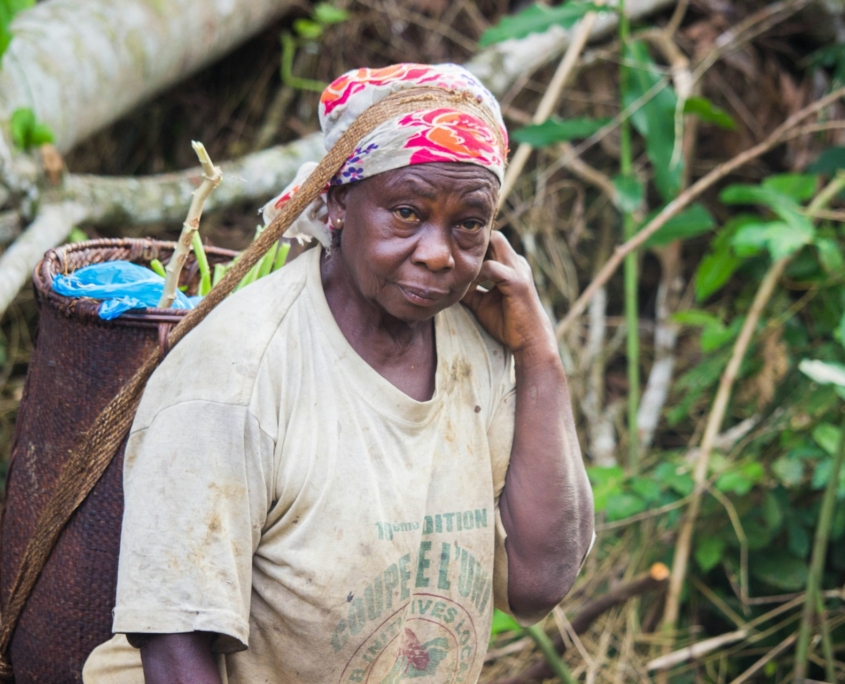 Gabon, a Central African nation, faces significant challenges in water accessibility despite its abundant natural resources. This disparity underscores the broader issues associated with urbanization, where a third of Gabon’s population resides in Libreville, leading to intense competition for resources, higher living costs and lower wages. Inefficiencies in water treatment infrastructure restrict widespread access, contributing to the 39.2% of Gabonese living below the poverty threshold.
Water Access Disparity and Infrastructure Development
Urbanization in Gabon, driven by superior infrastructure and facilities, manifests starkly in Libreville where more than 97% of residents have access to clean water. In contrast, less than 55% of the rural population enjoys similar access. Despite its wealth in water resources, with seven rivers and a potential annual water resource of 170 billion cubic meters, Gabon struggles with water accessibility. The per capita annual water resource stands at a high of 127,825 cubic meters. The core issue lies in inadequate water treatment infrastructure, which fails to distribute these abundant resources effectively to the Gabonese people.
The Role of the African Development Bank
In 2018, the African Development Bank allocated UA 96.95 million to tackle Gabon’s water issues, leading to the 2019 launch of the Integrated Drinking Water Supply and Sanitation Program. Now nearing completion, the program has refurbished the water networks and the hydraulic equipment and booster station at the SOTEGA water tower in Libreville. It also upgraded the Nzeng-Bourg water tower. New water towers in Ntoum and Bikele, along with 39 drinking fountains, mark further progress. Additionally, the installation of new water pipes and a new pumping station has improved water access in the cities of Nzeng-Ayong, Montalier, Ondogo, Alibadeng, Haut de Gue Gue and Bas de Gue Gue.
Economic and Social Impact
The Integrated Drinking Water Supply and Sanitation Program has significantly enhanced water accessibility in the cities of the Estuaire province, including Libreville, encouraging migration from the overcrowded capital to nearby cities. Set for completion by June 30, 2024, the program has already expanded water access to more than 20,000 residents. Improved water access in these cities is expected to attract investors, potentially spurring job creation and offering residents opportunities to break free from the cycle of poverty. This initiative not only aims to improve living conditions but also to foster economic development through enhanced water resource management, aligning with global efforts to ensure sustainable access to clean water for all.
Looking Ahead
Gabon is poised to make significant strides in bridging the water accessibility gap between urban and rural areas. With continued investments and the successful implementation of infrastructure projects, more communities could gain reliable access to clean water. This advancement could catalyze socioeconomic development, creating new employment opportunities and improved public health. Moreover, as the country moves toward more equitable water distribution, the potential for economic growth and poverty reduction increases. These ongoing efforts underscore Gabon’s commitment to sustainable development and enhancing the quality of life for all its citizens.
– Hafsa Dijoo
Hafsa is based in Sharjah, UAE and focuses on Good News for The Borgen Project.
Photo: Unsplash
