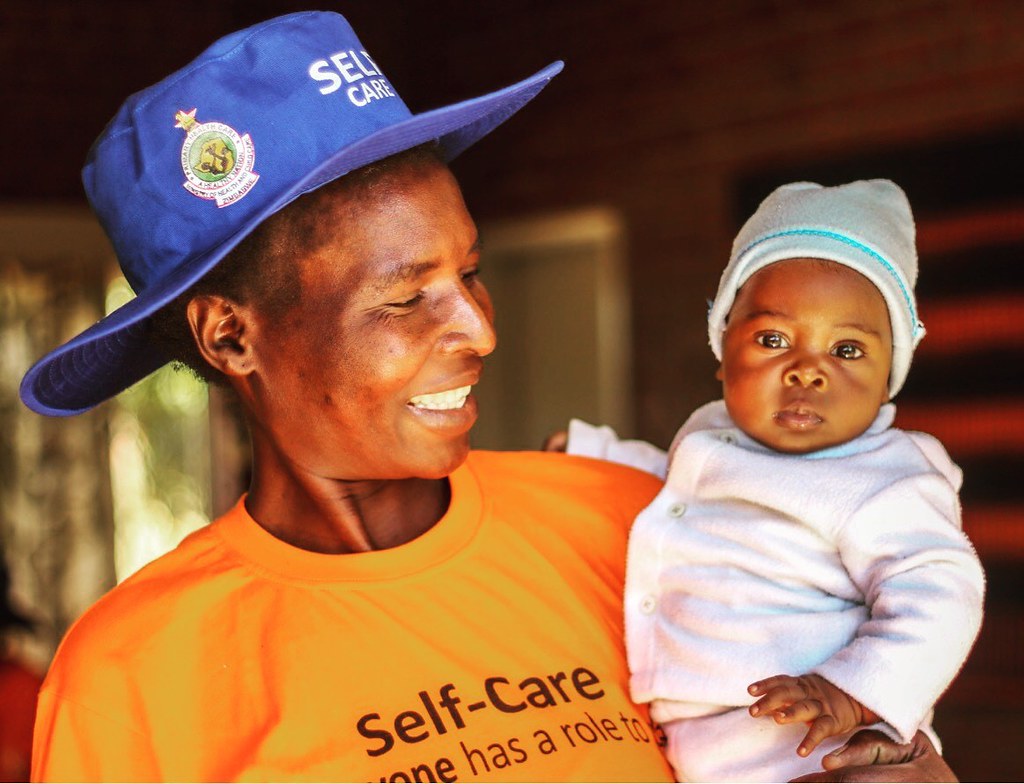
 In 2015, the United Nations set an ambitious goal: by 2030, the nations of the world would meet 17 Sustainable Development Goals (SDGs) to achieve peace and prosperity around the globe. These goals delineated strategies to defeat all of humankind’s major injustices, including changing weather patterns, hunger, poverty, education, and of course, health—especially the health of children and infants. The goal with the most objectives under its umbrella is, by far, SDG 3, the quest for good health and well-being; however, four years out from 2030, the target for improvement still seems out of reach. To understand how the SDG has manifested since the UN set its deadline, one need look no further than the SDG 3 in Zimbabwe—and the nation’s incredible efforts to improve infant survival.
SDG 3 in Zimbabwe So Far
Developing countries are, as the name suggests, still developing in many ways—and the global north has let other priorities take the stage. Zimbabwe, a nation situated in Sub-Saharan Africa, provides a standout example of how SDG 3 has panned out. This crucial goal includes 14 areas for improvement—and in Zimbabwe, of those 14, only one has reached official SDG achievement. This standout objective is none other than infant mortality.
In a nation where maternal mortality, neonatal mortality (i.e. death within one month of delivery) and life expectancy at birth have all remained more or less stagnant since 2015, how has infant mortality, of all things, managed to make a comeback?
The Mystery of Survival
Since the functional end of the COVID-19 pandemic, infant mortality rates around the globe have been steadily dropping. In 2023, for example, UNICEF found that the total of infant deaths worldwide had halved compared with 2000. That’s quite a feat for places like Zimbabwe, where good health care is usually scarce and inaccessible. This begs the question: given the state of SDG 3 in Zimbabwe, how can infant mortality be the one thing to improve?
Zimbabwe’s health, and in fact the health of any nation, is dependent on a number of factors. In 2021, a team of researchers, having observed the declining rates of infant mortality in Zimbabwe, paired with the University of Zimbabwe and the African Population and Health Research Center (APHRC) to develop a special algorithm, all with the goal of discovering the most important factors in the health of infants and children.
The findings were rather interesting: after studying more than 16,000 mothers, these researchers determined that the make-or-break factors in an infant’s survival are, in order of importance:
- Breastfeeding within an hour of delivery (which, according to the data, only 17.6% of mothers in the study performed)
- The weight of the baby at birth
- Birth order (the more children a mother already had, the more likely newborns were to survive)
- Whether the mother had given birth to multiple children at a time (the baby was more likely to survive if she had not)
A keen reader might notice that all of these factors tie back to the mother—and the researchers noticed it, too. Concerning the second most important factor, a quote from the study on the National Library of Medicine reads, “Birth weight is a function of overall pre-conception maternal nutrition and health status, and care given during pregnancy.” This same care is the reason why many of the mothers were unable to breastfeed at birth; a mother who is malnourished, especially after hours of labor, often struggles to produce enough milk for her child. If the current state of SDG 3 is anything to go by, one can assume many mothers in Zimbabwe struggle with proper nutrition. The Global Nutrition Report states that 30% of women between ages 15-49 are affected by anemia, and only 50% are able to exclusively breastfeed.
Improvements for Women
So if health care remains scarce in Zimbabwe, and mothers remain malnourished, why have rates of infant mortality been improving? There are two important changes that contribute, and the first answer may lie in another facet of SDG 5, which aims to promote gender equality.
As it happens, conditions for women are actually improving in Zimbabwe right now. According to the official Sustainable Development Report, rates of women in the workforce have not only increased, but actually surpassed the bar for success. Changes like these impact other factors that the researchers identified as important—and sometimes, even the top four. For example, teenage or elderly mothers are more likely to lose their children than mothers in their 20s or early 30s.
If a couple has done sufficient family planning before their first pregnancy, then the target age for the mother is more likely to be met. Family planning also ensures proper recuperation between children, meaning a factor like birth order—which entails how a woman’s body might be strained by back-to-back pregnancies, but also how future pregnancies might benefit from past ones—is already accounted for. More women in the workforce also means the rise of two-income households, increasing the wealth index of families with children. A mother who can afford to eat will deliver a baby with more weight, and can even breastfeed it after delivery.
Vaccinations
There is one final change crushing infant mortality in Zimbabwe. The mother’s health is one of the most important things to look after when a newborn is in the womb; after birth, however, the number one way to improve a baby’s chance at survival is vaccination against disease. One may notice that the rates began to truly improve right after the end of COVID-19—a time when vaccinations were at an all-time high. Infant mortality between 2020 and 2022 increased by a rate of more than 1,000 deaths per year, and perhaps this rise moved Zimbabwe to action.
The SDGs have a defined goal for the number of vaccinations a newborn should have—two, at the least—and Zimbabwe has been gradually increasing vaccination rates, especially for measles, tuberculosis, bacterial infections and cholera. In October of 2025, for example, the government of Zimbabwe held a nationwide vaccination campaign that resulted in “1,730,354 children vaccinated out of a target of 1,769,881,” per the World Health Organization (WHO).
Just a year earlier, in 2024, the government ran a similar vaccination campaign to address cholera. Vaccination rates overall have improved by 60% or more since the 1980s, depending on the specific vaccine. Best of all, these vaccinations aren’t just for kids: their parents have been getting doses, too. The health of a family doesn’t just rely on the children—everyone in the household needs to be cared for.
Looking Ahead
If the 17 Sustainable Development Goals, including SDG 3, are the standard for prosperity, Zimbabwe still has a long way to go. Yet, the infant mortality rate offers a golden example of how these goals intersect. If nations prioritize education, equality and prosperity for their people, then it won’t be long until their populations are a lot healthier and a whole lot happier.
– Madison Hoar
Madison is based in Birmingham, AL, USA and focuses on Global Health for The Borgen Project.
Photo: Flickr

3 Organizations Fighting Heart Disease in the Philippines
The Connection Between Poverty and Heart Disease
The link between poverty and heart disease is striking. As of 2023, 15.5% of the Filipino population lives below the national poverty line. The causes of cardiovascular disease include the inability to afford proper living conditions, limited access to food and dirty water — all challenges that low-income Filipinos face daily. They also confront another difficult sacrifice: a normal heart failure hospitalization in a private hospital costs about ₱42,000, which exceeds 10% of the average Filipino’s annual salary. The nation covers only some of this cost, forcing Filipinos to choose between survival and a long treatment. Research from the University of the Philippines highlights a shortage of doctors relative to the population, and too many cardiovascular disease patients receive diagnoses far too late for quality treatment. Here is information about three organizations fighting heart disease in the Philippines.
1. Children’s Heart Foundation
The Children’s Heart Foundation stands among several organizations working to change the lives of people with heart disease. It works to address heart problems so that future generations experience fewer cardiovascular diseases, improving global health. Volunteers founded it in 2000 and launched it with a fundraiser for a single cardiovascular patient. Since then, it has evolved into a nonprofit organization that serves low-income Filipinos tirelessly. It provides quality medical care for free, stopping many heart diseases before they turn fatal. Partnering with the Philippines Heart Center, the foundation delivers financial aid to those who need it most. It also builds a network connecting young and old patients, creating valuable social opportunities.
2. Gift of Life International
Gift of Life International provides care to children suffering from heart disease in the Philippines. This international organization receives requests to aid certain countries, with the greatest need coming from Manila. It has built strong partnerships with local groups and have saved more than 7,000 Filipino children. Gift of Life International pursues four main goals: securing donations, helping people with cardiovascular disease across multiple nations, handling incoming requests and managing volunteer involvement in ongoing efforts. This organization sets a strong example for others on how to improve healthcare access in the Philippines.
3. The Philips Foundation
The Philips Foundation also tackles the challenge of diagnosing cardiovascular heart disease early so that patients avoid fatal consequences. It raises awareness about global health across communities in the Philippines. Its plan involves training 200 teachers to identify students with cardiovascular diseases, a strategy that could save many lives by allowing teachers to spot warning signs early and enable sooner treatment. Using techniques like handheld ultrasound screeners, the program reaches areas where no nearby medical facilities exist. In the future, this project could expand across the entire Philippines, inspiring further change in the fight against heart disease.
Looking Ahead
Certain organizations are driving real progress against heart disease in the Philippines. Through financial assistance, lifesaving surgery and innovative early detection tools, organizations like the Children’s Heart Foundation, Gift of Life International and the Philips Foundation are changing the numbers for heart disease patients in the Philippines. These efforts create safer and more equitable conditions for Filipinos and their future generations, proving that the fight against heart disease in the Philippines moves in the right direction.
– Brijesh Mohan
Photo: Flickr
7 Facts About Hunger in Burkina Faso
1. Millions of People Face Food Insecurity
Food insecurity is a persistent challenge in Burkina Faso. About 13% of the population faces acute food insecurity and are undernourished. Conflict and climate-related issues have made it increasingly difficult for families to access nutritious food. Rising food prices and limited agricultural land further hinder households from meeting basic nutritional needs. These factors continue to drive hunger in Burkina Faso.
2. Conflict Has Forced Millions From Their Homes
Prolonged insecurity has displaced about 2.1 million people in Burkina Faso. Many families have left their homes, farms and livelihoods, disrupting agricultural production and food supply chains. The northern and eastern regions are especially affected with communities often facing crisis-level food insecurity and depending on humanitarian aid and military-escorted convoys for food and essential supplies.
3. Children Are Bearing the Brunt of the Crisis
Children are especially vulnerable to hunger in Burkina Faso. Save the Children reports that about 1.4 million children face a hunger crisis. During the annual lean season, conditions worsen with projections indicating that around 210,000 children could experience emergency hunger levels. One in seven children may face at least crisis-level food insecurity. In conflict-affected areas, limited access to education and health services further compounds hunger.
4. Malnutrition Continues To Threaten Child Development
Hunger has serious consequences beyond food shortages. About 19.5% of children under five are stunted, which impairs physical and cognitive development. Another 9.8% experience wasting, a life-threatening form of undernutrition. Recent assessments estimate that more than 425,000 children aged 6 to 59 months will face acute malnutrition, including more than 110,000 severe cases.
5. Changing Weather Is Making Hunger Worse
Burkina Faso is in the Sahel, a region highly vulnerable to changing weather. Rising temperatures, unpredictable rainfall and extreme weather threaten agricultural production and food availability. As many families rely on farming, poor harvests quickly lead to food shortages and income loss. Climate pressures also increase the vulnerability of communities already affected by insecurity and displacement, contributing to hunger in Burkina Faso.
6. Hunger Has Links To Broader Health Challenges
Food insecurity is closely linked to poor health outcomes. Limited access to clean water, sanitation and healthcare leads to high illness rates among children and families. Recent analyses show that diarrheal disease and respiratory infections significantly contribute to malnutrition in many areas. Poor hygiene and limited safe drinking water further worsen nutrition, making recovery from hunger and illness more difficult for vulnerable populations.
7. Organizations Are Investing in Long-Term Solutions
Despite ongoing challenges, organizations in Burkina Faso are developing sustainable solutions. The Hunger Project, active since 1997, currently supports more than 222,000 people through community-led development initiatives.
The Hunger Project has worked in Burkina Faso since 1997, using its community-led “epicenter strategy” to help rural communities become self-reliant. The approach combines improvements in agriculture, nutrition, education, microfinance, water and sanitation and women’s leadership. Communities identify their own priorities and create local action plans rather than relying on externally imposed solutions. The organization reports that 12 epicenters, serving more than 280,000 people across 169 villages, have achieved self-reliance or are working toward it, while several epicenters have already graduated from direct support.
Right2Grow began operating in Burkina Faso in 2021 as part of a five-year international partnership focused on reducing child malnutrition and improving access to water, sanitation and hygiene (WASH). The program works by strengthening local advocacy groups, training community leaders, supporting civil society organizations and helping citizens hold governments accountable for nutrition and WASH commitments. In Burkina Faso, Right2Grow has worked with parliamentarians, journalist networks and nutrition advocacy groups to support implementation of the country’s National Multisectoral Nutrition Policy. By 2023, the program had helped train journalist and communicator networks on nutrition issues, strengthened regional advocacy groups and contributed to nutrition and WASH awareness campaigns that reached more than one million people.
Looking Ahead
While Burkina Faso still faces major challenges in achieving the Sustainable Development Goal (SDG) of Zero Hunger, continued investment in agriculture, nutrition and community development provides hope. By supporting vulnerable families and building local resilience, these initiatives help communities move toward a future without hunger.
– Jessica Begg
Photo: Flickr
Breaking the Cycle of Childhood Poverty in Brazil
Growing Up in Poverty in Ipatinga
The Borgen Project spoke with Neuza Knight, who grew up in poverty in Ipatinga, Brazil, to learn how childhood conditions shaped her life and opportunities. Knight grew up in Ipatinga, a city in southeastern Brazil that developed around the Usiminas steel company. She recalled a childhood marked by hardship and a lack of social support. “My mother was alone and had no help from the government. No city program and no social program,” Knight told The Borgen Project in an interview.
Her childhood took place during Brazil’s military dictatorship, which lasted from 1964 to 1985. Although the period saw economic growth, low-income families often did not benefit from it. Political repression also created fear among workers and families. “All families were worried about our fathers because when they went to work some of them did not come back,” Knight said.
Education presented significant challenges for Knight. She recalled attending school without basic supplies and relying on classmates for help. “I never had any money to buy books so my friend loaned me theirs because my mother could not afford it,” Knight said.
According to UNICEF Brazil, children from low-income families continue to face barriers to quality education, including limited access to learning materials, technology and transportation.
Food insecurity was another reality of Knight’s childhood. “Sometimes when there was not enough food she would give the food to us and stay hungry,” Knight said. According to the Food and Agriculture Organization (FAO), more than 21 million Brazilians experienced moderate or severe food insecurity in 2023. Knight said the effects of childhood poverty extended into adulthood. “If I had help in my younger age, my mother and siblings would have a better life. I would not have to leave my country and let everything behind,” she said.
Research from the World Bank shows that childhood poverty can affect educational attainment, employment opportunities and long-term economic mobility.
Social Programs Helping Families Today
While Knight grew up without government assistance, many Brazilian families today benefit from programs designed to reduce poverty and improve children’s well-being.
Bolsa Família is one of Brazil’s most significant social protection programs. The program has reduced extreme poverty by up to 15%, increased school attendance by 4% to 7%, and lowered child mortality rates in participating communities.
Community organizations also play an important role in supporting families. ActionAid Brazil works with local communities to improve access to education, food security and housing. One of its initiatives supports Quilombola communities by improving school transportation and distributing learning materials.
Pastoral da Criança supports maternal health, child nutrition and early childhood development. In 2023, the organization assisted more than 1 million children and pregnant women across Brazil.
A Hopeful Path Forward
Knight hopes future generations will not experience the hardships she faced. “I hope that one day everyone is equal. No poverty anywhere in the world, including my country,” she said. Her message to leaders is simple: “Be true with what you promised to the people.”
Evidence shows that targeted investments in education, nutrition, health care and social protection can help children build more stable futures. Knight’s story highlights the importance of solutions that help families break cycles of hardship and create opportunities for the next generation.
– Angela “Phoenix” Garrett
Photo: Wikimedia Commons
Local Government Provides Juruá River Flood Relief Efforts
A River System Under Strain
Because of the Amazon River’s size, it feeds into more than 1,000 offshoots and water-feeding tributaries from its main channel. On April 30, 2026, one of these offshoots, named the Juruá River, flooded to 14.13 meters. This volume exceeded the river’s overflow limit and presented imminent threats to its surrounding communities. The Juruá River is an affluent offshoot of the Amazon River located in Peru and Brazil. This particular flood impacted the Brazilian state of Acre, located in the country’s northwest and bordering Peru directly. More specifically, the April 2026 Juruá River flood devastated large portions of Cruzeiro do Sul, the second-largest city in the state of Acre. This flood impacted an estimated 13 neighborhoods, as well as three rural communities.
The instant devastation caused in the wake of the Juruá River flooding in April 2026 prompted the local government to act swiftly in administering flood relief in Cruzeiro do Sul. The Pan American Health Organization (PAHO) reported that approximately 7,087 families, representing about 28,350 individuals, were affected by the flood. Authorities said 628 families were displaced and 55 remained homeless, with 242 individuals accommodated in six public shelters established by the local government. The mass devastation caused by the April 2026 Juruá River flood changed the lives of tens of thousands in Brazil’s mountainous west on a deeply personal level.
Impact on Tourism and the Local Economy
This flood was particularly devastating because of Cruzeiro do Sul’s relationship with tourism as a main contribution to its economy. As a result, local government disaster relief efforts must address residents’ immediate safety and livelihood needs alongside long-term economic stabilization. The city is the major transportation hub to the Serra do Divisor National Park, sometimes referred to as “the Yellowstone of the Amazon,” a world-renowned destination for ecotourism due to its high levels of biodiversity. The park is difficult to access and sits in a largely untouched portion of the Amazon Wilderness, making it a priority for ecological conservation and a bucket-list item for nature enthusiasts. The April 2026 Juruá River flood brought Cruzeiro do Sul’s ecotourism to a halt; although temporary, this loss to the city’s economy and employment had the potential to be devastating.
Local Juruá River Flood Relief
However, the Municipality of Cruzeiro do Sul has begun relief efforts to address the unfolding situation. The Cruzeiro do Sul State Civil Defense routinely switches to a high-alert cycle during months of heavy rain, which proactively includes April before the recent flood. In April 2026, the city provided disaster relief to flood victims in these key ways:
– Natalie Naylor
Photo: Flickr
Indigenous Communities Fighting Period Poverty in Canada
1. Canada’s Menstrual Equity Fund
Canada’s Menstrual Equity Fund (MEF) is a four phase project that aims to tackle stigma and obstacles that perpetuate period poverty in different forms. Phase one addresses research and engagement, revealing that the community felt that access, funding and education about menstruation and menstrual products were vital. Meanwhile, phase two focused on the establishment of a pilot program by providing free menstrual products across low income communities, as well as partnering with smaller community based organizations to provide education and reduce stigma. Phase 3 was a call for project proposals from five national nonprofits, during which Food Banks Canada was selected to run the pilot program. Meanwhile, phase four was implemented in September 2023, leading to 400 pilot sites and 2,000 distribution centers all across every province and territory. Funding went towards organizations that could provide ample menstruation education and access to free menstrual products.
2. Prioritizing the Community
Historically, menstruation has been a rite of passage from childhood to adulthood, often having deep cultural ties within indigenous cultures. However, the act of colonization erased many practices, and it is now important to support community led growth to promote diversity and inclusion. Days For Girls is an organization focused on tying education and access to menstruation products in order to promote real policy and advocacy change. In a series of recommendations for improving period poverty among Indigenous communities, they highlight the need for the approach to be community led, rather than an outreach program. This would include supporting traditional ceremonies, providing access and a variety of menstrual products, and addressing deeper issues that impact period poverty such as access to clean water and waste disposal.
3. Providing Menstrual Education to All
A major component to period poverty is lack of education and stigma surrounding menstruation, which can create shame and embarrassment rather than a healthy environment. While there are several organizations focused on providing ample education, such as Monthly Dignity and The Period Purse, the need for a national guideline to provide an encompassing approach to menstrual education is a necessity. Additionally, educational continuity across the nation is necessary to ensure that each community receives the same level of care, access, and education. Furthermore, the education that people are receiving is often tied to the instructor’s level of comfort surrounding menstruation, a result of any stigma that may surround the subject. It is vital that the education provided be consistent and constant, helping erase stigma and provide adequate care for those who need it.
Looking Ahead
Overall, while period poverty in Canada may seem like an immensely difficult issue to solve, these three points highlight that actionable and measurable change is possible. Through community guidance and advocacy, period poverty in Indigenous Canadian communities is more than possible, and is happening right now.
– Angel Savanagouder
Photo: Wikimedia Commons
5 Charities Operating in the Czech Republic
1. People in Need
People in Need is one of the most prominent charities in the Czech Republic. Šimon Pának, a leader in the student movement of the 1989 Velvet Revolution, founded the organization in 1992.
People in Need strives to provide humanitarian aid both in the Czech Republic and internationally. It combats poverty by addressing the root causes of the problem, including a lack of access to education, minimal resources and discrimination. According to its website, the organization “targets the roots of these problems and remove them with the cooperation of the people affected to remove them.”
People in Need aids both those in emergency situations, such as conflict and natural disasters and provides enduring support for the poor. Over 30 years, it has worked to provide education and counseling to help poor families rise socially and financially. Its Humanitarian and Development Section carries out projects in 31 countries and aids hundreds of thousands of people, providing both immediate emergency relief and education for long-term poverty relief.
2. Caritas Czech Republic
Caritas Czech Republic focuses internationally, specifically in countries where war and natural disasters have caused significant damage. Established in 2004, it has contributed to 34 projects in Ethiopia, Gaza, Georgia, Iraq, Moldova, Mongolia, Syria, Turkey, Ukraine and Zambia.
In 2024, Caritas Czech Republic worked to provide health care and psychosocial support in Gaza for 5,000 people, in order to aid the impoverished during a time of intense conflict. As well as this, in the same year, they introduced Zambian farmers to modern farming methods and solar irrigation systems, helping them to produce more food and in a more efficient way.
3. Care Czech Republic
CARE formed its Czech Republic branch in 2019. An organization originally founded in the United States, t first started work in Czechoslovakia in 1945, distributing 170,000 CARE packages between 1946 and 1950. After vacating the country during communist rule, CARE returned to the Czech Republic in 2007.
As of 2024, CARE has instituted 12 projects in six countries: Ukraine, Syria, Yemen, Ethiopia, Bosnia and Herzegovina. Recent projects include rebuilding schools in Moravia after flooding in 2024.
CARE focuses its efforts on women and girls, advocating for gender equality in countries around the world. The Mastercard Strive Czechia is a project in the Czech Republic that supports small entrepreneurs, mostly women.
4. ADRA Czech Republic
ADRA Czech Republic is part of an international network of charities in more than 100 countries. The Seventh-day Adventist Church founded ADRA in the United States in 1956, and established its Czech branch in 1991.
While ADRA was originally domestically focused, it began helping internationally during the floods in Moravia in 1997. Since 2006, it has focused on global development education, advocating for the discussion of global issues in schools both in the Czech Republic and in other countries.
The European Commission awarded ADRA with the EU Humanitarian Partnership Certificate for 2021 to 2027. This makes it eligible for EU funding.
5. Mary’s Meals Czech Republic
Mary’s Meals provides meals for children at schools in impoverished communities in the Czech Republic. It provides meals for 3 million children, many of whom receive no other food throughout the day.
Not only does this organization feed children but the free meal encourages children to go to school and receive an education. This prepares them for a more successful future. In this way, the problem of hunger is solved with both immediate and long-term solutions.
Looking Ahead
From feeding children to responding to natural disasters, these charities address a multitude of issues relating to global poverty. These five charities operating in the Czech Republic highlight the country’s commitment to helping impoverished people build better futures.
– Julia Cholerton
Photo: Unsplash
Addressing SDG 3 in Zimbabwe
SDG 3 in Zimbabwe So Far
Developing countries are, as the name suggests, still developing in many ways—and the global north has let other priorities take the stage. Zimbabwe, a nation situated in Sub-Saharan Africa, provides a standout example of how SDG 3 has panned out. This crucial goal includes 14 areas for improvement—and in Zimbabwe, of those 14, only one has reached official SDG achievement. This standout objective is none other than infant mortality.
In a nation where maternal mortality, neonatal mortality (i.e. death within one month of delivery) and life expectancy at birth have all remained more or less stagnant since 2015, how has infant mortality, of all things, managed to make a comeback?
The Mystery of Survival
Since the functional end of the COVID-19 pandemic, infant mortality rates around the globe have been steadily dropping. In 2023, for example, UNICEF found that the total of infant deaths worldwide had halved compared with 2000. That’s quite a feat for places like Zimbabwe, where good health care is usually scarce and inaccessible. This begs the question: given the state of SDG 3 in Zimbabwe, how can infant mortality be the one thing to improve?
Zimbabwe’s health, and in fact the health of any nation, is dependent on a number of factors. In 2021, a team of researchers, having observed the declining rates of infant mortality in Zimbabwe, paired with the University of Zimbabwe and the African Population and Health Research Center (APHRC) to develop a special algorithm, all with the goal of discovering the most important factors in the health of infants and children.
The findings were rather interesting: after studying more than 16,000 mothers, these researchers determined that the make-or-break factors in an infant’s survival are, in order of importance:
A keen reader might notice that all of these factors tie back to the mother—and the researchers noticed it, too. Concerning the second most important factor, a quote from the study on the National Library of Medicine reads, “Birth weight is a function of overall pre-conception maternal nutrition and health status, and care given during pregnancy.” This same care is the reason why many of the mothers were unable to breastfeed at birth; a mother who is malnourished, especially after hours of labor, often struggles to produce enough milk for her child. If the current state of SDG 3 is anything to go by, one can assume many mothers in Zimbabwe struggle with proper nutrition. The Global Nutrition Report states that 30% of women between ages 15-49 are affected by anemia, and only 50% are able to exclusively breastfeed.
Improvements for Women
So if health care remains scarce in Zimbabwe, and mothers remain malnourished, why have rates of infant mortality been improving? There are two important changes that contribute, and the first answer may lie in another facet of SDG 5, which aims to promote gender equality.
As it happens, conditions for women are actually improving in Zimbabwe right now. According to the official Sustainable Development Report, rates of women in the workforce have not only increased, but actually surpassed the bar for success. Changes like these impact other factors that the researchers identified as important—and sometimes, even the top four. For example, teenage or elderly mothers are more likely to lose their children than mothers in their 20s or early 30s.
If a couple has done sufficient family planning before their first pregnancy, then the target age for the mother is more likely to be met. Family planning also ensures proper recuperation between children, meaning a factor like birth order—which entails how a woman’s body might be strained by back-to-back pregnancies, but also how future pregnancies might benefit from past ones—is already accounted for. More women in the workforce also means the rise of two-income households, increasing the wealth index of families with children. A mother who can afford to eat will deliver a baby with more weight, and can even breastfeed it after delivery.
Vaccinations
There is one final change crushing infant mortality in Zimbabwe. The mother’s health is one of the most important things to look after when a newborn is in the womb; after birth, however, the number one way to improve a baby’s chance at survival is vaccination against disease. One may notice that the rates began to truly improve right after the end of COVID-19—a time when vaccinations were at an all-time high. Infant mortality between 2020 and 2022 increased by a rate of more than 1,000 deaths per year, and perhaps this rise moved Zimbabwe to action.
The SDGs have a defined goal for the number of vaccinations a newborn should have—two, at the least—and Zimbabwe has been gradually increasing vaccination rates, especially for measles, tuberculosis, bacterial infections and cholera. In October of 2025, for example, the government of Zimbabwe held a nationwide vaccination campaign that resulted in “1,730,354 children vaccinated out of a target of 1,769,881,” per the World Health Organization (WHO).
Just a year earlier, in 2024, the government ran a similar vaccination campaign to address cholera. Vaccination rates overall have improved by 60% or more since the 1980s, depending on the specific vaccine. Best of all, these vaccinations aren’t just for kids: their parents have been getting doses, too. The health of a family doesn’t just rely on the children—everyone in the household needs to be cared for.
Looking Ahead
If the 17 Sustainable Development Goals, including SDG 3, are the standard for prosperity, Zimbabwe still has a long way to go. Yet, the infant mortality rate offers a golden example of how these goals intersect. If nations prioritize education, equality and prosperity for their people, then it won’t be long until their populations are a lot healthier and a whole lot happier.
– Madison Hoar
Photo: Flickr
How Food Waste in Uruguay Turn Into Meals
Food Waste in Uruguay and Redalco
Uruguay’s Ministry of Environment reported that more than 1 million tons of food are lost or wasted in the country each year. The government states that food donation can help prevent edible food from becoming waste and support food security. Red de Alimentos Compartidos, known as Redalco, addresses this issue by focusing on fruits and vegetables still fit for consumption but not selected for the market.
Redalco’s mission is simple: deliver fruits and vegetables to those who need them most while reducing food waste. The organization reports that 125 million kilograms of fruits and vegetables are wasted each year in Uruguay due to factors like shape, size, color or excess production. Some food is not sold because it does not meet buyers’ typical expectations. Redalco sees this as an opportunity to connect nutritious food with those in need.
How Redalco Works
Redalco collects food from companies within the Unidad Agroalimentaria Metropolitana (UAM), Uruguay’s wholesale food market, and from farms. The team and volunteers then sort the recovered fruits and vegetables, pack them into boxes and organize daily orders for beneficiaries. Redalco delivers the food to organizations that assist vulnerable communities, including CAIF centers, children’s clubs, schools, high schools, youth centers, snack centers, community kitchens, shelters and soup kitchens.
This process is important because it organizes food rescue rather than relying on random collection. Redalco has established a system where food moves from producers and markets to social organizations familiar with community needs. While it does not solve all food insecurity issues, its model demonstrates how a local and straightforward idea can provide real support for families.
Growth and Impact
Redalco began in 2016, delivering 22,000 kilograms of food to 12 organizations. Since then, its efforts have expanded significantly. In 2024, Redalco delivered more than 1,550,225 kilograms of food and collaborated with over 400 organizations. Redalco reports that it supplies fruits and vegetables weekly to more than 400 organizations, aiding over 50,000 people. These figures illustrate how food rescue can become a substantial support system when volunteers, markets, farms and organizations collaborate.
Redalco’s impact aligns with national efforts. Uruguay enacted Law No. 20.177 to promote donations of food safe for human consumption. The law aims to support food security and reduce food waste. The country later regulated the law through Decree No. 179/025. According to Uruguay’s tax agency, the regime allows food companies, including producers, distributors, industries and stores, to donate food to approved nonprofits serving vulnerable populations. This provides structure to food donation and encourages more companies to participate.
A Simple Solution With a Bigger Meaning
Food waste in Uruguay connects poverty, food access and market preferences regarding what food appears “good” enough to sell. Redalco’s work shows that solutions do not always need to be complex. Many fruits and vegetables may look different, but they can still nourish children, families or individuals in vulnerable situations.
Instead of becoming waste, Redalco repurposes it. With over 400 organizations reached in 2024 and more than 50,000 people supported weekly, Redalco is transforming food waste into a source of nutrition and dignity in Uruguay.
– Mateo Alcocer
Photo: Wikimedia Commons
How Digital Classrooms Are Expanding Education in Rwanda
According to the United Nations Development Programme’s (UNDP) 2024 Human Development Index, over 38% of Rwandans live below the national poverty line, and only 11.4 years of schooling are expected for them. Although challenges remain, including limited internet access and training for teachers, digital classrooms are facilitating modernized instruction in schools and creating new opportunities for students. As Rwanda continues to embrace educational innovation, these investments demonstrate how technology can support long-term poverty reduction and sustainable development.
The Amelioration of Education in Rwanda
Following the 1994 genocide against the Tutsi, an ethnic minority group in Rwanda and Burundi, Rwanda rebuilt many of its public institutions, including its education system. Over the past three decades, education has become a cornerstone of the country’s recovery and long-term development strategy.
Since then, the government has introduced policies to increase school enrollment, improve teaching quality and expand access to learning opportunities across the country. According to the Ministry of Education, Rwanda’s Education Sector Strategic Plan (ESSP) prioritizes equitable access to quality education to prepare students for the country’s long-term economic development.
The Smart Rwanda Master Plan identifies technology as a crucial component, with the government’s objective of transforming Rwanda into a knowledge-based economy by expanding information and communication technology (ICT) across public services, including education. Officials recognize digital literacy as an essential skill for higher education and the contemporary workforce, while simultaneously supporting the country’s primary poverty reduction objectives.
Digital Classrooms
Digital classrooms are helping improve education in Rwanda by giving students greater access to interactive learning resources. Rwanda’s commitment to digital learning gained international attention through the One Laptop per Child (OLPC) initiative, which launched in 2009 and has distributed more than 274,000 low-cost laptops to 1,618 primary schools. The program introduced students to interactive digital learning and coding. Although the country’s digital education strategy has since expanded beyond OLPC, the initiative laid the foundation for broader investments in educational technology. The program now reaches approximately 67% of Rwanda’s primary schools as they continue to integrate computers, tablets and internet-connected learning platforms into classrooms, helping students develop the digital and STEM skills needed for higher education and an increasingly technology-driven workforce.
The government has partnered with UNICEF, the World Bank and the Global Partnership for Education (GPE) to strengthen digital infrastructure, expand internet connectivity and train more than 30,000 pre-primary through Grade 3 teachers in digital literacy and technology-based instruction. According to Rwanda’s Education Sector Strategic Plan, these partnerships support the country’s long-term vision of building an inclusive, high-quality education system that equips students with the knowledge and digital skills needed for future employment, economic opportunity and sustainable national development. Greater access to digital education gives students from rural communities and low-income households greater opportunities to pursue higher education, helping break cycles of intergenerational poverty.
New Opportunities
Although challenges remain, including inconsistent internet access in some rural areas and the continued need for teacher training, Rwanda continues to expand digital learning through sustained public investment and international partnerships. These efforts demonstrate how technology can improve educational outcomes while creating new opportunities for young people to participate in the country’s growing digital economy.
Rwanda’s economy has experienced steady growth, with the World Bank projecting GDP growth of 9.4% in 2025, up from 7.4% in 2024. According to the International Labour Organization (ILO), Rwanda has emerged as one of Africa’s leading digital economies by embracing digitalization to expand employment opportunities, improve public services and drive economic growth. Demand for skilled workers continues to increase across finance, health care, agriculture, construction and ICT, creating career opportunities ranging from software engineering to risk management.
Global Partnerships
Rwanda’s digital transformation in education is largely driven by collaborations between the government and international partners. The Ministry of Education has collaborated with various organizations to enhance internet connectivity, improve school infrastructure and strengthen teacher training. These efforts aim to seamlessly integrate technology into daily learning while ensuring educators are proficient in effectively utilizing digital tools.
In 2024, the GPE approved a $31.29 million System Transformation Grant to strengthen foundational learning for the next four years. From 2022 to 2027, the World Bank is cofinancing a $30 million Multiplier Grant with GPE to improve digital infrastructure, teacher training and increase student retention. UNICEF also continues to expand digital learning opportunities and promote inclusive education for children nationwide. Together, these investments have helped Rwanda build one of Africa’s most robust education systems, contributing to a 95.8% primary enrollment rate.
The Future of Education in Rwanda
Education in Rwanda continues to evolve alongside the country’s broader vision for economic development and digital innovation. Over the past decade, Rwanda has built more than 1,100 schools and more than 22,000 classrooms. The number of smart classrooms has also increased from 726 in 2017 to more than 1,300 in 2026.
According to the International Trade Administration, Rwanda’s economy has grown significantly since 2016, with an estimated Gross Domestic Product (GDP) of $14.3 billion, making it one of Africa’s fastest-growing markets.
Maintaining progress in education and the economy requires continued investments in equitable access to digital learning and occupational advancements. By continuing to prioritize innovation and inclusive education, Rwanda can further strengthen its workforce, promote sustainable economic growth and create lasting pathways out of poverty for future generations.
– Ashley Belling
Photo: Flickr
A Deep Dive Into the Cholera Outbreak in Angola
How Cholera Spreads
Cholera is an infection that can cause moderate illness, severe diarrhea and vomiting, and even death if left untreated. People contract this infection by ingesting food or beverages contaminated with the Vibrio cholerae bacterium. After consuming contaminated food or drink, the infection can take 12 to 120 hours to incubate. Many individuals carry the infection without manifesting symptoms, though they can still unknowingly spread it to others for up to 10 days.
Cholera thrives in environments with poor sanitation and limited clean water for drinking and hygiene. The risk of an outbreak increases during humanitarian crises, natural disasters or any situation that hinders the effective functioning of water infrastructure and sanitation systems. These factors often lead large populations to converge into overcrowded areas, increasing the risk of contaminating shared water sources.
Cholera and poverty form a vicious cycle. The poor infrastructure, overcrowding and water scarcity that characterize impoverished communities are highly conducive to cholera outbreaks. Outbreaks, in turn, worsen living conditions for impoverished individuals, since treatment can be costly and local health care systems are often strained and unable to provide sufficient care.
The Outbreak in Angola
Since the 1970s, Angola has periodically faced cholera outbreaks. The World Health Organization (WHO) reports that many of these outbreaks are linked to cholera outbreaks in the Democratic Republic of the Congo, Angola’s northeastern neighbor, which is currently experiencing one of the most severe humanitarian crises in the world.
The most recent outbreak began on Jan. 7, 2025. In May 2026, 3,596 new cases of cholera were reported worldwide, and 2,120 of those cases came from Angola, meaning approximately 59% of new global cholera cases that month came from the country alone. The rate of new cholera cases in Angola was five times higher than the 413 cases reported in Mozambique, the country with the second-highest total.
According to the most recent survey, conducted in 2018, approximately 53% of Angola’s population lives in poverty. The outbreak, therefore, poses a significant threat to large portions of the population, especially in the heavily impacted provinces of Luanda and Bengo. Still, the outbreak can be addressed: common measures to control cholera include oral vaccinations, case management and surveillance, and water, sanitation and hygiene (WASH) interventions.
Efforts to Alleviate the Outbreak
Organizations, including the WHO and Angola’s Ministry of Health, have begun important work to address the Cholera outbreak in Angola. The Ministry of Health, with support from WHO, the United Nations Children’s Fund (UNICEF), the World Bank and other organizations, has implemented a vaccination campaign. In January 2025 alone, the ministry vaccinated more than 900,000 people, and a month later it distributed a further 700,000 doses of oral cholera vaccine. These groups, along with other local and international organizations, are leading efforts to end the outbreak.
WHO is combating the outbreak by training health care workers to detect and report new cases, conducting infection surveys, processing data and mobilizing communities to implement prevention measures. WHO is also supporting cholera treatment centers in Bengo and Luanda provinces, which provide emergency treatment for infected patients in need of medical care.
UNICEF has expanded its WASH initiatives in Angola since the outbreak began. These initiatives have proven a vital tool in the fight against waterborne diseases like cholera. In support of this work, UNICEF has distributed essential hygiene and sanitation supplies to more than 64,500 children in Angola since the outbreak started. The organization is also installing water tanks in heavily affected areas to help reduce transmission and is supporting the Angolan government in training volunteers and mobilizing communities to prevent the spread of the disease.
Looking Ahead
Though the cholera outbreak in Angola remains a difficult situation, the WHO, UNICEF and the Ministry of Health continue working to bring it to an end.
– Melody Hubbard
Photo: Flickr