A Deep Dive Into the Cholera Outbreak in Angola
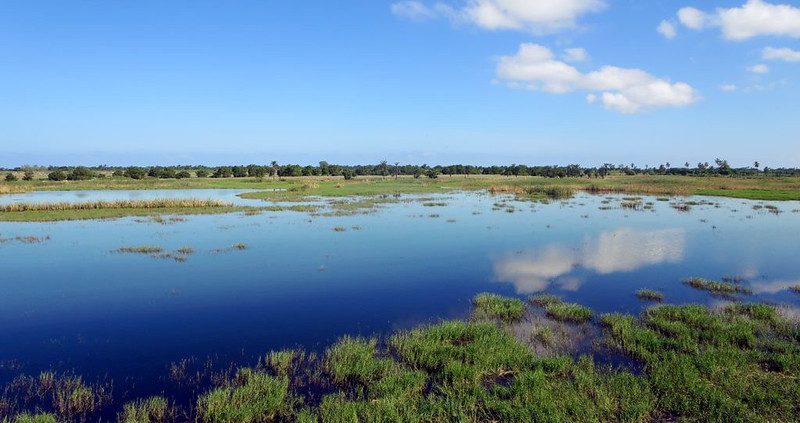 The nation of Angola is located in southwestern Africa. Since early 2025, a formidable cholera outbreak in Angola has yielded more than 3,000 cases of the infection. The outbreak is primarily impacting the provinces of Luanda and Bengo and has continued to worsen into 2026.
How Cholera Spreads
Cholera is an infection that can cause moderate illness, severe diarrhea and vomiting, and even death if left untreated. People contract this infection by ingesting food or beverages contaminated with the Vibrio cholerae bacterium. After consuming contaminated food or drink, the infection can take 12 to 120 hours to incubate. Many individuals carry the infection without manifesting symptoms, though they can still unknowingly spread it to others for up to 10 days.
Cholera thrives in environments with poor sanitation and limited clean water for drinking and hygiene. The risk of an outbreak increases during humanitarian crises, natural disasters or any situation that hinders the effective functioning of water infrastructure and sanitation systems. These factors often lead large populations to converge into overcrowded areas, increasing the risk of contaminating shared water sources.
Cholera and poverty form a vicious cycle. The poor infrastructure, overcrowding and water scarcity that characterize impoverished communities are highly conducive to cholera outbreaks. Outbreaks, in turn, worsen living conditions for impoverished individuals, since treatment can be costly and local health care systems are often strained and unable to provide sufficient care.
The Outbreak in Angola
Since the 1970s, Angola has periodically faced cholera outbreaks. The World Health Organization (WHO) reports that many of these outbreaks are linked to cholera outbreaks in the Democratic Republic of the Congo, Angola’s northeastern neighbor, which is currently experiencing one of the most severe humanitarian crises in the world.
The most recent outbreak began on Jan. 7, 2025. In May 2026, 3,596 new cases of cholera were reported worldwide, and 2,120 of those cases came from Angola, meaning approximately 59% of new global cholera cases that month came from the country alone. The rate of new cholera cases in Angola was five times higher than the 413 cases reported in Mozambique, the country with the second-highest total.
According to the most recent survey, conducted in 2018, approximately 53% of Angola’s population lives in poverty. The outbreak, therefore, poses a significant threat to large portions of the population, especially in the heavily impacted provinces of Luanda and Bengo. Still, the outbreak can be addressed: common measures to control cholera include oral vaccinations, case management and surveillance, and water, sanitation and hygiene (WASH) interventions.
Efforts to Alleviate the Outbreak
Organizations, including the WHO and Angola’s Ministry of Health, have begun important work to address the Cholera outbreak in Angola. The Ministry of Health, with support from WHO, the United Nations Children’s Fund (UNICEF), the World Bank and other organizations, has implemented a vaccination campaign. In January 2025 alone, the ministry vaccinated more than 900,000 people, and a month later it distributed a further 700,000 doses of oral cholera vaccine. These groups, along with other local and international organizations, are leading efforts to end the outbreak.
WHO is combating the outbreak by training health care workers to detect and report new cases, conducting infection surveys, processing data and mobilizing communities to implement prevention measures. WHO is also supporting cholera treatment centers in Bengo and Luanda provinces, which provide emergency treatment for infected patients in need of medical care.
UNICEF has expanded its WASH initiatives in Angola since the outbreak began. These initiatives have proven a vital tool in the fight against waterborne diseases like cholera. In support of this work, UNICEF has distributed essential hygiene and sanitation supplies to more than 64,500 children in Angola since the outbreak started. The organization is also installing water tanks in heavily affected areas to help reduce transmission and is supporting the Angolan government in training volunteers and mobilizing communities to prevent the spread of the disease.
Looking Ahead
Though the cholera outbreak in Angola remains a difficult situation, the WHO, UNICEF and the Ministry of Health continue working to bring it to an end.
– Melody Hubbard
Melody is based in Knoxville, TN, USA and focuses on Global Health and Politics for The Borgen Project.
Photo: Flickr
