Angola’s National Development Plan
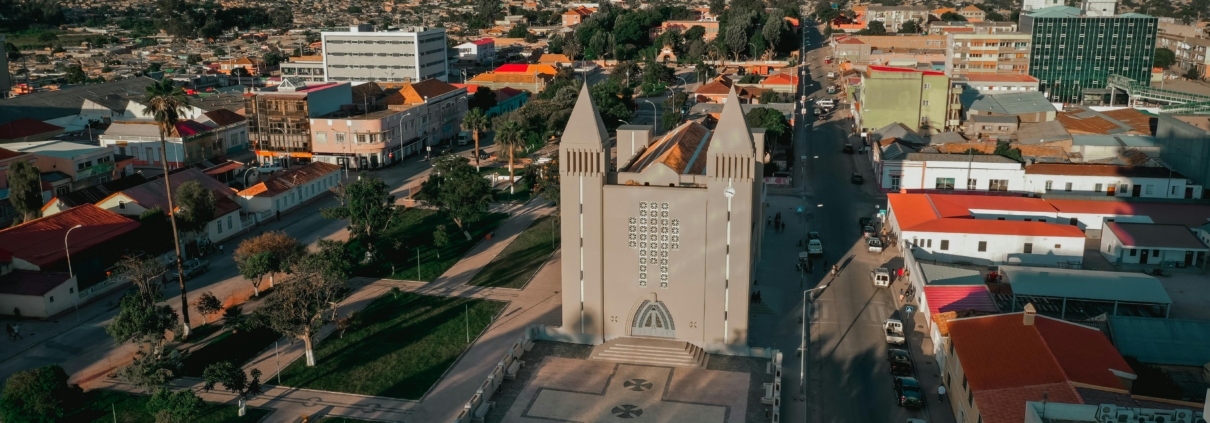 Angola is a large country located in southern Africa, currently bordered by Namibia, Zambia and the Democratic Republic of the Congo. Like many other newly founded countries, Angola had to fight to gain its independence from Portugal in 1975. The challenges that come with managing a recently established country, such as recovering from the aftermath of war and the side effects of malnutrition, would cause its community to struggle.
Thankfully, Angola would be able to overcome its many hurdles because its land is a natural hotspot for vital resources, including gems, metals, petroleum and, most importantly, oil. Ranked among the highest oil producers in Africa, Angola has quickly become reliant on oil as a means of survival. While crucial at the time for residents to thrive in harsh conditions, this has eventually led to the depletion of the resource and, if not monitored, will decline to the point where no one can use it.
Structural Reforms in Angola
As of 2026, Angolan leaders are implementing measures that, if successful, will diversify the country’s economy and reduce Angola’s overreliance on oil, which accounts for more than 95% of its exports. These structural reforms also serve to improve upper management and create more jobs for citizens in Angola who are struggling to find work. The idea of reform in Angola also faces challenges related to debt burdens, owing money to countries such as its largest oil importer, China, which makes it difficult to earn and maintain a sustainable income.
Angola’s national debt has also increased sharply due to its heavy reliance on oil, as fluctuations in oil prices shape the country’s economic performance. In general, oil is a finite, nonrenewable resource. If overexploited, it can lead to the depletion of resources such as heat, fuel and electricity, all of which are valuable and can actively harm or put Angolan residents at risk.
The National Development Plan
Angola’s National Development Plan is currently being implemented. Enacted in 2023, this plan, once fully implemented, aims to expand the economy by more than 3.5% and urges workers to spend less time extracting oil and more time in other sectors, including agriculture, fisheries and health services. At the core of this strategy are reforms to enhance the business environment, support small and medium-sized enterprises and invest in infrastructure.
These efforts also include the progressive privatization of state-owned enterprises in collaboration with international partners, such as the World Bank. The intended end goal of Angola’s National Development Plan is to achieve significant positive results by 2027.
Lobito Corridor Transport Initiative
The Lobito Corridor transport initiative is another economic reform intended to help diversify Angola’s economy. The Lobito Corridor is a 1,300-kilometer major economic railway that runs through various ports in Angola and neighboring countries, Zambia and the Democratic Republic of the Congo. This railway not only connects the three bordering countries but also facilitates the easier transportation of the land’s valuable natural resources.
The corridor can unlock the country’s economic potential, increase export opportunities and promote regional integration.
Final Remarks
Despite Angola’s occasional economic conflicts stemming from its overexploitation of oil and other nonrenewable resources, the country’s leaders have successfully addressed instances of resource depletion. Solutions such as the National Development Plan and the Lobito Corridor are being implemented, offering the possibility of positive change in the future. However, long-term improvement cannot be achieved overnight.
– Will Mancuso
Will is based in Lake Mary, FL, USA and focuses on Good News and Technology for The Borgen Project.
Photo: Pexels
