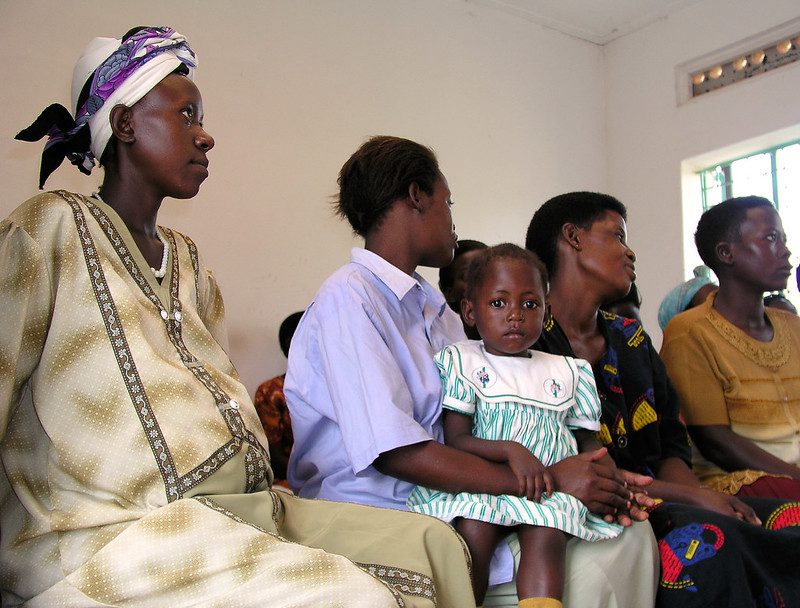
 Sub-Saharan Africa is home to more than a billion people across countries with diverse cultures and economies. Yet across rural communities, a shared reality persists: poverty and limited health care access. Geographic isolation, underfunded health systems and economic hardship often make even basic care inaccessible, and the consequences are fatal. Under-5 child mortality in this region is 68 per 1,000 live births, while 70% of the global maternal deaths occur there. However, there are several grassroots health initiatives in place that aim to improve overall health care in these communities.
Background
Despite commitments like the 2001 Abuja Declaration, most countries in sub-Saharan Africa have not met health funding goals, hence, health systems remain vulnerable, dependent on fluctuating foreign aid. Consequently, even basic services involve out-of-pocket costs that deter those in poverty from accessing essential care.
Most rural areas lack nearby clinics and existing facilities often suffer from shortages in medicine, equipment and staff. As a result, many turn to traditional healers or informal providers. Chronic poverty, gender inequality and food insecurity further restrict access, especially for women who may lack the autonomy or resources to seek care.
Yet amid these challenges, hope is emerging from within. Across Ethiopia, Malawi and Nigeria, women and mothers are leading the charge through grassroots health initiatives ― bridging the gap between poverty and care by bringing services closer to those who need them most. Here are some grassroots health initiatives transforming rural sub-Saharan communities impacted by poverty and poor healthcare access:
Ethiopia’s Health Extension Program
Despite its low-income status, Ethiopia has made notable progress in rural health care through its Health Extension Program (HEP), launched in 2003. The program provides universal access to basic health services. It operates through local health posts staffed by trained Health Extension Workers (HEWs), many of whom are women from the communities they serve. HEWs identify pregnant women, provide antenatal care and refer them to formal health systems if complications arise.
More than 30,000 women received training and are now reaching more than 12 million households with health education, vaccination campaigns and family planning services. These, among other efforts contributed to Ethiopia meeting the under-5 mortality reduction target (MDG4) four years early in 2012, with major improvements in child and maternal health outcomes — including a reduction in infant mortality to only 68 per 1,000 live births.
Meseret’s Story: From Mother to Health Hero
Meseret, from rural Meki, grew up drinking polluted water from the nearby Lake Ziay. A visit from a community health worker introduced her village to water purification, inspiring her to train as a health worker. Today, she works with PSI’s Smart Start program, educating young couples on contraception and financial planning, empowering them to make informed decisions. Meseret’s efforts have contributed towards the 75,000 adolescent girls reached by Smart Start, more than 35,000 of which now use modern contraceptives — proof of the life-changing impact grassroots health workers can have on underserved communities.
The MaiMwana Project
In rural Malawi, where 73.9% of the population lives on less than $1.25 per day and maternal, neonatal and infant mortality rates are especially high, women-led initiatives like the MaiMwana project and Secret Mothers have become crucial.
Running from 2005 to 2010, the MaiMwana Project mobilized women in Mchinji District to identify health problems, create solutions, and implement interventions like home vegetable gardens and bicycle ambulances. Inspired by similar projects in Asia and South America, it formed 207 groups across 310 villages, involving more than 12,000 attendees, the majority of whom were women. The project contributed towards a 22% reduction in neonatal mortality, highlighting the life-saving potential of women-led, community-rooted health work
Secret Mothers
In Chiyang’anira Village, Chikwawa District, another grassroots solution has emerged: a group of women known as the Secret Mothers, or “Amayi Achinsinsi.” Previously, many pregnant women in the region avoided antenatal appointments due to the expensive 200 km journey to the nearest hospital, but Secret Mothers have improved this situation, supporting them by encouraging antenatal visits and modelling safe health practices. Since its inception in 2012, more than 100 women have joined, including 50-year-old mother Stella Sabstone, a founding member. Thanks to their efforts, eight in 10 expectant mothers now receive appropriate care. By building trust within familiar networks, Secret Mothers are transforming maternal health outcomes in the geographically isolated and economically disadvantaged community.
Grassroots Health Governance in Nigeria
In Nigeria’s Kaduna State, Ward Development Committees (WDCs) have emerged as a powerful community response to maternal health issues. Sparked by a maternal death in Yakasai village, the initiative, developed in collaboration with the Population and Reproductive Health Initiative, engages local leaders, health workers, and community representatives to improve health service delivery and accountability. WDCs promote health education, monitor local facilities and lead programs like the community Maternal and Perinatal Death Surveillance and Response (cMPDSR). These efforts have radically increased facility-based births and antenatal care use.
They also address cultural norms that hinder care. In some areas, WDCs have created policies encouraging the presence of male partners at antenatal visits, a critical shift in communities where health decisions are often male-dominated. While funding and sustainability challenges remain (such as the need for ongoing training), WDCs are helping to build a more responsive, locally-rooted health system to benefit the rural poor.
Grassroots Health Initiatives: Lasting Transformation
What unites these grassroots health initiatives ― from Ethiopia’s HEWs to Malawi’s women’s groups and Nigeria’s Ward Committees ― is their focus on empowering those most affected by poverty. By leveraging local knowledge, building trust, and expanding access, these programs are breaking barriers to health care in some of the world’s most underserved areas.
Women and mothers in particular are leading this transformation. Their leadership is not only radically improving health outcomes but also strengthening community resilience. These locally driven efforts demonstrate that scalable, cost-effective health solutions can emerge from within even the most resource-constrained settings, offering valuable lessons for broader poverty reduction strategies.
– Holly McArthur
Holly is based in Somerset, UK and focuses on Good News and Global Health for The Borgen Project.
Photo: Flickr

Economic Prospects: Disability and Poverty in Italy
Poverty and Isolation Undermine Independence
Approximately 5.6 million Italians—about 9.7% of the population—live in absolute poverty. The study also found that one in six families received no institutional support and more than 70% had no friends or community network to help. Without access to day centers or assisted living, parents become full-time carers, which limits young people’s independence. Despite legal frameworks like Law 104/1992 and Italy’s 2009 ratification of the UN Convention on the Rights of Persons with Disabilities, many young Italians with disabilities still face marginalization in both policy and practice.
Gaps in Education Access
Italy’s inclusive education reveals significant shortcomings upon closer inspection. About 338,000 students with disabilities (4.1% of pupils) attended school in 2022–23, but demand continues to outpace support. The student–aide ratio is 1.6:1 and one-third of support teachers lack specialized training. Additionally, 12% are assigned after the school year begins. Inclusion is highly discontinuous: some 60% of disabled students change their support teacher every year. Parents report that once children reach the age of 16–18, most free supports end abruptly. As a result, many families privately pay for therapies or aides, from physiotherapy to educational tutors. According to the European Commission, in the Piedmont region, only 2.9% of people with disabilities have attained a university degree, with most leaving the education system after lower secondary school.
Barriers to Employment
Limited qualifications restrict future opportunities. Only about 36% of Italians with disabilities hold paid employment, compared to 60% of their nondisabled peers. The unemployment rate for disabled adults sits at 20%, nearly double that of others. In the CBM/Zancan survey, 38% of respondents were declared legally unable to work. In the South, that figure rises to 46%. Law 68/1999 mandates companies to hire workers with disabilities, but participation remains limited. Many eligible youths do not register for job quotas and few secure long-term employment. Northern regions offer more services and placements, while southern youth rely primarily on disability pensions.
Toward Inclusive Solutions
Italy’s disability policy still has critical gaps. Public spending on social and support services is low and uneven and complex bureaucratic assessments fragment aid. To foster autonomy and inclusion, the OECD’s 2023 report recommends expanding day centers, improving training programs and enforcing quota laws with real incentives.
– Lucrezia Frascati
Photo: Flickr
Poverty Eradication in Algeria: Supporting Vulnerable Communities
Understanding Poverty in Algeria
Algeria has made notable progress in reducing poverty over the past two decades, achieving a 20% reduction through social policies aligned with the United Nations Sustainable Development Goals (SDGs). However, challenges persist. According to the Embassy of Algeria, poverty remains widespread, especially in rural areas where access to public services, clean water, health care and transportation is limited. Isolation and scarcity define life for many in these regions, making it difficult to break the cycle of poverty. In some provinces, school-aged children must travel long distances to attend under-resourced schools, and families often rely on subsistence farming or informal work to survive.
Poverty in Algeria disproportionately affects children, women and those living in remote regions. According to UNICEF, structural issues such as high youth unemployment, limited access to quality education and a heavy reliance on the informal economy contribute to widespread inequality. Vulnerable households frequently lack the means to meet basic needs like food, housing and education. Algeria’s economic dependence on hydrocarbon exports makes it susceptible to global market shocks, which often lead to inflation and job losses, further worsening the struggles of low-income communities.
Humanium’s Initiatives in Algeria
Humanium, a non-governmental organization focused on children’s rights, has been active in Algeria addressing key issues such as poverty, child labor, child marriage and limited access to health care and education. Around 23% of Algerians live below the poverty line, with rural poverty twice as high as in urban areas. These conditions contribute to approximately 5% of children aged 5 to 15 engaging in child labor, often at the expense of their education.
Humanium also advocates against child marriage and violence against children, which remains underreported due to fear and stigma. In refugee camps in western Algeria, children face poor living conditions and high school dropout rates. Through legal advocacy, community outreach, and education campaigns, Humanium promotes children’s rights and supports poverty eradication in Algeria by helping families protect and empower their children.
Social Protection Measures in Action
Following economic and political transitions since 2019, the Algerian government has introduced several social protection programs. These include subsidies for essential food items, universal health care and financial aid for the unemployed, elderly and women. In 2023, Algeria implemented further reforms, such as raising minimum wages, pensions and unemployment benefits, in response to rising inflation. These reforms are designed to enhance living standards and align with the SDGs, particularly the goal of poverty eradication in Algeria. However, significant barriers remain. Many informal workers and residents of remote regions are still excluded from these benefits due to gaps in infrastructure and outreach, limiting the impact of government policies.
The Road Ahead for Poverty Eradication in Algeria
Despite state-led initiatives and NGO efforts, poverty eradication in Algeria continues to be an urgent challenge. A comprehensive strategy demands not only economic reform but also continuous investment in health care, education and child protection systems. Humanium plays a crucial role by providing immediate relief while fostering long-term development and sustainability.
Through advocacy, education and support services, Humanium contributes meaningfully to poverty eradication in Algeria, empowering vulnerable communities and helping to break cycles of poverty. Strengthening partnerships between local and international actors will be key to building a more equitable and prosperous future for all Algerians.
– Poppy Phillips
Photo: Flickr
India’s Economic Transformation Builds New Future
Although all three began as agrarian societies, China and the Soviet Union chose to undertake rapid industrialization. Contrasting forced industrialization which would alienate the farming population, Indian Prime Minister Jawaharlal Nehru had other priorities. Nehru oversaw the construction of new political institutions and build democratic support among the population, before embarking on large-scale economic transformation. This resulted in India’s largely state driven and gradual approach to development and modernization.
The consequences of this path were evident by 1974, a decade after Nehru’s leadership ended, as poverty remained pervasive throughout the country. At that time, the government measured poverty through calorie consumption.
Using this metric, roughly 300 million Indians experienced abysmal poverty. This was compounded by the economy’s dependence on agriculture, low productivity, high inflation and the economic shock of the 1973 oil crisis. However, in the years since, a new India has taken shape and stepped onto the world stage. Here is information about India’s economic transformation.
India’s Economy
Despite the Indian economy ballooning into the ranks of China and Germany, agriculture still employs the largest amount of people. In 2024, nearly half of India’s population make their livelihood in agriculture.
Nevertheless, new sectors are quickly gaining steam. Recent gains in construction and manufacturing, particularly pharmaceutical production, have transformed the economy. Government estimates have concluded that roughly 60% of global vaccine production comes from India.
Technology sector growth, supported by both government and private initiatives, has accelerated urbanization rates nationwide. Bengaluru in southern India, often called “India’s Silicon Valley,” has become a focal point for domestic and international tech companies. This rapid development has made Bengaluru one of the fastest growing cities in the nation foreign IT conglomerates relocating there leading to an ongoing housing shortage.
Construction, now India’s second-largest industry by employee count, has expanded alongside urbanization and export growth. While construction contributes a small percentage to India’s total GDP, infrastructure projects have helped alleviate extreme poverty in many regions with particular success in rural areas. Here is more information about India’s economic transformation.
How India’s Economy Has Mitigated Poverty
Long before India adopted the MPI model in 2021, rural communities experienced poverty at disproportionate rates in terms of both frequency and intensity. Recognizing this stark disparity, in 2006, India enacted the Mahatma Ghandi National Rural Employment Guarantee Act (MGNREGA) in which the federal government allocated money for infrastructure projects. Low-skilled farm workers received 100 days of guaranteed wages to do manual work. Infrastructure projects built using government money varied, ranging from roads to irrigation systems. Women saw historic gains as millions attained independent employment from these projects. Its success would see later initiatives targeting homelessness and lack of health care.
In conjunction with overhauling domestic policy, the Indian government also ushered in sweeping economic changes as well. Although traditional economic theory suggested developing nations must rapidly transition agricultural workers to manufacturing, India has charted a different course. Industrializing while maintaining a large agricultural sector has been India’s state of affairs since Nehru.
These developments have not come without challenges. Construction projects and urbanization have sometimes displaced rural communities, and wages often fail to cover living expenses adequately. However, when viewed long-term, these initiatives contribute to reducing extreme poverty as India develops its economic capacity. According to the World Bank, “India remains the world’s fastest growing major economy, growing at a rapid clip of 8.2 percent in FY23/24.”
The Future of Indian Poverty
At the start of the century, India’s Planning Commission, which oversaw national development estimated national poverty rates using the Tendulkar methodology. This system calculated poverty based on consumption rates rather than income. In the year 2000, the national poverty rate hovered around 40% with the majority being living in rural areas. Fast forward to 2023 and reports using the MPI that the country experienced a reduction in overall poverty from 24.95% in FY 2015-16 to 11.28% FY 2021-22. In other words, more than 135 million Indians have moved out of poverty in between those two points. From the same report, India’s impoverished population are still overwhelmingly rural.
While some experts have questioned India’s poverty calculation methods, the country has made significant progress in reducing extreme poverty. According to a study from the Brookings Institution, India has effectively eliminated extreme poverty as defined by international metrics.
With this milestone achieved, researchers at Brookings suggest that India should consider adopting a higher poverty threshold more aligned with developed nations. “The transition to a higher poverty line provides an opportunity to redefine existing social protection programs particularly with the objective of better identification of intended beneficiaries and providing greater support to the genuine poor,” the Brookings report states.
Looking Ahead
The elimination of extreme poverty represents a significant achievement for India’s economic transformation as it works toward becoming a major global power by the middle of the 21st century. However, continued economic reforms and social programs may be essential to sustain this progress and address remaining inequalities.
– Max Marcello
Photo: Unsplash
Levant Startups Drive Innovation Amid Instability
Background
As of 2024, poverty in the Levant region remained high. Poverty affects 44% of Lebanese, 69% of Syrians, 24.1% of Jordanians and around 74% of Palestinians. Many countries in the Levant region also struggle with acute food insecurity, including 13 million out of 25 million Syrians and 91% of Palestinians. Meanwhile, Lebanon faces widespread malnutrition because of constant shortages of essential food items.
Debt, inflation, wars and unemployment significantly contribute to poverty in the Levant. Female economic participation is still a challenge in the region. In Jordan, the female unemployment rate rose to 33%, standing 11% higher than the overall unemployment rate. However, entrepreneurship in the Levant is helping to alter these statistics.
The region has faced ongoing pressures from citizens who are unable to afford necessities and governments with overwhelming amounts of debt. Soaring unemployment and inflation have exacerbated the crisis and rendered many countries unable to rebuild after wars and conflicts. Yet amid these challenges, new startups are tackling local problems by offering practical solutions to problems in the education, finance and food delivery industries, and laying the groundwork for broader economic transformation.
Notable Startups in the Levant
Founded in 2016 by Siroun Shamigian and Nisrine El Makkouk, Kamkalima in Lebanon is an education technology startup that provides a digital curriculum companion for Arabic language education. It offers e-learning modules and assessments for students in grades 4-12. The service also enables teachers to track student progress using advanced data analytics. The founders noticed that Lebanon’s Arabic education system lacked the digital tools needed to bolster students’ Arabic grades, which were consistently low. Kamkalima empowers teachers with data analytics tools to enhance lessons and track students’ progress, while providing students with interactive tools to aid their writing, reading, and listening skills in Arabic.
Large enterprises struggle with transparency, efficiency and data accuracy in a region where invoicing processes are often manual, error-prone, and non-compliant with evolving regulations. A Jordan-based team of seasoned FinTech professionals founded InvoiceQ, an SaaS-based digital invoicing platform that meets the needs of businesses in Saudi Arabia, Jordan and Oman. InvoiceQ offers real-time, automated invoicing, with approval workflows, API integrations and two-way customer/vendor integration. The platform enables enhanced decision-making, reduces human error and turns invoicing into a strategic financial tool.
In Syria, infrastructure for digital services like food delivery, e-commerce and mobility was virtually nonexistent until Malek Al-Muzayen established Bee Order. It began as Syria’s first food delivery app. Before Bee Order, restaurants lacked delivery drivers, online ordering was unfamiliar and economic instability made tech development risky. Al-Muzayen built and scaled a local fleet of 150 delivery vehicles, introduced mobile-based ordering, and later launched a ride-hailing app called Wasilni to meet transportation needs.
Levant Startups: Innovation in the Face of Instability
Despite entrenched economic hardships, startups across the Levant are helping communities adapt and thrive. From enhancing Arabic education through Kamkalima, to digitizing financial operations with InvoiceQ, to launching the region’s first food delivery and ride-hailing services via Bee Order and Wasilni, entrepreneurs are responding to local needs with scalable, tech-driven solutions. These ventures reflect a broader shift; young founders are tackling systemic issues with creativity and resourcefulness, even in the context of conflict and economic instability.
Other promising ventures include Tajir.Store, a Syrian e-commerce platform helping businesses to automate their online store operations, and Rocheta, a health care app that connects patients with pharmacies to have medications delivered to their homes. Together, these startups are weaving a grassroots foundation for more inclusive economic participation and long-term resilience in the region. As they continue to grow, they are not only meeting immediate needs but also laying the groundwork for broader transformation in education, finance, commerce and mobility.
– Haley Parilla
Photo: Flickr
The Power of Refugee Entrepreneurship in Rebuilding Futures
In countries bordering conflict zones, where formal job opportunities are scarce and refugees often face legal uncertainties, entrepreneurship emerges as both a lifeline and a source of empowerment. Many are launching bakeries, electronic repair stands and food stalls—ventures that reflect resilience and draw upon rich cultural traditions.
Uganda: A Refugee Economy in Action
One example can be seen in Uganda, home to more than 1.6 million refugees, primarily from South Sudan and the Democratic Republic of Congo. In the settlements of northern Uganda, informal markets have flourished. There, refugee-led businesses provide vital goods and services not only to fellow refugees but also to local Ugandan populations. This exchange fosters economic integration and builds social cohesion.
Key to this entrepreneurial growth is access to microcredit and skills training. Local NGOs and community-based organizations play a central role, offering workshops on financial literacy, digital skills and basic business management. Though resources are often scarce, these initiatives help refugees turn personal talents into viable livelihoods.
The Rise of Informal Businesses in Jordan
In Jordan, where more than 600,000 Syrian refugees reside, informal businesses have sprung up in camps and urban areas alike. While regulatory hurdles remain, particularly regarding business permits and movement, many Syrians have found ways to offer services such as hairdressing, tutoring or mobile phone sales. These businesses reflect both resilience and the desire to reclaim agency in an environment often defined by limitations.
Despite the barriers, refugee entrepreneurship thrives because of its adaptability. Refugees are uniquely positioned to identify gaps in local markets and respond with innovative solutions. In many cases, their businesses introduce new flavors, fabrics, techniques and perspectives that enrich the local culture.
Critically, the impact of refugee entrepreneurship extends beyond economic self-sufficiency. It cultivates hope and purpose, rebuilding identities fractured by displacement. It also challenges dominant narratives that portray refugees solely as victims or burdens. By creating jobs, paying taxes and participating in local economies, refugee entrepreneurs are demonstrating their potential as contributors to the future of their communities.
Policy, Legal Barriers Remain
Significant challenges still hinder these initiatives. Policy frameworks in many host countries remain restrictive, limiting refugees’ ability to register businesses, open bank accounts or move freely. Advocacy and inclusive policies are necessary to ensure that refugee entrepreneurship is not confined to the informal sector. Recognition of their economic potential must be matched by legal and institutional support.
In places where resources are limited, community-driven models of support have proven effective. Peer mentorship and shared workspaces are just a few of the grassroots strategies helping displaced individuals launch and sustain their businesses.
Refugee Entrepreneurship: The Future
As the global refugee population surpasses 100 million, according to the World Bank, the need for durable, dignified solutions has never been greater. Empowering refugees through entrepreneurship is not just a path toward economic stability; it is a pathway to healing, agency and long-term development. Refugees are more than their displacement. Through refugee entrepreneurship, they are redefining their futures—not as dependents, but as business owners, innovators and agents of change.
– Rhasna Albuquerque
Photo: Flickr
Nepal’s Poverty Reduction Through Local Solutions
Government Initiatives
The Nepalese government has implemented several programs aimed at poverty alleviation. The 15th Periodic Plan (2019–2024), developed by the National Planning Commission, focuses on achieving sustainable development goals and transitioning Nepal to a middle-income country. Key objectives include economic diversification, infrastructure development and social inclusion. Another significant initiative is the Prime Minister Employment Program (PMEP), which seeks to provide short-term employment opportunities to unemployed individuals, particularly in rural areas. The program aims to enhance skills and increase income levels among marginalized populations.
International Aid and Partnerships
International organizations have played a crucial role in supporting Nepal’s poverty reduction efforts. USAID has been instrumental in sectors such as education, agriculture and health through financial aid. However, recent budget cuts have led to the suspension of several projects, raising concerns about the continuity of essential services.
The World Bank’s Rural Access Improvement and Decentralization Project has improved rural infrastructure, facilitating better access to markets and services. Similarly, the United Nations Development Programme (UNDP) has supported climate resilience and local governance initiatives, including the implementation of Local Adaptation Plans of Action (LAPAs) that empower communities to address climate change impacts.
Community-Based Efforts
Grassroots organizations have been vital in addressing poverty at the local level. READ Nepal, part of the READ Global network, organizes Community Library and Resource Centers that offer educational resources, vocational training and women’s empowerment programs. These centers have reached millions in rural communities, fostering literacy and economic development while reducing income inequality. The Federation of Community Forestry Users, Nepal (FECOFUN) empowers local communities to manage forest resources sustainably. By providing employment opportunities and generating income from selling forest products, FECOFUN promotes environmental stewardship and economic development.
The Role of Remittances
Remittances from Nepalese working abroad account for a significant portion of the country’s GDP. In 2023, remittances totaled more than $11 billion, accounting for more than 25% of the GDP. These funds have been instrumental in reducing poverty, improving household incomes and contributing to economic stability.
Moving Forward
Nepal’s comprehensive approach to poverty reduction—combining government policies, international aid and community initiatives—demonstrates the effectiveness of collaborative efforts in addressing economic challenges. Continued support and investment in these areas are essential for sustaining progress and achieving long-term development goals.
– Giovanni Garcia
Photo: Flickr
Grassroots Health Initiatives Transforming Communities
Background
Despite commitments like the 2001 Abuja Declaration, most countries in sub-Saharan Africa have not met health funding goals, hence, health systems remain vulnerable, dependent on fluctuating foreign aid. Consequently, even basic services involve out-of-pocket costs that deter those in poverty from accessing essential care.
Most rural areas lack nearby clinics and existing facilities often suffer from shortages in medicine, equipment and staff. As a result, many turn to traditional healers or informal providers. Chronic poverty, gender inequality and food insecurity further restrict access, especially for women who may lack the autonomy or resources to seek care.
Yet amid these challenges, hope is emerging from within. Across Ethiopia, Malawi and Nigeria, women and mothers are leading the charge through grassroots health initiatives ― bridging the gap between poverty and care by bringing services closer to those who need them most. Here are some grassroots health initiatives transforming rural sub-Saharan communities impacted by poverty and poor healthcare access:
Ethiopia’s Health Extension Program
Despite its low-income status, Ethiopia has made notable progress in rural health care through its Health Extension Program (HEP), launched in 2003. The program provides universal access to basic health services. It operates through local health posts staffed by trained Health Extension Workers (HEWs), many of whom are women from the communities they serve. HEWs identify pregnant women, provide antenatal care and refer them to formal health systems if complications arise.
More than 30,000 women received training and are now reaching more than 12 million households with health education, vaccination campaigns and family planning services. These, among other efforts contributed to Ethiopia meeting the under-5 mortality reduction target (MDG4) four years early in 2012, with major improvements in child and maternal health outcomes — including a reduction in infant mortality to only 68 per 1,000 live births.
Meseret’s Story: From Mother to Health Hero
Meseret, from rural Meki, grew up drinking polluted water from the nearby Lake Ziay. A visit from a community health worker introduced her village to water purification, inspiring her to train as a health worker. Today, she works with PSI’s Smart Start program, educating young couples on contraception and financial planning, empowering them to make informed decisions. Meseret’s efforts have contributed towards the 75,000 adolescent girls reached by Smart Start, more than 35,000 of which now use modern contraceptives — proof of the life-changing impact grassroots health workers can have on underserved communities.
The MaiMwana Project
In rural Malawi, where 73.9% of the population lives on less than $1.25 per day and maternal, neonatal and infant mortality rates are especially high, women-led initiatives like the MaiMwana project and Secret Mothers have become crucial.
Running from 2005 to 2010, the MaiMwana Project mobilized women in Mchinji District to identify health problems, create solutions, and implement interventions like home vegetable gardens and bicycle ambulances. Inspired by similar projects in Asia and South America, it formed 207 groups across 310 villages, involving more than 12,000 attendees, the majority of whom were women. The project contributed towards a 22% reduction in neonatal mortality, highlighting the life-saving potential of women-led, community-rooted health work
Secret Mothers
In Chiyang’anira Village, Chikwawa District, another grassroots solution has emerged: a group of women known as the Secret Mothers, or “Amayi Achinsinsi.” Previously, many pregnant women in the region avoided antenatal appointments due to the expensive 200 km journey to the nearest hospital, but Secret Mothers have improved this situation, supporting them by encouraging antenatal visits and modelling safe health practices. Since its inception in 2012, more than 100 women have joined, including 50-year-old mother Stella Sabstone, a founding member. Thanks to their efforts, eight in 10 expectant mothers now receive appropriate care. By building trust within familiar networks, Secret Mothers are transforming maternal health outcomes in the geographically isolated and economically disadvantaged community.
Grassroots Health Governance in Nigeria
In Nigeria’s Kaduna State, Ward Development Committees (WDCs) have emerged as a powerful community response to maternal health issues. Sparked by a maternal death in Yakasai village, the initiative, developed in collaboration with the Population and Reproductive Health Initiative, engages local leaders, health workers, and community representatives to improve health service delivery and accountability. WDCs promote health education, monitor local facilities and lead programs like the community Maternal and Perinatal Death Surveillance and Response (cMPDSR). These efforts have radically increased facility-based births and antenatal care use.
They also address cultural norms that hinder care. In some areas, WDCs have created policies encouraging the presence of male partners at antenatal visits, a critical shift in communities where health decisions are often male-dominated. While funding and sustainability challenges remain (such as the need for ongoing training), WDCs are helping to build a more responsive, locally-rooted health system to benefit the rural poor.
Grassroots Health Initiatives: Lasting Transformation
What unites these grassroots health initiatives ― from Ethiopia’s HEWs to Malawi’s women’s groups and Nigeria’s Ward Committees ― is their focus on empowering those most affected by poverty. By leveraging local knowledge, building trust, and expanding access, these programs are breaking barriers to health care in some of the world’s most underserved areas.
Women and mothers in particular are leading this transformation. Their leadership is not only radically improving health outcomes but also strengthening community resilience. These locally driven efforts demonstrate that scalable, cost-effective health solutions can emerge from within even the most resource-constrained settings, offering valuable lessons for broader poverty reduction strategies.
– Holly McArthur
Photo: Flickr
Generational Poverty in Hong Kong
Elderly Workers and Public Housing
Those aged 65 and above are more likely to experience poverty than any other age group. Rapid shifts in market demand and the rise of new technologies have phased out many blue-collar jobs that older workers once held. Some unemployed residents report struggling to afford even public transportation to reach the few jobs they have left. While public housing offers some relief, rent still consumes up to 20% of residents’ monthly income, leaving many unable to afford shelter and proper nutrition. A government response could help alleviate these conditions. However, according to some observers, due to Hong Kong’s alignment with the Communist Party’s United Front policies, anti-poverty efforts remain underprioritized, while the wealth gap continues to widen.
Poverty’s Impact on Children
Poverty disproportionately affects Hong Kongers aged 65 and above, but the territory’s widening wealth gap is placing more children at risk. According to the 2023 Census and Statistics Department data, 222,600 children under age 18 live below the poverty line. Most of these children come from households with four or more members.
Many low-income children cannot participate in school activities due to financial constraints. A sixteen-year-old student, Bianca Zhang Bao-zhi, said she could not afford to join a school sports team due to the HK$2,000-per-term fee. She expressed frustration at the lack of government subsidies, especially since the programs are tied to educational institutions.
Many low-income families feel that the government should be doing more to address poverty among children. The Children’s Rights Association rated the Hong Kong government zero in 2023 for failing to create effective policies that improve conditions for children living below the poverty line.
Strive and Rise Programme, one of the government’s main poverty initiatives for youth, offers mentorship to students from low-income areas. However, the program has had limited impact. Of the 80 children enrolled, only one in four had met with a mentor assigned to them. Local organizations suggest the program is unlikely to produce long-term change.
Save the Children’s Role in Hong Kong
Save the Children is an international organization operating in more than 120 countries with a mission to inspire breakthroughs in the way the world treats children and to achieve immediate and lasting change in their lives.
In Hong Kong, the organization has expanded its work significantly in recent years. Specifically for 2025 to 2027, Save the Children aims to prioritize protection against conflict, climate-related risks and child poverty. Its programs in the region aim to support mental health, education and well-being. Initiatives like Play to Thrive, Heart and Mind and Introducing Social and Emotional Learning to School are active in local schools on Wan Chai Island. These programs serve children from underprivileged communities through structured learning and emotional support activities.
Save the Children is privately funded and often viewed as one of the few large-scale actors working to alleviate poverty in Hong Kong without direct government support.
Firsthand Reflections on Child Advocacy Work
A former volunteer, who asked to remain anonymous, spoke with The Borgen Project and shared insight about their experience: “Save the Children initiatives can differ from nation to nation based on need or focus. All Save the Children programs are known for their humanitarian work. However, Hong Kong is deeply involved in child welfare through education and advocacy initiatives.”
Reflecting on their experience in Hong Kong, the source added, “I worked on the early stages of what is now called the ‘Every Last Child’ initiative. The program worked in advocating for the rights of children within marginalized groups. We often visited schools and orphanages in low-income areas on Wan Chai Island, where Save the Children’s headquarters is located. The activities we did provided educational tools and emotional support for the personal experiences the children were going through.”
The volunteer emphasized the impact of its work, “Do it! The organization has more than 120 offices worldwide, not just in Hong Kong. It is some of the most rewarding work one can do and it will follow you into any career path chosen.”
Looking Ahead
As housing prices continue to rise and the cost of living outpaces wages, poverty remains a persistent issue in Hong Kong. While older generations face increased isolation and job displacement, children in low-income households lack equal access to opportunity. Organizations like Save the Children continue to support vulnerable populations through grassroots programs and school-based initiatives. With sustained attention to education, mental health and youth development, there is hope that current child-focused interventions may contribute to reversing intergenerational poverty in the years to come.
– Mackenzie Inman
Photo: Flickr
Government Takes Strides to Alleviate Period Poverty in Ghana
Government Response to Menstrual Health
The Free Sanitary Pad Initiative (FSPI), announced by President John Dramani Mahama on April 24, seeks to combat period poverty—a chronic lack of access to menstrual products that disproportionately affects girls in rural areas. The Ghana Education Service estimates that up to 2 million girls will benefit from the program across public basic and secondary schools.
Limited access to menstrual products often leads girls to miss school during their periods. This absenteeism results in disrupted education and contributes to cycles of poverty. In more severe cases, girls are forced to use unsafe alternatives like newspapers, rags or leaves, which can lead to health complications and heighten their vulnerability to abuse. FSPI represents a significant policy move to reduce these risks. By providing menstrual products for free, the initiative aims to keep girls in school, improve academic outcomes and reduce gender-based barriers to education.
Breaking Stigma Through Education
FSPI also addresses material needs and seeks to reduce the stigma surrounding menstruation in Ghana. Misconceptions and social taboos around menstruation remain common, limiting open discussion and fostering discrimination against menstruating girls and women. These attitudes not only affect emotional well-being but also contribute to social exclusion. The government’s approach includes educational programming and public messaging to normalize conversations about menstrual health. Indeed, Ghana’s Minister of Gender, Children and Social Protection, Dr. Agnes Naa Momo Lartey, described the initiative as an educational and developmental investment, not just a health intervention.
Plan International’s Role in Advocacy
The implementation of FSPI follows years of advocacy by organizations like Plan International Ghana, which urged the government in March 2024 to invest in menstrual health programs. The organization has distributed sanitary pads to more than 150,000 girls. Additionally, they have run nationwide campaigns to reduce stigma and increase awareness around menstrual hygiene.
Plan International Ghana has also promoted engagement with boys and men to support gender-inclusive conversations. Its programs have effectively reduced school absenteeism and promoted menstrual health education, especially in underserved communities. Applauding the FSPI, Constant Tchona, country director of Plan International Ghana, said the policy would address a key driver of inequality and help girls focus on education and reach their full potential.
Looking Ahead
While challenges remain, the Free Sanitary Pad Initiative marks a critical and historic step in the efforts to tackle period poverty in Ghana. Through this investment, the government is helping to ensure that menstruation no longer hinders girls’ access to education or exposes them to unnecessary risk. As implementation continues, sustained support and accountability could be essential in transforming policy into lasting change.
– Erin Hellhake
Photo: Flickr
6 Organizations Helping Refugees from Venezuela in Colombia
However, despite moving to Colombia, they still need support to help them above the poverty line. Fortunately, numerous organizations are assisting the Venezuelans in Colombia to overcome this crisis. Here are a few of them and what they do:
International Rescue Committee
Founded in 1933 by Albert Einstein to help Germans flee the Nazi regime, the International Rescue Committee (IRC) is a humanitarian non-governmental organization that support refugees from and residing all over the world. Later on, it expanded to the rest of Europe and in modern times, it assists refugees from all over the world, including the refugees from Venezuela in Colombia. Its main work in Colombia includes providing access to health care to the Venezuelans and ensuring the safety of their minors. The number of people it helped as of 2020 is 87,000.
HIAS
Originally established in 1903 as the Hebrew Immigrant Aid Society, HIAS is another organization that focuses on global refugee aid. According to its website, HIAS has helped more than 150,000 refugees from Venezuela in their Colombia branch, mainly with economic inclusion programs and giving the refugees legal support for living in the new country.
ZOA International
ZOA International is a non-governmental organization that focuses on improving the living standards of impoverished people in multiple countries, including Colombia. While it does not specifically focus on refugees, the organization has the refugees from Venezuela as a major demographic that it supports in its efforts to help the Colombians in need, as many of them are in the country’s slums.
Its main method of support in the country focuses on providing food, water and implementing hygiene improvements to the people they help. For refugees specifically, it also gives emergency aid to provide them with better access to food and water.
Mercy Corps
Mercy Corps is a non-governmental organization that provides humanitarian aid to countries that are facing some form of insecurity, including economic instability. In Colombia, it helps the country’s most impoverished, including the refugees from Venezuela. In Colombia, its main work for the refugees from Venezuela are mainly emergency support such as money reserves, medical aid and providing internet in their shelters.
Project Hope
Project Hope is an organization that focuses on providing health relief to countries in need. Originally founded in 1958, it has provided health services all over the world by working with other organizations and often help to introduce systemic changes to the country’s health system.
In Colombia, the organization gives to the refugees from Venezuela by helping to train doctors, giving the refugees access to maternal health services and providing them with better access to essential items like pharmaceuticals or other medical supplies.
Education Cannot Wait
Founded in 2016, Education Cannot Wait is an organization working with the United Nations that focuses on giving refugee children better education opportunities, often leading to them breaking the poverty cycles in their families. Its main work in Colombia includes giving the children of the refugees from Venezuela safer environments, especially for female students. According to its website, the organization has helped more than 130,000 children in Colombia.
These are only a few of the organizations that are helping these refugees survive and overcome poverty in their new home of Colombia. While it is unclear if and when the economic crisis in Venezuela will end, the efforts of organizations like these and the people who support them can significantly help fight poverty for the refugees from Venezuela.
– Jose Gabriel Lopez
Photo: Flickr