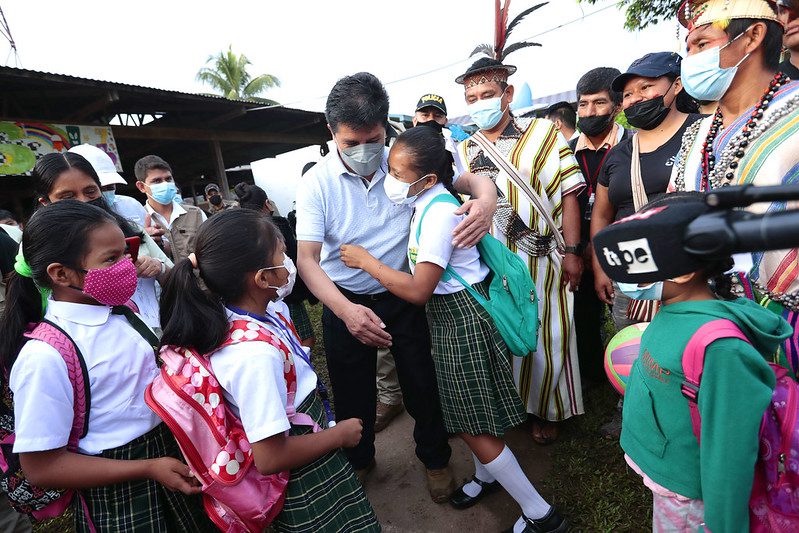
 Peru has had a volatile relationship with poverty for decades. In the mid-1980s to early 1990s, people had suffered the peak of poverty in Peru in the past 100 years; about 50% of the population lived in poverty. After decreasing, in 2024, the poverty rate rose again to about 30%. Malnutrition has also become a prominent issue in Peru and is one of the most significant health risks that continues to affect Peru’s poverty to this day.
Background
Peru suffers not only from malnutrition but overnutrition as well. To combat these issues, there are policies put that only address one issue or the other, leading to an imbalance in the progress towards both malnutrition and overnutrition.
Another leading cause for malnutrition in Peru is inaccessible health care due to the lack of professional health care providers and limited government funding for public health in Peru. In 2022, for every 10,000 people, there were only 12.2 physicians and 12.8 nurses. Rural areas face the most trouble when it comes to accessing healthcare, with only 17.6 health care professionals for every 10,000 people.
A large majority of Peru’s population suffers from food insecurity. While Peru is known for its agricultural biodiversity, a lot of necessary nutritious food is expensive and inaccessible to lower income families and especially those in poverty, leading to malnutrition.
The Effects of Malnutrition
Nutrients are a human necessity. building up the body, muscles, bones, nerves, skin, immune system and keeping the blood circulating. It also gives the brain the energy it needs to keep the body going and is an important factor in cognitive thinking.
Without proper nutrition, the body faces many consequences. Malnutrition leads to a weakened immune system, making the body more susceptible to infection, illness and disease. It also hinders recovery, making it exceedingly more difficult to heal from illnesses already present.
A lack of nutrients has not only an effect on the health of the body, but the health of the mind as well. Those suffering from malnutrition have an increased risk of depression and anxiety. It also obstructs cognition, making it difficult to make decisions, problem-solve and regulate emotions.
Malnutrition and Poverty in Peru
Children under the age of 5 are one of the biggest victims of malnutrition, particularly indigenous children. Approximately two out of 10 children suffer from malnutrition in Peru, 38% of indigenous children and 24% of children in rural areas are malnourished, compared to 20% of non-indigenous and 7% of urban children who lack nutrients.
Due to the negative effect malnourishment has on the mind and body, it impacts people’s health and productivity, making work more strenuous, not only leading people to poverty, but also making it significantly more difficult to escape it. This pattern makes it challenging to reduce poverty in Peru.
It also influences the economy. Without decreased productivity from workers due to malnutrition, economic growth decreases and health care costs increase. Not only does this affect the economy, but it also highly impacts the already vicious cycle of poverty and malnutrition. Without proper economic flow, the country cannot provide enough resources or help to those suffering from low income and food insecurity, and therefore, the issues only increase.
Current Solutions for Malnutrition in Peru
Without proper finances, it is difficult to access healthcare, especially as a parent with responsibility over one or multiple children. However, with help, it is possible. That is what the World Bank’s Juntos program provides. To combat malnutrition and poverty in Peru, it provides financial support to families, particularly aimed towards mothers in poverty and low-income households, in exchange for taking their children to regular health care check-ups.
There are also many organizations that fight against poverty, one of them being Action Against Hunger. It partners up with local governments to strengthen the health care system, improve food security and access to clean water, provide hygiene supplies as well as give women opportunities to make their own income.
Nutrients are an important factor in human life. They are necessary to perform any task, no matter how big or small. Without them, the human body would cease to function. To improve productivity, health and poverty in Peru, every person must have access to nutritious food. The happier and healthier the people, the more a country will thrive.
– Sevyn Whatley
Sevyn is based in Toronto, Ontario, Canada and focuses on Global Health for The Borgen Project.
Photo: Flickr

Mental Health and Homeless Youth in East Asia
This demographic of homeless youth reports high rates of mental health issues, such as depression, PTSD, bipolar disorder and suicidal ideation, with suicide being their leading cause of death, and 80% of the population having reported attempting suicide at some point. To cope with these issues, many turn to substance abuse and other maladaptive coping mechanisms. 66.7% report drinking problems, and 77.8% report smoking problems.
Causes of Homelessness
There are various reasons why youth become homeless in the first place. It is worth mentioning that one primary cause of poverty in the East Asian Pacific region is natural disasters. Natural disasters like earthquakes and tsunamis affect East and Southeast Asia more than most other regions in the world, making them a significant and notable contributor to homelessness that might not necessarily apply or apply as much to other regions around the globe, according to a 2024 article.
Poverty can cause stress and subsequent dysfunction in the home, driving children and young people away. A 2024 article found that parental abuse was the most common reason (40.7%) for leaving home, especially from fathers. General family conflict follows at 29.6%.
Cultural Differences
Treating these problems requires understanding and accommodating the differences in cultural attitudes between Eastern and Western societies. Due to the way Eastern cultures raise kids to view themselves, their obligation to and role within family and the way they view mental health itself, means that Western mental health techniques do not always transfer or have the same result.
For example, Western programs tend to emphasize working with direct service providers and place a lot of value on individual autonomy. Conversely, services and government interventions in the East Asian Pacific regions might put more emphasis on family and community support.
Few components of culture influence mental health and responses to mental health treatment. The first is emotional expression: depending on what level of emotional outburst or emotional behavior is considered acceptable in a given culture, it will be easier or harder to identify when a person needs help. The second and likely most influential element is shame: many cultures, especially Asian cultures, see mental illness as something shameful or born out of weakness.
Individuals may be hesitant to seek treatment because it means admitting to themselves and to a mental health professional that they are struggling. Individuals may also be reluctant to interact with a mental health professional because of the third element, “power distance,” according to the Frontiers in Public Health. Regulations on mental health treatment and the power given to mental health professionals vary from country to country, having varied implications about autonomy and the power dynamic within a therapeutic relationship.
Results
A 2024 article revealed the results of eight studies conducted throughout Malaysia, South Korea and the Philippines. These studies researched the impacts of various mental health interventions on homeless youth, including art therapies, cognitive behavioral therapy (CBT), life skills education (LSE) and government services.
A Philippines-based study found visual art and poetry psychotherapies to be effective for abused adolescents in reducing symptoms of PTSD and depression, measured via Child Report on Posttraumatic Symptoms (CROPS) and Self-Rating Depression Scale (SDS). It was noted that art therapies seemed to also help empower homeless youth to engage actively in their own treatment.
A study on CBT implemented in South Korea measured impacts on depression, self-efficacy, and self-esteem. While the treatment resulted in increased self-efficacy and a significant decrease in depression, there appeared to be no significant difference in self-esteem pre- and post-test. LSE treatment, however, was successful in increasing self-esteem, as well as decreasing anxiety, depression and stress, according to a study out of Malaysia.
Closing Thoughts
While these mental health interventions have appeared to be successful, one of the key takeaways is that it is difficult to treat this demographic when there is no universally accepted definition of homelessness. Every study and every country uses different definitions, which leaves large gaps in understanding both the nuance and variation within the “homeless” experience and the actual overall figures of the demographic. Whether or not an individual fits within a jurisdiction’s given definition of homelessness may determine whether or not mental health and homeless services are provided to them; this makes the varying definitions of homelessness a possible barrier to mental health services.
– Sandhya Mathew
Photo: Pixabay
Political Policies that Reduce Poverty in South Sudan
Promoting Macroeconomic Stability
A stable macroeconomy is largely beneficial for a country and its citizens. It creates an environment that leads to economic growth, reduces inflation and prevents further economic instability. It is necessary when trying to reduce poverty.
One of the methods South Sudan is using to promote macroeconomic stability is by decreasing its dependency on oil revenues. Of the nation’s income, 90% comes from these revenues, meaning diversification is an important factor in improving the economy and reducing poverty in South Sudan.
One way South Sudan is working to diversify their nation’s revenue is through sustainable agriculture. By selling ranch and farm products to markets as well as producing their own food through agricultural practices, they add another route to revenue for the nation.
South Sudan has had the help of many projects to increase its agricultural health, such as the Sustainable Agriculture & Livestock Initiative (SALPI) and Global Affairs Canada’s Project.
South Sudan is also trying to promote tourism in its country. Through its national tourism policy, which aims to support local communities and improve infrastructure as well as getting support from other countries and organizations, South Sudan is actively growing to attract tourists for its luscious natural environment and unique traditions.
Boosting Social Development and Equality
South Sudan faces many humanitarian issues due to conflict and instability in the country. However, there are organizations and agreements that work to improve social development, equally assisting poverty in South Sudan.
The Revitalized Agreement on the Resolution of the Conflict in the Republic of South Sudan (R-ARCSS) is an agreement between the Sudan People’s Liberation Movement and the Sudan People’s Liberation Movement-in-opposition. It is an agreement that aims to bring about peace and stability to South Sudan. UNICEF and World Vision have both contributed to South Sudan, helping those who have been affected by conflict and displacement, providing education, food, health care, and sanitation.
The Global Partnership for Education is a major contributor to education for all, providing girl-friendly schools in South Sudan with trained teachers who know how to address gender sensitivity and prevent gender-based violence.
The National Disability and Inclusion policy in South Sudan aims to enhance the protection of South Sudanese with disabilities who may struggle due to their physical or mental abilities. Alongside this, South Sudan has also established a Rehabilitation Centre for people with disabilities to help them access proper healthcare and education.
Poverty in South Sudan: The Future
Although South Sudan is a newly independent country, leading to constant economic and social struggles, with the help of these policies and the organizations and governments that work to enforce them, South Sudan can grow into a thriving, self-sustained nation.
– Sevyn Whatley
Photo: Flickr
Top 10 Facts About Hunger in Slovakia
Top 10 Facts About Hunger in Slovakia
While hunger is not a significant problem in Slovakia, there are shortfalls in terms of nutrition. However, the country is actively addressing its challenges, along with playing an important role in global approaches to hunger and nutrition.
Photo: Flickr
Higher Education in Trinidad and Tobago
Overview of the Higher Education System
These institutions offer various programs in engineering, law, education, medicine and business, from associate degrees to doctoral studies. Many universities have also developed research initiatives to address local and regional challenges, including climate emergency, public health and economic diversification. Despite these positive developments, Trinidad and Tobago’s higher education sector struggles with issues related to outdated curricula and insufficient alignment with the evolving needs of industries.
For instance, while there has been a rise in demand for Science, Technology, Engineering and Mathematics (STEM)-related qualifications, other fields, such as the humanities, may not be adequately supported or emphasized in the curriculum. The government has historically supported access through initiatives like the Government Assistance for Tuition Expenses (GATE) program, which subsidizes tuition costs for citizens. This has led to higher enrollment rates and increased access, especially among underrepresented groups. However, there are still significant gaps in ensuring equitable access to all.
Current Challenges Facing the Sector
One of the most pressing issues facing higher education in Trinidad and Tobago is funding. In recent years, government budget hampering has led to reductions in the GATE program. This cornerstone policy once made higher education widely accessible to citizens. These cutbacks have particularly affected lower-income students, creating new barriers to entry and forcing many to either delay their education or seek other options.
This situation threatens to widen social inequality and reduce the country’s ability to develop a skilled and educated workforce. Additionally, institutions face increasing pressure to maintain high-quality education amid limited financial resources.
Future Directions for Strengthening Higher Education
The future of higher education in Trinidad and Tobago will depend on its ability to adapt to changing economic, technological and social conditions. Various experts suggest that ongoing reforms are essential to addressing current challenges, such as funding constraints, curriculum updates and the need for increased alignment between education and the labor market.
Several key strategies have been proposed for strengthening the sector. These include updating academic programs to incorporate more technical, vocational and entrepreneurial training to meet the demands of emerging industries. Moreover, experts highlight the importance of providing more targeted financial aid to ensure equitable access, especially for students from lower-income backgrounds.
Final Remarks
Higher education in Trinidad and Tobago remains a powerful tool for national progress. Yet, it has to evolve to meet the challenges of a rapidly changing world. While past efforts such as the GATE program have broadened access and improved enrollment, economic pressures, quality concerns and graduate employability issues now demand a strategic, forward-looking response.
– Glenn Brown III
Photo: Unsplash
Cultural Expectations Shape Men’s Mental Health in Uganda
The Burden of Masculinity
Men in Uganda face the expectations of appearing physically and mentally strong. These expectations can put a strain on their mentality and ability to come forward with emotional struggles. Traditional gender norms view men’s mental health as insignificant. It is seen as a weakness if a man cannot restrain his emotions.
Masculinity in Uganda is traditionally achieved through authoritative attitudes, control and being the provider and protector of their families. The pressure to provide and always appear strong can cause built-up anger or depression, leading to domestic abuse and an absent role in the family. Societal expectations for men to suppress their emotions prevent healthy coping mechanisms, which is worsened by the lack of services available to confront men’s mental health issues.
Mental Health Challenges
Mental health is not prioritized in Uganda, leaving the country as one of the top six in Africa with depressive disorders. Indeed, out of the total 4.6% who live with depressive disorders and 2.9% with anxiety disorders, 3.6% consist of men. The most common mental health challenges among men in Uganda include depression, anxiety and high stress levels.
With a lack of mental health services, some men turn to alcohol and substance abuse, with the possibility of suicide attempts. Alcoholism stems from men’s mental health issues in Uganda. They “are estimated to have one of the highest alcohol per capita consumption levels in sub-Saharan Africa.” The number of men who depend on pure alcohol sits at an estimated 4.2%, with a total consumption of 16 liters each year.
Resources to combat men’s mental health are scarce and mainly based in urban centers. Uganda as a whole has 53 psychiatrists, approximately one psychiatrist per 1 million people. Kampala, the country’s largest city, has a single psychiatric hospital. This lack of access to services highlights the challenges individuals with mental health issues in Uganda face.
Support Networks for Ugandan Men
Multiple steps have been taken in recent years to address Ugandan men’s mental health challenges. Indeed, support groups for fathers in Uganda are one example. It’s been shown that early involvement in their child’s life challenges stereotypes, creating a better individual and life at home.
Plan International has provided Ugandan men with an environment where they can speak openly about the issues they may be having at home. Furthermore, they advise on better communication and coping techniques. Similarly, local organizations such as StrongMinds are working to supply mental health care and bring further awareness to the cause.
StrongMinds has provided group therapy sessions where comfort is offered to men who go against cultural expectations and choose to express their emotions. Special programs have also been applied in Ugandan prisons and the Ugandan police force. In these programs, relationship issues, struggles with individual or gender roles and grief are discussed, offering empowerment through communal support.
Conclusion
Mental health remains a complex and often stigmatized issue for men in Uganda, however, meaningful progress is being made. Indeed, through support groups, therapy sessions, and targeted programs, more men are finding safe spaces to express themselves, challenge harmful stereotypes, and build healthier relationships.
– Sarina Francis
Photo: Flickr
Food Crisis: Malnutrition and Poverty in Peru
Background
Peru suffers not only from malnutrition but overnutrition as well. To combat these issues, there are policies put that only address one issue or the other, leading to an imbalance in the progress towards both malnutrition and overnutrition.
Another leading cause for malnutrition in Peru is inaccessible health care due to the lack of professional health care providers and limited government funding for public health in Peru. In 2022, for every 10,000 people, there were only 12.2 physicians and 12.8 nurses. Rural areas face the most trouble when it comes to accessing healthcare, with only 17.6 health care professionals for every 10,000 people.
A large majority of Peru’s population suffers from food insecurity. While Peru is known for its agricultural biodiversity, a lot of necessary nutritious food is expensive and inaccessible to lower income families and especially those in poverty, leading to malnutrition.
The Effects of Malnutrition
Nutrients are a human necessity. building up the body, muscles, bones, nerves, skin, immune system and keeping the blood circulating. It also gives the brain the energy it needs to keep the body going and is an important factor in cognitive thinking.
Without proper nutrition, the body faces many consequences. Malnutrition leads to a weakened immune system, making the body more susceptible to infection, illness and disease. It also hinders recovery, making it exceedingly more difficult to heal from illnesses already present.
A lack of nutrients has not only an effect on the health of the body, but the health of the mind as well. Those suffering from malnutrition have an increased risk of depression and anxiety. It also obstructs cognition, making it difficult to make decisions, problem-solve and regulate emotions.
Malnutrition and Poverty in Peru
Children under the age of 5 are one of the biggest victims of malnutrition, particularly indigenous children. Approximately two out of 10 children suffer from malnutrition in Peru, 38% of indigenous children and 24% of children in rural areas are malnourished, compared to 20% of non-indigenous and 7% of urban children who lack nutrients.
Due to the negative effect malnourishment has on the mind and body, it impacts people’s health and productivity, making work more strenuous, not only leading people to poverty, but also making it significantly more difficult to escape it. This pattern makes it challenging to reduce poverty in Peru.
It also influences the economy. Without decreased productivity from workers due to malnutrition, economic growth decreases and health care costs increase. Not only does this affect the economy, but it also highly impacts the already vicious cycle of poverty and malnutrition. Without proper economic flow, the country cannot provide enough resources or help to those suffering from low income and food insecurity, and therefore, the issues only increase.
Current Solutions for Malnutrition in Peru
Without proper finances, it is difficult to access healthcare, especially as a parent with responsibility over one or multiple children. However, with help, it is possible. That is what the World Bank’s Juntos program provides. To combat malnutrition and poverty in Peru, it provides financial support to families, particularly aimed towards mothers in poverty and low-income households, in exchange for taking their children to regular health care check-ups.
There are also many organizations that fight against poverty, one of them being Action Against Hunger. It partners up with local governments to strengthen the health care system, improve food security and access to clean water, provide hygiene supplies as well as give women opportunities to make their own income.
Nutrients are an important factor in human life. They are necessary to perform any task, no matter how big or small. Without them, the human body would cease to function. To improve productivity, health and poverty in Peru, every person must have access to nutritious food. The happier and healthier the people, the more a country will thrive.
– Sevyn Whatley
Photo: Flickr
Uneven Growth: Guatemala’s Poverty
The Human Face of Economic Disparity
Guatemala’s poverty shows up in the highest rate of childhood malnutrition in Latin America, limited access to clean water and unequal access to education. Conditions are especially severe for Indigenous communities, particularly descendants of the Maya. According to data from the United Nations (U.N.), approximately 80% of Guatemala’s indigenous people live in some form of poverty; in other words, four out of five people.
In rural villages, residents often lack sanitation, infrastructure and health care. In 44% of rural municipalities, at least three-quarters of residents live below the poverty line. These areas have historically received fewer services than cities like Guatemala City. Structural barriers—such as limited access to skilled jobs or land ownership—have made upward mobility difficult.
Very few of those in extreme poverty have access to sewage systems. Around half of Guatemala’s children are malnourished. In rural areas, the poverty rate stands at 66.3%, compared to about one-third in urban areas. These numbers point to a generational crisis where children grow up without the nutrition or resources to escape poverty.
Disasters and the Cost of Inaction
During the COVID-19 pandemic, Hurricanes Eta and Iota destroyed more than 130,000 hectares of crops, pushing 1.8 million more people into food insecurity. Guatemala sits in the Dry Corridor, where erratic rainfall causes frequent crop failures. The U.N. reported in 2020 that more than 80% of families in this region struggled to meet basic food needs, which has led to a reliance on international food relief and an exodus into Mexico. In 2018, Volcán de Fuego, an active stratovolcano 18 km west of the city of Antigua, erupted, killing more than 200 people and destroying villages. About 43% of farmers in the region lost use of their land.
Corruption and Lack of Investment
Government responses often fall short. Corruption diverts resources away from those in need. Guatemala spends less of its GDP on social services than nearly every other country in the region. Public investment is low and the country has one of the weakest capacities to collect and use revenue for development. A 2014 World Bank report concluded that the country is at the bottom in public spending and ability to mobilize investment.
Faith-Based and International Aid
In many rural areas, churches and nonprofits fill gaps left by the state. Since 2014, Catholic Relief Services (CRS), funded in part by USAID, has distributed more than 40 million school meals through its Aprendizaje para la Vida program. During COVID-19, CRS and Caritas provided meals to 47,000 children in Totonicapán and offered classes to parents on how to prepare nutritious meals. Faith-based organizations also run mobile clinics, build homes and distribute drought-resistant seeds. Programs like Corredor Seco help improve access to clean water and food. NGOs such as Action Against Hunger and Fundación Genesis Empresarial work with the U.N. Food Programme to support local communities.
Looking Ahead
Nearly half the population continues to live in poverty without reliable access to essential services. Guatemala’s path forward depends on systemic reform, stronger governance and continued support from international partners. With collaboration, targeted investment and inclusive policies, there could be a way to break Guatemala’s poverty cycle.
– Max Marcello
Photo: Flickr
Poshan Abhiyaan: India Advances Toward SDG
Closing Gaps in Health Care
Health care coverage remains a core focus in India’s SDG efforts. In April 2025, the country experienced a health care affordability crisis that impacted many low- and middle-income citizens. Rising medical costs led a significant number of individuals to postpone or decline treatment. India conducted a report surveying citizens to call for any insurance reforms that need to be addressed. According to the India Fit Report 2025, one in five citizens reported denying medical care due to high costs. The same report noted a 3.84% gender gap in access, with many Indian women facing greater health challenges, including diabetes, high blood pressure and cholesterol. While 40% of indian men also reported experiencing some of these conditions.
To address these inequalities, the Indian government introduced the Ayushman Bharat Pradhan Mantri Jan Arogya Yojana (AB PM-JAY) on Sept. 23, 2018. By 2025, the program expanded its reach, offering free health insurance to citizens living in poverty. It focused on supporting women and children by providing diagnostic and treatment services. The policy enrolled more than 120 million people and helped reduce the financial burden of health care. Although the initiative made measurable progress, challenges such as financial protection and full utilization still require attention in underserved areas.
Poshan Abhiyaan
India established the National Nutrition Mission or Poshan Abhiyaan in 2018 to improve nutrition among children under age 6, adolescent girls and expectant or nursing mothers. The program aimed to reduce child malnourishment, low birth weights and anemia. Malnutrition continues to affect around 13% of the population, with an estimated 195 million citizens affected in mid-2024. Children represent a significant portion of this crisis, with 35.5% experiencing stunted growth. To strengthen food access, the government also enacted the National Food Security Act. In 2023–24, the program reached 99% of qualified recipients. Together, these nutrition initiatives support healthier outcomes in high-poverty districts and contribute to long-term development goals.
The Clean India Mission
Efforts to improve clean water access and reduce waste have become a critical part of India’s sustainable development strategy. Improper waste disposal has led to the spread of waterborne illnesses. More than 377 million Indians live in areas where waste, including hazardous, plastic and biomedical materials, remains poorly managed. Projections reveal national waste levels could reach 165 million tonnes by 2030.
The Swachh Bharat (Clean India) Mission, launched in 2014, introduced new sanitation policies. The government constructed toilets in public areas and ran nationwide campaigns encouraging safe hygiene practices. These efforts reduced open defecation, improved women’s access to private sanitation and supported public health improvements.
Looking Ahead
India’s efforts in health care, nutrition and sanitation reflect meaningful progress toward achieving the SDGs. Programs such as AB PM-JAY, Poshan Abhiyaan and Swachh Bharat have addressed core poverty-related challenges. Continued investment and community engagement could help the country reach its 2030 targets and improve the quality of life for its citizens.
– Janae Bayford
Photo: Flickr
Social Safety Net Programs Are Fighting Poverty in Bangladesh
The nation has implemented these initiatives to help low-income Bangladeshis and give vulnerable communities long-term economic stability. With programs that provide food assistance, cash transfers and skills development, Bangladesh’s SSNPs aim to create a pathway for success for many struggling citizens.
The Vulnerable Group Development Program
One of the most impactful initiatives, the Vulnerable Group Development (VGD) program, primarily helps women suffering extreme food insecurity. Due to gender disparities in the country, women often suffer the most when it comes to poverty and hunger. Originally started as the Vulnerable Group Feeding (VGF) program in 1975, it changed to the VGD in 1982, shifting priorities from emergency relief to long-term development. The program distributes nutritious food over a specific period.
However, the program goes beyond that. Through a partnership with BRAC, Bangladesh’s largest nongovernmental organization (NGO), it educates individuals in basic reading, writing and nutrition skills, giving people the tools to lead a healthier and more successful life. By providing both food and education, the program helps vulnerable women break the vicious cycle of poverty as opposed to short-term help.
The Old Age Allowance Program
As the country is experiencing an aging population, the government has acted on the need to protect older citizens, with many lacking retirement savings. Before the program started in 1998, only retired government workers had pensions. The Old Age Allowance provides essential monthly cash transfers of BDT 500 (about $4) to older people.
The program helps nearly four million elderly citizens afford basic human necessities such as food, medicine and shelter, improving their quality of life and fighting poverty in Bangladesh. The program’s financial assistance also eases the burden on young family members who might be struggling financially to support them.
Income Generating for Vulnerable Group Development
The Income Generating for Vulnerable Group Development (IGVGD) program is another initiative that builds on the VGD program. The government designed IGVGD as a two-step poverty-reduction model. It helps low-income women develop from needing food aid through the VGD program to becoming self-sufficient workers earning a stable income.
Women in the program learn essential job skills, such as poultry farming and tailoring, which are crucial for future success. They may also receive small loans or grants to help them start their own businesses. Encouraging self-reliance and assisting women to secure employment empowers them to impact society and contribute to a growing economy. Over time, these efforts give women more control over their lives and strengthen the economy of local communities.
The Impact of the Social Safety Initiatives
These social safety initiatives have proven successful in fighting poverty in Bangladesh. There has been a major national decline in poverty rates in the past two decades. Poverty fell significantly between 2010 and 2016; in urban areas, it declined from 21.3% to 18.9%, while in rural areas it declined from 35.2% to 26.4%. Additionally, helping women develop vocational skills shows the program’s commitment to women’s empowerment in a country that historically offered them limited opportunities.
Recently, the government has decided to expand its social safety initiatives. It is working toward using technology to improve targeting mechanisms. Many international development organizations, such as the World Bank and the United Nations (U.N.), have also supported Bangladesh’s effort to improve the country’s SSNPs.
Final Remarks
Overall, Bangladesh’s Social Safety Net Programs show how time and investment in often overlooked groups of people can have a tremendous impact in reducing long-term poverty. It shows the effectiveness of targeted intervention in reducing poverty and creating long-term economic stability. By supporting at-risk groups, such as women and older people, with food assistance, cash transfers and vocational training skills development, the programs address major societal problems while creating a path for long-term success.
– Rafe Photopoulos
Photo: Pixabay
Vulnerable Communities: Yellow Fever in Peru
About Yellow Fever
Yellow fever is a disease transmitted by day-biting mosquitoes. It is considered a “High-threat disease” by the World Health Organization (WHO). Yellow fever does not have a specific antiviral drug to fight it once the virus is in the body. The best way to fight it is by preventing it with vaccination.
In early April, Peruvian authorities reported an outbreak of yellow fever cases in the regions of Amazonas, San Martín and Loreto. Yellow fever could reach a high 60% mortality rate in these regions because only a few people have been vaccinated in the past years.
The reach of vaccination campaigns shrank and vulnerable populations in less accessible areas like the jungle were affected. Twelve people died by the end of the month, all of them from vulnerable areas and without any records of previous vaccinations.
Effects on Vulnerable Populations in Peru
Mortality rates are higher among vulnerable populations, with 37 people already infected. Further, the U.S. Embassy in Peru and the Centers for Disease Control and Prevention (CDC) issued health alerts about the yellow fever outbreak, advising people to avoid areas affected by the disease. These warnings could result in reduced tourism, leading to a loss of income for many businesses that rely on it for their livelihood.
One of the biggest challenges preventing the disease is the logistical difficulty of distributing vaccines to remote areas. Vast distances and difficulty maintaining the cold chain in hard-to-reach regions significantly hinder vaccination coverage.
What Is the Government Doing?
The Peruvian government is trying to reactivate its vaccination campaigns, making resources available for people to find the closest vaccination centers. Peru’s Ministry of Health has announced a free vaccination campaign throughout the summer of 2025.
The Ministry of Health also sent 30,000 vaccines to the Amazon region in the past month, while volunteers are going town by town to vaccinate communities far from the few existing vaccination centers. However, Peru is not fighting the outbreak alone.
Since yellow fever also affects neighboring countries like Colombia and Ecuador, the Peruvian Ministry of Health joined forces in late April to launch a joint vaccination campaign along the border to prevent the disease from spreading between countries.
Final Remarks
Even though yellow fever has already claimed some lives in Peru, the government is taking action to prevent further spread and protect more people. Certain regions will inevitably face the consequences of this outbreak and the full economic impact, especially on families and businesses affected by the drop in tourism, remains uncertain until the epidemic is under control.
– Luis Felipe Rios
Photo: Pxhere