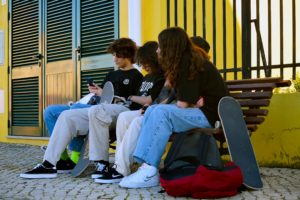
 The pursuit of a college degree in Venezuela has become a powerful testament to the resilience of its students. Amid a complex humanitarian crisis, these students bravely confront power outages, food shortages, unreliable transport and the breakdown of public institutions. Here is information about higher education in Venezuela and efforts to improve it.
Higher Education in Venezuela Under Pressure
Public universities operate with minimal budgets. Autonomous institutions struggle to maintain operations. Most professors earn $8 a month, making them the lowest-paid in Latin America.
These challenging conditions have led to a brain drain, delayed graduation timelines and a decline in academic quality. Yet, many universities continue to function, fueled by the unwavering commitment and resilience of students and professors.
Endurance
In interviews with The Borgen Project, students shared how endurance, not just academic effort, has helped them carry on.
Take Víctor Solórzano, for instance, who recently earned a degree in social communication from Universidad Católica Andrés Bello (UCAB). His college years were a mix of trauma, fun and enrichment. Balancing part-time jobs and scholarships, he navigated frequent blackouts and inflation. His motivation was the thought of his mother’s pride on his graduation day.
Meanwhile, Jeremy Mata, a computer science student at Universidad Nacional Experimental de Guayana (UNEG), is completing his thesis despite a shortage of faculty and materials. “Many professors left because their salaries couldn’t support them,” he said. He credited study groups with helping him stay focused. “For me, finishing this thesis proves I didn’t give up.”
Poverty, Inflation and Brain Drain
In Venezuela, university costs reflect the hardship students endure rather than traditional tuition rates. Hyperinflation has a severe impact on daily life and the education sector, with the government allocating only 2.6% of its budget to universities in 2024.
Electricity, water and internet access are far from reliable. According to the Venezuelan Universities Observatory (OBU), 95% of universities lack stable internet, and more than 80% experience frequent power and water outages. These issues interrupt classes regularly and limit access to digital learning tools.
On top of this, most professors earn under $10 per month, nowhere near enough to cover basic expenses. In 2024, a single household needed more than $530 a month to afford a basic food basket.
This situation is why more than 40% of professors have left their positions in the last three years. Those who stay often juggle multiple classes, skip meals or rely on outside jobs to make ends meet.
Professor Lilia (a pseudonym), who teaches at UNEG in the southern part of the country, said some of her students arrive at class without eating or miss lectures due to transportation issues. “Sometimes they don’t choose a career based on interest, but based on what’s available nearby or what they can afford,” she said. To keep classes going during outages, they often use WhatsApp voice notes or meet in person when possible.
According to the NGO Aula Abierta, between 40% and 70% of students have dropped out of their studies since 2023, mainly due to migration or a lack of financial means to continue.
Ramón Rivera Verde, a former university professor, witnessed this collapse up close. “My salary didn’t cover the basics. I resisted as long as I could,” he said. He now lives abroad but still follows the state of education in his country. “The resilience of the institutions that continue to serve students under impossible circumstances.”
Innovation as a Lifeline
Despite adversity, local organizations and universities have developed creative ways to support students. Fundación Andrés Bello, which is affiliated with the Universidad Católica Andrés Bello, offers scholarships, school supplies and community support to low-income students.
Meanwhile, the now-closed Alimenta la Solidaridad operated more than 300 community kitchens across Venezuela, providing daily meals to families and students. It ended activities in May 2025 due to a lack of government protection.
Cáritas de Venezuela is an organization that addresses malnutrition by distributing food and monitoring the health of children. Its work improves cognitive performance and helps students stay in school.
To respond to new challenges, UCAB launched shorter, job-oriented programs, such as associate degrees (TSU) in software design and occupational safety and insurance.
Students can also pursue technical certifications in areas such as cooking and pastry arts at CIAP-UCAB. These programs offer quick paths to employment. The UCAB Fashion Academy links design skills with income opportunities.
Looking Ahead
The higher education system in Venezuela faces significant challenges, but students and educators are addressing these issues through grassroots initiatives. Education becomes a form of resistance, providing hope for a brighter future.
– Su Ying Lee Yang
Su is based in Chicago, IL, USA and focuses on Good News for The Borgen Project.
Photo: Unsplash

Vocational Education Training Centers in Singapore
History of Singapore
Singapore’s growth does not come without issues. Before its independence, the British ruled Singapore, who saw the country as a trading center and did not have any interest in improving the region itself. During independence, Singapore’s citizens had an average income of $500. More than 70% of the citizens lived in poor conditions, and Singapore faced double digit rates of unemployment. During this time, Singapore wanted to design a formalized form of education in order to begin its industrialization and growth. Vocational education, which is a form of education that teaches individuals practical skills for the workforce, was an opportunity to swiftly equip Singapore’s population with the skills necessary for economic growth, and vocational training centers in Singapore were perfect for this task.
A New Future
In 2015, Singapore launched the SkillsFuture Initiative, a national movement that emphasized the need for skills relevance and paved the way for more vocational education. From there, vocational education training centers in Singapore began to form in all regions of Singapore in order to serve all demographics.
Singapore’s most major vocational education center is the Institute for Technical Education. This institution reformed curricula, created new initiatives and created a closer tie with the workforce and education. These institutions, alongside others, are responsible for the massive growth that Singapore’s economy has been going through because it teaches its citizens technical skills that can help benefit themselves and the country.
The Impact
The impact of Singapore’s vocational education training centers has been profound. Once vocational education began to improve with the newly elected government, benefits began to appear. Indeed, by 2005, graduates of vocational education centers had an employment rate of 90%, marking it one of the highest in the world.
The impact goes beyond individuals. By creating an educated population that understands the workforce and economy, Singapore has effectively created a workforce that wants to improve its own country. Technological innovation, medicine breakthroughs and manufacturing booms were the result of a workforce that is quickly growing in quantity and quality.
The Next Steps
The impact of vocational education training centers in Singapore has only just begun. Indeed, considering the short history of Singapore, experts project that the economy will only improve. Furthermore, as it is looking more towards expanding into the global market through its highly qualified workforce, more and more major companies are considering doing business in this small yet mighty country.
This will result in more economic growth and opportunities for the people of Singapore, and it is through that, the lives of the people in Singapore will continue to improve at impressive rates. What was once a region mistreated by its colonial owner has transformed into a hub of technological growth and global leadership. On top of topping the charts for impressive GDP growth, Singapore is a country that has improved each of its citizens’ lives through a transformed economy.
Due to a national movement that involved teaching Singaporeans technical skills, the vocational education centers have effectively transformed the area into the bustling region it is today.
– Kallen Zhou
Photo: Wikimedia Commons
Disability and Poverty in Rwanda
About Poverty in Rwanda
In Rwanda, poverty has decreased for the past two decades, with the Human Development Report (HDR) reporting that Rwanda’s Human Development Index (HDI) is ranked 159 of 193 countries. The gross network income is an estimated 2,971 in 2023, compared to 2013, which was 1,995. One of the direct causes of poverty in Rwanda is the corruption that has been prominent for 60 years. During the late 1950s to 1994, the genocide of Tutsi led to “thousands being displaced and forced to flee to neighboring countries.” Tutsis in Rwanda were unable to financially or physically provide care for themselves or their children due to the discrimination that they faced and the fear of being killed.
The genocide of Tutsis still impacts Rwanda because, according to journalists, Rwanda is “not free” regarding civil liberties such as freedom of speech, and points to a lack of free and fair elections. In addition to the genocide, there is no trust within the government and the people of Rwanda. Government corruption and lack of transparency damage public institutions by the misuse of funds, and the lack of equality between the government and its people, “reducing social trust.”
Disabilities in Rwanda
Poverty is a pipeline for disabilities. Physical work is essential to earning money in Rwanda as statistics from the Comprehensive Food Security and Vulnerability Analysis (CFSVA) “demonstrate that 90% of households are farmers and 83% raise livestock.” Certain physical and mental disabilities do not allow people to work in Rwanda. As statistics show, since 90% of households rely on physical labor, it is difficult for disabled individuals to financially provide for themselves. As a result, disabled individuals are likely to experience poverty unless they have a caretaker.
Causes of Disabilities in Rwanda
A disease that is likely to cause mobility issues, which then turns into a disability, is malaria. Malaria was a prominent issue in Rwanda, with the CDC reporting that travelers should take prescriptions for malaria medication before, during, and after a trip. With Rwanda being impoverished, malaria is unlikely to be treated due to the lack of funding that medical care does not receive, and as a result, people lose their limbs. However, statistics from the Malaria Journal demonstrate that malaria, from 2018 to 2023, has significantly decreased, with only 50,000 people dying from malaria in 2023 in staggering comparison to 2018, where 500,000 people, including children, died of malaria.
Malaria has rapidly decreased due to the increase in medical care provided by medical professionals. Medical professionals are more accessible in Rwanda, including impoverished areas. As a result, they diagnose malaria early on, and consequently, this leads to proper health care and treatment, preventing death.
Ignorance of disabilities in young children who live in poverty-stricken countries such as Rwanda leads to malnutrition, mistreatment, diseases and death. Specifically, children with physical disabilities like cerebral palsy and craniofacial deformities such as a cleft lip and palate are more likely to suffer due to neglect.
Prosthetics in Rwanda
For decades, individuals who have lost their limbs due to those circumstances were not able to have the proper care or financial stability to have options of having a prosthetic limb. Recently, that has changed. In 2020, UNDP Rwanda and “non-profit Swiss Limbs and Home de la Vierge des Pauvres (HPV) Gatagara Centre in Rwanda established a technology that creates state-of-the-art prosthetics.” The collaboration between the organizations produced around 2,000 devices to provide for the people of Rwanda who had lost some or full mobility in specific body parts.
According to Emile Niyonkuru, one of the technicians who has helped with the process of prosthetics, “Producing a positive cast of a corset to correct the posture of Jolie Mwubahamana, a 12-year-old girl with scoliosis, only took us one hour using 3D milling technology.” The use of prosthetics in Rwanda improves people’s quality of life by allowing them to choose a prosthetic if needed.
Disability and Poverty in Rwanda
Disability and poverty correlate in Rwanda because the lack of care for disabled individuals causes poverty in an already impoverished country. According to UNDP Rwanda, minorities, such as disabled people, are more likely to “systematically experience poorer health outcomes; lower educational achievements; less economic, political, and cultural participation; higher rates of poverty; increased dependency and less legal protection than others.”
The Development of Smart White Canes
The accommodations for disabled individuals have become more prominent over the last decade, with innovative inventions from other countries being imported to Rwanda, having a helpful impact on the disabled community. An example of this is smart white canes, a walking stick for people in Rwanda who are visually impaired. The UNDP Accelerator Lab, a local tech company in Rwanda called Beno Holdings and the Rwanda Union of the Blind developed the smart white cane in 2021. Amani Niyoyita, one of the pioneers and inventors of the cane, mentions that it is fully electronic, and that it “tracks where they are located because it has GPS of wherever they are. This means the stick can’t be stolen and go missing because it can be tracked using a mobile phone or machine using a software we have developed,” meaning that it is extremely reliable and convenient.
Looking Ahead
Rwanda still has the issue of poverty and the lack of social understanding from the government, but the country has taken many steps to elevate itself. Compared to the last decade since 2013, the life expectancy has increased by 3.1%, from 64.7 to 64.8. There is also an increase in care for disabled individuals via nonprofit organizations and collaborations to decrease poverty. With added resources for able people and to address disability and poverty in Rwanda, poverty in Rwanda is likely to decrease significantly over the next decade.
– Erin Lee
Photo: Pixabay
Addressing Diseases Impacting New Zealand
Diseases Impacting Children in New Zealand
Children in New Zealand are facing risks of disease. In 2020, immunization coverage of children six months or younger was at a healthy 80%. However, in 2022, that number has fallen to a dangerous 67%. This decline is especially concerning because the six-month mark is when government-funded vaccines typically protect children from serious illnesses like polio, pertussis (whooping cough) and diphtheria.
In certain parts of New Zealand, there has also been a large outbreak of measles. In 2019, measles infected more than 2,000 people in Auckland, and more than 5,000 people were infected in Samoa; most of the people affected by this were young children. Many of these children also live in the most impoverished, broken areas of the country and thus do not have access to the care they need.
It is not just children at risk of these diseases. Cardiovascular disease has impacted New Zealanders’ lives to the point where it accounts for one-third of all deaths in the country and almost one million people there live with cardiovascular disease. Other risk factors include a higher risk of heart disease and diabetes.
Solutions
The Institute of Environmental Science and Research, known as the ESR, is a branch of government that is directly responsible for protecting the health of people across the country. It works quickly to detect diseases that are ravaging local communities and broadcast early warnings of outbreaks. They also monitor the environment around them to catch imbalances in food and water supply to make sure that resources are being given to those who need them the most.
The New Zealand government has also worked quickly to address poverty in the nation, just as quickly as they have worked to combat diseases. In 2018, the government passed the Child Poverty Reduction Act, a “goal to halve child poverty and reduce it to 10% of children (on one measure) over 10 years – ie by 2028.” This legislation mentions improving the lives of young children by providing better access to primary care, food security and better household conditions. With these incentives in place, young children living in poverty have bright futures ahead of them.
– John Menechino
Photo: Unsplash
New Commitments: G7 Foreign Aid Investment Programs
What is the G7?
In 1975, the United States (U.S.), the United Kingdom (U.K.), France, Italy and West Germany established the Group of Six as a forum for noncommunist global powers to discuss international economic tensions. Since then, there have been additions and removals of member states, and its economic purposes continue to adapt in response to the geopolitical conflicts of the day.
In the 1980s, for example, leaders made efforts to increase engagement with human rights and global stability. Then, the beginning of the 21st century saw the prioritization of human rights and increased attention toward issues including climate change and gender equality. The group has also played a crucial role in uniting multilateral donors for project funding. In 2025, members are the U.S., the U.K., France, Japan, Germany, Italy and Canada, making it the G7.
ODA in the 2025 G7 Summit
Hosted in Kananaskis, Canada, the 2025 G7 summit prioritized Official Development Assistance (ODA) for peace and security, private investment and long-term prosperity through partnerships outside of the group. For 2025, the G7 foreign aid agenda included advancing the International Assistance Innovation Program (IAIP), which launched as a five-year pilot project under the Canadian G7 presidency in 2018. New announcements included the Private Capital Mobilization Initiative (PCMI) and a project to expand innovative financing to multilateral development banks.
The IAIP follows eight principles endorsed by G7 ministers responsible for humanitarian action and development assistance. These include promoting inclusive innovation, investing in locally-driven solutions, taking intelligent risks, using evidence to drive decision-making, seizing learning opportunities, ensuring the impact of innovations, facilitating multilateral collaboration, identifying scalable solutions and integrating proven innovations into larger programming. The 2025 summit announced a commitment of $290 million over a five-year period to promote the mobilization of private investment toward developing countries.
In addition, the PCMI project received an allocation of $101.3 million over five years to address the obstacles to private sector investment. This involves working with organizations such as the Global Infrastructure Facility and Scaling Capital for Sustainable Development (SCALE). Among other goals, the partnership aims to accelerate infrastructure projects and provide targeted support for project planning and de-risking instruments.
Finally, the Innovative Financing at Multilateral Development Banks Project has pledged up to $400 million to multilateral development banks through portfolio guarantees. The initiative focuses on developing countries in the Caribbean and Latin America, licensing the Inter-American Development Bank and the Caribbean Development Bank (CDB) to provide $1.6 billion in new financing to support development. The CDB itself received $200 million to be spent providing essential support for borrowing countries.
Looking Ahead
Though the G7 is an economy-focused coalition of democratic countries, its goals have included strengthening the economies of underdeveloped countries and collaboration with multilateral agencies. Under the Canadian Presidency, the 2025 G7 foreign aid achievements reflected this by mobilizing projects facilitating private sector investment, including guarantees protecting private investors from financial losses when investing in multilateral development banks. With governments slashing ODA budgets, encouraging the involvement of the private sector has the potential to stimulate a new era of investment in the developing world.
– Emily Galán
Photo: Flickr
Breadline Africa: Building Hope – One Container at a Time
The nonprofit has delivered classrooms, libraries, kitchens and safe toilets to areas where children lacked basic resources for more than 30 years. These spaces give young learners the chance to grow and learn in safe, nurturing environments.
What sets Breadline Africa apart is its creative use of shipping containers. The group began by transforming a single container into a functional space, and has since scaled the idea to help thousands of children across South Africa.
Since the First Shipping Container
Breadline Africa redeveloped its first shipping container into a piece of infrastructure in 1996. It was all a part of the Montagu Youth Project, which brought kitchens and classrooms to Rietvlei 2 Primary School.
The organization became known for its ability to convert shipping containers into safe and usable infrastructure for many school children across South Africa. It continues to develop containers into usable infrastructure well into modern times.
In July 2024, Breadline Africa raised millions of dollars to help redevelop hazardous pit latrines into new restrooms for more than 11,000 children across South Africa. With all its work in redeveloping infrastructure, Breadline Africa knew it could continue to aid school children by venturing into different avenues.
Feeding Programs and Run Initiatives
Breadline Africa also provides feeding programs for children across South Africa. These programs first started when the organization developed community kitchens for those in need of food during the COVID-19 pandemic.
The organization’s feeding programs soon became focused on school children through pre-school feeding in Western Cape and Gauteng and food parcels for children whose parents cannot provide them with school lunches. Breadline Africa has fed more than 4 million vulnerable people in need off its feeding programs alone, supporting “26 projects to provide more than 20,000 meals a week.”
The organization also acknowledges that children’s horizons are only broadened by new experiences. It has developed a run initiative that sends hundreds of children under the age of 7 on seaside outings every year, broadening said horizons.
Breadline Africa was able to provide another seaside outing to hundreds of children in January 2025 in Cape Town. For many of those children, that seaside outing was their first time experiencing the beach – allowing them an escape from their impoverished environments.
Breadline Africa’s Impact
Breadline Africa has left a massive impact on many children across South Africa. The organization has developed school houses for children, has raised parents’ involvement in funding for school to 61%, increased the amount of food supplies in schools by 67% and so much more.
Its work shows no signs of slowing down as the need for safe learning spaces and reliable meals continues to grow. Its efforts remain a lifeline for thousands of South African children striving for a better future. Individuals can support Breadline Africa’s missions in several ways. Donations help fund classrooms, kitchens, toilets and feeding programs that benefit children in under-resourced communities.
– Jaden Hartfield
Photo: Flickr
The Connection Between Disability and Poverty in Chad
Chad has seen a rise in refugees fleeing from the Sudanese Civil War, and notably, the population of disabled individuals has risen since the migration began. Here are some key facts about how the Sudanese Civil War affects disability and poverty in Chad.
Why They Flee
The most recent Sudanese Civil War began in 2023 as a result of conflict between two military forces within the country, forcing more than 15 million people from their homes. Between 10-15% of the Sudanese population is disabled due to the effects of living in a war zone and have common injuries and physical deficits such as amputated limbs, broken bones and severe burns that go on to affect the rest of people’s lives. Refugees from the war, particularly those with disabilities, have found themselves fleeing to the borders of Chad to escape the violence. Living in Chad allows some to find care for their impairments, whether these impairments be new onset or pre-existing.
The Marginalization of People With Disabilities
As is the case in other countries around the world, disabled people living in Chad find themselves disempowered. In the social hierarchy of Chad, disabled people are often the lowest tier of society. This is due to long-held ideas of prejudice against those who are less able, which can eventually result in social isolation and exclusion. Disability and poverty in Chad are beacons for each other, each one making the other more possible.
The Increase in Refugees
Due to the Sudanese Civil War, around 1.1 million Sudanese people have fled their country to Chad. This has caused a population surge in the already severe living conditions, resulting in a stark lack of shelter, clean water and access to medical assistance. Health care is often a distance from refugee camps, and people with specific disabilities can find themselves without a mode of transportation to get treatment. This discrepancy often emphasizes the difficulties that people with disabilities in poverty face in Chad.
Disability and Poverty in Chad
With disabled people in Chad often facing issues of transportation to places such as health care facilities and job opportunities, the difficulties of escaping poverty increases. If people cannot travel to a health care clinic, then they cannot receive treatment for their disabilities and, in turn, are unable to work. Another factor influencing the difficulty in finding work for disabled people in Chad is discrimination. People with disabilities are much less likely to be hired and lose out on opportunities to make money and help them improve their financial status.
Key Takeaways
While the poverty levels in Chad are increasing due to refugees from the Sudanese Civil War, countless organizations are working to assist the people living there. These organizations work to bring awareness to the issues that Chadians face, as well as to bring relief to them directly. Disabled refugees fleeing the Sudanese Civil War receive more opportunities in Chad than in Sudan. This does not imply a perfect standard of living, but it does imply an improved one. One organization that is key in the fight against disability and poverty in Chad is UNICEF. UNICEF offers key aid to Chadian and Sudanese youth by improving living conditions, supplying clean water and adding mental health support to refugee camps. Its work centers around bringing aid to Chadians and Sudanese refugees as they fight for the return to normalcy.
– Zoe Felder
Photo: Unsplash
Mpox in Burundi and Global Aid Efforts
While recent numbers suggest mpox infections are decreasing, Burundi still faces other deadly diseases and infections. The leading cause of death for people living in Burundi is lower respiratory infections, with malaria close behind at number two. Access to basic health care and infrastructure is a struggle many Burundi residents face. Nine out of 10 Burundians lack access to sufficient electricity and sanitation. Despite this, Mpox in Burundi is now on a slow declining rate with the help of global organizations.
Mpox (Clade I)
Burundi first declared the Mpox (Clade I) outbreak in July 2024. A few months prior, in April, Burundi suffered from severe flooding, which impacted nearly 250,000 people and left many more susceptible to pox. As of March 2025, there are more than 3,000 confirmed Mpox (Clade I) cases in Burundi. A multitude of factors, such as an overflowing population and restricted access to clean water and essential health care, initially caused Mpox in Burundi. This left many Burundi health care facilities overwhelmed and residents struggling to access necessary treatment.
During the peak of the Mpox outbreak in Burundi, infection rates in children rose substantially. In September 2024, UNICEF reported that in almost 600 cases, two-thirds of the affected population were children and the number of cases grew by more than 40% over the previous three weeks. This caused concern for many, as UNICEF reported that 80% of Mpox-related deaths are in children.
However, since 2025, there has been a noticeable decline in Mpox cases in Burundi. There are less than 50 new cases per week, which is around a 25% average decrease compared to case numbers during the peak of the Mpox outbreak. This accomplishment became possible due to the numerous organizations providing global aid to countries such as Burundi.
Global Aid Efforts
Health care in Burundi continues to face major challenges, particularly due to limited funding for the country’s health systems. In response, several organizations have developed targeted strategies to strengthen health care infrastructure and improve access. Here’s how some are helping residents in Burundi:
Conclusion
Addressing the health care crisis in Burundi requires global attention, community-based support and investment. While this issue is still widespread in Burundi and other countries, organizations like Village Health Works, Our Children International and UNICEF are making meaningful strides.
– Grace Johnson
Photo: Unsplash
Ending Child Poverty in Croatia
Child Poverty in Croatia: An Overview
As of 2023, the child poverty rate in Croatia stood at 16.1%, down from around 21% in 2014. Following its independence in the late 1990s, Croatia experienced significant economic changes during the early 2000s and 2010s, including the 2008 financial crisis and the 2019 COVID-19 pandemic. These events caused fluctuations in the number of lower-income families, directly impacting many Croatian children and their living conditions.
The prevalence of lower-income families directly impacts many Croatian children and their livelihoods. Currently:
These numbers are a product of many families not having access to the proper resources to support their families. Many parents have difficulty affording preschool or other necessities for their young children to strive in society. This upbringing creates a skills gap for many young people in Croatia, contributing to high youth unemployment rates.
Combating Child Poverty in Croatia
Several organizations support children living in poverty in Croatia to combat this disparity. One of the most notable is SOS Children’s Villages, which operates nationwide. SOS Children’s Villages has supported Croatian children without parental care since 1992, addressing child poverty head-on. It aims to end child poverty by protecting and supporting children in their care, helping them access education and building careers for adulthood.
The charity has kept 35 families together, provided safe homes for 140 kids and prepared 55 young people for independent living. Its social centers serve vulnerable families to help them climb out of poverty. Children in SOS Children’s Villages are supported in staying connected with their families and communities. At the same time, their strengths are nurtured as they grow and learn. Overall, SOS Children’s Villages provide children access to proper health and educational services. This support offers opportunities many might not have had outside the Villages.
Similarly, Caritas Croatia (Hrvatski Caritas) has been tackling child poverty and social exclusion through its wide-reaching network since 1992. Operating across more than 10 dioceses and hundreds of parish outlets, it assists vulnerable families, orphans, children with disabilities and war-affected youth. The organization has supported more than 5,000 children.
The Long Run
The long-term impact of SOS Children’s Villages clearly shows its commitment to combating child poverty in Croatia. The program lays a foundation for a future filled with career opportunities and self-sufficiency by providing children with a strong support network early on.
Looking ahead, SOS Children’s Villages have the potential to break the cycle of poverty by equipping Croatia’s youth with the resources they need for a fresh start and a brighter future.
– Angelina Tas
Photo: Flickr
Entrepreneurship in Kenya: Fueling Innovation Growth
The Hubs and Accelerators Powering New Ventures
Kenya’s startup ecosystem is underpinned by a network of accelerators and coworking hubs that support founders. Facilities like iHub have nurtured more than 450 alum ventures and connected more than 40,000 collaborators through mentorship programs, hackathons and investor showcases. Similarly, Nairobi Garage offers flexible workspaces, regular pitch events and introductions to local and international investors. These institutions foster collaboration, facilitate access to early-stage capital and help entrepreneurs refine their business models before scaling.
Success Stories: Kenyan Startups Changing the Game
Twiga Foods, founded in 2014, exemplifies rapid growth from a local startup to a regional powerhouse. The company links 13,000 smallholder farmers to more than 5,000 urban retailers by integrating a mobile ordering platform with M-Pesa payments. After securing a $10 million Series A round in 2017 and $30 million in 2019, Twiga closed a $50 million Series C in 2021, making it a leading player in Africa’s agri-tech ecosystem.
In contrast, Chpter, established in 2022, illustrates the promise of early-stage ventures. Its AI-powered conversational commerce chatbot is deployed on WhatsApp and Instagram. In September 2024, it secured $1.2 million in pre-seed funding to expand across Kenya and South Africa. These examples highlight the spectrum of success, from large-scale impact to nascent innovation.
The Real Challenges Kenyan Founders Face
Despite notable achievements, Kenyan entrepreneurs encounter persistent challenges. Early-stage funding remains scarce, with only about 5% of seed-funded startups advancing to a Series A round. Regulatory shifts, ranging from changes in company registration requirements to fluctuating tax policies, can delay product launches and inflate compliance costs. Moreover, infrastructural gaps, particularly in rural regions, hinder reliable logistics and market access, forcing many ventures to develop costly workarounds or partner with third-party distributors.
Sector Spotlight: Where Kenya’s Startups Are Betting Big
The sectoral landscape of Kenyan startups has diversified significantly. Historically, Fintech is the largest recipient of venture capital and accounts for roughly 13% of total funding, with mobile payment solutions and digital credit platforms driving initial growth. Cleantech has soared to represent 46% of equity investments, propelled by solar-irrigation firms such as SunCulture ($27.5 million raised) and electric mobility operators. Additionally, agritech continues to attract attention, making up 15% of funding; supply-chain management and crop monitoring innovations respond directly to agriculture’s role as the backbone of Kenya’s economy.
Beyond Borders: How Kenyan Startups Go Global
Kenyan startups are increasingly eyeing regional and global markets. Twiga Foods has extended its distribution model to neighboring countries, leveraging digital infrastructure and cross-border partnerships to scale rapidly. Similarly, fintech companies often integrate with payment networks across East Africa to serve the diaspora and streamline remittances. Programs like the World Bank–supported Startup Savanna initiative connect local entrepreneurs to international mentors and investors, facilitating market entry and regulatory navigation beyond Kenya’s borders.
Turning Innovation Into Impact: Startups Fighting Poverty
Entrepreneurship plays a pivotal role in Kenya’s fight against extreme poverty. The Youth Enterprise Development Fund provides affordable loans, training and market linkages to entrepreneurs aged 18–34, underpinned by Kenya Vision 2030. In parallel, a forthcoming Startup Act promises tax incentives and streamlined business registration to lower barriers to new ventures. By generating employment, fostering financial inclusion through digital platforms and improving agricultural livelihoods, startups contribute directly to poverty alleviation and community resilience. Furthermore, the combination of public-sector support and private-sector innovation underscores how homegrown enterprises drive sustainable socioeconomic change across Kenya.
Industry’s Proven Path vs. Startup Spark
Industrialization has been a cornerstone of poverty reduction and job creation in Kenya for decades. Manufacturing contributed 7.6% of GDP and generated more than 350,000 direct jobs in 2022. This underscores how factories and export‐oriented clusters have lifted communities from poverty through reliable employment. Under Vision 2030 and its “Big Four” agenda, the government aims to raise manufacturing’s share to 20% by 2030, bolstered by new industrial parks and streamlined tax incentives.
While industrial parks offer mass employment and proven supply chains, start-ups shine in agility and innovation. However, the real challenge and opportunity is blending these models. By channeling the entrepreneurial energy of small ventures into scalable manufacturing and service hubs, entrepreneurship in Kenya could honor the time-tested path of industrialization and unlock new frontiers in sustainable poverty alleviation.
– Alexander Broermann
Photo: Flickr
Higher Education in Venezuela
Higher Education in Venezuela Under Pressure
Public universities operate with minimal budgets. Autonomous institutions struggle to maintain operations. Most professors earn $8 a month, making them the lowest-paid in Latin America.
These challenging conditions have led to a brain drain, delayed graduation timelines and a decline in academic quality. Yet, many universities continue to function, fueled by the unwavering commitment and resilience of students and professors.
Endurance
In interviews with The Borgen Project, students shared how endurance, not just academic effort, has helped them carry on.
Take Víctor Solórzano, for instance, who recently earned a degree in social communication from Universidad Católica Andrés Bello (UCAB). His college years were a mix of trauma, fun and enrichment. Balancing part-time jobs and scholarships, he navigated frequent blackouts and inflation. His motivation was the thought of his mother’s pride on his graduation day.
Meanwhile, Jeremy Mata, a computer science student at Universidad Nacional Experimental de Guayana (UNEG), is completing his thesis despite a shortage of faculty and materials. “Many professors left because their salaries couldn’t support them,” he said. He credited study groups with helping him stay focused. “For me, finishing this thesis proves I didn’t give up.”
Poverty, Inflation and Brain Drain
In Venezuela, university costs reflect the hardship students endure rather than traditional tuition rates. Hyperinflation has a severe impact on daily life and the education sector, with the government allocating only 2.6% of its budget to universities in 2024.
Electricity, water and internet access are far from reliable. According to the Venezuelan Universities Observatory (OBU), 95% of universities lack stable internet, and more than 80% experience frequent power and water outages. These issues interrupt classes regularly and limit access to digital learning tools.
On top of this, most professors earn under $10 per month, nowhere near enough to cover basic expenses. In 2024, a single household needed more than $530 a month to afford a basic food basket.
This situation is why more than 40% of professors have left their positions in the last three years. Those who stay often juggle multiple classes, skip meals or rely on outside jobs to make ends meet.
Professor Lilia (a pseudonym), who teaches at UNEG in the southern part of the country, said some of her students arrive at class without eating or miss lectures due to transportation issues. “Sometimes they don’t choose a career based on interest, but based on what’s available nearby or what they can afford,” she said. To keep classes going during outages, they often use WhatsApp voice notes or meet in person when possible.
According to the NGO Aula Abierta, between 40% and 70% of students have dropped out of their studies since 2023, mainly due to migration or a lack of financial means to continue.
Ramón Rivera Verde, a former university professor, witnessed this collapse up close. “My salary didn’t cover the basics. I resisted as long as I could,” he said. He now lives abroad but still follows the state of education in his country. “The resilience of the institutions that continue to serve students under impossible circumstances.”
Innovation as a Lifeline
Despite adversity, local organizations and universities have developed creative ways to support students. Fundación Andrés Bello, which is affiliated with the Universidad Católica Andrés Bello, offers scholarships, school supplies and community support to low-income students.
Meanwhile, the now-closed Alimenta la Solidaridad operated more than 300 community kitchens across Venezuela, providing daily meals to families and students. It ended activities in May 2025 due to a lack of government protection.
Cáritas de Venezuela is an organization that addresses malnutrition by distributing food and monitoring the health of children. Its work improves cognitive performance and helps students stay in school.
To respond to new challenges, UCAB launched shorter, job-oriented programs, such as associate degrees (TSU) in software design and occupational safety and insurance.
Students can also pursue technical certifications in areas such as cooking and pastry arts at CIAP-UCAB. These programs offer quick paths to employment. The UCAB Fashion Academy links design skills with income opportunities.
Looking Ahead
The higher education system in Venezuela faces significant challenges, but students and educators are addressing these issues through grassroots initiatives. Education becomes a form of resistance, providing hope for a brighter future.
– Su Ying Lee Yang
Photo: Unsplash