Aid in Kenya: Reducing Malaria and Breaking the Cycle of Poverty
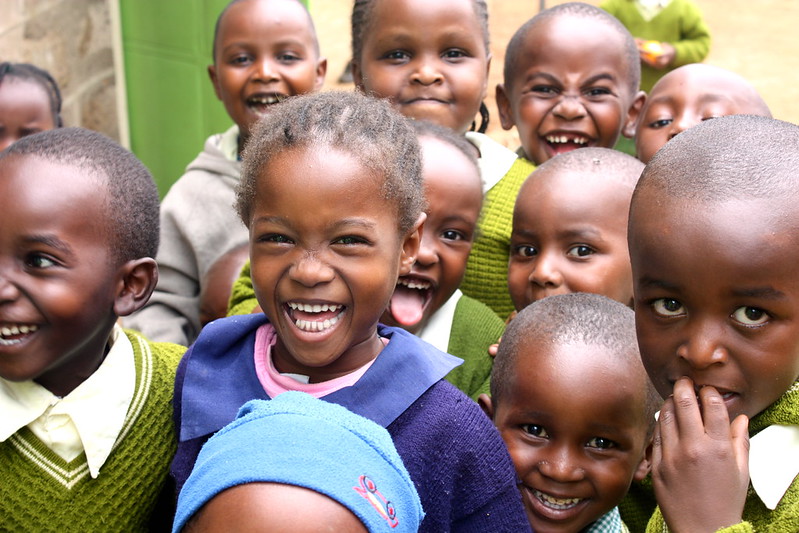 Kenya, a country on the rise in East Africa, has seen significant economic growth over the past decade, driven by political and economic reforms. Yet, despite these advances, two-thirds of its population still lives in poverty. This staggering level of poverty continues to hold back many communities, limiting access to basic services like health care, education and housing. The battle against malaria remains one of the greatest health challenges these communities face. This disease not only claims lives but also keeps many families trapped in the poverty cycle. United Kingdom (U.K.) Aid in Kenya, through the Global Fund, is helping to address this challenge, reducing the burden of malaria and, in turn, alleviating poverty.
Malaria and Poverty
Malaria is a leading cause of illness and death in Kenya, particularly in rural areas, where access to health care services is limited. Beyond the health toll, malaria places a significant economic burden on families. Frequent bouts of illness reduce household income, as adults are unable to work and children miss school. In communities where families live on less than $2.15 a day, these disruptions reinforce the poverty cycle. Health care costs, such as treatments and hospital visits, often result in further financial strain. However, U.K. Aid Kenya and local NGOs supported by the Global Fund are working to bring malaria under control.
With targeted interventions such as distributing insecticide-treated bed nets and providing access to treatment, malaria transmission can be significantly reduced. By lowering malaria prevalence, communities can improve productivity, reduce health care costs and increase educational opportunities—key factors in breaking the cycle of poverty.
UK Aid in Kenya: Supporting the Global Fund
Global Fund to Fight AIDS is one of the key international efforts in the fight against Tuberculosis and Malaria. The U.K. is one of the largest contributors to the Global Fund, having pledged £1 billion for 2024 to 2026, aimed at combating these diseases globally. In Kenya, the U.K.’s contributions play a crucial role in reducing malaria cases and breaking the cycle of poverty that often accompanies this disease. Through the Global Fund, U.K. aid supports local NGOs such as Amref Health Africa and Population Services Kenya (PS Kenya), which are pivotal in implementing malaria prevention programs.
These organizations distribute millions of insecticide-treated bed nets, provide life-saving treatments and lead educational campaigns to prevent the spread of malaria. With U.K. aid, these efforts have been scaled up in malaria-endemic areas of Kenya, improving both health and economic outcomes for affected communities.
Success Stories
- Amref Health Africa. Amref Health Africa, one of the largest health development organizations in Kenya, has been at the forefront of fighting malaria in rural areas. Supported by U.K. Aid through the Global Fund, Amref has made significant strides in malaria prevention and treatment. Amref has trained more than 1,591 Community Health Extension Workers (CHEWs) and 8,500 Community Health Volunteers (CHVs) across 10 malaria-endemic counties, enhancing early diagnosis and treatment of malaria at the household level. In Nandi and Kericho counties, an additional 165 CHEWs and 815 CHVs were trained specifically to improve malaria prevention among pregnant women. These interventions have contributed to significant improvements in malaria management and reduced the disease burden in high-risk areas.
- Population Services Kenya (PS Kenya). PS Kenya, supported by U.K. Aid through the Global Fund, has played a critical role in providing life-saving malaria treatments, particularly in Busia County, a malaria-endemic region in western Kenya. Through community case management, PS Kenya has tested more than 401,000 suspected malaria cases and treated more than 319,700 people with effective treatments such as artemether-lumefantrine in the past year. With 51% of cases managed at the community level by trained Community Health Promoters (CHPs), this intervention has significantly improved access to timely treatment. By focusing on vulnerable populations and enhancing community-based health systems, PS Kenya’s efforts are helping to alleviate the financial strain on families and reduce the incidence of malaria, which in turn contributes to breaking the cycle of poverty in affected regions.
Looking Forward
The U.K.’s aid support through the Global Fund has had a measurable impact on reducing malaria in Kenya. By funding local NGOs like Amref Health Africa and Population Services Kenya, U.K. aid is helping to reduce malaria transmission, lower health care costs and improve productivity in vulnerable communities. From 2010 to 2020, the prevalence of malaria in Kenya decreased by 49% nationwide, demonstrating the effectiveness and utmost importance of these interventions. Crucially, these health programs are addressing one of the root causes of poverty by reducing the economic strain caused by frequent illness and enabling families to invest in education and productivity. As Kenya continues to grow economically, eliminating malaria could be key to ensuring that all its citizens can thrive and share in the country’s prosperity.
– Safa Musa
Safa is based in London, UK and focuses on Global Health for The Borgen Project.
Photo: Flickr
