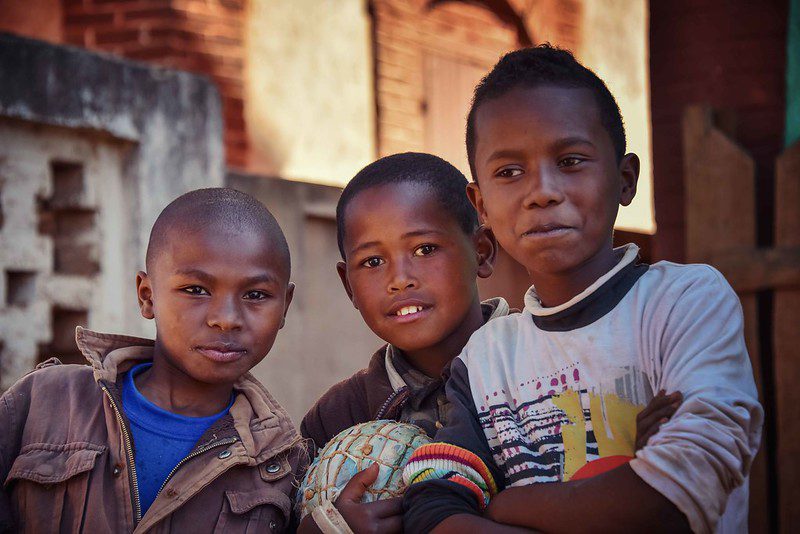
 Across Africa, where poverty, unemployment, and inequality often impact he potential of young people, football appears to be redrawing the lines. Such is the case in the heart of Kibera, Nairobi’s vast informal settlement, where a group of young women trains relentlessly at Kibera Soccer Women FC, the first team from an informal settlement to reach Kenya’s Premier League. Football academies in Africa are changing lives.
Football as a Health and Education Gateway
Kibera Soccer FC links training to community wellness: players serve as peer educators on sexual and reproductive health, gender-based violence and education advocacy, working alongside NGOs and schools. The club’s involvement helps destigmatise critical topics and guides peers to vital resources and services rarely available in informal settlements.
In Uganda, Kampala Kids League has engaged more than 16,000 children from 160 schools, minority communities and orphanages since 1998. Through football, basketball and even baseball, it provides structured play and life-skills lessons, delivered by more than 2,000 trained volunteers. Embedding sport in everyday life has helped keep kids in school and connected to community support.
Tackling Sexual Health and Gender Norms
In Malawi, the Health Goals Malawi project, run by the Liverpool School of Tropical Medicine in partnership with the LFC Foundation, used football to engage adolescent boys and young men aged 14–24 in HIV self-testing initiatives. During its first year, the programme distributed more than 3,300 self-test kits, resulting in a jump in self-reported testing rates from 53% to 83%. This sharp increase not only improved testing coverage but also helped normalise discussion around HIV, reducing stigma associated with knowing one’s status.
Meanwhile, in South Africa, WhizzKids United, a school-based 12-week football curriculum focused on HIV prevention, demonstrated significant behavioural impact. Evaluation studies found that participants showed greater HIV-related knowledge and reduced stigma compared to peers receiving only classroom education. The program also addressed gender norms: schools reported noticeable increases in respect and understanding between male and female students following sessions.
These approaches are proving that football pitches, traditionally reserved for footwork, can be influential platforms for action. By integrating self-testing access, role-model-led education and open conversations, such football-based health programmes are delivering measurable strides in HIV awareness, testing and gender-equitable attitudes across the region.
Sport-Based Employment and Soft Skills
Beyond health, football programmes are nurturing employability and entrepreneurship in youth facing unemployment. The Laureus Sport for Good SESLA fund has invested more than €150,000 per site into sport-driven youth employability projects. In Mozambique, a capoeira and football hybrid programme trains young people in leadership, peer mentoring and conflict resolution. These are all skills that local employers value.
Coaches Across Continents, active in 113 countries, including many African nations, reports that its training equips coaches to teach life skills alongside football. Its 2021 annual report highlights core programmes in “Choice for Women” and entrepreneurship, bridging sport with digital literacy and gender empowerment.
In Cameroon, the youth-focused JumpStart Academy Africa has expanded its leadership curriculum to include sport-derived modules, training more than 20,000 students in entrepreneurial leadership through teamwork, communication and problem-solving skills directly applicable to self-employment and small business ventures.
Building Peace and Community Cohesion
In Sierra Leone and Liberia, two countries still recovering from civil war, local football tournaments have united young people across ethnic divides, promoting peace and dialogue. Schools introduce “Fun Football” curricula in Nigeria that bring together displaced children and local youth, promoting inclusion, life skills and psychosocial healing. These initiatives go far beyond skills on the ball; they create peer networks, shared goals and community trust.
Anchoring Sport in Community Ecosystems
Football isn’t isolated; it’s embedded in community ecosystems. Charts show that in Kibera, players mentor younger peers as part of CFK Africa’s programs, developing continuity and local leadership.
In Kampala, organisations like Kids Club Kampala have doubled youth participation in football and mentoring sessions—reaching more than 64 regularly attending participants—with trained coaches providing emotional support, discipline and real-world advice to steer young boys away from crime and substance abuse.
Meanwhile, Coaches Across Continents has trained more than 74,000 coaches across 133 countries—including Uganda—to use sport as a platform for community leadership, gender equity and educational outcomes.
Football Academies in Africa
Football is one of Africa’s most accessible sports; ongoing trends suggest that it is one of its most effective tools for development. Whether by promoting health, education, peace or employment, football academies in Africa are helping youth unlock potential and build brighter futures. As these grassroots initiatives continue to grow, they offer a model of how sport could drive real, measurable change in the fight against poverty.
– James Harwood
James is based in England, UK and focuses on Good News and Global Health for The Borgen Project.
Photo: Flickr

US Support for Global Education
Legislative Efforts To Expand Access
Recognizing the critical role education plays in global development, U.S. lawmakers have introduced key legislative measures aimed at expanding educational opportunities in developing countries. Among these is the READ Act Reauthorization Act of 2023, which builds upon the foundation established by the Reinforcing Education Accountability in Development (READ) Act of 2017. This legislation reaffirms the United States’ commitment to improving educational systems abroad and is a cornerstone of U.S. support for global education.
A Bipartisan Push for Global Literacy
The READ Act Reauthorization Act of 2023 is a bipartisan initiative sponsored by Senators Dick Durbin (D-IL) and Marco Rubio (R-FL). The legislation prioritizes U.S. foreign assistance for educational programs in low-income countries. It aims to enhance foundational literacy, improve teacher training, ensure access to safe learning environments and extend educational opportunities for girls. This bipartisan support underscores the shared belief in the importance of education as a means to foster stability and prosperity worldwide.
Impact Since the READ Act Became Law
Since becoming law in 2017, the READ Act has served as a blueprint for U.S. efforts to expand access to quality education around the world. Backed by USAID, American-funded programs have focused on building foundational literacy skills, training teachers and creating safe, inclusive classrooms — especially in regions affected by conflict and poverty.
The impact has been far-reaching. In 2022 alone, USAID-supported basic education programs reached more than 33 million students and more than half a million educators across more than 50 countries, according to the agency’s Education Progress Report. These efforts are helping transform the lives of learners in some of the world’s most underserved communities.
With the READ Act’s reauthorization in 2024, the U.S. renewed its global education strategy through 2029 — this time with a sharper focus on accountability and equity. The updated bill prioritizes support for girls, displaced youth and children with disabilities, ensuring that American leadership continues to break down barriers to learning and create lasting opportunities for future generations.
Partnerships and Holistic Support Systems
The READ Act also encourages collaboration with local and community-based organizations to tailor educational interventions. For example, the Global Partnership for Education (GPE) works with 90 partner countries to support holistic approaches — including school meals, health programs and teacher training — that help children stay in school and succeed. By addressing barriers such as malnutrition and illness, these efforts create enabling environments for effective learning.
Empowering Girls Through Education
Girls in particular benefit significantly from these initiatives. In many parts of the world, girls are often the first to leave school due to crises, household responsibilities or systemic barriers. U.S.-backed global education efforts seek to address challenges such as the lack of sanitary facilities, child marriage and gender-based violence. Research shows that when girls stay in school longer, they are less likely to marry early, face health risks or live in poverty — and their future families are more likely to thrive.
A Strategic Foreign Policy Priority
For lawmakers like Senator Dick Durbin, global education is not just a humanitarian issue, it is a foreign policy priority. In a statement following the Senate’s passage of the READ Act Reauthorization, Durbin underscored the strategic value of investing in education worldwide:
“Doing so will ensure U.S. development programs continue to focus on providing basic education around a sound, long‑term strategy — one that includes making sure girls have access to schooling.”
The reauthorization came at a time of growing concern over pandemic-related learning loss and its long-term global impact. Durbin and his co-sponsor, Senator Marco Rubio, framed the legislation not only as a step toward educational equity but also as a strategic investment in global stability and U.S. national security.
A Broader Congressional Commitment
The READ Act Reauthorization is just one part of a broader bipartisan push in Congress to make global education a centerpiece of U.S. foreign policy. Lawmakers on both sides of the aisle are increasingly recognizing that supporting girls’ education and leadership is not just a moral imperative, it is a strategic one.
The Cost of Inaction
Failing to invest in global education risks deepening cycles of poverty and instability in vulnerable regions. Without adequate educational opportunities, communities are more likely to suffer from conflict, poor health outcomes and economic stagnation. Continued U.S. support for global education is not just a humanitarian necessity — it is a wise and forward-looking investment in global peace and prosperity.
– Polina Makarova
Photo: Unsplash
The Freeze on US Foreign Aid to Mexico
The Bigger Picture
Though the U.S. may only spend 1% of its federal budget on foreign aid, the impact is still strong. By withdrawing foreign aid to Mexico, the U.S. has hurt a lot of Mexico’s humanitarian organizations, ultimately hurting the people that are most in need. Some more examples of Mexican organizations affected by the freeze in foreign aid are Casa Frida, Comunidad AVES, Peace Oasis of the Holy Spirit Amparito shelter, Asylum Access Mexico and the Federal Mission Commission for Refugee Assistance. All of these organizations help asylum seekers and refugees with ranges of services.
Conversely, remittances from the U.S. to Mexico continue and are a strong source of foreign aid to Mexico. Remittances often work by Mexican immigrants working in the U.S. and sending the money they earn to their families back at home for a better means of life. Normal workers are leading this cash flow into Mexico, not the government, and they are not suitable for institutional humanitarian programs.
The Importance of Foreign Aid
Inequality threatens national security. According to the American Foreign Service Association, strategic foreign assistance can prevent instability, reduce the need for costly military interventions and strengthen global partnerships. It is never good to have one nation struggling so much, as it can lead to a potential uprising. Foreign aid has been a proven form of violence prevention.
One-third of Mexico’s population (or 36.3%) lived in poverty in 2022 and an additional 7.1% of Mexico’s population lived in extreme poverty. This is more than 40% of the population.
Given Mexico’s large population in poverty, foreign aid to Mexico is incredibly useful for the country. Mexico has used foreign aid in sectors like security and justice, economic development, humanitarian assistance and border security. An example of how foreign aid was used is in the Merida Initiative. This initiative fell under the security and justice sector and now La Merida is one of the safest places in Mexico. Foreign aid is important to Mexico.
Mexico’s Foreign Aid Outlook
Political analysts suggest that under their new president, Claudia Sheinbaum, Mexico may start investing more in regional humanitarian efforts, further positioning itself as a regional leader in Central America. Oxford Analytica reports that this shift could lead to increased support for international aid programs. Though the U.S. may not be sending foreign aid to Mexico for the time being, other countries are still offering their support like France, Japan, Uruguay, Chile and Spain.
The freeze on U.S. foreign aid to Mexico has led to widespread funding cuts for humanitarian organizations that support vulnerable populations. While remittances and other nations continue to provide support, the absence of the structured assistance that U.S. aid once offered is felt. With poverty affecting over 40% of Mexico’s population, the lack of foreign aid to Mexico hurts people in need. As Mexico navigates this change, the long-term effects of reduced U.S. support remain to be seen.
– Andrea Roji
Photo: Unsplash
Understanding the Gender Wage Gap in Bulgaria
The gender wage gap in Bulgaria serves as a key indicator of progress in economic and social gender equality. For every euro men make per hour, women earn 86 cents. By closing the gap, the risk of poverty amongst women and vulnerable groups can be significantly reduced.
The Gender Wage Gap in Bulgaria
The gender wage gap reflects the difference between the average hourly earnings of men and women. According to the European Commission, the gender wage gap in Bulgaria currently ranks 2% below the EU average of 16.2%, placing the gap at 14%.
A study that the Zangador Research Institute conducted reveals that the health care, finance and insurance sectors have the largest pay disparities. Women were found to earn more than men in just two fields: construction and support and administrative services.
Understanding the Gap
There are many underlying reasons that explain the gender wage gap in Bulgaria. Understanding the factors behind pay disparities helps highlight the specific challenges women face in the workplace.
Poverty Amongst Women in Bulgaria
Financial improvements in Bulgaria across 2006 to 2014 doubled the standard monthly wage for men and women. However, data from the Gender Equality Index in 2019 indicates 24% of women and 20% of men are still at risk of poverty. Single women faced the highest risk at 52%, followed by disabled women at 39%.
Reducing the gender wage gap in Bulgaria lowers the risk of poverty amongst women and helps create greater equality in the workforce. To secure economic empowerment for women in Bulgaria, policymakers must address the gender wage gap by establishing equality in the labor market.
What the Future Holds
Since joining the EU, Bulgaria has seen improved living standards, though income disparities persist. The 2021-2030 National Strategy for Promoting Gender Equality outlines concrete legal and policy measures to support disadvantaged groups. The Bulgarian government approved this strategy in 2020 and continues to lead efforts to eliminate gender inequality and social exclusion.
The program aims to establish equality between men and women in the workplace, reduce the gender wage gap and promote women’s economic independence. In 2021, the government upgraded the employment policy framework to strengthen women’s economic empowerment and increase their participation in the workforce.
The Ministry of Labor and Social Policy aims to implement key objectives of the Employment Priority Strategy. Policymakers will encourage employers to create jobs for disadvantaged groups, thereby increasing the participation of women from vulnerable communities. These measures directly support the core aims of Bulgaria’s National Development Program, specifically Objective 1: Eradication of poverty and Objective 5: Achieving Gender Equality and Empowerment of All Women and Girls.
Additionally, the EU Pay Transparency Directive will require employers to monitor and report gender pay statistics. Starting in June 2027, companies with 150 or more employees must submit annual reports using the prior year’s data. Businesses with 150-249 employees will report every three years, while those with more than 250 will report annually.
Looking Ahead
Ongoing policy initiatives signal a promising path towards narrowing the gender wage gap and advancing economic equality for women in Bulgaria. By actively addressing pay disparities, policymakers can reduce the risk of poverty amongst women and create more equitable economic opportunities across Bulgarian society.
– Beatrice Punt
Photo: Wikimedia Commons
Guinean Women’s Political Participation Strengthened
International Support and the Efficacy of Quotas
International organizations have been pivotal in supporting Guinea’s legislative progress. U.N. Women and the UNDP provided direct assistance to Guinean parliamentarians. Their support, part of a joint project that the Government of Canada funded, included technical assistance and advocacy efforts crucial for drafting the 2019 Law on Parity. These organizations continue to work on capacity-building initiatives, political leadership training, and mentorship programs for aspiring female politicians, focusing on essential skills such as campaign strategies and voter engagement.
Organizations like International IDEA document the effectiveness of legislated quotas in women’s political participation. Its research shows that quota systems aim to ensure women constitute at least a “critical minority” or even achieve “true gender balance.” Governments achieve this by creating pathways for women’s inclusion that might not otherwise exist. Countries that implement legislated candidate quotas consistently demonstrate higher women’s representation in both national parliaments and local governments compared to nations without such legislation. This highlights the transformative power of legal mandates in shaping political landscapes. Regional progress across West Africa also reflects this positive trend, with sub-Saharan Africa notably having 27% women legislators.
Barriers to Guinean Women’s Political Participation
Challenges in achieving full gender equality and mainstreaming persist in Guinea. Deep-rooted cultural norms, lack of awareness about women’s rights, poverty and weak enforcement of gender laws continue to hinder Guinean women’s political participation.
Guinea also ranks among the most gender-unequal nations globally, 182nd out of 191 countries in the UNDP’s 2021 Gender Inequality Index. This reflects systemic issues like poor education and health outcomes for women and girls, limited formal labor opportunities, and persistent child marriage practices.
Additionally, human rights reports indicate ongoing issues, including the state’s failure to protect women from gender-based violence, an obstacle to safe and meaningful civic and political engagement.
Implementation, Challenges, and Recent Developments
Despite its ambitious legal framework, its full application to the 2020 legislative elections faced initial hurdles. For instance, it was not fully implemented due to pending amendments to the Electoral Code.
However, Guinea has shown tangible progress in increasing women’s presence in government. A report indicated a 57% increase in women in government positions in 2021 compared to 2010. This surge included women holding nearly 31% of ministerial portfolios, although many of these roles were in “soft” portfolios, such as social and cultural affairs, suggesting that women still face challenges in securing leadership in more traditional “hard” sectors like defense or finance.
Further demonstrating a commitment to gender balance, the Transitional National Council (CNT), appointed in January 2022, included women in 29.6% of its seats as of February 2024—one of the highest proportions in Guinea’s legislative history, even within a transitional period.
Outlook for Women in Guinean Politics
As Guinea continues to implement and enforce the 2019 Law on Parity, sustained support from local leaders and international partners will be critical in building a pipeline of trained, empowered, and visible female leaders. The future of Guinean women’s political participation depends not only on law but on transforming the societal and structural systems that restrict opportunity.
– Cameron Jones
Photo: Flickr
3 Organizations Tackling Food Insecurity in Somalia
Extreme Weather Conditions
Hunger and food insecurity can lead to a range of social and economic problems. According to the WFP, these issues include protests over rising food prices and conflict over scarce resources. Chronic hunger also undermines personal well-being and productivity, especially for children, making it harder for them to succeed in school and continuing the cycle of poverty.
In recent years, Somalia has experienced increasingly extreme weather conditions, with the drought from 2020 to 2023 affecting more than 8 million people. Droughts have a devastating impact on food supplies by significantly reducing the water available for agriculture, further deepening the crisis. Also, agriculture is a large part of Somalia’s economy, contributing to 70% of the total Gross Domestic Product (GDP).
WFP, IRC and Action Against Hunger
The WFP is delivering life-saving food and nutrition assistance. In collaboration with the Somali government, WFP is implementing integrated programs aimed at building long-term food security, particularly for drought-affected households. In 2022, when Somalia was hit with severe rain, WFP delivered cash transfers to more than 100,000 people to help them recover from the climate disasters. The organization is working hard to recieve additional funding, particularly from the U.S. that will allow them to continue reaching approximately 820,000 people every month.
The IRC has been active in Somalia since 1981, supporting communities recovering from crises such as droughts and floods. By partnering with local civil society organizations and government institutions, the IRC provides targeted support to vulnerable populations, helping them rebuild after disasters and regain stability.
Another key player in fighting food insecurity in Somalia is Action Against Hunger, which has been making a significant impact since 1992. Currently reaching more than 1 million people, the organization focuses on delivering essential nutrition services to some of the country’s hardest-hit areas. Their efforts are crucial in addressing the challenges of food insecurity in the region.
The Work Never Stops
Through their dedicated efforts, these organizations are not only addressing immediate needs but also striving to find long-term solutions to break the cycle of food insecurity in Somalia. Their commitment provides hope while also highlighting the importance of continued support for this cause and the need to discover new ways to improve conditions in the country.
– Knia Parks
Photo: Flickr
Housing First: The Program Combatting Homelessness in France
However, with an ongoing lack of affordable housing, homelessness has become an increasingly real threat for many living in France. Those living in poverty often have nowhere to seek refuge and are forced into a life on the streets. In fact, the number of homeless households in France doubled from 141,500 in 2010 to 333,000 in 2023, illustrating France’s recent struggles to combat the rise of homelessness and poverty as a whole. In response to this ongoing crisis, France has adopted the Housing First model to create more affordable, permanent housing options, aiming to reduce the homeless population throughout the country.
The Housing First Model
The Housing First model is an approach that provides permanent supportive housing (PSH) for those struggling with homelessness. This model is based on the belief that housing stability is a critical foundation of life. With basic housing needs covered, beneficiaries are less likely to slip back into homelessness as they can better work towards a high quality of life while pursuing personal and professional goals without struggling for the bare necessities.
This focus on permanent supportive housing is known to be effective, as Housing First PSH programs have a 98% one-year housing retention rate. Crucially, this means that Housing First is not just a temporary solution to a larger issue, but a successful long-term solution.
Housing First differs from other models as it is non-discriminatory and highly flexible. While many approaches require beneficiaries to address all of their health problems and go through a long series of programs before receiving housing, Housing First has no prerequisites, making it a widely applicable solution to homelessness.
In France, as 440,000 homeless people moved into housing between 2018 and 2022, it is clear that the model has been highly effective since its implementation in 2017, according to the Homeless World Cup. Additionally, since 2017, France has opened more than 7,200 new boarding houses in 44 communities as it implements Housing First, providing reliable housing to those struggling with homelessness.
Five-Year Plan
In 2023, France published a five-year plan with Housing First to maintain and build on their success with the model since 2017, according to the 2023 government document. To continue combating the homelessness crisis, the plan focuses on three key pillars:
These pillars illustrate how France plans to reinforce an already successful program, allowing the model to expand and provide the maximum amount of aid possible to the homeless population sustainably for years to come.
The Future
While poverty and homelessness remain at the forefront of political and social thought in France, the adoption of the Housing First model is a clear sign of the French government’s commitment to improving its response to the ongoing housing crisis while improving the lives of those experiencing poverty by offering accessible and permanent housing. Although the homeless crisis is far from solved, Housing First is a sustainable, long-term solution improving the lives of those in poverty throughout 44 communities in France.
– Jack Schuchard
Photo: Wikimedia Commons
How Football Academies in Africa Are Changing Lives
Football as a Health and Education Gateway
Kibera Soccer FC links training to community wellness: players serve as peer educators on sexual and reproductive health, gender-based violence and education advocacy, working alongside NGOs and schools. The club’s involvement helps destigmatise critical topics and guides peers to vital resources and services rarely available in informal settlements.
In Uganda, Kampala Kids League has engaged more than 16,000 children from 160 schools, minority communities and orphanages since 1998. Through football, basketball and even baseball, it provides structured play and life-skills lessons, delivered by more than 2,000 trained volunteers. Embedding sport in everyday life has helped keep kids in school and connected to community support.
Tackling Sexual Health and Gender Norms
In Malawi, the Health Goals Malawi project, run by the Liverpool School of Tropical Medicine in partnership with the LFC Foundation, used football to engage adolescent boys and young men aged 14–24 in HIV self-testing initiatives. During its first year, the programme distributed more than 3,300 self-test kits, resulting in a jump in self-reported testing rates from 53% to 83%. This sharp increase not only improved testing coverage but also helped normalise discussion around HIV, reducing stigma associated with knowing one’s status.
Meanwhile, in South Africa, WhizzKids United, a school-based 12-week football curriculum focused on HIV prevention, demonstrated significant behavioural impact. Evaluation studies found that participants showed greater HIV-related knowledge and reduced stigma compared to peers receiving only classroom education. The program also addressed gender norms: schools reported noticeable increases in respect and understanding between male and female students following sessions.
These approaches are proving that football pitches, traditionally reserved for footwork, can be influential platforms for action. By integrating self-testing access, role-model-led education and open conversations, such football-based health programmes are delivering measurable strides in HIV awareness, testing and gender-equitable attitudes across the region.
Sport-Based Employment and Soft Skills
Beyond health, football programmes are nurturing employability and entrepreneurship in youth facing unemployment. The Laureus Sport for Good SESLA fund has invested more than €150,000 per site into sport-driven youth employability projects. In Mozambique, a capoeira and football hybrid programme trains young people in leadership, peer mentoring and conflict resolution. These are all skills that local employers value.
Coaches Across Continents, active in 113 countries, including many African nations, reports that its training equips coaches to teach life skills alongside football. Its 2021 annual report highlights core programmes in “Choice for Women” and entrepreneurship, bridging sport with digital literacy and gender empowerment.
In Cameroon, the youth-focused JumpStart Academy Africa has expanded its leadership curriculum to include sport-derived modules, training more than 20,000 students in entrepreneurial leadership through teamwork, communication and problem-solving skills directly applicable to self-employment and small business ventures.
Building Peace and Community Cohesion
In Sierra Leone and Liberia, two countries still recovering from civil war, local football tournaments have united young people across ethnic divides, promoting peace and dialogue. Schools introduce “Fun Football” curricula in Nigeria that bring together displaced children and local youth, promoting inclusion, life skills and psychosocial healing. These initiatives go far beyond skills on the ball; they create peer networks, shared goals and community trust.
Anchoring Sport in Community Ecosystems
Football isn’t isolated; it’s embedded in community ecosystems. Charts show that in Kibera, players mentor younger peers as part of CFK Africa’s programs, developing continuity and local leadership.
In Kampala, organisations like Kids Club Kampala have doubled youth participation in football and mentoring sessions—reaching more than 64 regularly attending participants—with trained coaches providing emotional support, discipline and real-world advice to steer young boys away from crime and substance abuse.
Meanwhile, Coaches Across Continents has trained more than 74,000 coaches across 133 countries—including Uganda—to use sport as a platform for community leadership, gender equity and educational outcomes.
Football Academies in Africa
Football is one of Africa’s most accessible sports; ongoing trends suggest that it is one of its most effective tools for development. Whether by promoting health, education, peace or employment, football academies in Africa are helping youth unlock potential and build brighter futures. As these grassroots initiatives continue to grow, they offer a model of how sport could drive real, measurable change in the fight against poverty.
– James Harwood
Photo: Flickr
Elderly Poverty in South Africa: Progress and Challenges
Multi-generational households are common in South Africa. South Africa’s population continues to age as the country progresses through the demographic transition. Living among close family members helps the elderly substantially, as roughly one quarter of South Africa’s elderly live on less than $100 a month. White South Africans accumulated inter-generational wealth and secured retirement benefits, while the apartheid regime denied the same opportunities to Black South Africans and those of Indian descent, according to Human Rights Watch.
Pensions and Politics
Remedying the problem began before the formal end of Apartheid. Under the leadership of F.W. de Klerk, pension amounts for black South Africans increased while white pension amounts reduced. This continued until 1994 when all groups formally equalized. Although Apartheid was formally abolished, the majority of Black South Africans lacked any form of private pension or financial safety in their old age.
After the peaceful transition of power, the new democratic government led by the African National Congress began constructing and expanding the Old Age Grant, which was to become the bedrock of South Africa’s Social Security. New amendments in 2008 equalized access by setting the age for both men and women at 60 to be able to file a claim. Adjusted for inflation, South Africa’s social grant expenditure has quadrupled since 1994. As of 2025, social assistance is a cornerstone of the welfare system, accounting for roughly 11% of the national budget.
Dynamics of Aging
Despite these efforts, elderly poverty remains a difficult policy area to tackle as the country’s leaders have to address the current needs as well as plan for future aging. Complicating the problem are the normal occurrences of health issues as a result of aging. Aging increases the risk for chronic diseases (hypertension, diabetes, arthritis), disabilities and frailty.
In South Africa, the health system is struggling to meet geriatric care needs. Primary care clinics are free and generally available, but they are often crowded and not elderly-friendly. The state offers a Grant-in-Aid, which equates to an extra R500 per month for pensioners who require full-time care, but this amount is grossly insufficient (R500 is less than the minimum wage for just one day of a caregiver’s labor).
Gaps in Elderly Support Services
In 2025, roughly 20 years after South Africa’s Older Persons Act became effective, the state is still struggling with filling its deficits. According to a recent University of Cape Town study, the Department of Social Development (DSD) allocates only about 2% of its older persons budget to services other than the pension.
Further complications emerge due to the program’s structure. Similar to programs like Medicare in the United States (U.S.), funding for these elderly programs is dependent on the state of residence. This structure, coupled with an inefficient inter-agency entanglement that potentially jeopardizes quality of life and health care, is often the dilemma many elderly South Africans face.
Filling the Deficits
In the current system, where government, private pensions and safety nets vastly underperform, nonprofit organizations are often the deciding factor between life and death. Fortunately, South Africa reportedly has a vibrant civil society sector that specializes in aging, stemming from church groups and charities that historically ran old age homes or feeding schemes for those excluded by Apartheid.
Among the notable systems is the Age-in-Action (the South African Council for the Aged). Founded in 1956, it is essentially a federation of organizations for older persons. These member organizations range from big provincial NGOs (like TAFTA in KwaZulu-Natal or BADISA in Western Cape) to small local elder clubs and religious charities. Together, they provide vital services to the elderly, often with minimal resources. According to its mission, it represents more than 2.7 million older people nationwide and has at least 800 member NGOs under its umbrella.
International aid has also been crucial. The United Nations Population Fund (UNFPA) and World Health Organization (WHO) are helping the government develop a National Strategy on Healthy Ageing, aligning with the United Nations (U.N.) Decade of Healthy Ageing (2021–2030). This strategy aims to incorporate older persons’ needs into public health planning.
At the grassroots, many communities have self-help groups for seniors. Stokvels (rotating savings clubs) among elderly women are common; they pool bits of their pension to save for emergencies or to start small vegetable gardens together. Churches also play a vital role as they often organize visits to sick elders, help with chores or run soup kitchens for the elderly. Traditional leadership structures in some rural areas also provide support. For example, chiefs might allocate a piece of communal land for an old age vegetable garden or community caregivers.
Future of Elderly Poverty in South Africa
Addressing elderly poverty in South Africa remains a collaborative process that continues to evolve, with ongoing efforts to expand support to meet current and future needs.
– Maxwell Marcello
Photo: Flickr
How the Youth Uplifts Communities from Violence in Colombia
History of Violence in Colombia
Colombia has a history of organized crime and violence. Most notorious were Colombia’s Cali Cartel and rival Medellín Cartel, led by Pablo Escobar. In the 1980s and 90s, each generated billions of dollars from trafficking Cocaine and ruled their territories ruthlessly. Escobar even waged a personal war against the Colombian government for a period.
These gangs in Colombia often targeted the youth for recruitment. Children tend to be more impressionable, vulnerable to violence or threats of violence. They can be targeted if they lack education or live in poverty, as they have fewer other opportunities.
These historic patterns appear to have re-emerged with the shooting of Turbay. The youth who shot him had reportedly been paid to do so, indicating there were additional factors at play. His young age and likelihood of facing far less harsh criminal penalties might have played a role in why he was targeted.
Employment Reducing Violence in Colombia
Despite violence remaining prevalent across Colombia, it has reduced significantly since the 1980s and 1990s. With some support, the youth have begun to find better opportunities and take their country a step in the right direction.
Access to employment has helped the youth improve their lives and lift themselves out of poverty. Research shows that unemployment and less access to income can result in increased rates of violence, so reducing these issues spells hope.
William Alarcon, former operational manager at AES, explains how two young women coming from typically more dangerous areas of Colombia gained employment at his company. “One of the ideas in the company where I work was to give the chance to some people coming from those areas, it’s a good idea… they were very good [at] labor. They also had the intention to study more, to learn more,” he says. As a result, they were able to benefit their communities and, in particular, their families and their children, so they wouldn’t have to go through the same struggle as they did.
Alarcon also recalled how gaining employment at 25 not only benefited him, but also gave him the chance to give back. “I could improve lives, I worked making aqueducts for people in rural areas… I was very happy to see the face of those people, the happiness of the people [when they received water to their house],” he says.
Education Reducing Violence in Colombia
Education also directly relates to poverty and, by extension, violence in Colombia. Research shows that more education is correlated with more and better career opportunities. Professional experience can be difficult to get at a young age with limited available positions, but education can offer valuable skills and knowledge, making young people more employable.
“The advice to young people is to study, at least to go to make a technical career and if they can, go to a university because,” says Alarcon. “I compare people who study, at the end, can get better lives, better things, they can travel, they can educate their children in a better way.”
He also recommends that the Colombian government promote and provide access to education, particularly in areas of violence, to give the youth more opportunities. A process that the Colombian government has begun to consider with recent initiatives.
Looking Ahead
Despite the history of violence in Colombia and some ongoing issues, the country has a hopeful future because of the hard work of its youngest and the support from those around them. Violence is still an issue, but some trends show signs of promise. Through employment, education and general self-improvement, the country’s youth can potentially reshape their future.
– Jesse Correll
Photo: Flickr
Poverty Reduction and Renewable Energy in Tajikistan
Tajikistan’s Energy Sector
The country’s energy sector is under considerable strain, especially during the winter months when energy demand peaks. Although statistics show that rural populations technically have near-universal electricity access, putting it to 100% access, around 1 million people still endure frequent blackouts and voltage fluctuations. These inconsistent supplies force many families to rely on coal and firewood for heating and cooking, which not only increases their daily burden but also exposes them to significant health risks due to indoor air pollution. These conditions also hinder productivity, restrict educational opportunities and strain public services such as health clinics and schools. Without reliable electricity, development, renewable energy and poverty reduction remain stunted in many parts of the country.
International Initiatives
In response to these challenges, a number of national and international initiatives have begun to promote the use of renewable energy in Tajikistan. To reduce wastage via energy loss, the European Union (EU), for example, has funded through a €20 million investment grant a strategy to modernise Tajikistan’s electricity grid, which will help update the grid to prepare for future renewable energy investments and lead to a much cleaner, renewable Tajikistan. Projects such as this allow rural areas to gain more access to the grid and consistent electricity, allowing critical institutions like schools and medical centers to operate without interruption.
The United Nations Development Programme (UNDP) has supported community-led hydropower projects in areas such as the Rasht Valley, empowering local authorities to manage and distribute energy resources more effectively. By focusing on local people, especially the youth, it enables the project to be fully accepted and utilised by the locals, allowing them the skills to fix any issues, but also find good, high-quality employment that leads to further success in renewable energy and poverty reduction.
Positive Outcomes and Ongoing Challenges
These renewable energy initiatives carry far-reaching socioeconomic benefits. Access to reliable electricity enables small businesses, such as tailoring, carpentry and food processing in order to operate more efficiently and extend their hours, thereby boosting household incomes. Electrified schools can incorporate digital tools and access online educational resources, while clinics can refrigerate vaccines and power medical equipment, greatly improving the quality of health care. In addition, shifting away from traditional fuels such as coal and firewood reduces indoor air pollution, which is a leading contributor to respiratory illnesses, especially among women and children.
Despite the positive outcomes, several barriers continue to hinder the large-scale adoption of renewable energy in Tajikistan. High upfront costs and limited access to domestic financing make it difficult to scale solar and micro-hydro projects. Climate change poses an additional threat, as unpredictable water flows from glacial melt and droughts may jeopardize the long-term viability of hydropower. Furthermore, cumbersome regulatory processes could discourage private investment and slow the implementation of new technologies.
Potential Solutions
To address these issues and realize its clean energy potential, Tajikistan may need to prioritize a combination of financial innovation and policy reform. Encouraging public-private partnerships could unlock new funding streams for decentralized renewable systems, especially in underserved rural areas. Expanding regional energy trade may allow the country to monetize its surplus hydropower during peak production periods. Investing in energy storage technologies, such as batteries and pumped hydro storage, could also help manage seasonal variations in supply and increase grid reliability.
Looking Forward
In conclusion, Tajikistan’s abundant renewable energy resources present an opportunity for renewable energy and poverty reduction and support sustainable development. By improving energy access, especially in rural areas, the country can potentially enhance public services, grow local economies and promote environmental health. With continued international collaboration and a strong domestic policy framework, there’s hope that Tajikistan can transform its energy sector into a cornerstone of resilience, prosperity and social equity.
– Max Jenkins
Photo: Flickr