Addressing Learning Poverty and Expanding Education in Chad
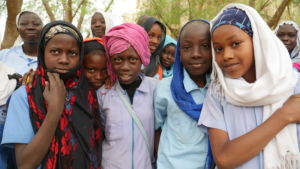 Chad is committed to enhancing primary, secondary and tertiary education. However, 44.8% of its 20 million citizens live in poverty and 94% experience learning poverty. According to the UNESCO Institute for Statistics, learning poverty—the inability to read age-appropriate text by age 10—contributes to low educational attainment. This widespread issue hinders individual progress, exacerbates the country’s human capital deficits and limits efforts to reduce poverty.
Education System in Chad
Chad’s education system consists of primary education (ages 6–11), lower secondary (ages 12–15), upper secondary (ages 16–18) and tertiary education, which includes trade schools, colleges and vocational schools. However, only about 3% of students complete the full program and just as few have access to tertiary education opportunities.
To address these challenges, Chad is committed to achieving Sustainable Development Goal 4 (SDG 4) to ensure inclusive and equitable quality education for primary and secondary students by 2030. With the support of local and international advocates, the country plans to increase government funding for education, improve teacher training, build more schools, prioritize education for girls and foster global partnerships to access additional resources and expertise.
Expanding Education Access in Chad
A standard vocational education program provides training for young adults who have completed formal education. Chad’s education system stands to benefit from such programs, but significant barriers remain. Nearly 49% of primary-aged children are out of school, with gender and socioeconomic status playing a major role in access to education. Additionally, Chad faced a deep educational crisis even before the COVID-19 pandemic and its current high rate of learning poverty requires immediate intervention rather than waiting for students to reach vocational training.
Chad is incorporating non-traditional programs into the education system to address these challenges. With support from various partners, Chad has developed initiatives that provide basic education to children and adults outside the formal system. These programs aim to close skill gaps, offer hands-on learning and accelerate job placement, helping to create more opportunities for those who might otherwise be left behind.
Nonformal Education Centers
The National Education and Civic Promotion program provides nonformal education to support socioeconomic integration across Chad. These centers offer out-of-school youth training in literacy, numeracy and vocational skills in their native languages, equipping them with essential competencies for better opportunities. Remarkably, more than 700 out-of-school children have been “reintegrated into the formal education sector” through nonformal education programs.
Additionally, more than 10,000 out-of-school women have received vocational training, improving their financial stability. Furthermore, more than 42,000 individuals aged 15 and older without formal education have completed literacy programs, underscoring Chad’s commitment to reducing illiteracy and expanding educational opportunities.
This effort aligns with the Global Partnership for Education (GPE) initiative, which awarded Chad a $50 million grant from 2018 to 2023 to address the country’s low literacy rates—where 60% of the population could not read. The grant aimed to expand educational access for both youth and adults while promoting social and gender equality. As a result, the Ministry of National Education and Civic Promotion introduced training programs that included nonformal basic education for adolescents aged 9 to 14, further strengthening Chad’s educational framework.
Other Projects Supporting Chad’s Education System
- Project Development Objective (PDOs): The PDOs initiative, established in Chad in 2019 by the World Bank and the International Development Association (IDA), further reinforces Chad’s educational efforts. Its mission is to enhance the skills of Chadian children and young adults, equipping them with the knowledge and competencies needed to contribute meaningfully to their communities. The initiative has provided employment support and improved entrepreneurship opportunities for youth, with more than 10,000 young people enrolled in various programs. Additionally, the project has placed 3,000 youth, 44% of whom are girls, in jobs in N’Djamena and 20 other provinces.
- The Center of Professional and Technical Training (CFPT): The CFPT is crucial in bridging the gap between education and employment. CFPT aims to expand opportunities for young people by offering professional and technical training. Its initiatives focus on upgrading existing colleges, providing first-work experiences and facilitating apprenticeships and internships—all designed to improve the transition from school to the workforce. The project has trained more than 1,000 students, equipping them with the essential skills and knowledge needed to succeed in the workforce.
- Chad Improving Learning Outcomes Project: In 2022, the IDA awarded Chad a $150 million grant to improve learning outcomes in its basic education programs. This initiative aims to provide students equitable access to quality learning environments. It provides learning opportunities to both in-school and out-of-school students by creating expanded learning spaces, addressing overcrowded classrooms and ensuring more inclusive educational opportunities.
Reflecting on Chad’s Educational Mission
The UNESCO Institute for Statistics emphasizes that schooling does not necessarily equate to learning, highlighting the need for improved education quality. According to UNESCO, poor schooling can lead to higher dropout rates, reinforcing the urgency for reform. In response, Chad’s educational programs focus on enhancing teacher instruction and offering basic skill training to address these challenges in nonformal settings. By refining the Chadian education plan, there is hope that the country’s high rate of learning poverty will gradually decline, creating better opportunities for future generations.
– Pamela A. Fenton
Pamela is based in Wall Township, NJ, USA and focuses on Good News for The Borgen Project.
Photo: Flickr
