The Connection Between Disability and Poverty in Chad
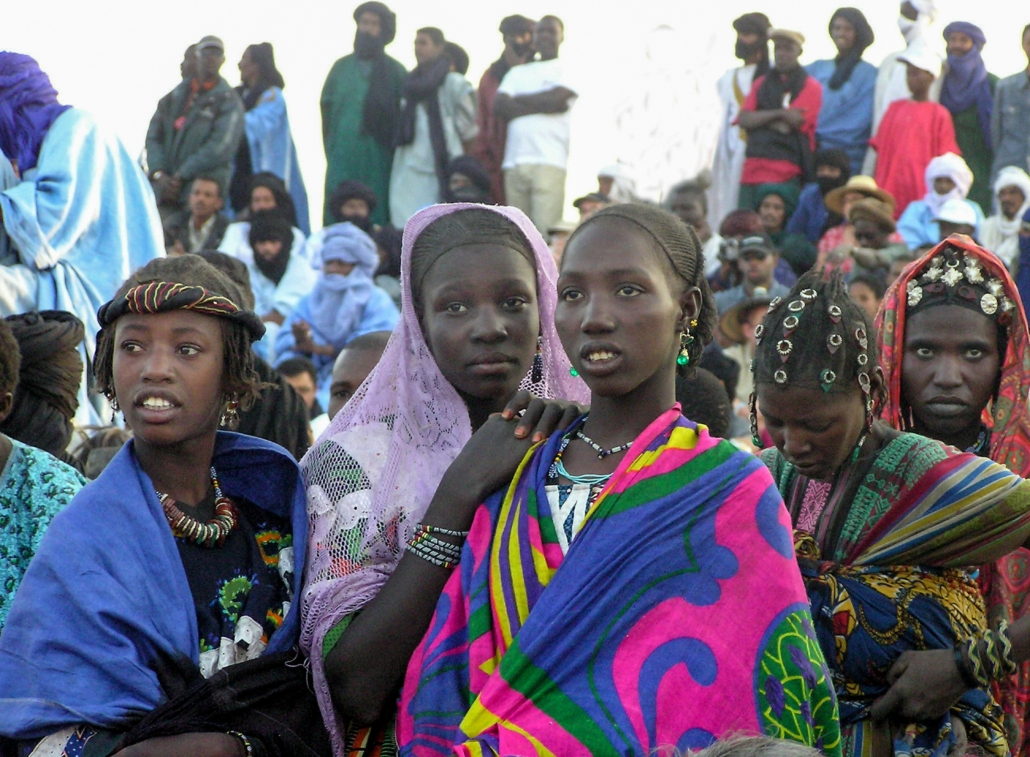 Chad is the largest landlocked country in Africa, as well as being the fifth largest country on the continent. It gained independence from being a French colony in 1960, and post-independence faced conflicts, internal and external, resulting in an unstable nation. Chad boasts a rich history and some experts believe it is one of the original places where humans developed as a species. In the modern day, Chad has a population of around 21 million people and has become a place of refuge for disabled Sudanese people displaced by the Sudanese Civil War.
Chad has seen a rise in refugees fleeing from the Sudanese Civil War, and notably, the population of disabled individuals has risen since the migration began. Here are some key facts about how the Sudanese Civil War affects disability and poverty in Chad.
Why They Flee
The most recent Sudanese Civil War began in 2023 as a result of conflict between two military forces within the country, forcing more than 15 million people from their homes. Between 10-15% of the Sudanese population is disabled due to the effects of living in a war zone and have common injuries and physical deficits such as amputated limbs, broken bones and severe burns that go on to affect the rest of people’s lives. Refugees from the war, particularly those with disabilities, have found themselves fleeing to the borders of Chad to escape the violence. Living in Chad allows some to find care for their impairments, whether these impairments be new onset or pre-existing.
The Marginalization of People With Disabilities
As is the case in other countries around the world, disabled people living in Chad find themselves disempowered. In the social hierarchy of Chad, disabled people are often the lowest tier of society. This is due to long-held ideas of prejudice against those who are less able, which can eventually result in social isolation and exclusion. Disability and poverty in Chad are beacons for each other, each one making the other more possible.
The Increase in Refugees
Due to the Sudanese Civil War, around 1.1 million Sudanese people have fled their country to Chad. This has caused a population surge in the already severe living conditions, resulting in a stark lack of shelter, clean water and access to medical assistance. Health care is often a distance from refugee camps, and people with specific disabilities can find themselves without a mode of transportation to get treatment. This discrepancy often emphasizes the difficulties that people with disabilities in poverty face in Chad.
Disability and Poverty in Chad
With disabled people in Chad often facing issues of transportation to places such as health care facilities and job opportunities, the difficulties of escaping poverty increases. If people cannot travel to a health care clinic, then they cannot receive treatment for their disabilities and, in turn, are unable to work. Another factor influencing the difficulty in finding work for disabled people in Chad is discrimination. People with disabilities are much less likely to be hired and lose out on opportunities to make money and help them improve their financial status.
Key Takeaways
While the poverty levels in Chad are increasing due to refugees from the Sudanese Civil War, countless organizations are working to assist the people living there. These organizations work to bring awareness to the issues that Chadians face, as well as to bring relief to them directly. Disabled refugees fleeing the Sudanese Civil War receive more opportunities in Chad than in Sudan. This does not imply a perfect standard of living, but it does imply an improved one. One organization that is key in the fight against disability and poverty in Chad is UNICEF. UNICEF offers key aid to Chadian and Sudanese youth by improving living conditions, supplying clean water and adding mental health support to refugee camps. Its work centers around bringing aid to Chadians and Sudanese refugees as they fight for the return to normalcy.
– Zoe Felder
Zoe is based in Charlotte, NC, USA and focuses on Global Health for The Borgen Project.
Photo: Unsplash
