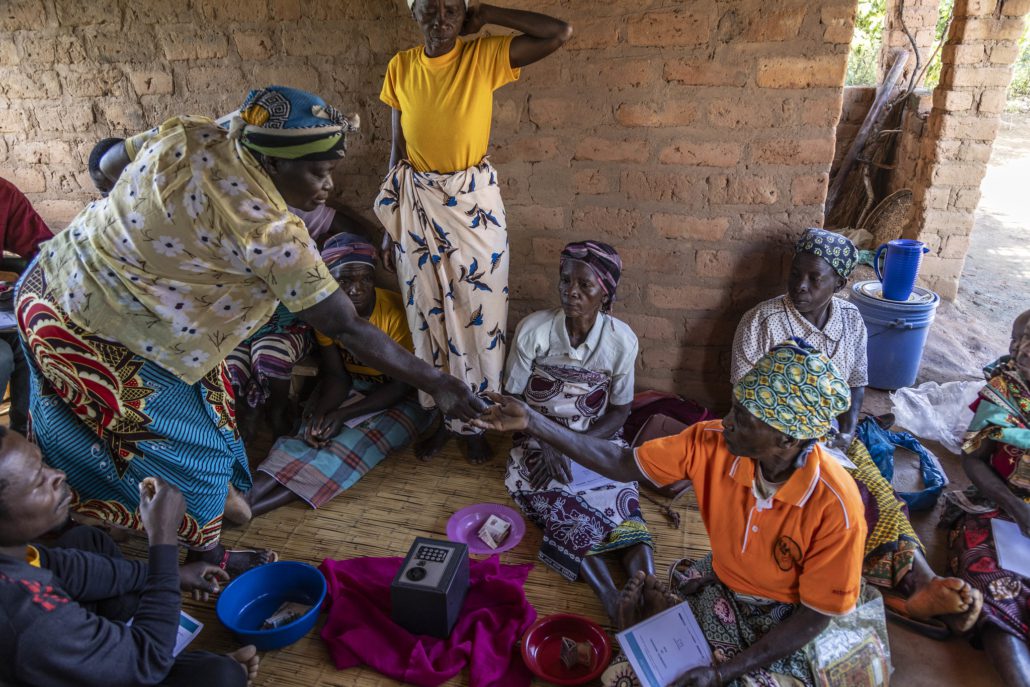
 Mozambique, situated in southeastern Africa, is endowed with a wealth of natural resources including extensive mineral deposits, fertile land and a coastline rich in fisheries. Despite this, the nation faces a multifaceted crisis of poverty that affects nearly three-quarters of its population. This troubling statistic underscores the dissonance between the country’s economic potential and the persistent structural and social barriers impeding progress. Mozambique’s development paradox presents a crucial case study in post-colonial economic transformation and resilience.
Historical Foundations of Poverty
Understanding poverty in Mozambique requires a historical lens. Portuguese colonialism, which lasted until 1975, focused primarily on extractive industries and left behind an economy devoid of inclusive infrastructure and educational foundations. After achieving independence, Mozambique plunged into a 15-year civil war, from 1977 to 1992, that devastated the nation’s institutional and economic frameworks. The conflict displaced millions, destroyed public services, and halted the creation of a cohesive national economy. The state emerged from the war with limited governance capacity, inadequate administrative reach and minimal investment in human development. These foundational deficits continue to shape the country’s developmental trajectory today.
Healthcare Access and Challenges
In the post-conflict era, Mozambique has struggled to establish a robust social support system capable of addressing widespread deprivation. The healthcare system remains deeply under-resourced, with vast rural regions experiencing severe shortages of personnel, medications and infrastructure. Fewer than half of all Mozambicans have access to consistent medical care, a situation that contributes to high rates of preventable diseases such as malaria, HIV/AIDS and tuberculosis. These conditions are especially severe in remote areas, where logistical challenges and resource constraints hamper public health initiatives. Urban centers, while marginally better equipped, still face frequent shortages and systemic inefficiencies that degrade care quality.
Barriers to Education
Parallel to the healthcare crisis is a deeply flawed education sector. Only a fraction of children complete primary school, and even fewer proceed to secondary or higher education. Schools often lack basic amenities, textbooks and qualified educators. The cost of uniforms, supplies and transportation further alienates impoverished families from educational opportunities. Moreover, the absence of targeted programs for girls and vulnerable populations exacerbates existing inequalities, creating cyclical disadvantages that span generations. Education is not merely a tool for individual advancement; in Mozambique, it remains a cornerstone yet to be fully constructed.
Environmental Instability and Agricultural Disruption
Environmental instability compounds Mozambique’s challenges. The country is acutely vulnerable to changing weather patters and experiences frequent natural disasters. In 2019, Cyclones Idai and Kenneth devastated the central and northern regions, resulting in widespread infrastructural collapse, agricultural ruin and humanitarian emergencies. These disasters displaced more than 2 million people and caused billions in economic losses. Annual floods and prolonged droughts further disrupt subsistence farming, upon which the majority of the population relies. The volatility of weather patterns presents a constant threat to food security and economic stability, particularly in rural communities with limited coping mechanisms.
Development Efforts and International Support
Nonetheless, there are glimmers of progress driven by collaborative development efforts. The World Bank’s Integrated Agriculture and Landscape Management Project, launched in 2017, has trained more than 100,000 smallholder farmers in climate-resilient practices, improving yields and ecological sustainability. By incorporating market linkages and conservation strategies, the program addresses both economic and environmental vulnerabilities. UNICEF has also made strides in improving educational and sanitation infrastructure. Its programs have facilitated access to clean water, distributed school supplies and implemented teacher training modules that aim to elevate education standards nationwide.
Strategies for Sustainable Growth
To achieve sustained poverty reduction, Mozambique must deepen institutional reform and expand access to essential services. In agriculture, this means scaling up irrigation networks, investing in value-added processing industries and improving transportation infrastructure to connect rural producers to urban markets. In health, comprehensive strategies including mobile clinics, expanded vaccination programs and rural hospital construction are critical. For education, policy must prioritize tuition-free schooling, inclusive curriculum design, and incentives for teachers to serve in under-resourced areas. Multidisciplinary approaches that integrate gender equity and digital inclusion are especially vital in fostering long-term resilience.
The Role of International Cooperation
Furthermore, Mozambique’s development hinges on regional cooperation and foreign investment rooted in equity and sustainability. Engagement with international partners must prioritize capacity building and local ownership of development initiatives. The country also stands to benefit from South-South Cooperation models that allow for knowledge transfer among similarly situated nations. Donor alignment, transparency in governance and civic engagement are essential pillars for ensuring that aid translates into transformative impact.
Looking Ahead
Ultimately, poverty in Mozambique is not a static condition but a dynamic challenge that history, policy, environment and global economics influence. With continued commitment to inclusive development, the nation has the opportunity to reimagine its socioeconomic trajectory. If Mozambique’s public and private sectors work in concert with international allies, the country could significantly reduce poverty, advance equity and build a more resilient future within a generation.
– Joseph Hasty
Joseph is based in Winter Park, FL, USA and focuses on Global Health for The Borgen Project.
Photo: Flickr

FIAFED: Uplifting Women and Communities in the DRC
Health Care Initiatives
In 2008, FIAFED opened Centre De Santé Moïse K. to serve the rural village of Bungu Bungu and neighboring communities. The Centre has treated thousands of individuals for malaria, malnutrition, cholera and a number of other conditions and diseases which would have otherwise ravaged local populations. Around two years later, the organization decided to open a maternity clinic in the area as well, the Maternité Robert Levi, which has recorded hundreds of deliveries and provided further relief to Bungu Bungu and many adjacent communities.
FIAFED additionally acted as an “initiator and mobilizer of funds” for the construction and operation of Centre De Santé Prince Pascal K., a medical facility which provides clinical care similar to the organization’s first-built health center. It also expanded its services to include maternal care. Speaking on FIAFED’s mission after the construction of the clinic, Mrs. Kayembe let Radio Okapi know that, “In Djino, there was no clinic. We thought of Djino, Ndea and Katutu. Because there are many cases of malaria and typhoid fever, poorly treated or never treated at all.”
Though not involved directly, the organization is also a major benefactor of Centre De Santé Uchungu Wa Muzazi, which provides clinical and maternal care for the commune city of Katuba, located within Lubumbashi – The DRC’s ‘second city.’ Such efforts suggest that FIAFED works not only to support rural communities but also urban ones, which face their own unique struggles when attempting to access medical care.
Expanding Access to Education
Beyond providing direct medical aid to underserved communities, FIAFED also works to provide stable education to children who lack proper access to schooling, opening two primary schools and acting as a pillar of support for a distinguished local girls’ boarding school. C.S. Les Huit Colombes – also located in Bungu Bungu – was the organization’s first ever construction project and brought schooling to a region which was in dire need of it. Of the region’s 5,000 inhabitants at the time of construction, 80% of children were unable to access proper schooling and most had to walk more than 10 kilometers a day to get to class.
In 2010, FIAFED opened E.P. Princesse Onda Onda Numbi in the Kabalo Territory, located within the Taganiyka Province. Here the work has centered around the education of girls in the region, with the organization’s website stating that, “The objective of the establishment of the [school] is to encourage girls to study more and thus fight against early marriage … and other kinds of evils which discourage girls from pursuing their studies.” FIAFED has also long been a dedicated patron of Lycée Lubusha, one of the most renowned girls’ boarding schools in the DRC, located within a mining town roughly 80 km from Lubumbashi. Despite the school’s status, it has been in danger of demolition and disruption for quite some time due to surrounding mining efforts.
Vocational Training and Social Support
Beyond schooling, FIAFED also understands the importance of training and caring for acutely disadvantaged individuals who may not have the ability or time to pursue proper schooling. In 2006, it opened the Coupe Et Couture Centre De Formation, to care for and provide vocational training to “Single mothers, orphans, widows and other disadvantaged women.” The training center has provided cutting and sewing training to hundreds of women and orphans in Kinshasa, the capital of the DRC.
This was followed up four years later with the opening of the Foyer Social Elizabeth Kayembe, a social home and training center in the Kabalo Territory for disadvantaged women, especially those who have experienced sexual violence. The home gives these women a place to rehabilitate their confidence, often torn apart by the world around them. It also provides a litany of vocational and general life training, in an effort to prepare women as they work to re-enter their communities.
Lasting Impact in the DRC
Working tirelessly for more than 20 years, FIAFED has managed to teach thousands of pupils in their schools, deliver thousands of children at their maternity clinics, treat tens of thousands of patients at their health clinics and assist hundreds of orphans and disadvantaged women at their social care centers. An impact that has yet to gain international attention.
– Alex Degterev
Photo: Flickr
Midwife Training Reduces Maternal Mortality in South Sudan
A 2017 estimate claimed that health care professionals are only present in one of five childbirths in South Sudan. The majority of South Sudanese mothers give birth in unsanitary and isolated conditions. Forced marriage and adolescent pregnancies are common. A girl in South Sudan is more likely to die of childbirth than finish secondary school. However, maternal health improvement has occurred in the recent decade.
While mortality rates are still high, recent years have shown a decrease: from 2,054 maternal deaths per 100,000 births in 2010 to 1,223 deaths per 100,000 births in 2020. A massive reason for the past decade’s reduction of maternal mortality in South Sudan is an increase in trained midwives.
Hope for South Sudanese Mothers: A Midwife Training Institute
In 2010, the Sudan Relief Fund partnered with Solidarity for South Sudan to support establishing the Catholic Health Training Institute (CHTI). This institute trains young South Sudanese to become certified midwives and nurses in Wau, South Sudan. Its goal is to provide necessary health care to women in need, ultimately reducing the startling rate of maternal mortality in South Sudan.
The institute began with 18 inaugural students but has five times the enrollment today. Notably, one-third of the institute’s students are women. This is a remarkable statistic considering the educational gender gap in South Sudan. The institute serves as a temporary home for its students, providing them with dormitory housing and land to cultivate for the institute’s collective food service. Attending students come from various regions and tribal groups with a shared goal of reducing maternal mortality in South Sudan.
Education
Midwife certification requires a rigorous, 3-year education at Wau’s CHTI. National and foreign medical personnel work together to operate CHTI education. After passing an entrance exam, students are taken through thorough academic study. Students attend lectures and classroom lessons for the entire first year of their program.
Second-year students are taken to hospital facilities to practice hands-on skills such as maternal examinations, IV and immunization insertion and emergency skills like infant rehabilitation. In their third year of study, students are provided internships at Wau Teaching Hospital. Midwifery students will spend time focusing on antenatal care (ANC), learning to care for mothers throughout pregnancy and delivery.
First aid training and disease prevention education are also services provided to CHTI students. Meticulous training prepares CHTI students to impact maternal mortality in South Sudan positively.
Certification
As a result of its excellent education, CHTI renders certified and passionate health care professionals. Since its founding in 2010, the program has educated students to earn their Diploma in Nursing (RN). In 2012, a second certification was added, allowing students to receive a Diploma in Midwifery (RM). CHTI was labeled as the top-performing school of nursing and midwifery in the 2024 National Examination by the South Sudan Ministry of Health. CHTI graduates are among the nation’s first certified midwives, a massive step toward the reduction of maternal mortality in South Sudan.
Hope for Maternal Health Improvement in South Sudan
Prior to the CHTI’s establishment, the nation only had 10 obstetricians and four pediatricians in total, according to the 2010 issue of the South Sudan Medical Journal. A decade of midwife training has produced more than 350 CHTI graduates. About 85% of the institute’s graduates are currently employed in local hospitals and NGOs.
With a certification in nursing and midwifery, CHTI graduates utilize their skills to aid mothers in safe pregnancy and delivery. Additionally, women are increasing in the institute’s enrollment, a factor further improving health outcomes for female patients. At the program’s graduation, students are ceremonially labeled as “beacons of hope” for their communities.
With organizations like the Sudan Relief Fund and Solidarity with Sudan’s support, CHTI is able to run amid conflict and crisis, encouraging mass reduction of maternal mortality in South Sudan.
– Helen Cusick
Photo: Flickr
Being Poor in Nicaragua: Life on the Edge of Survival
A Nation of Beauty and Inequality
Nicaragua, bordered by Honduras and Costa Rica, is known for its volcanoes, lakes and vibrant culture. Yet for many of its citizens—especially in rural areas— economic fragility overshadows these scenic images. According to the World Bank, approximately 12.5% of the population lived below the international poverty line of $3.65 per day in 2023.
This figure masks deeper inequalities. About 73% of the rural population depends on agriculture, where work is seasonal and wages are low. Failed harvests are not only financial setbacks—they often mean food insecurity for entire families, according to the World Food Programme (WFP).
Adding to the challenge, remittances made up 26% of Nicaragua’s GDP in 2023, according to the World Bank. This reliance on income from abroad highlights the painful fact that many families survive only because loved ones have left home.
The Human Face of Poverty
Being poor in Nicaragua means limited access to clean water, health care and education. In rural communities, homes are often built with scrap materials and lack proper toilets or plumbing. Children face high rates of malnutrition and many families struggle to meet even the most basic dietary needs.
Environmental disasters only make things worse. Hurricanes, flooding and droughts are common and can wipe out crops, damage homes and isolate villages. The Food and Agriculture Organization (FAO) has warned that extreme weather events often reverse development gains, keeping families trapped in poverty.
Political and Economic Tensions
Politics in Nicaragua remain tense. The government, led by President Daniel Ortega, has received criticism for stifling opposition and limiting freedoms. These issues have led to international sanctions and reduced foreign investment, which affects funding for public services and development programs.
Although the International Monetary Fund (IMF) projected Nicaragua’s economy would grow by 3.6% in 2024, many of the country’s poorest people are not feeling the impact. Growth often benefits urban centers or large businesses, leaving rural communities behind.
Solutions
Despite these challenges, local and international organizations are working to make a difference. Opportunity International has been active in Nicaragua for nearly 20 years, partnering with micro-entrepreneurs to build sustainable businesses that help families lift themselves out of poverty.
Support also comes from other NGOs. The Fabretto Foundation is improving education in under-resourced areas by training teachers and equipping rural classrooms. Meanwhile, Catholic Relief Services helps farmers manage climate risks through sustainable practices such as soil conservation and drought-resistant crops, building long-term resilience in vulnerable communities.
Final Thoughts
Being poor in Nicaragua means living with uncertainty, but it does not have to stay that way. With targeted policies, community-driven efforts and international support, progress is possible. Each step forward—whether it is a harvest that survives the season, a child finishing school or a family opening a small shop—brings hope that poverty in Nicaragua can be challenged and one day, overcome.
– Charlie Baker
Photo: Unsplash
Digital Birth Registration in Nigeria
In partnership with UNICEF and the National Population Commission (NPC), the Nigerian government has launched an ambitious initiative to digitize birth registration in Nigeria. It aims to do this through an integrated Electronic Civil Registration and Vital Statistics (e-CRVS) system. The program aims to register more than nine million under 5 children and five million infants using mobile devices and a cloud-based digital database.
How Digital Registration Works
The pilot phase of the e-CRVS program was active at test sites in Nasarawa, Lagos, Kano, Borno and Enugu states, where local health facilities and mobile teams register children at the point of care. Digital tables and software allow frontline workers to capture live birth data and instantly generate certificates. The system is linked to Nigeria’s National Identity Number (NIN) platform, operated by the National Identity Management Commission (NIMC), ensuring each child receives a permanent identity number for life.
This integration allows public institutions to cross-reference birth records with healthcare, immunization and education systems. It also makes tracking child development easier, planning vaccine campaigns and ensuring social services reach the most vulnerable.
Health Benefits of Legal Identity
A legal identity is not just a certificate but a gateway to health equity. According to UNICEF, children enrolled through digital birth registration in Nigeria are more likely to be vaccinated, receive medical care earlier and attend school. In regions with low birth registration, health systems often struggle to track and follow up with children who miss vaccines or drop off routine care schedules.
Digital birth registration allows real-time data to be shared with national immunization registries, helping ministries of health identify gaps, forecast demand and avoid supply chain breakdowns. This is particularly crucial in rural areas where children are most at risk of preventable disease and malnutrition.
Supporting Sustainable Development Goals
Nigeria’s digital birth registration initiative aligns with Sustainable Development Goal (SDG) 16.9, which calls for providing legal identity for all, including birth registration, by 2030. The initiative also contributes to broader SDGs focused on child health (SDG 3), inclusive education (SDG 4) and gender equality (SDG 5) by ensuring that girls and boys alike are counted and protected from birth.
Final Remarks
According to the latest edition of the ID4D Global Dataset, approximately 1.25 billion people do not have a digitally verifiable identity, primarily due to documentary requirements and distance to registration points. Many of these people reported the consequences following them into adulthood through financial and technological barriers. Nigeria’s scalable model could serve as a blueprint for other low and middle-income countries seeking to close the identity gap.
By digitizing birth registration, Nigeria is improving access to basic health and education services and restoring visibility, dignity and protection to millions of children who have long been left out of the system. As implementation continues, the program could reshape how governments track child welfare, deliver public services and uphold the rights of every child, starting from day one.
– Rebecca Lee
Photo: Flickr
Disability and Poverty in Paraguay
Discrepancies in Disability
Though disability rates remain relatively the same across rural and urban areas, a difference exists across gender. Disability rates are nearly doubled in women at 9.7% versus 4% in men. Women make up 71% of the total disabled population in Paraguay and only 49% of non-disabled individuals.
Regarding education and employment, disabled individuals fall behind when compared with their able-bodied counterparts. For one, individuals with disabilities typically complete 0.45 fewer years of education. Additionally, 56% of individuals with disabilities complete primary school versus 72% of able-bodied individuals.
Only 49% of individuals with disabilities are employed compared with the 65% of able-bodied individuals that are employed. This gap becomes even more apparent in rural areas, where 47% of disabled individuals are employed versus 66% of able-bodied individuals. Disabled individuals are also more likely to be self-employed than able-bodied individuals (68% versus 52%).
Disability and Poverty in Paraguay
There exists a relationship between disability and poverty in Paraguay. Households with disabilities typically own fewer assets than other households. Disabled households have an asset index of 48.23, while other households have an asset index of 51.73. Households with disabilities also face higher poverty rates than those without disabilities. In both rural and urban areas, households with disabilities face a 40% poverty rate while able-bodied households face a 29% poverty rate. Notably, 9.06% of impoverished households have a disability, while only 5.93% of non-impoverished households have a disability.
Making Changes
A meeting with the Committee on the Rights of Persons with Disabilities revealed that Paraguay is taking strides to improve the conditions of life for its disabled population. For one, Paraguay has started compiling an atlas of disabled individuals. Additionally, Paraguay’s Permanent Representative to the United Nations Marcelo Scappinni Ricciardi stated that Paraguay’s “National Secretary for the Human Rights of Persons with Disabilities had implemented a biopsychosocial model of disability with a rights-based approach.” By this model, Paraguay has established a method to monitor its progress with regard to disabled persons.
Legal Changes in Paraguay
Paraguay’s government has made various legal changes to improve conditions for individuals with disabilities. Created in 2013, Law 5136, for instance, enhances education for disabled students. This is achieved by promoting the use of accessible resources (teachers, technology, etc.) and prohibiting discrimination from members of the educational community. Not only has this law formed a more equitable environment for learning, but it also has initiated further action, providing opportunities for gifted students.
Meanwhile, Law 5421, which Paraguay implemented in 2015, forbids discrimination against disabled persons in the workplace and mandates that training services must be at least 5% aimed at individuals with disabilities. In passing this law, Paraguay creates equal opportunity to disabled individuals to seek job training and employment.
Law 6354, which Paraguay created in 2019, ensures that at least one official trained to communicate with hard-of-hearing individuals is in every State entity. This was closely followed by Law 6530 in 2020, which officially recognizes Paraguayan Sign Language. Both 6354 and 6530 have spurred the inclusion of sign language in both its education and public service sectors. Paraguay has also taken additional steps to improve mental health care.
By improving both its educational and working environment for individuals with disabilities, Paraguay promotes equal opportunity. Furthermore, this reduces the disparity in poverty rates between its disabled and able-bodied populations. In this way, the government fights disability and poverty in Paraguay.
Looking Ahead
While discrepancies in poverty, education and employment rates remain between individuals with and without disabilities, Paraguay has taken large steps to close this gap. By implementing change in the form of legal action and fleshed-out plans for the future, Paraguay is on its way to creating an equal playing field for its disabled population.
– Ariana Wang
Photo: Wikipedia Commons
Everything You Need to Know About Poverty in Mozambique
Historical Foundations of Poverty
Understanding poverty in Mozambique requires a historical lens. Portuguese colonialism, which lasted until 1975, focused primarily on extractive industries and left behind an economy devoid of inclusive infrastructure and educational foundations. After achieving independence, Mozambique plunged into a 15-year civil war, from 1977 to 1992, that devastated the nation’s institutional and economic frameworks. The conflict displaced millions, destroyed public services, and halted the creation of a cohesive national economy. The state emerged from the war with limited governance capacity, inadequate administrative reach and minimal investment in human development. These foundational deficits continue to shape the country’s developmental trajectory today.
Healthcare Access and Challenges
In the post-conflict era, Mozambique has struggled to establish a robust social support system capable of addressing widespread deprivation. The healthcare system remains deeply under-resourced, with vast rural regions experiencing severe shortages of personnel, medications and infrastructure. Fewer than half of all Mozambicans have access to consistent medical care, a situation that contributes to high rates of preventable diseases such as malaria, HIV/AIDS and tuberculosis. These conditions are especially severe in remote areas, where logistical challenges and resource constraints hamper public health initiatives. Urban centers, while marginally better equipped, still face frequent shortages and systemic inefficiencies that degrade care quality.
Barriers to Education
Parallel to the healthcare crisis is a deeply flawed education sector. Only a fraction of children complete primary school, and even fewer proceed to secondary or higher education. Schools often lack basic amenities, textbooks and qualified educators. The cost of uniforms, supplies and transportation further alienates impoverished families from educational opportunities. Moreover, the absence of targeted programs for girls and vulnerable populations exacerbates existing inequalities, creating cyclical disadvantages that span generations. Education is not merely a tool for individual advancement; in Mozambique, it remains a cornerstone yet to be fully constructed.
Environmental Instability and Agricultural Disruption
Environmental instability compounds Mozambique’s challenges. The country is acutely vulnerable to changing weather patters and experiences frequent natural disasters. In 2019, Cyclones Idai and Kenneth devastated the central and northern regions, resulting in widespread infrastructural collapse, agricultural ruin and humanitarian emergencies. These disasters displaced more than 2 million people and caused billions in economic losses. Annual floods and prolonged droughts further disrupt subsistence farming, upon which the majority of the population relies. The volatility of weather patterns presents a constant threat to food security and economic stability, particularly in rural communities with limited coping mechanisms.
Development Efforts and International Support
Nonetheless, there are glimmers of progress driven by collaborative development efforts. The World Bank’s Integrated Agriculture and Landscape Management Project, launched in 2017, has trained more than 100,000 smallholder farmers in climate-resilient practices, improving yields and ecological sustainability. By incorporating market linkages and conservation strategies, the program addresses both economic and environmental vulnerabilities. UNICEF has also made strides in improving educational and sanitation infrastructure. Its programs have facilitated access to clean water, distributed school supplies and implemented teacher training modules that aim to elevate education standards nationwide.
Strategies for Sustainable Growth
To achieve sustained poverty reduction, Mozambique must deepen institutional reform and expand access to essential services. In agriculture, this means scaling up irrigation networks, investing in value-added processing industries and improving transportation infrastructure to connect rural producers to urban markets. In health, comprehensive strategies including mobile clinics, expanded vaccination programs and rural hospital construction are critical. For education, policy must prioritize tuition-free schooling, inclusive curriculum design, and incentives for teachers to serve in under-resourced areas. Multidisciplinary approaches that integrate gender equity and digital inclusion are especially vital in fostering long-term resilience.
The Role of International Cooperation
Furthermore, Mozambique’s development hinges on regional cooperation and foreign investment rooted in equity and sustainability. Engagement with international partners must prioritize capacity building and local ownership of development initiatives. The country also stands to benefit from South-South Cooperation models that allow for knowledge transfer among similarly situated nations. Donor alignment, transparency in governance and civic engagement are essential pillars for ensuring that aid translates into transformative impact.
Looking Ahead
Ultimately, poverty in Mozambique is not a static condition but a dynamic challenge that history, policy, environment and global economics influence. With continued commitment to inclusive development, the nation has the opportunity to reimagine its socioeconomic trajectory. If Mozambique’s public and private sectors work in concert with international allies, the country could significantly reduce poverty, advance equity and build a more resilient future within a generation.
– Joseph Hasty
Photo: Flickr
Solar-Powered Refrigeration in Haiti is Changing Vaccines
Additionally, many rural villages are hours away from the nearest hospital, making vaccination difficult for many. However, Haiti has seen many innovative solutions, such as mobile clinics, which are designed to help treat individuals displaced by the conflict plaguing Haiti. Another creative solution is solar-powered refrigeration in Haiti.
Electricity in Rural Haiti
Reliable vaccine storage requires continuous electricity to maintain appropriate temperatures. However, as of 2021, nearly 75% of Haitians lacked consistent access to electricity. While national figures showed improvement in 2022, with almost half the population having access, rural areas continued to lag significantly behind, with access rates as low as 2%.
Frequent power outages in rural communities cripple vaccine storage capabilities. Furthermore, it increases the risk of spoilage and jeopardizes immunization programs against diseases like measles, polio and diphtheria. The World Health Organization (WHO) estimates that cold chain failures contribute to vaccine wastage rates of up to 50% in low-resource settings like Haiti, further complicating efforts to control preventable diseases.
An Innovative Approach
To address this challenge, organizations have implemented solar-powered refrigerators across Haiti. According to UNICEF, solar refrigeration units, powered by solar panels and batteries, have helped maintain stable storage temperatures in areas without reliable electricity. By 2022, more than 900 solar-powered vaccine refrigerators had been installed in Haiti. This was accomplished through support from partners like Gavi, the Vaccine Alliance and the Global Environment Facility. These units enable consistent vaccine storage, reduce spoilage and ensure that essential immunizations can reach even the most remote communities. They’ve become the backbone of routine immunization efforts in many areas, especially during outbreaks and vaccination campaigns.
These solar fridges replaced older gas and kerosene-powered units, improving storage reliability and expanding immunization coverage. Data from the Inter-American Development Bank (IDB) show that immunization coverage increased from 73.6% in 2017 to 86% within one year of implementation in targeted areas. Additional funding from the Global Environment Facility and IDB helped scale this solution by equipping several villages with solar-powered systems alongside solar-powered refrigerators in Haiti.
The Sunny Impact
The impact of solar-powered refrigerators in Haiti has extended beyond just increasing vaccine coverage for Haiti. By reducing the need to travel long distances for vaccines, rural residents can stay within their communities, conserving time and improving local economic participation. Overall, solar-powered refrigerators in Haiti have equipped mobile clinics with the power to reduce barriers to vaccine resilience and have generally improved multiple communities.
The Future
Solar-powered refrigeration in Haiti represents the first step toward innovating health care across the region. Even so, these innovations have saved thousands of lives by enabling faster access to life-saving vaccinations. While it’s only the beginning, this solution highlights the dedication of organizations worldwide working to serve communities that truly need support.
– Kallen Zhou
Photo: Wikimedia Commons
AI in Higher Education in Yemen
Education in Yemen
Seven years into the conflict, 2,916 schools were destroyed, partially damaged or used for noneducational purposes and around 172,000 teachers were irregularly paid or sought better income sources. Two million children were out of school before COVID-19 and the pandemic hindered access to education furthermore.
With forced displacements, bombings and lack of female teachers making schooling a challenge, the frail access to education endangers these children’s futures; in some cases, early marriage for girls and armed group recruitment for boys is the only path forward. Amid this disruption and displacement, digital technology offers new ways to keep learning alive, even in the most challenging conditions.
In recent years, AI has revolutionized the modern world in various fields, including education. Since the COVID-19 pandemic, education worldwide has quickly shifted to online platforms and technological tools. In November 2022, OpenAI introduced ChatGPT to the world; students commonly use this chatbot as it is known to enhance education by providing personalized and interactive learning and ongoing feedback.
These emerging tools do not exclude war-torn countries. AI in higher education in Yemen is relatively common; despite the crisis, students utilize AI tools to facilitate learning and aid them in attaining their academic goals.
AI Usage in Yemeni Universities
A study at the University of Science and Technology in Aden found that 95.8% of respondents use AI tools for educational purposes. Usage frequency varied: 21.1% reported daily use, 30.5% used AI a few times a week, 28.4% used it once a week and 20% used it rarely. Only 4.1% of respondents had never used educational AI tools.
Though the educational AI tools are various, this university’s students primarily lean toward ChatGPT; the study reported that they use ChatGPT at 78.9%, as opposed to 8.4% for Gemini, 1.1% for Claude and 11.6% for other AI tools. Another study on EFL Yemeni students showed that a third of the respondents use AI tools daily. Their tool of choice for English learning is ChatGPT at 42%, which exceeds tools specifically designed for language learning like Duolingo at 24%.
Perceived Benefits and Drawbacks
AI in higher education in Yemen has proven very effective in helping students grow throughout their curriculum. The EFL students noted that AI facilitated their understanding by providing interactive and faster learning, flexibility, convenience and immediate feedback. These students believe that AI tools enhance their practical and technical skills, improve their critical thinking abilities and increase their motivation to learn.
However, several drawbacks to using AI tools for education show that full integration into Yemeni universities is still out of reach. Financial constraints limit access to AI. Engineering students specifically reported a lack of funding, insufficient technological resources and poor training on effectively using AI tools for personalized learning.
Skepticism about AI’s accuracy is another major drawback; many students have expressed that ChatGPT, the most used AI tool, can provide unreliable information, false references, gradually weaker answers and logical errors and contradictions.
Conclusion
AI in higher education in Yemen is widely used across various fields of study. ChatGPT has much positive feedback for facilitating learning and providing remote, personalized education. Many aspects regarding the inaccurate nature of the chatbot, as well as the financial limitations and threatened internet access, diminish the potential benefits of the tool. Nevertheless, continuous technological improvements and increased international support to Yemeni educational establishments and students can help break the barriers to education in Yemen.
– Yasmine Belabed
Photo: Flickr
Improving Economic Stability in Bangladesh
Challenges
Bangladesh faces several obstacles on the path to upper-middle-income status. The financial sector faces numerous issues, including rising inflation and a balance of payment deficit. Private sector credit growth has decreased due to “tighter liquidity conditions, reduced demand for trade finance, and rising uncertainty.” In 2023, Bangladesh Bank’s reports showed an increase in loans written off, unpaid, or rescheduled, a detriment to economic stability in Bangladesh.
The industrial sector has taken a hit in tandem with Bangladesh’s financial woes. Due to disruptions in imports, high energy prices, and power shortages, production has slowed to a crawl. Furthermore, because of rising inflation, demand for products has decreased. GDP growth declined from 7.1% in 2022 to 6% in 2023.
Despite these challenges, Bangladesh’s young population, expanding digital economy, and ongoing infrastructure projects offer a path forward. With strategic reforms targeting financial stability and industrial resilience, the country still has a real shot at breaking free from these constraints and reaching its development goals.
Solutions
Bangladesh needs to strengthen trade competitiveness through reform to improve the financial sector. Suppose Bangladesh expands its export markets, develops trade skills, and monitors performance. In that case, its economy may improve through a diverse collection of imports made by a skilled workforce.
Another way to improve economic stability in Bangladesh would be to enhance domestic resource mobilization by deepening local capital markets. This would promote alternative solutions without a reliance on foreign capital. In addition to reforms necessary to improve stability, a group also aids low-income regions locally where poverty persists.
The Pathways to Prosperity for Extremely Poor People
The Pathways to Prosperity for Extremely Poor People (PPEPP) is a project focusing on poverty reduction within villages in Bangladesh. From October 2022 to September 2025, the project’s mission is to provide low-income districts with three important tools:
In addition to these objectives, the PPEPP project focuses on clean resources for impoverished districts, working to improve water salinization.
Between the broader solutions for banks and businesses and the narrower solutions taking place in their homes, Bangladesh has the potential to achieve upper-middle income status. Due to the change in government in 2024, Bangladesh has taken strides to improve economic stability. However, the risks to stability are still prominent. Therefore, if Bangladesh hopes to achieve upper-middle income status, its government has to be careful how it conducts itself in the future in these uncertain times.
– Matthew Perduk
Photo: Wikimedia Commons
Water Quality: Building Water Resilience in Bhutan
Water Resilience in Bhutan
Water scarcity is not a new issue for Bhutan, but it is becoming steadily worse, which has led the Royal Government of Bhutan to work with the United Nations Development Programme (UNDP). The goal of the partnership is to assess the impact of water scarcity and develop a strategy for building water resilience in Bhutan.
Following a water sector analysis in 2023, the country found evidence that has become the basis for the Advancing Climate Resilience of Water Sector in Bhutan (ACREWAS) project. This project began in 2023 with a proposed duration of 60 months.
This project is ongoing to improve water infrastructure, as well as build up the capacities of the local governments. The UNDP has chosen to focus its efforts in the Dzongkhags of Gasa, Punakha and Tsriang, which are three cities facing higher levels of water scarcity.
Building Water Resilience in Bhutan
The UNDP has identified four ways to build water resilience in Bhutan and they are as follows:
Looking Ahead
Building water resilience in Bhutan has become a necessity and through the ACREWAS project, the UNDP aims to reduce water scarcity as well as improve the current infrastructure so that the country can better support its people. Through ongoing efforts, the UNDP hopes to improve the well-being of the people and create lasting conditions to support water resilience in Bhutan.
– Olivia Peters
Photo: Flickr