• Link to X
  • Link to Facebook
  • Link to Instagram
  • Link to TikTok
  • Link to Youtube
  • About
    • About Us
      • President
      • Board of Directors
      • Board of Advisors
      • Financials
      • Our Methodology
      • Success Tracker
      • Contact
  • Act Now
    • 30 Ways to Help
      • Email Congress
      • Call Congress
      • Volunteer
      • Courses & Certificates
      • Be a Donor
    • Internships
      • In-Office Internships
      • Remote Internships
    • Legislation
      • Politics 101
  • The Blog
  • The Podcast
  • Magazine
  • Donate
  • Click to open the search input field Click to open the search input field Search
  • Menu Menu

Tag Archive for: UNHCR

Posts

Global Poverty, Refugees, Refugees and Displaced Persons

The African Nation Leading the World: Uganda’s Refugees

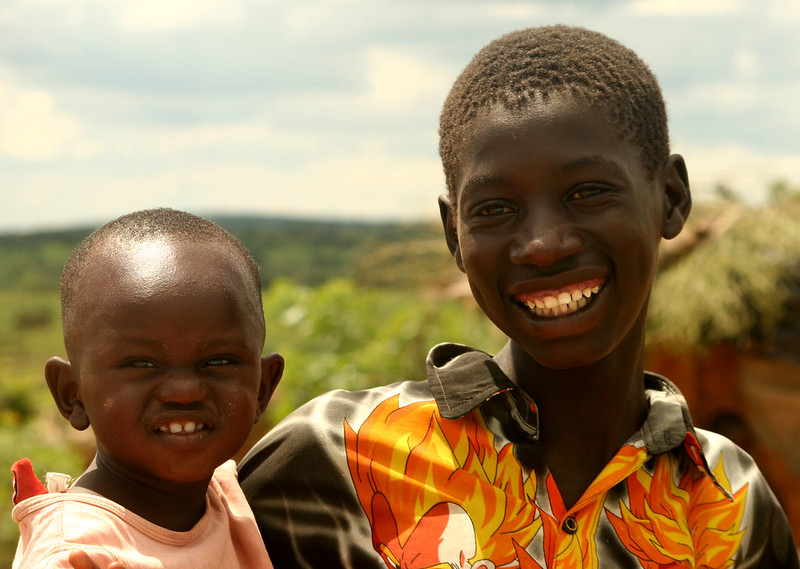
Uganda's RefugeesHosting the most asylum-seekers in Africa and the fifth most in the world, Uganda offers refugees a safe and welcoming place. The country employs an open-door policy to help anyone in need. Currently, more than 1.7 million refugees live in Uganda, most from neighboring countries facing humanitarian crises. Many have come from the Democratic Republic of Congo, South Sudan and Somalia—countries battling war or terrorism. About 54% of Uganda’s refugees are children and 26% are women, many of whom have lost their families and endured severe sexual and physical violence. For many, Uganda is the first safe place they have experienced.

Uganda’s commitment to hosting refugees goes beyond providing shelter. The government, along with international organizations, has implemented initiatives to help refugees rebuild their lives. These efforts reflect the country’s broader approach to refugee welfare, turning policy into tangible support for millions of displaced people.

Support Available to Uganda’s Refugees

  • Land. Uganda offers refugees small plots of land to grow and cultivate food. About 78% of rural refugees own agricultural land. This not only helps refugees support themselves and their families but also boosts Uganda’s economy and is a key reason the country can house so many.
  • Education. All child refugees receive a free education. There are also initiatives beyond basic schooling, including programs for adults. The U.N. High Commissioner for Refugees (UNHCR) has worked in the country to help prevent gender-based violence (GBV). A total of 135,080 men, women and children took part in a program that increased awareness of GBV, particularly male accountability. In addition, 27% of child refugees aged 5 to 17 received support for psychosocial development and 20,000 parents and caregivers received positive parenting training to strengthen child well-being and safety.
  • Green Initiative. By December 2024, 68,062 refugee and host community households in Uganda had received energy-efficient cookstoves, covering 44.5% of refugee households since 2020 and reaching 75.6% of the 2024 response plan target. Refugees also produced 45.1 tons of briquettes, most of which were sold for income. The cookstoves improved daily life as well, providing a cleaner option that helps prevent respiratory issues.
  • Health Care. As well as receiving free basic health care, Ugandan refugees are vaccinated to prevent potential pandemics. The Global Alliance for Vaccines and Immunization (GAVI) and the United Nations Children’s Fund (UNICEF) supplied 98.1% of refugees in Uganda with the measles vaccination. Although reports of outbreaks appeared in various refugee settlements, all were resolved with zero casualties.

The Future of Uganda’s Refugees

Uganda’s struggle with economic hardship raises questions about the future of refugees in the country. The number of struggling neighboring countries has led to a large influx of refugees, adding further stress on resources.

Although refugees feel safe, their quality of life remains imperfect. Schools and health facilities are overcrowded, reducing the quality of care and education for both refugees and hosts. In addition, 48% of asylum-seekers live in poverty and many blame Uganda’s self-reliance strategies and livelihood training. After receiving land, many refugees are responsible for their own survival, yet the training beforehand is not comprehensive. Beyond farming, job opportunities for refugees are limited, particularly since Uganda was already facing high unemployment before the influx of asylum seekers.

Multiple organizations are working to alleviate the pressure on resources. The U.N. High Commissioner for Refugees (UNHCR) is active in the country, partnering with local and global nongovernmental organizations (NGOs) to provide various types of aid. UNICEF and GAVI address health concerns, including vaccination programs. In addition, the United Nations World Food Programme (WFP) supports 660,000 refugees in Uganda and recently received €5 million from the European Union (EU) to continue its mission. RISE is also working to improve education and aims to reach 85,372 children and 12,264 teachers.

Looking Ahead

Overall, to continue supporting vulnerable refugees, Uganda needs support and funding from global organizations. Better training for asylum seekers before they receive land, as well as access to more public facilities for the entire population, is also needed. This could be challenging, as countries around the world are reducing foreign aid and organizations are already struggling with funding. WFP, for example, had to halt food assistance to nearly one million refugees, while others received reduced rations. Uganda’s generosity has set a global example and the future of its refugees depends on continued international support.

– Lysia Wright

Lysia is based in Derby, UK and focuses on Global Health and Politics for The Borgen Project.

Photo: Flickr
September 29, 2025
https://borgenproject.org/wp-content/uploads/borgen-project-logo.svg 0 0 Precious Sheidu https://borgenproject.org/wp-content/uploads/borgen-project-logo.svg Precious Sheidu2025-09-29 03:00:002025-09-28 23:30:45The African Nation Leading the World: Uganda’s Refugees
environment, Global Poverty, Refugees

Fighting Climate Impacts on Refugees with CRRF

CRRFMany refugee camps around the world experience significant climate impacts such as flooding and extreme weather, displacing already vulnerable groups. The adverse effects of bad weather often impact displaced people as countries continue to plan refugee settlements based on political decisions, with little research on environmental and geographic vulnerabilities. In order to protect their human rights and reduce climate impacts on refugees, governmental support must be provided from within the host countries.

Climate Impacts in Sudan, Bangladesh and Jordan

Rohingya refugees in Bangladesh, Syrian refugees in Jordan and refugee camps in Sudan specifically have noted recent environmental disasters threatening human lives. In 2021, Cox’s Bazar, Bangladesh and Alganaa camp in Sudan reported the destruction of structures and several deaths due to flooding.

U.N. Secretary-General António Guterres expressed concern about Cox’s Bazar being on the “front lines of the climate crisis,” as it is the world’s largest refugee settlement. The camp faces year-round instability, from fire-prone summers to a dangerous monsoon season. Similarly, South Sudanese refugees had only lived in the Alganaa camp for a month before floods hit Sudan’s White Nile region. Historically, the lack of environmental studies across Africa has led to the suboptimal placement of refugee camps.

In Jordan, the Za’atari refugee camp is the largest shelter for displaced Syrians in the world. The camp faces extreme cold in the winters in addition to its dry, hot summers. Despite Syrian refugees’ economic resilience through creating many successful businesses in the Za’atari market, a fraction of refugees hold work permits for other sectors, causing further economic uncertainty during climatic events.

All three camps face diverse climate impacts on refugees and preemptive mitigation responses from host countries have been minimal due to political circumstances.

Uganda’s Comprehensive Refugee Response Framework

The United Nations Refugee Agency (UNHCR) has recognized Uganda’s Comprehensive Refugee Response Framework (CRRF) as a key model for promoting refugee self-reliance. It addresses economic challenges by providing land for housing and farming, which in turn helps tackle social issues like access to education and skill development. The CRRF is a model that benefits host countries by stimulating the economy and strengthening agricultural networks through refugee settlement. It also supports the economic well-being of vulnerable populations and helps prevent overcrowding in refugee camps.

Despite the benefits of Uganda’s resettlement model, some refugee settlements still face climate-related damage that threatens agricultural livelihoods. To address this, UNHCR has proposed climate-resilience initiatives that promote low-carbon development in refugee-hosting areas. Implementing additional frameworks like Nationally Determined Contributions (NDCs) and National Adaptation Plans (NAPs) is also essential to reduce climate risks for refugees.

Although it would not be possible to provide land in countries with a high population density, like Bangladesh, it is still ideal for such governments to expand their use of NDCs and NAPs in other ways. Bangladesh’s existing climate finance strategies under its NDCs offer a foundation for strengthening protections for vulnerable groups.

UNHCR Pilot Program: Refugee Environmental Protection Fund

First piloted in Uganda, the Refugee Environmental Protection Fund (REPF) directly involved refugees in climate initiatives. It supports reforestation, energy access and clean cooking programs to “link refugees and host communities to the global carbon market.”

As of 2025, the Fund is looking to expand into countries like Bangladesh and Sudan, though the possibility of implementation will take longer to assess. Additionally, the refugee crisis in Jordan is not currently assigned to the initiative. Combining REPF with the CRRF could help refugees gain independence, achieve economic growth and mitigate climate impacts.

– Aliyah Omar

Aliyah is based in Alberta, Canada and focuses on Global Health and Politics for The Borgen Project.

Photo: Unsplash

August 16, 2025
https://borgenproject.org/wp-content/uploads/borgen-project-logo.svg 0 0 Lynsey 2 https://borgenproject.org/wp-content/uploads/borgen-project-logo.svg Lynsey 22025-08-16 03:00:142025-08-15 12:23:07Fighting Climate Impacts on Refugees with CRRF
Global Poverty, Refugees, Technology

UNHCR and TECNO: Empowering Young Refugees

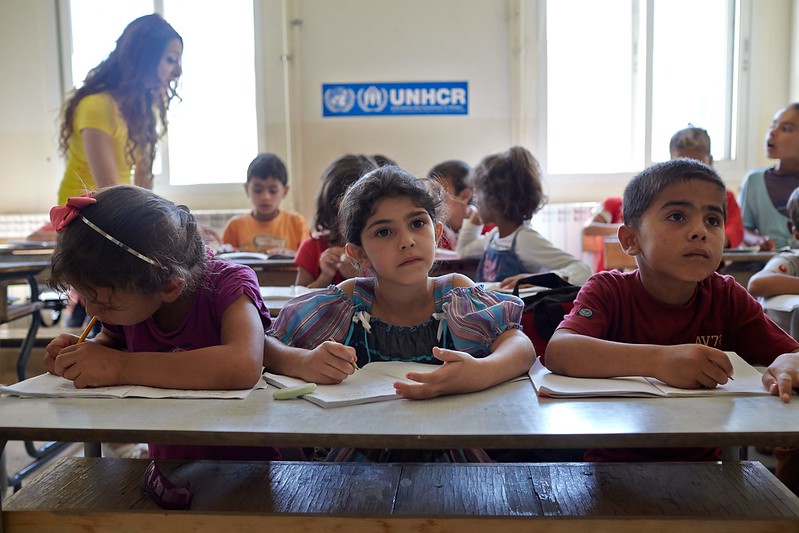
UNHCR and TECNOUNHCR has recently announced a three-year expanded partnership with Tecno, a leading technology brand, to address pressing gaps in education for refugee children and youth across Africa. Adding on to five years of successful partnership, the parties launched their new project “Together We Can Bring Education to African Children and Youth”, which supports two UNHCR initiatives: the DAFI (Albert Einstein German Academic Refugee Initiative) Tertiary Scholarship Program and the Primary Impact Program.

UNHCR Initiatives

The UNHCR aims to inspire disadvantaged students to achieve their true potential through its two successful initiatives. The Primary Impact Initiative focuses on increasing access to primary education, ensuring a safe and supportive learning environment, improving education quality and promoting inclusive education policies. Indeed, since 2023, the program has supplied primary education access to 431,000 displaced children, of whom nearly half were female. In both camps and urban areas, the initiative reached 1,029 primary schools.

The DAFI program offers qualified refugee students an opportunity to earn an undergraduate degree in their country of asylum or home country. The program, which has been ongoing for three decades, remains the foundation of the UNHCR’s strategy to achieve more enrolment of refugees in higher education.

In 2023, 7,890 refugees from 54 countries of origin were enrolled in higher education. Since 1992, the program has supported more than 27,200 young refugees.

Impact of the Partnership

The partnership between TECNO and UNHCR first began in 2020, focusing on providing quality education to refugee children and young people in Africa. However, over the past years, the partnership has reached 40 DAFI scholars and 17,370 refugee children. With this collaboration, the UNHCR focuses on enrolling more than 55,000 children in primary schools in camps located in Dadaab and Kakuma over the next four years.

Kenya is the fifth-largest refugee-hosting country in Africa, with 774,370 refugees and asylum seekers as of May 2024, according to African Business. Kenya’s refugee camps, Dadaab and Kakuma, house more than 217,000 school-aged refugee children. TECNO’s support will benefit over 7,000 children in Kenya, helping them achieve their potential. It is already helping the UNHCR’s efforts to improve educational outcomes for children in Kenya with the financial support from TECNO, which goes into hygiene kits, infrastructure construction, scholastic materials and resources for teachers.

Conclusion

“TECNO is dedicated to giving back to local communities in Africa …. We believe that education is the key to changing the destiny for refugee children,” said Jack Guo, general manager of TECNO, showing that the initiatives have a true impact with the aid of a leading technology brand like TECNO.

This extended partnership between UNHCR and TECNO showcases the power of investing in education for refugees, offering them a chance to achieve their potential like any other young person in the world. Additionally, it shows a commitment to shaping the world into a more accessible place for people of all ages, backgrounds, and nationalities, which is encouraging for other organisations that take inspiration from the works of UNHCR and use it to motivate more positive change in the world.

– Amaira Katyal

Amaira is based in London, UK and focuses on Technology and Global Health for The Borgen Project.

Photo: Flickr
August 16, 2025
https://borgenproject.org/wp-content/uploads/borgen-project-logo.svg 0 0 Naida Jahic https://borgenproject.org/wp-content/uploads/borgen-project-logo.svg Naida Jahic2025-08-16 01:30:262025-08-15 10:58:28UNHCR and TECNO: Empowering Young Refugees
Global Poverty, Refugees and Displaced Persons, Women's Empowerment

Syrian Women in Jordan Redefining Advocacy

Syrian Women in JordanJordan’s Za’atari and Azraq refugee camps, which collectively host more than 650,000 Syrian refugees, have evolved beyond their initial purpose of providing emergency shelter. These camps have become hubs for female empowerment and grassroots activism, fostering a supportive environment for change. What began as basic shelters to protect those fleeing the devastating conflict in Syria has grown into vibrant spaces where women are actively redefining refugee resilience and showcasing strength.

Through the efforts of innovative community organizations and strategic partnerships with various nongovernmental organizations (NGOs), Syrian women in Jordan are addressing critical issues such as gender-based violence, gaps in education and economic exclusion. At the same time, they are challenging longstanding stereotypes about the capabilities and roles of refugees, demonstrating resilience, agency and the potential for positive transformation within refugee communities.

Building Women-Led Governance Structures

Leading this important movement within the camps is the Women’s Committee in Za’atari camp, a pioneering female-majority decision-making body that has been at the forefront of advocating for meaningful improvements across the entire camp community. Its initiatives include the installation of better lighting in key areas to enhance safety—significantly reducing risks of gender-based violence in the dark alleyways—and establishing comprehensive childcare centers that allow mothers to participate in work opportunities or training programmes, thereby promoting economic independence and empowerment.

These grassroots efforts are further bolstered and expanded through support from centres like the United Nations Women’s “Oasis” safe spaces, which actively operate in both Za’atari and Azraq camps. These centres serve 4,000 women monthly, offering a wide range of services such as cash-for-work opportunities, gender-based violence prevention workshops, leadership and skills training and psychosocial support. Additionally, the organization makes a concerted effort to involve men and boys in gender equality discussions, recognizing the importance of engaging the whole community in creating sustainable change and promoting gender equality at all levels. 

Economic Empowerment Through Skills and Solidarity

Economic initiatives have proven especially transformative for refugee women navigating the challenges posed by Jordan’s strict and often difficult work permit system. One prominent example is the Made in Za’atari Center, a facility funded by the United Nations High Commissioner for Refugees (UNHCR) that focuses on empowering women by training them in various marketable skills, such as food processing, handicraft production and other vocational trades. This program also generously provides free childcare services, which are a vital support system that enables women to participate actively in the workforce or skill development activities without the concern of unpaid caregiving responsibilities.

Similarly, the United Nations Children’s Fund’s (UNICEF) neonatal kit programme actively employs Syrian women in Jordan, engaging them in the assembly of essential baby supplies, such as diapers, clothing and health items. This initiative not only provides a reliable source of income for the women involved but also plays a crucial role in improving maternal health outcomes within the refugee camps. Collectively, these programmes illustrate how humanitarian aid can extend beyond mere short-term relief efforts, evolving into comprehensive approaches that foster sustainable livelihood opportunities, empower women and contribute to the long-term resilience of refugee communities.

Educating the Next Generation

Education has increasingly become a vital and symbolic arena in the ongoing struggle for women’s rights and empowerment across the globe. In particular, Syrian refugee women have taken on a significant role in this arena, exemplifying resilience and leadership.

They constitute more than 60% of UNICEF’s 413 education volunteers in Za’atari, serving not only as teachers but also as mentors who provide crucial support to young girls, encouraging them to stay in school despite numerous challenges. Their dedicated efforts are further bolstered by recent initiatives such as the expansion of kindergarten facilities within both refugee camps, which now offer educational spaces for nearly 4,000 preschool-aged children.

Advocates highlight this development as a critical step, emphasizing that quality early childhood education is a fundamental right and a necessary safeguard against child marriage and other harmful practices. Additionally, organizations like the Jordanian Women’s Union (JWU) have played a pivotal role in strengthening these initiatives by creating links between Syrian activists and Jordanian feminist networks. This collaboration fosters cross-community solidarity and reinforces shared commitments to gender equality, social justice and the protection of girls and women in these vulnerable settings.

Lighting the Way Forward

The achievements of Syrian women in Jordan’s refugee camps offer insights for humanitarian response worldwide. They have demonstrated that refugee women are not just vulnerable populations in need of aid but also capable leaders who can drive meaningful and lasting change when provided with the right resources, opportunities and platforms.

The women have shown resilience and innovation in overcoming numerous challenges, such as legal exclusion, funding instability and social barriers. Their efforts have laid the groundwork for more sustainable, community-led approaches to crisis response, including establishing governance structures, economic cooperatives and educational initiatives that empower others in their communities.

The lights installed by Za’atari’s Women’s Committee, which illuminate the camp each night, reflect their broader contribution: even in the darkest and most difficult circumstances, Syrian women in Jordan are finding ways to light the path forward and inspire hope for a brighter future.

– Emilia Bartle

Emilia is based in Watford, UK and focuses on Good News and Politics for The Borgen Project.

Photo: Flickr

August 11, 2025
https://borgenproject.org/wp-content/uploads/borgen-project-logo.svg 0 0 Precious Sheidu https://borgenproject.org/wp-content/uploads/borgen-project-logo.svg Precious Sheidu2025-08-11 03:00:062025-08-10 11:05:54Syrian Women in Jordan Redefining Advocacy
Global Poverty, Migration, Refugees

200,000 Invisible Lives: Migration to Malaysia

Migration to MalaysiaIn a cramped, poorly maintained home, a Rohingya mother of three avoids stepping outside – not out of fear of violence, but arrest. Despite fleeing persecution in Myanmar, she now lives without legal protection, access to health care or the right to work. Her story is not unique. For tens of thousands, migration to Malaysia represents a final hope, only to enter a cycle of legal invisibility and daily struggle.

Malaysia hosts one of the largest refugee populations in Southeast Asia. However, the lack of a formal legal framework for refugees leaves them deeply vulnerable to poverty, exploitation and systemic neglect.

Who Comes and Why?

As of May 2025, around 200,260 refugees and asylum-seekers are registered with the United Nations High Commissioner for Refugees (UNHCR) in Malaysia. More than 179,000 are from Myanmar, including 117,670 Rohingya, 29,620 Chin and 31,730 other ethnic minorities. They fled ethnic violence, forced displacement and persecution. Others come from more than 50 different countries, including Pakistan, Yemen, Somalia, Afghanistan, Sri Lanka, Palestine, Iraq and Syria.

As of 2025, men make up 64% of refugees and asylum-seekers, while women account for 36%. Alarmingly, more than 50,000 are children under the age of 18, many of whom have never stepped foot inside a formal school.

Migration to Malaysia is often undertaken in desperation. Neighboring countries often turn away refugees or deny long-term protection, and many see Malaysia as a stepping stone to resettlement. However, few are successfully resettled.

Legal Status and Daily Reality

One will find that daily life is arduous for refugees in Malaysia. The country has not signed the 1951 Refugee Convention or its 1967 Protocol. Malaysia does not legally recognize refugee status. Under the Immigration Act 1959/63, refugees and asylum-seekers are considered undocumented immigrants and are subject to arrest and deportation. The UNHCR issues refugee cards, but these offer no protection under Malaysian law. The consequences of this legal limbo are wide-reaching, affecting every aspect of daily life for those who experience migration to Malaysia. These include:

  • Work: Refugees are prohibited from working legally. Many work in informal sectors with long hours, poor conditions, low wages and no labor protection. Without labor rights, they face wage theft, exploitation and workplace abuse, with little to no recourse.
  • Education: Public schools in Malaysia do not accept refugee children. Community-based learning centers fill this gap. However, many of these centers are underfunded, overcrowded and unrecognized by the government.
  • Health Care: Refugees do not qualify for subsidized public health care. While some clinics treat UNHCR cardholders, the costs remain prohibitive for many. Many often delay treatment or avoid seeking care altogether due to financial constraints and fear of arrest.

Civil Society Response

In the absence of formal state protection, civil society and humanitarian organizations play a crucial role in supporting those migration to Malaysia affects. ElShaddai, which is based in Klang, provides education and health care to refugee families. In 2022, there were 18 ElShaddai learning centers located in Selangor, Kelantan, Pahang and Sabah serving 1,400 children from marginalized communities. Today, the organization operates more than 20 learning centers across Malaysia to provide preschool to diploma-level education.

Founded in 1991, Tenaganita is a Malaysian human rights organization that supports refugees through legal aid, psychosocial counseling and community empowerment. Its Refugee Action Program works with eight Burmese-led refugee groups to assist in wage negotiation, education access and protection from detention. During the COVID-19 pandemic, the organization coordinated relief efforts that reached more than 2,200 families in more than 100 locations across the Klang Valley.

The Malaysian Social Research Institute (MSRI) supports refugees through its food aid and social service programs, including education, psychological counseling and skills training. As of now, MSRI reported 1,400 families supported and 721 clients served.

A Potential Turning Point

In July 2025, Malaysia’s Home Ministry announced plans to launch a national refugee registration system. The initiative aims to improve data transparency and complement the work of the UNHCR. While the plan’s implementation details remain vague, it signals a possible shift toward greater state involvement and accountability in managing migration to Malaysia.

If effectively executed, the system could lead to better service provision, targeted aid distribution and a path toward formal recognition. However, without accompanying legal reforms, refugees will remain unprotected.

The Path Forward

Migration to Malaysia will continue as long as regional conflict and instability persist. Refugees contribute to Malaysian society – they work, raise families and engage in communities – yet outside of the legal framework.

Malaysia has the opportunity to lead in Southeast Asia by adopting a clear refugee policy. Recognizing refugee status, granting work rights and providing access to basic services are essential steps. A legal and humanitarian approach to migration can ensure that the thousands who seek safety in Malaysia are no longer invisible.

– Kai Xian Lim

Kai is based in Lille, France and focuses on Global Health and Politics for The Borgen Project.

Photo: Flickr

August 2, 2025
https://borgenproject.org/wp-content/uploads/borgen-project-logo.svg 0 0 Jennifer Philipp https://borgenproject.org/wp-content/uploads/borgen-project-logo.svg Jennifer Philipp2025-08-02 03:00:232025-08-01 14:04:09200,000 Invisible Lives: Migration to Malaysia
Education, Global Poverty, Hunger

Being Poor in Sudan

Being Poor in SudanBeing poor in Sudan is a reality shaped by a deep-rooted, complex issue that internal conflict and political instability have worsened. According to the World Bank, 46.5% of the population lives below the national poverty line.

Historical Context and Conflict

Sudan has struggled with internal conflicts for a substantial portion of its history, from the Mahdist Revolution (1881-1898) to the Sudanese Civil War (2023-present). These conflicts have driven many innocent bystanders into extreme poverty and deprivation. The current Civil War officially broke out on April 15, 2023, when a power struggle between two rival factions of the military triggered the conflict. The Sudanese Armed Forces (SAF), led by General Abdel Fattah al-Burhan, and the Rapid Support Forces (RSF), led by Mohamed Hamdan Dagalo, were at the center of this struggle. This conflict has rapidly escalated into one of the worst humanitarian crises in the world.

The Hunger Crisis

The effects of these long-standing conflicts have led to lasting damage to the country’s stability, devastating Sudanese infrastructure and agricultural lands. According to the nonprofit organization Action Against Hunger, 24.8 million people are living in food poverty and need aid, alongside hundreds of thousands living in famine-like conditions. This is nearly half of the population.

Hyperinflation has further exacerbated the hunger crisis. According to the International Monetary Fund (IMF), the annual inflation rate reached an astonishing 359% in 2021. Additionally, IMF data shows that businesses and traders raised prices by 200% last year. Sudanese citizens now struggle to find basic food staples like sorghum, rice, beans and sugar due to scarcity and high prices.

Unemployment and Economic Collapse

Being poor in Sudan means facing a daily reality of unemployment as ongoing conflict has led to the job market and economy crashing down. Before the war, unemployment rates in Sudan were already high. Since 2023, these rates have only increased. According to the International Food Policy Research Institute (IFPRI), the Civil War contributed to the estimated loss of more than 5 million jobs and $5 billion in Sudan’s economy in the first year of the war.

Education Crisis

The conflict has severely disrupted access to education. The conflict has destroyed or repurposed schools and has forced millions of children out of education. International organizations have made significant efforts to solve this problem. UNICEF has launched a ‘learning passport,’ delivering education through digital platforms. This initiative has reached more than 12,000 children around Sudan.

The Global Partnership for Education (GPE) has also launched multi-million dollar packages to assist with education, ensuring that all children can access education even during crises, by helping train teachers and distributing various materials. These packages have helped more than 285,000 children in Sudan.

International Developments, Positive Progress and Aid

Amidst all this seemingly negative news, there have been substantial efforts to progress, alongside these education initiatives to help fight being poor in Sudan. Many major international organizations have committed to helping in relief efforts:

  • The United Nations and UNHCR are both working to provide refugees and internationally displaced people with crucial protection services and emergency supplies.
  • Action Against Hunger works in regions that are facing extreme poverty. While it faces many security issues, the team tries their best to assist with food, water, hygiene and sanitation. According to this organization, it managed to provide 180,000 people with essential aid in a single year.

Looking Ahead

Being poor in Sudan today means struggling with hunger, unemployment, lack of education and ongoing displacement. The compounded effects of war, economic instability and food scarcity have fabricated a humanitarian emergency. However, the work of international aid agencies and education initiatives brings a glimmer of hope for millions of these vulnerable Sudanese citizens.

– Emma Dornan

Emma is based in Fife, Scotland and focuses on Good News for The Borgen Project.

Photo: Flickr

July 16, 2025
https://borgenproject.org/wp-content/uploads/borgen-project-logo.svg 0 0 Jennifer Philipp https://borgenproject.org/wp-content/uploads/borgen-project-logo.svg Jennifer Philipp2025-07-16 01:30:102025-07-15 13:11:49Being Poor in Sudan
Global Poverty, Refugees, Refugees and Displaced Persons

Refugee Week 2025: Top 10 Events

Refugee Week 2025: Top 10 eventsJune 16-22, 2025, was Refugee Week, a seven-day festival of exhibitions, talks and events honouring the growing community of those who have been forcibly displaced by conflict, persecution and human rights violations. Taking place in June each year to coincide with June 20, World Refugee Day, the theme for 2025 was ‘Community as a Superpower’, highlighting the importance of banding together to show simple acts of kindness to those who have had to flee their homes. 

Top 10 Events

Below is a list of the top 10 events that took place during Refugee Week in the United Kingdom (U.K.) across schools, community centers and online.

  1. Serving up Sisterhood Recipe Book. Women for Women International (WfWI), an organisation set up following the Bosnian War where bad actors used rape as a weapon of war against an estimated 50,000 women, has released Serving up Sisterhood, a free, online recipe book. The e-book features 15 traditional recipes from women from 10 countries, including Afghanistan, Kosovo and Nigeria and hopes to evoke flavors of home and foster a sense of community among displaced women and women in poverty.  
  2. Big Leaf Foundation’s Refugee Week (Surrey). Big Leaf Foundation, a Surrey-based organisation working to improve the wellbeing of young displaced people, hosted a series of events this Refugee Week, including an Open Mic night featuring rap, poetry and storytelling; a Sports for Connection football tournament; and Welcome to Our Table, a theatre performance incorporating elements of spoken word, shadow puppetry, live music and food.
  3. The Refugee Week 2025 Film Program. Counterpoints Arts and Other Cinemas joined forces to come up with a film program for the week, which includes two feature-length films (from Gaza and Afghanistan) and five shorts (from Vietnam, Jamaica, Nigeria, Iran and El Salvador). Furthermore, all of the films are free and globally accessible and explore personal experiences of those who have fled their homes. 
  4. ‘Photos of Edinburgh by New Scots’ Exhibition. A new exhibition at St Mary’s Cathedral in Edinburgh depicts the city through the eyes of refugees and migrants who are new to the Scottish capital. Having all taken part in English classes at the cathedral, the photographers display their new home as they see it, providing a new outlook on the city. The exhibition ran through June 30, 2025.
  5. Community Clean-Up. Yorkshire VOICES Network hosted a Community Clean-Up in Leeds, empowering refugees to become more active members of their community. The event also had the aim of raising awareness of the need to protect the environment, strengthening community bonds and providing a platform for refugees to speak up about their neighbourhoods.
  6. ‘Pigments of Prose’ exhibition. Curated in partnership with Portsmouth Libraries and Archives, Portsmouth Central Library has organised an exhibition running until Oct. 1, 2025. Drawing upon themes of migration, resilience and cultural identity, this diverse exhibition of poetry, visual art and lived experiences of migration invites those who visit to reflect on their notions of expression and community.
  7. ‘A Place at the Table’ Exhibition. In the run-up to Refugee Week, Mercer Art Gallery held a series of workshops for Afghan women who now live in Harrogate. Seated around a large table, the women spent six weeks crafting a tablecloth whilst sharing their personal stories, uniting them while they created a unique piece of art. The tablecloth was on display at the museum during Refugee Week.
  8. Self-Advocacy Workshop. The Leeds Refugee Forum set up this workshop, which was open to all, with the aim of teaching those who have been displaced how to speak up for themselves and communicate their needs. There were also members of staff to answer questions that those attending had about advocating for themselves.
  9. Refugee Education Conference. The University of Winchester led a conference uniting refugees and those who work to support them. With exhibitions, presentations and workshops, as well as networking amongst local charity members, the event promoted an increased understanding of education, particularly how to support young refugees succeed in the education system.
  10. ‘To Own Nothing and the Whole World’ Exhibition. Artists Henna Asikainen and Roua Horanieh put together this exhibition on home and belonging at Baltic Centre for Contemporary Art, which will show until July 6, 2025. Featuring foraged materials from the local area, the art focuses on the links between migration and the environment, specifically the interconnectedness of people, plants and places. 

Looking Ahead

Refugee Week highlights the experiences of forcibly displaced people and includes events that recognize the cultures and resilience of refugee communities. According to the United Nations Refugee Agency (UNHCR), one in every 67 people worldwide has been forced to flee their home and children make up 40% of all refugees. However, efforts like donating to refugee-focused charities, volunteering with local organizations or helping to foster a welcoming environment can spell a more positive future for refugee communities.

– Elsa Tarring

Elsa is based in London, UK and focuses on Good News and Global Health for The Borgen Project.

Photo: Flickr

July 6, 2025
https://borgenproject.org/wp-content/uploads/borgen-project-logo.svg 0 0 Precious Sheidu https://borgenproject.org/wp-content/uploads/borgen-project-logo.svg Precious Sheidu2025-07-06 07:30:312025-07-06 01:49:37Refugee Week 2025: Top 10 Events
Global Poverty, Health, Mental Health

Addressing Mental Health in Mauritania

Mental Health in MauritaniaMauritania is a country located in northwestern Africa and it severely lacks mental health care. The absence of basic necessities, ongoing economic instability and weak social support systems contribute to the development of mental health issues. Additionally, existing vulnerabilities such as discrimination and social stigma often intensify these struggles.

As of 2025, there is no publicly available data more recent than the 2004 joint study by Mauritania’s Ministry of Health and the World Health Organization (WHO). According to The New Humanitarian, the study found that approximately 34% of the country’s population had experienced a mental health issue. This encompasses a range of conditions including stress, depression and schizophrenia.

Poverty’s Effect on Mental Health

According to the United Nations Children’s Fund (UNICEF), as of 2022, one in four children lives in extreme poverty and 80% are exposed to some form of violence. This contributes to chronic stress and a heightened risk of mental health disorders.

Poverty remains one of the most significant barriers to both physical and mental health in Mauritania. According to the World Bank, rural areas bear the brunt of deprivation due to underdeveloped infrastructure and limited access to essential services. Many Mauritanians rely on informal or subsistence work, which offers little to no financial security, health insurance or protection against job loss.

This instability contributes to chronic stress, especially in households already dealing with illness, trauma or displacement. According to the World Bank, in these communities, even basic health services can be financially and geographically inaccessible, making mental health in Mauritana support a distant priority. The lack of income, combined with social stigma and institutional neglect, keeps many individuals trapped in a cycle where untreated mental health in Mauritania conditions both stem from and contribute to extreme poverty.

Having only one psychiatric hospital, the Nouakchott Centre for Specialised Medicine, with a limited number of beds, the population of Mauritania has very limited access to mental health care. According to Radio France Internationale (RFI), most patients only stay for a few days due to there being a limited number of beds and staff. The hospital only has 20 rooms, according to RFI.

Economic Toll of Untreated Mental Illnesses

The consequences of untreated mental illness in Mauritania extend far beyond individual suffering. They create a significant, long-term burden on the nation’s already fragile economy. Mental health disorders often limit a person’s ability to attend school, maintain employment or care for family members. In a country where 90.9% of Mauritania’s total employment is informal as of 2017, according to the Global Economy, any loss in productivity can have immediate and devastating effects on household income. This is especially damaging for families living at or below the poverty line, who lack savings, insurance or access to consistent medical care.

According to the National Institutes of Health (NIH), it is estimated that depression and anxiety cost the global economy more than $1 trillion each year in lost productivity. Individuals experiencing mental illness often drop out of school or are unable to secure jobs, reducing their lifelong earning potential. According to the United Nations Foundations, in many cases, caregiving responsibilities fall to women and girls, who may leave school or the workforce to support relatives, further entrenching gender and economic inequalities.

Long-Term Impact

According to a study conducted by the Tacoma-Pierce County Health Department in 2016, untreated mental illness can lead to higher health care costs in the long term, as conditions worsen and require more intensive interventions.

Untreated mental illnesses can also lead to social issues such as homelessness. The NIH reported that in 2021, more than 20% of people who experience homelessness also have a mental illness.

Expanding access to mental health care in Mauritania, training professionals locally and integrating psychological support into primary care could reduce long-term public spending while improving workforce participation and overall quality of life. According to the WHO, “every $1 invested in scaling up treatment for depression and anxiety leads to a return of $4 in improved health and productivity.”

Voices From Nouakchott

Despite limited staff, visitors and patients of the Nouakchott Centre for Specialised Medicine are satisfied with their visits. For example, in 2007, according to TNH, Dianaba Dia took her child to see a psychiatrist at the hospital for violent seizures.

“He was a doctor just like any other,” Dia told TNH. “What counts for me though is that since we saw him my daughter has got better.”

Additionally, the scarcity of mental health resources also profoundly affects individuals like Sidi Lemen after a failed attempt to emigrate to the United States in 2025. According to RFI, this setback led to depression and subsequent substance abuse. He sought help from the Nouakchott Centre for Specialised Medicine. However, due to limited resources, he was only admitted for a few days, highlighting the pressing need for expanded mental health services in Mauritania.

“We need to increase the number of beds,” Dr. Mohamed Lemine Abeidi told RFI. “Lots of patients travel long distances to come here, and there’s no other psychiatric care infrastructure.”

Mauritania faces significant challenges in providing mental health care not only because of the limited number of beds, but also due to a scarcity of trained professionals. According to France 24, all of the country’s psychiatrists have received their training abroad, highlighting the absence of local educational programs in this field.

Hope for Health Care

Mauritania’s mental health crisis is deeply intertwined with poverty. However, recent initiatives offer a glimmer of hope. The World Bank has launched a national program aimed at improving health services for approximately 2.5 million people, focusing on women, children and adolescents in underserved communities. This program aims to improve primary health care and increase access to mental health services.

Additionally, the United Nations High Commissioner for Refugees (UNHCR) is working closely with the Mauritanian government to integrate refugees into national healthcare systems, including mental health support. These collaborative efforts aim to build a more inclusive and resilient health infrastructure.

Despite these promising developments, significant challenges remain. According to Alima, the Mbera refugee camp is operating beyond its capacity, housing more than 116,000 refugees in a space designed for 80,000. This overcrowding exacerbates the strain on already limited mental health resources.

– Clarissa Dean

Clarissa is based in Bowling Green, KY, USA and focuses on Good News and Celebs for The Borgen Project.

Photo: Pexels

May 29, 2025
https://borgenproject.org/wp-content/uploads/borgen-project-logo.svg 0 0 Jennifer Philipp https://borgenproject.org/wp-content/uploads/borgen-project-logo.svg Jennifer Philipp2025-05-29 07:30:272025-05-29 02:52:35Addressing Mental Health in Mauritania
Global Poverty, Natural Disaster, USAID

USAID Programs in Thailand and Myanmar After Earthquake

USAID Programs in ThailandDisplaced persons seeking refuge in Thailand following a 7.7 magnitude earthquake in Myanmar in March are amongst those facing dwindling American assistance after the United States federal government initiated drastic reductions to the United States Agency for International Development (USAID) programs in Thailand, Myanmar and other countries in need of humanitarian aid. While non-government organizations (NGOs) are working diligently to provide humanitarian assistance to those affected by the second-largest recorded earthquake in Southeast Asia and its hundreds of aftershocks, USAID’s absence is noticeable in the region. 

USAID Cuts Coincide With Devastation in Asia

Myanmar state media reported that, as of April 19, the earthquake killed more than 3,700 people and injured 5,100 in the country, with 114 residents still missing. Thai newspaper Khaosod reported that, as of April 29, 66 people had died, 28 people were missing and nine people were injured.

Refugees from the ongoing civil war in Myanmar have relied on humanitarian assistance and medical care in neighboring Thailand for decades. USAID programs in Thailand bolstered the assistance Thai hospitals could provide those in need. Before the earthquake in Myanmar occurred, the Border Consortium aid group reported that many Thai hospitals helping around 100,000 refugees from Myanmar had to close following cuts to USAID in late February.

On March 28, the region experienced “a level of devastation that has not been seen in over a century in Asia,” according to Marie Manrique, the acting head of the International Federation of Red Cross and Red Crescent Societies in Myanmar. The same day, The U.S. State Department formally notified Congress that it was moving to dissolve USAID.

The Results of USAID Cuts

The earthquake’s epicenter was in Myanmar’s second-largest city, Mandalay; however, 600 miles away, in the Thai capital city of Bangkok, residents felt widespread shaking and saw significant damage to infrastructure, including a skyscraper that collapsed when it was under construction.

While USAID cuts have backtracked in recent weeks due to pushback from Americans and the country’s federal agencies, aid workers report that, with thousands of residents remaining homeless in Mandalay after the destruction, U.S. assistance is lacking.

“The United States only sent a paltry amount of assistance…it sent only three workers, which then, subsequently, were fired,” Francisco Bencosome, a former USAID worker, said. Some workers were notified of their termination while in the earthquake’s disaster zone.

The ongoing poverty crisis in Myanmar, escalating in recent years due to ongoing civil conflict, saw almost doubled rates from 24.8% in 2017 to 49.7% in 2023. In the beginning of 2025, around 19.9 million people, or about 35% of the country’s population, were in dire need of humanitarian assistance; this included 6.4 million children.

The destruction due to the earthquake in Myanmar has exacerbated existing pervasive poverty conditions, resulting in 4.3 million people lacking basic needs such as shelter, nutrition and clean water.

Solutions

After the reduction of USAID programs in Thailand and Myanmar, NGOs have stepped in to address the earthquake in Myanmar. Here are some examples of NGO efforts in Thailand and Myanmar:

  • The Myanmar Red Cross Society: The Myanmar Red Cross Society and its partners successfully delivered eight charter flights and six cargo shipments of aid into Myanmar within the first week of the earthquake’s aftermath, according to the organization. The IFRC is rapidly mobilizing, adapting and delivering critical aid to the hardest-hit areas. The Myanmar Red Cross Society initiated its Emergency Operations Centers after the earthquake. Additionally, it sent out volunteers to search for and rescue those the earthquake affected, while also sending out teams to connect hospitals and clinics with emergency blood donations.
  • UNICEF: UNICEF is on the ground in Myanmar, working with other aid organizations to meet children’s needs. According to UNICEF, the organization and its partners have delivered emergency water, sanitation and hygiene kits, medical kits and nutrition supplies; UNICEF is also delivering essential health and nutrition services through temporary emergency health facilities and mobile clinics.
  • Doctors Without Borders: Doctors Without Borders deployed medical, mental health, logistics and water and sanitation staff to areas that experienced the earthquake. The organization is working to provide support to hospitals with special focus on sanitation, water, infection control and waste management. It also installed a water filtration system and a water tank at the Mandalay General Hospital.
  • Save the Children: Save the Children has launched a “Children’s Emergency Fund” to support adolescents in Myanmar in need of shelter and other basic needs in the aftermath of the earthquake. Aid workers are responding to the urgent, lifesaving needs of children and their families by providing water, food and health care services.
  • United Nations Humanitarian Crisis Relief (UNHCR): The UNHCR has reported that its team is on the ground responding with other UN agencies by providing “medical care, shelter, safe water, hygiene kits and food,” despite dealing with extremely damaged infrastructure and a lack of telecommunications. As of April 23, UNHCR reported that the organization provided critical aid – including core relief items (CRIs) and emergency shelter materials – to 48,354 people who experienced earthquake in Myanmar and Thailand. CRIs include mattresses, blankets, hygiene kits, solar lamps and cooking essentials kits. On April 15, the city of Yangon received more than 40,000 kg of supplies to help 16,000 people from UNHCR, and there was a promise of more supplies in the following weeks.

Looking Ahead

Though USAID downsizes have immobilized necessary American federal assistance in Myanmar and Thailand following the historic earthquake in Myanmar, other aid organizations are using donor funding to make effective strides in alleviating poverty conditions and the ongoing refugee crisis.

– Erin Hellhake

Erin is based in Old Bridge, NJ, USA and focuses on Global Health and Politics for The Borgen Project.

Photo: Unsplash

May 26, 2025
https://borgenproject.org/wp-content/uploads/borgen-project-logo.svg 0 0 Jennifer Philipp https://borgenproject.org/wp-content/uploads/borgen-project-logo.svg Jennifer Philipp2025-05-26 01:30:412025-07-03 06:12:48USAID Programs in Thailand and Myanmar After Earthquake
Economy, environment, Global Poverty

Guardianes del Mangle: Mangrove Restoration Benefiting Displaced People

Guardianes del MangleIn 2017, a group of fishermen, community activists and displaced residents founded Guardianes del Mangle, a community action group dedicated to restoring mangrove forests degraded by pollution and population growth in Turbo, Colombia. The group’s mission is to revive native ecosystems while improving the lives of residents and displaced people.

The project was founded in the Turbo neighborhoods of Pescador 1 and 2, where informal houses on stilts have been built on top of mangrove forests.

Background

Due to a lack of modern infrastructure, sewage and garbage have destroyed the mangrove forests and polluted the waterways in these settlements. The majority of Pescador 1 and 2 residents are fishermen and internally displaced people who have fled violence or persecution within Colombia.

UNHCR has been working to integrate displaced people in Turbo since 2018 and began supporting the mangrove project in 2024 through UNHCR’s Innovation Fund for Climate Action and the Environment. The Guardianes del Mangle group aims to demonstrate that generating livelihoods based on conservation can be an effective strategy for the protection and integration of displaced people.

According to UNHCR, the work of the Guardianes del Mangle “complements a broader strategy to develop resilience and self-reliance options for displaced communities.”

Importance of Turbo’s Mangroves

Turbo is a port city located in the tropical region of northwest Colombia, where mangroves provide a natural barrier against soil erosion and high tides, and act as a home for spawning fish, according to UNHCR. Due to its position on the Caribbean coast, Turbo has a large fishing economy, which relies on healthy mangrove forests along the coastline.

Over the years, large portions of this coastal forest, and the vital habitat it provides to young fish, disappeared due to deforestation, pollution and population growth. Due to a lack of modern infrastructure in the neighborhoods, sewage and garbage have destroyed mangrove forests and polluted the waterways in the Pescador 1 and 2 neighborhoods of Turbo.

Secarlos Martinez, a local fisherman and member of the group, says that the loss of the native mangrove population has been devastating.

“The population growth is gradually killing the mangroves,” he said. “Eighty percent have been cleared for residential use. The fish have fled, and that has led to economic hardship for us,” UNCHR reports.

In addition to providing a habitat for spawning fish and other wildlife, mangrove forests also prevent erosion and storm surges. “The mangroves’ most beautiful trait is that they protect us from flooding and storms,” said Diana Colón, chair of Pescador’s Community Action Board.

Most of the people living in this area are fishermen and internally displaced individuals who were forced to leave their homes due to Colombia’s enduring armed conflict. For many, environmental degradation threatens not just biodiversity but also the livelihoods of local residents.

Displaced People in Colombia

Besides restoring the local mangrove population, Guardianes del Mangle has given displaced people in Turbo a renewed sense of opportunity. Maria Valencia Eneida, a member of the community group, had to flee violence and move to Turbo in 1997, according to UNHCR. She says the project has inspired her to improve her new community.

“I am currently helping my community and the mangroves,” she said. “That way, my children will have a brighter future.”

A 2024 UNHCR report estimates that nearly 7 million people in Colombia struggle with internal displacement as a result of armed conflict between paramilitary groups, government security forces and left-wing guerrillas. Colombia also hosts the largest population of Venezuelan migrants and the third-largest population of refugees in the world.

Colombia has experienced a complex and violent conflict between non-state armed groups (NSAGs) for several decades, which has left 220,000 casualties over the last half-century. The primary root of the low-intensity struggle between armed groups and state security forces is Colombia’s outsized role in the global cocaine market.

Peace Deal

In 2016, the Colombian government signed a historic peace deal with FARC, a leftist guerrilla group accused of narco-trafficking and human rights violations, which sought to disarm the organization and reduce violence in the country, Council on Foreign Relations (CFR) reports. Despite most FARC members demobilizing after the 2016 agreement, other NSAGs have expanded and consolidated their economic and territorial presence, especially in rural areas where people cultivate coca.

The International Displacement Monitoring Centre found that the central government’s limited presence has allowed new armed groups to exert control over communities, pushing them to flee or trapping them in forced confinement.

Guardians Spearhead Change in Community

Since the beginning of Guardianes del Mangle in 2017, the community organization has been revitalizing the Pescador 1 and 2 neighborhoods and reviving the local mangrove forests in Turbo. The group’s initiatives include planting new mangrove trees, cleaning existing mangrove forests and raising awareness about environmental conservation.

The project is also improving the lives of displaced people who now call the mangrove forests home. Maria Eneida believes the mangrove restoration project has given her a more hopeful outlook. “This project has given me a purpose,” she said. “I no longer wish to go back to the place I was displaced from.”

“We made a pact to stop cutting down the mangrove, since it is this ecosystem that has provided us with a place to live,” says Secarlos Martinez, the son of displaced people who settled in this area, according to UNHCR.  With support from UNHCR, the Guardians have also partnered with the Turbo Mayor’s office and a local university so community members can participate in research and training programs. The community organization routinely organizes clean-up days, seed planting events and education programs for children. “With this initiative, we raise awareness about mangrove care. We are the generation of the future. How we live next depends on this,” said Valentina, a young member of the organization.

The Future

Aside from restoring the native mangrove forests, the organization’s work has also resulted in cleaner streets, the return of migratory birds and enthusiasm to recycle in the Pescador 1 and 2 neighborhoods.

Martinez feels that the group’s work is paying off. “Lately, we’ve seen ducks, herons and other animals that had vanished,” he said to UNHCR. “People were not used to recycling, but we have started to collect waste door-to-door. Some people now live off recycling.”

Through its initiatives in planting mangrove seed banks and rehabilitating existing mangrove forests, Guardianes del Mangle has improved the social and economic conditions of the local community in Turbo and given displaced residents a renewed sense of hope for the future.

– Willem Quigley

Willem is based in Tacoma, WA, USA and focuses on Good News for The Borgen Project.

Photo: Flickr

May 6, 2025
https://borgenproject.org/wp-content/uploads/borgen-project-logo.svg 0 0 Naida Jahic https://borgenproject.org/wp-content/uploads/borgen-project-logo.svg Naida Jahic2025-05-06 01:30:562025-05-06 00:23:57Guardianes del Mangle: Mangrove Restoration Benefiting Displaced People
Page 2 of 21‹1234›»

Get Smarter

  • Global Poverty 101
  • Global Poverty… The Good News
  • Global Poverty & U.S. Jobs
  • Global Poverty and National Security
  • Innovative Solutions to Poverty
  • Global Poverty & Aid FAQ’s
Search Search

Take Action

  • Call Congress
  • Email Congress
  • Donate
  • 30 Ways to Help
  • Volunteer Ops
  • Internships
  • Courses & Certificates
  • The Podcast
Borgen Project

“The Borgen Project is an incredible nonprofit organization that is addressing poverty and hunger and working towards ending them.”

-The Huffington Post

Inside The Borgen Project

  • Contact
  • About
  • Financials
  • President
  • Board of Directors
  • Board of Advisors

International Links

  • UK Email Parliament
  • UK Donate
  • Canada Email Parliament

Get Smarter

  • Global Poverty 101
  • Global Poverty… The Good News
  • Global Poverty & U.S. Jobs
  • Global Poverty and National Security
  • Innovative Solutions to Poverty
  • Global Poverty & Aid FAQ’s

Ways to Help

  • Call Congress
  • Email Congress
  • Donate
  • 30 Ways to Help
  • Volunteer Ops
  • Internships
  • Courses & Certificates
  • The Podcast
Scroll to top Scroll to top Scroll to top