Syrian Women in Jordan Redefining Advocacy
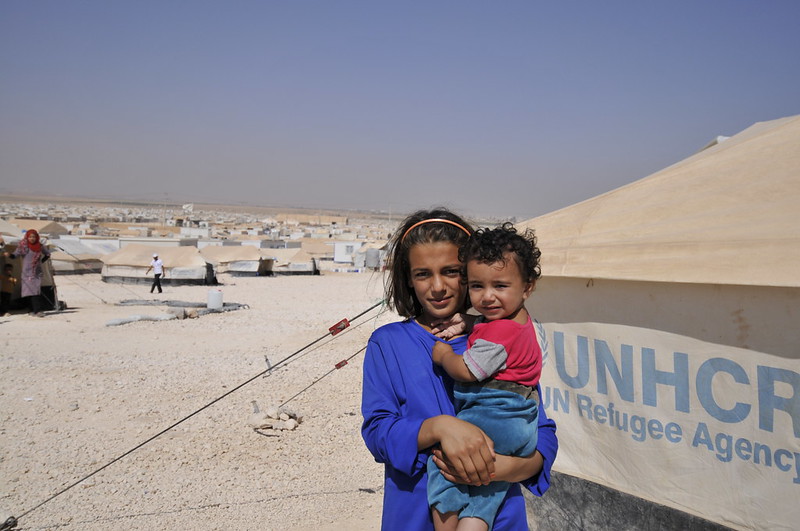 Jordan’s Za’atari and Azraq refugee camps, which collectively host more than 650,000 Syrian refugees, have evolved beyond their initial purpose of providing emergency shelter. These camps have become hubs for female empowerment and grassroots activism, fostering a supportive environment for change. What began as basic shelters to protect those fleeing the devastating conflict in Syria has grown into vibrant spaces where women are actively redefining refugee resilience and showcasing strength.
Through the efforts of innovative community organizations and strategic partnerships with various nongovernmental organizations (NGOs), Syrian women in Jordan are addressing critical issues such as gender-based violence, gaps in education and economic exclusion. At the same time, they are challenging longstanding stereotypes about the capabilities and roles of refugees, demonstrating resilience, agency and the potential for positive transformation within refugee communities.
Building Women-Led Governance Structures
Leading this important movement within the camps is the Women’s Committee in Za’atari camp, a pioneering female-majority decision-making body that has been at the forefront of advocating for meaningful improvements across the entire camp community. Its initiatives include the installation of better lighting in key areas to enhance safety—significantly reducing risks of gender-based violence in the dark alleyways—and establishing comprehensive childcare centers that allow mothers to participate in work opportunities or training programmes, thereby promoting economic independence and empowerment.
These grassroots efforts are further bolstered and expanded through support from centres like the United Nations Women’s “Oasis” safe spaces, which actively operate in both Za’atari and Azraq camps. These centres serve 4,000 women monthly, offering a wide range of services such as cash-for-work opportunities, gender-based violence prevention workshops, leadership and skills training and psychosocial support. Additionally, the organization makes a concerted effort to involve men and boys in gender equality discussions, recognizing the importance of engaging the whole community in creating sustainable change and promoting gender equality at all levels.
Economic Empowerment Through Skills and Solidarity
Economic initiatives have proven especially transformative for refugee women navigating the challenges posed by Jordan’s strict and often difficult work permit system. One prominent example is the Made in Za’atari Center, a facility funded by the United Nations High Commissioner for Refugees (UNHCR) that focuses on empowering women by training them in various marketable skills, such as food processing, handicraft production and other vocational trades. This program also generously provides free childcare services, which are a vital support system that enables women to participate actively in the workforce or skill development activities without the concern of unpaid caregiving responsibilities.
Similarly, the United Nations Children’s Fund’s (UNICEF) neonatal kit programme actively employs Syrian women in Jordan, engaging them in the assembly of essential baby supplies, such as diapers, clothing and health items. This initiative not only provides a reliable source of income for the women involved but also plays a crucial role in improving maternal health outcomes within the refugee camps. Collectively, these programmes illustrate how humanitarian aid can extend beyond mere short-term relief efforts, evolving into comprehensive approaches that foster sustainable livelihood opportunities, empower women and contribute to the long-term resilience of refugee communities.
Educating the Next Generation
Education has increasingly become a vital and symbolic arena in the ongoing struggle for women’s rights and empowerment across the globe. In particular, Syrian refugee women have taken on a significant role in this arena, exemplifying resilience and leadership.
They constitute more than 60% of UNICEF’s 413 education volunteers in Za’atari, serving not only as teachers but also as mentors who provide crucial support to young girls, encouraging them to stay in school despite numerous challenges. Their dedicated efforts are further bolstered by recent initiatives such as the expansion of kindergarten facilities within both refugee camps, which now offer educational spaces for nearly 4,000 preschool-aged children.
Advocates highlight this development as a critical step, emphasizing that quality early childhood education is a fundamental right and a necessary safeguard against child marriage and other harmful practices. Additionally, organizations like the Jordanian Women’s Union (JWU) have played a pivotal role in strengthening these initiatives by creating links between Syrian activists and Jordanian feminist networks. This collaboration fosters cross-community solidarity and reinforces shared commitments to gender equality, social justice and the protection of girls and women in these vulnerable settings.
Lighting the Way Forward
The achievements of Syrian women in Jordan’s refugee camps offer insights for humanitarian response worldwide. They have demonstrated that refugee women are not just vulnerable populations in need of aid but also capable leaders who can drive meaningful and lasting change when provided with the right resources, opportunities and platforms.
The women have shown resilience and innovation in overcoming numerous challenges, such as legal exclusion, funding instability and social barriers. Their efforts have laid the groundwork for more sustainable, community-led approaches to crisis response, including establishing governance structures, economic cooperatives and educational initiatives that empower others in their communities.
The lights installed by Za’atari’s Women’s Committee, which illuminate the camp each night, reflect their broader contribution: even in the darkest and most difficult circumstances, Syrian women in Jordan are finding ways to light the path forward and inspire hope for a brighter future.
– Emilia Bartle
Emilia is based in Watford, UK and focuses on Good News and Politics for The Borgen Project.
Photo: Flickr
