• Link to X
  • Link to Facebook
  • Link to Instagram
  • Link to TikTok
  • Link to Youtube
  • About
    • About Us
      • President
      • Board of Directors
      • Board of Advisors
      • Financials
      • Our Methodology
      • Success Tracker
      • Contact
  • Act Now
    • 30 Ways to Help
      • Email Congress
      • Call Congress
      • Volunteer
      • Courses & Certificates
      • Be a Donor
    • Internships
      • In-Office Internships
      • Remote Internships
    • Legislation
      • Politics 101
  • The Blog
  • The Podcast
  • Magazine
  • Donate
  • Click to open the search input field Click to open the search input field Search
  • Menu Menu

Tag Archive for: UNHCR

Posts

Global Poverty, Nonprofit Organizations and NGOs, Refugees and Displaced Persons

Support For Displaced Persons In Burkina Faso

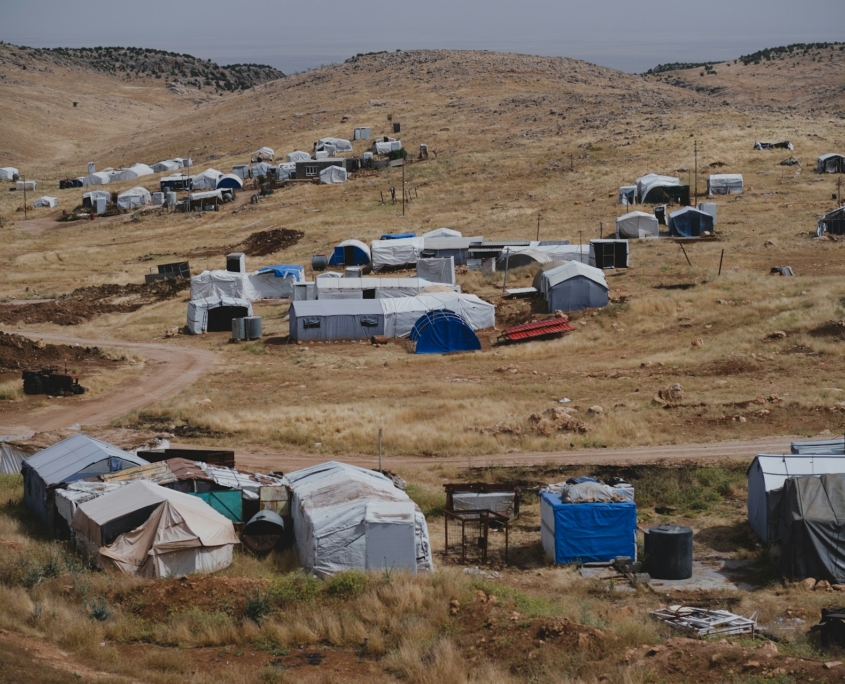
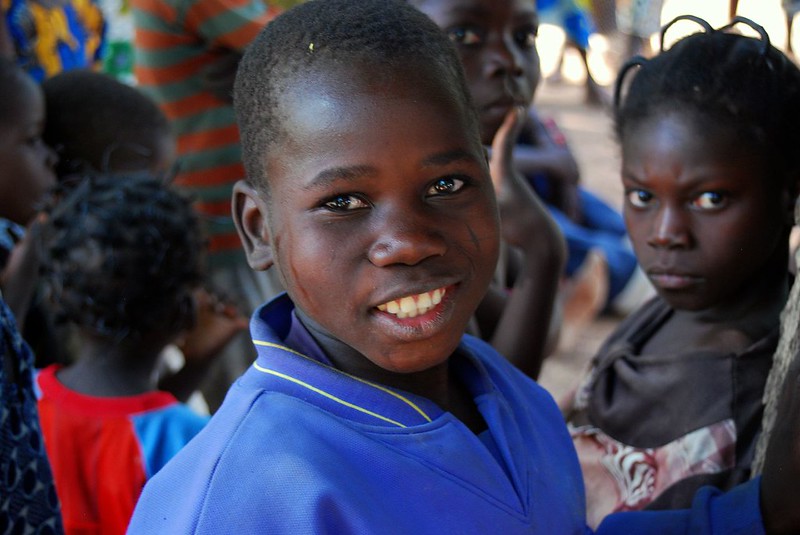
Support For Displaced Persons In Burkina FasoBurkina Faso, a low-income West African country, is facing a series of unprecedented crises. It has endured droughts, internal conflicts and terrorism, which have displaced millions and left about 6 million people reliant on humanitarian aid. The scope of this crisis is vast, with many displaced persons in Burkina Faso needing assistance.

Crisis in Burkina Faso

The crisis in Burkina Faso has reached catastrophic levels, compounded by inadequate funding that limits necessities, a lack of international diplomatic intervention to help broker peace and insufficient media coverage to raise awareness and spur action. In 2023, the country experienced its highest number of armed conflicts, which displaced more than 2 million people by year’s end. With ongoing disputes revealing no signs of diminishing, the number of displaced continues to rise.

The UNHCR and Digital Hub

The United Nations High Commissioner for Refugees (UNHCR) collaborates with various organizations to offer programs that equip displaced persons with sustainable income sources. This initiative reduces their dependency on humanitarian aid and helps restore their normal lives.

In 2022, UNHCR and Wakatlab launched a “digital hub” in Kaya, a northern city in Burkina Faso, to support displaced people. This center offers round-the-clock internet access and uses solar panels for sustainable, low-cost electricity. It aims to enhance digital literacy and social media knowledge among displaced people and host communities, while also providing educational opportunities in information technology, agriculture, entrepreneurship and computer sciences. The hub has already enabled many individuals to start successful businesses and rebuild their lives. Its successful model holds the potential for replication in other areas to improve the lives of internally displaced people and refugees.

Models for Expansion in Burkina Faso

Launching programs across Burkina Faso and neighboring countries could enhance the lives of displaced people, provide them with opportunities and help reduce the burden on host communities. The UNHCR and other organizations can potentially replicate successful programs from around the world in regions that host refugees. Below are some successful initiatives currently operating in similar environments:

  • Melkadida Compact- Ikea Foundations’s collaboration with UNHCR. A few years ago, the Ikea Foundation began a partnership with UNHCR in a remote area of Ethiopia. This collaboration focuses on enhancing the region’s water and electricity supply, food security and job opportunities for refugees and host communities. The goal is to help these communities become self-sustaining and reduce their reliance on aid. This partnership has positively impacted more than 200,000 refugees offering them job training opportunities.
  • Win-Win Program. Talent Beyond Boundaries (TBB) is a nonprofit organization operating in seven countries hosting refugees, including Jordan. TBB strives to match refugees with global job opportunities that align with their talents and education. So far, it has helped 1,200 refugees secure jobs worldwide. The program aims to assist an additional 15,000 in finding employment over the next five years.

Looking Ahead

Globally, 117.3 million people have been forced to leave their homes, becoming refugees or internally displaced. Most endure deplorable living conditions and extreme poverty throughout their lives. Reducing global poverty requires providing individuals with opportunities to support themselves and escape poverty. This is never more so than for the displaced persons in Burkina Faso.

– Maria Waleed

Maria is based in Yokohama, Kanagwa, Japan and focuses on Good News and Global Health for The Borgen Project.

Photo: Flickr
August 7, 2024
https://borgenproject.org/wp-content/uploads/borgen-project-logo.svg 0 0 Precious Sheidu https://borgenproject.org/wp-content/uploads/borgen-project-logo.svg Precious Sheidu2024-08-07 07:30:192024-08-07 07:03:15Support For Displaced Persons In Burkina Faso
Developing Countries, Global Poverty, Refugees

3 Ways UNHCR Is Addressing Venezuelan Displacement

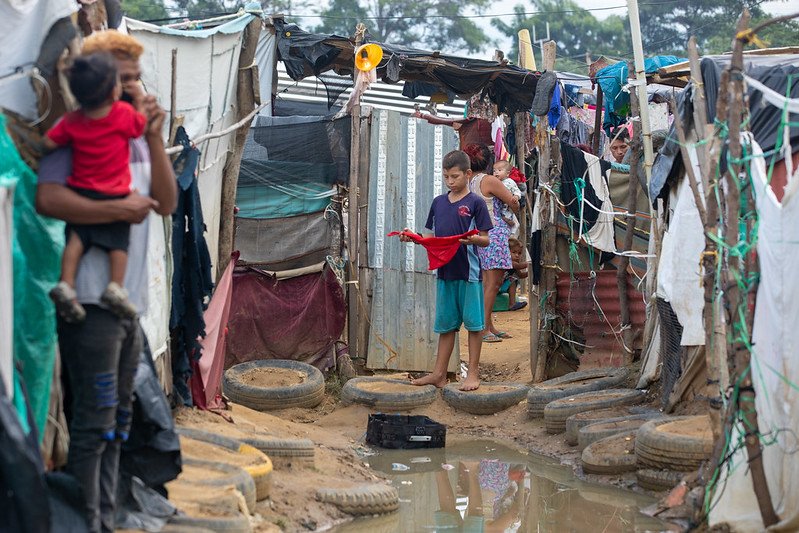
Venezuelan DisplacementVenezuelan displacement is one of the largest forced displacement crises in the world. The country, once a refugee hub in the past, now marks 7.7 million people being displaced globally due to widespread violence, economic pressure, food insecurity and more. Dreaming of security and a better life, 6.5 million, among 7.7 million, have fled to Latin America and the Caribbean. Specifically, as a result, there are nearly 3 million displaced Venezuelans in Colombia, searching for opportunities.

More and more children have been separated from their families and reported fleeing alone. This adds another layer of difficulty in getting proper sustenance and education for their growth and development. As a response, a nonprofit organization, the United Nations High Commissioner for Refugees (UNHCR), has stepped up to support the journey of Venezuelans. Here are three ways the UNHCR is addressing Venezuelan displacement:

The Graduation Model Program

One way UNHCR addresses Venezuelan displacement is through the Graduation Model program in Colombia. Launched in 2019, this model includes a series of support programs designed to help displaced Venezuelans. It offers workshops, training and mentorship to assist them in building their own businesses and achieving self-sufficiency. The workshops cover various skills, including business management, finance, marketing and customer service.

Yuli, who relocated to Colombia from Venezuela in 2019, launched her jewelry-making business after participating in the Graduation Model program. Referred to UNHCR by a local humanitarian aid partner, Yuli gained essential skills in budget management and business sustainability through the program. With her business, she could be independent economically and socially, which brought security and hope. She shares her experience: “Everything has changed for the better. Joining the project was my starting point to bring my family happiness, peace of mind and confidence — all I aimed for when I came to Colombia.”

The PPN Program

UNHCR also created the project called Pedagogy and Protection for Refugee and Migrant Children with a Mixed Approach (PPN) in 2019 to help Venezuelan children’s social integration into Colombia. Additionally, the project aims to teach children the value of interculturality through various programs and technical support to school staff.

Mariangelis, an eighth grader from Venezuela, attends Tierra Bomba school in Colombia, where the project has made a significant impact. She expressed her gratitude for receiving quality education and protection. She shared that her experiences have inspired her to pursue studies in human rights. Mariangelis is determined to address the challenges and mistreatment faced by refugees and migrants. Overall, PPN has raised awareness of the importance of quality education, emphasizing interculturality and diversity.

The Trust the Toucan Campaign

In May 2023, UNHCR initiated the Trust the Toucan campaign to address misleading information about relocation on social media that affects Venezuelans’ decisions. The campaign involves creating verified content for Venezuelans through interviews with refugees and sharing their experiences. Many refugees begin their journey without knowing the risk it takes and the dangers along the way, such as crossing the Darién jungle itself.

To ensure that people are well-informed about their journeys, the Trust the Toucan campaign has been informing people’s decisions. The trust aims to mitigate the risk factors with proper preparation. In its first year, it published 334 pieces of content and gained 16 million views.

UNHCR has taken crucial steps to help the refugees through the rebuilding of their lives in search of secure homes in a new country. Furthermore, continuous steps toward long-term solutions for improving the lives of Venezuelan refugees can gradually improve their quality of life and social integration in a new community.

– Sein Kim

Sein is based in Bellevue, WA, USA and focuses on Technology and Solutions for The Borgen Project.

Photo: Flickr
July 28, 2024
https://borgenproject.org/wp-content/uploads/borgen-project-logo.svg 0 0 Lynsey 2 https://borgenproject.org/wp-content/uploads/borgen-project-logo.svg Lynsey 22024-07-28 01:30:082024-07-27 09:35:423 Ways UNHCR Is Addressing Venezuelan Displacement
Aid, Global Poverty, UNHCR

Red Cross and UNHCR Efforts in Cabo Delgado

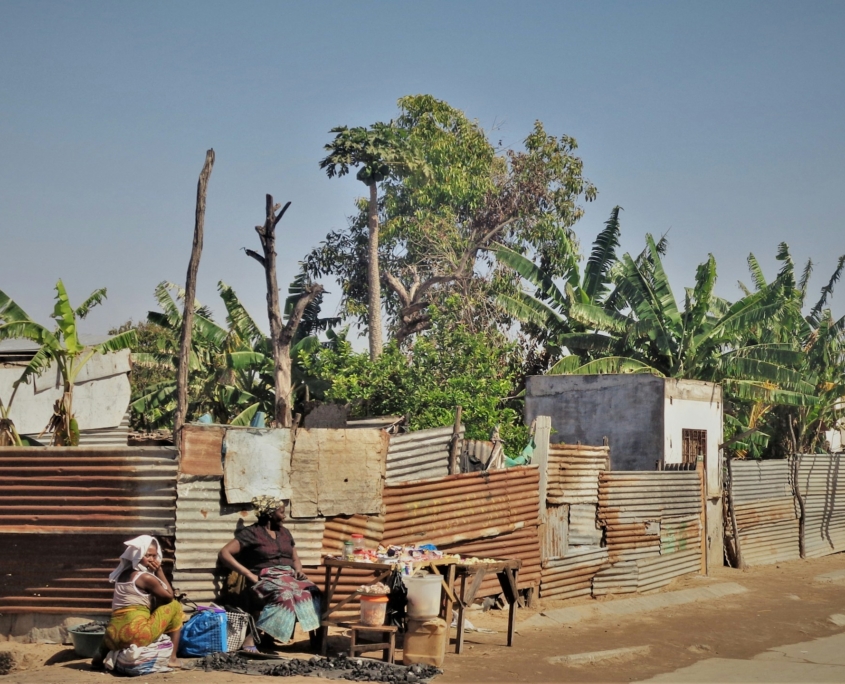
Red Cross and UNHCR Efforts in Cabo DelgadoIn the Northern province of Cabo Delgado, Mozambique, every day of the past seven years has been a fight for survival. Due to the recurring attacks on civilians by nonstate armed groups (NSAGs). As of January 2024, close to 800,000 people remain internally displaced in Northern Mozambique. However, two organizations stand as beacons of hope: the Red Cross and the United Nations High Commissioner for Refugees (UNHCR). With unwavering dedication, they have stepped into the fray, extending a helping hand to those in desperate need.

The UNHCR’s Efforts

The United Nations High Commissioner for Refugees (UNHCR) reported its concern about the escalating humanitarian crisis in Cabo Delgado in March 2024. Together with the government, the UNCHR and its partners balance the urgent needs of the newly displaced with the long-term needs of those forced to remain in overcrowded settlements. 

UNHCR and its partners provide core relief items to internally displaced persons (IDPs), including blankets, sleeping mats, mosquito nets, jerrycans, buckets, solar lamps, kitchen sets and plastic sheets. It screens and registers people with specific needs for support and assistance. Furthermore, the organization reports that additional interventions are being planned and discussed with local authorities in the sectors of safety, water and sanitation, health, shelter and food security, though lack of funding thwarts the response. 

The Red Cross: A Lifeline in Times of Crisis

The UNHCR focuses on broader humanitarian assistance, while the International Committee of the Red Cross (ICRC) serves as a lifeline for those directly affected by the conflict in Cabo Delgado. With a network of volunteers and staff on the ground, the ICRC, in collaboration with the Mozambique Red Cross (CVM), could provide IDPs with emergency assistance. 

Emergency medical is one of the key services provided by the ICRC. From treating injuries sustained in the violence to combatting the recent cholera outbreak, ICRC medical teams provide indispensable support to a conflict-affected area like Cabo Delgado, where access to health care is often limited.

The ICRC also provides vital support in the form of food, clean water and shelter. In 2022, the organization delivered 6,000 household and shelter kits. In addition, it built 32 solar-powered hand pumps and washing areas, improving access to water and sanitation for 10,000 people. 

Supporting Recovery and Reconnecting Families

The ICRC promotes self-sufficiency and as part of its emergency assistance, it distributed seed and tool kits to 25,000 people, to help them restart food production. It assists separated families and vulnerable unaccompanied children. The organization works with CVM to facilitate phone calls, reconnect, families and register unaccompanied minors. 

In the face of conflict, the ICRC and the UNHCR have emerged to inspire hope in Cabo Delgado, Mozambique. Through their dedication and efforts, they have provided a lifeline to displaced families struggling to survive amid violence and insecurity. As the humanitarian crisis in Cabo Delgado continues to unfold, the work of these organizations remains essential in alleviating the suffering of those affected and rebuilding the future of the people of Northern Mozambique.

– Danielle Schaafsma

Danielle is based in South Africa and focuses on Good News for The Borgen Project.

Photo: Unsplash

April 19, 2024
https://borgenproject.org/wp-content/uploads/borgen-project-logo.svg 0 0 Precious Sheidu https://borgenproject.org/wp-content/uploads/borgen-project-logo.svg Precious Sheidu2024-04-19 01:30:422024-04-18 05:14:42Red Cross and UNHCR Efforts in Cabo Delgado
Global Poverty, Nonprofit Organizations and NGOs, Refugees

3 Nonprofits Providing Relief to South Sudanese Refugees

3 Nonprofits Providing Relief to South Sudanese RefugeesIn the aftermath of Sudan’s brutal civil war of 1983-2005, which tallied approximately 2 million deaths, two separate states emerged in 2011. The southern territory became the Republic of South Sudan, primarily home to Christian and indigenous animist religious groups. However, violence persisted as unresolved conflicts between Sudan and South Sudan, including border disputes and religious differences. Consequently, brutality against South Sudanese refugees, including degrees of sexual violence, is labeled appalling by the United States (U.S.) Department of State.

Seeking a life free from brutality, more than 4 million people, 65% of whom are children, have fled the country as refugees. The United Nations High Commissioner for Refugees (UNHCR) recognizes Ethiopia, Kenya and Uganda as the primary host countries for South Sudanese refugees. The rest of this article will examine the nonprofits operating in these countries to deliver aid.

South Sudanese Refugees and Amnesty International

Amnesty International tackled the refugee crisis by documenting hardships and urging the global community to honor its financial pledges. In 2017, it emphasized Uganda’s crucial role in hosting 1 million South Sudanese refugees, underscoring the urgent need for improved support and resources.

In addition, the organization actively engaged in the refugee crisis by dispatching researchers to assess the situation in four refugee camps, highlighting the severe funding shortfall’s impact on necessities like food, water and shelter. It found a desperate demand for food, water and shelter. By May 2017, Amnesty International observed that 82% of the pledged funds to the UNHCR remained unmet, exacerbating the food scarcity and worsening living conditions in the camps.

However, the organization, with the UNHCR, the World Food Program and 57 other aid agencies, pushed for substantial improvements in funding increases. Consequently, UNHCR’s funding receipt improved to 46% by 2023, compared to the previous 18%.

The Bill and Melinda Gates Foundation

Since 2006, the Bill and Melinda Gates Foundation has been active in refugee aid, focusing on emergency response and programs addressing global displacement. It emphasizes support for African refugee camps, partnering with UNHCR to launch the Saving Newborn Lives in Refugee Settings project in countries including South Sudan, Kenya and Ethiopia, benefiting South Sudanese refugees.

In addition, the project emphasizes family planning and newborn health, equipping health facilities with essential equipment, supplies and oversight, along with offering training and mentoring. These efforts significantly enhance the capacity of health workers at refugee sites to deliver neonatal care services.

The program has been designed to provide knowledge in infant resuscitation and how to prevent post-partum hemorrhage. Knowledge of newborn care essential to its survival has also been disseminated, to decrease infant mortality rates in the two years after birth.

Furthermore, the Gates Foundation collaborates on initiatives to enhance sanitation at refugee camps. Its Waste-to-Value projects introduce advanced technologies, including container-based toilets that convert waste to energy. The UNHCR highlights these efforts as crucial for improving sanitation at refugee sites.

The International Rescue Committee (IRC)

Since 1989, the IRC has been a major aid provider in southern Sudan, focusing on health care improvement, including training health workers and enhancing nutrition and sanitation services. It has put South Sudan on crisis watch, dedicating efforts to strengthen health care infrastructure and support services.

Moreover, the program’s training encompasses collaboration with health workers on essential and reproductive care, enhancing community leaders and urging government officials to support survivors of sexual violence.

The IRC provided aid to 1.1 million South Sudanese refugees in 2019 through its nutrition services and well restoration, combating disease spread. The IRC’s comprehensive training programs aim to rebuild displaced lives and foster peace. Highlighting the importance of donations, the IRC underscores that continuous financial support is crucial for refugee families to survive, recover and rebuild.

– Kayleigh O’Brien
Photo: Unsplash

March 12, 2024
https://borgenproject.org/wp-content/uploads/borgen-project-logo.svg 0 0 Precious Sheidu https://borgenproject.org/wp-content/uploads/borgen-project-logo.svg Precious Sheidu2024-03-12 15:00:072024-03-12 01:10:243 Nonprofits Providing Relief to South Sudanese Refugees
Global Poverty, Humanitarian Aid, Nonprofit Organizations and NGOs

International Organizations Provide Aid to Venezuela

Aid to VenezuelaOver the past three decades, Venezuela has encountered a series of challenges. According to the National Institute of Statistics, in 2005, approximately 40% of the population lived below the poverty line. Additionally, a concerning 10% of households were found to be in extreme poverty conditions. Particularly vulnerable are women and indigenous groups, constituting half of the population, who struggle with economic and food security. Recognizing the severity of the situation, international organizations have been actively providing aid to Venezuelan citizens since the late ’90s.

IFAD Empowers Rural Venezuelans

The International Fund for Agricultural Development (IFAD) is an organization that empowers vulnerable rural populations. This organization has played a pivotal role in addressing the escalating socioeconomic disparities that have become increasingly pronounced across the region. Nowhere is this disparity more evident than in Venezuela, where poverty rates have become concentrated within specific demographics, notably indigenous regions like Warao and among landless households where women are primary income earners.

Recognizing the urgent need for targeted interventions, IFAD has been a beacon of hope for these marginalized communities. Since 1989, the organization has made substantial investments, totaling around $80 million in loans. The primary objectives of these investments have been twofold: promoting resource conservation and bolstering household incomes to mitigate the pervasive impact of poverty. Through its strategic investments, IFAD has directly benefited 50,000 households. This transformative assistance has been channeled through six projects, three still ongoing.

USAID Continues To Reduce Poverty

In a significant demonstration of its commitment to addressing the ongoing crisis in Venezuela, the United States Agency for International Development (USAID) publicly announced a substantial contribution of $171 million in aid to Venezuela. This announcement, made by U.S. Ambassador Linda Thomas-Greenfield on March 17, 2023, underscores the nation’s unwavering dedication to providing support to “people affected by the ongoing crisis in Venezuela and the region.”

Due to 7.1 million Venezuelans fleeing the country, the $171 million investment was distributed into distinct services to help Venezuelan citizens access basic needs and funding for host communities.

1. Around $85 million of the total assistance went to humanitarian efforts such as health care and nutrition vouchers.

2. Around $31 million went to human rights and civil society organizations to help Venezuelans integrate into Colombia and Ecuador.

3. The remaining $56 million went to life-saving humanitarian programs, providing emergency shelters, water, hygiene supplies and health care access.

This recent announcement adds to the cumulative aid provided by USAID, which has exceeded an impressive $2.8 billion since 2017. This substantial financial commitment makes the U.S. widely recognized as the largest donor of humanitarian assistance to Venezuela.

UNHCR Saves Venezuelan Refugees

The United Nations High Commissioner for Refugees (UNHCR), a global organization committed to saving the lives of refugees, has been actively responding to the escalating socioeconomic crisis in Venezuela. The compounding factors of COVID-19 and rising living costs have forced a staggering 7.7 million Venezuelans to leave their homes.

In a proactive move, UNHCR increased its border presence to provide basic needs such as food and water. Specially designed shelters were established to cater to the vulnerable groups among refugees, including children, older people and individuals with disabilities.

WFP Combats Food Insecurity

In 2022, the World Food Programme (WFP) played a pivotal role in the Bolivarian Republic of Venezuela by assisting approximately 550,000 individuals. WFP has been serving the developing nation due to the ongoing socioeconomic crisis, compounded by the recent COVID-19 virus and food price increases from inflation. Even with the economic growth experienced in 2022, families struggle to secure food and essential needs.

To combat food insecurity, aid to Venezuela in the form of school meals was started in 2021. The aim is to ensure children, especially those with disabilities, receive a meal daily. WFP transitioned to hot meals in April 2023 in three municipalities in Falcon, an agriculturally poor region with an arid climate. WFP partners with school staff to ensure the meal program rolls out to other areas through training and leadership programs. The work done in Venezuela prepares local communities on how to respond to emergencies to increase food security, providing logistical and coordination support.

Conclusion

Venezuela still requires further humanitarian aid to uplift its citizens to socioeconomic levels above the poverty line. The current obstacle for nongovernmental organizations working in the country is limited funding or resources transferred to other departments. While new and unpredictable challenges occur, organizations are still committed to providing aid to Venezuela with more significant opportunities, both in and outside the nation.

– Luis Lujano-Garcia
Photo: Flickr

March 11, 2024
https://borgenproject.org/wp-content/uploads/borgen-project-logo.svg 0 0 Lynsey 2 https://borgenproject.org/wp-content/uploads/borgen-project-logo.svg Lynsey 22024-03-11 01:30:372024-03-11 01:07:33International Organizations Provide Aid to Venezuela
Global Poverty, Refugees

3 Poetry Projects Advocating for Refugees

Three Poetry Projects Advocating for Refugees The number of refugees across Europe is growing, with the United Nations High Commissioner for Refugees (UNHCR) reporting that forcibly displaced people have exceeded 21.8 million by the end of 2022. Consequently, poetry, a medium that amplifies the voices of refugees, is gaining traction in both local and national contexts. Poetry projects advocating for refugees have become a powerful tool for sharing victim’s stories and experiences.
Emi Mahmoud

Emithal (Emi) Mahmoud, world-famous poet and UNHCR Goodwill Ambassador, draws on her own experience as a former refugee to lead her momentous efforts as an advocate for refugees around the globe. In fact, her work has led her to sit down with some of the biggest names on the planet – addressing, among others, former President Barack Obama, the Dalai Llama and the United Nations General Assembly.

In 2021, Mahmoud picked up her pen once more to tackle the immense task of advocacy through poetry. She wrote and performed a piece for the 120 world leaders at the U.N. Climate Change Conference (COP26) in Glasgow – a piece that explored the intersectionality of refugees who are left more vulnerable to the effects of climate change.

Becoming a vessel for the voice of ‘Mother Earth’ herself, Mahmoud begs her children to open their eyes to how they have hurt her, asks them to reckon with how they have hurt their brothers and sisters and reveals the troubling answer to the question: if the earth could speak to humanity, what would it say?

In addition, Mahmod researched and talked at length with refugees on the ‘frontline of climate change’ in preparation for her writing, documenting stories of volunteers fighting to protect their communities. She simultaneously reveals the momentous efforts of these individuals and the need for those in power to help them out; her poetry is yet again a stream of realization and a call to action for all who hear it.

ARTdespite Gallery

On the ground floor of Berlin’s East Side Mall, among three-story Zaras and bustling MediaMarkts, the ARTdespite gallery stands out. The @heart_for_ukraine and @ukrainehilfeberlin initiative has been running since 2018, creating a space to share Ukrainian books, food and companionship.

Recently, the gallery’s latest initiative, Poetry Nights, captured Berlin’s media attention as Ukrainian migrants gathered there to reconnect and reminisce about their homeland.

Nadia Telenchuk, a Ukrainian poet who relocated to Berlin before the war, organizes these events to revive the language and culture left behind by Ukrainians. The gallery donates all proceeds from art sales during these events to support aid efforts in Ukraine.

Islington Centre for Refugees and Migrants

In 2019, the Islington Centre teamed up with Amnesty International, an organization that has been a voice for global refugee rights for decades. Together, they coordinated the publication of a poem named ‘Trees of Home’ A culmination of months of research, interviews and stories collected by artist Jane Ray and writer Sita Brahmachari, the poem explores the painful themes of familial separation.

Furthermore, the impact of the poem was far-reaching and widely-celebrated, not least due to its celebrity illustrator; Axel Scheffler, best known for the much-loved children’s book The Gruffalo. Scheffler’s vocal support of refugee rights across Europe drew him quickly to the project. The illustration was sold at auction, with all proceeds donated to Amnesty’s ‘Families Together’ project; and so working to combat the very issues the poem reveals.

Looking Forward

As Europe contends with an increasing number of refugees, poetry emerges as a vital channel for amplifying their voices and sharing their poignant narratives with the world. Initiatives like Emi Mahmoud’s advocacy, Berlin’s ARTdespite gallery and the collaborative efforts of the Islington Centre for Refugees and Migrants highlight the transformative power of art in fostering understanding and compassion.

Looking ahead, these poetry projects advocating for refugees promise to continue breaking down barriers, encouraging global communities to listen, empathize and help all who read it better understand the world that they live in and the neighbors with whom they share it.

– Peggy Hughes
Photo: Flickr

February 22, 2024
https://borgenproject.org/wp-content/uploads/borgen-project-logo.svg 0 0 Precious Sheidu https://borgenproject.org/wp-content/uploads/borgen-project-logo.svg Precious Sheidu2024-02-22 03:00:522024-02-21 01:40:073 Poetry Projects Advocating for Refugees
Global Poverty, Refugees

Syrian Women’s Textile Cooperatives in Refugee Camps

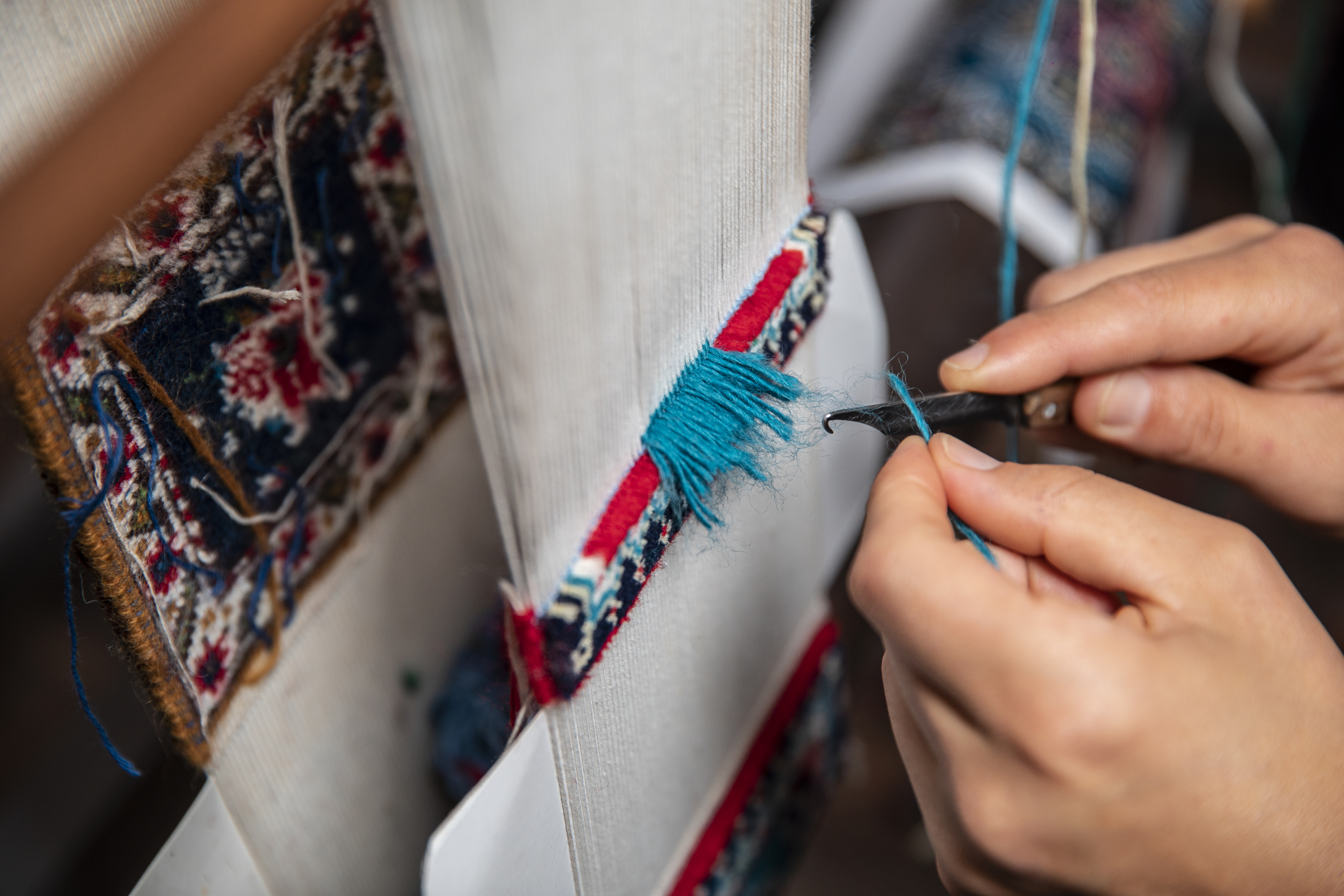
Textile Cooperatives in Refugee CampsIn the heart of Lebanon and Jordan’s refugee camps, amid the backdrop of displacement and uncertainty, Syrian women are weaving threads of hope and resilience. The formation of textile cooperatives in these camps is not just preserving the intricate art of Syrian textiles. Still, it also provides a lifeline – a crucial source of income and a profound sense of community for these displaced individuals.

Al Badia Cooperative: A Symbol of Cultural Preservation

The Al Badia Cooperative in Lebanon is one such beacon of hope. Renowned for its traditional embroidery techniques, Al Badia has become a textile group; it’s a symbol of cultural preservation. Here, women meticulously create patterns that tell stories of their homeland, keeping the rich tapestry of Syrian heritage alive. These artisans, many of whom had to flee their homes with little more than the clothes on their backs, find solace and dignity in the rhythmic movement of their needles and threads.

UNHCR’s Role in Supporting Livelihoods

The United Nations High Commissioner for Refugees (UNHCR) plays a pivotal role in supporting these cooperatives. By providing materials, training and a platform to sell these textiles, organizations like UNHCR are aiding in livelihood creation and helping preserve a vital part of Syrian culture. This support has been crucial in turning these initiatives from small-scale projects to sustainable income and cultural preservation sources.

Economic and Psychological Impact

The economic impact within the camps is palpable. For many women, the cooperatives offer not only a source of income but also a sense of normalcy and purpose. The earnings from these cooperatives often go towards supporting entire families and providing food, education and healthcare. Beyond the economic benefits, these cooperatives are a testament to the resilience and strength of Syrian women, who demonstrate remarkable fortitude in the face of adversity.

Cultural Significance Amidst Displacement

In a time when displacement threatens to erase cultural identities, these textiles stand as a defiant symbol of heritage and history. These fabrics are more than just craftsmanship products; they are narratives woven with threads of resilience, hope and a deep longing for a homeland left behind.

Conclusion: A Movement Beyond Economics

The emergence of textile cooperatives in refugee camps is more than an economic initiative. It is a movement that is preserving the intricate art of Syrian textiles, empowering women with a sense of purpose and ensuring that even in the face of displacement, the vibrant tapestry of Syrian culture continues to flourish. Through their work, these women are not only contributing to their communities. Still, they are also keeping the stories and traditions of Syria alive for future generations.

– Hana Al-Khodairi
Photo: Freepik

February 21, 2024
https://borgenproject.org/wp-content/uploads/borgen-project-logo.svg 0 0 Lynsey 2 https://borgenproject.org/wp-content/uploads/borgen-project-logo.svg Lynsey 22024-02-21 03:00:472024-02-20 03:00:11Syrian Women’s Textile Cooperatives in Refugee Camps
Global Poverty, Human Trafficking, Slavery

Human Traffickers Thrive Amid Global Conflict

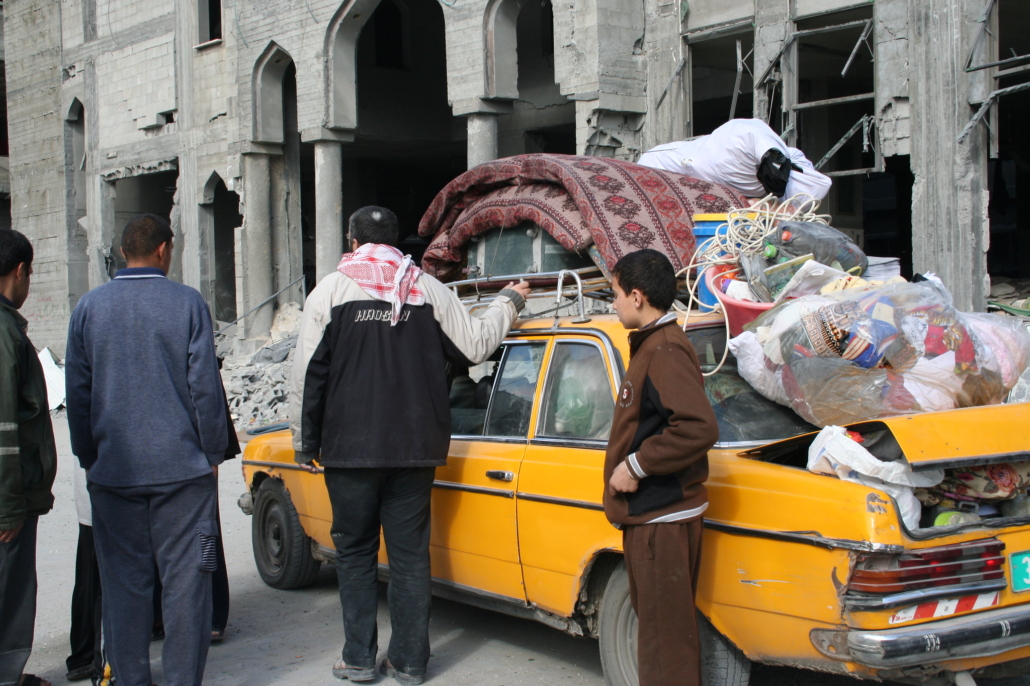
Human TraffickersThere are several reasons why people flee their home countries. War, persecution, climate disaster, hunger and extreme poverty all create circumstances that encourage people to seek out a better, more stable life. UNHCR noted more than 110 million forcibly displaced persons by the end of 2023. Human traffickers thrive amid global conflict, preying on displaced and vulnerable refugees. In a new host country, refugees may not be familiar with the legal system or language and are unlikely to have stable housing or income. The overwhelming majority of refugees reside within camps, with limited educational or job opportunities. Many are unable to gain legal status in their host country and are therefore unable to make an income.
Human Traffickers’ Tactics

Traffickers take advantage of vulnerabilities, particularly situations of poverty, using deceptive tactics to lure refugees into fraudulent travel and employment arrangements. For example, women and girls are commonly presented with vague job opportunities, with the promise of financial stability, only to be sold, trafficked and abused. Smugglers who promise refugees a safe journey and admittance into host countries, often turn around and demand more money. With little to no money to give, it is not uncommon for smugglers to exploit displaced individuals through sex trafficking.

Women and Children at Risk

Displaced children become vulnerable to child marriage and sex trafficking in exchange for food or clothes. Syrian children are often subject to child marriage, including to members of various terrorist organizations. These arrangements can lead to sexual slavery and forced labor. Similar reports of Afghan girls forced into arranged marriages have existed since the Taliban takeover. It is not uncommon for Afghan girls to face further exploitation in sex trafficking by their new husbands.

Romania has received more than 80,000 Ukrainian refugees since February 2022, when Russia invaded Ukraine. In a World Vision survey in Romania, 97% of participants had heard of instances of human trafficking. Over half of these people have identified women as the most at-risk population.

According to the International Rescue Committee, by the end of 2022, 52% of all global refugees came from three countries; Syria, Ukraine and Afghanistan. All three of these countries are struggling with conflicts and authoritarianism. Conflict weakens a country’s political stability, hence increasing economic vulnerabilities. To properly address and shut down human traffickers thriving amidst global conflict, greater awareness surrounding authoritarian government structures is necessary.

Taking Action Against Human Trafficking

The Global Protection Cluster (GPC) is a “network of nongovernmental organizations (NGOs), international organizations and U.N. agencies, engaged in protection work in humanitarian crises including armed conflict and disasters.”

The GPC, in terms of human trafficking, aims to ensure that partners and governments tasked with protecting people from trafficking are well-equipped to handle the task. It created the Task Team on Anti-Trafficking in Humanitarian Action in 2017. The Task Team is co-led by the International Organization for Migration (IOM) and UNHCR.  Task Team members include InterAction, the International Catholic Migration Commission (ICMC), the International Federation of Red Cross and Red Crescent (IFRC) and other major humanitarian organizations.

– Sophia Loizos
Photo: Flickr

February 2, 2024
https://borgenproject.org/wp-content/uploads/borgen-project-logo.svg 0 0 Kim Thelwell https://borgenproject.org/wp-content/uploads/borgen-project-logo.svg Kim Thelwell2024-02-02 01:30:452024-05-30 22:32:48Human Traffickers Thrive Amid Global Conflict
Global Poverty, Refugees

Opening Hearts, Opening Homes: Airbnb Assists Refugees in Need

Refugees in NeedThe U.N. Refugee Agency (UNHCR) reported 110 million people were forcibly displaced worldwide midway through 2023. This displacement developed as a result of conflict and violence in their native country, persecution and breaches of their human rights. The UNHCR reported of this 110 million, 36.4 million people are refugees.

Although the arrival of a refugee in a host country offers immediate relief from dangerous, life-threatening circumstances, the challenges they face do not immediately cease and instead will continue. This continued challenge could be linguistic barriers, difficulty securing work, troubles accessing services, including education for children, cultural barriers and finding a new home. 

The world-famous online platform that provides rental accommodation and experiences, Airbnb, is using its databases and tools to help home Refugees, creating a platform to ensure Airbnb assists refugees in need.

When Did Airbnb Start Helping Support Refugees

During Hurricane Sandy in 2012, an Airbnb host named Shell opened her home for free for evacuees escaping the natural disaster. Upon hearing this, Airbnb called upon other hosts in the area, leading to the opening of more than 1,000 host homes. This response inspired Airbnb to create a program to ensure Airbnb assists Refugees in need by providing emergency accommodation. Today, this program is known as the nonprofit organization Airbnb.org, which originated in 2020.

The Funding Behind Airbnb.org

Airbnb.org is independent of Airbnb and, therefore, has separate management and goals and, of course, is nonprofitable. However, Airbnb covers the organization’s operating costs. Airbnb states its funding means “community donations go even further to support people in times of crisis.” Airbnb also provides hosts with AirCover, insurance and damage protection in case problems arise during guest stays. Furthermore, Airbnb provides grants and waives guest fees to cover the costs of the emergency stay, as well as providing crucial technology, which all contribute to funding Airbnb.org.

How Airbnb Assists Refugees in Need

Those eligible for Airbnb.org emergency housing are those displaced due to natural disasters, refugees, people seeking asylum, or, for example, a Special Immigrant Visa and relief workers. Airbnb hosts can open their homes either for free or at a discount with Airbnb.org. Alternatively, hosts can sign up exclusively to accommodate refugee guests. Airbnb.org acts as the connection between refugees and emergency temporary housing, providing daily necessities and a bed for as many nights as possible. Emergency stays can be around a month or more and typically begin within one to two days after the first point of contact due to the situation’s urgency.

The Partnerships That Ensure Airbnb Assists Refugees in Need

Airbnb.org works alongside non-governmental organizations, humanitarian groups and governments. These groups include the International Rescue Committee (IRC); HIAS, a global Jewish organization assisting refugees; Build Change, a disaster recovery company; and the Community sponsorship hub. By partnering with refugee resettlement groups, potentially eligible refugee guests are located and supported to ensure they can access Airbnb.org’s help.

The Success of Airbnb.org

Since 2020, more than 91,000 hosts from 189 countries have opened their homes for refugees with Airbnb.org. As of July 2023, Airbnb.org has reported connecting close to 300,000 people with emergency housing. The 2023 UNHCR mandate said more than 50% of refugees came from only three countries: the Syrian Arab Republic, Afghanistan and Ukraine. At the beginning of 2022, Airbnb.org reported it housed 100,000 Ukrainians and 20,000 Afghan refugees. 

Helping to house such a substantial number of people during times of crisis is a remarkable achievement. Airbnb, using its platform to provide aid and support to refugees who often have left their homeland with very little, makes a difference to a person’s resettlement journey. As Airbnb assists refugees in need, it demonstrates how other companies can use their stage to help others. Encouraging hosts to open their hearts and homes to help others demonstrates how one individual can make a tangible difference in another person’s life. Support in this way must continue as the number of refugees rises; thus, the need for housing grows.

– Heidi Helen Horgan
Photo: Flickr

December 15, 2023
https://borgenproject.org/wp-content/uploads/borgen-project-logo.svg 0 0 Yuki https://borgenproject.org/wp-content/uploads/borgen-project-logo.svg Yuki2023-12-15 07:30:152023-12-18 08:25:06Opening Hearts, Opening Homes: Airbnb Assists Refugees in Need
Global Poverty

Organizations Improving Conditions Inside Syrian Refugee Camps

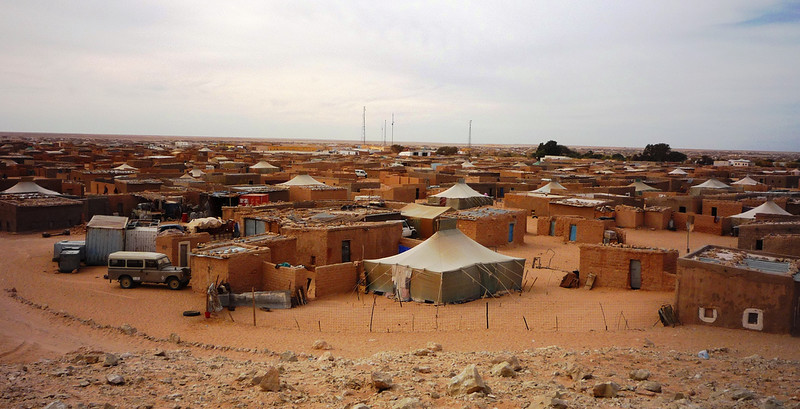
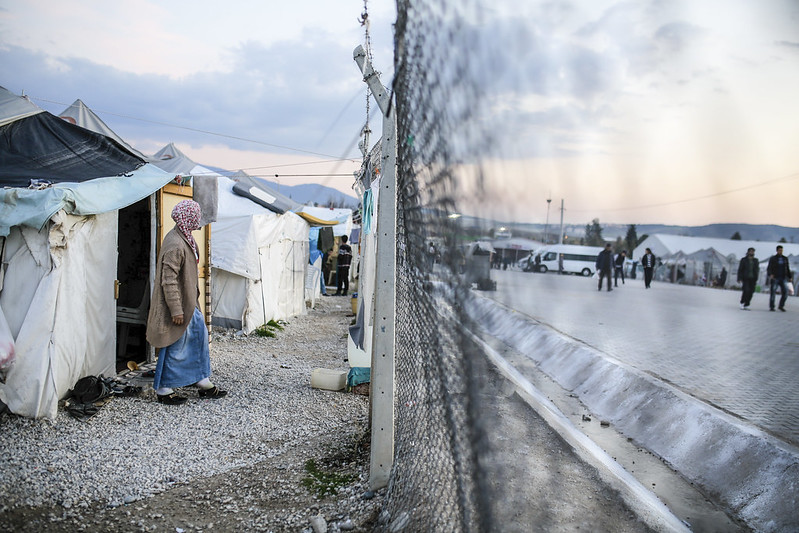
Syrian Refugee CampsThe Syrian Civil War began in March 2011. Over a decade later, the world is still seeing the effects of this conflict. The once beautiful and culturally rich country has transformed into a horrific war scene. The war has created approximately 5.5 million Syrian refugees and an additional 6.8 million displaced within their home country. Documented refugees are still surviving in camps and informal settlements. Many of these refugees live with their families in tents, in overcrowded and unsanitary living conditions. There are limited resources, medical facilities and job opportunities within these camps. It is estimated that over 12 million Syrians are food insecure. Three organizations improving conditions inside Syrian refugee camps include the Karam Foundation, UNHCR and the International Medical Corps.

The Karam Foundation

Karam means generosity in Arabic. The Karam Foundation works alongside displaced Syrian youth to empower and educate individuals, redefining what it looks like to be a refugee. The organization works on the ground in Istanbul and Reyhanli, Turkey. 

This foundation believes in self-sufficiency and takes a radically unique approach toward humanitarian aid. Community and mentorship are founding values that are present in the Karam House, a safe space for youth and their families to connect with others and learn through creative workshops and innovative educational programs.

Also, the Karam Foundation strives to inspire Syrian youth to become future leaders, empowering individuals with the skills they need to thrive. Nearly 5,000 lives have been impacted so far; their objective is to reach 10,000 young Syrian refugees by 2028.

UNHCR, the U.N. Refugee Agency

Located in Jordan, the Za’atari Refugee camp is the largest Syrian refugee camp in the world, hosting approximately 80,000 people. According to the U.N. Refugee Agency, 32 organizations and nonprofits are currently operating within Za’atari, all employed and managed by UNHCR. 

UNHCR has been leading humanitarian efforts since the founding of the camp in 2012. It provided tents to the first refugees and has since replaced them with 25,000 prefabricated shelters. In 2017, a solar power plant was installed, providing power to the camp between nine and 12 hours a day. 

This global organization also provides refugees with money quarterly to assist them in attaining their basic needs.

International Medical Corps

As a global first responder, the International Medical Corps is another important organization improving conditions inside Syrian refugee camps. Its international team responds to those affected by war, natural disasters and disease, regardless of location. 

Since its founding in 1984, the International Medical Corps has delivered aid to people in more than 80 countries. The organization values self-reliance and thus trains communities in medical response, further strengthening global health care systems. 

Its 2022 operations in Damascus alone have provided 316,702 primary health care consultations, 24,638 child screenings for malnutrition, and reached 6,690 people with psychosocial activities. The International Medical Corps has also responded to thousands in need of mental health support in Syria.

Several other organizations and nonprofits are delivering humanitarian aid to Syrian refugees, including Direct Relief, World Relief, the International Rescue Committee and Anera. Each organization provides vital support and resources to those trapped in the ongoing conflict.

– Sophia Loizos
Photo: Flickr

December 7, 2023
https://borgenproject.org/wp-content/uploads/borgen-project-logo.svg 0 0 Kim Thelwell https://borgenproject.org/wp-content/uploads/borgen-project-logo.svg Kim Thelwell2023-12-07 01:30:042024-06-11 00:18:02Organizations Improving Conditions Inside Syrian Refugee Camps
Page 4 of 21«‹23456›»

Get Smarter

  • Global Poverty 101
  • Global Poverty… The Good News
  • Global Poverty & U.S. Jobs
  • Global Poverty and National Security
  • Innovative Solutions to Poverty
  • Global Poverty & Aid FAQ’s
Search Search

Take Action

  • Call Congress
  • Email Congress
  • Donate
  • 30 Ways to Help
  • Volunteer Ops
  • Internships
  • Courses & Certificates
  • The Podcast
Borgen Project

“The Borgen Project is an incredible nonprofit organization that is addressing poverty and hunger and working towards ending them.”

-The Huffington Post

Inside The Borgen Project

  • Contact
  • About
  • Financials
  • President
  • Board of Directors
  • Board of Advisors

International Links

  • UK Email Parliament
  • UK Donate
  • Canada Email Parliament

Get Smarter

  • Global Poverty 101
  • Global Poverty… The Good News
  • Global Poverty & U.S. Jobs
  • Global Poverty and National Security
  • Innovative Solutions to Poverty
  • Global Poverty & Aid FAQ’s

Ways to Help

  • Call Congress
  • Email Congress
  • Donate
  • 30 Ways to Help
  • Volunteer Ops
  • Internships
  • Courses & Certificates
  • The Podcast
Scroll to top Scroll to top Scroll to top