From Python to Plate: AI Fighting Food Insecurity in Thailand
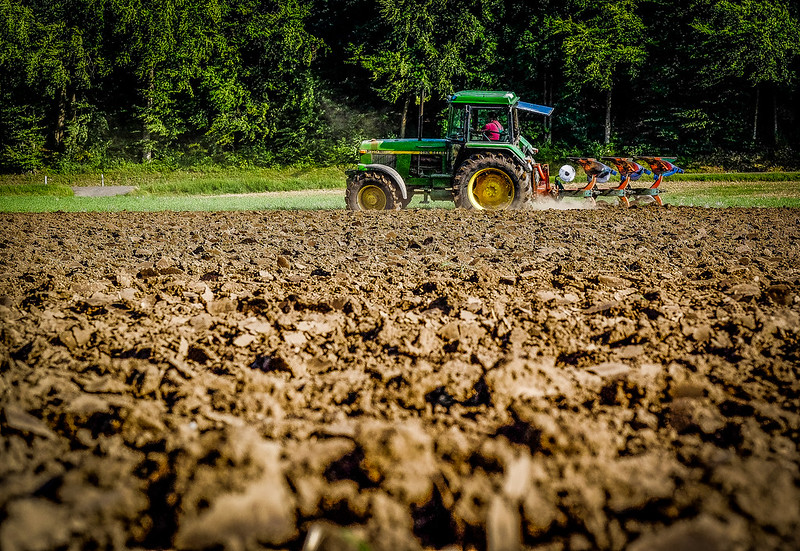 Thailand is a country in Southeast Asia with a population of around 70 million in 2023. In the past few decades, Thailand’s population has been growing exponentially, with an increase of 9.1 million between the years 2000 and 2023. Thailand is a very significant player in the food processing industry, with exports valuing $39 billion in 2022 alone. Despite the country’s prevalence in the food production and export businesses, a 2023 study found that food insecurity impacts 28.6% of the population. Factors impacting this include the lasting effect of the COVID-19 pandemic, geographical location and debt.
An Aging Population or a Call to Action?
Recently, Thailand’s population growth has started to slow, raising concerns regarding the prospect of an aging population. In fact, according to the World Bank, “Thailand is the second-fastest aging country in the Association of Southeast Asian Nations (ASEAN) after Singapore, and it is growing old before it grows rich.” If Thailand’s population continues to age, shrinking the country’s workforce, the percentage of Thai citizens living under the poverty line and/or impacted by food insecurity could only continue to grow. To prevent this, it is essential to emphasize and support technologies and legislation that could increase productivity and allow Thai industries to thrive – even with a more limited workforce.
The Connection between AI and Food Insecurity
AI fighting food insecurity may be Thailand’s solution to their aging workforce. In recent years, the Thai government has presented several new programs and technologies to support the growth of AI. One example is the Bio-Circular-Green (BCG) economic model. The BCG model is an economic plan that emphasizes sustainability and productivity in several different spheres of industry, one being food and agriculture. According to the BCG model, the Thai agricultural industry could skyrocket in value if the country implements smart farming technology.
Smart farming tactics not only address issues of sustainability but also increase yield, preserve resources and minimize excessive labor. For example, predictive AI can alert farmers about potential pest outbreaks or droughts.
Ricult and HandySense B-Farm
One specific example of AI fighting food insecurity in action is tech start-up Ricult. Usman Javaid and Aukrit Unahalekhaka founded Ricult in an attempt to assist small farmers in their respective native countries, Pakistan and Thailand. One of the projects that the start-up has been developing is a free-to-use phone app meant to make AI-based agritech more accessible to small-scale farmers. Ricult’s website states that the app provides farmers with a “weather forecast, farm satellite, [and] expert advice to improve productivity and profit… [as well as] maximize yield and optimize operations with AI.” Approximately 400,000 farmers in Thailand are using the Ricult app.
Another notable AI agritech program is HandySense B-Farm, a beginner-friendly coding software that specializes in designing digital models for precision farming. The program is highly personalizable and can be adjusted according to crop type and farming conditions. The program includes “a variety of sensors such as real-time temperature, soil moisture, relative humidity, and light sensors, … [enabling] users to design control systems that meet the specific needs of their farms, such as automatic watering when the soil is dry or turning on supplementary lighting when there is insufficient light”
AI and Food Insecurity
According to Research and Markets, the Thailand AI in Agriculture Market stood at $80.33 million in 2023 and could reach $113.96 million by 2029, rising at a CAGR of 6.08%. This exponential increase in market value suggests that AI fighting food insecurity will have a very significant influence in Thailand.
– Helena Birbrower
Helena is based in Davis, CA, USA and focuses on Global Health and Politics for The Borgen Project.
Photo: Flickr
