200,000 Invisible Lives: Migration to Malaysia
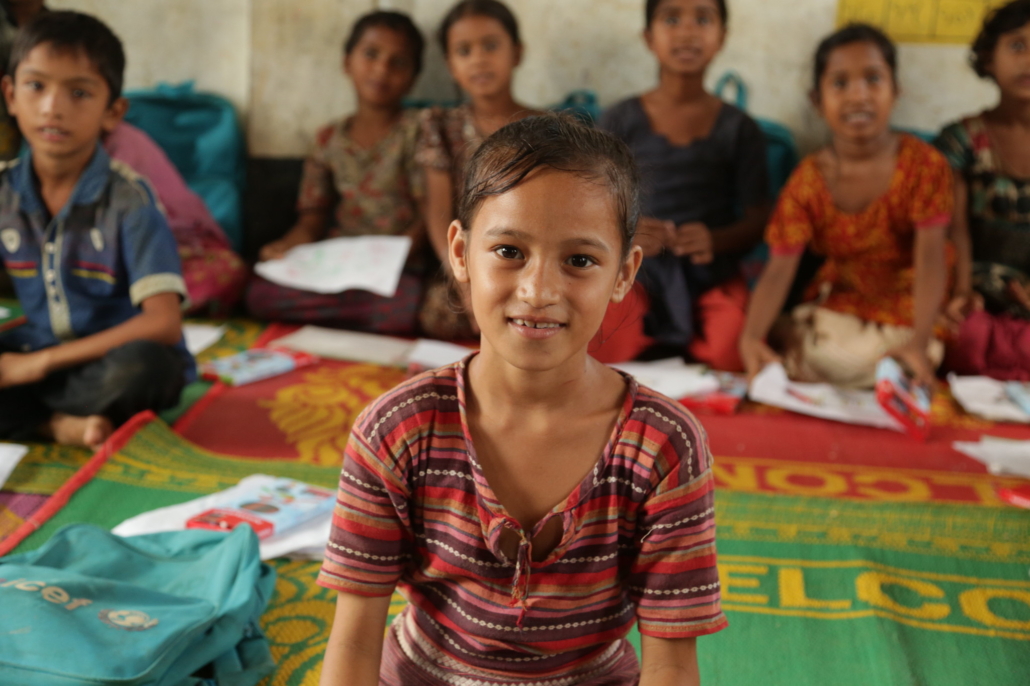 In a cramped, poorly maintained home, a Rohingya mother of three avoids stepping outside – not out of fear of violence, but arrest. Despite fleeing persecution in Myanmar, she now lives without legal protection, access to health care or the right to work. Her story is not unique. For tens of thousands, migration to Malaysia represents a final hope, only to enter a cycle of legal invisibility and daily struggle.
Malaysia hosts one of the largest refugee populations in Southeast Asia. However, the lack of a formal legal framework for refugees leaves them deeply vulnerable to poverty, exploitation and systemic neglect.
Who Comes and Why?
As of May 2025, around 200,260 refugees and asylum-seekers are registered with the United Nations High Commissioner for Refugees (UNHCR) in Malaysia. More than 179,000 are from Myanmar, including 117,670 Rohingya, 29,620 Chin and 31,730 other ethnic minorities. They fled ethnic violence, forced displacement and persecution. Others come from more than 50 different countries, including Pakistan, Yemen, Somalia, Afghanistan, Sri Lanka, Palestine, Iraq and Syria.
As of 2025, men make up 64% of refugees and asylum-seekers, while women account for 36%. Alarmingly, more than 50,000 are children under the age of 18, many of whom have never stepped foot inside a formal school.
Migration to Malaysia is often undertaken in desperation. Neighboring countries often turn away refugees or deny long-term protection, and many see Malaysia as a stepping stone to resettlement. However, few are successfully resettled.
Legal Status and Daily Reality
One will find that daily life is arduous for refugees in Malaysia. The country has not signed the 1951 Refugee Convention or its 1967 Protocol. Malaysia does not legally recognize refugee status. Under the Immigration Act 1959/63, refugees and asylum-seekers are considered undocumented immigrants and are subject to arrest and deportation. The UNHCR issues refugee cards, but these offer no protection under Malaysian law. The consequences of this legal limbo are wide-reaching, affecting every aspect of daily life for those who experience migration to Malaysia. These include:
- Work: Refugees are prohibited from working legally. Many work in informal sectors with long hours, poor conditions, low wages and no labor protection. Without labor rights, they face wage theft, exploitation and workplace abuse, with little to no recourse.
- Education: Public schools in Malaysia do not accept refugee children. Community-based learning centers fill this gap. However, many of these centers are underfunded, overcrowded and unrecognized by the government.
- Health Care: Refugees do not qualify for subsidized public health care. While some clinics treat UNHCR cardholders, the costs remain prohibitive for many. Many often delay treatment or avoid seeking care altogether due to financial constraints and fear of arrest.
Civil Society Response
In the absence of formal state protection, civil society and humanitarian organizations play a crucial role in supporting those migration to Malaysia affects. ElShaddai, which is based in Klang, provides education and health care to refugee families. In 2022, there were 18 ElShaddai learning centers located in Selangor, Kelantan, Pahang and Sabah serving 1,400 children from marginalized communities. Today, the organization operates more than 20 learning centers across Malaysia to provide preschool to diploma-level education.
Founded in 1991, Tenaganita is a Malaysian human rights organization that supports refugees through legal aid, psychosocial counseling and community empowerment. Its Refugee Action Program works with eight Burmese-led refugee groups to assist in wage negotiation, education access and protection from detention. During the COVID-19 pandemic, the organization coordinated relief efforts that reached more than 2,200 families in more than 100 locations across the Klang Valley.
The Malaysian Social Research Institute (MSRI) supports refugees through its food aid and social service programs, including education, psychological counseling and skills training. As of now, MSRI reported 1,400 families supported and 721 clients served.
A Potential Turning Point
In July 2025, Malaysia’s Home Ministry announced plans to launch a national refugee registration system. The initiative aims to improve data transparency and complement the work of the UNHCR. While the plan’s implementation details remain vague, it signals a possible shift toward greater state involvement and accountability in managing migration to Malaysia.
If effectively executed, the system could lead to better service provision, targeted aid distribution and a path toward formal recognition. However, without accompanying legal reforms, refugees will remain unprotected.
The Path Forward
Migration to Malaysia will continue as long as regional conflict and instability persist. Refugees contribute to Malaysian society – they work, raise families and engage in communities – yet outside of the legal framework.
Malaysia has the opportunity to lead in Southeast Asia by adopting a clear refugee policy. Recognizing refugee status, granting work rights and providing access to basic services are essential steps. A legal and humanitarian approach to migration can ensure that the thousands who seek safety in Malaysia are no longer invisible.
– Kai Xian Lim
Kai is based in Lille, France and focuses on Global Health and Politics for The Borgen Project.
Photo: Flickr
