• Link to X
  • Link to Facebook
  • Link to Instagram
  • Link to TikTok
  • Link to Youtube
  • About
    • About Us
      • President
      • Board of Directors
      • Board of Advisors
      • Financials
      • Our Methodology
      • Success Tracker
      • Contact
  • Act Now
    • 30 Ways to Help
      • Email Congress
      • Call Congress
      • Volunteer
      • Courses & Certificates
      • Be a Donor
    • Internships
      • In-Office Internships
      • Remote Internships
    • Legislation
      • Politics 101
  • The Blog
  • The Podcast
  • Magazine
  • Donate
  • Click to open the search input field Click to open the search input field Search
  • Menu Menu

Tag Archive for: UNHCR

Posts

Africa, Child Soldiers, Global Poverty

Child Soldiers in Burkina Faso: Why Child Recruitment Is a Crisis

Child Soldiers in Burkina FasoAccording to the U.N. Secretary-General’s annual report on Children and Armed Conflict, published in June 2024, terrorist groups in Burkina Faso predominantly recruited 169 child soldiers. Since the outbreak of conflict in August 2015 between Islamist groups and the government, Burkina Faso has faced yet another political and social challenge alongside child labor: child soldiers recruitment. Alongside ongoing cases of child abuse—including killings, kidnappings and labor exploitation— military extremist groups’ recruitment of child soldiers in Burkina Faso is increasing by nearly 100 individuals annually. Despite extensive child protection efforts by UNICEF and other organizations, such as Save the Children and Caritas, violations and crimes against children, and the recruitment of child soldiers in Burkina Faso continue to rise due to the government’s unstable position, a worsening humanitarian crisis and societal divisions.

Brief Background of the Burkina Faso Conflict

The ongoing conflict in Burkina Faso escalated on August 23, 2015, when a rebel Islamist group affiliated with an Islamist insurgency movement attacked multiple government posts, resulting in numerous civilian deaths and injuries. According to U.N. reports, nearly 10 years of war have killed at least 10,000 civilians and combatants, not including regular kidnappings. The statistics on political instability, the rise of new hotspots and the increase in existing ones are disheartening. An analytical report by Al Jazeera showed that the number of hotspot locations increased from 303 in 2018 to 2,216 locations in 2019, representing an approximate rise of 631.3% in just one year. The most vulnerable groups in these conflict zones remain women, the elderly and children, who suffer not only from the humanitarian crisis but also from the widespread practice of child soldier recruitment, a practice that the Burkina Faso government strictly prohibits.

Where Does Child Soldier Recruitment Take Place?

Since the practice of child soldier recruitment is widespread and often beyond state control, its origins remain unclear. Some of the most significant instances of child soldier use throughout history occurred during the Vietnam War, World War II and in modern times, within Russian Army forces in the Russo-Ukrainian war. However, the regions that suffer the most from the practice of child soldier recruitment are primarily in Africa. According to the U.N. annual report, countries such as the Central African Republic, North Sudan, Sudan, Nigeria, Somalia, Mali and the Democratic Republic of Congo (DRC) are among the hardest-hit territories. The report indicates that armed groups recruit between 100 and 2,000 children as soldiers annually in these areas.

Child Soldiers in Burkina Faso and Child Abuse

While the humanitarian crisis and war crimes continue to be major issues, the statistics on child abuse in the country during this period are also rapidly worsening. Given the unstable position of the government, the vulnerability of civilians, particularly women and children, has become a deeply challenging issue to resolve. According to UNICEF, up to 93% of children in the country lack access to public health services, hygiene, nutrition and education. Additionally, UN Trade and Development reports that “nearly four out of 10 people live in extreme poverty.” This situation is caused by insufficient production capacity for goods and services, the challenging transition from a highly centralized state economy to a market economy, major political instability, the geographical disadvantage of being landlocked and external debt.

Another significant issue is the regular recruitment of child soldiers by extremist military groups. The charitable organization Theirworld, dedicated to ending the global education crisis, reports on the causes of child soldier recruitment. In many cases, extremist groups kidnap children and force them into service, while social and economic pressures in their country drive others to join. Lacking proper access to education and humanitarian aid, and struggling with poverty, these children become more vulnerable to the influence of terrorist groups that promise them money or drugs in exchange for their service. As a result, those who join the military often commit war crimes, including killing civilians, or become victims of sexual abuse. Reuters reports that some of these children even participate in massacres.

The World’s Response

In response to the recruitment of child soldiers, some of the world’s largest organizations, such as UNICEF and Save the Children, have established multiple charitable programs that receive donations from volunteers worldwide. UNICEF’s reintegration program for former child soldiers has helped more than 8,700 children escape armed groups and reintegrate into civilian life. Through its partners, UNICEF provides these children with full access to education, health care, counseling services and a safe place to live during their recovery period.

Additionally, Save the Children delivers child rights protection and education services in African regions, while also creating petitions and securing ongoing donations to support the cause. It provides education to war-affected children, including former child soldiers, by offering accelerated learning programs and psychological support. Its efforts resulted in 4,000 children receiving education and becoming empowered, and 62,000 children receiving protection from harm.

Furthermore, the UN Integrated Strategy for the Sahel (UNISS), together with key partners such as UNICEF, UNHCR and the Office of the Special Representative of the Secretary-General for Children and Armed Conflict (OSRSG-CAAC), works with governments and armed groups to sign and implement action plans aimed at ending the recruitment and use of child soldiers.

A Call to Action

While the recruitment of child soldiers remains one of the most devastating and persistent issues in Burkina Faso, driven by severe economic and political challenges, powerful global organizations like the UN and UNICEF are uniting for a common goal: to combat poverty and protect the vulnerable. Through impactful campaigns such as UNICEF’s program for Children Associated with Armed Forces and Armed Groups (CAAFAG), they are working to protect children in conflict zones and ensure their reintegration into society in African regions including Burkina Faso. 

All the programs mentioned are working in Sahel conflict zones, where Burkina Faso is included, so far none of the specific branches to work only in Burkina Faso was created. Additionally, child soldiers receive the same help as other vulnerable children in Sahel conflict zones.

– Liubov Linnyk

Liubov is based in England and focuses on Politics for The Borgen Project.

Photo: Flickr

March 9, 2025
https://borgenproject.org/wp-content/uploads/borgen-project-logo.svg 0 0 Jennifer Philipp https://borgenproject.org/wp-content/uploads/borgen-project-logo.svg Jennifer Philipp2025-03-09 07:30:012025-03-08 23:54:19Child Soldiers in Burkina Faso: Why Child Recruitment Is a Crisis
Global Poverty, Migration, Refugees

Migration to Pakistan and the Afghan Refugee Crisis

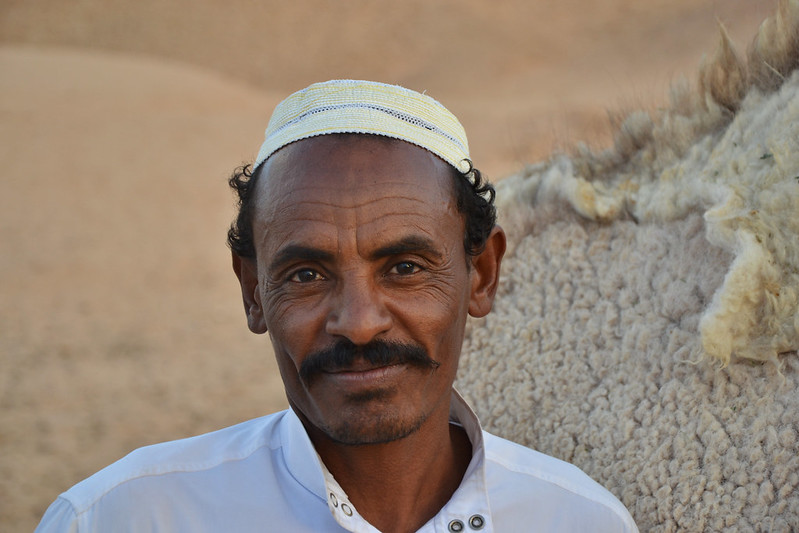
Migration to PakistanPakistan has been a longstanding host to Afghan refugees, providing asylum for over four decades. Migration to Pakistan continues to be a necessity for many Afghans seeking safety and stability.
About Migration to Pakistan

As of October 2024, Pakistan shelters approximately 1.35 million registered Afghan refugees, while the government estimates an additional 600,000 Afghans have entered the country since the Taliban’s return to power in 2021. This influx has placed immense pressure on Pakistan’s economic and social infrastructure, as the country struggles with rising inflation, political instability and security concerns.

Since October 2023, the Pakistani government has tightened its policies, announcing the Illegal Foreigners’ Repatriation Plan (IFRP), which aims to expel undocumented foreigners, primarily targeting Afghan refugees. Nearly 600,000 Afghans have already returned to Afghanistan, fearing arrest or deportation. The situation raises serious humanitarian concerns, as many returnees face poverty, unemployment and insecurity in Afghanistan.

Pakistan’s Role as a Host Country

Pakistan has been one of the largest refugee-hosting countries in the world. Afghan refugees migrated to Pakistan in multiple waves, beginning with the Soviet invasion in 1979, followed by the civil wars of the 1990s, and the U.S.-led war on terror in the 2000s. The most recent crisis emerged after the Taliban’s takeover in 2021, prompting many Afghans—particularly women, journalists and activists—to flee due to threats of persecution.

For decades, migration to Pakistan has been a safe refuge for Afghans escaping conflict and oppression in Afghanistan. Despite its economic struggles, Pakistan has facilitated education, health care and work opportunities for many Afghan refugees. Several international organizations, including the United Nations High Commissioner for Refugees (UNHCR), have collaborated with the Pakistani government under the Solutions Strategy for Afghan Refugees (SSAR) to provide legal protection, assistance and voluntary repatriation programs. Pakistan Poverty Alleviation Fund (PPAF) and the UNHCR launched the UNHCR-PPAF Empowerment Initiative in 2019. This program aims to support Afghan refugees in Pakistan by improving their livelihoods. Since its inception, the initiative has provided vocational training to more than 11,000 refugees and host community members, supported 900 Afghan refugee families through the Poverty Graduation Programme, and helped 2,000 refugee women develop artisanal skills. However, increasing domestic challenges have led Pakistan to reconsider its long-term refugee policies.

Deportation and Legal Complexities

Pakistan is not a signatory to the 1951 Refugee Convention or its 1967 Protocol, which means it has no legal obligation to grant asylum under international refugee law. However, the principle of non-refoulement, a core aspect of international humanitarian law, prohibits states from forcibly returning refugees to a country where they face persecution or harm.

The Pakistani government argues that security conditions in Afghanistan have stabilized, and many refugees do not face a “serious or credible” threat upon return. Additionally, Pakistan’s strained economy and security concerns—including the rise in cross-border terrorism—have contributed to harsher policies against undocumented Afghan nationals. This has led to mass deportations, which human rights organizations, including Amnesty International, have criticized as inhumane and unlawful.

Challenges That Afghan Refugees are Facing

Afghan refugees in Pakistan struggle with economic hardship, discrimination, and legal uncertainty. Many lack official documentation, making it difficult to access formal employment, education and health care. Women and children, in particular, face higher risks of exploitation and poverty.

As negative perceptions regarding refugees in Pakistan become more prevalent, fears of unforeseeable arrests and harassment by police are increasing among the Afghan refugees. Various reports suggest that under the threats of deportation, many refugees left for Afghanistan after selling their possessions at low prices, returning to a life of poverty and insecurity. While inadequacy of basic services in Afghanistan persists, forced repatriation in the absence of sustainable reintegration plans further debilitates Afghanistan’s humanitarian crisis.

International Response and the Way Forward

UNHCR and other humanitarian organizations have questioned Pakistan for its forced expulsion of the Afghan refugees. Voluntary repatriation and long-term integration policies have been the key aspects of UNHCR’s proposals, which offers economic and logistical assistance to both refugees and host populations.

Although the international community, inclusive of European Union and the United States, has partaken in the provision of financial assistance to the Afghan refugees in Pakistan and adjacent nations, the fundraising effort have been insufficient in meeting the actual funding requirements, restraining the success of the humanitarian efforts. In order to address the dire Afghan refugee situation mindfully, a regional scheme incorporating Pakistan, Afghanistan, and the international stakeholders is needed more than ever.

Conclusion

Even though Pakistan is increasingly challenged by its economic and security issues, tackling the Afghan migration to Pakistan situation humanely and diplomatically remains essential for its stability. Afghan refugees are more than uprooted individuals – they possess the skills and resilience to contribute to both their sponsoring nations and their native land.

With investment in education, labor force and legal channels, the regional and international stakeholders will likely be able to provide enduring solutions that improve the conditions of the refugees and the indigenous communities.

– Syeda Khadija Zafar

Syeda is based in Karachi, Sindh, Pakistan and focuses on Business and Technology for The Borgen Project.

Photo: Pixabay

March 6, 2025
https://borgenproject.org/wp-content/uploads/borgen-project-logo.svg 0 0 Jennifer Philipp https://borgenproject.org/wp-content/uploads/borgen-project-logo.svg Jennifer Philipp2025-03-06 01:30:372025-03-06 01:02:41Migration to Pakistan and the Afghan Refugee Crisis
Global Poverty, Women's Empowerment

Poverty in Saudi Arabia

Poverty in Saudi Arabia Between 2010 and 2021, the poverty rate in Saudi Arabia decreased from 18.2% to 13.6%, lifting 483,000 Saudis out of poverty. However, significant challenges remain, including systemic unemployment and a lack of affordable housing. With a nominal GDP of $1.07 trillion, the country boasts the largest economy in the Middle East. Despite this economic strength, the kingdom also has the highest poverty rate among Gulf states, with one in seven Saudi nationals living in poverty.
Poverty Hidden from View

Saudi Arabia does not officially disclose statistics on poverty or define a poverty threshold. The kingdom portrays itself as a highly developed and civilized nation, with gleaming cities like Riyadh and luxury resorts along the Red Sea, boosting its tourism industry. Yet, poor neighborhoods and slums exist, though their locations often make them invisible to visitors. Urban layouts deliberately segregate lower-class neighborhoods from highways and central city areas, pushing low-income citizens to society’s fringes. Until 2002, Saudi officials denied the existence of poverty altogether and state-run media ignored the issue until Crown Prince Abdullah bin Abdulaziz visited a Riyadh slum, bringing the problem to light.

Vision 2030

Saudi Arabia derives most of its wealth from the oil sector. Vision 2030 is a plan to reduce the country’s reliance on oil by diversifying industries, expanding the private sector and scaling down the public sector. A cornerstone of this initiative is the partial privatization of Aramco, the state-owned oil giant. However, the plan also includes privatizing public services, such as hospitals and schools. A significant challenge for Saudi citizens under Vision 2030 is the proposed reduction in state employment.

Currently, two-thirds of Saudis work in government jobs, but the plan aims to lower this to 20% of the population. Welfare spending, which includes free education and health care, has also seen cuts. The government funds much of its welfare spending through Zakat, an Islamic principle requiring individuals to donate 2.5% of their wealth to charity. The government collects and distributes these funds. Under Vision 2030, the government is reducing subsidies for essential services like fuel, electricity and water. These cuts disproportionately affect poorer citizens, creating further challenges for those already struggling financially.

Women and Migrant Workers: The Most Vulnerable

Under Islamic law, men are traditionally responsible for financially supporting women and children. As a result, women without a husband or living male relative often face significant socio-economic challenges. Female-headed households represent a large proportion of the poorest families in Saudi Arabia. Although women are permitted to work independently, many employers require written consent from a male guardian, limiting women’s participation in the labor force. This guardianship system creates barriers to employment, increasing women’s vulnerability to poverty and rising living costs. Migrant workers, particularly women, are among the most vulnerable groups in Saudi society. They often endure low wages, financial hardships and exploitative practices such as wage withholding and the confiscation of passports, exacerbating their economic challenges.

Progress and Solutions

According to the United Nations (U.N.), poverty in Saudi Arabia has become less of a taboo topic since the crown prince visited a Riyadh slum in 2002. Following this pivotal moment, the country implemented the National Poverty Reduction Strategy in 2005 and the Supplementary Support Programme in 2006, both aimed at assisting those in need. Policy reforms remain essential to effectively combat poverty. Key strategies include promoting a fair tax system, enhancing the efficiency of social protection transfer programs and revising land distribution and public procurement policies. Additionally, prioritizing investments in skill development for citizens is critical. These measures can help expand access to socioeconomic opportunities, fostering greater inclusion and reducing poverty across the nation.

Looking Ahead

Efforts to tackle poverty in Saudi Arabia are advancing, however, systemic challenges such as unemployment, limited affordable housing and economic disparities persist. Targeted reforms, including improved social protection systems and investments in education and skill development, remain critical to achieving greater socioeconomic inclusion. As the kingdom moves forward with Vision 2030, balancing economic diversification with equitable welfare measures could be essential to reducing poverty further.

– Salome von Stolzmann

Salome is based in London, UK and focuses on Global Health and Politics for The Borgen Project.

Photo: Flickr

January 11, 2025
https://borgenproject.org/wp-content/uploads/borgen-project-logo.svg 0 0 Precious Sheidu https://borgenproject.org/wp-content/uploads/borgen-project-logo.svg Precious Sheidu2025-01-11 07:30:342025-01-10 02:23:24Poverty in Saudi Arabia
Aid, Global Poverty, Government

4 Estonian Organizations Making a Difference

Estonian OrganizationsEstonia, a northeastern European country north of the three Baltic states, features about 1,500 islands and islets. Unlike many European countries, Estonia has the third-highest percentage of immigrants, predominantly from Russia. According to Eurostat, Estonia had 37 immigrants per resident in 2022. In 2022, during the full-scale invasion of Ukraine, Estonia responded by offering refugees temporary protection and access to employment and public services. In 2023, Estonia contributed approximately $109.3 million in Official Development Assistance (ODA), which the OECD iLibrary reports as a 52.4% decrease. However, Estonian organizations and officials have developed policies aimed at enhancing their support to other countries and providing humanitarian aid to eradicate poverty.

Estonian Refugee Council

The Estonian Refugee Council assists refugees globally by providing humanitarian aid, including food and security, support services, mental health services and community services. It also raises awareness about the challenges refugees face in their home countries. The council operates three main programmatic areas with several subprograms focused on education and awareness, entrepreneurship and multi-purpose cash assistance. These programs aim to enhance communal and mental well-being, financial stability and emergency security for refugees. The council has supported more than 293,000 Ukrainian refugees and recently initiated a campaign to aid those affected by the conflict in Lebanon.

Estonian American Fund

The Estonian American Fund or Eesti Ameerika Fond, supports educational, medical and scientific advancements in Estonia by providing equipment and supplies to institutions such as clinics and hospitals. The fund focuses on three core missions: health care, education, and institution building. In health care, the fund has enabled access to drugs and nursing supplies for 7,500 patients, with grants totaling about $18,817. In education, it has allocated $26,068 to train physicians abroad in their chosen specialties, covering education, travel, and living expenses. The institution-building project has received $14,400 to support the construction of hospitals and research centers, including the Estonian Women’s Studies and Research Centre.

UNHCR Estonia

Since Estonia is a member of the European Union (EU), which is one of the three major governmental partners of UNHCR, it hosts a branch of the organization. As part of the Nordic and Baltic regions, Estonia focuses its efforts with UNHCR on supporting governments in European and international legislation concerning asylum, international protection and statelessness. This commitment enables refugees to apply for asylum and gain access to countries in the Nordic and Baltic areas, including Estonia. Additionally, UNHCR in Estonia collaborates with the government, local authorities, NGOs and the media to safeguard refugee rights.

Estonian Foodbank

The Estonian Food Bank, a subsidiary of the German organization Riesenkampff Stiftung, was established in 2010 to combat poverty and food waste. It secures agreements with Estonian organizations, food producers, importers, supermarkets and the EU’s food aid program to supply food to the less fortunate. The food bank trains workers and volunteers to distribute food, organizes local food gatherings in its stores, runs charity campaigns and engages in numerous cooperative projects with other organizations within Riesenkampff Stiftung.

Looking Ahead

Estonia remains committed to supporting both local and international humanitarian efforts through a variety of initiatives. By providing aid to refugees, improving health care and education and addressing food insecurity, Estonia plays an active role in alleviating global challenges. Despite facing financial constraints, Estonian organizations continue to focus on enhancing the well-being of vulnerable populations. These ongoing actions reflect Estonia’s dedication to making a positive difference in global humanitarian work, ensuring assistance reaches those most in need.

– Ashley Diaz

Ashley is based in Homestead, FL, USA and focuses on Business and New Markets for The Borgen Project.

Photo: Flickr

October 25, 2024
https://borgenproject.org/wp-content/uploads/borgen-project-logo.svg 0 0 Precious Sheidu https://borgenproject.org/wp-content/uploads/borgen-project-logo.svg Precious Sheidu2024-10-25 01:30:152024-10-24 11:49:554 Estonian Organizations Making a Difference
Education, Global Poverty

Refugee Education in Germany

Refugee Education in GermanyIn 2015, conflict in Syria, Afghanistan, Iraq, Libya and other places forced millions of people to leave their homes and become refugees. The flow of migrants entering Europe increased from 153,000 in 2008 to more than a million in 2015.

Education Opportunities for Refugees

During what is known as the “refugee crisis” of 2015, Germany quickly developed a culture of openness, with an emphasis on refugee education. Angela Merkel, then the country’s chancellor, introduced the phrase “Wir schaffen das” (“We can do this”) as a rallying call for the more skeptical citizens of Germany. There were many Germans at the time who doubted the capacity of the welfare state to accommodate such high numbers of new arrivals on top of the demands of the native population. However, the story of Germany’s refugee policy is considered to be one of success today. By 2018, 72% of the asylum seekers had been granted protection and the right to work in Germany. By 2020, half of the asylum seekers who had entered Germany in 2015 had found a job.

One of the central strategies Germany has adopted for accommodating and integrating its migrant population is an investment in education opportunities for refugees. According to the World Bank, there are 15 million displaced school-aged children, more than half of whom are not enrolled in education. If these children were in school, they would be less vulnerable to rights abuses like child labor, forced marriage and violence. Additionally, the consistency of attending school every day in a safe and supportive environment can restore a sense of stability and safety to children who have experienced severe trauma and life disruption.

Barriers to Integration in Germany’s Education System

Although it has been widely recognized that “access to education and language courses are … key to the success of social and labor market integration”, the German schooling system was not designed with this intention in mind. Studies have shown that the German schooling system tends to reproduce and cement already existing social and class distinctions. It can be difficult, therefore, for refugee children to move beyond the social class of their parents, even with a German education. One report cites the fact that frequent relocations in accommodations and being enrolled in a preparatory class separate from native German speakers correlated with a lower chance of gaining further qualifications after completion of the mandatory nine years.

The German Expert Council on Migration and Integration released a report in 2018 suggesting that a barrier to social integration and educational advancement of refugee children is the segregated school system. Some schools implement a parallel schooling system, in which refugee children are taught separately from their German counterparts, sometimes without any native speaker in the classroom. When it came to higher education, refugees again faced considerable barriers. Without institutional provisions like scholarships or waived costs, it was largely the work of volunteers and people working within academia that turned Germany into an example of inclusion when it comes to refugee education. There was a large consensus across academic disciplines that federal funding should be opened up for asylum seekers in Germany.

Looking Forward

Humanitarian organizations filled the gaps where federal policy failed to account for refugee education. An important example of this humanitarianism is the charity Kiron. The charity began its work in 2015, ensuring that forcibly displaced people can continue to access education online. Kiron has now provided remote education for more than 100,000 students since its founding. In 2023, it launched the free program THRIVE, aimed at upskilling displaced women in preparation for the job market.

Additionally, the United Nations High Commissioner for Refugees (UNHCR) has committed to enrolling 15% of refugees in higher education by 2030. Achieving this goal will require efforts from not only humanitarian workers but also governments to ensure inclusive education.

– Io Oswald

Io is based in Paris, France and focuses on Politics for The Borgen Project.

Photo: Flickr

October 24, 2024
https://borgenproject.org/wp-content/uploads/borgen-project-logo.svg 0 0 Lynsey 2 https://borgenproject.org/wp-content/uploads/borgen-project-logo.svg Lynsey 22024-10-24 01:30:232024-10-24 00:26:06Refugee Education in Germany
Global Poverty, Human Rights, United Nations

Global Human Rights: Strengthening UN Support to Save Lives

Global Human RightsSeptember 2024 is the month when world leaders and diplomats from around the world gather in New York City, New York, to discuss a variety of global issues ranging from conflict to poverty to education, among many others. From September 22-30, the whole world will be watching as world leaders address international challenges, such as eliminating nuclear weapons and antimicrobial resistance, in summits and high-level meetings in an effort to fulfill the Sustainable Development Goals (SDGs).

Overall, the theme of the 79th session of the U.N. General Assembly is “Leaving no one behind: acting together for the advancement of peace, sustainable development and human dignity for present and future generations.” Despite the positive aspiration in the theme, reports from U.N. agencies within the last year show that there has not been stronger U.N. support recently.

Institutional Issues Within the UN System

The U.N. system is facing internal institutional challenges, resulting mainly from funding shortages and inadequate support for its efforts to help vulnerable communities in places such as Gaza and Mali. In fact, on August 30, 2024, the acting Under-Secretary-General for Humanitarian Affairs and Emergency Relief Coordinator stated that as the number of humanitarian emergencies increases, a shortage of funding hinders them from “reaching people who need life-saving assistance.”

Although agencies such as the World Food Programme (WFP) and the U.N. Refugee Agency (UNHCR) have been implementing innovative solutions to difficult issues, countries are not providing the stronger U.N. support needed to make these solutions work on a larger scale. This highlights a lack of commitment from the international community to protect and preserve global human rights values.

More Funding Equals More Lives Saved

The main obstacle to the U.N.’s humanitarian work is the lack of adequate funding for its critical life-saving operations. The Office for the Coordination of Humanitarian Affairs (OCHA) at the U.N. has stated that of the $49 billion needed to reach at least 187 million people who need assistance the most, it only received 29% of the funds.

As of August 30, 2024, the countries whose emergency operations are deemed underfunded include Chad, the Democratic Republic of the Congo, Honduras, Lebanon, Niger, Sudan and Syria. Although OCHA was able to assist these countries via its emergency response funds, stronger financial support is still needed to ensure that OCHA can reach as many vulnerable communities as possible around the world.

Funding Innovation in Humanitarian Aid

As humanitarian aid becomes more difficult and complex, U.N. agencies have decided to find new ways to overcome obstacles and deliver more life-saving assistance than before, including digital data-sharing between agencies. For example, UNHCR has a database on digital registration, identity management and case management called PRIMES. In contrast, WFP has one on digital beneficiary information and transfer management called SCOPE.

Thus, in an effort to enhance their aid operations, UNHCR and WFP created a joint database combining both PRIMES and SCOPE called PING that helps both agencies transfer data safely and efficiently. Therefore, if the international community provides stronger U.N. support via more funds, it will enable U.N. agencies to innovate their life-saving operations further.

Strengthening Global Human Rights

The needs and innovations of U.N. agencies highlight the urgent need for stronger support from countries worldwide. With the rise in global conflicts and crises, the number of vulnerable people requiring life-saving aid has grown, outpacing the U.N.’s current funding capabilities. Although U.N. agencies have been implementing the necessary reforms that enhanced their life-saving operations, such as inter-agency digital data sharing, more monetary support is needed for them to implement more innovative reforms.

– Abdullah Dowaihy

Abdullah is based in Riyadh, Saudi Arabia and focuses on Technology and Politics for The Borgen Project.

Photo: Flickr

October 23, 2024
https://borgenproject.org/wp-content/uploads/borgen-project-logo.svg 0 0 Lynsey 2 https://borgenproject.org/wp-content/uploads/borgen-project-logo.svg Lynsey 22024-10-23 01:30:472024-10-23 00:44:52Global Human Rights: Strengthening UN Support to Save Lives
elderly poverty, Global Poverty

Communities Fighting Elderly Poverty in Syria

Elderly Poverty in Syria“It is alarming that a simple meal is beyond the reach of families across Syria, and this new data shows humanitarian assistance is the difference between putting a meal on the table and going to bed hungry. Lifesaving support has never been so crucial,” said the World Food Programme (WFP) Representative and Country Director Sean O’Brien. The price of a food basket in Syria was 70% more expensive than it was a year ago. Prices of key ingredients of the basket, such as rice and sugar, have increased from 70% to 140%.
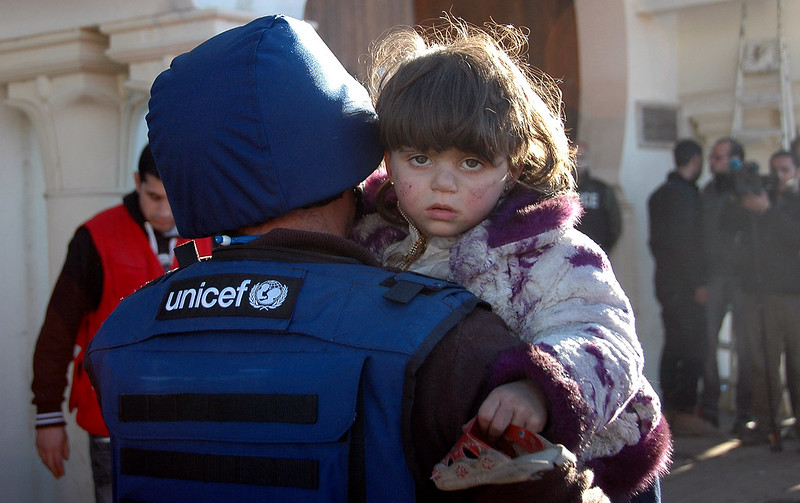
Food that once fed families now leaves them exhausting their savings for every meal. Older persons struggle even harder to find jobs, especially as the conflict has pushed desperation to self-reliance, marginalizing older people and the traditional family structure. An elderly person from North-west Syria comments: “In the past, older people would reach retirement age, and the family would take care of them. However, currently, the responsibility they should rely on self-care […] has increased, placing the burden directly on them.”

Communities in Damascus

Fortunately, many community-led initiatives help fight elderly poverty in Syria. The Syrian Society for Social Development has a home-based care program for Seniors who have specific vulnerabilities. Collaborating with the United Nations High Commissioner for Refugees (NHHCR), a team of volunteers focuses on helping and provide safety to the older population. The program dedicates itself to helping people over the age of 60 through nursing, housekeeping, hygiene, medication organization, as well as food preparation.

Taking place in several community centers of Rural Damascus, care-giving volunteers not only provide different meals and learn to use blood pressure monitors but also socialize with older people through entertaining and engaging activities. Older people are no longer excluded from younger people, therefore improving both their mental and physical well-being. Because of this, elderly people struggle and spend less on medication and health check-ups, as well as food. These responsibilities help combat elderly poverty in Syria by including older people back into a supportive system and engaging the community.

Communities in Aleppo

People residing in Southern Aleppo were suffering from a damaged rainwater drainage network that had begun to flood the streets. There was a high risk of disease as large bodies of wastewater accumulated on the ground. Further threats would ensue if younger children and elderly people fell into the water. The cost of injury and the addition of medication prices would be detrimental to the elderly Syrian population who have a higher risk of suffering from poverty and marginalization.

Successfully, the local community came together to discuss and plan a new drainage foundation. Alongside the UNHCR, both a construction team and members of the local community contributed to the excavation and installation of a new drain filter. As a result, the filter not only improved the appearance of the town and the efficiency of the drainage system but benefited 3000 residents living in Abtein town. Because of this, the town demonstrated strong values of community and kindness. Their uniting demonstration challenges elderly poverty in Syria by preventing expensive medical prices through ensuring the health and safety of the entire community.

Fighting Elderly Poverty in Syria

In conclusion, conflict and soaring expenses have split up traditional family structures. Alienising older people from the young, the older Syrian population has lost a grounded support system and the elderly have been pushed further into isolated poverty. However, community-led projects such as fixing drainage systems, and organisations such as the Syrian Society for Social Development, help to care for the vulnerable population of elders and to protect them from further elderly poverty in Syria. Volunteers and townspeople come together to provide the elderly with entertainment and physical aid, as well as essentials such as food and medication that they might otherwise struggle to afford on their own.

– Chelsey Saya McLeod

Chelsey is based in Southampton, Hampshire, UK and focuses on Good News and Technology for The Borgen Project.

Photo: Unsplash

September 10, 2024
https://borgenproject.org/wp-content/uploads/borgen-project-logo.svg 0 0 Naida Jahic https://borgenproject.org/wp-content/uploads/borgen-project-logo.svg Naida Jahic2024-09-10 01:30:582024-09-10 01:18:27Communities Fighting Elderly Poverty in Syria
Global Poverty, Refugees and Displaced Persons

ENOUGH Campaign: Food Insecurity Among Syrian Refugees

ENOUGH CampaignSyria has some of the highest levels of hunger across the globe. The World Food Programme found that around 12.9 million people go hungry, with an additional 2.6 million at risk of food insecurity. By 2023, the World Food Programme asserted that the available humanitarian aid was insufficient to combat this growing issue. This prediction was based on the persisting conflict, weak domestic food system and continued environmental blows, such as the Feb. 2023 earthquake. The ENOUGH Campaign is addressing these urgent needs by targeting child malnutrition and food insecurity.

Refugee Challenges in Host Nations

The conditions for Syrian refugees in host nations are also worsening. The UNHCR reported in March 2023 that Lebanon, the host nation with one of the most significant numbers of refugees, suffered a currency loss of 95% in value, resulting in staggering prices for basic needs. Furthermore, of the 6.8 million Syrian refugees globally, 5.5 million of them reside in neighboring countries. In Jordan, the UNHCR estimates four-fifths of refugees live below the poverty line. Additionally, refugees in Iraq and Egypt face major food insecurity issues in camps. 

Personal Struggles of Syrian Refugees

The UNHCR interviewed Khandra, a 50-year-old widow and Syrian refugee with five sons, a daughter-in-law and three grandchildren. Among many harrowing realities, Khandra recounts, she described her son, 3 years old, when he fled Syria’s daily life. Adnan “wakes up every day at six in the morning to sell tissues on the highway and never returns before 10 or 11 at night. On a good day, he can make around 200,000 Lebanese lira (around $2), while on other days, he sells nothing at all.”

World Vision’s Response to the ENOUGH Campaign

To combat this issue, World Vision International launched ENOUGH in Sept. 2023 to end child hunger and malnutrition by investing $3.4 billion over three years in 67 countries. World Vision has been enacting this to assist Syrian refugees by providing food, water, shelter and education services to more than 7.5 million people. Additionally, on the heels of Feb. 2023’s catastrophic earthquake, World Vision has utilized ENOUGH to provide vital support to those in Syria and surrounding countries. World Vision has reached 2.4 million people in Syria and Turkiye with their earthquake response plan, 75 million people and one million children in Syria and the surrounding countries with regular interventions.

Ongoing Challenges and the Call for Continued Support

The Syrian refugee crisis continues to be in dire need of humanitarian aid, despite global efforts, this has fallen short. Refugees in Lebanon and Jordan are facing increasingly difficult conditions due to economic collapse and widespread poverty, with families like Khandra struggling daily. Khandra’s son’s exhausting routine reflects the harsh realities these communities endure. As food insecurity rises and debt deepens, survival is challenging.

World Vision International’s ENOUGH campaign aims to combat child malnutrition and poverty through substantial investment, but broader global cooperation is crucial. While campaigns like this provide hope, the crisis continues to receive attention. As millions lack basic resources, to protect the most vulnerable it’s vital to keep this at the forefront of humanitarian efforts. Success in meeting ENOUGH’s goals could ensure survival and safeguard future generations.

– Lydia Young

Lydia is based in Glasgow, Scotland and focuses on Good News for The Borgen Project.

Photo: Flickr

September 5, 2024
https://borgenproject.org/wp-content/uploads/borgen-project-logo.svg 0 0 Precious Sheidu https://borgenproject.org/wp-content/uploads/borgen-project-logo.svg Precious Sheidu2024-09-05 01:30:322024-09-04 14:25:11ENOUGH Campaign: Food Insecurity Among Syrian Refugees
Food Insecurity, Global Poverty, Refugees

An Unusual Cookery Show is Supporting Refugees in Algeria

Refugees in AlgeriaAmid the rising tide of global crises, an unusual cookery show provides hope to Sahrawi refugees living in Algeria’s remote desert region of Tindouf. Many refugees in Algeria are in dire straits as a result of increased food and fuel prices brought on by the conflict in Ukraine, the lingering impacts of the COVID-19 pandemic and food shortages. However, a fellow Sahrawi refugee named Haha is hosting a cookery show to help these displaced individuals create nutritious meals with limited resources.
Refugees in Algeria

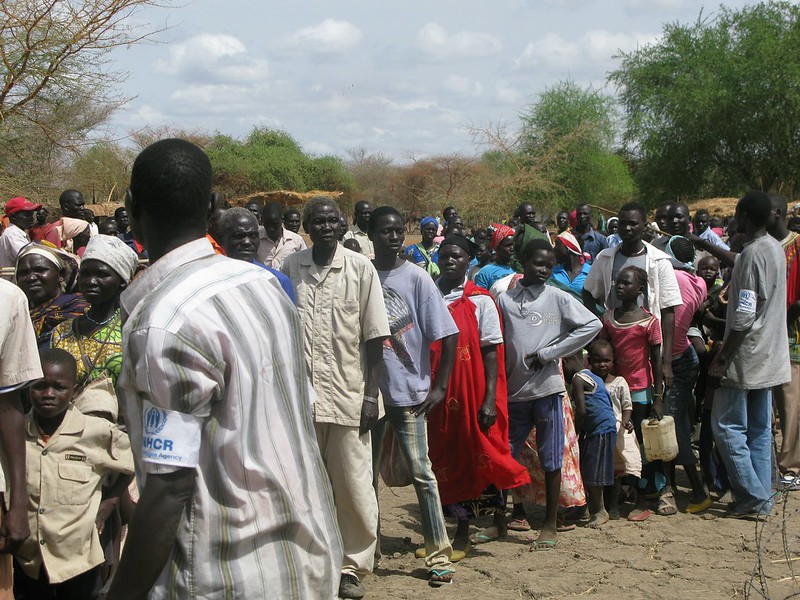
Sahrawi refugees, who have lived in camps around Tindouf for decades, are now struggling more than ever to access food for their families. With food rations reduced to less than five kilograms per person per month, many are receiving far below the minimum caloric intake needed to maintain health.

Abdel Halim Elfaki, acting representative for the UNHCR in Algeria, expressed concern over the situation. According to UNHCR, this reduction has forced refugees like Muna Hamid, a 35-year-old single mother of two, to make heartbreaking decisions as she watches her children skip meals due to the lack of affordable food.

A Creative Response

In response to the escalating food crisis in the Sahrawi refugee camps, Haha’s cookery show, Min chway nadal chi zayn (translated as “With few ingredients, we make meals”), has become a vital resource for many struggling families. The show, which has been on air since 2012, started as part of a broader initiative from the Italian NGO CISP in collaboration with the Sahrawi Red Crescent and the World Food Programme (WFP). The initiative aims to strengthen food security by raising awareness about nutrition and making the most of the food distributed in the camps.

Haha’s show provides practical lessons on how to create nutritious meals from the limited and often unconventional ingredients available in the desert environment of Tindouf. By creatively blending traditional Sahrawi recipes with new ideas, the show empowers families to maximize their reduced rations. In addition to recipe demonstrations, the show educates viewers on the nutritional benefits of these meals, helping them understand how to combat malnutrition with the resources they have.

The program is filmed in a fully equipped television studio and is part of a broader effort to improve food practices among the refugees in Algeria, according to CISP. It also includes post-distribution monitoring of food availability, access and consumption, as well as training sessions on cooking techniques that enhance the nutritional value of distributed food items.

A Lifeline for Refugees in Algeria

The impact of the cookery show is felt deeply among the refugee community. For instance, Deheba, a 55-year-old grandmother, credits the show with helping her find new ways to provide essential nutrition to her family despite the food shortages, UNHCR reports. The show has introduced her to new recipes that incorporate available vegetables, helping her grandchildren maintain their health.

Deheba mentioned that what she has learned from Haha’s cooking show has been very helpful and has contributed to her family’s well-being, even with the food shortages they face.

Another refugee, Mohamed, a 65-year-old widower and father of six, also relies on the show’s advice. According to UNHCR, after losing his herd of goats during the pandemic, Mohamed has struggled to provide for his children. Yet, thanks to Haha’s guidance, he finds creative ways to use the little he has to keep his family fed.

Empowering Families Through Knowledge

Haha, began her journey as a TV chef driven by the desire to help her community in the Tindouf camps, where she has lived for decades. Despite starting with a simple goal, the show gained popularity and expanded its reach. She invites doctors and nutritionists to her show to educate people about healthy diets.

Haha began collaborating with the WFP to extend her efforts beyond the television screen, taking her knowledge to local schools. She worked with WFP to incorporate her recipes into school feeding programs, which could improve the nutrition of young students.

Looking to the future, Haha hopes that her show will continue to expand, not only providing practical cooking tips but also fostering a greater sense of resilience and hope within the refugee community. She envisions the show as a long-term platform that can inspire healthier eating habits, improve nutrition and perhaps even offer a model for other refugee communities facing similar challenges.

– Sumaiya Sultana

Sumaiya is based in London, UK and focuses on Good News and Technology for The Borgen Project.

Photo: Flickr

September 1, 2024
https://borgenproject.org/wp-content/uploads/borgen-project-logo.svg 0 0 Naida Jahic https://borgenproject.org/wp-content/uploads/borgen-project-logo.svg Naida Jahic2024-09-01 07:30:372024-09-01 00:25:49An Unusual Cookery Show is Supporting Refugees in Algeria
Development, Global Poverty

Refugee-Led Innovation Fund: UNHCR Empowering Communities

Refugee-Led Innovation FundUNHCR has launched a groundbreaking initiative to empower refugees and displaced persons: the Refugee-Led Innovation Fund. The fund offers financial support, mentorship and technical expertise to organizations whose leaders are individuals with firsthand experience of forced displacement. Fostering innovation and community leadership plays a crucial role in combating poverty and building resilient communities.

At its core, the Refugee-Led Innovation Fund is a recognition of the untapped potential within refugee populations. It challenges the traditional humanitarian aid model and places refugees at the forefront of problem-solving. The fund provides a platform for individuals to identify pressing community needs. Furthermore, it encourages the development of innovative solutions that directly address their challenges.

Refugee-Led Innovation Fund

One of the primary objectives of this fund is to empower refugee communities. These communities often face significant challenges in accessing resources and funding, which can limit their ability to create lasting positive change. This fund provides up to $45,000 in financial support, along with mentorship, technical expertise, and networking opportunities.

This fund is unique in its approach. It prioritizes organizations led by people with lived experience of forced displacement, including refugees, asylum-seekers, internally displaced persons and stateless individuals, according to FundsForNGOs. The fund focuses on those who have firsthand experience of these challenges, to ensure that solutions are driven from the people who understand the needs of their communities best.

The fund places a special emphasis on supporting underrepresented groups, women, people with disabilities, and Indigenous populations. These groups often face additional layers of marginalization, making it even more difficult for them to access traditional forms of funding and support. The UNHCR’s Refugee-Led Innovation Fund not only provides financial resources but also helps these groups build their organizational capacity, ensuring that their voices are heard and their initiatives can thrive.

Application Process and Criteria

The application process for the fund is designed to be accessible and supportive. It involves two stages: an initial expression of interest, followed by a full proposal for shortlisted organizations. The criteria for assessment include innovation, impact, engagement, and the feasibility of implementation.

This process ensures that only the most promising and impactful projects receive funding, while also providing support to applicants throughout the process. This helps to level the playing field, allowing smaller or less established organizations to compete on equal footing with larger, more established ones.

These four organizations from 2024 are prime examples of how community-driven innovation drives meaningful change in the fight against poverty

Bridging Gaps and Afri-Youth Network – Uganda

In Uganda’s Bidibidi Refugee Settlement, a lack of access to financial markets, entrepreneurship education and banking systems hinders refugees from starting social enterprises and becoming self-sufficient. This perpetuates cycles of poverty and inequality. The Bridging Gaps and Afri-Youth Network addresses this challenge by providing entrepreneurship training, micro-loans and long-term coaching. Its work focuses on increasing female participation, empowering up to 60 refugee entrepreneurs to break free from poverty and create sustainable income sources for their communities, according to UNHCR.

Fundación MUEVE – Ecuador

Ecuador has seen an influx of Venezuelan refugees and migrants, leading to elevated levels of unemployment and economic marginalization. Fundación MUEVE is establishing a creative and digital hub focused on technological training and innovation to address these challenges. The hub will offer training in digital skills, such as 3D printing and scanning and foster a collaborative ecosystem to promote socioeconomic integration and social cohesion, according to UNHCR. Reaching more than 500 individuals, the project aims to reduce unemployment and promote economic and social inclusion through digital innovation.

Let’s Read – Jordan

In Jordan’s Zaatari Refugee Camp, educational barriers, including unreliable internet connectivity and a lack of digital resources, negatively impact refugee children’s learning and development. According to UNHCR, girls are disproportionately affected. Let’s Read is working to bridge this gap by providing easy access to learning through both technological and offline solutions. The project will create and distribute educational content via WhatsApp. Additionally, it offers personalized learning experiences through AI-based platforms, and develops offline learning resources, UNICEF reports. The project will enhance educational outcomes and boost digital literacy. It will create a resilient learning ecosystem that empowers refugees, especially girls and women, to thrive despite challenges.

Kalobeiyei Initiative 4 Better Life – Kenya

Kenya is facing a severe food crisis due to prolonged drought, affecting millions and leading to increased malnutrition rates, particularly among children and pregnant women, UNHCR reports. The Kalobeiyei Initiative 4 Better Life is addressing these food security and nutrition challenges in the Kakuma refugee community. The program is cultivating nutrient-rich sprouts in recycled plastic containers. This innovative approach not only improves food security and well-being but also provides skill-building opportunities for up to 200 individuals from both refugee and host communities, according to UNICEF. This project is helping to mitigate the impact of the food crisis on vulnerable populations through community cooperation and resilience.

Refugee-Led Innovation Fund: The Potential

The UNHCR’s Refugee-Led Innovation Fund is a transformative initiative that is redefining the role of refugees in humanitarian response. The fund is providing the necessary resources and support to unlock the potential of refugee-led organizations to drive innovation, create sustainable livelihoods and build resilient communities.

– Sumaiya Sultana

Sumaiya is based in London, UK and focuses on Business and Good News for The Borgen Project.

Photo: Flickr

August 27, 2024
https://borgenproject.org/wp-content/uploads/borgen-project-logo.svg 0 0 Naida Jahic https://borgenproject.org/wp-content/uploads/borgen-project-logo.svg Naida Jahic2024-08-27 07:30:332024-08-26 12:41:48Refugee-Led Innovation Fund: UNHCR Empowering Communities
Page 3 of 21‹12345›»

Get Smarter

  • Global Poverty 101
  • Global Poverty… The Good News
  • Global Poverty & U.S. Jobs
  • Global Poverty and National Security
  • Innovative Solutions to Poverty
  • Global Poverty & Aid FAQ’s
Search Search

Take Action

  • Call Congress
  • Email Congress
  • Donate
  • 30 Ways to Help
  • Volunteer Ops
  • Internships
  • Courses & Certificates
  • The Podcast
Borgen Project

“The Borgen Project is an incredible nonprofit organization that is addressing poverty and hunger and working towards ending them.”

-The Huffington Post

Inside The Borgen Project

  • Contact
  • About
  • Financials
  • President
  • Board of Directors
  • Board of Advisors

International Links

  • UK Email Parliament
  • UK Donate
  • Canada Email Parliament

Get Smarter

  • Global Poverty 101
  • Global Poverty… The Good News
  • Global Poverty & U.S. Jobs
  • Global Poverty and National Security
  • Innovative Solutions to Poverty
  • Global Poverty & Aid FAQ’s

Ways to Help

  • Call Congress
  • Email Congress
  • Donate
  • 30 Ways to Help
  • Volunteer Ops
  • Internships
  • Courses & Certificates
  • The Podcast
Scroll to top Scroll to top Scroll to top