Disability and Poverty in Mauritania
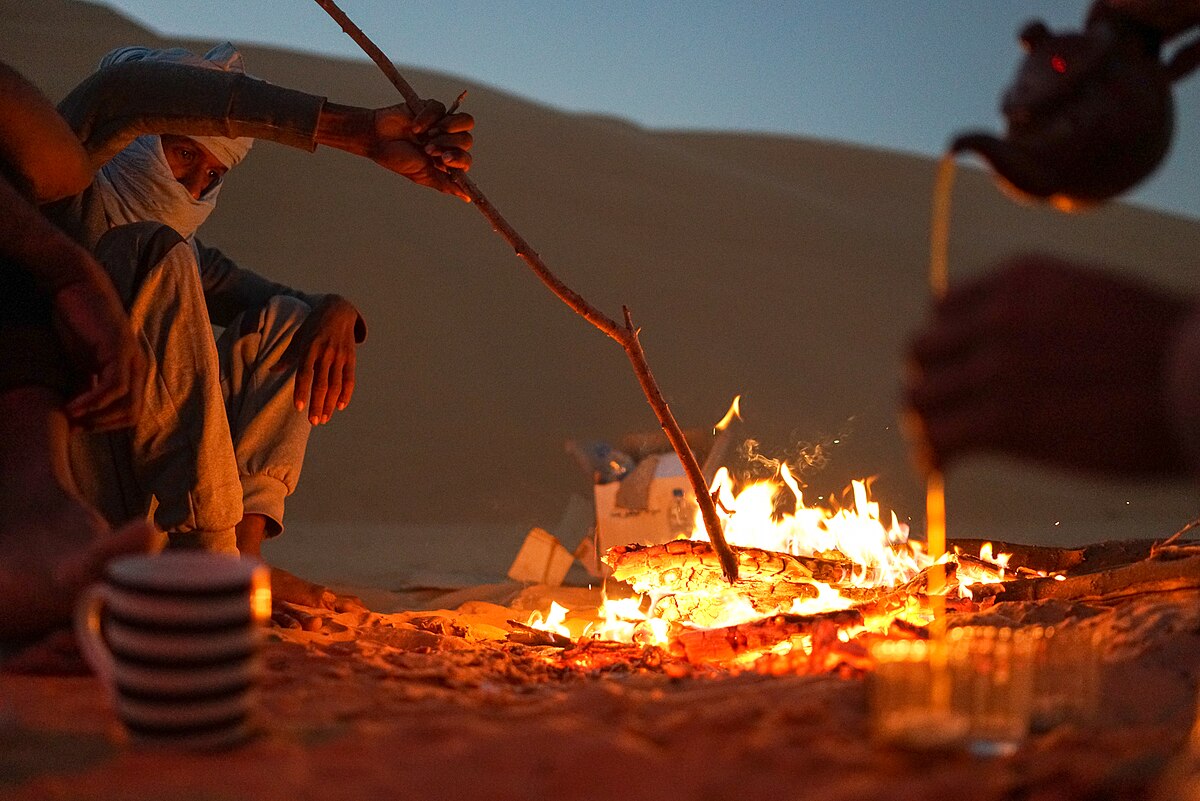 The Islamic Republic of Mauritania lies in the Sahel region in North West Africa. It is a dry, hot region that has struggled with high poverty rates for decades. However, according to The Last Two Permanent Surveys on Household Living Conditions (EPCV) cited in the June 2024 International Monetary Fund (IMF) report, Mauritania reduced its poverty rate from 30.9% to 28.2%.
However, poverty remains a significant issue, especially in rural areas, where 41.2% of the population experience poverty compared to 14.4% of those in urban areas. Recent data also shows that the majority of those in poverty have disabilities. These numbers have enabled the Mauritanian government to look at disability and poverty in Mauritania with help from social protection projects and international organizations.
Poverty in Mauritania
The World Bank in 2019 estimated that only 15% of the rural population had access to sanitation services, which leaves 85% of the population vulnerable to diseases. Access to water remains a significant challenge in Mauritania’s desert climate. As of 2020, 78% of the population had access to water, a notable increase from 40% in 2010. However, 22% of the population still lacks access to water. The World Bank also estimates that only 47% of the population has access to electricity.
Not having the necessary amenities has made day-to-day life difficult in Mauritania for many people, especially for those with disabilities. A strong link exists between disability and poverty in Mauritania. Data collected by the Disability and Data Initiative from 2019 to 2021 shows that 85% of individuals with multiple functional difficulties live in poverty, often in rural areas in the country. In comparison to those with fewer or no functional challenges, 71.2% and 71.3% were found. The lack of public service institutions in rural areas leaves many disabled individuals without the proper care, treatment or education necessary for survival.
The Stigma Associated With Disability
Despite many Mauritanians living with some disability, the stigma and discrimination that affect them are very real. Mauritanian law prohibits discrimination against individuals with physical, sensory, intellectual or mental disabilities. Yet, a 2023 country report on human rights practices in Mauritania conducted by the U.S. Department of State found that this law is not enforced. It found that people with disabilities do not have access to education, health services or any other types of public services.
Solutions
Mauritania has been trying to help its needy citizens by adopting adaptive social protection. As of September 2024, 200,000 impoverished households are registered in the social registry database, where they can benefit from the Tekavoul National Social Transfer Program. This program provides families with cash transfers from the Mauritanian government every few months.
The Mauritanian government implemented this program with support from the International Development Association. The program allows families to spend the money on whatever they choose. However, people typically use it to buy hygiene products, school supplies and food. This program is meant to cover struggling families’ basic needs while encouraging them to invest in things like their children’s future.
To end the stigma surrounding people with disabilities, the World Vision Organization, a nonprofit organization, organized an inclusion project in partnership with the National Federation of People Living with Disabilities earlier this year. More than 120 explored disability issues through activities to break down stereotypes and promote a better understanding of the realities of living with a disability.
Overall, Mauritania is currently working to end poverty and reduce stigmatization for those who are disabled. It’s just going to take some time.
– Aya Diab
Aya is based in Queens, New York, USA and focuses on Global Health and Politics for The Borgen Project.
Photo: Wikimedia Commons
