• Link to X
  • Link to Facebook
  • Link to Instagram
  • Link to TikTok
  • Link to Youtube
  • About
    • About Us
      • President
      • Board of Directors
      • Board of Advisors
      • Financials
      • Our Methodology
      • Success Tracker
      • Contact
  • Act Now
    • 30 Ways to Help
      • Email Congress
      • Call Congress
      • Volunteer
      • Courses & Certificates
      • Be a Donor
    • Internships
      • In-Office Internships
      • Remote Internships
    • Legislation
      • Politics 101
  • The Blog
  • The Podcast
  • Magazine
  • Donate
  • Click to open the search input field Click to open the search input field Search
  • Menu Menu

Tag Archive for: UNDP

Posts

Global Poverty, Refugees

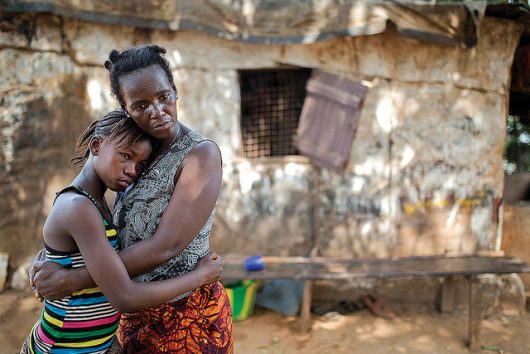
10 Facts About Sierra Leone Refugees


The U.N. projects that there are more displaced people in the world now than at any other time since World War II. Most of these refugees come from Africa, which has put large demands on European and African countries. Future refugee projections continue to rise due to ongoing conflicts and the effects of climate change. Case studies in Sierra Leone show us the importance of rehabilitating governmental institutions and economic markets in conflict-prone regions.

10 Facts About Sierra Leone Refugees.

  1. Thousands of natives fled their country during a bloody civil war that lasted from 1991 to 2002.
  2. The Revolutionary United Front (RUF), with support from the National Patriotic Front of Liberia (NPFL), attempted to overthrow the president at the time, Joseph Momoh.
  3. This 11-year civil war resulted in 50,000 deaths and the internal displacement of two million people. Among the displaced, 490,000 sought refuge in the neighboring countries of Liberia and Guinea.
  4. In 2008, the U.N. High Commission for Refugees conducted a campaign in Guinea. The project aimed to inform Sierra Leone refugees of the upcoming withdrawal of their refugee status.
  5. The UNHCR convened in 2008, and found that conditions in Sierra Leone had returned to normal. This meant that Sierra Leoneans who fled their country during the civil war in the early 1990s would no longer be considered refugees because the root causes of the Sierra Leone refugee problem no longer existed.
  6. This decision was reached after an analysis of the fundamental and positive changes that have taken place in Sierra Leone. A peace agreement was struck between the Joseph Momoh government and the RUF in January of 2002, marking the beginning of these changes.
  7. Under a previous UNHCR initiative, a voluntary repatriation operation that took place from September 2000 to July 2004, more than 179,000 Sierra Leone refugees were able to return home.
  8. There are 13,500 refugees from Sierra Leone who continue to live abroad, 1,825 of whom are living in Guinea, and 2,368 in Liberia.
  9. The UNHCR voluntary repatriation operation for refugees from Sierra Leone ended in July 2004. This program offered financial assistance to refugees to assist in transit and resettlement in Sierra Leone.
  10. The U.N. Development Program (UNDP) continued to work with the local government to ensure that returning refugees were integrating effectively, without stressing markets. Additionally, UNDP continued to meet the needs and priorities of the government through aligning long-term development programs and non-governmental relief actors facilitating recovery.

Sierra Leone ended its 11-year long civil war in 2002 and has since re-established democratic institutions. This restructuring process strengthened Sierra Leone’s government and was essential to the reception of 60,000 Liberian refugees in 2005. Sierra Leone is a shining example for current conflict-rode regions as they look towards the future.

– Josh Ward

Photo: Flickr

April 30, 2017
https://borgenproject.org/wp-content/uploads/borgen-project-logo.svg 0 0 Borgen Project https://borgenproject.org/wp-content/uploads/borgen-project-logo.svg Borgen Project2017-04-30 01:30:412024-05-27 23:59:5810 Facts About Sierra Leone Refugees
Global Poverty, Hunger

Overcoming Hunger in Chile

Hunger in Chile
Chile is a coastal country in South America housing 17.65 million people, with an estimated 2.5 million living under the poverty line.

Those living below the poverty live and inevitably those experiencing hunger in Chile, have been the recipients of governmental and international aid. In 2014, Chile was recognized by the Food and Agriculture Organization of the United Nations (FAO), as having reached the first Millenium Development Goal to reduce the number of those facing hunger in Chile by half since 1990.

Statistics show undernourishment was reduced from 4.3 percent between 1990 and 2015. Currently, 2.5 percent of the population is undernourished.

These reductions are a result of the government-sponsored “Fondo Chile Contra el Hambre y la Pobreza,” or the Chile Fund against Hunger and Poverty. This organization, as well as the UNDP, has funded programs targeting the South-South Cooperation (SSC) and consequently Millennium Development Goals.

The SSC is defined as a developmental program among southern countries to promote, “multi-stakeholder approach, including non-governmental organizations, the private sector, civil society, academia and other actors…”

Through communication and integration, the SSC enables countries to enhance economic, social and scientific potentials.

As the Fund’s handbook stated, this organization encourages Chilean economic prosperity through, “multilateral perspective; which was acknowledged as one of the Millennium Goals, specifically reflected in Goal eight: developing a global partnership for development.”

Central to Chile, however, the issue of hunger has escalated to a triple issue involving undernutrition, obesity and income. Mark Hyman explains this phenomenon, “These foods [processed foods] crowd out more nutrient-dense foods because they are inexpensive and convenient.”

The price difference forces low-income, rural citizens to buy unhealthy foods. When only able to buy and consume unhealthy food, more people will sink into the undernourished population.

To combat this issue, FAO has implemented priority themes, all of which are part of the DRE, decent rural employment promotion. It focuses on “employment-centered responsible agro-investments, gender and age-disaggregated analysis, decent work conditions in agriculture,” and advocacy for natural disasters.

These priorities centralize on the Chilean Fund’s initiatives such as “Malnutrition, Food Security Fostering Employment and Decent Employment, Design of Social Programs…”

These organizations and their programs promote the job market for many men and women who in turn, will receive higher incomes and be able to provide themselves with healthier food.

The already visible success is a positive trend for those living in hunger in Chile. Such achievements will help reduce the number of those living below the poverty line and those who are undernourished.

– Kristen Guyler

Photo: Flickr

November 4, 2016
https://borgenproject.org/wp-content/uploads/borgen-project-logo.svg 0 0 Borgen Project https://borgenproject.org/wp-content/uploads/borgen-project-logo.svg Borgen Project2016-11-04 01:30:072024-05-27 23:53:48Overcoming Hunger in Chile
Children, Development, Education, Global Poverty

UNDP Broadens Youth Career Opportunities

undp
In Guatemala, young people are more likely to join a gang than to graduate upper secondary school. According to UNICEF, only 54.2 percent of youth ages 10-19 are enrolled in upper secondary schools.

On the other hand, a World Bank report states there are an estimated 14,000 young gang members. The report goes on to explain that “youth unemployment is associated with a higher probability of youth engaging in risky behavior, including crime and violence. Youth inactivity rates are often much higher than youth unemployment rates.”

To counteract this trend of violence, several organizations are working with youth to help them stay focused on educational opportunities. In fact, USAID found that “Long-term, sustainable development and improved equity in Guatemala will only be possible if [the] education of children and youth continues to improve.”

One of the most successful programs to date has been the United Nations Developing Programme’s (UNDP) Munijoven project. The Municipality of Guatemala City, with the support and funding of the UNDP and the Italian Government, leads the project.

In total, it is estimated that by April 10, 323 youth had taken part in the project’s training opportunities. “The Munijoven project aims to create academic opportunities for those underprivileged youth and to help them into employment,” UNDP said.

With programs focused on English, IT, tourism, gardening, arts, cooking and customer service training, the project hopes to provide job opportunities that these youth would not have under normal circumstances.

“With UNDP’s support, an employment strategy is currently being developed within the city’s youth policy, to create better economic, training, health and recreational opportunities through public-private partnerships,” UNDP said.

Businesses like Pizza Hut, local banks, furniture retailers and bakeries have joined the initiative. These businesses are vital to the project’s goals.

In fact, Ana Gabriela De León, UNDP’s Programme Officer for Poverty Reduction and Social Investment, stated, “Business participation is a key part of this process, since the main goal at the end of the training is to integrate young people into the labor market [as soon as] they have successfully completed the Munijoven programme.”

An estimated 60 percent of the participants, or 6,000 young people, were able to sign employment contracts at the end of the project.

– Katherine Martin

Sources: UNICEF, World Bank, USAID, IZA, UNDP
Photo: Flickr

December 9, 2015
https://borgenproject.org/wp-content/uploads/borgen-project-logo.svg 0 0 Borgen Project https://borgenproject.org/wp-content/uploads/borgen-project-logo.svg Borgen Project2015-12-09 09:13:392024-05-27 09:28:26UNDP Broadens Youth Career Opportunities
Developing Countries, Global Poverty

Tax Inspectors Without Borders

financing-for-developmentTax Inspectors Without Borders (TIWB), convened at the Third International Conference On Financing For Development back in July, is a joint operation between the Organization for Economic Cooperation and Development and the United Nations Development Programme.

TIWB will play a vital role in unlocking billions of dollars over the 15-year course of the Sustainable Development Goals.

TIWB’s strategy has evolved out of the revelation that every year, roughly $3 trillion in government revenue goes uncollected due to tax avoidance.

IMF researchers estimate that developing nations lose $213 billion each year for those reasons. Finding a way to get their hands on that money could help those governments invest more in education, health, energy, infrastructure and the like.

Tax law can be dense, confusing and hard to follow, especially when multinationals make it that way on purpose. For this reason, TIWB will send in highly trained tax accountants and audit specialists that will work with national tax agencies. They will strengthen tax audit capabilities and help design smarter tax policies.

The details are less exciting than the results.

Pilot projects are underway in Europe, Latin America and Africa, all of which are helping national governments increase revenue stream that will be vital for financing the Sustainable Development Goals. The numbers speak for themselves. From 2011 to 2014, tax revenue in Colombia increased from $3.3 million to $33.2 million.

TIWB is extending the hard work of previous initiatives including the Commission for the Reform of International Corporate Taxation and the Convention on Mutual Administrative Assistance in Tax Matters.

They all arose in an environment where multinationals are gaining in power and influence and governments around the world are strapped for cash. In trying to rebalance the scales, they are looking for everyone to pay their fair share.

The money that will come from more effective regulation will be crucial for funding the Sustainable Development Goals. Furthermore, the expertise and training that the TIWB will provide to developing country governments around the world is an extension of the philosophy embodied in the SDGs themselves.

This form of technical training and capacity building will lead to more professionals in developing countries and their skills will become necessary to help their countries develop.

– John Wachter

Sources: The Guardian 1, The Guardian 2, OECD 1, OECD 2, UNDP
Photo: TaxLinked

September 1, 2015
https://borgenproject.org/wp-content/uploads/borgen-project-logo.svg 0 0 Borgen Project https://borgenproject.org/wp-content/uploads/borgen-project-logo.svg Borgen Project2015-09-01 01:30:572024-12-13 18:05:04Tax Inspectors Without Borders
Education

Education in Yemen Still Needs Attention

education_in_yemen
Yemen, a small Middle Eastern nation southwest of Saudi Arabia, has embarked on an ambitious goal in the past decade and a half to drastically reform its education system. As part of the 2000 UN Millennium Development Goal project launched nearly 15 years ago, Yemen set a goal of reaching 100 percent primary school enrollment by 2015.

As 2014 draws to a close, it appears that Yemen will not be meeting its Millennium Development education goal by next year. However, statistics indicate significant progress has been made in recent years, though more attention is needed to bring education in Yemen up to par with other developed nations. According to the World Bank, Yemen’s net primary school enrollment rate stood at 86 percent in 2013, the last year data was made available. These numbers are up from 66 percent in 2001.

Educational improvements may in part be attributed to the implementation of several ambitious educational reform projects. One such project, the Secondary Education Development and Girls Access Project (SEDGAP), was launched in 2007 with the goal of addressing three main areas of the Yemeni education system: “improving equity and reducing gender gaps, enhancing the quality of service delivery, and project management and monitoring.”

To help reduce educational gender gaps, SEDGAP imposed a minimum 15 percent female representation requirement in new teaching posts. As of 2008, only 7.5 percent of secondary school teachers in rural areas were female. Anecdotal evidence has suggested that hiring female teachers attracts greater female enrollment rates. According to the International Development Association (IDA), this may be due in part to the fact that Yemeni parents tend to object to male instructors teaching their daughters, particularly in higher grades.

Other material and social factors such as lack of transportation, poor school facilities and early marriage have also been significant contributors to the educational gender gap. These material factors appear to disproportionately affect girls living in rural areas.

SEDGAP has introduced a variety of other reforms to improve service delivery and monitoring. Some of these reforms include new guidelines aimed to balance out uneven student-teacher ratios across rural and urban schools, more consistent oversight of teacher absenteeism and salaries, textbook revisions for grades 1-12, and new oversight regulations for Yemen’s three public educational ministries.

SEDGAP implementation will be completed in late January 2015. A February 2014 impartial review of the project concluded moderate satisfaction in meeting progress development objectives.

World Bank data indicates gross enrollment rates for basic, secondary and tertiary education have increased overall for Yemeni boys and girls. Nevertheless, more time is needed to meet Millennium Development education goals, particularly for secondary education targets among females. According to the United Nation Development Programme, only 7.6 percent of Yemeni females age 25 and over have at least some secondary education.

– Katrina Beedy

Sources: World Bank 1, World Bank 2, World Bank 3, World Bank 4, World Bank 5 
Photo: National Yemen

December 14, 2014
https://borgenproject.org/wp-content/uploads/borgen-project-logo.svg 0 0 Borgen Project https://borgenproject.org/wp-content/uploads/borgen-project-logo.svg Borgen Project2014-12-14 04:00:452024-06-04 03:52:58Education in Yemen Still Needs Attention
Development, Education, Health

GEFI Makes Progress in India

GEFI
The five year Global Education First Initiative (GEFI) was launched in September of 2012. Its goal is to provide all people with an education. The GEFI has three main objectives: putting every child in school, improving the quality of learning and fostering global citizenship. The GEFI doesn’t do everything alone, it has a team of partners behind it to aid in the achievement of the three goals. UNDP, UNICEF, U.N. Women and World Bank are just a few of its partners.

The global community pledged to achieve universal primary education by 2015. The U.N. Country Team in India is supportive of the global initiative and this September has proven to be an important month for India.

India is focusing its joint advocacy and communications on the GEFI and has made some priorities of its own. Elementary school is a fundamental right in India and there has been a lot of focus on increasing school locations and ensuring that these schools have plenty of drinking water. The main priorities for India are universal access to education with equity, quality basic education and global citizenship education.

India plans on providing everyone access to education by focusing on equality, especially as it pertains to girls. The number of schools in India providing a separate toilet facility for girls has increased by 37 percent. This means that around 89 million girls have access to toilets; unfortunately,  seven million girls are still denied access.

The second priority for India is improving the quality of basic education. In this one priority there are four sub categories that are imperative to its achievement. Learning the basics, having a child friendly school and system, pupil to teacher ratio and teacher training are all things that are being worked on in India.

Lastly, global citizenship education is important because it will lead to a better environment for all. Currently, about 65 percent of India’s population are under the age of 35. Soon, India will become the youngest country in the world and India has deemed it important to educate its people on social responsibility. The purpose of global citizenship education is to equip each generation with values, knowledge and skills. These are all taught with a foundation meant to respect human rights, social justice, diversity, gender equality and environmental sustainability. These are all meant to empower those who are learning to be responsible and educated global citizens.

– Brooke Smith

Sources: United Nations in India, Global Education First Initiative UNESCO
Photo: Flickr

September 29, 2014
https://borgenproject.org/wp-content/uploads/borgen-project-logo.svg 0 0 Borgen Project https://borgenproject.org/wp-content/uploads/borgen-project-logo.svg Borgen Project2014-09-29 12:00:502024-06-04 03:52:56GEFI Makes Progress in India
Hunger

Hunger in Bhutan

hunger in bhutanThe small kingdom of Bhutan, a landlocked country in South Asia (between China and India), exists in an area of extreme climate—earthquakes, floods, landslides and fires—and a terrain that limits its agricultural self-sufficiency and isolates its rural population. Consequently, it depends on imports for approximately half of its food. 

Background

The United Nations Children’s Fund reported that Bhutan reached Low-Middle-Income status in 2007, and in 2023 graduated from the Least Developed Country group. Still, 2022 saw multidimensional poverty at 17.8%, with over 61% of the poor in rural areas and children disproportionately poor (20.7%). Issues include access to health, quality and inclusiveness of social services, neonatal mortality, child protection, gender equality and women’s empowerment and youth unemployment. 

Malnutrition and hunger in Bhutan are nothing new for the country or its policymakers. In November 2023, it was reported to UNICEF that malnutrition continued to be a public health concern in Bhutan. Both UNICEF and the World Food Programme refer to Bhutan’s “triple burden” of malnutrition: undernutrition, overnutrition (overweight and obesity) and micronutrient deficiencies. 

UNICEF notes that 23% of children under 5 suffer from undernutrition with stunting. In addition, adolescent girls and women experience micronutrient deficiencies and 45% of the population is not able to afford a healthy diet. WFP notes that 86% of Bhutanese are not eating enough fruits and vegetables.

School Feeding Programs

UNICEF and WFP have partnered with several Bhutan ministries—Education and Skills Development (MoESD), Health (MoH) and Agriculture and Livestock (MoAL) to address these deficiencies through national school feeding and nutrition policies and strategies. UNICEF, WFP and the Ministry of Health revised the 2020-2030 National Health Policy and developed a five-year action plan through 2025. WFP has worked with the MoESD to draft a National School Feeding Strategy and a social behavior change strategy. 

School nutrition strategies include:

  • connecting schools and farmers to provide nutritious diverse foods for school meals (with the added benefit of supporting almost 3,000 small farmers, 60% of whom are women)
  • developing standards for school kitchens and supporting new construction
  • introducing fuel-efficient equipment
  • utilizing menu planners
  • training kitchen staff

Research in 2022 on dietary behavior led to the implementation in 15 schools of a strategy and action plan to promote nutritious diets. Social media, school curricula and children’s TV were all employed as various media advocacy campaigns were launched. Collaboration with the Tarayana Foundation supported grassroots outreach and advocacy programs in 16 rural communities.

WFP also worked with the government to increase food fortification in schools, monastic institutions and gradually in the wider community. 

Breastfeeding Support

UNICEF’s focus also includes attention to pregnant women, new mothers and babies and young toddlers. Breastfeeding, feeding practices, nurturing care and other means of supporting the best nutrition growth and development are emphasized. In addition to addressing anemia, low birth weight and stunting, UNICEF advocates for restrictions on the marketing of unhealthy foods and breastmilk substitutes. 

The UNICEF and WFP partnerships have targeted objectives that specifically relate to the U.N.’s Sustainable Development Goal 2, Zero Hunger. Bhutan still has work to do to achieve this goal but is making progress. While stunting in children under 5 continues to be a major challenge, wasting in children under 5 is now considered a lesser challenge, and the prevalence of obesity is decreasing. 

– Staff Reports

Photo: Flickr
Updated: July 28, 2024

September 28, 2014
https://borgenproject.org/wp-content/uploads/borgen-project-logo.svg 0 0 Borgen Project https://borgenproject.org/wp-content/uploads/borgen-project-logo.svg Borgen Project2014-09-28 08:00:072024-07-29 06:46:10Hunger in Bhutan
Global Poverty, Technology

UNDP and Microsoft Partner in Ethiopia

The United Nations Development Programme in partnership with Microsoft East Africa Limited, has a launched an initiative to support the continued development of entrepreneurship activities in Ethiopia.

The initiative, which is a part of Microsoft’s 4Afrika Initiative, will bring mentoring and support to around 200,000 young entrepreneurs. These entrepreneurs will also have access to Microsoft’s BizSpark program, which provides free software to start-up entrepreneurs, helping them to launch their products and gain global recognition.

To date, there are 625 start-ups supported through this program. In addition, specific assistance geared toward micro and small business entrepreneurs will be included through a ‘Build Your Own Business’ training program.

Ethiopia has a population of 96 million, the second largest of all African countries. With over 40 percent of those 96 million between the ages of 0-14 and 20 percent between 15-24, creating an entrepreneur program geared toward younger people interested in business can have a powerful long-term effect.

As UNDP is Ethiopia’s first private sector partnership, there are high expectations on all ends. However, UNDP and Microsoft have successfully worked together and built programs in the past which now promote sustainable development, work to eradicate poverty, advance women’s rights agendas and encourage good governance.

This newest program is focused on empowering citizens and preparing them to join both their local and the global workforce. Based on the belief that technology can and will have a big role to play in Africa, the Microsoft 4Afrika Initiative provides one step forward in empowering local people through practical skills.

Microsoft has been active in Africa since 1992 and currently has 22 offices in 14 countries. It has also been named one of the top employers in Africa in both 2012 and 2013 by Certified Top Employers.

Empowerment through skill training is a good way to provide Africans a way to enter the global marketplace, contribute their ideas and raise their level of income and that of those living around them. Eradicating poverty is a battle that can be fought on many different fronts and the new partnership in Ethiopia is one step toward making eradication in that country a reality.

 – Andrea Blinkhorn

Sources: Biztech Africa, BERNAMA, Microsoft 1, Microsoft 2, Microsoft 3, The Borgen Project, CIA
Photo: Africatime

August 27, 2014
https://borgenproject.org/wp-content/uploads/borgen-project-logo.svg 0 0 Borgen Project https://borgenproject.org/wp-content/uploads/borgen-project-logo.svg Borgen Project2014-08-27 03:00:172024-05-27 09:21:34UNDP and Microsoft Partner in Ethiopia
Global Poverty, Inequality

Poverty in Kazakhstan

While Sacha Baron Cohen may have put Kazakhstan on the map with his fictitious role as a journalist in the movie “Borat,” Kazakhstan today stands as a country that continues to face hurdles despite consistent economic growth over the past few decades.

A Central Asian country of nearly 18 million people, Kazakhstan is no stranger to economic uncertainties. Since gaining independence in the early 1990s following the collapse of the Soviet Union, Kazakhstan has experienced relatively steady economic growth, thanks in part to its expanding oil sector.

The country’s poverty rate declined by more than 50 percent between 1999 and 2004. Between 2004 and 2013, the nation’s GDP increased by more than 500 percent.

Nevertheless, nearly half of the country is considered to be in a low income class. Roughly 47 percent of the population maintains a monthly income of approximately $70.

Arguably most frustrating to many Kazakhstan citizens are the disparities in gross regional product (GRP.) Because some parts of the country are more resource-rich than others, inconsistencies in wealth have affected some Kazakhstanis more than others.

Even though the country has seen substantial economic growth in recent years, specifically in the oil, gas and minerals industries, employment levels in these industries have not matched the nation’s economic growth.

Following the turn of the century, much of the nation saw considerable gains in employment and labor productivity. Yet, the agricultural region of Kostanay and North Kazakhstan did not experience the same growth as others parts of the country. West Kazakhstan saw significant economic gains in the late 1990s following the introduction of an oil pipeline stretching from the Caspian Sea to China.Perhaps surprisingly, Kazakhstan’s oil-rich areas have also become the nation’s most impoverished.

The minimum income level below the subsistence minimum in Kazakhstan is $35 per month. Any amount below the minimum is considered as poverty. Between 1998 and 2003, the number of people living in poverty in the country fell from 5 million to 3 million.

According to a recent U.N. Development Programme report, unemployment and low income remain the primary causes of poverty in Kazakhstan.

Yet, it is hard to overlook the respectable economic gains the country has seen over the past two decades. Kazakhstan has made considerable headway in its attempts to cement its standing on the world stage. Last month, President Nursultan Nazarbayev signed a new law to lift to visa restrictions, enact tax exemptions and help stabilize tax rates to interest foreign investment, especially with the United States and other Western powers. These moves, among others, will help the country in the long-term as it continues to make strides against poverty.

– Ethan Safran

Sources: The World Bank, World Health Organization, CNBC, IRIN, USAID
Photo: Breitbart

July 17, 2014
https://borgenproject.org/wp-content/uploads/borgen-project-logo.svg 0 0 Borgen Project https://borgenproject.org/wp-content/uploads/borgen-project-logo.svg Borgen Project2014-07-17 15:37:132024-05-27 09:18:38Poverty in Kazakhstan
Nonprofit Organizations and NGOs, United Nations

Reconstruction After Typhoon Haiyan

In November 2013, Typhoon Haiyan struck the Philippines and devastated hospitals, schools and other public services. With an estimated $12 billion in damages, the disaster killed at least 6,300 people, displaced more than 4 million and destroyed 500,000 homes.

Six months later, the nation continues to work toward long-term recovery, but there have been clear immediate achievements. Most children are back in school, roads have been cleared of debris, 15 percent of homes have been repaired, nearly all hospitals have been reopened and over 120,000 households have received assistance to rebuild damages.

Of the 14 million people affected by Typhoon Haiyan, 6 million lost their jobs. The United Nations, various NGO partners and the rest of the international humanitarian community have helped accelerate the progress of reconstruction and recover long-lasting sources of income. In the meantime, a number of short-term initiatives have been implemented as well. The United Nations Development Program (UNDP) and several of its partners have helped many Filipinos find short-term employment, job training and micro-enterprise support. Immediately after the typhoon, the UNDP also offered cash-for-work opportunities for those who helped with debris and waste removal in affected areas. Additionally, of the 42,000 people who have secured temporary jobs through the UNDP’s early recovery program in the Visayas, 35 percent are women.

However, millions of Filipinos still require urgent assistance. More than 5,000 households live in evacuation centers. Those who depend on agriculture and fishing for their incomes are suffering as well. The UNDP estimates that over 1 million farming families are in danger of losing their livelihoods. Nearly 33 million coconut trees – which are one of the nation’s leading crops – have been damaged or destroyed, and around two-thirds of the fishing community has been affected by the typhoon, primarily due to the loss of fishing boats. To help alleviate the issue of damaged coconut trees in Roxas and Ormoc, the UNDP has provided six mobile sawmills and funds to support emergency employment, allowing many to generate quick sources of income from processing and distributing the lumber of damaged coconut trees.

In order to lessen the impact of future disasters like Typhoon Haiyan, the Filipino government is planning to implement more sustainable reconstruction strategies. Recently, more than 150 delegates came together at the Asia-Europe Meeting Manila Conference to discuss new policies for disaster preparation. Margareta Wahlström, a special representative from the United Nations, has supported President Aquino’s policy to “build back better” with new technologies and innovations. Other points of discussion during the conference included improving policies to rebuild communities, strengthening the state and other stakeholders and managing international coordination while responding to disasters. The delegates at the conference also toured Barangay Pago, a resettlement area that shelters 40 displaced families, and the Bislig Elementary School in Tanauan.

UNDP Administrator Helen Clark has stated that full recovery could take over a decade for the Philippines. The UNDP has urged the international community to make long-term engagements that address “crises that could deepen inequality and poverty.” In addition to rebuilding physical buildings and structures, the Philippines must take measures to strengthen its resilience against future emergencies and natural disasters.

– Kristy Liao

Sources: India Blooms, UNDP, UNOCHA
Photo: U.N.

June 14, 2014
https://borgenproject.org/wp-content/uploads/borgen-project-logo.svg 0 0 Borgen Project https://borgenproject.org/wp-content/uploads/borgen-project-logo.svg Borgen Project2014-06-14 04:39:352024-12-13 17:50:18Reconstruction After Typhoon Haiyan
Page 15 of 16«‹13141516›

Get Smarter

  • Global Poverty 101
  • Global Poverty… The Good News
  • Global Poverty & U.S. Jobs
  • Global Poverty and National Security
  • Innovative Solutions to Poverty
  • Global Poverty & Aid FAQ’s
Search Search

Take Action

  • Call Congress
  • Email Congress
  • Donate
  • 30 Ways to Help
  • Volunteer Ops
  • Internships
  • Courses & Certificates
  • The Podcast
Borgen Project

“The Borgen Project is an incredible nonprofit organization that is addressing poverty and hunger and working towards ending them.”

-The Huffington Post

Inside The Borgen Project

  • Contact
  • About
  • Financials
  • President
  • Board of Directors
  • Board of Advisors

International Links

  • UK Email Parliament
  • UK Donate
  • Canada Email Parliament

Get Smarter

  • Global Poverty 101
  • Global Poverty… The Good News
  • Global Poverty & U.S. Jobs
  • Global Poverty and National Security
  • Innovative Solutions to Poverty
  • Global Poverty & Aid FAQ’s

Ways to Help

  • Call Congress
  • Email Congress
  • Donate
  • 30 Ways to Help
  • Volunteer Ops
  • Internships
  • Courses & Certificates
  • The Podcast
Scroll to top Scroll to top Scroll to top