• Link to X
  • Link to Facebook
  • Link to Instagram
  • Link to TikTok
  • Link to Youtube
  • About
    • About Us
      • President
      • Board of Directors
      • Board of Advisors
      • Financials
      • Our Methodology
      • Success Tracker
      • Contact
  • Act Now
    • 30 Ways to Help
      • Email Congress
      • Call Congress
      • Volunteer
      • Courses & Certificates
      • Be a Donor
    • Internships
      • In-Office Internships
      • Remote Internships
    • Legislation
      • Politics 101
  • The Blog
  • The Podcast
  • Magazine
  • Donate
  • Click to open the search input field Click to open the search input field Search
  • Menu Menu

Tag Archive for: Tourism

Posts

Global Poverty, Inequality, Tourism

Tourism and Wealth Inequality in Costa Rica

Wealth Inequality in Costa RicaCosta Rica enjoys a reputation as one of Latin America’s success stories, largely thanks to its thriving tourism industry and political stability. Despite this, 5.9% of Costa Rica’s 5 million people live in extreme poverty and wealth inequality is increasing across the country. Though historically it has generated many advantages, tourism is now one of the most significant factors contributing to wealth inequality in Costa Rica. The World Bank’s recent aid provision for the country sets out a program of inclusive growth designed to tackle this issue.

Wealth Inequality in Costa Rica

Costa Rica is a small Central American nation with many impressive development indicators. It ranks 62nd (globally) on the Human Development Index and its people live longer on average than those in the U.S. and Saudi Arabia. Costa Rica’s welcoming image is shaped by the government’s decision to dissolve its military in 1948 and its reputation as a global leader in rewilding and ecotourism. It contrasts sharply with many of its Latin American neighbors, especially its troubled border nation, Nicaragua.

Yet, as well as those living in extreme poverty, 25% of Costa Ricans live below the poverty line. The country’s GINI Coefficient, a measure of wealth inequality, increased more than any other country between 2010 and 2021. This makes Costa Rica one of the most unequal countries in Latin America.

Wealth inequality in Costa Rica disproportionately affects those with African heritage, indigenous peoples, single mothers and Nicaraguan immigrants. Following the COVID-19 pandemic, the rate of Nicaraguan migrants living in poverty became 50% higher than that of any migrant group in Costa Rica, such that they are considered to live with a “structurally higher poverty rate.”

Tourism in Costa Rica

Costa Rican tourism has flourished since the ’90s, with popular sites such as the Monteverde cloud forest and Manuel Antonio National Park attracting millions of visitors yearly. Tourists from the U.S., Canada and Europe bring vast amounts of money into the country.

Around 8% of Costa Rica’s total GDP is attributed to tourism, making it one of the country’s largest economic sectors besides foreign investment. The industry employs about 550,000 people, more than 10% of the population and has lifted many out of poverty. Costa Rica also attracts large numbers of expatriates, many of whom stay longer to work remotely.

Impacts on Locals

Tourism in Costa Rica is presenting serious challenges. The emergence of the so-called “Gringo Market” highlights the sharp rise in food and rental prices in popular tourist areas. In these places, the cost of living reflects the purchasing power of tourists rather than residents. These prices overspill into the rest of the country, compounded by the sheer volume of Costa Rica’s land area on the tourist circuit.

Locals are often priced out of their homes and only 16% of the population can financially access the typical living costs of a short-term tourist, reflecting a stark divide. While many benefit from being employed in tourism, many lose out on the distorted living costs that tourism generates.

Visitor numbers declined in the last year, owing to the rising strength of the Costa Rican colon against the dollar and the consequently lower exchange rates afforded to visitors. This foreshadows a long-term tourism climate where only the wealthiest visitors can afford to come. As a result, food and rental inflation will continue, driving out middle-class tourists on whom Costa Rica’s tourism industry and thousands of affiliated jobs depend.

Wealth inequality in Costa Rica is exacerbated by many factors other than tourism. These include import taxes on basic foods, clothing and electronics and governmental bureaucracy slowing economic growth. Yet the overarching concern surrounding Costa Rica’s tourism dependence is that its government and businesses continue to prioritise the needs of tourists ahead of its people. Opposition to tourism in Costa Rica is feared by stakeholders who are cautious of discouraging foreign investors.

Taking Action: The World Bank

The World Bank supports several aid programs in Costa Rica, with a combined value of more than $1.6 million, mainly through U.S. funding. Its 2024 Country Partnership Framework (CPF), administered in cooperation with the Costa Rican government, focuses on pursuing inclusive economic growth to address the country’s rising wealth inequality.

Acknowledging the rising wealth inequality created by Costa Rica’s foreign investment and tourism-driven economy, the CPF has introduced several initiatives. These include diversifying the economy and strengthening the country’s social protection systems. These measures will directly benefit disadvantaged groups such as Nicaraguan migrants, indigenous peoples, single mothers and Afro-descendants.

By 2026, the scheme anticipates reducing Costa Rica’s poverty rate from 25% to 19.5% and its GINI coefficient from 0.509 to 0.493.

Conclusion

Tourism is vital yet challenging for Costa Rica, creating many job opportunities while also deepening wealth inequality. However, initiatives such as those supported by the World Bank offer a chance to address some of this dominant industry’s drawbacks and provide disadvantaged groups with a more inclusive economic outlook.

– Joseph Webb

Joseph is based in Norwich, UK and focuses on Politics for The Borgen Project.

Photo: Flickr

August 29, 2025
https://borgenproject.org/wp-content/uploads/borgen-project-logo.svg 0 0 Hemant Gupta https://borgenproject.org/wp-content/uploads/borgen-project-logo.svg Hemant Gupta2025-08-29 03:00:172025-08-29 02:14:19Tourism and Wealth Inequality in Costa Rica
Disability, disability and poverty, Global Poverty

Addressing Disability and Poverty in Grenada

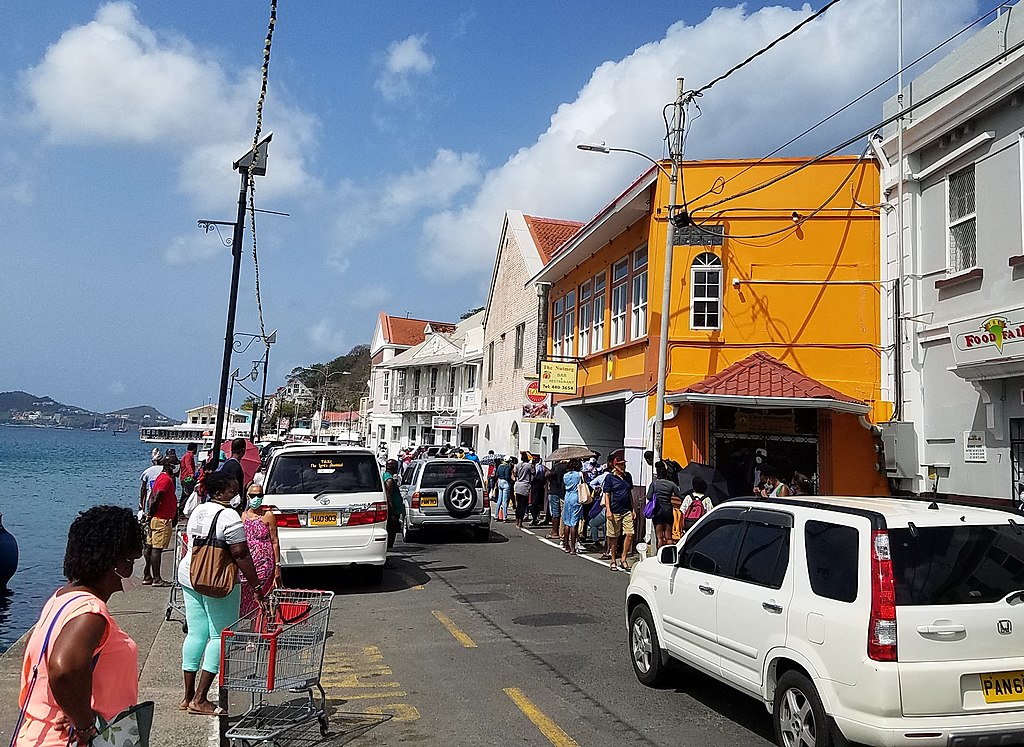
Disability and Poverty in GrenadaPoverty in Grenada greatly affects those with disabilities more than those without. However, as poverty as a whole in the country is decreasing, so too are the disproportionalities, improving lives of those experiencing disability and poverty in Grenada. 

Poverty in Grenada

The citizens of Grenada, an island country in the Caribbean, have a high risk of facing poverty because of the country’s infrastructure, access to programs and aid, heavy reliance on food and oil imports and the climate they are in. Grenada is a developing country that has put more money into its industries to create more jobs and reduce its reliance on Grenada’s goods. But because they are in the hurricane belt, the destructive weather can affect these people and industries. In the early 2000s, Hurricane Ivan and Emily damaged agriculture in the rural areas.

In 2008, the poverty rate was at 37.7%, an increase from the 32% in 1998, most likely due to the hurricanes’ damage to land and businesses as people were without jobs. Meanwhile, in 2018, the rates of poverty decreased to 25%. The extreme poverty rate has been on a more significant decline, going from 12.9% in 1998, 2.4% in 2008, but unfortunately rising to 3.4% in 2018.

Tourism and Poverty

Besides agriculture, Grenada has boosted its tourism industry. Tourism contributed about 40% to the GDP. Grenada’s government improved this industry, adding in more jobs and enhancing the island’s economy. In 2014-2019, this helped decrease the rate of poverty and extreme poverty. However, in 2020, the tourism industry rapidly declined because of the COVID-19 pandemic. Many people were without jobs or income, and most likely fell into poverty.

The Living Conditions in Grenada Report comes directly from the World Bank Group and the Central Statistical Office of Grenada. These organizations created this report in 1998 to report poverty, equity and living conditions, as well as measure Grenada’s Consumer Price Index. The latest report is from 2018 and the next will be in 2028. Although not the most current information, it is being used for reporting, comparing and measuring Grenada’s need for aid.

Poverty and Citizens With Disabilities

Individuals with disabilities, as well as their families, have a higher susceptibility to poverty. This vulnerable group has a strained ability to uphold a job/income. In some cases, the individual’s disability prevents them from important actions like walking, which is a movement needed for agriculture and tourism. In 2021, 551 people could not walk, making their lives harder and decreasing the number of jobs they can work in.

Some children with disabilities, physical or psychological, struggle to stay in school. These issues make it harder for the student to participate and graduate. Only about 23% of children with disabilities graduate from secondary school. Lack of education leads to a lack of jobs and opportunities. The lack of income can further hurt the individual and family. There is a need to help people who live with disability and poverty in Grenada.

Care and medical treatment for certain disabilities can be expensive and could be detrimental to the household’s income. Some families cannot afford care. People with disabilities also experience exclusion. For example, Article 25 of Grenada’s Constitution from 1973 determined that a person cannot run to be a senator if they are unable to speak. Those who cannot verbally communicate cannot sit on the board, further propelling the disproportionalities.

Fighting Poverty in Grenada

The Grenadian government has signed the 2030 Agenda for Sustainable Development and the Sustainable Development Goals (SDGs) to ensure everyone is included while eradicating poverty globally and locally. The government has also enforced the Education Act in 2002, making educational programs that are specifically tailored to individuals with intellectual, communicative, behavioral and/or physical disabilities.

Along with the government, a few nonprofits have been aiding Grenada. Kingdom Workers is directly combating poverty and unemployment by hosting a few events geared towards making education more accessible, like Sensory Day. This event, hosted at the end of 2020, included crafts, toys and specific instructors teaching children with developmental disabilities on ways to communicate, boosting their motor skills.

Kingdom Workers has also provided programs that teach instructors and family members on how to take care of children with developmental disabilities. The understanding of how to treat, teach and communicate with these children further includes them in school. It provides a space where they feel comfortable while learning.

Looking Ahead

Grenada and its economy has improved from where it was in 1998 when The Living Conditions in Grenada Report first began. The overall rate of poverty and extreme poverty in Grenada has decreased. More citizens have jobs, there are more resources to improve the lives of persons with disabilities and to keep them out of poverty, and the economy is growing. Although Grenada is on its way up there is still more to be done to bring the rate down and to provide even more inclusivity, making lives better for persons experiencing disability and poverty in Grenada.

– Emily Ruggiero

Emily is based in Orefield, PA, USA and focuses on Politics for The Borgen Project.

Photo: Wikimedia Commons

August 18, 2025
https://borgenproject.org/wp-content/uploads/borgen-project-logo.svg 0 0 Jennifer Philipp https://borgenproject.org/wp-content/uploads/borgen-project-logo.svg Jennifer Philipp2025-08-18 03:00:502025-08-17 12:46:38Addressing Disability and Poverty in Grenada
Developing Countries, Global Poverty, Poverty Reduction, Tourism

Tourism in Developing Nations: Which Countries Are Advancing?

Tourism in Developing NationsTourism has long been a vital source of income for many nations, supporting infrastructure, employment and development. Tourism provides a unique opportunity for developing nations facing poverty or economic instability to diversify income sources. As global travel rebounds following the pandemic, countries like Georgia, Mozambique, Kenya and Sudan stand at a crossroads, each with untapped potential and lessons from other nations where tourism has greatly benefited the economy.

Georgia: A Model of Strategic Diversification

Nestled between Europe and Asia, Georgia has emerged as a rising star in tourism by leveraging its rich cultural heritage, wine traditions and dramatic landscapes. Georgia’s Tourism Strategy 2015–2025 focuses on diversifying markets, improving service quality and creating niche experiences that appeal to high-value travelers.

The strategy has eight strategic objectives to promote tourism growth in the region. They include respecting, enhancing and protecting Georgia’s natural and cultural heritage. Also, to strengthen competitiveness, through the delivery of world-class visitor services to promote the region. Key initiatives:

  • Investment in infrastructure and hospitality training.
  • Strategic marketing to attract visitors from Russia, Turkey and the European Union.
  • Creation of unique and authentic visitor experiences of Georgian Culture.

Georgia’s success lies in its ability to package authenticity with accessibility, making it a country of economic potential to elevate its tourism profile.

Mozambique: Unlocking Coastal and Eco-Tourism Potential

Mozambique boasts more than 1,500 miles of pristine coastline, vibrant marine life and rich cultural diversity. Yet, despite welcoming around two million tourists annually, the country’s tourism sector contributes just 4% to its gross domestic product (GDP) in 2024.

The Strategic Tourism Development Plan (STDP), approved in 2015, aims to change that by positioning Mozambique as a premier African destination. Core strategies of the plan include:

  • Developing eco-tourism and community-based lodges.
  • Reinforcing leisure tourism and further strengthening business tourism.
  • Enhancing infrastructure in conservation areas like Gorongosa and Quirimbas.
  • Promoting investment through incentives and public-private partnerships.

Mozambique’s challenge is balancing growth with sustainability. Focusing on low-impact, high-value tourism can protect its natural assets while boosting local economies, attracting tourists to enjoy the beautiful sights the country has to offer.

Kenya: From Safari Stronghold To Diversified Destination

Kenya has long been associated with safari tourism, attracting millions to its famous parks and reserves. However, the country’s National Tourism Strategy 2025–2030 aims to expand its appeal by investing in niche markets such as sports tourism, agri-tourism and cultural experiences.

This strategy aims to enhance the contribution of Kenya’s tourism sector to the economy through effective development, management and marketing in partnership with stakeholders. Highlights of Kenya’s National Tourism Strategy:

  • Targeting five million annual visitors by 2030.
  • 12% contribution of tourism to GDP.
  • Enhancing domestic tourism and regional connectivity.
  • Promoting sustainability and resilience through green financing and safety protocols.
  • Kenya’s strength lies in its brand reputation and biodiversity, but its future depends on regional innovation. Embracing transformation and continuous investment in the tourism sector can ensure that tourism benefits all parts of society.

Conclusion

Tourism is more than a leisurely pursuit; it’s a lifeline for transformation. Tourism becomes an engine of inclusion and innovation for developing nations confronting poverty and instability, not just lifting economies, but elevating voices. As travelers increasingly seek deeper, more immersive experiences, destinations like Georgia, Mozambique and Kenya hold the power to redefine what meaningful exploration truly means.

With long-term strategies and community-focused planning, these countries stand ready to turn landscapes into legacies and history into hope. Tourism growth here isn’t just about numbers; it’s about connection, empowerment and rewriting global narratives. And as the world watches, it may discover that the most compelling journeys enchant travelers and uplift the people who make those experiences possible.

– Dylan Fly

Dylan is based in Detroit, MI, USA and focuses on Business and New Markets for The Borgen Project.

Photo: Flickr

August 17, 2025
https://borgenproject.org/wp-content/uploads/borgen-project-logo.svg 0 0 Hemant Gupta https://borgenproject.org/wp-content/uploads/borgen-project-logo.svg Hemant Gupta2025-08-17 03:00:222025-08-16 03:52:33Tourism in Developing Nations: Which Countries Are Advancing?
Development, Economy, Global Poverty

Fighting Poverty in Georgia: The Role of Black Sea

Poverty in GeorgiaGeorgia’s policies aimed at reducing poverty have been successful, especially regarding efforts to modernize the labor market and increase access to assistance for large portions of the population. The country’s gross national income per capita rose from $3,000 in 2010 to $5,702 in 2023, along with reducing poverty in Georgia by roughly 35% in a timespan of over a decade. There is a continued sense of urgency to address and curb poverty.

Despite these efforts, in 2024, the Georgian government backtracked on European Union accession talks. This forced successful policies that reduced poverty to be abandoned, leaving only unproven strategies. The resulting suspension of some foreign aid in the form of investments will harm citizens by hindering national economic growth and slowing trade. Furthermore, some Georgians in rural regions and minority groups, consisting of Azerbaijanis and Armenians, still face high levels of poverty due to the government’s limited current legislation focused on their needs.

Ethnic tensions in Georgia are prevalent, stemming from the need to preserve the unique identity of Georgians, especially from outside invaders, including Russia. Georgia has two breakaway regions, Abkhazia and South Ossetia, both striving for independence. However, the Georgian government and people have been skeptical of foreign influence in the regions and the potential for disruption to the Georgian identity, according to the Carnegie Endowment for International Peace.

This fear, along with the hindrance of the government viewing minorities as lesser members of the nation, has restricted support and Georgia’s hope to curb poverty in predominantly minority regions.

Black Sea Importance and Access

The Black Sea is of great importance to Georgia, allowing access to beneficial trade resources and international partnerships. Partnerships between foreign nations can also enhance security, unify independent countries and provide protection in this dynamic region. Without the Black Sea, Georgia would be unable to utilize ports to facilitate trade and resource distribution.

Also, the Blue Economy or ocean resources used for economic growth, is vital to Georgia. A recent project from the European Climate, Infrastructure and Environment Executive Agency increases support for fisheries, coastal and maritime tourism and maritime transport, according to the European Commission.

Besides ports, oil and gas pipelines also flow through and around the Black Sea, creating a significant trade route from nations such as Russia and Turkey to nations in Europe. The ability for nations to tap into Western markets is key to maintaining national economic growth and potential job growth, ensuring that the nation thrives and that poverty can be reduced.

This is beneficial not only to individual nations in the region but also to the U.S., which has the goal of minimizing adversary movements in conflict zones and areas of high trade interest. Specifically, nations that can rely on Western nations for trade and an economic boost will become less dependent on Russian trade and influence. Additionally, their national independent movements will be protected, according to the Foreign Policy Research Institute.

Georgia’s Ports

Georgia’s unique location between the Black Sea and the Caspian Sea, along with neighboring Azerbaijan, allows the country to connect seven landlocked countries. It promotes trade between Europe and Asia. According to the National Library of Medicine, Georgia maintains aspirations of being a direct hub between Europe and Asia, with added economic growth, infrastructure and development. Trade agreements are vital in preserving and increasing Georgian dominance on the Black Sea to become a significant trade and support nation in a time when foreign influence downplays the nation.

The Batumi Sea Port, located near the southwest corner of the nation, is designed to deal with cereal cargo and petroleum goods. According to the Logistics Cluster, the port transfers goods from land-based transport to ships. It also handles trade vessels and military ships from the U.S. and NATO. These military vessels dock to support regional security through joint exercises and training. By maintaining a strong flow of trade and military ships through their ports, Georgia ensures a positive economic output and strong international cooperation while maintaining security against threats.

Ongoing Strife in the Black Sea

With Russia’s ongoing expanded war against Ukraine, originating in 2014, the Black Sea is still a threatened region, facing military threats, environmental risks and disruptions to vital shipping routes. Primarily at the start of the war, the Russian Navy increased warship presence in the Black Sea and since then, both the Russian Navy and the much smaller Ukrainian Navy have utilized sea mines to deter advances from both sides.

However, with the presence of warships and mines, coastal authorities continue to warn marine traffic of the dangers, ultimately creating uncertainty in trade routes and the potential for disasters, according to the NATO Shipping Center. Environmental risks are also occurring, with mines and oil spills from Russian oil tankers harming the Black Sea shipping lanes and wildlife. Aging tankers in Russia’s shadow fleet, used to evade oil price caps, are at higher risk of spills or navigation failures. Collisions involving these vessels also disrupt trade and daily life in regions like Crimea.

With Russian deals to implement new naval policies and create new bases to house warships, Georgia will be at a disadvantage. Continued disruptions to trade and Russian influence to bar additional Georgian efforts to secure new ports and infrastructure relating to trade will negatively impact the Georgian economy and reduce poverty in Georgia.

A Future for Georgia and the Black Sea

Georgia continues to find new ways to reduce poverty. A report supported by the United Nations Development Programme (UNDP) describes how investments in social security, health care and education will help reduce poverty. To create long-lasting economic growth, the Black Sea’s role must be at the forefront of future deals. Prioritizing investment, tourism and port development will boost jobs, raise incomes and improve regional trade efficiency, key steps toward reducing poverty in Georgia.

– Avery Kachmarsky

Avery is based in Los Angeles, CA, USA and focuses on Business and Politics for The Borgen Project.

Photo: Flickr

August 11, 2025
https://borgenproject.org/wp-content/uploads/borgen-project-logo.svg 0 0 Hemant Gupta https://borgenproject.org/wp-content/uploads/borgen-project-logo.svg Hemant Gupta2025-08-11 03:00:102025-08-10 10:54:12Fighting Poverty in Georgia: The Role of Black Sea
Development, Global Poverty, Sports

Pedaling to Prosperity: African Cyclists

Africa's cyclistsIn 2024, Biniam Girmay, the Eritrean cyclist, won several stages of the Tour de France; this was the first occurrence of a black rider winning a segment of the race. Further, this was the first time an African obtained the prestige of wearing a green jersey during any tour. In addition, Rwanda is to host the 2025 Union Cycliste Internationale (UCI) Road World Championships, another remarkable development in Africa’s series of firsts.

Racing is making substantial strides for inclusivity, diversity and multilateral cooperation. The inclusion of the African market benefits both the sport and the continent, which is now a great opportunity for material advancement and international investment.

The First Few Stages

The globalization of cycling is accompanying the inevitable march of progress. As companies, ideologies and values leak across the globe, the sport of cycling is pedaling into the limelight; meter by meter, creeping into the center of cultural exchange. The notoriety began in 2022, when Girmay won a stage at the prestigious Giro d’Italia and thrust Black Africans into the center of cycling. Over the past several years, Girmay has remained a successful sprinter, securing various victories across various races and stages.

His acumen was reaffirmed in 2024, with his green jersey, during the Tour de France. Girmay initiated an organized effort from the UCI to breach the African market and has remained an inspiration for many African cyclists. About the state of the presence of African cyclists, Girmay said, “It’s really good for the impact, a good vision for young talent, because if you work on that, especially in the European teams, if they invest a lot in African cycling for sure we can have a more global sport. And that’s always nice to see.”

Pushing Forward

Since then, the UCI has initiated establishing a training center for aspiring Black African cyclists. More than 10 to Brittany, France, to train for future competitions; the athletes originate from many countries, each representing their distinct cultures on the European roads. The aspiration of the program, endorsed by both the UCI and the International Olympic Committee (IOC), is to have local athletes excel in the regional Kigali championship. As such, they have been targeting young riders, hoping that, in two years, sundry successful characters will graduate from this program. The project began in 2023, hoping to prepare a generation of people capable of shining during the Rwandan competition.

The aforementioned World Championship in Kigali, Rwanda, is the axis for this whole affair. Announced in 2024, during the Zurich Championship, the monumental decision possesses the potency to establish a robust cycling community in Africa. With, on average, 124 countries broadcasting the race and more than 330 million viewers, this event is phenomenal exposure for the region.

The Last Few Stages

The tournament itself provides the potency for a thriving tourist industry. Any single international event unleashes a myriad of positive, economy-stimulating effects. This venture hopes to both inspire local athletes and expose the world to Rwanda. With each cyclist, a team, along with several fans and mechanics, will follow in tandem. These individuals will be exposed to the sprawling hills, vibrant grass and vivid culture.

This affair is an opportunity for Rwanda’s tourism industry to thrive, not only for the tenure of the competition but also for the residual effects of exposure. With this, faculties and institutions of commerce will be erected, providing adequate edifices for the constituents to operate, interact with and purchase from. For comparison, there was a 4.8% increase in foreign tourists during the 2016 Rio Olympic Games.

As for the athletes themselves, with the introduction of an additional sports industry, more aspirants will have the opportunity to be sponsored. While it is difficult to establish oneself in a sport requiring substantial infrastructure, heroes grant locals international exposure, thereby revitalizing the sport and the residents. Further, there is debate regarding “muscle drain,” or the impact of physically capable laborers leaving their respective nations for better opportunities.

Despite all of this, professional athletes are given the ability to return to their respective communities with connections and wealth. Potentially inspiring a new generation of athletes, all of whom can escape poverty by being thrust into the limelight. An amalgam of the aforementioned themes is present in Kenya, wherein the town of Eldoret benefited from the reinvestment of the country’s professional athletes.

The Finish Line

The finish line has yet to be crossed and many countries still suffer from poverty. However, as the bike pedals forward, the checkered line becomes more perceptible. The competition, the athletes-in-training and the current stars all provide distinct chances for prosperity.

Progress induced by globalism establishes the possibility of flourishing tourism and hospitality industries and reinvestment from athletes. As the line draws near, the glistening prospect of wealth becomes palpable. The internationalism of cycling is beneficial for the sport, as an abstraction and for the people.

– Jackson Hufman

Jackson is based in Glenwood, MD, USA and focuses on Good News and Celebs for The Borgen Project.

Photo: Flickr

August 7, 2025
https://borgenproject.org/wp-content/uploads/borgen-project-logo.svg 0 0 Hemant Gupta https://borgenproject.org/wp-content/uploads/borgen-project-logo.svg Hemant Gupta2025-08-07 01:30:532025-08-06 15:49:12Pedaling to Prosperity: African Cyclists
Global Poverty, Migration, Refugees

Migrant Communities in Portugal: Gentrification and Deportation

Migrant Communities in PortugalGentrification in traditionally working-class neighborhoods in cities like Lisbon, Portugal, is increasing house prices. At the same time, the government’s recent plans to deport thousands of migrants are raising concerns. Together, these changes threaten multiethnic neighborhoods and immigrant identities across Portugal. However, many organizations are resisting this by empowering migrant communities in Portugal through a range of projects.

Deportation and the Rise of Populism

The recent rise in far-right populism and political strategy ahead of a general election has led to plans to deport 18,000 irregular migrants across Portugal. Luis Montenegro, leader of the center-right party Democratic Alliance and current Prime Minister, has faced criticism for announcing the deportation plans just before a snap election in May 2025 to gain voters. However, the Democratic Alliance didn’t win a majority. The head of the Socialist Party, Pedro Nuno Santos, resigned after winning the same number of seats as Chega, a relatively new far-right party rooted in anti-immigration rhetoric.

According to a Portuguese Migration and Home Affairs Office publication, attitudes toward immigrants among Portuguese people depend on their country of origin. Attitudes toward migrants from the Indian subcontinent, including countries such as India, Pakistan, Bangladesh and Nepal, are more negative. Moreover, 68% of the public believe Portugal’s immigration policies are too liberal. They also think that the presence of immigrants impacts their salaries, despite the country’s economic growth depending on sectors where most employees are migrants (such as agriculture and construction).

Gentrification and Touristification

Like many popular destinations, Portugal has become a victim of its success within the tourism industry. Lisbon had 5.6 million visitors in 2023 alone. Thanks to the rise of Airbnb, house prices are rapidly increasing while the availability of public housing is diminishing. In addition to touristification, digital nomads arriving in Portugal with higher salaries have contributed heavily to gentrification.

Although rent and house prices have risen by 120% in cities such as Lisbon, wage levels have remained stagnant. This means many people cannot afford to continue living in the neighborhoods where they grew up. Moreover, some of the neighborhoods most affected by gentrification are home to some of the most multicultural communities in Portugal, meaning that immigrants and working-class people are being pushed to the peripheries of their cities.

Organizations Empowering Migrant Communities

Despite the deportations of migrants and the cultural erosion of their neighborhoods, some grassroots organizations are stepping up. They support and empower migrant communities while resisting the effects of mass tourism, digital nomadism and far-right politics.

  1. The Lisbon Project. One of the most notable organizations empowering migrant communities in Portugal is the Lisbon Project. It is a nonprofit organization (NGO) founded in 2016 to strengthen migrant and refugee communities across Lisbon and make them feel a sense of belonging. The charity currently has 5,952 registered community members from 250 countries, with the top nationalities being Bangladesh, Nepal, India, Pakistan, Nigeria and Algeria.

    Focusing on integration and empowerment, the Lisbon Project operates across various domains, including community life, education, employability and social care. Some of its specific projects include the Benevolence Program, which provides free items such as furniture and home appliances to new arrivals). Others include the Portuguese Welcome Course and free Community Dinners, among many others. Despite currently only operating in Lisbon, the organization aims to expand into three hubs across Portugal by the end of 2030.

  2. Renovar a Mouraria Foundation. Renovar a Mouraria is another Lisbon-based NGO. However, it focuses its support on the multicultural Mouraria neighborhood, which has become a home to multiple immigrant and refugee communities in Lisbon. However, due to the neighborhood’s abandonment and marginalization, residents have been affected by drug trafficking, rising social tensions and gentrification.

    Working with various stakeholders, including the Lisbon City Council, Renovar a Mouraria has been coordinating community-strengthening services since 2008. These include integrated social support, migrant regularization, Portuguese language courses and vocational training. In addition to providing practical services, the NGO has fostered creativity and communication in the neighborhood. One example is Secondary Residence, a collaborative project where a group of residents produced a collective reflection. It was based on their interactions with local people and their experiences living in Mouraria.

  3. The Portuguese Refugee Council (CPR). Similarly, the CPR is empowering migrant communities in Portugal and addressing their marginalization by deconstructing myths about refugees. It is also providing designated spaces, including three Refugee Reception Centers.

    Operating since 1991, the CPR has supported 14,640 refugees and asylum seekers in Portugal through advocacy, legal support, international protection and training sessions. Moreover, the CPR runs multiple services and projects specifically supporting child refugees, such as the CPR daycare and the Shelter for Refugee Children.

Final Remarks

Multiculturalism and the rich history of working-class neighborhoods across Portuguese cities deserve celebration and preservation. Thanks to the amazing organizations empowering migrant communities in Portugal, resettled populations can continue to thrive and network, fostering creativity, cultural exchange and positive integration.

– Clodagh Dowson

Clodagh is based in Wiltshire, UK and focuses on Global Health and Politics for The Borgen Project.

Photo: Flickr

June 4, 2025
https://borgenproject.org/wp-content/uploads/borgen-project-logo.svg 0 0 Hemant Gupta https://borgenproject.org/wp-content/uploads/borgen-project-logo.svg Hemant Gupta2025-06-04 01:30:032025-06-04 00:29:18Migrant Communities in Portugal: Gentrification and Deportation
Employment, Foreign Aid, Global Poverty

Foreign Aid To Iraqi Kurdistan

Foreign Aid To Iraqi KurdistanWith a population of more than 6 million, Iraqi Kurdistan (KRI) has long been an important partner for the international community. Since the Iraqi government formally recognized the KRI in 2005, it has remained a semi-autonomous region and acted as a home for refugees fleeing conflict in neighboring Syria. The region also played a vital role in the fight against the Islamic State between 2013 and 2017, but since the recent cuts in U.S. aid to Iraqi Kurdistan, worries about maintaining peace in the region have emerged. In spite of this, intergovernmental organizations such as the U.N. are implementing efforts to ensure the growth and well-being of the KRI and its people.

The Challenges Facing Iraqi Kurdistan

Of the 10 million people estimated to be living in poverty in Iraq, the KRI has a significantly lower proportion of that figure given the region’s semi-autonomous status and thus immunity from certain sanctions in previous years. But, waves of displacement and unemployment have contributed to the level of poverty in Iraqi Kurdistan.

As a result of the war on ISIS and the political instability in Syria since 2011, Iraqi Kurdistan has welcomed 1.8 million Syrian refugees and Iraqi Internally Displaced Persons (IDPs), which led to a 28% increase in the region’s population. Consequently, many individuals are enduring extreme poverty in these refugee camps in the north of the region.

Additionally, current estimates of unemployment in Iraqi Kurdistan are 13.6% for men and 29.6% for women, which is one of the leading reasons for poverty in the region.

In addition to the issue of unemployment, Iraqi Kurdistan is also experiencing the misappropriation of government funds. In 2023, a review of public spending in the KRI found that 42% of funds go towards employee salaries, which explains the severe underdevelopment of private sector industries. For example, Iraqi Kurdistan’s primary source of income is the oil industry, accounting for 99% of exports, which leaves the economy exposed to drastic shifts in global oil prices. Much of the work by NGOs and foreign governments operating in the region thus focuses on enhancing the growth of private sector industries and investing heavily in infrastructure projects.

International Contributions

In spite of the reduction in foreign aid to Iraqi Kurdistan, governments from around the world are coming up with innovative and diverse ways to boost employment in the region and advocate for those affected by conflict. For example, The United Nations Development Programme (UNDP) has teamed up with the KRI’s Ministry of Municipality and Tourism in Erbil, to provide training programs for women and youth to create handicraft objects to boost tourism and cultural awareness in the region. So far, the program has taken place in nine locations across the region and delivered essential training to 170 participants, improving their job prospects.

In addition, the U.K. maintains its optimism towards strengthening British-Iraqi Kurdistan relations and has proudly delivered health care services to more than 6 million people across Iraq. The British government will also be sending £100,000 per year, for the next 3 years, to support the implementation of the Yazidi Survivors Law, in the hopes of spreading awareness about the poverty and suffering of marginalized Kurds. 

Among plans to boost the tourism industry in the region, foreign aid to Iraqi Kurdistan is shifting towards the agricultural sector in order to diversify the KRI’s economy. In particular, delegations from the United Arab Emirates have conducted 10 research projects into rehabilitating the agriculture and livestock industry.

CABI’s Work in Iraqi Kurdistan

The nonprofit organization, CABI, has taken a more active role in boosting agricultural employment to alleviate the effects of poverty in the region. Through training programs, enhanced information, post-harvest services and processing plants, CABI is supporting potato production in the Duhok province. The project not only seeks to bolster food supply in this part of Iraqi Kurdistan, but also to offer jobs to IDPs, refugees and other vulnerable groups. Since its inception in 2021, CABI’s work in the KRI has already established a potato processing and storage plant, with hopes of offering 10,000 workers with job opportunities in harvesting.

The Future 

Currently, like many regions of the world, foreign aid to Iraqi Kurdistan has fallen short of previous years. The main challenges that the KRI faces are high levels of unemployment, over-dependence on the oil industry and managing the refugee crisis; all of which directly or indirectly contribute to poverty in the region. However, by expanding the economy into new sectors such as handicraft training and potatoes to boost tourism and agriculture sectors, the future is bright for Iraqi Kurdistan.

– Alfie Williams-Hughes

Alfie is based in Nottingham, UK and focuses on Business and Politics for The Borgen Project.

Photo: Pixabay

April 26, 2025
https://borgenproject.org/wp-content/uploads/borgen-project-logo.svg 0 0 Jennifer Philipp https://borgenproject.org/wp-content/uploads/borgen-project-logo.svg Jennifer Philipp2025-04-26 01:30:552025-04-25 04:51:18Foreign Aid To Iraqi Kurdistan
Global Poverty, Tourism

Peru Shows How Tourism Can Reduce Poverty

Tourism Can Reduce PovertyPeru created its national brand, “Marca Perú,” in 2011. PromPerú and the Peruvian Ministry of Tourism launched the initiative to promote the country’s global image. Its objectives include promoting Peruvian products, attracting foreign investment and boosting tourism. Machu Picchu, located in Cusco, became a central feature of this strategy, as one of the New Seven Wonders of the World. The campaign led to results beyond initial expectations, including new business creation and long-term poverty reduction in the region. As 2025 approaches, Marca Perú aims to replicate Cusco’s success by decentralizing tourism across the country to support development in other regions.

Success in Machu Picchu

Peruvian Society of Foreign Commerce (COMEXPERU) reported that Cusco had a poverty rate of 63.8%, which dropped to 21.6% by 2022. While other sectors, such as mining, played a role, tourism significantly contributed to local job creation. Jobs emerged around the capital and the route to Machu Picchu—from restaurants and lodges to craft shops and guiding services. The Peruvian government expanded its international promotion efforts, placing Machu Picchu at the center of its campaigns.

Research by the University of Girona in Spain found a direct link between PromPerú’s tourism promotion and job creation in Cusco, contributing to the province’s development. Since the brand’s launch, Machu Picchu has been featured in major advertising, including the 2012 launch video and targeted campaigns for specific regions such as Japan. A prominent example of this visibility includes Machu Picchu’s placement on welcome signs at Jorge Chávez International Airport.

While local management of funds remains a concern, data suggests tourism played a key role in Cusco’s recent poverty reduction. In 2024, the Ministry of Tourism reported that 2.9 million international visitors arrived in Peru. Of those, nearly 1 million visited Machu Picchu, which attracted twice as many tourists as the second most-visited site, Ollantaytambo.

Peru’s Plan to Decentralize Tourism

To spread the benefits of tourism more widely, Peru is pursuing decentralization through efforts led by both the government and Marca Perú.

  • Government Initiatives. The Peruvian government has started developing eight cableway lines to reach remote destinations. Kuélap, a fortress in the Cusco region known for its historical significance, is one such line. The improved access allows tourists to experience the site more easily. In addition, the government is offering special credit and loans to small businesses in the tourism sector—such as artisans, hostels, restaurants and guides. These loans offer low interest rates and flexible repayment to support small enterprises in underserved regions. The Ministry of Commerce also launched “Pueblos con Encanto” (Towns with Charm), a program promoting lesser-known towns like Oyantaytambo, Oxapampa and Sibaya. The initiative encourages the development of tourism in welcoming but under-visited areas.
  • Marca Perú Campaigns. Marca Perú introduced the “Peru Wow” campaign to showcase destinations and gastronomy across the country. The campaign targets international audiences in the United States (U.S.), Spain, Mexico, Germany and France, reaching an estimated 61.6 million people. A promotional video featuring astronauts aired in Times Square, showcasing Peru’s diversity to a global audience. The second campaign, “Perú, País de Dones Infinitos” (Peru, Country of Infinite Gifts), promotes national pride and cultural identity among Peruvians. The goal is to encourage domestic tourism and inspire Peruvians to share the richness of their heritage. The campaign features testimonials and short videos on social media platforms.

Expanding to New Destinations

To reduce poverty beyond Cusco, Marca Perú now promotes tourism in lesser-known but culturally and environmentally rich regions.

  • Huacachina. Known as the only natural oasis in the region, Huacachina supports several resorts and relies on tourism for local income. Many tourists visit nearby Ica before or after their stay.
  • Nazca Lines. Although a UNESCO World Heritage Site, the Nazca Lines receive fewer tourists than Machu Picchu. The town benefits from visits to its hostels, restaurants and tour services. Small aircraft offer aerial views while preserving the fragile geoglyphs.
  • Titicaca Lake. Located in Puno, the fourth poorest region in Peru, Lake Titicaca supports ecotourism initiatives. Despite harsh climates and high elevation, tourism generates income for accommodations, food services and guides in the region.
  • Chan Chan. Located near Trujillo, Chan Chan is the largest mud brick city in the Americas. Tourism to this archaeological site stimulates local businesses and raises regional awareness.

Moving Forward

Cusco reveals that tourism can help reduce poverty when paired with inclusive economic planning. Peru continues to develop infrastructure, promote destinations globally and foster local entrepreneurship. Decentralizing tourism could open new opportunities in high-poverty regions like Puno, where 41.6% of the population lives in poverty. A traveler’s next visit could contribute directly to sustainable development in these communities, highlighting how tourism can reduce poverty.

– Luis Felipe Rios

Luis is based in Miami, FL, USA and focuses on Global Health and Politics for The Borgen Project.

Photo: Flickr

April 18, 2025
https://borgenproject.org/wp-content/uploads/borgen-project-logo.svg 0 0 Precious Sheidu https://borgenproject.org/wp-content/uploads/borgen-project-logo.svg Precious Sheidu2025-04-18 01:30:532025-04-17 14:20:37Peru Shows How Tourism Can Reduce Poverty
Employment, Global Poverty, Mental Health

Addressing Poverty in Greenland 

Poverty in GreenlandGreenland is an autonomous country under Denmark’s rule. Half of the country’s public revenue comes solely from Danish aid and contributions and yet many citizens live below the poverty line. While other members of the Danish Kingdom flourish, including the considerably smaller Faroe Islands, the number of people living in poverty throughout Greenland is at a staggeringly high 17.4%. This is what the reality of Greenlandic poverty looks like.

The People of Greenland

The vast majority of Greenland’s population identify as Inuit and consider themselves to be ethnically Greenlandic, while the remaining are nearly entirely Danish. The impacts of Norse colonialism and rapid modernization throughout history have impacted the Inuit people’s livelihoods and ways of living have been threatened by the impact of Norse colonialism and rapid modernization throughout history, a threat which has not dispersed despite decades of being recognized as an autonomous territory.

Tourism Vs. Tradition

For many, traditional industries such as fishing and hunting were a means of survival as well as income, though the forced displacement of families and the Inuit people has meant that many have lost access or ease of access to the trades they once relied heavily upon. These industries have long been a staple within the communities, but are gradually being replaced with modern institutions, including mining and tourism.

From 1774 to 1908, the Royal Greenland Trading Department (KGH) were responsible for managing the Greenland government and trade, and throughout this period, they actively fought the urbanization of the native land. However, by the 1960s, the Danish government had introduced a modernization program. While the Danish government introduced it to help Greenlandic workers, particularly the fishermen, into work at modern fisheries, the program merely contributed to the collapse of existing fishers and thus the vital trades of many citizens, as well as prolonged unemployment. This was only one example of colonization contributing to a growing crisis of poverty in Greenland.

The Modernization Shortfall 

Despite being the world’s largest island, the country is home to only 57,000 citizens, making for a sparse population along the coastline and masses of uninhabited land. As a result of this dispersion, there is a lack of key infrastructure that would enable various areas of the economy to grow, such as mining or tourism. As of 2025, there are still less than 100 miles of paved roads across the island, making transportation difficult for workers, and thus limiting job opportunities and access to key sectors and services. For those who rely upon fishing, hunting and gathering to survive non-existent or difficult roads can lead to both job and food insecurity.

These rural areas are where poverty thrives; according to Project World, many Greenlanders have inadequate access to sanitation, food and clean water within their own homes. This is particularly prevalent within predominantly Inuit villages, where a lack of a national grid means that people cannot easily access the services they rely on. Where Danish modernization programs and projects largely failed, many native Greenlanders fell behind and, as a result, beneath the poverty line.

Rising Temperatures 

Like the majority of Arctic countries, rising temperatures is impacting Greenland. As the ice sheet began to retreat in 2023, the island became known for its untapped resources, the earth rich with minerals. However, the aforementioned lack of infrastructure makes it more difficult to access these resources and, therefore, create jobs within the sector.

While the discovery of these minerals has been widely deemed a good thing, the impact of the rescinding ice sheet is already disrupting the lives of many Greenlanders. Melting ice and global warming can make one of the island’s key exports – fishing – an even more unreliable source of income, as the changing weather conditions impact marine life. Climate-induced erosion is also hitting the already limited road structures, making journeys necessary for food, work or transportation more dangerous, more difficult and more insecure. This impacts poverty in Greenland.

The Future

While Greenland’s autonomy and ownership have become a recent political issue, there should be a greater focus on alleviating poverty in Greenland without the island and the people’s independence and autonomy being used as a price tag. In particular, the Salvation Army is recognized as one of the major charitable organizations in Greenland that is making a large everyday impact on the citizens, helping to end homelessness and improve the quality of life for those most vulnerable across the country. From 2012, the charity has been providing warm spaces, meals and drinks and support to those in need, including via the 2024 Self Denial Appeal, which aimed to improve lives across the country.

With eyes across the globe turned to the island, hopefully, there will be a greater focus on improving the lives of Greenlanders by fighting poverty.

– Macy Hall

Macy is based in Dover, Kent, UK and focuses on Good News and Global Health for The Borgen Project.

Photo: Pixabay

March 28, 2025
https://borgenproject.org/wp-content/uploads/borgen-project-logo.svg 0 0 Jennifer Philipp https://borgenproject.org/wp-content/uploads/borgen-project-logo.svg Jennifer Philipp2025-03-28 01:30:562025-03-26 06:05:47Addressing Poverty in Greenland 
Conflict, Development, Global Poverty

Virunga Alliance: Rebuilding the DRC

Virunga AllianceThe Democratic Republic of the Congo (DRC) is actively working to rebuild and redevelop after decades of war and mismanagement that crippled the nation. The DRC, one of the largest countries in Africa, has a population of more than 100 million people. The nation has been at the center of regional conflicts, including the First and Second Congo Wars, which were among the most destructive in recent history. These conflicts created long-term socio-economic instability, which continues to impact the region. To combat these challenges, the Congolese government has implemented National Action Plans (NAPs)—a series of strategies designed to promote social cohesion and economic development.

National Action Plans for Stability and Growth

The first National Action Plan (NAP), implemented in 2010, focused on improving the rights of women and girls within local communities. The plan aimed to integrate women into the local economy and improve their societal standing. However, the government viewed this initial effort as a learning experience, identifying implementation weaknesses, according to PeaceWomen.org.

Applying these lessons, the government adopted the second NAP in 2018, with an implementation period from 2019 to 2022. This plan built upon the first by increasing women’s participation in local political organizations, allowing them to advocate for their rights and economic opportunities. Additionally, the second NAP aimed to curb the small arms trade in eastern DRC, where the majority of rebel groups operate. These armed groups control a large portion of the Congo River Basin, home to nearly 60 million people. Restricting the flow of small arms limits their firepower, but the root cause of these groups—economic instability—remains a significant challenge.

While the region is fertile, many people lack access to credit, preventing them from fully developing agricultural markets. Instead, most rural inhabitants rely on subsistence farming and fishing, with little opportunity for economic advancement. Economic instability has forced many individuals into illegal trades, including poaching for ivory, extortion and kidnapping. From 2017 to 2019, these activities resulted in more than 6,000 civilian deaths.

Virunga Alliance: A Model for Sustainable Growth

To address these ongoing issues, the Congolese government partnered with Virunga National Park to launch the Virunga Alliance—an initiative aimed at creating a sustainable economic model that expands the job market and aligns local economies with the natural landscape.

The Virunga Alliance focuses on three key sectors: tourism, energy and agriculture.

  • Reviving Tourism. Before armed conflicts disrupted the region, Virunga National Park was as popular as the Serengeti. The Alliance aims to rebuild infrastructure and improve governance, paving the way for a new wave of tourists. Since the park reopened in 2014, more than 17,000 visitors have returned—an early sign of progress.
  • Sustainable Energy Development. Revitalizing the energy sector is key to economic recovery. The Virunga Alliance has constructed three hydroelectric facilities, providing electricity to nearly 1 million people. The initiative also offers a loan-based electricity system for businesses, allowing them to access power and repay loans based on usage. More than 127 local entrepreneurs have joined this program, using sustainable energy to develop businesses.
  • Expanding Agricultural Markets. Infrastructure and electricity improvements are enabling local farmers to tap into regional and international markets. With better food storage facilities and improved roads, agricultural businesses can increase exports, creating a cycle of economic growth. As these businesses expand, job opportunities multiply, strengthening local economies.

Looking Ahead

The implementation of these programs is expected to strengthen local economies and stabilize communities affected by decades of conflict. While challenges remain, initiatives like the National Action Plans and the Virunga Alliance demonstrate that sustainable economic development is possible. By investing in women’s empowerment, small business support and infrastructure projects, the Democratic Republic of the Congo is taking critical steps toward long-term economic recovery.

– Jonathan Joseph

Jonathan is based in Milwaukee, WI, USA and focuses on Good News for The Borgen Project.

Photo: Flickr

March 15, 2025
https://borgenproject.org/wp-content/uploads/borgen-project-logo.svg 0 0 Precious Sheidu https://borgenproject.org/wp-content/uploads/borgen-project-logo.svg Precious Sheidu2025-03-15 07:30:312025-03-16 07:30:25Virunga Alliance: Rebuilding the DRC
Page 3 of 10‹12345›»

Get Smarter

  • Global Poverty 101
  • Global Poverty… The Good News
  • Global Poverty & U.S. Jobs
  • Global Poverty and National Security
  • Innovative Solutions to Poverty
  • Global Poverty & Aid FAQ’s
Search Search

Take Action

  • Call Congress
  • Email Congress
  • Donate
  • 30 Ways to Help
  • Volunteer Ops
  • Internships
  • Courses & Certificates
  • The Podcast
Borgen Project

“The Borgen Project is an incredible nonprofit organization that is addressing poverty and hunger and working towards ending them.”

-The Huffington Post

Inside The Borgen Project

  • Contact
  • About
  • Financials
  • President
  • Board of Directors
  • Board of Advisors

International Links

  • UK Email Parliament
  • UK Donate
  • Canada Email Parliament

Get Smarter

  • Global Poverty 101
  • Global Poverty… The Good News
  • Global Poverty & U.S. Jobs
  • Global Poverty and National Security
  • Innovative Solutions to Poverty
  • Global Poverty & Aid FAQ’s

Ways to Help

  • Call Congress
  • Email Congress
  • Donate
  • 30 Ways to Help
  • Volunteer Ops
  • Internships
  • Courses & Certificates
  • The Podcast
Scroll to top Scroll to top Scroll to top