• Link to X
  • Link to Facebook
  • Link to Instagram
  • Link to TikTok
  • Link to Youtube
  • About
    • About Us
      • President
      • Board of Directors
      • Board of Advisors
      • Financials
      • Our Methodology
      • Success Tracker
      • Contact
  • Act Now
    • 30 Ways to Help
      • Email Congress
      • Call Congress
      • Volunteer
      • Courses & Certificates
      • Be a Donor
    • Internships
      • In-Office Internships
      • Remote Internships
    • Legislation
      • Politics 101
  • The Blog
  • The Podcast
  • Magazine
  • Donate
  • Click to open the search input field Click to open the search input field Search
  • Menu Menu

Tag Archive for: Tourism

Posts

Economy, Global Poverty, Tourism

How Tourism Is Reducing Poverty in Albania

Poverty in albaniaTourism in Albania has grown rapidly in recent years and is becoming a powerful tool for reducing poverty and creating economic opportunity. Once seen as a hidden destination, the country is now attracting millions of visitors each year, bringing new income to communities that previously had limited employment options. Through investment in infrastructure, support for small businesses and community-based tourism projects, the industry is helping households earn a stable income and build more secure futures.

Rapid Growth in Visitor Numbers

Albania has shifted from being a hidden destination to becoming one of the Mediterranean’s fastest-growing tourism markets. In 2019, the country welcomed 6.4 million foreign visitors, which was considered a record year at the time. Since then, tourism in Albania has continued to grow rapidly.

By 2024, Albania attracted nearly 12 million international visitors, an 82% increase from 2019. Tourism in Albania also showed strong resilience after the COVID-19 pandemic. By 2022, tourist arrivals were already 5% higher than pre-pandemic levels, allowing the sector to recover faster than many competing destinations in the region.

This quick recovery helped protect jobs and restore income in tourism-dependent communities. The country has also expanded its tourism markets beyond a single source. Albania has established direct air connections and attracted visitors from the U.K., Germany, Italy, France, the U.S. and the Middle East. To meet growing demand, the number of hotels, rooms and beds increased more than tenfold between 2000 and 2019, while international seat capacity continued to rise after 2019.

While national statistics show a massive surge in arrivals, local hosts see this growth through their seasonal calendars. In an interview with The Borgen Project, Akeron, who runs a local Airbnb, explained that the season typically “starts in April and ends in the end of October.” During the peak months of July and August, his accommodations are usually “fully booked,” while June and September maintain high occupancy rates of “70-80%”.

Tourism Revenue and Economic Impact

Tourism has become a major financial pillar of Albania’s economy. In 2023, the sector’s contribution to GDP reached 565 billion Lek ($6.78) billion, a 37% increase from the previous peak in 2019. Estimates show that travel and tourism now contribute roughly one in every four Lek to the national economy.

Tourism has also strengthened Albania’s export earnings. Over the past two decades, tourism generated 38% of the country’s total exports. International visitor spending reached 464 billion Lek ($5.57 billion) in 2023, more than 45% higher than in 2019, bringing money directly into local communities.

This economic shift is felt directly at the household level. For Akeron’s family, the ability to host international visitors has provided a new level of financial security. “For my family, it has made a difference in the amount of money we can save and has helped us think about things we want to do for the future,” Akeron stated.

Job Creation and Social Inclusion

Tourism is one of Albania’s largest sources of employment. In 2023, the sector supported almost 269,000 jobs, representing around one in five jobs nationwide. These jobs range from hospitality and transport to food services and cultural tourism, offering work in areas where few alternatives exist.

Tourism growth has also supported inclusive employment. In southern Albania, more than half of the jobs created through heritage tourism projects are held by women and young people. Some initiatives have also created opportunities for people with disabilities, including maintenance roles at Gjirokastra Castle, helping improve household income, social inclusion and reduce poverty in Albania.

Additionally, tourism has encouraged return migration. Former residents are returning to historic cities such as Gjirokastra and Saranda to invest savings in guesthouses and hospitality businesses. In project-supported areas, the number of tourism-related businesses has more than doubled since 2019, showing how public investment can stimulate local entrepreneurship.

These roles often rely on a collaborative family structure to be successful. Akeron and his parents all maintain other full-time jobs, but they “work together” to manage the guesthouse. He explained the division of labor: “me with the online part and my mom with the cleaning and welcoming guests to make it work.” He also noted that for families where members lack regular employment, this business provides “a very good income.”

Tourism in Rural and Coastal Communities

Tourism has turned family homes into sources of income in many rural and historic areas. In cities such as Gjirokastra, Berat and Përmet, public investment in restoring castle sites and cobblestone streets has encouraged families to convert historic homes into bed-and-breakfasts, restaurants and guesthouses. In these areas, the number of tourism-associated businesses has more than doubled since 2019.

Rural tourism also supports artisanal and cultural income. Around 78% of people employed in the artisan sector are women and nearly half of handicraft businesses are women-owned. Small family-run homestays rely heavily on women’s labor and provide independent income, strengthening household stability.

Infrastructure improvements have helped extend the tourism season beyond the summer months. Projects such as the Saranda promenade have enabled year-round economic activity, stabilizing income for local workers and businesses.

Local hosts often act as a bridge to the wider community by encouraging guests to spend money at nearby businesses. Akeron noted that he frequently recommends “restaurants in the city and by the beach” to his guests. He specifically highlights a restaurant in his village “which serves only Albanian food,” illustrating how tourism income supports traditional culinary businesses.

Community-Based Tourism and Infrastructure Investment

Community-based tourism initiatives have helped ensure that tourism benefits stay within local communities. The Integrated Urban and Tourism Development Project, supported by the World Bank and the Albanian government, focuses on cities including Berat, Gjirokastra, Përmet and Saranda. The project aims to regenerate local economies by restoring heritage sites and upgrading public infrastructure.

This model encourages residents to become active tourism entrepreneurs by converting private properties into guesthouses, cafés and tourism services. Additional EU-funded programs have adopted bottom-up approaches that enable communities to shape tourism growth in line with local needs. Investment in transport and accessibility has supported this growth.

Albania has expanded air connections through low-cost carriers and the construction of new airports. Road networks, walking routes and heritage trails have also improved access to inland regions.

Remaining Challenges

Despite strong progress, challenges remain. Informal employment continues to leave many tourism workers without contracts or social protection, increasing vulnerability during economic shocks. Regional inequality is also visible, as northern areas such as Kukës continue to face high poverty and limited tourism development.

Beyond employment concerns, a significant hurdle is the “infrastructure missing from the government.” Akeron identified the “lack of water” as a primary issue, explaining that families often have only “1-2 hours a day” to fill storage tanks for basic needs like showering and washing dishes. He recalled a specific instance where the water supply failed while a guest “had just put on the shower gel.” While a neighbor was able to provide water to help, Akeron noted that these daily shortages create constant uncertainty for local hosts.

Tourism in Albania is proving that well-planned growth can do more than attract visitors; it can reduce poverty, create jobs and strengthen communities. By supporting family-run businesses, expanding infrastructure and promoting community-based tourism, Albania has allowed its residents to benefit directly from rising visitor numbers. While challenges remain, continued investment and inclusive planning offer a hopeful path forward, showing how tourism can be a powerful force for shared prosperity and poverty reduction in Albania.

– Aila Alsakka

Aila is based in Nottingham, UK and focuses on Good News and Technology for The Borgen Project.

Photo: Unsplash

January 28, 2026
https://borgenproject.org/wp-content/uploads/borgen-project-logo.svg 0 0 Lynsey 2 https://borgenproject.org/wp-content/uploads/borgen-project-logo.svg Lynsey 22026-01-28 07:30:262026-02-11 06:43:05How Tourism Is Reducing Poverty in Albania
Economy, Global Poverty, Tourism

How Surf Tourism is Helping Fight Poverty in Bali

Poverty in baliBali, an island and province of Indonesia, is best known for its turquoise waves and world-class surf breaks, but behind the island’s booming tourism industry lies a more complex reality. While mass tourism has strained local livelihoods and the environment, surf tourism in Bali is quietly creating economic opportunities that help local communities escape poverty.

Tourism and Inequality in Bali

Over the past two decades, tourism has driven extraordinary economic growth in Bali. Before the pandemic, the island welcomed more than six million international visitors a year, generating jobs, foreign investment and global visibility. But this growth has not been evenly shared.

As tourism expands, wealth tends to concentrate in already-popular areas, widening the gap between those who benefit from the industry and those who are left behind. Developers have increasingly converted agricultural land, including Bali’s iconic rice terraces, into hotels, beach clubs and shops aimed at foreign tourists. For many rural and working-class communities, this shift has meant higher living costs, fewer traditional livelihoods and mounting pressure to adapt or relocate.

Surf Tourism in Bali

What surf tourism in Bali occasionally reveals is not a solution to poverty, but a different way tourism value can circulate at the margins. At Kima Surf, the surf camp embeds charitable work into its everyday operations. Kima Surf instructors bring children from the Bali Orphan Day Center into the water for surf sessions, while guests and staff take part in beach clean-ups that address the environmental pressures tourism generates.

Beyond the beach, Kima Surf supports initiatives such as the NF Kinder Foundation. The foundation funds health care, research and aftercare for families facing the high and ongoing costs of Neurofibromatosis, helping them avoid financial strain that could push them deeper into poverty. Similarly, Bali Green Surf School supports educational access by providing food, clothing, toys and essential school supplies to local orphanages, helping reduce material barriers to learning for children from low-income backgrounds.

Fundraising for SurfAid’s Make a Wave Challenge and awareness campaigns promoting disability inclusion in Bali also support groups that are often excluded from tourism jobs and social services. These interventions remain limited in scale and cannot offset the structural inequalities that tourism development produces; however, they illustrate how surf tourism can contribute, albeit incrementally and unevenly, to poverty alleviation. It eases access to care, skills and resources where state support is often insufficient.

What This Means for Poverty Reduction in Bali

Examples like Kima Surf and Bali Green Surf School show how surf tourism in Bali can intersect with poverty in ways that are often overlooked. Rather than transforming the economy or reversing gentrification, surf tourism can create smaller, more immediate forms of support. These include reducing financial vulnerability by improving access to health care and educational resources that might otherwise push families further into poverty.

These impacts are limited and uneven, but they matter in a place where tourism dominates everyday life. Surf tourism in Bali does not solve poverty. However, when its benefits reach local people, it can make everyday life more affordable for some families.

– Iona Gethin

Iona is based in Exeter, UK and focuses on Good News for The Borgen Project.

Photo: Flickr

January 23, 2026
https://borgenproject.org/wp-content/uploads/borgen-project-logo.svg 0 0 Lynsey 2 https://borgenproject.org/wp-content/uploads/borgen-project-logo.svg Lynsey 22026-01-23 07:30:222026-01-22 01:05:37How Surf Tourism is Helping Fight Poverty in Bali
Global Poverty, Inequality

Rising Inequality: Montenegro’s Poverty Crisis

Montenegro’s Poverty CrisisMontenegro’s Adriatic Coast is riddled with luxury resorts and an increasing number of tourists, enabling a booming holiday industry to emerge. However, poverty largely persists in rural and inland communities due to the strain that tourism places on these areas. The tourism industry contributes 25–30% to Montenegro’s GDP and total employment.

Although concerns over Montenegro becoming too dependent on tourism persist, the European Union (EU) accession ambitions have prompted Montenegro to align its growth with social development. Similarly, International donors and NGOs are beginning to push for support of inclusive tourism and the promotion of rural development projects.

Montenegro’s Growing Wealth Gap Crisis

A major issue in Montenegro remains the growing wealth gap, with most wealth concentrated among the elites and foreign investors. In early 2025, the Ministry of Tourism began promoting small-scale entrepreneurship and rural tourism to distribute economic benefits more evenly across the country. Additionally, the seasonal nature of tourism in Montenegro makes tourism-related jobs insecure and low-paid, exacerbating the wealth divide, as a secure income is a rarity.

However, EU-funded initiatives are helping workers gain skills for year-round employment and supporting the economy through infrastructure development. Similarly, the government aims to introduce a new law, the “Permanent Seasonal Worker,” which will provide more stable employment for seasonal workers. This will enable a more secure economy and alleviate Montenegro’s poverty crisis.

Another prevailing issue in Montenegro is the regional inequality between the coast and the inland, largely driven by differing lifestyles and economic opportunities. Despite these challenges, infrastructure projects, such as roads and digital connectivity, are being expanded to rural areas to attract investment. For example, the EU is providing Montenegro with more than $88 million to reconstruct a 167 km railway, which will modernize the country’s transport network and promote a more sustainable transportation system.

These changes aim to create easy access across Montenegro and help reduce the nation’s poverty levels.

Balancing Tourism and Equality

Tourism in Montenegro affects more than just poverty; it also has significant environmental and social impacts. While women make up a large percentage of the tourism workforce, they are often excluded from higher-paying roles due to industry instability and prejudice. To address this, NGOs and EU programs fund and organize women’s job training and mentoring initiatives designed to promote independence and entrepreneurship in a difficult job market.

Tourism growth in Montenegro largely strains natural resources and risks exacerbating environmental degradation. However, the government is committed to promoting sustainable tourism standards and eco-certifications. By encouraging practices such as energy and water conservation in accommodations, Montenegro is reducing the environmental impact of tourism.

The country is also advancing a sustainable tourism strategy through participation in programs such as the international EU Ecolabel. Pushing for these limitations and using official certifications provides a surefire way to not only protect the environment but also continue the fight against Montenegro’s poverty crisis.

Final Remarks

Overall, Montenegro is working toward a more sustainable future in an effort to reduce its poverty rate. Its promotion of eco-tourism and cultural heritage projects aims to diversify tourism beyond just the coast, while also strengthening policy links between tourism revenue and social welfare to reprioritize Montenegrins. Nonetheless, poverty remains rife alongside booming tourism across the Adriatic Coast, with Montenegro beginning to promote initiatives aimed at inclusive tourism.

Montenegro also serves as a strong case study of how a small state can balance economic growth with poverty reduction through increased investment and policy alignment, promoting the well-being of its people and its tourism sector.

– Megan Burrows

Megan is based in Birmingham, UK and focuses on Good News and Politics for The Borgen Project.

Photo: Pexels

December 9, 2025
https://borgenproject.org/wp-content/uploads/borgen-project-logo.svg 0 0 Lynsey 2 https://borgenproject.org/wp-content/uploads/borgen-project-logo.svg Lynsey 22025-12-09 07:30:132025-12-09 01:32:50Rising Inequality: Montenegro’s Poverty Crisis
Employment, Global Poverty, Housing Security, Tourism

Everything To Know About Seasonal Poverty in Greece

Seasonal Poverty in GreeceEach year, Greece’s tourism season fuels the economy throughout the summer months. However, when the holiday crowds depart, the industry’s seasonal nature leaves workers vulnerable. Without stable income or job security, thousands face economic challenges once Greece’s resorts close for winter.

Amanda Williams, a tourist who visited Santorini in 2023, told The Borgen Project about a conversation she had with a waitress working at a local beach resort. The waitress described 16-hour shifts, six days a week, while her partner worked nights as a security guard at the same hotel. They barely saw each other or their two young children, yet she explained that they had no choice saying “I need to help my children.” The couple had to maintain this demanding routine so the money earned over summer could sustain them through the winter, when Santorini’s economy slows dramatically as resorts and restaurants temporarily close down. This is when seasonal poverty in Greece becomes most visible.

A Seasonal Economy

Tourism is Greece’s economic backbone, contributing between 28.5% and 34.3% of national GDP in 2023. On islands like Santorini and Mykonos, that dependence is even more extreme as the South Aegean region relies on tourism for an estimated 97.1% of its GDP.

According to official data, from October to November 2024, the number of international visitors arriving in Greece dropped by 62%. Most hotels, restaurants and tour operators shut their doors from November to March, forcing thousands of seasonal workers into unemployment.

Industry reports confirm that Greece’s tourist season runs from April through October, with the majority of arrivals concentrated between June and August. During those peak months, popular destinations like Santorini can see crowd densities estimated at 33 people per square meter. Yet, by winter, these same streets are empty, and the workers who once kept them alive face months without receiving any income or benefits, a defining feature of seasonal poverty in Greece.

The sharp divide between summer prosperity and winter hardship is visible in Greece’s poverty statistics. In 2024, 26.9% of Greece’s population was at risk of poverty or social exclusion, one of the highest rates in the European Union. Amongst children, the rate rises to 27.9%, meaning roughly one in four Greek children grow up in poverty.

This poverty is particularly severe on the islands, where import and transport costs inflate the cost of living. A survey found that 6.2% of Greek households reported skipping meals in the past year due to lack of money. When tourism stops, many families are left jobless and forced to rely entirely on their summer savings, stuck with rationing themselves and often running out long before spring returns.

Lower Wages Against Higher Costs

Seasonal employees in Greece typically earn the national minimum wage of €880 per month, compared with roughly €2,000 per month in the United Kingdom before tax. Although the cost of living in Greece is around 20% lower than in Britain, the wage gap means Greek workers face a significantly higher financial strain.

Greece’s tax system also deepens the disparity. Income is taxed 9% starting from the first euro earned, while in the U.K., workers pay no income tax until earning around £12,570 per year. With limited government support and no consistent child benefit programs, many Greek families depend entirely on what they earn during the tourist season.

Tourism’s rapid growth has also reshaped the housing market. Rising demand for short-term rentals has pushed up prices, making it harder for locals to find affordable homes. In Santorini, housing costs are increasing by 15%-25% in the past year alone.

Nikos Gouliomis, Secretary of ELME Corfu, has highlighted the growing financial strain on teachers as increasing rent prices on islands like Corfu now consume nearly “two thirds of a teacher’s salary.” Many are left with no choice but to sleep in their cars or on the beach while tourists occupy most available apartments and homes. This mirrors a broader national issue where housing prioritizes tourists over residents, displacing low-income workers and pushing essential community members such as our teachers, nurses and police, off the islands altogether.

A Seasonal Paradise

Greece is now ranked at third for the top holiday destinations in the world for Europeans, yet much of this prosperity bypasses the people who make tourism possible. For many, the end of the tourist season means the start of financial insecurity, reinforcing this cycle of seasonal poverty in Greece that affects families each year. Without steady income, social support or affordable housing, thousands of workers face winter in poverty while the resorts they serve remain desolate.

The Greek government has begun addressing some of these issues, introducing new regulations on short-term rental properties to prevent extreme housing inflation and launching initiatives like Social Consideration and Social Leasing to create 10,000 affordable housing units for low-income families. However, these efforts will need to go hand in hand with policies that expand unemployment support, introduce child benefits, and promote year-round employment, especially in regions dependent on tourism. Expanding winter tourism, investing in local industries, and improving worker protections could help stabilize income and reduce poverty among seasonal workers.

Emfasis is a nonprofit organization working to assist people experiencing extreme poverty and social exclusion across Greece. Starting in 2013, the organization maps unmet needs and delivers targeted assistance ranging from material support and counseling services to emergency humanitarian aid and capacity-building programs for long-term impact. Emfasis has documented rising economic precarity, including the fact that 83.9% of the population cannot cover an unexpected but essential expense of 410 euros. Through both immediate and preventive action, Emfasis aims to help individuals regain access to basic rights like housing, health and employment.

Looking Ahead

Greece’s islands continue to attract millions of tourists each year, but for many residents, financial stability remains out of reach once the tourist season ends. Organizations such as the Emfasis Foundation can help strengthen social protection systems and build a more sustainable future for Greece’s island communities, reducing seasonal poverty in Greece. 

– Daisy Winstone

Daisy is based in Cardiff, Wales and focuses on Good News and Politics for The Borgen Project.

Photo: Wikimedia Commons

November 22, 2025
https://borgenproject.org/wp-content/uploads/borgen-project-logo.svg 0 0 Jennifer Philipp https://borgenproject.org/wp-content/uploads/borgen-project-logo.svg Jennifer Philipp2025-11-22 01:30:322025-11-22 01:28:10Everything To Know About Seasonal Poverty in Greece
Economy, Global Poverty, Tourism

The Hidden Power of Food Tourism in Latin America

Food Tourism in Latin AmericaLatin America is rapidly emerging as one of the world’s most vibrant culinary destinations, attracting tourists from across the globe to experience regional dishes and rich flavours. While tourism is widely recognized as vital to the economic stability of many countries, food tourism in Latin America is astonishing in its financial impact. In 2023 alone, this market generated an impressive $927.9 million and is expected to grow by nearly 20% by 2030.

The undeniable influence of tourism has prompted Latin American countries to leverage visitor spending for domestic growth and development strategically.

Indigenous Groups

Latin America preserves its centuries-old heritage through its food practices. Travelers eager to experience authentic Latin American cuisine, rooted in rituals, customs and traditions that date back more than 2,500 years, help Indigenous communities flourish. For instance, the Oaxaca restaurant in Mexico, located in a state that is home to 15 Indigenous groups, immerses tourists in food preparation and sharing rituals.

It also celebrates the natural cycles of food growth and teaches visitors about the spirituality behind harvests and produce grown on sacred land. Marketing this as an attractive venture for tourists reinforces Indigenous influence within the social fabric. It sustains livelihoods by creating higher demand for their unique products and farmland, often their primary source of income.

Through tourism, these communities can strengthen their position in society and preserve a sense of continuity that might otherwise fade away.

Local Sourcing

Latin American restaurants prioritize sourcing local ingredients and supplies, which play a crucial role in revitalizing their communities. For example, Restaurante Manu in Brazil exclusively sources from independent distributors within a 300-kilometer radius, crafting unique dishes inspired by the harvests of local farmers, fishers and dairy producers. Its use of regional ingredients, such as purple potatoes, quinoa and maize and partnerships with independent, often family-run distributors, strengthen community ties.

It also celebrates the region’s rich biodiversity and culinary traditions through a contemporary lens. This approach makes food tourism in Latin America a key driver of economic prosperity. It supports sustainable livelihoods for small-scale producers, attracts new contributors, strengthens domestic markets and fosters a fairer food chain.

As a result, this distributed profit breathes new life into local communities, reviving shuttered restaurants and stimulating agricultural production. By dining at authentic restaurants, tourists help ensure that the money, time and effort communities invest in putting food on their plates are reinvested into improving local residents’ and businesses’ quality of life.

Social Change

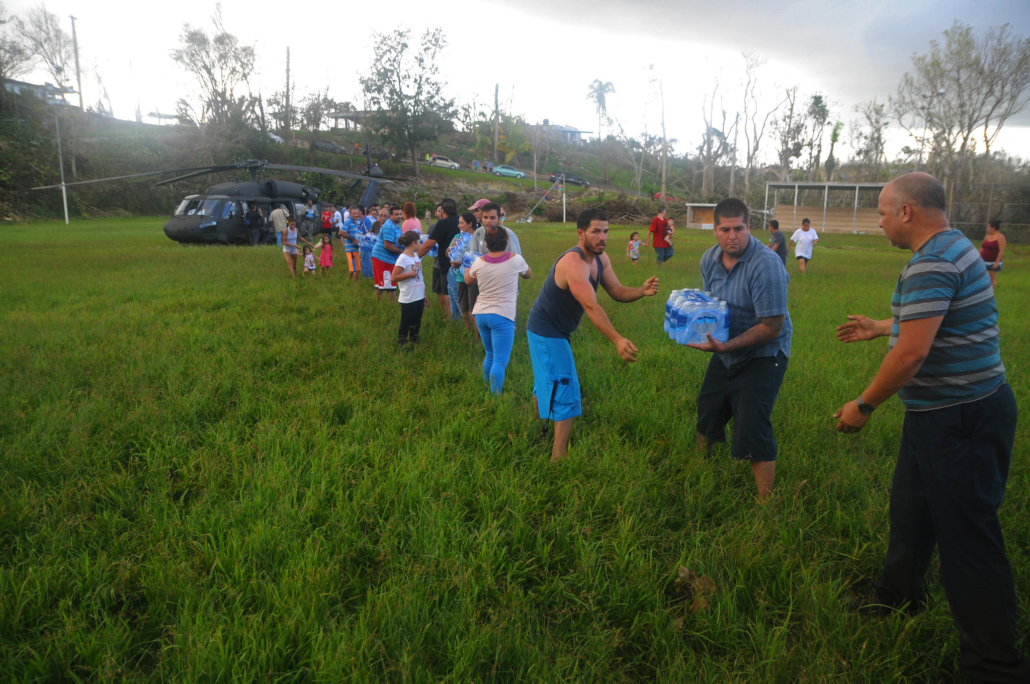
Latin America weaves culinary art with social change. Revenue generated from food tourism in Latin America is funneled into development programs, creating meaningful improvements for the local communities of high-traffic tourist destinations. The community-owned Parwa Restaurant in the Peruvian capital capitalizes on the steady stream of 1,500 travelers that pass through the valley.

It reinvests its profits into collective initiatives such as an internet-connected computer center and the installation of water tanks across 45 family homes. In partnership with the Planterra Project, Parwa Restaurant launched a scholarship program for youth in underprivileged areas, training them in culinary arts and business strategy to help shape brighter futures. The restaurant also uses tourism revenue to expand employment opportunities within the community, offering monthly salaries, health insurance and professional development for local residents. The security and comfort resulting from the benefits of food tourism are amplified tenfold.

In Summary

Eating locally while on holiday allows tourism revenue to support meaningful community projects and outcomes. Showcasing Latin American cuisine on the global stage sparks a chain reaction, renewing national pride in ancestral culinary traditions, stimulating rural markets and enabling long-term social improvements to thrive. In this way, food tourism in Latin America not only preserves the spirit of its heritage but also flourishes because of it, creating a cycle of cultural and economic vitality.

– Emily Wooster

Emily is based in Birmingham, UK and focuses on Good News and Global Health for The Borgen Project.

Photo: Flickr
November 2, 2025
https://borgenproject.org/wp-content/uploads/borgen-project-logo.svg 0 0 Lynsey 2 https://borgenproject.org/wp-content/uploads/borgen-project-logo.svg Lynsey 22025-11-02 01:30:022025-11-02 01:38:01The Hidden Power of Food Tourism in Latin America
Cultural Heritage, Global Poverty, Tourism

Chichen Itza: Reducing Poverty in Mexico

Reducing Poverty in MexicoChichen Itza is a pre-Hispanic Mayan archaeological site in Mexico’s Yucatán Peninsula. It preserves the rich history of the Mayan civilization through its remarkable stone monuments and artistry, created by the Maya and Toltec tribes. Dating back to around 415–455 A.D., Chichen Itza is recognized globally as a UNESCO World Heritage Site and one of the New 7 Wonders of the World. Beyond its historical value, it plays a crucial modern role in reducing poverty, driving economic growth and globalizing Mexico, particularly within the Yucatán region.

Economic Benefits and Poverty Reduction

Millions of tourists visit Chichen Itza annually, generating substantial income for local communities and Mexico’s national economy. In 2023, with the reopening of previously restricted areas for archaeological research, the site saw a 12% increase in visitors, totaling more than a million tourists. This influx supports Mexico’s post-pandemic recovery and strengthens the tourism industry.

The constant flow of visitors creates steady employment in hospitality, transportation, food services and local craft markets. These jobs provide sustainable income opportunities for families, helping reduce poverty and improve living standards in nearby communities. In addition to visiting the archaeological site, many tour operators now offer full-day excursions that include nearby destinations such as Valladolid, a colonial city in the Yucatán Peninsula.

These tours also feature visits to cenotes and natural sinkholes where visitors can swim and enjoy lunch prepared by local families. These tours promote small businesses, local restaurants and artisan markets, ensuring that tourism revenue is distributed more evenly across the region. Local guides who lead these trips share cultural knowledge and Mayan traditions, creating meaningful exchanges between visitors and residents while strengthening community identity and heritage.

Through these combined tourism experiences, Chichen Itza attracts international visitors and stimulates a regional economic ecosystem that uplifts surrounding towns and rural populations.

Cultural Preservation and Local Empowerment

Despite its benefits, Chichen Itza’s global popularity also presents challenges. Much of the site’s revenue flows to the federal government rather than Mayan communities. Additionally, some Indigenous residents have faced displacement due to tourism development. However, many have adapted by creating independent income sources, selling handmade crafts, guiding tours and educating visitors about their heritage.

Mayan artisans and entrepreneurs preserve their cultural legacy and promote national pride through these efforts. Visitors, in turn, gain a deeper understanding of Mexico’s Indigenous history, fostering global respect and cultural appreciation. Integrating traditional Mayan cuisine, language and artistry into tourism experiences has also helped safeguard intangible heritage while creating new forms of economic empowerment.

Regional Development and Sustainability

The success of Chichen Itza has also inspired infrastructure projects like the Tren Maya, a new railway system designed to improve accessibility across the Yucatán Peninsula. This initiative aims to manage overcrowding, boost tourism and expand economic opportunities for nearby towns.

Importantly, the Tren Maya project emphasizes sustainability. Its eco-friendly design reduces carbon emissions and supports environmentally responsible tourism, aligning economic development with long-term environmental goals. It enhances regional mobility by connecting cities like Cancún, Tulum, Mérida and Valladolid. It increases visitor flow to the peninsula’s local businesses, artisans and cultural centers.

Conclusion

Chichen Itza’s continued global appeal demonstrates how cultural heritage and tourism can drive economic resilience. By generating jobs, supporting local entrepreneurship and inspiring sustainable development, this ancient site contributes directly to reducing poverty in Mexico. Through guided tours that extend to surrounding cities and cenotes, tourism revenue reaches even more communities, strengthening the Yucatán Peninsula’s economy and preserving its cultural heritage.

Chichen Itza stands as both a monument to the country’s past and a catalyst for its future prosperity.

– Miranda Yacynych

Miranda is based in Pittsburgh, PA, USA and focuses on Business and Good News for The Borgen Project.

Photo: Pexels

October 27, 2025
https://borgenproject.org/wp-content/uploads/borgen-project-logo.svg 0 0 Lynsey 2 https://borgenproject.org/wp-content/uploads/borgen-project-logo.svg Lynsey 22025-10-27 01:30:152025-10-26 23:42:30Chichen Itza: Reducing Poverty in Mexico
Economy, Global Poverty, Tourism

How Georgia’s Wine and Tourism Are Helping Communities

Georgia’s Wine and TourismGeorgia, the birthplace of wine, has rightfully earned its title as “wine country.” The investment in wine-making has boosted the economy and helped many communities find their way out of rural poverty. Winemaking is deeply rooted in the country’s history and evidence shows that viticulture dates back 8,000 years in Georgia. Vineyards cover most of the country’s rolling hills, making the wine extremely popular worldwide.

The Georgian Grape Subsidy Program

A subsidy is financial assistance provided by the government to help keep prices stable and encourage economic participation among vulnerable producers. Specifically in Georgia, subsidy programs were made to stabilize farmers’ incomes, guarantee smooth harvests and ensure that even lower-quality grapes could be sold, especially those used for wine production. Subsidies have played an integral role in sustaining Georgia’s agricultural sector.

Between 2014 and 2024, nearly 45% of government agricultural spending went toward subsidy programs. These funds support the production of key crops such as wheat, hazelnuts, tangerines, apples and, most importantly, grapes. The Georgian grape subsidy program began in 2008 and, except for 2018 and 2019, has been implemented every year since.

The government has used both direct and indirect subsidies to support farmers. Direct subsidies provide cash payments to grape growers for each kilogram harvested. In contrast, indirect subsidies operate through state-owned companies that purchase grapes directly from farmers, especially when private buyers leave surplus crops on the market.

Although direct financial support declined sharply after 2017, the government continued its grape purchasing program to protect growers from market fluctuations and ensure no farmer was left behind.

Challenges in the Vineyards

Despite the progress, Georgia’s small-scale grape producers remain among the country’s most economically vulnerable people. Many still rely on outdated production methods, lack access to quality inputs and agricultural services and face limited competition opportunities in international markets. After the land reforms of the ’90s, following the collapse of the Soviet Union, farmland in Georgia became scarce.

This left most vineyards too small to support efficient production. This has resulted in high costs and limited access to capital and markets. Because of these constraints, some wineries have started to grow their own grapes to secure consistent, high-quality supplies, leaving smallholders struggling to find buyers. These farmers face the added risk of unpredictable weather and fluctuating market prices, making planning or investing in new technology difficult.

Tourism

Georgia’s wine and tourism industry is helping communities by creating jobs for local community members. Georgia’s wine culture is especially unique and the production of wine in Georgia competes with other luxury brands in the market. Research has shown that tourists appreciate the experience of learning about the process of winegrowing as much as they enjoy tasting the wine. Wine-makers in Georgia hope this trend will continue.

A Path Forward

The story of how Georgia’s wine and tourism are helping communities remains one of resilience and renewal. The government’s sustained investment in agriculture and the international demand for Georgian wine have opened new economic opportunities in rural areas. As vineyards expand and production methods improve, Georgia’s winemaking tradition continues to do more than fill glasses; it helps fill livelihoods, turning an ancient craft into a modern tool for fighting poverty.

– Arielle Telfort

Arielle is based in Purchase, NY, USA and focuses on Global Health for The Borgen Project.

Photo: Unsplash

October 25, 2025
https://borgenproject.org/wp-content/uploads/borgen-project-logo.svg 0 0 Lynsey 2 https://borgenproject.org/wp-content/uploads/borgen-project-logo.svg Lynsey 22025-10-25 07:30:012025-10-25 01:59:04How Georgia’s Wine and Tourism Are Helping Communities
Developing Countries, Global Poverty

Poverty Reduction in El Salvador

Poverty Reduction in El SalvadorEl Salvador, famously known for its beaches and volcanoes, achieved considerable poverty reduction from the years 2000-2019. The percentage of households living below the official poverty line dropped from 38.7% to 22.8%. However, due to the disastrous effects of the pandemic, the country lost much of this progress. Since then, the government and various charities and organizations have acted in strategizing future reduction methods. These focus on improving the business environment, creating quality jobs as well as enhancing social programs and improving access to services like education and health care.

Project ‘Rural Dawn’

Effects of poverty include vulnerability to environmental disasters, such as droughts. This results in people lacking food security due to challenges in obtaining modern farming technology or suitable farmland. Between the months of February and May in 2023, 85,000 people were in a food crisis or worse, this is an important issue to confront in the mission to reduce poverty in El Salvador, as food insecurity has been a serious ongoing issue for many years.

To create opportunities in such a dire situation, the International Fund for Agricultural Development (IFAD) teamed with the Government of El Salvador in 2019 to launch the Rural Adelante project. This project is a wide-reaching scheme endeavoring to improve food security and living conditions among the rural poor, by providing farmers with support to increase their incomes. Through agricultural training, access to micro-financing and the creation of local cooperatives, families who once struggled to meet their basic needs, are now generating steady incomes and gaining financial independence. The project has succeeded in connecting rural farmers to the supply chain of more crops and has benefited more than 40,000 agricultural families. The program also has a specific focus on engaging women, young people and those from indigenous origin, offering training and opportunities to build successful businesses.

Growing Tourism in Surf City

As tourism grows, poverty reduces due to the new jobs and opportunities that become accessible to local people. With the growth of tourism comes openings of hotels, restaurants, new shops, wider transportation as well as demand for tour guides. These jobs do not require advanced degrees, meaning poorer communities are able to gain employment. Surf City, El Salvador’s coastal tourism project, focuses on enhancing connectivity and visitor experience through making significant infrastructural changes, which should positively impact more than 69,000 Salvadorans. These changes include new water treatment facilities to improve water quality, this is particularly important due to the struggles commonly faced in accessing clean water; more than 1.6 million residents of El Salvador need to leave their homes just to find and gather clean water to use.

Along with the improvements El Salvador is making to roads through adding bicycle and pedestrian lanes to improve safety, the project aims to improve quality of life for both tourists and locals, while also providing plenty of construction and engineering jobs. The country has witnessed impressive growth in tourism, in 2023 there were more than 3.4 million international visitors, stimulating the local economy through commerce.

Security and Safety

In recent years, crime rates have dropped significantly, with homicide rates declining 98% from the years 2015 to 2024. This is a result of harsher police enforcement and punishment for crime, which has led to an increase in success for small businesses, street vendors and entrepreneurs. For decades, gangs extorted these groups and even families. With extortion dropping by nearly 50% in 2024, microbusinesses are now able to keep more earnings. This encourages financial security for thousands more businesses and also eliminates costs previously spent on security guards, protection payments and theft losses, meaning that working people are keeping more of their income than previous corrupt social systems allowed.

Reduced crime and homicide rates contribute to psychological and social security; where previous fear of gangs may have kept people absent from school or work. Now, they are able to attend regularly and with less risk. This builds human capital, which is key to long-term poverty reduction in El Salvador.

TechnoServe’s Work

TechnoServe is a nonprofit organization that has been proposing business solutions to poverty for over three decades, through helping small businesses improve and grow. Its Crece Tu Empresa program (CRECE) is a scheme focused on involving young people in business leadership. CRECE supported 1,500 entrepreneurs and more than 500 youth-led businesses have benefitted from the program, 66% of which were female led. Its work has benefited many business and it is particularly important in this country, where high levels of unemployment limit opportunities for many young people and women.

By providing training, mentoring and business tools, entrepreneurs can professionalize and strengthen their businesses, leading to increased revenue and business growth. This results in a chain of positive effects, such as increased income, more job opportunities and stronger connections between local businesses due to reinvestment in local produce and services. This also encourages empowerment for young women due to increased involvement in schemes like these. When marginalized groups earn their own income, household stability improves and intergenerational poverty reduces. TechnoServe’s involvement in El Salvador is long-lasting as they provide important education. This is effective in ways different to one-time aid as it helps to build lasting economic resilience, resulting in more sustainable poverty reduction in El Salvador.

Looking Ahead

The work that is occurring to help relieve poverty in El Salvador, from both the government and charitable organizations, is widespread. From infrastructure and food security, to educating business skills, an abundance of work is being done to help the country’s downfalls. The improvements being made will benefit both the locals and tourists, and create better connectivity to the rest of the world. Although poverty remains a large issue, the work being done currently aims to build strong foundations for the future, with hopes to change public perceptions of El Salvador.

– Abigail Gadsden

Abigail is based in Medway, Kent, UK and focuses on Good News and Celebs for The Borgen Project.

Photo: Wikimedia Commons

October 2, 2025
https://borgenproject.org/wp-content/uploads/borgen-project-logo.svg 0 0 Jennifer Philipp https://borgenproject.org/wp-content/uploads/borgen-project-logo.svg Jennifer Philipp2025-10-02 01:30:032025-10-01 22:46:27Poverty Reduction in El Salvador
Entertainment, Global Poverty, Tourism

A Party against Poverty: Caribbean Carnivals Impact

Caribbean Carnivals ImpactThe impact of Caribbean carnivals across the region has helped the vibrant celebrations transcend into the realm of socio-economic development for locals. Every year, thousands of international tourists flock to the Caribbean for the atmosphere, sounds and cultural experiences that carnivals offer. For locals, equating carnival with community has shown how these celebrations can encourage collaboration, drive sustainability and bring prosperity to a region that consistently showcases creative talent.

While carnivals characteristically personify positivity and togetherness, the unstable tropical climate, combined with the repercussions of COVID-19 in the Caribbean, are two key reasons for slowed development in the region. By 2030, the United Nations (U.N.) projects that climate change will cause an additional 100 million people to suffer from conditions of extreme poverty. Natural disasters such as hurricanes and earthquakes have increasingly plagued the fragile islands of the Caribbean, leaving life-changing damage to property and devastation in their midst.

The severe implications of the global pandemic have also highlighted how important carnival is to economic growth. Without commercial and tourist interest, the monetary rewards and employment opportunities created by carnival can no longer be assured. Now that COVID-related travel restrictions have been lifted, the economic recovery of these island nations has revolved around a larger annual celebration of carnival.

Cruising into Celebration

Conventionally arriving in the Caribbean by plane or boat, international tourists come to experience the iconic impact and cultural showcases that carnivals offer. Having arrived on sandy shores, tourists seek to indulge in local festivals, cuisine and events which revolve around carnival season. On the picturesque island of Saint Vincent and the Grenadines, the Vincy Mas carnival takes months to prepare, opening up job vacancies such as event organizers, costume curators and float designers. These paid responsibilities are examples of longer-term contract roles that are available for native islanders to get involved in. The tourist demand for extra lavishness, pomp and splendor continues to drive the capacity and standards of carnivals year on year. In Vincy Mas alone, the 2022 Miss SVG contest generated more than $100,000 in revenue.

Alongside an increase in employment opportunities for local residents, carnival spectators are not limited to international tourists. The celebrations also have a powerful ability to unite Caribbean communities. In Trinidad and Tobago, carnival has an institutional dimension. Unlike other festivals with religious or political affiliations, carnival unifies people through creative dance, performance and expression. By appealing to those historically marginalized, carnival plays an important role in promoting the interests of the Caribbean community.

The National Carnival Commission of Trinidad and Tobago (NCC) has overseen the development of carnival enterprises since the 1990s. As a result, the festival has attracted one of the largest crowds in the Caribbean and promotes values of collaboration, equality and togetherness. This sense of community identity reinforces the impact of Caribbean carnival on development initiatives.

Procession, Publicity and Promoting Development

The creative forms of communication and expression are broadcast to thousands of people annually. In Antigua and Barbuda, the Antiguan government chose to promote its 2024 Sustainable Development Goals (SDGs) on a carnival float paraded through bustling streets. Using Caribbean carnival impact to grow public awareness for sustainable development initiatives enables governments to outline pathways toward ‘poverty alleviation’ and ‘well-being amongst others.’ The carnival float has a visual appeal that official documents or speeches do not.

Furthermore, official U.N. initiatives promoting development and climate awareness projects have recently adopted a carnival-style approach to relaying important messages. The 2025 Small Island Future Festival held in Barbados incorporated performances and showcases from more than 100 different creatives. An opening address by Mrs. Limya Eltayeb of the United Nations Development Program (UNDP) encouraged the Caribbean to work as a collaborative network of island nations striving to achieve sustainable targets by 2030. The festival championed innovative measures, such as tackling the dangerous rise of Sargassum algae arriving on once pristine coastlines.

Looking Ahead

Caribbean carnivals continue to have an impact on the Caribbean economy. Festivals across the region draw large numbers of tourists and create job opportunities for local residents. Beyond tourism, carnival has also been used to raise awareness of inequality and poverty brought on by natural disasters and the pandemic. The celebrations unite Caribbean communities through dance, performance and music and local governments increasingly use carnival as a platform to promote sustainability and crisis management.

– Ash Fowkes-Gajan

Ash is based in London and focuses on Good News and Politics for The Borgen Project.

Photo: Unsplash

September 29, 2025
https://borgenproject.org/wp-content/uploads/borgen-project-logo.svg 0 0 Precious Sheidu https://borgenproject.org/wp-content/uploads/borgen-project-logo.svg Precious Sheidu2025-09-29 03:00:252025-09-28 23:21:21A Party against Poverty: Caribbean Carnivals Impact
Economy, Global Poverty, Tourism

How Tourism Alleviates Poverty in Croatia

Poverty in CroatiaFrom Split, to Hvar to Dubrovnik, whether it be for the beaches or the nightclubs, tourists are flocking to the small European nation on the Adriatic Sea in record numbers. In 2024, the Croatian National Tourist Board recorded nearly 21.3 million visitors, which was 4% more than the previous year. The rise in tourism also boosted transportation industries, with more than 4 million air passengers and about 76.5 million rented cars.

According to the Croatian National Bank, tourism generated about €13.19 billion in revenue in just the first nine months of 2024. Croatia’s Minister of Tourism Tonči Glavina said, “Particularly gratifying is the notable growth during the pre-season and post-season, confirming Croatia as a year-round destination.”

Tourism’s Role in the Economy

This increase in tourism in Croatia has made the industry an increasingly significant part of the Croatian economy. Overall, tourism represents about 26% of Croatia’s GDP, which is more than any other country in the European Union (EU). This coincides with a high number of jobs that tourism generates. Croatia’s Central Bureau of Statistics (CBS) estimated the industry, when it’s analyzed as a whole, has created around 150,000 jobs.

In 2024, the accommodation and food preparation and serving industry created about 115,000 jobs. The jobs created by tourism are important in Croatia, as poverty is a major issue in the country. In 2023, the CBS nearly 21% of the population is at risk of poverty. Additionally, women in Croatia face a poverty risk rate 10% higher than men.

Benefits for Small Businesses and Infrastructure

Small businesses in Croatia have also benefited from visitors. According to research, small businesses, whether they be sport, food preparation or boating-related, make up about 90% of Croatia’s tourism industry. As tourism in Croatia continues to grow in the country, small businesses prove to be both resource-efficient and innovative. Furthermore, research has found that there is a correlation between small businesses and the reduction of seasonal success in the tourism industry; this is significant since one of the biggest challenges with tourism anywhere is the fact that it can attract many visitors at one time of the year and few at other times.

Additionally, tourism in Croatia has led to new infrastructure in order to accommodate the increased number of guests. These include investments in renewable energy, such as wind and solar and in transportation, such as airports and roads. For example, under the National Recovery and Resilience Plan, around €106 million was awarded in grants to multiple cities. The aim of the grants is to improve health and wellness facilities and clean energy. Since 2020, Croatia has invested around €200 million in improvements to marinas, airports and roads. In 2021, the Pelješac Bridge connected the city of Komarna with Brijesta after years of construction and €526 billion in investment, facilitating travel for both citizens and tourists.

Looking Ahead

Tourism in Croatia is fueling job creation, empowering small businesses and prompting infrastructure improvements that benefit citizens and visitors alike. As the industry continues to expand, tourism offers Croatia a pathway to reduce poverty, strengthen its economy and build long-term resilience, ensuring that growth is shared across communities.

– Seth Pintar

Seth is based in La Jolla, CA, USA and focuses on Business and Politics for The Borgen Project.

Photo: Flickr
September 3, 2025
https://borgenproject.org/wp-content/uploads/borgen-project-logo.svg 0 0 Precious Sheidu https://borgenproject.org/wp-content/uploads/borgen-project-logo.svg Precious Sheidu2025-09-03 03:00:482025-09-02 14:10:55How Tourism Alleviates Poverty in Croatia
Page 2 of 10‹1234›»

Get Smarter

  • Global Poverty 101
  • Global Poverty… The Good News
  • Global Poverty & U.S. Jobs
  • Global Poverty and National Security
  • Innovative Solutions to Poverty
  • Global Poverty & Aid FAQ’s
Search Search

Take Action

  • Call Congress
  • Email Congress
  • Donate
  • 30 Ways to Help
  • Volunteer Ops
  • Internships
  • Courses & Certificates
  • The Podcast
Borgen Project

“The Borgen Project is an incredible nonprofit organization that is addressing poverty and hunger and working towards ending them.”

-The Huffington Post

Inside The Borgen Project

  • Contact
  • About
  • Financials
  • President
  • Board of Directors
  • Board of Advisors

International Links

  • UK Email Parliament
  • UK Donate
  • Canada Email Parliament

Get Smarter

  • Global Poverty 101
  • Global Poverty… The Good News
  • Global Poverty & U.S. Jobs
  • Global Poverty and National Security
  • Innovative Solutions to Poverty
  • Global Poverty & Aid FAQ’s

Ways to Help

  • Call Congress
  • Email Congress
  • Donate
  • 30 Ways to Help
  • Volunteer Ops
  • Internships
  • Courses & Certificates
  • The Podcast
Scroll to top Scroll to top Scroll to top