• Link to X
  • Link to Facebook
  • Link to Instagram
  • Link to TikTok
  • Link to Youtube
  • About
    • About Us
      • President
      • Board of Directors
      • Board of Advisors
      • Financials
      • Our Methodology
      • Success Tracker
      • Contact
  • Act Now
    • 30 Ways to Help
      • Email Congress
      • Call Congress
      • Volunteer
      • Courses & Certificates
      • Be a Donor
    • Internships
      • In-Office Internships
      • Remote Internships
    • Legislation
      • Politics 101
  • The Blog
  • The Podcast
  • Magazine
  • Donate
  • Click to open the search input field Click to open the search input field Search
  • Menu Menu

Tag Archive for: Tourism

Posts

Global Poverty, Tourism

Innovations in poverty eradication in Barbados

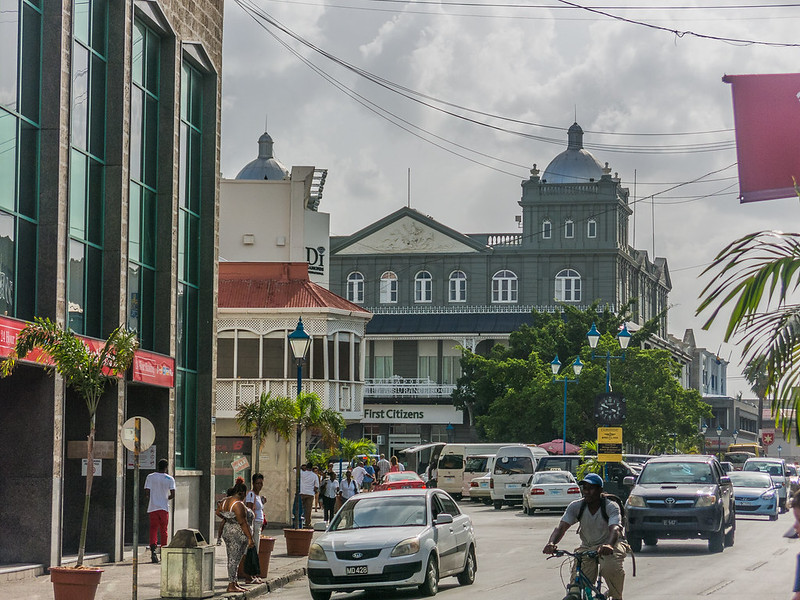
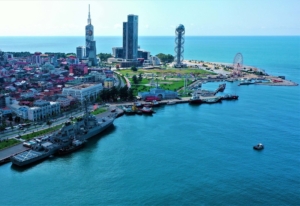
poverty eradication in BarbadosBarbados is an eastern Caribbean island with a population of about 282,000. Being a small island, Barbados is very susceptible to economic disturbances caused by external factors such as natural disasters as well as raises in import costs. COVID-19 also played a huge factor in an increase in poverty on the island, drastically affecting tourism, one of the island’s main sources of income. There have been many innovations in poverty eradication in Barbados including a post-COVID-19 tourist boom, as well as government-led plans and programs which target the economy to alleviate poverty on the island.

Tourism Effect

The increase in tourists to pre-COVID-19 levels has definitely helped the poverty issue within Barbados as the economy has since grown by 4.5% with the return of tourists to the island post-pandemic. GDP rose 4% just in 2024 in Barbados, and both tourism and manufacturing have seen a 5.5% increase in the traded sector while non-traded sectors went up by 3.7%.

The number of prolonged tourist visits in Barbados increased by 10.7%, and the number of cruise calls increased by 53, causing a 40.8% rise in tourists by cruise, according to the Central Bank of Barbados. These event tactics that focus on tourist booms are critical to the economy and are a huge innovation in poverty eradication in Barbados as their economy relies heavily on tourism, as 50% of export income is attributed to tourism, and is truly a driving point for the economy.

The Role of BERT

Along with tourism, there are multiple ongoing and promising government-led plans, one of the most prominent being the Barbados Economic Recovery and Transformation (BERT). BERT recently received support from the International Monetary Fund (IMF) along with the Extended Fund Facility (EFF) as well as an arrangement by the Resilience and Sustainability Facility (RSF). Help from these facilities if approved by the IMF would mean a total of $56 million between both facilities would be made available to BERT.

BERT is one of the most important innovations in poverty eradication in Barbados as it has been working and reimplemented since 2018 in a mission to restore and support the macroeconomics of the island, by doing structural reforms and shifting towards a more tourism based economy.

BERT has also worked against certain external shock factors such as natural disasters to not disrupt the visitor-based economy it is building. It has started the Stormwater Management Act to combat flood risks, has started to shy away from fossil fuels and is looking at renewable energy sources to prevent economic growth from stunting due to such factors.

The BERT plan was based on the government’s anti-poverty alignment and strives for long-standing and sustainable growth and has so far proven to be beneficial to the island. In combination with new tourism business and tactics, Barbados is on the right track toward economic success. These innovations in poverty eradication in Barbados have benefited Barbados greatly as unemployment rates drop, and domestic business has increased since both the tourist boom and the reimplementation of BERT.

– Cheyenne Weller

Cheyenne is based in Boston, MA, USA and focuses on Good News for The Borgen Project.

Photo: Flickr
March 5, 2025
https://borgenproject.org/wp-content/uploads/borgen-project-logo.svg 0 0 Naida Jahic https://borgenproject.org/wp-content/uploads/borgen-project-logo.svg Naida Jahic2025-03-05 07:30:232025-03-05 01:50:59Innovations in poverty eradication in Barbados
Global Poverty, Innovations

A City on the Sea: Floating Cities and Infrastructure to the Maldives

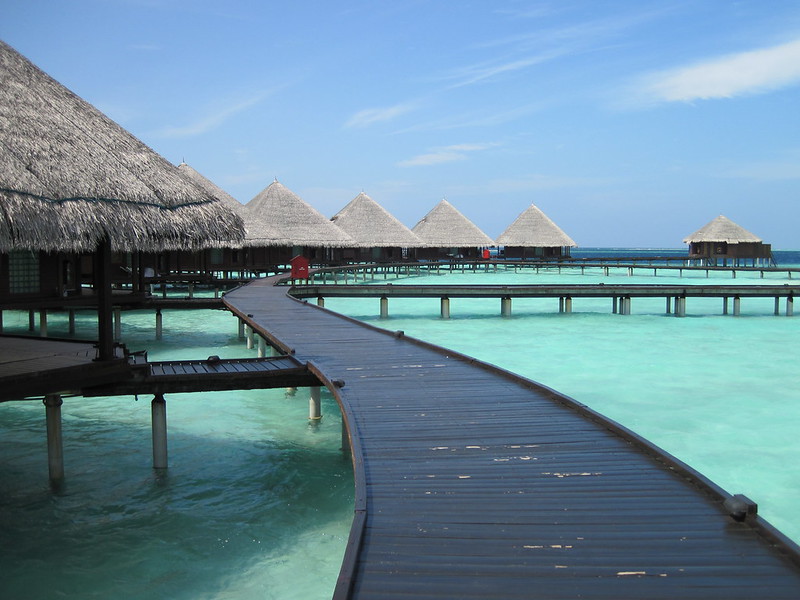
Floating Cities in the Maldives: Building Jobs and ResilienceFor decades, the Maldives has been an oasis of beauty and tranquility. Located at the tip of the Indian Peninsula, it serves as a touch of paradise for wealthy tourists seeking an escape from the busy modern world. Yet, the island nation faces a growing challenge: a shortage of space for both its rising tourist population and the 500,000 inhabitants who power its economy. With tourism growing by 16% annually, the Maldives now confronts the pressing issues of overpopulation and land scarcity.

The Maldives relies heavily on tourism, which directly contributes 40% to its economy and a projected indirect contribution of 79% in 2022. Its limited natural resources—primarily fish and timber—leave the country dependent on external investment for infrastructure development. While allies like the UAE, India and China have historically provided aid, private European investment has emerged as the most viable path forward.

A Floating Solution: Jobs and Opportunities

In response to this challenge, Dutch Docklands, in collaboration with architectural firm Waterstudio, has proposed an ambitious solution: a floating city designed to house up to 20,000 residents. This innovative project not only promises to expand living space but also offers a significant economic boost by creating thousands of jobs, particularly for Maldivian locals. Beyond job creation, the floating city could transform local communities by promoting skills development and increasing access to essential services. As the project evolves, prioritizing local hiring, vocational training and knowledge transfer will be key to ensuring that Maldivians, not just foreign investors, benefit from this development.

Social and Environmental Impact

The project extends beyond economic benefits. Floating infrastructure can mitigate the long-standing threat of coastal erosion, a problem that has plagued Maldivian communities for generations. By creating more resilient housing and infrastructure, the floating city offers protection against rising sea levels, safeguarding both homes and livelihoods.

Dutch Docklands has emphasized the project’s sustainability, claiming it will be powered by renewable energy and designed to minimize environmental impact. However, the success of these initiatives will depend on how well they integrate with existing Maldivian efforts to promote sustainable tourism and protect marine ecosystems. Moreover, the project could improve access to education and health care, especially if planners include community centers, clinics and schools within the floating city. For low-income families in the Maldives, these services could be life-changing, breaking cycles of poverty while strengthening community resilience and improving the infrastructure in the Maldives.

Balancing Opportunity with Local Autonomy

While the floating city offers promising opportunities, concerns remain regarding local autonomy. The Maldives currently maintains control over key infrastructure through its central bank and firms like Dhiraagu, the country’s primary telecommunications provider. Handing over control to a Dutch firm raises questions about long-term ownership and decision-making power. To align with the Maldives’ national interests, project agreements should ensure that the Maldivian government retains oversight and that local communities remain key stakeholders. Promoting community-led development and ensuring profits are reinvested locally could be essential for maximizing the project’s benefits while preserving national sovereignty.

A Model for Vulnerable Communities Worldwide

If successful, the Maldives’ floating city could serve as a blueprint for other vulnerable coastal regions, from Thailand to Panama. Floating infrastructure could provide sustainable housing and job opportunities for millions living in flood-prone areas, reducing poverty while enhancing climate resilience. Prioritizing local employment, education and health care access can potentially ensure that this initiative does more than just expand the infrastructure in the Maldives—it could build resilience and opportunity for the communities that need it most.

– Caspian Davies

Caspian is based in the UK and focuses on Technology and Solutions for The Borgen Project.

Photo: Flickr

February 28, 2025
https://borgenproject.org/wp-content/uploads/borgen-project-logo.svg 0 0 Precious Sheidu https://borgenproject.org/wp-content/uploads/borgen-project-logo.svg Precious Sheidu2025-02-28 01:30:532025-02-27 02:44:09A City on the Sea: Floating Cities and Infrastructure to the Maldives
Global Poverty, Poverty Reduction, Tourism

How Backpacking in Indonesia Can Help Reduce Poverty

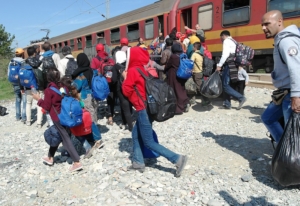
How Backpacking in Indonesia Can Help Reduce PovertyThe widespread availability of international travel has allowed many young people to embark on extended trips known as backpacking. Backpacking gained popularity in the late 20th century with the establishment of the hippie trail, an overland route stretching from London to Pakistan. Travelers were drawn to its promise of tropical landscapes, freedom from drug restrictions and an escape from routine life. Nowadays, backpacking has become an unofficial rite of passage for many young travelers. Fortunately, a backpacking trip offers a life-changing experience and benefits the communities visited.

4 Ways Backpacking in Indonesia Can Help Fight Poverty

  1. Economic Impact. According to the United Nations (U.N.) World Tourism Agency, tourism contributes around 10% of global GDP. Additionally, tourism is recognized as the world’s largest voluntary transfer of wealth from wealthy to poorer populations. Tourism injects capital into local economies and drives development, particularly in low-income nations. Indonesia prioritizes tourism as part of its national development strategy. In regions where tourism dominates the economy, poverty rates are 1.5% to 3.4% lower compared to areas with less tourist activity. Furthermore, tourist spending boosts household income in both rural and urban Indonesia by up to 6%.
  2. Employment. Backpackers create jobs in the destinations they visit. Their presence in areas beyond conventional tourist hotspots stimulates demand for budget accommodations, traditional cuisine and nature-based activities such as rafting and trekking. These industries support labor-intensive employment, encourage gender inclusivity and promote local entrepreneurship. For example, in Ubud, a backpacker hub in Bali, street vendors and restaurants like Bu Mangku’s have capitalized on travelers’ demand for authentic Balinese cuisine. Selling popular dishes such as Betutu chicken has created jobs for local farmers, market vendors and restaurant staff. This illustrates the economic benefits of backpacker tourism. By favoring locally produced goods and services, backpackers help prevent economic leakage, discourage urban migration and reduce wealth inequality.
  3. Societal and Cultural Impacts. Backpackers tend to immerse themselves in local communities, fostering demand for authentic cultural experiences. This incentivizes the preservation of indigenous traditions. In Indonesia, particularly in Ubud, interest in cultural tourism has revived traditional performing arts such as Balinese Barong and Le Gong dances. This appreciation encourages younger generations to embrace their heritage while creating economic opportunities for performers and artisans.
  4. Mobilization and Awareness. While backpacking through Indonesia, travelers witness both the hospitality of locals and the stark poverty that exists in some regions. Awareness alone marks a step toward positive change. Backpackers are in a position to contribute, whether through supporting local businesses, volunteering or raising awareness. Traveling instills lasting values of gratitude, empathy and open-mindedness, fostering a sense of responsibility toward the communities that host them.

Looking Forward

Backpacking in Indonesia has the potential to support economic development, create jobs and promote cultural preservation. However, sustainable tourism requires responsible practices that prioritize community well-being. Ensuring that local populations remain key stakeholders in tourism initiatives is essential to maximizing the industry’s role in poverty alleviation. By making thoughtful travel choices, backpackers can potentially help ensure that their adventures contribute to a more equitable and prosperous future for the communities they visit.

– Ollie Roberts

Ollie is based in the UK and focuses on Good News for The Borgen Project.

Photo: Flickr
February 7, 2025
https://borgenproject.org/wp-content/uploads/borgen-project-logo.svg 0 0 Precious Sheidu https://borgenproject.org/wp-content/uploads/borgen-project-logo.svg Precious Sheidu2025-02-07 07:30:162025-02-07 01:38:57How Backpacking in Indonesia Can Help Reduce Poverty
Economy, Employment, Global Poverty

Poverty in Jamaica: The World Bank Renovates Kingston’s Waterfront

Poverty in jamaicaOn October 18, 2024, Jamaica’s government and the World Bank announced a $12 million investment to renovate Kingston’s Waterfront. The project aims to boost tourism, improve job accessibility and reduce poverty in Jamaica. This development is promising for Jamaica, where poverty in the area has made it challenging for many residents to sustain themselves.

The revitalized Waterfront has the potential to invigorate the local economy. Nigel Clarke, former Jamaica’s Minister of Finance and Public Service, commented: “This government is creating public spaces to serve the Jamaican people. This will revitalize downtown Kingston.”

The Timeline for Waterfront Renovations

Phases one and two of the Kingston Waterfront Improvement Project, known as KIWI, will run from 2024 to 2030. The project’s first phase will fund the creation of a multi-use park along Kingston’s waterfront. It will feature recreational amenities like bike paths, playgrounds, sports fields, street furniture and landscaped areas.

The second phase will “focus on the park’s construction, small-scale infrastructure works and urban upgrading.” The total amount that the budget covers for both phases is approximately $40 million. This large sum will work to reestablish Jamaica’s economy by its inherent benefit to the community. This could benefit around 700,000 Jamaicans by providing them with new job opportunities in the tourism sector, retail or small business booths in downtown Jamaica.

Kingston’s Waterfront Statistics and Employment Rate

In September 2022, Jamaica’s economic enrichment statistics from tourism indicate how urbanization of Kingston’s waterfront has the potential to further fortify its economy. Tourism keeps Jamaica involved in foreign commerce, building its independent value. Statistically, tourism in Jamaica directly employs 175,000 Jamaicans and indirectly employs around 354,000.

Professor Lloyd Webber highlighted tourism’s necessity in Jamaica by saying that consistent efforts must be made toward the Jamaican economy to maintain Jamaica’s status as a tourism hotspot. The Kingston Waterfront would do just that, building jobs, a more bustling economy and community cohesion, which would mitigate crime rates inherently.

Long-Term Jobs Create Long-Term Solutions for Islanders

While Jamaica is known as a bustling island nation, it faces significant socioeconomic challenges, including poverty and crime. According to the World Bank, approximately 17% of Jamaica’s population lives in poverty, with low-quality jobs leaving many Jamaicans vulnerable to economic shocks.

According to Graeme Young, “a Research Fellow at the University of Glasgow,” the lack of sustainable jobs makes it difficult for Jamaicans to afford nutritious food. Young argued that government policies fail to address the root issue: supply and demand. Young also highlighted Kingston’s primary challenges: low sales and insufficient customers.

Therefore, the renovation of Kingston’s Waterfront presents an opportunity to rebuild the economy, creating a vibrant, safe environment that benefits tourists and locals alike, whilst reducing poverty in Jamaica.

– Madeline Star Heintz

Madeline is based in Los Angeles, CA, USA and focuses on Business and Good News for The Borgen Project.

Photo: Pexels

January 28, 2025
https://borgenproject.org/wp-content/uploads/borgen-project-logo.svg 0 0 Lynsey 2 https://borgenproject.org/wp-content/uploads/borgen-project-logo.svg Lynsey 22025-01-28 01:30:242025-01-28 00:50:35Poverty in Jamaica: The World Bank Renovates Kingston’s Waterfront
Economy, Global Poverty, Tourism

Poverty in Southeastern Turkey: A Brighter Future

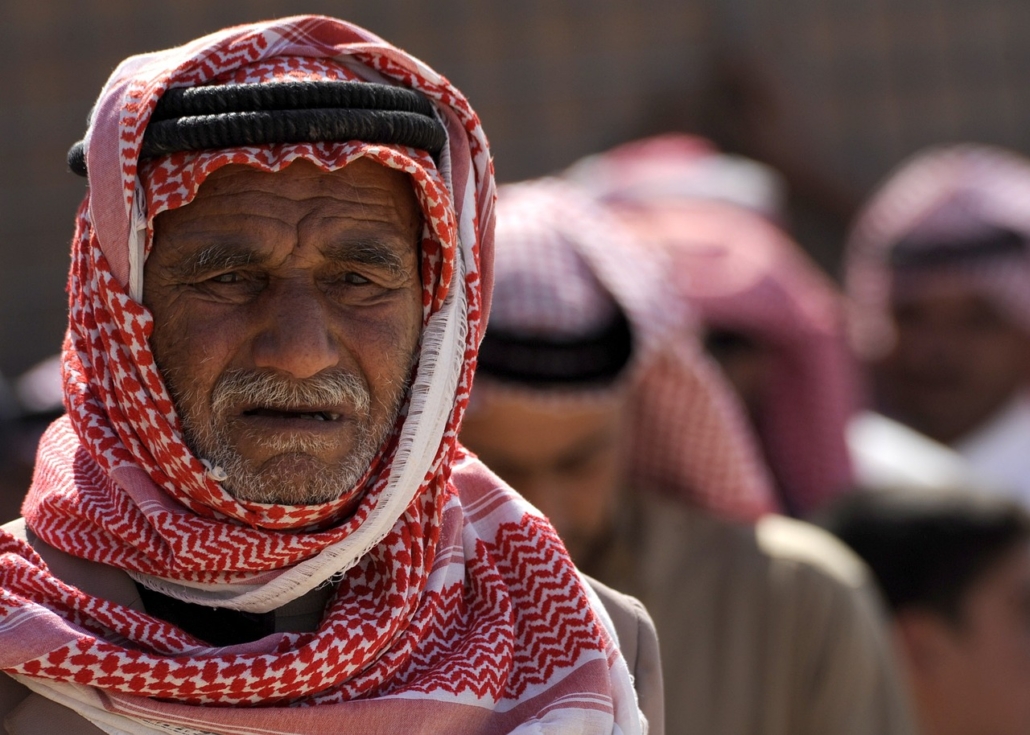
A Brighter Future for the Southeastern Regions of TurkeyThe southeastern regions of Turkey face significant challenges as the poorest part of the country, struggling with underdevelopment and ethnic tensions. Recent developments, however, provide hope for a revitalized future in this historically rich area. The government plans to invest $14 billion in the region, a move aimed at reducing poverty and creating economic opportunities. Coupled with the normalization of relations with post-Assad Syria and Kurdish groups, this could transform the area and stimulate growth. This investment focuses on developing agricultural infrastructure to bolster the regional economy. Officials expect the initiative to create more than 500,000 jobs, offering a much-needed boost to local livelihoods.

Poverty in Southeastern Turkey and the GAP Project

Southeastern Anatolia ranks among Turkey’s regions with the lowest average income. Despite limited research on poverty in the region, existing studies indicate that conditions have seen little improvement since the early 2000s. The $14 billion investment aims to partially fund the Southeastern Anatolia Project (GAP) with the hopes it can continue its construction of needed infrastructure.

The GAP project was launched in the 70s as a region-wide investment project to provide the energy and water infrastructure to support an economic boom. However, throughout its history, the project continues to falter in its aims of revitalization. With renewed government support, the region now has a chance to attract further investment and drive sustainable development.

Insights from Mardin

The city of Mardin illustrates many of the challenges facing southeastern Turkey. This ancient city, which dates back to the Neo-Assyrian period, highlights the region’s rich history and its socioeconomic struggles. Mardin suffers from one of the country’s highest relative at-risk-of-poverty rates at 14.4%.

In 2021, Dr. Nurdan Atalay conducted ethnographic research in Mardin, revealing how top-down financialization and investment strategies exacerbate economic inequality and limit employment opportunities for women. In her book chapter, she noted, “…the women in this neighborhood have very limited opportunities to change their position in society… The impending economic crisis has the potential to worsen their situation.”

Mardin also accommodates a large population of refugees who fled Syria’s civil war and the 2023 earthquakes. More than 88,000 Syrian refugees live in the city, contending with the trauma of displacement and the strain on local resources. Reports detail the economic burden that border cities faced during the Syrian conflict. With the end of Assad’s rule, many refugees now look toward a hopeful future and the possibility of returning home.

The Potential of Tourism

Neighboring political progress isn’t the only cause for optimism in southeastern Turkey. The tourism industry holds immense potential to reduce poverty in the region. This area, rich in historical monuments and natural beauty, stands poised for economic growth if supported by infrastructure and investment.

The 1982 Tourism Incentives Act excluded southeastern Turkey, denying the region the development needed for a thriving tourism sector. Despite this, cities like Mardin actively seek to expand their tourism potential. Research indicates that Mardin’s residents support tourism growth, which promises to benefit both urban and rural communities.

In 2023, Mardin welcomed nearly 650,000 tourists, reflecting the industry’s growing role in the local economy. By fostering tourism, southeastern Turkey can unlock new opportunities for sustainable development and cultural preservation.

A New Chapter for Southeastern Turkey

With the government’s $14 billion investment and the prospect of peace in Syria, poverty in southeastern Turkey faces a turning point. The region’s lack of infrastructure has long created a cycle of poverty and underdevelopment. This new funding and strategic focus could break that cycle, paving the way for meaningful progress and prosperity.

– Charley Dennis

Charley is based in London, UK and focuses on Good News for The Borgen Project.

Photo: Flickr
January 16, 2025
https://borgenproject.org/wp-content/uploads/borgen-project-logo.svg 0 0 Precious Sheidu https://borgenproject.org/wp-content/uploads/borgen-project-logo.svg Precious Sheidu2025-01-16 07:30:272025-01-15 12:45:11Poverty in Southeastern Turkey: A Brighter Future
Global Poverty, Tourism

Ecotourism for Reducing Poverty in Indigenous Communities

Ecotourism for Reducing Poverty in Indigenous CommunitiesEcotourism refers to responsible travel to natural areas that conserves the environment and improves the welfare of the local people. Conservationists describe ecotourism as a potentially positive way to use markets as direct economic incentives to protect biodiversity and landscapes and reduce poverty in Indigenous communities, offering opportunities to alleviate poverty. Ecotourism markets can act as catalysts of change with opportunities for stable employment, cultural preservation, infrastructure development and environmental sustainability. Poorly managed markets often lead to social conflict, cultural disintegration, loss of identity and resource overexploitation. Despite these ongoing challenges, ecotourism provides a sustainable path to improving livelihoods and reducing poverty in Indigenous communities when implemented responsibly.

Cambodia’s Banteay Chhmar

The Banteay Chhmar temple in northwest Cambodia is an iconic cultural and historical site that endured years of neglect, looting and insufficient conservation funding. Khiri Travel, a sustainable travel company, partnered with the local community in 2007 to develop a community-based tourism project that aimed to generate income for local villagers and conservation while providing authentic experiences for visitors. Central to the project is the involvement of local villagers and the improvement of community infrastructure, including clean water access and waste management systems. Since its launch, the project has generated more than $100,000 in revenue per year and created employment opportunities for more than 100 villagers. The project has won several awards for its innovative and sustainable approach, serving as a model for similar initiatives in Cambodia and beyond.

The Maasai Community in Kenya

In Kenya, the Maasai community has embraced ecotourism as a means to reduce poverty while preserving their unique cultural identity and the natural environment. Through initiatives like the Mara Conservancies, local Maasai landowners partner with tourism operators to create community conservancies, with agreements that ensure a portion of tourism revenue is directed toward local development projects, including schools, health care facilities and water systems. Ecotourism projects in the Maasai community have provided numerous employment opportunities for community members, introduced programs to preserve traditional Maasai practices and incentivized sustainable land management. By empowering the local community, fostering cultural preservation and promoting sustainable practices, ecotourism offers a pathway for the Maasai community to thrive economically while safeguarding their heritage and ecosystems.

The Potato Park in Peru

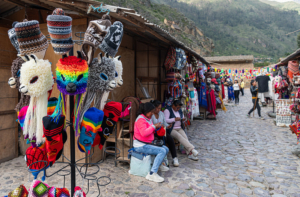
In the Andes of Peru, the Potato Park is a pioneering example of ecotourism that is driven by indigenous knowledge and biodiversity conservation. Local Quechua communities manage the park and dedicate it to preserving the hundreds of native potato varieties that define the region’s agricultural heritage. Revenue from ecotourism has improved local livelihoods, reduced poverty in Quechua communities and strengthened cultural identity and food sovereignty. The Potato Park serves as a global model for integrating ecotourism, conservation and sustainable development, inspiring similar projects by showing how traditional knowledge drives conservation and development. The park’s successes underscore its role as a transformative tool for poverty reduction and environmental stewardship. 

Balancing Opportunities and Challenges

While ecotourism has emerged as a transformative tool for reducing poverty in Indigenous communities, there are also potential challenges. There is a risk of cultural commodification, where the need to cater to tourists may pressure communities to alter or commercialize cultural traditions. In addition, relying on tourism revenue makes communities vulnerable to external shocks, such as economic downturns or global crises like the COVID-19 pandemic.

Despite this, there have been numerous successful examples of ecotourism projects. These cases demonstrate how ecotourism, when implemented responsibly, can potentially provide a sustainable means of poverty alleviation. To maximize the benefits of ecotourism, initiatives could prioritize community involvement, transparent governance and adaptive strategies that ensure resilience against external shocks. By empowering local communities, fostering cultural preservation and promoting environmental stewardship, ecotourism initiatives offer a pathway to reducing poverty in indigenous communities while safeguarding their heritage for future generations.

– Isobel Hurst

Isobel is based in Manchester, UK and focuses on Good News and Politics for The Borgen Project.

Photo: Flickr
January 10, 2025
https://borgenproject.org/wp-content/uploads/borgen-project-logo.svg 0 0 Precious Sheidu https://borgenproject.org/wp-content/uploads/borgen-project-logo.svg Precious Sheidu2025-01-10 07:30:482025-01-09 03:17:01Ecotourism for Reducing Poverty in Indigenous Communities
Development, Electricity and Power, Global Poverty

How Seaweed Biofuel Could Boost Investment in Barbados

Seaweed BiofuelBarbados generates around 95% of its electricity from imported fossil fuels, making energy expensive and environmentally unsustainable for the island nation. At the same time, the invasive Sargassum seaweed has overwhelmed its coastlines, damaging tourism—a sector that contributes nearly 17% of Barbados’s GDP. Researchers in Barbados have found a solution to both challenges: turning Sargassum seaweed into biomethane biofuel, a clean and renewable energy source. Tested successfully in a specially adapted vehicle, this breakthrough could reduce energy costs, restore tourism and position Barbados as a leader in sustainable energy innovation.

Seaweed Power Cars

The process of converting seaweed into fuel combines three key components: wastewater from the rum industry, sheep dung and Sargassum, a type of seaweed commonly found in Barbados. These elements undergo anaerobic digestion, producing a biofuel known as biomethane. This biofuel powers a specially modified Nissan Leaf owned by the Caribbean Centre for Renewable Energy and Energy Efficiency (CCREE). While biofuel is currently limited to a test vehicle, it has the potential to become a mainstream energy source. Rum and Sargassum experts claim a petrol car can be upgraded to run fully on biomethane in just four hours.

Barbados’ Seaweed Challenge

In June 2018, the government declared a national emergency as the invasive plant inundated coastlines, creating significant economic challenges. The sheer volume of seaweed takes a large toll on the tourism industry in Barbados and has plagued its many hotels. According to STR, hotels unaffected by Sargassum experienced a 3% year-over-year increase in revenue per available room (RevPAR) in 2018, while those in affected areas saw declines of 4.4% in RevPAR and 4.7% in occupancy. The sheer volume of seaweed has burdened the country’s infrastructure and harmed its reputation as a pristine travel destination. However, if scaled up, the seaweed biofuel concept could offer a dual solution: powering a new generation of vehicles while removing Sargassum from coastlines.

Driving Investment and Economic Growth

Barbados has set an ambitious goal to become a 100% renewable energy and carbon-neutral island state by 2030. Seaweed-based biofuel aligns perfectly with this vision, positioning the country as a global leader in renewable innovation. Achieving this target would not only bring international recognition but also attract foreign investors eager to support sustainable projects. The country’s pioneering efforts could also open doors for international collaboration and funding in the renewable energy sector. According to the International Renewable Energy Agency (IRENA), investments in clean energy are increasing annually and Barbados’s proactive approach may secure a significant share of this funding.

Boosting Tourism with a New Purpose

The benefits of seaweed biofuel extend beyond energy. By creating value for Sargassum, Barbados can transform a long-standing problem into an economic asset. The incentive to clear beaches will increase, allowing the tourism sector to recover and thrive. Hotels that once struggled with declining occupancy due to the unsightly and smelly seaweed will regain their appeal, attracting visitors and boosting local businesses. For a country with a population of fewer than 300,000 people, this innovation places Barbados on the global stage. What began as a challenge with an invasive plant could now position the island as a leader in renewable technology and sustainable development.

Moving Forward

The development of seaweed-based biofuel in Barbados provides a practical solution to two longstanding challenges: renewable energy production and environmental management. By transforming Sargassum seaweed into a valuable resource, Barbados has an opportunity to lead in sustainable innovation. Furthermore, as the country works toward its carbon-neutral goals, this breakthrough could improve local energy independence, attract investment and restore its vital tourism sector, creating a cleaner and more resilient future.

– Andrew Nicoll

Andrew is based in Long Melford, Suffolk, UK and focuses on Business and Politics for The Borgen Project.

Photo: Flickr

December 22, 2024
https://borgenproject.org/wp-content/uploads/borgen-project-logo.svg 0 0 Precious Sheidu https://borgenproject.org/wp-content/uploads/borgen-project-logo.svg Precious Sheidu2024-12-22 07:30:412024-12-30 12:36:25How Seaweed Biofuel Could Boost Investment in Barbados
Global Poverty, Tourism, UNESCO

Troglodyte Homes in Libya and Tunisia

Troglodyte Homes in Libya and TunisiaHistoric troglodyte homes, located in North Africa, Libya and Tunisia are important to the cultural identity and heritage of the Amazigh community. The city of Matmata, Tunisia, once a thriving hub for tourists, now faces an uncertain future due to political instability and economic challenges. Similarly, Libya is also known for its underground homes and Roman ruins. However, questions are being raised about the viability of tourism as a source of community income amid ongoing economic and political turmoil. These challenges underscore the precarious situation of preserving and leveraging cultural sites for economic benefit in both countries.

Troglodyte Homes

Troglodyte homes, extraordinary underground residences sculpted from rock exemplify a blend of cultural heritage and environmental adaptation. The term “troglodyte,” from the Greek for “cave dweller,” scarcely captures the sophistication of these structures. Historically, the Amazigh people of North Africa, particularly in Tunisia and Libya, have constructed these homes to endure the harsh desert conditions. Ideally suited for the region’s dry, fluctuating climate, these homes stay cool during the intense summers and warm in the winters.

Like those in Libya, the troglodyte houses in Tunisia’s Matmata region feature large central courtyards that serve as communal grounds, enhancing airflow and providing shared space for families. Similarly, notable troglodyte sites exist in Libya, particularly in the city of Gharyan. These traditional homes remain a vital part of the Amazigh people’s heritage despite the rapid pace of globalization. However, as more people relocate to urban areas, the troglodyte dwellings in Tunisia and Libya face risks of abandonment and degradation.

Tourism: A Lifeline for the Region and its Inhabitants

For decades, the troglodyte homes in Libya and Tunisia have historically attracted tourists eager to experience the heritage and ingenuity of ancient Amazigh communities. Tourism provided crucial support for local communities, including artisans, guilds and homeowners. 

In Matmata, tourism has been a foundation of the local economy, with many families transforming their homes into guest accommodations and museums. Conversely, tourism in Libya has traditionally been limited. Nevertheless, it has allowed communities in the Nafusa Mountains to share their heritage with the world and fellow Libyans. Some structures in the area, more than 2000 years old, have been largely abandoned due to instability. Despite Libya’s wealth of historical sites, including Roman ruins and coastal landmarks, tourism struggles to flourish amid the ongoing political and economic turmoil.

The Challenges and Decline in Tourism

In recent years, factors have contributed to the decline of tourism in these regions:

  • Political Instability and Security. Since the fall of Muammar Al-Gaddafi in 2011, Libya has faced major economic setbacks and ongoing conflict, leading to instability, militia warfare and the absence of a centralized government. This prolonged conflict has left many of Libya’s significant cultural sites neglected and deterred both local and international tourism. Meanwhile, in Tunisia, despite improved national security, terrorist attacks targeting tourists in 2015 sharply reduced the number of international visitors. This decline in tourism, particularly affecting Tunisia’s underground homes, has significantly impacted the local communities that once relied on tourism as a vital source of income.
  • Global Economic Factors. Global economics, particularly the uncertainties and aftermath of the COVID-19 pandemic, significantly impacted tourism in the region by disrupting international and national travel. Remote areas like Matmata, which relied heavily on tourism for economic survival, felt this impact acutely. Consequently, local communities in Matmata are experiencing severe financial hardship. Many residents who once depended on income from tourism, selling handicrafts and offering tours, now struggle to sustain their livelihoods.

Efforts by International Organizations

International organizations such as UNESCO and various NGOs are focusing efforts on raising awareness and providing funds for cultural heritage preservation. While UNESCO has not designated the Troglodyte homes in Libya as World Heritage sites, it does protect other Libyan sites like Leptis Magna and the old town of Ghadames. In Tunisia, local communities have tried to preserve troglodyte homes by converting them into guest houses, although these ongoing efforts often fall short without sufficient funding. Meanwhile, the Tunisian government is actively promoting tourism in areas like Matmata through government-led campaigns.

Looking Ahead

The troglodyte homes in Libya and Tunisia, architectural treasures, face the risk of neglect and oblivion. With tourism affected by political, economic and global challenges, the urgency for sustained international and local preservation efforts grows.

– Gufran Elhrari

Gufran is based in London, UK and focuses on Politics for The Borgen Project.

Photo: Flickr

November 26, 2024
https://borgenproject.org/wp-content/uploads/borgen-project-logo.svg 0 0 Precious Sheidu https://borgenproject.org/wp-content/uploads/borgen-project-logo.svg Precious Sheidu2024-11-26 07:30:532024-12-04 07:58:13Troglodyte Homes in Libya and Tunisia
Africa, Global Poverty, Indigenous Women

Maasai Poverty and the Path to Prosperity

Maasai PovertyThe Maasai Tribe are semi-nomadic people who originally hail from South Sudan but have settled in Kenya and Tanzania in modern times. The tribe have strict customs regarding diet and food, which all center around their relationship with their cattle. To the Maasai people, the cattle they herd form the economy they operate, often depending on them to fulfill all their needs, from currency to trade with, to key ingredients in their diet. However, with an increase in land disputes, the courts often evicted the Maasai people from the land they used. High levels of food insecurity and poverty also affect Maasai people (especially women and children), due to its customs and traditions where men make “all the major decisions around food.” Restricted land use and the ban on growing crops further exacerbate this issue.

Multi-Dimensional Poverty

Multi-dimensional poverty is a serious issue within Africa, with 317 million children being multidimensionally poor in sub-Saharan Africa. This is especially evident in rural areas, where vulnerable groups like women and children do not have access to education, clean water or food. The Maasai people are no exception to these statistics, with cultural ideals stating that the males of the group should get the more nutritious food, leaving the women and children dealing with malnutrition as a result of the food insecurity, according to The Conversation.

This is just one aspect of poverty the Maasai people deal with, with 20% of people having access to safe water in Narok County (where the Maasai reserves are based). This rural area also needs clean sanitation levels with only 35% of people having access to clean sanitation.

These risks to the traditional way of life have forced the Maasai to turn to different ways to feed themselves. One instance following a drought earlier this year forced the tribe to begin fish farming as a way to feed themselves, a divergence considering the typical diet of a Maasai revolves mainly around cattle and the odd goat during hard periods. To help accustom the Maasai local governments, like Kajiado have gifted pond liners, fish fingerlings and food to help them become self-sufficient.

Maasai Poverty and Tourism

However, this is not the only new practice the Maasai have undertaken, with the tribe working with tourism groups as a way to increase its economy. This transition to modern currency, whilst diverging from their cultural practices, allows the tribe to increase its resources. Companies like Wayfairer have discussed how they operate on a level that helps Maasai poverty rates rather than exploit them. Wayfairer ensures that any money generated from the tourists goes directly to local development initiatives helping to support the Indigenous people.

The Maasai poverty rate threatens their traditional way of life, a threat commonly seen among Indigenous groups, another example is the San people. They are the oldest inhabitants of South Africa and are known for their connection and use of the land they inhabit, however, most of the San people live below the poverty line due to aspects of Indigenous poverty the Maasai also deal with, such issues as low resources, land disputes and social and cultural shifts.

Thankfully the Maasai people and the tourism surrounding them often has ethical options, for instance, companies reminding groups to treat them with respect, using Maasai guides and asking these guides what donation they recommend.

Organizations Helping Maasai People

There are also specific organizations to help support the Maasai, like the Maasai Wilderness Conservation Trust, which works to ensure the land protection of the Maasai, subsequently helping protect the animals and ecosystem that it supports. Not only does this help the planet and diversity of species in Kenya, but also the Maasai people who live off the land.

RedTribe helps tackle Maasai poverty and helps people adjust to modern life. The organization focuses on raising money for the community by selling traditional beadwork that women make, helping ensure access to clean water, and the Maasai clinic, which helps the 12,000 people in the community to stay healthy with treatments like vaccines and dental care. Whilst this company helps the Maasai integrate into contemporary life it is run by those from the tribe ensuring that the values and beliefs that were considered vital to the Maasai way of life are still honored, working for sustainability through empowering locals rather than aid.

This prioritizing of the tribe’s needs and values allows the tourists to support the Maasai in a way that doesn’t further threaten their cultural practices, helping the poverty rates as well as educating those who visit them.

– Caitlin Mulholland

Caitlin is based in Lymington, UK and focuses on Technology and Global Health for The Borgen Project.

Photo: Unsplash

November 10, 2024
https://borgenproject.org/wp-content/uploads/borgen-project-logo.svg 0 0 Naida Jahic https://borgenproject.org/wp-content/uploads/borgen-project-logo.svg Naida Jahic2024-11-10 07:30:302024-11-10 01:55:52Maasai Poverty and the Path to Prosperity
Development, Economy, Global Poverty

Economic Growth in El Salvador: Key Areas

Economic Growth in El SalvadorEl Salvador, once known for its high crime rates and violence, is now witnessing a remarkable transformation. The nation’s economy has significantly improved, contributing to peace and stability. This article explores five key ways of economic growth in El Salvador: an increase in tourism, a surge in foreign investments, substantial infrastructure development, the implementation of rehabilitation and social programs, and the growth of entrepreneurship and small and medium enterprises. These changes are paving the way for a brighter future for El Salvador, highlighting the profound economic benefits of a more stable society.

Tourism

El Salvador has experienced significant growth in tourism in recent years, highlighting its appeal as a travel destination. Reforms in public security and government efforts to improve safety have resulted in a safer environment for tourists. According to the World Travel and Tourism Council (WTTC), El Salvador has had an exponential growth of 157% during the first six months of 2023 compared to previous years. The organization forecasts El Salvador to be the leading country in international tourism in Latin America in 2024. Improvements in public security have created a more favourable environment for tourism, contributing to the country’s economic growth and sustainable development in the tourism sector.

Foreign Investments

El Salvador has seen a noticeable increase in foreign investments, reflecting growing confidence in the country’s economic potential. As the country has become safer, international businesses and investors have started to take a big interest in the opportunities available. This surge of foreign capital has stimulated economic growth which could create more jobs. This has opened the door for sustainable economic progress, positioning El Salvador as an attractive destination for future investments. A recent report by the Central Reverse Bank reflects a notable surge in foreign investments in the first three months of 2024; investments from abroad increased by 8%. El Salvador’s economy expanded by $14.33 million more than in 2023.

Infrastructure Development

El Salvador’s government has made significant strides in several major projects, including the construction of a new international airport and a port in La Unión. These projects are at various stages of development, alongside the modernization of road infrastructure and the health care system with new hospitals and roads. These achievements reflect the government’s commitment to the country’s development and set the stage for a more prosperous and stable future in El Salvador.

Entrepreneurship and Small and Medium Enterprises

The reduction of violence in El Salvador could significantly impact entrepreneurship and the growth of small and medium enterprises (SMEs). According to the Bloomberg article based on Moody’s Investors Service information, the decrease in crime could encourage local companies to increase their investments. This is largely due to the implementation of the Territorial Control Plan (PCT) and the Exception Regime by the government, which has restored peace of mind and confidence among both the population and business owners. With more than 64,000 terrorists captured and one of the lowest homicide rates in the world, the safer environment has allowed SMEs to prosper, contributing to the country’s economic growth and creating new opportunities for employment and development.

Community Development Programs

The government, in collaboration with organizations like the Peace Corps, is providing training in entrepreneurship, employability skills, financial management and life skills. These programs aim to empower communities, especially the youth and women, to take advantage of new economic opportunities. By focusing on these areas, El Salvador is promoting economic security and mobility, ultimately contributing to the nation’s growth and stability.

Conclusion

To conclude, economic growth in El Salvador illustrates the significant effects of stability and growth on national prosperity. The boost in tourism, rise in foreign investments, extensive infrastructure improvements, community development programs and the expansion of entrepreneurship and small businesses are key factors driving this transformation. These developments not only emphasize El Salvador’s potential but also set the stage for a brighter and more prosperous future, pointing out the substantial benefits of a stable and succeeding economy.

– Maria Urioste

Maria is based in Maspeth, NY, USA and focuses on Good News for The Borgen Project.

Photo: Unsplash

November 9, 2024
https://borgenproject.org/wp-content/uploads/borgen-project-logo.svg 0 0 Naida Jahic https://borgenproject.org/wp-content/uploads/borgen-project-logo.svg Naida Jahic2024-11-09 07:30:352024-11-09 00:47:41Economic Growth in El Salvador: Key Areas
Page 4 of 10«‹23456›»

Get Smarter

  • Global Poverty 101
  • Global Poverty… The Good News
  • Global Poverty & U.S. Jobs
  • Global Poverty and National Security
  • Innovative Solutions to Poverty
  • Global Poverty & Aid FAQ’s
Search Search

Take Action

  • Call Congress
  • Email Congress
  • Donate
  • 30 Ways to Help
  • Volunteer Ops
  • Internships
  • Courses & Certificates
  • The Podcast
Borgen Project

“The Borgen Project is an incredible nonprofit organization that is addressing poverty and hunger and working towards ending them.”

-The Huffington Post

Inside The Borgen Project

  • Contact
  • About
  • Financials
  • President
  • Board of Directors
  • Board of Advisors

International Links

  • UK Email Parliament
  • UK Donate
  • Canada Email Parliament

Get Smarter

  • Global Poverty 101
  • Global Poverty… The Good News
  • Global Poverty & U.S. Jobs
  • Global Poverty and National Security
  • Innovative Solutions to Poverty
  • Global Poverty & Aid FAQ’s

Ways to Help

  • Call Congress
  • Email Congress
  • Donate
  • 30 Ways to Help
  • Volunteer Ops
  • Internships
  • Courses & Certificates
  • The Podcast
Scroll to top Scroll to top Scroll to top