Community Tourism Helping Alleviate Poverty
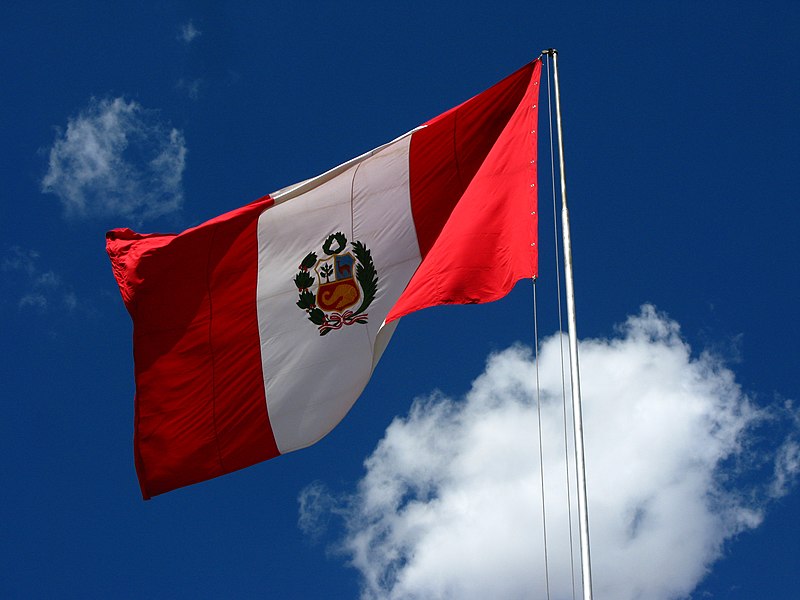 Peru, a nation renowned for its cultural heritage and landscapes, has embarked on a journey to transform its tourism through community tourism. In its quest to reshape travel and tourism strategies, the nation has prioritized fostering inclusivity in tourism, placing a strong emphasis on empowering indigenous communities. The Borgen Project spoke with Fidel, the owner of the tourism company Manu Wildlife Peru, which is an integral example of how beneficial inclusive tourism is. This initiative not only contributes to the preservation of Peru’s culture but fosters sustainable development, aiding in alleviating poverty for those indigenous communities and, therefore, extending the benefits of tourism beyond popular destinations.
Community-Based Tourism
Community-based companies are promoted to encourage inclusive tourism. Rather than confining tourists to conventional and mainstream tourist hubs, the attention is directed towards developing connections between tourists and indigenous communities. Moreover, community-based tourism provides indigenous communities with opportunities to generate income directly from tourist-based activities. An example of this is the Manu Wildlife Peru company, founded in 2008 by Fidel. Both Fidel and staff alike are local to Manu.
To Fidel and his team, inclusive tourism is more than attracting tourists. It is a commitment to wildlife and jungle conservation in the Manu National Park. There is an emphasis on providing indigenous communities with opportunities to work in the tourism industry and raising awareness about conservation efforts. In a region where limited alternatives often force indigenous individuals into low-paying jobs, Fidel’s focus is on empowering young people through education and employment. He told The Borgen Project, “Our focus is young people who come from the jungle, teaching them about jungle conservation through tourism.”
According to Fidel, money made from jungle expeditions is used to contribute to the preservation of the wildlife and the indigenous communities who live there. He said, “We frequently visit schools asking who would be interested in working as a tour guide. We also help parents afford school materials wherever we can.”
Peru’s inclusive tourism goes beyond cultural exchange; it serves as a catalyst for economic empowerment. By creating opportunities for indigenous communities to engage with tourism, the nation is fostering a more equitable distribution of the economic benefits from tourism. Whether through local tour operations, artisanal markets or eco-friendly accommodations, indigenous communities are becoming active contributors to the tourism sector.
Fidel’s company stands as a beacon of hope in the realm of inclusive tourism. By intertwining tourism with conservation, education and economic development, Fidel and his team demonstrate a holistic approach that benefits both visitors and the local population. As Peru continues to navigate the delicate balance between tourism and cultural preservation, success stories like Fidel’s provide a roadmap for a sustainable and empowering future for indigenous communities in the country.
The Role of Tourism in Indigenous Economic Development
Engaging in community-based travel often empowers communities to diversify their sources of income. Instead of relying solely on traditional livelihoods, communities can develop and offer diverse activities, reducing economic vulnerability. Furthermore, the economic benefits of inclusive tourism are profound and extend beyond traditional tourism models, particularly when it comes to empowering indigenous communities.
This is achieved through the V Social Foundation, which “provides training and workshops” not only to educate locals but also to facilitate “connections with other organizations,” creating a larger network for community-based tourism. The V Social Foundation has operated as a nonprofit for more than two decades. The foundation’s commitment involves endorsing inclusive tourism projects that yield tangible benefits for both the local community and travelers. The sustainability of the foundation’s initiatives is ensured by an understanding of local development needs and the essential elements to foster meaningful connections through travel.
The surge in tourist numbers empowers indigenous communities by creating markets for local products, resulting in increased income for these communities. Additionally, inclusive tourism strives to reduce the economic dependency of indigenous communities on unsustainable practices. By actively involving residents in tourism-related activities, these communities can achieve a level of financial independence.
Conclusion
The emergence of more community-based organizations in Peru contributes to a more sustainable, inclusive and culturally rich travel experience for tourists, simultaneously empowering indigenous communities economically. Through the preservation of their culture and natural heritage, these initiatives pave the way for a more responsible and mutually beneficial tourism industry.
– Mia Deniz Duru
Photo: Wikimedia Commons
