How Tourism Alleviates Poverty in Croatia
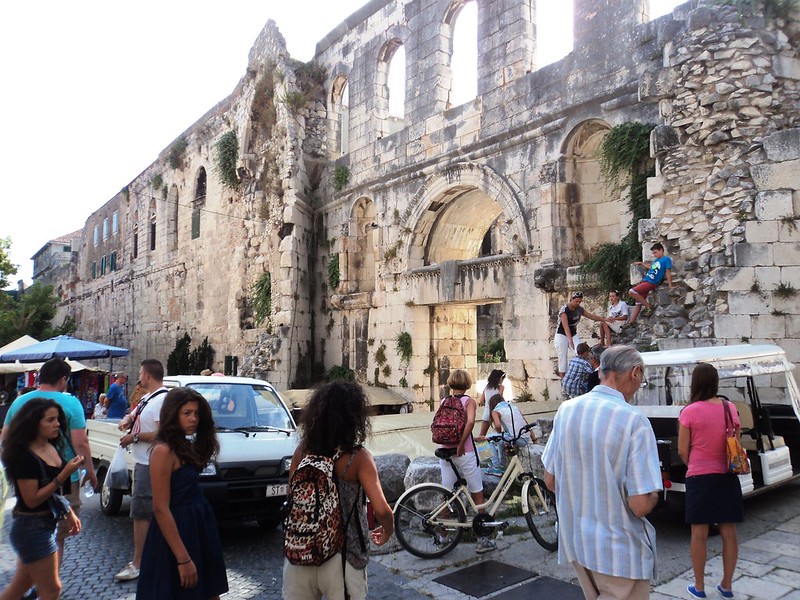 From Split, to Hvar to Dubrovnik, whether it be for the beaches or the nightclubs, tourists are flocking to the small European nation on the Adriatic Sea in record numbers. In 2024, the Croatian National Tourist Board recorded nearly 21.3 million visitors, which was 4% more than the previous year. The rise in tourism also boosted transportation industries, with more than 4 million air passengers and about 76.5 million rented cars.
According to the Croatian National Bank, tourism generated about €13.19 billion in revenue in just the first nine months of 2024. Croatia’s Minister of Tourism Tonči Glavina said, “Particularly gratifying is the notable growth during the pre-season and post-season, confirming Croatia as a year-round destination.”
Tourism’s Role in the Economy
This increase in tourism in Croatia has made the industry an increasingly significant part of the Croatian economy. Overall, tourism represents about 26% of Croatia’s GDP, which is more than any other country in the European Union (EU). This coincides with a high number of jobs that tourism generates. Croatia’s Central Bureau of Statistics (CBS) estimated the industry, when it’s analyzed as a whole, has created around 150,000 jobs.
In 2024, the accommodation and food preparation and serving industry created about 115,000 jobs. The jobs created by tourism are important in Croatia, as poverty is a major issue in the country. In 2023, the CBS nearly 21% of the population is at risk of poverty. Additionally, women in Croatia face a poverty risk rate 10% higher than men.
Benefits for Small Businesses and Infrastructure
Small businesses in Croatia have also benefited from visitors. According to research, small businesses, whether they be sport, food preparation or boating-related, make up about 90% of Croatia’s tourism industry. As tourism in Croatia continues to grow in the country, small businesses prove to be both resource-efficient and innovative. Furthermore, research has found that there is a correlation between small businesses and the reduction of seasonal success in the tourism industry; this is significant since one of the biggest challenges with tourism anywhere is the fact that it can attract many visitors at one time of the year and few at other times.
Additionally, tourism in Croatia has led to new infrastructure in order to accommodate the increased number of guests. These include investments in renewable energy, such as wind and solar and in transportation, such as airports and roads. For example, under the National Recovery and Resilience Plan, around €106 million was awarded in grants to multiple cities. The aim of the grants is to improve health and wellness facilities and clean energy. Since 2020, Croatia has invested around €200 million in improvements to marinas, airports and roads. In 2021, the Pelješac Bridge connected the city of Komarna with Brijesta after years of construction and €526 billion in investment, facilitating travel for both citizens and tourists.
Looking Ahead
Tourism in Croatia is fueling job creation, empowering small businesses and prompting infrastructure improvements that benefit citizens and visitors alike. As the industry continues to expand, tourism offers Croatia a pathway to reduce poverty, strengthen its economy and build long-term resilience, ensuring that growth is shared across communities.
– Seth Pintar
Seth is based in La Jolla, CA, USA and focuses on Business and Politics for The Borgen Project.
Photo: Flickr
