Addressing Disability and Poverty in Grenada
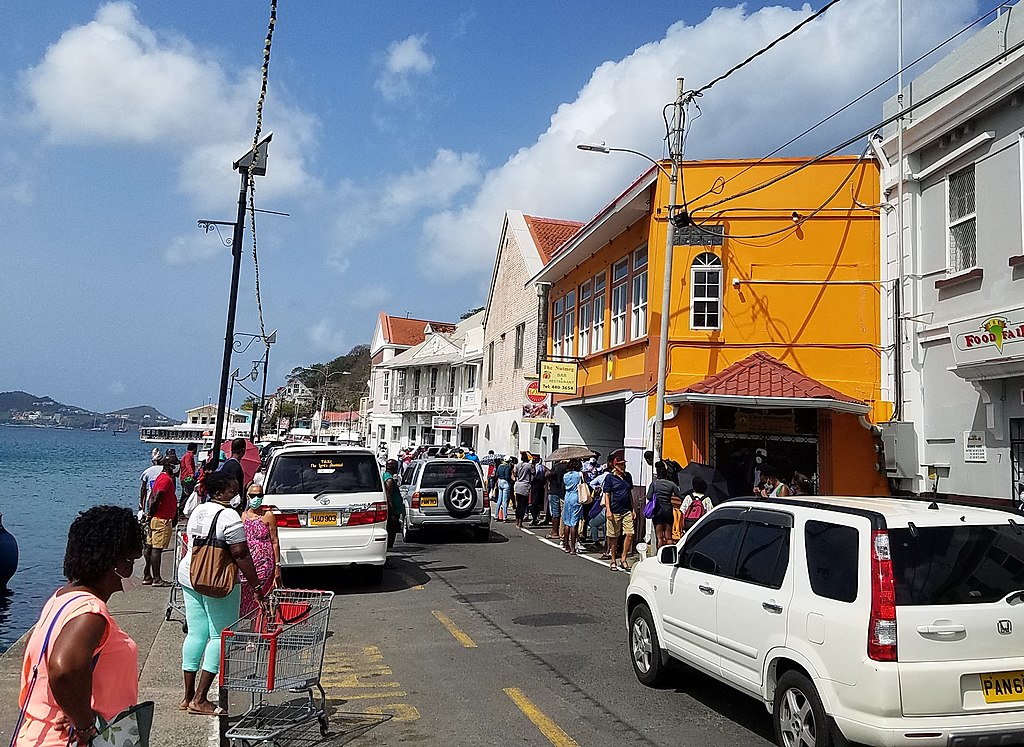 Poverty in Grenada greatly affects those with disabilities more than those without. However, as poverty as a whole in the country is decreasing, so too are the disproportionalities, improving lives of those experiencing disability and poverty in Grenada.
Poverty in Grenada
The citizens of Grenada, an island country in the Caribbean, have a high risk of facing poverty because of the country’s infrastructure, access to programs and aid, heavy reliance on food and oil imports and the climate they are in. Grenada is a developing country that has put more money into its industries to create more jobs and reduce its reliance on Grenada’s goods. But because they are in the hurricane belt, the destructive weather can affect these people and industries. In the early 2000s, Hurricane Ivan and Emily damaged agriculture in the rural areas.
In 2008, the poverty rate was at 37.7%, an increase from the 32% in 1998, most likely due to the hurricanes’ damage to land and businesses as people were without jobs. Meanwhile, in 2018, the rates of poverty decreased to 25%. The extreme poverty rate has been on a more significant decline, going from 12.9% in 1998, 2.4% in 2008, but unfortunately rising to 3.4% in 2018.
Tourism and Poverty
Besides agriculture, Grenada has boosted its tourism industry. Tourism contributed about 40% to the GDP. Grenada’s government improved this industry, adding in more jobs and enhancing the island’s economy. In 2014-2019, this helped decrease the rate of poverty and extreme poverty. However, in 2020, the tourism industry rapidly declined because of the COVID-19 pandemic. Many people were without jobs or income, and most likely fell into poverty.
The Living Conditions in Grenada Report comes directly from the World Bank Group and the Central Statistical Office of Grenada. These organizations created this report in 1998 to report poverty, equity and living conditions, as well as measure Grenada’s Consumer Price Index. The latest report is from 2018 and the next will be in 2028. Although not the most current information, it is being used for reporting, comparing and measuring Grenada’s need for aid.
Poverty and Citizens With Disabilities
Individuals with disabilities, as well as their families, have a higher susceptibility to poverty. This vulnerable group has a strained ability to uphold a job/income. In some cases, the individual’s disability prevents them from important actions like walking, which is a movement needed for agriculture and tourism. In 2021, 551 people could not walk, making their lives harder and decreasing the number of jobs they can work in.
Some children with disabilities, physical or psychological, struggle to stay in school. These issues make it harder for the student to participate and graduate. Only about 23% of children with disabilities graduate from secondary school. Lack of education leads to a lack of jobs and opportunities. The lack of income can further hurt the individual and family. There is a need to help people who live with disability and poverty in Grenada.
Care and medical treatment for certain disabilities can be expensive and could be detrimental to the household’s income. Some families cannot afford care. People with disabilities also experience exclusion. For example, Article 25 of Grenada’s Constitution from 1973 determined that a person cannot run to be a senator if they are unable to speak. Those who cannot verbally communicate cannot sit on the board, further propelling the disproportionalities.
Fighting Poverty in Grenada
The Grenadian government has signed the 2030 Agenda for Sustainable Development and the Sustainable Development Goals (SDGs) to ensure everyone is included while eradicating poverty globally and locally. The government has also enforced the Education Act in 2002, making educational programs that are specifically tailored to individuals with intellectual, communicative, behavioral and/or physical disabilities.
Along with the government, a few nonprofits have been aiding Grenada. Kingdom Workers is directly combating poverty and unemployment by hosting a few events geared towards making education more accessible, like Sensory Day. This event, hosted at the end of 2020, included crafts, toys and specific instructors teaching children with developmental disabilities on ways to communicate, boosting their motor skills.
Kingdom Workers has also provided programs that teach instructors and family members on how to take care of children with developmental disabilities. The understanding of how to treat, teach and communicate with these children further includes them in school. It provides a space where they feel comfortable while learning.
Looking Ahead
Grenada and its economy has improved from where it was in 1998 when The Living Conditions in Grenada Report first began. The overall rate of poverty and extreme poverty in Grenada has decreased. More citizens have jobs, there are more resources to improve the lives of persons with disabilities and to keep them out of poverty, and the economy is growing. Although Grenada is on its way up there is still more to be done to bring the rate down and to provide even more inclusivity, making lives better for persons experiencing disability and poverty in Grenada.
– Emily Ruggiero
Emily is based in Orefield, PA, USA and focuses on Politics for The Borgen Project.
Photo: Wikimedia Commons
