To a Healthier Future: USAID Programs in Zambia
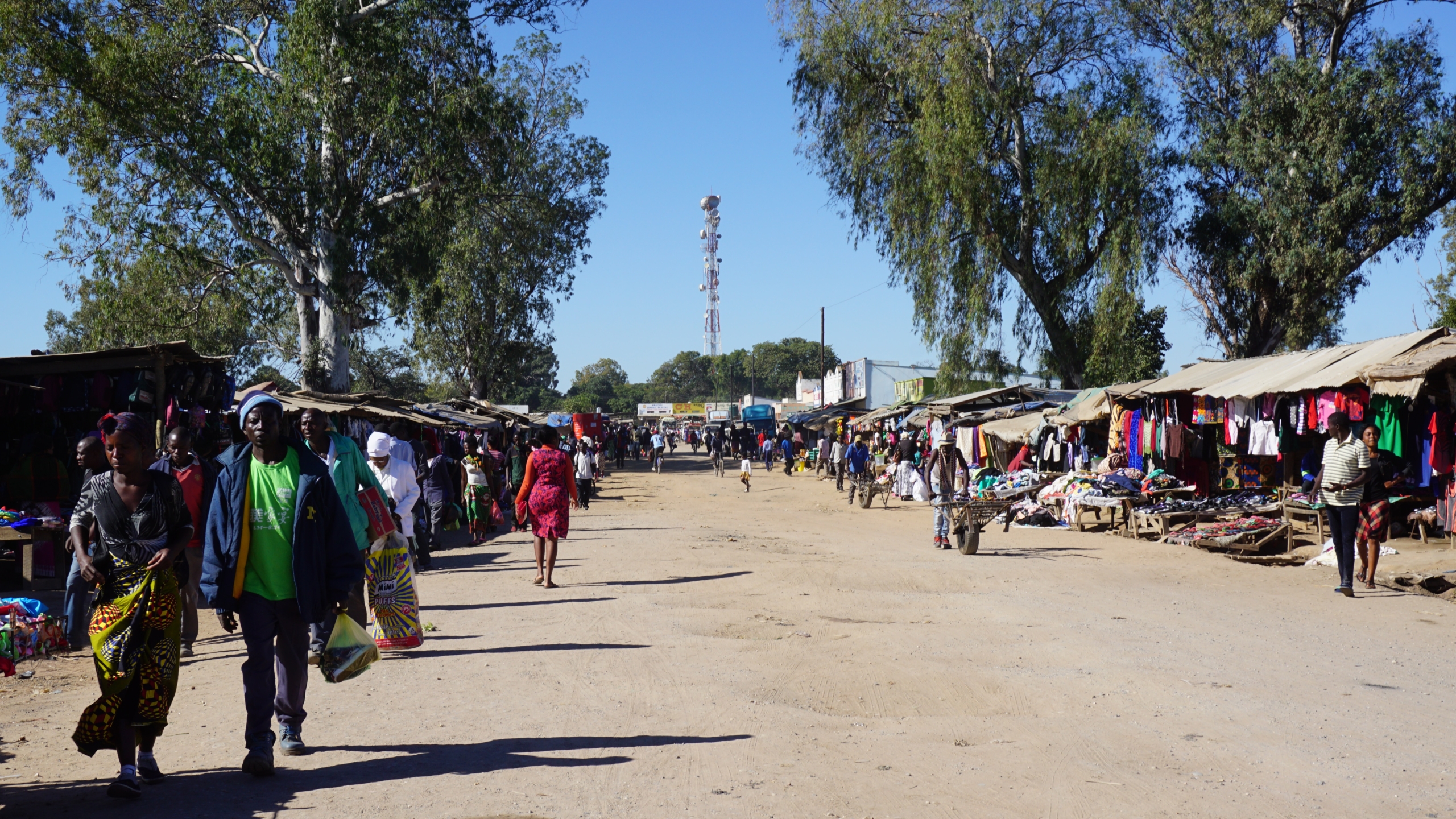 The southern African country of Zambia is on a mission toward self-sufficiency and an improved quality of life. With a population of about 20 million people and a GDP that is moderate for the continent, Zambia has substantial manpower to offer itself and the world. Despite this, Zambia has one of the highest levels of poverty in Africa as an estimated 61.4% of the population was reported as living below the poverty line in 2018. Millions of families struggle to create a healthy environment for their children. Here is how USAID programs in Zambia, as well as other organizations, are working to improve the way of life of everyday citizens in the country.
Agriculture and Malnutrition
In December 2022, USAID began its partnership with African companies to build more eco-friendly facilities and improve market circulation in Zambia. Surplus crops, specifically maize, are a major issue in the country, and reducing food loss reduces regional hunger and further maximizes the economic potential of the country.
These projects coincide with USAID’s Scaling Up Nutrition Technical Assistance (SUN TA) program. According to USAID, 35% of Zambian children under age 5 suffer from malnutrition and stunted growth. This drastically affects their ability to learn and develop into the adolescents and adults of the future of Zambia. SUN TA works with mothers to provide household assistance and nutritious meals to children.
In a late March update, USAID announced grants totaling about $1 million to local Zambian companies to promote more environmentally friendly technology in the country and begin downsizing residential charcoal usage. Reducing deforestation and carbon emissions creates a healthier country that is less reliant on natural resources.
Charcoal and Environmentalism
Charcoal is by far the most dominant fuel source in the country. Ongoing USAID programs in Zambia also include the Alternatives to Charcoal (A2C) project. Charcoal is overwhelmingly the primary fuel source for cooking, with over 75% of households using charcoal regularly. High demand requires high supply to meet it. Because charcoal is made from wood (not coal), Zambia has one of the highest deforestation rates in the world — 180,000 to 250,000 hectares are cut down yearly. To reduce both deforestation and charcoal-produced carbon emissions, the A2C project aims to establish new fuel sources and technology in the country that are more efficient than charcoal, such as electrical appliances and gasifier stoves. Due to their higher efficiency at a reduced cost, Zambians can lower their cost of living and save more for the future.
Health
Zambia is one of the most HIV-prevalent places in the world, with the population of HIV-positive individuals at about 11%. This is cited as a primary reason why over 30% of Zambian households have at least one orphaned child. To tackle this combination of issues, USAID is currently implementing the President’s Emergency Plan for AIDS Relief (PEPFAR) plan and the Adolescents and Children, HIV Incidence Reduction, Empowerment and Virus Elimination (ACHIEVE) project.
By investing 57% of its annual budget into continuously improving nationwide clinical HIV services. PEPFAR is designed to reduce disease through prevention and treatment programs in the country. While HIV is the main target of PEPFAR, similar programs exist for malaria, tuberculosis and other various diseases. PEPFAR also oversees family planning to reduce the rate of congenital (present from birth) HIV. As a result of the past decade of effort, the infection rate for children born to HIV-infected mothers has dropped to under 5%.
The ACHIEVE Project is the developmental plan for Zambia’s government infrastructure to better serve at-risk minors. By improving the country’s case management systems, Zambia will be able to better track and care for children across the country, further increasing household assistance and family planning.
Other Business
The Prosper Africa Initiative has recently partnered with EG Capital to target a goal of $100 million to spread among African businesses and entrepreneurs across East Africa and Zambia. The goal is to invest in regional growth sectors such as food, climate, technology, health and education while reducing the poverty line and specifically benefiting women with employment and children for a healthier future.
In the post-COVID world, USAID programs in Zambia, among others, are growing the country to be more efficient with its food, infrastructure and manpower. More efficient use of resources not only establishes a better economy but makes a difference in the lives of the many children who live below the poverty line. Reducing diseases and better oversight of millions of households allows the next generation of citizens to grow healthier and stronger to take on the challenges of the future. With these programs, Zambia is both capable and expected to grow soon into a country with a significantly better quality of life for its average citizens than in previous years.
– Eddie Dale
Photo: Unsplash
