• Link to X
  • Link to Facebook
  • Link to Instagram
  • Link to TikTok
  • Link to Youtube
  • About
    • About Us
      • President
      • Board of Directors
      • Board of Advisors
      • Financials
      • Our Methodology
      • Success Tracker
      • Contact
  • Act Now
    • 30 Ways to Help
      • Email Congress
      • Call Congress
      • Volunteer
      • Courses & Certificates
      • Be a Donor
    • Internships
      • In-Office Internships
      • Remote Internships
    • Legislation
      • Politics 101
  • The Blog
  • The Podcast
  • Magazine
  • Donate
  • Click to open the search input field Click to open the search input field Search
  • Menu Menu

Tag Archive for: Technology

Posts

Education, Global Poverty, Technology

Tech Brand Helps Extend the Reach of Education in Nigeria

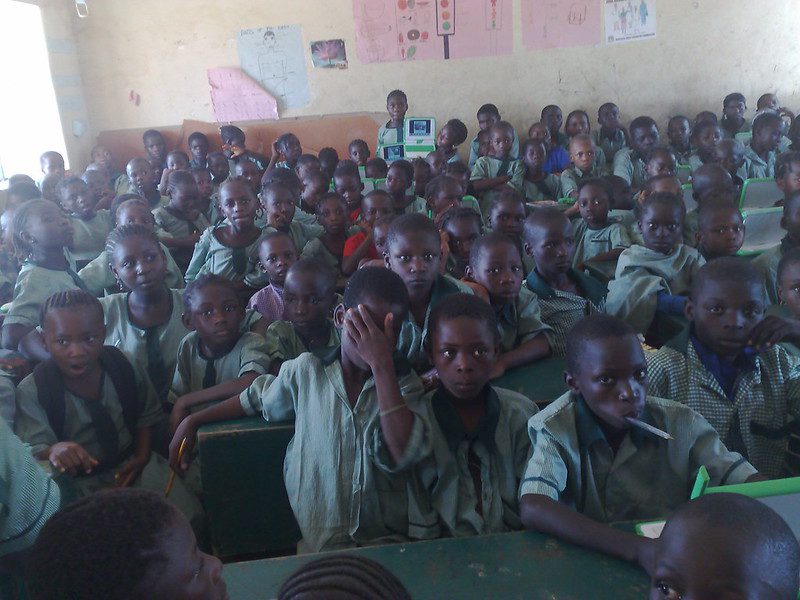
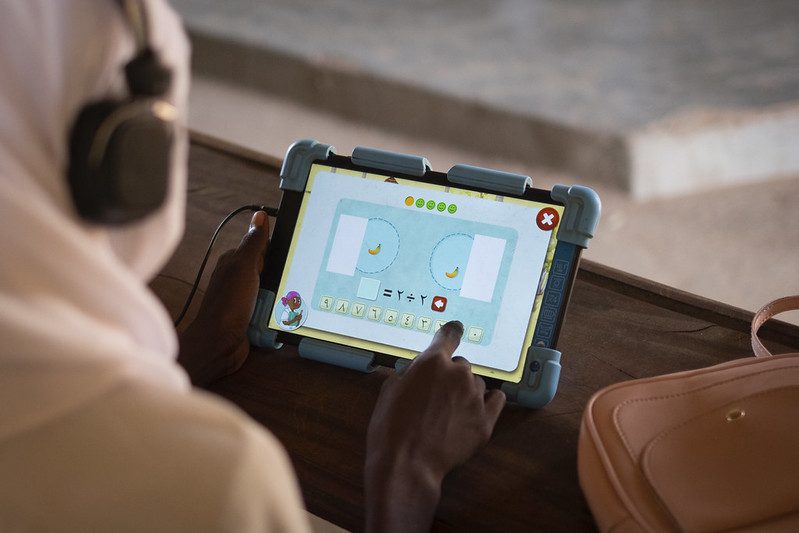
Tech Brand Helps Extend the Reach of Education in NigeriaNigeria is Africa’s most populous country, with an estimated population of 230 million people as of 2024, 60% under the age of 25 and 44% younger than 15. It has the fastest-growing population among the world’s 10 most populous countries. Despite its large demographic, Nigeria’s literacy rate stands at only 77.62% as of 2021. Additionally, the country’s poverty rate was estimated at 38.9% in 2023, making it home to the world’s second-largest population living in poverty, following India. These statistics underscore the critical need to enhance access to and the quality of education in Nigeria. Improving literacy rates is vital not only for reducing poverty but also for aligning with the United Nations (U.N.) Sustainable Development Goal 4, which focuses on quality education.

The NLP and Its Partnership with TECNO

In 2022, Nigeria launched its Learning Passport program to address low literacy rates and the educational disruptions caused by the COVID-19 pandemic and to support Sustainable Development Goal 4. The Nigeria Learning Passport (NLP) is an online e-learning platform that provides children with access to curriculum-aligned content in local languages. It is available anytime and anywhere, featuring content from Nigeria’s national curriculum along with global educational resources. The platform, which aligns with UNICEF’s global education strategy, offers both online and offline content to enhance accessibility for children, especially those in remote or underserved areas with limited internet access.

As of July 2024, the technology brand TECNO has partnered with UNICEF Nigeria to further develop the NLP. Currently, the NLP operates in 19 of Nigeria’s 36 states, ranking it second among countries participating in the U.N.’s broader “Learning Passport” program. This partnership with TECNO aims to expand both the availability and reach of online and offline content, making the program more accessible throughout the country and extending it to additional states.

Educational Opportunities as a Solution to Poverty

The importance and positive impact of TECNO’s partnership with UNICEF Nigeria and its support of the NLP can be highlighted by the inextricable relationship between education and poverty. Adequate education enhances literacy, cognitive and social skills, potentially providing qualifications that lead to better job opportunities, thus helping lift individuals out of poverty. Additionally, poverty itself can restrict access to consistent, quality education. For instance, those in poverty might lack the financial resources needed for full-time education, including transportation to schools or the ability to afford necessary equipment and resources. necessary equipment and resources.

Extreme poverty often forces individuals to prioritize earning an income over education just to survive. Research conducted by UNESCO underscores the significant role education plays in alleviating poverty. A study found that completing secondary school could more than halve global poverty and achieving basic literacy for all students could help nearly 171 million people escape extreme poverty. These findings highlight the profound and positive impact that improved education quality and access can have on reducing poverty both in Nigeria and worldwide.

Education as a Catalyst for Economic Growth

Quality education is a significant driver of economic growth, as research from Stanford and Ludwig Maximillian Universities reveals that from 1960 to 2000, 75% of global GDP growth was linked to improved math and science skills. Emphasizing education is a crucial strategy for combating poverty, as it enhances individuals’ prospects for securing stable economic futures when they enter the workforce. Jack Guo, General Manager of TECNO, supports this view, stating, “Investing in education is an effective strategy for breaking the inter-generational transmission of poverty and contributing to social and economic development.”

The Importance of the NLP and TECNO’s Partnership

This direct link between enhanced access to and quality of education underscores the significance of the NLP program and its beneficial impact on education in Nigeria, which will consequently help reduce poverty rates over time. Therefore, the anticipated growth of the program, stemming from TECNO’s partnership with UNICEF Nigeria, will further amplify the NLP program’s positive effects on education and poverty rates as beneficiaries mature and engage actively in the country’s economy.

TECNO’s partnership with UNICEF Nigeria and its support of the NLP bring Nigeria one step closer to making education accessible to all children, enhancing their prospects and breaking the cycle of inter-generational poverty. The ongoing support and development of the NLP exemplify Nigeria’s continuous efforts to tackle poverty within its borders.

Looking Ahead

The partnership between TECNO and UNICEF Nigeria aims to expand the reach of the NLP, enhancing educational access for millions of children across the country. By providing curriculum-aligned content both online and offline, this initiative directly addresses the educational challenges exacerbated by poverty. As the program grows, it is expected to play a vital role in improving literacy rates and reducing poverty, ultimately contributing to Nigeria’s economic and social development.

– Archie Day

Archie is based in St Andrews, Fife, Scotland and focuses on Technology and Global Health for The Borgen Project.

Photo: Flickr
August 29, 2024
https://borgenproject.org/wp-content/uploads/borgen-project-logo.svg 0 0 Precious Sheidu https://borgenproject.org/wp-content/uploads/borgen-project-logo.svg Precious Sheidu2024-08-29 01:30:152024-08-29 01:21:53Tech Brand Helps Extend the Reach of Education in Nigeria
Artificial Intelligence (AI), Education, Global Poverty

Revolutionizing Learning: AI in Kenyan education

AI in Kenyan educationKenya has emerged as a hotspot for educational technology innovation in Africa. Artificial intelligence (AI) is revolutionizing the country’s learning landscape. AI in Kenyan education reshapes how students learn and how educators teach, using software ranging from individualized tutoring to data management and analysis algorithms.

The Competency-Based Curriculum

Recognizing the importance of preparing students for the digital age, the Kenyan government introduced the Competency-Based Curriculum (CBC) in 2017. This new approach shifts away from traditional high-stakes exams and rote memorization. Instead, it focuses on enhancing learning comprehension and practical skills. The CBC emphasizes digital literacy and coding, incorporating tools like Scratch for programming and data handling. By integrating AI and digital literacy into the national curriculum, Kenya takes significant steps to equip its students with the skills they will need in an increasingly digital world.

Kytabu

Kytabu has developed several AI-powered tools designed specifically for the African educational context. Its most acclaimed product, SOMANASI, is an AI-driven personal tutoring tool that provides personalized curriculum materials, course programs and assessment questions. The application lets students rent affordable textbooks, audiobooks, assessments and courses, all accessible in the AI-supported mobile app. By enabling students to learn at their own pace, SOMANASI makes education more accessible and engaging.

Additionally, HODARI, assists teachers with grading, lesson planning and administrative tasks. The software connects individual student data from assessments to the Kytabu information management system. AI in the product helps teachers understand kids’ individual needs by analyzing performance data and identifying strengths and weaknesses. By automating these time-consuming processes, HODARI allows teachers to focus more on what they do best: teaching and supporting their students.

M-Shule

M-Shule is an edtech platform that uses AI and SMS technology to deliver personalized learning content to Kenyan primary school students, aiming to improve education outcomes in areas with limited internet access. Students interact with an AI bot that prompts them with lessons and questions they answer by text. The system analyzes the data in real-time, allowing program teams and supporting organizations to track student performance and provide targeted support where needed. M-Shule has reached more than 45,000 users, including 13,000 households from 30 Kenyan counties.

Mosabi: Financial Education for the Masses

Recognizing that education extends beyond traditional subjects, Mosabi leverages AI to provide tailored financial and business education to underserved communities in emerging markets. Lessons cover areas like financial literacy, entrepreneurship and business management. Its mobile platform uses AI-driven analytics to track user progress. Furthermore, personalized learning experiences, help small business owners and entrepreneurs improve their financial health.

Endless OS Foundation

The Endless OS Foundation provides a Linux-based operating system with preloaded educational content, productivity tools and entertainment designed for communities without internet access. Its AI capabilities curate content based on student interests, fostering curiosity-driven learning and greater engagement. Since its creation, the initiative has established 600 computer labs. This growth has significantly expanded access to digital education and resources for students across Kenya and other countries where it operates.

Challenges and Future Prospects

While the integration of AI in Kenyan education shows great promise, challenges remain. A recent study across 38 out of 47 Kenyan counties found that while teachers generally have a positive attitude toward AI, many lack confidence in implementing these platforms in their classrooms. To address this, experts recommend revising teacher training curricula to include AI components. Furthermore, they suggest designing professional development programs to build teachers’ confidence in AI.

As Kenya continues to embrace AI in education, the potential for transformative change is immense. From personalized learning experiences to more efficient school management, AI helps create a more inclusive, engaging and effective education system for all levels.

Michael Murungi, Government Affairs and Public Policy Lead for Eastern Africa at Google states, “One of the biggest opportunities AI has in education is the ability to personalize learning and for the teacher to curate the learning experience for the child based on the child’s needs.”

– Lauren Thompson

Lauren is based in San Francisco, CA, USA and focuses on Technology and Global Health for The Borgen Project.

Photo: Flickr

August 20, 2024
https://borgenproject.org/wp-content/uploads/borgen-project-logo.svg 0 0 Hemant Gupta https://borgenproject.org/wp-content/uploads/borgen-project-logo.svg Hemant Gupta2024-08-20 07:30:572024-08-19 13:37:11Revolutionizing Learning: AI in Kenyan education
Global Poverty, Health, Technology

Health Care Access: Telemedicine in the Amazon

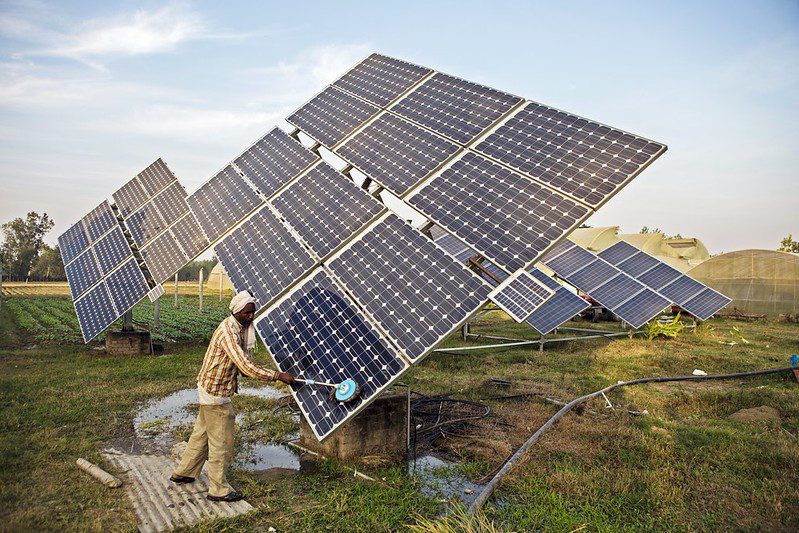
Telemedicine in the AmazonTelemedicine in the Amazon opens new doors for remote communities and could be revolutionary for Indigenous people worldwide. The Amazon Rainforest is home to millions, including Indigenous communities and remote populations, who face significant challenges in accessing primary health care. The region’s dense vegetation, vast rivers and lack of infrastructure make traditional health care delivery nearly impossible.

However, telemedicine has begun to bridge this gap, offering a lifeline to those who would otherwise be left without critical medical care. Telemedicine allows doctors to connect with patients through video calls and online platforms, offering medical care from a distance. This approach is especially beneficial for people in remote areas, allowing them access to health care, receiving diagnoses and managing treatments.

Health Care Vulnerabilities in the Amazon

The Amazon Rainforest is home to diverse Indigenous populations living in remote areas without access to essential health services. The region faces various health issues, including infectious diseases, malnutrition and chronic conditions. Common diseases like malaria and respiratory infections are widespread and the lack of proper health care worsens these conditions.

The infant mortality rate among male Indigenous infants is 27 per 1,000 live births, significantly higher than the urban male average of 13 per 1,000. Most of the data mirrors this one, with a significant difference between the groups, even getting up to double.

Innovative Telemedicine Projects in the Amazon

The Amazon Hope Project is a nonprofit organization that provides essential health care services to remote communities along the Amazon River using mobile clinics. These floating medical units are equipped with telemedicine technology, allowing health care providers to consult with specialists in larger cities.

The project offers various services that may not be available locally, including maternal care, vaccinations and chronic disease management. In addition to addressing immediate health needs, the project emphasizes preventive care through health education and routine check-ups. The Amazon Hope Project collaborates with local churches in Brazil to help deliver these services and resources.

Partnerships

The success of telemedicine in the Amazon depends greatly on technological advancements. Satellite internet is essential for connecting remote areas that lack traditional telecommunications infrastructure. Vivo, the leading telecommunications provider in Brazil, has partnered with the Brazilian government to extend mobile network coverage and boost internet connectivity in remote regions.

This infrastructure development supports telemedicine platforms, enabling remote health consultations and efficient data sharing between local clinics and urban specialists. The combined efforts of these sectors have effectively addressed the challenges of providing health care in isolated areas, illustrating the success of their joint approach in bridging the health care gap.

Economic and Social Impact

The impact of telemedicine on health care access in the Amazon goes beyond medical outcomes. Economically, it reduces the financial burden on patients who would otherwise incur high costs traveling to urban centers for care. Socially, telemedicine improves health literacy and empowers local health workers with the tools and knowledge needed to manage complex cases.

Conclusion

Telemedicine is transforming health care in the remote Amazon Rainforest by overcoming geographical barriers and delivering essential services to isolated communities. With technological advancements and strong partnerships, these initiatives make a tangible difference, improve health outcomes and support sustainable development. The ongoing success of telemedicine projects highlights its critical role in bridging the health care gap. It offers hope for a future where every individual can access quality care regardless of location. As these solutions grow, they support Amazon communities, leading to better health outcomes and a more promising future.

– Danica Lourdu Nelson

Danica is based in Parker, CO, USA and focuses on Business and Technology for The Borgen Project.

Photo: Flickr
August 18, 2024
https://borgenproject.org/wp-content/uploads/borgen-project-logo.svg 0 0 Hemant Gupta https://borgenproject.org/wp-content/uploads/borgen-project-logo.svg Hemant Gupta2024-08-18 07:30:252024-08-18 02:49:04Health Care Access: Telemedicine in the Amazon
Electricity and Power, Global Poverty, Water

Solar-Powered Water Desalination: A Solution to Water Scarcity

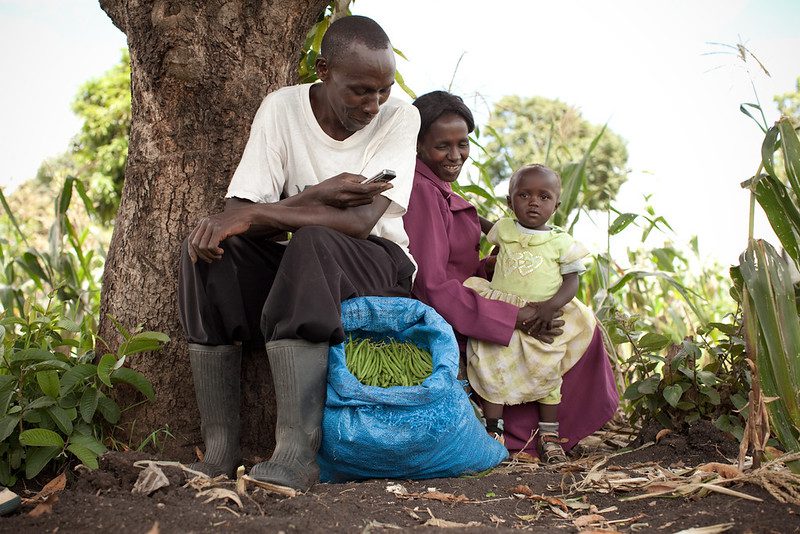
Solar-Powered Water DesalinationWater scarcity is a pressing issue affecting millions of people worldwide. This is particularly the case in coastal regions where seawater is abundant but fresh water is scarce. As populations grow and adverse climatic conditions intensify, the demand for freshwater continues to rise, exacerbating this challenge. One promising solution to this problem is solar-powered water desalination, which harnesses renewable energy to produce clean drinking water from seawater.

The Basics of Desalination

Desalination is the process of removing salt and other impurities from seawater to produce fresh water. There are several methods of desalination, but the most common are reverse osmosis and thermal desalination. Reverse osmosis involves forcing seawater through a semipermeable membrane that filters out salt and other impurities. In contrast, thermal desalination involves heating seawater to produce steam, which is then condensed into fresh water.

Integrating solar power into desalination processes can significantly reduce the environmental impact and operating costs associated with traditional desalination methods, which often rely on fossil fuels. Solar energy can be used to power the pumps and membranes in reverse osmosis systems or to provide the heat needed for thermal desalination.

Kenya and Bangladesh

In the coastal region of Kenya, the solar-powered desalination plant in the town of Kiunga has been providing clean drinking water to thousands of residents. This project, initiated by the nonprofit organization GivePower, uses solar panels to generate electricity for reverse osmosis desalination. The project is capable of producing up to 35,000 liters of fresh water daily.

In Bangladesh, where freshwater scarcity is a critical issue in coastal areas, a solar-powered desalination plant was established on the remote island of Kutubdia. This plant, supported by the World Bank and local nongovernmental organizations (NGOs), provides fresh water to the island’s inhabitants each day. The project showcases the feasibility of using renewable energy to address water scarcity in vulnerable regions, significantly improving the quality of life for local communities.

Environmental Benefits of Solar-Powered Desalination

Utilizing solar energy for desalination offers numerous environmental benefits compared to traditional methods that depend on fossil fuels. One of the most significant advantages is the reduction of carbon emissions. Solar-powered desalination plants emit little to no greenhouse gasses, contributing to the fight against the rise in the average earth’s surface temperature.

Additionally, solar energy is a renewable resource, which means it can provide a sustainable and long-term solution to water scarcity without depleting natural resources. Moreover, the ecological footprint of solar-powered desalination is smaller than that of conventional desalination. By minimizing the use of fossil fuels, solar desalination reduces the pollution and environmental degradation associated with fossil fuel extraction and combustion.

Challenges and Limitations

Despite its potential, solar-powered desalination faces several challenges and limitations. The initial setup costs for solar desalination plants can be high, which may deter investment in developing countries with limited financial resources. Maintenance and operation of these systems also require technical expertise, which might not be readily available in remote or impoverished areas.

However, these challenges are not insurmountable. Advances in technology and economies of scale can reduce the costs of solar panels and desalination equipment over time. Additionally, capacity-building initiatives and international cooperation can help develop the necessary technical skills and infrastructure to support the widespread adoption of solar-powered desalination.

Final Remark

The successful implementation of solar-powered desalination projects in Kenya and Bangladesh illustrates the technology’s potential to provide a sustainable solution to water scarcity in coastal regions. By investing in and supporting the deployment of these innovations, policymakers and international organizations can help combat global water shortages and improve the quality of life for millions of people.

To ensure the scalability and adaptability of this promising technology, it is crucial to continue researching and developing cost-effective solutions, fostering international collaboration and prioritizing the needs of vulnerable communities. With concerted efforts, solar-powered desalination can play a vital role in securing a sustainable water future for coastal regions worldwide.

– Chelsea Rasool

Chelsea is based in Belfast, UK and focuses on Good News and Technology for The Borgen Project.

Photo: Flickr
August 12, 2024
https://borgenproject.org/wp-content/uploads/borgen-project-logo.svg 0 0 Hemant Gupta https://borgenproject.org/wp-content/uploads/borgen-project-logo.svg Hemant Gupta2024-08-12 07:30:362024-08-11 12:42:42Solar-Powered Water Desalination: A Solution to Water Scarcity
Agriculture, Global Poverty, Nonprofit Organizations and NGOs

KickStart International: Lifting Farmers out of Poverty with Irrigation

KickStart International: Lifting Farmers out of Poverty with IrrigationIn sub-Saharan Africa, 80% of those living in extreme poverty are farmers, largely because they depend on rainfall for irrigation, allowing only one or two harvests annually. Unpredictable weather and frequent droughts devastate crops, stripping small-scale farmers of their income. Since all farmers plant and harvest simultaneously, the market floods when crops mature, plummeting prices and profits. Addressing these challenges, KickStart International equips farmers with irrigation pumps that draw water from six meters underground, enabling year-round farming. This technology stabilizes income by mitigating reliance on seasonal rainfall and helps farmers avoid market saturation’s economic pitfalls.

The Impact of Irrigation on Farming

Irrigation pumps, though effective, are expensive and underutilized in sub-Saharan Africa, with only 4% of farmers employing this technology. Most farmers depend on seasonal rainfall, which limits crop production to certain times of the year. Irrigation enables year-round farming, boosting crop output and profits, stabilizing market conditions and eliminating the “hungry season” when food scarcity peaks due to reduced rainfall. KickStart International highlights the transformative impact of irrigation: families who install these systems see an average farm income increase of 370% within the first 18 months and 1,230% after five years, marking significant economic advancements for those adopting the technology.

KickStart’s Sustainable Business Model

KickStart International collaborates with farmers and local businesses to create sustainable supply chains for irrigation pumps rather than distributing them for free. As a nonprofit, KickStart works with manufacturers, importers and distributors who profit by selling these pumps at affordable prices. This model fosters sustainable solutions and builds a self-sustaining market ecosystem. By establishing a profitable, independent supply chain that includes importers, distributors, retail shops and service providers, it creates a robust infrastructure. This system enables farmers to learn about irrigation, purchase pumps and obtain spare parts and services, ensuring longevity beyond KickStart’s direct involvement, explains KickStart. The organization respects existing markets, opting not to sell in areas where a local supply chain already exists.

Educating Farmers About Irrigation

Many small-scale farmers do not realize that irrigation is a viable and affordable option. KickStart International actively promotes irrigation practices through live demonstrations, advertisements on television and radio and public educational events. The organization collaborates with many partners, including UNICEF, the World Food Programme and other prominent nonprofits, to increase awareness about the benefits of irrigation.

KickStart’s Innovations and Recognition

KickStart’s Innovations Hub in Nairobi, Kenya, continues to develop products that provide unique value additions for farmers and significantly improve the affordability, efficiency and impacts of existing products. The organization is also launching a program that allows farmers to rent irrigation pumps instead of buying them. Under this plan, Irrigation Agents—individual sellers—can potentially earn income by renting out the equipment. Meanwhile, farmers can increase their profitability sufficiently to buy a pump for the next growing season.

KickStart International’s success is noteworthy. Martin Fisher, the co-founder, has earned recognition as a Time European Hero. Fisher also appeared on the Forbes Impact 30 List, among other honors. Since its inception in 1991, the nonprofit has lifted 1.5 million people out of poverty, enabled the production of enough irrigation-grown crops to feed 15 million people and generated $210 million in profits for small-scale farmers.

– Maren Fossum-Wernick

Maren is based in St. Paul, MN, USA and focuses on Global Health and Politics for The Borgen Project.

Photo: Flickr

July 28, 2024
https://borgenproject.org/wp-content/uploads/borgen-project-logo.svg 0 0 Precious Sheidu https://borgenproject.org/wp-content/uploads/borgen-project-logo.svg Precious Sheidu2024-07-28 03:00:192024-07-27 09:59:04KickStart International: Lifting Farmers out of Poverty with Irrigation
Education, Global Poverty, Technology

The Afrilearn App: Leading Nigeria’s Educational Future

The Afrilearn AppA newly emerging educational experience utilizing affordable, interactive and entirely digital engagement mechanisms has been conceptualized through Afrilearn, Nigeria’s first learn-and-earn app. Although Afrilearn was founded in 2020 by Isaac Oladipupo and Gabriel Olatunji-Legend, the creators recently received support from the United Nations Children’s Fund (UNICEF) Venture Fund, significantly expanding its programming output.

With supplementation through AI, Afrilearn has envisioned a completely personalized academic pathway for students across West Africa, allowing users to navigate lessons across disciplines at the most appropriate pace. The Afrilearn app has amassed more than 7,000 learners, fueling the rapid international growth of education technology companies throughout the last decade.

Accessibility to Education in Nigeria

More than 40% of Nigeria’s population of more than 200 million people cannot read or write, depriving millions throughout the nation of the opportunity to engage in academia thoughtfully. Despite access to physical and academic settings, Oladipupo views current projections of affordable, quality education within Nigeria as an “illusion.” Statistics indicating the number of Nigerian students attending school do not properly reflect the standards of education they are receiving. For example, more than 83% of West African Senior School Certificate Examination candidates cannot fulfill the national educational guidelines and ultimately do not pass.

Oladipupo views Afrilearn as a way of mitigating these educational inequalities, serving as his inspiration for the company. In an interview with Forbes Africa, he emphasized that “every child, no matter their background or location,” should have “full access to quality education and the tools to prepare them for lifelong success,” with Afrilearn serving as a stepping stone for these future academic aspirations.

Developing a World-Renowned Platform

Afrilearn previously consisted of numerous ventures in education technology led by Oladipupo and Olatunji-Legend. They first created ClassNotes.ng in response to the COVID-19 pandemic, which provided primary and secondary academic tools when Nigerian students could not attend school in person. ClassNotes.ng achieved widespread success, acquiring more than five million users and teachers since its establishment in 2020.

Later that year, they released Exambly, which democratized access to test preparation materials in West African nations to prepare learners for national and international exams. The Afrilearn app combines the ambitions of these prior applications, pairing animated, engaging lesson plans with sample tests and other types of practice documents. The work of Oladipupo and Olatunji-Legend earned them the Digital Innovation of the Year Award in 2020, dictated by the U.S. Chamber of Commerce.

Engagement Tactics

One of the primary goals of Afrilearn is to tailor its content to the needs of each student, influenced by the relatively large teacher-to-student ratio present within the Nigerian education system. While the teacher-to-student ratio in the U.S. can be estimated at around 1:10, in Nigeria, this is closer to 1:70. Despite the scale of educational materials stored within the Afrilearn app, it attempts to create a sense of connection between its users and the expert tutors that it hosts, blending modes of “social learning and storytelling” to replicate a typical student-teacher relationship.

Most of the options within the platform are free; however, a variety of tools become available for an additional subscription. Some of these include downloadable notes, instant homework help and coding lessons, enhancing the personalization features contained within the app. The revenue generated from subscriptions is re-invested into expanding and improving the free curriculums, corresponding to Afrilearn’s overarching goals of affordability and accessibility.

Education in the Digital Age

Afrilearn showcases an innovative approach to navigating education in the digital age, reimagining modern-day technologies through its teaching potential. For those with the restricted financial capacity to attend and thoughtfully engage in academics, Afrilearn proposes a solution through digital incentivization tailored toward younger generations.

– Eileen Lincoln

Eileen is based in Oakton, VA, USA and focuses on Technology and Solutions for The Borgen Project.

Photo: Flickr

July 27, 2024
https://borgenproject.org/wp-content/uploads/borgen-project-logo.svg 0 0 Hemant Gupta https://borgenproject.org/wp-content/uploads/borgen-project-logo.svg Hemant Gupta2024-07-27 07:30:022024-07-27 09:27:05The Afrilearn App: Leading Nigeria’s Educational Future
Advocacy, Global Poverty, Youth Empowerment

5 Ways Young People Are Making a Difference in Global Poverty

Young People Are Making a Difference

Young people make a difference in global poverty in many creative and innovative ways. 

Advocacy and Awareness

One way that young people make a difference is through advocacy, as seen in grassroots movements such as Why Hunger. This organization works with young people at the local level to change their food systems. It has connected 932,000 people to nutritious food and services.

Another way they advocate is by raising awareness, often by using social media. For example, Joshua Heart’s Foundation, started when he was just 4 years old, has raised more than $1 million to help end hunger worldwide. This highlights how young people use their tools to effect change in the world.

Entrepreneurship and Innovation

A second way that young people can positively impact global poverty is through entrepreneurship and innovation. This is exemplified by social enterprises such as the Solar Sisters, which enable young women seeking work to become entrepreneurs and create sustainable energy alternatives. This innovation helps provide technological solutions to global poverty issues. The Solar Sisters and other entrepreneurs develop technological solutions that address existing problems with power in the world, offering new ways to combat poverty.

Volunteering

Young people also make a difference through both local and international volunteering. The New York Times found that one initiative in New York managed to serve up to 1,000 people in a food bank, highlighting the impact of young volunteers. It also found that the young people involved wanted to make a change and felt good about it. This demonstrates how they are making a difference now and see the benefits of volunteering, which encourages them to continue supporting the goals of ending world hunger and addressing global poverty.

Education

A penultimate way for young people to make a difference is through education, which can be seen in both educational initiatives and skills training. For example, SEED, a British organization, has significantly impacted global poverty goals through education, with young people leading the charge. SEED aims to enhance young people’s learning to help eradicate global hunger and address global poverty. One study found that SEED improved access to water, sanitation, hygiene and education for more than 400 students at Sainte Luce Primary School. This demonstrates how educational initiatives can significantly influence global poverty outcomes.

Leadership and Governance

Finally, young people can make a difference through leadership and governance. This is most evident through youth representation in groups and at government meetings, such as the Global Food Summit, which led to discussions surrounding policy. Young people put pressure on decision-makers and push the conversation forward. Additionally, governance can involve them in policy development that directly affects those suffering from global poverty. This direct involvement has a positive impact on laws that benefit those in need.

Young people have a significant impact on addressing global poverty. In many different ways, they are one way forward in tackling global poverty and similar issues. They benefit both these goals and provide new and innovative ways of solving problems.

– Rosie Miller

Rosie is based in Edinburgh, Scotland and focuses on Good News for The Borgen Project.

Photo: Pexels

July 25, 2024
https://borgenproject.org/wp-content/uploads/borgen-project-logo.svg 0 0 Hemant Gupta https://borgenproject.org/wp-content/uploads/borgen-project-logo.svg Hemant Gupta2024-07-25 03:00:002024-07-25 03:13:445 Ways Young People Are Making a Difference in Global Poverty
Gender Equality, Global Poverty, Women's Rights

Economic Inclusion of Women in Uganda

Women in UgandaIn Uganda, women continue to find their capacity to materialize their potential hampered by deeply entrenched inequalities despite considerable political progress. The 1995 constitution rendered men and women equal before the law. Since then, numerous governmental initiatives have sought to eradicate gender-based discrimination. This includes the 2007 establishment of the Equal Opportunities Commission, a statutory authority that works to enforce anti-discrimination laws and equalize opportunity.

However, the United Nations (U.N.) has identified a chasm between this politically decreed equality and the living reality of Ugandan women, social mores frequently limiting their engagement in the public sphere. The result is a gaping monthly gender wage disparity of 32.3% and a mammoth loss in human capital and, thus, national wealth. Organizations of varying scales are, therefore, working to foster the economic inclusion of women in Uganda.

Resilient Women Uganda

Established in 2016, Resilient Women Uganda is a nongovernmental organization (NGO) that helps vulnerable girls and women escape cyclical poverty by creating spaces where they can blossom unimpeded by patriarchal beliefs that undervalue them.

Harmful practices mar the economic inclusion of women in Uganda. A massive 45% of female Ugandans have suffered physical abuse at the hands of their partner. Additionally, more than one in five have experienced sexual violence. Moreover, child marriage is rampant, with 34% of girls entering unions before they turn 18 and 7% before the age of 15.

Seeking to limit the effect that these breaches of basic rights have on girls’ development, Resilient Women Uganda operates a shelter for those in immediate danger of violence or exploitation, where they can access food, medical treatment and pastoral care.

Furthermore, the organization offers vocational training in various sectors, supporting its beneficiaries in sculpting a future. Through the program, at-risk girls aged between 13 and 19 can develop skills that will lead them to secure employment and become economically self-sufficient members of society. In 2023, 55 young women trained by the program found jobs in hairdressing and fashion design.

The Women’s Microfinance Initiative

The Women’s Microfinance Initiative (WMI) empowers female entrepreneurs from impoverished rural communities by providing them with microloans and increasing their financial literacy. Founded in Washington, D.C., in 2008, the organization operates through hubs across Uganda, Kenya and Tanzania.

The “Transition to Independence” program gives women access to four consecutive loans at a 10% flat interest rate, which they can use to propel their businesses into economic self-sufficiency. The program also provides a holistic support system that seeks to mold its beneficiaries into well-rounded participants in the economy. At the community-level hubs, operated by local women, the borrowers receive training in business and marketing, ongoing mentoring and free bookkeeping resources such as calculators and notebooks. They also open bank accounts as part of the program and develop a strong grasp of financial processes.

WMI combats exploitative lending practices through its woman-centered approach, which is reflected in an impressive loan recovery rate of 98%. Its borrowers experience a monthly income growth rate of between 100% and 400%. The organization’s impact is as far-reaching as it is remarkable; in 2023 alone, it provided 12,000 loans and it has served more than 28,000 women since its inauguration.

Moreover, WMI estimates that its loans impact an additional 20 people for every borrower. This considers the effect of increased household income on family members and the reach of each business’s roots within the community’s economic network. According to the U.N., self-employed women in Uganda face heightened vulnerability to poverty due to limited access to services and capital. WMI is working to remove these barriers and allow female entrepreneurship to flourish.

Women in Technology Uganda

Women in Technology Uganda (WITU) is an NGO that has supported girls and women from underprivileged communities with training programs in technology and entrepreneurship since 2014. The “Code Girls” program operates across primary, secondary and tertiary education to bring ICT training to young people, especially girls, who are otherwise unlikely to access STEM resources. In 2022, the program bridged the technological divide for 1,354 students.

WITU also offers talented young women the opportunity to complete a two-year diploma in Computer Science and Entrepreneurship through the Women’s Institute of Technology and Innovation. In 2022, 33 girls excluded from tertiary education because of a lack of financial means received scholarships.

Moreover, the 12-week “Elevate” program fosters economic autonomy by training young women from marginalized backgrounds in ICT and providing them with various marketing and employability skills. As of 2022, the program had served more than 6,000 women. Given that just 31% of Ugandan women have access to the internet, compared with 69% of men, WITU’s work represents a vital pathway toward improved economic inclusion of women in Uganda.

Moving Forward

Although significant challenges remain, numerous organizations are working to strengthen Uganda’s social fabric by fighting for a future where its women are free to incorporate their unique and colorful threads. Their efforts demonstrate what WMI aptly calls “a long-term investment in human potential” and their shared vision is one of a nation that holds equal promise for all of its people.

– Leila Powles

Leila is based in Cheltenham, Gloucestershire, UK and focuses on World News for The Borgen Project.

Photo: Pexels

July 24, 2024
https://borgenproject.org/wp-content/uploads/borgen-project-logo.svg 0 0 Hemant Gupta https://borgenproject.org/wp-content/uploads/borgen-project-logo.svg Hemant Gupta2024-07-24 03:00:042024-07-24 02:13:04Economic Inclusion of Women in Uganda
Developing Countries, Electricity and Power, Global Poverty

Renewable Energy in Mauritania

Renewable Energy in MauritaniaThe consequences of natural disasters can exacerbate poverty, yet poverty alleviation efforts, such as economic development and industrialization, can also have negative environmental impacts. However, in Mauritania, a coastal country along the Sahel strip, the transition towards green economies presents unique opportunities. The Mauritanian government, under the 2016-2030 Accelerated Growth and Shared Prosperity Strategy, aims to enhance the energy sector, with a strong focus on renewable energy. Bilateral agreements and international aid initiatives support this effort. Both domestic and global actors recognize the pertinence of renewable energy in Mauritania for development.
Conditions in Mauritania

Monetary poverty in Mauritania is falling. In 2023, according to the UNDP, 6.5% of the population lives below the income poverty line. However, the UNDP also reports that the nation’s standard of living indicators are lower than in similar economies. Electricity access, for example, is low for rural populations at 4%.

Mauritania is chiefly a “traditional subsistence economy,” with agriculture and livestock raising being its largest sector. Mining and fishing are the nation’s major exports. At the same time, Mauritania has remarkable potential for renewable energy production. Straddling both the Sahara desert and the Atlantic Ocean, the nation has more than 700,000 square kilometres of space for solar and wind energy generation. The nation is leveraging this potential for development and economic growth.

Opportunities for Development

Renewable energy technology is offering new opportunities for development initiatives. One example is solar energy-powered water drilling, which has been effective in expanding access to clean water in Mauritania’s most isolated communities. UNICEF, which supports the initiative, has found solar energy to be the most cost-effective power source when compared to other, non-renewable sources. As of 2018, solar energy supplies the majority of drinking water drills, a rise to 60% from 20% in 2015.

Investments in renewable energy in Mauritania have also expanded the power grid capacity of the nation. More than 40% of the country’s energy is now generated from renewable sources, according to the International Trade Administration (ITA). This effort is continuing to grow, with $289.5 million invested in two projects to increase solar energy production and connectivity, both to rural regions and neighboring nations.

Center of International Cooperation

Export potential has made the renewable energy sector a focus for international cooperation. Under its Power Africa initiative, USAID has worked with the nation to increase electricity connection, including helping create 8,436 solar lamp connections. The development of renewable energy production and technologies has also been a key area of interest for the ITA as well as the U.S. Department of Energy. The latter signed a Memorandum of Understanding (MoU) at the COP28 to support Mauritanian clean energy technologies and low-carbon exports including steel and green hydrogen.

Green hydrogen in particular is at the forefront of clean energy development, piquing the interest of large energy firms. With this, the nation has signed four MoUs with multinational energy corporations for green hydrogen production and development, including one with CWP Global to create the largest green hydrogen production facility in the world, according to ITA.

Much of the pledged development remains in the early stages, although the growing share of renewables in Mauritania’s energy supply is promising. Renewable energy in Mauritania and green hydrogen, in particular, presents opportunities to add value to the nation’s exports and economy, as well as efforts to elevate standards of living. As the world begins to transition to green economies, Mauritania represents a nation where this effort and economic development intersect.

– Imme Koolenbrander

Imme is based in Beijing, China and focuses on Business and Technologyfor The Borgen Project.

Photo: Wikimedia Commons

July 21, 2024
https://borgenproject.org/wp-content/uploads/borgen-project-logo.svg 0 0 Jennifer Philipp https://borgenproject.org/wp-content/uploads/borgen-project-logo.svg Jennifer Philipp2024-07-21 03:00:232024-07-21 01:17:47Renewable Energy in Mauritania
Economy, Global Poverty, Technology

Improving Waste Management in Southeast Asia

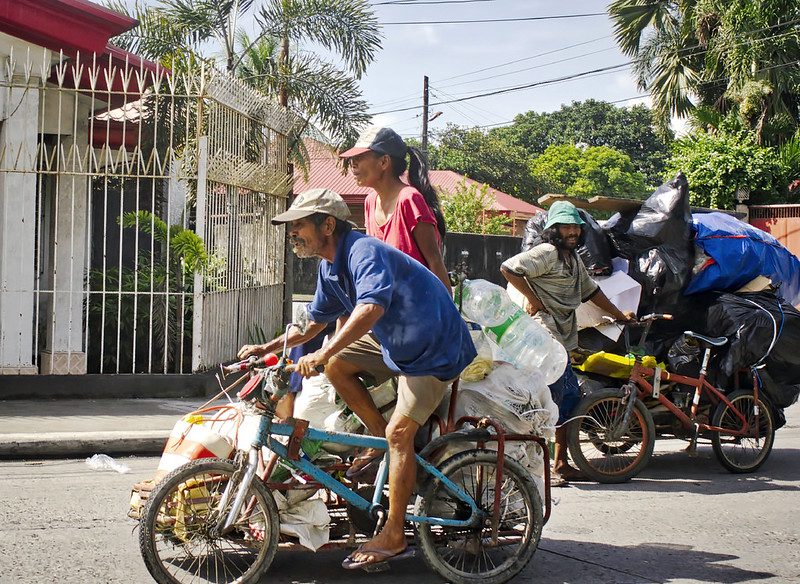
Waste Management in Southeast AsiaThe growth of Southeast Asia in recent decades has been startling. This growth has improved the economies and living conditions in the region and has contributed to reduced poverty rates. However, the rapid expansion of industry and population size has resulted in huge waste production. Six of the top 10 countries with the highest polluting levels are in Southeast Asia. The countries have inadequate waste management systems and are not capable of handling large quantities of waste.

Waste Management in Southeast Asia

Currently, landfills are used, which are not sustainable due to the increasing amount of land mass needed daily. The region is the fastest-growing waste generator among the East Asian and Pacific regions. It has produced approximately a fifth of all waste produced globally. Southeast Asia is projected to produce an additional 300 million tonnes by 2030. The region is the main global center for waste imports after China banned unclean waste imports, adding to the overall tonnage of waste. By 2050, plastic waste is projected to be one-tenth of all waste produced, reaching 12,000 million tonnes.

The United Nations Environmental Assembly has identified pollution as the third great environmental crisis of our time. It stresses the need for improved waste management in the Association of Southeast Asian Nations (ASEAN). For ASEAN, investing in sustainable processes is a must if it is to continue growing and improving the livelihoods of its population. The sustainability industry is an area of huge interest to investors as it is in its early stages of development.

The Problem with Waste

Poor waste management causes a multitude of problems, including health risks, pollution, resource depletion, economic losses and environmental degradation. Harmful diseases are spread in areas of inadequate waste management, threatening public health. Economic losses occur as resources are used inefficiently to handle the waste. Subsequently, governments have to act reactively to mitigate the consequences. These consequences of ineffective waste management disproportionately impact people experiencing poverty, who live in the most polluted areas and who feel the effects of poor health and environmental degradation the most.

Finding Solutions with Technology

There is a need for ASEAN to implement more effective waste management strategies to address the consequences laid out above and to promote sustainable development. Innovation and technology are being used to tackle the waste management problem in ASEAN. The gap in the market has drawn sustainable start-ups and investors to the region. Here are three companies that are using technology to improve waste management in ASEAN:

Rezbin

Based in Iloilo in the Philippines, Rezbin won the 2024 ASEAN start-up award. It targets the habit of recycling, providing bins at certain locations where plastic can be donated. Rezbin uses technology to track plastic donations and reward individuals who do. Rezbin’s CEO has stated that it is researching other tech solutions for the waste disposable industry. They hope to move into different areas of the waste value chain in the future.

Octopus

Octopus is a circular economy start-up based in Indonesia. It is a reverse logistics platform that producers can use to track and collect used waste to prevent it from ending up in landfills. The company ensures waste can be collected efficiently, providing incentives for manufacturers to collect and recycle their waste. Octopus hires people who have previously tried to make a living picking plastics for recycling and provides them with a monthly salary. Octopus benefits the ecosystem and individual livelihoods simultaneously.

Magorium

Based in Singapore, Magorium uses technology to convert plastic waste into a material called NEWBitumen, which can be used to build and pave roads. This material can be made from all types of plastic, clean or unclean, reducing the masses of unclean plastic ending up in landfills and cutting out the need to clean all plastics. Magorium provides businesses with the ability to get rid of plastics sustainably without them ending up in landfills, incinerators or the ocean.

The Future

Investment in improving waste management in ASEAN can lead to better outcomes for the region’s economies. The cost of uncollected waste is approximately five times higher than it would be to implement a sustainable waste management system. Start-ups using sustainable technology can help economies implement sustainable waste management systems and create a competitive market focused on sustainable development and waste reduction.

Revenue made from more efficient systems can be reinvested in the local economy and into initiatives tackling poverty. Overall, improving ASEAN’s ability to tackle its waste issue can benefit the poorest of society, who suffer most from the consequences of poor waste management.

– Lauren Alkhalil

Lauren is based in London, UK and focuses on Technology and Solutions for The Borgen Project.

Photo: Flickr

July 10, 2024
https://borgenproject.org/wp-content/uploads/borgen-project-logo.svg 0 0 Hemant Gupta https://borgenproject.org/wp-content/uploads/borgen-project-logo.svg Hemant Gupta2024-07-10 01:30:142024-07-09 05:58:10Improving Waste Management in Southeast Asia
Page 12 of 29«‹1011121314›»

Get Smarter

  • Global Poverty 101
  • Global Poverty… The Good News
  • Global Poverty & U.S. Jobs
  • Global Poverty and National Security
  • Innovative Solutions to Poverty
  • Global Poverty & Aid FAQ’s
Search Search

Take Action

  • Call Congress
  • Email Congress
  • Donate
  • 30 Ways to Help
  • Volunteer Ops
  • Internships
  • Courses & Certificates
  • The Podcast
Borgen Project

“The Borgen Project is an incredible nonprofit organization that is addressing poverty and hunger and working towards ending them.”

-The Huffington Post

Inside The Borgen Project

  • Contact
  • About
  • Financials
  • President
  • Board of Directors
  • Board of Advisors

International Links

  • UK Email Parliament
  • UK Donate
  • Canada Email Parliament

Get Smarter

  • Global Poverty 101
  • Global Poverty… The Good News
  • Global Poverty & U.S. Jobs
  • Global Poverty and National Security
  • Innovative Solutions to Poverty
  • Global Poverty & Aid FAQ’s

Ways to Help

  • Call Congress
  • Email Congress
  • Donate
  • 30 Ways to Help
  • Volunteer Ops
  • Internships
  • Courses & Certificates
  • The Podcast
Scroll to top Scroll to top Scroll to top