• Link to X
  • Link to Facebook
  • Link to Instagram
  • Link to TikTok
  • Link to Youtube
  • About
    • About Us
      • President
      • Board of Directors
      • Board of Advisors
      • Financials
      • Our Methodology
      • Success Tracker
      • Contact
  • Act Now
    • 30 Ways to Help
      • Email Congress
      • Call Congress
      • Volunteer
      • Courses & Certificates
      • Be a Donor
    • Internships
      • In-Office Internships
      • Remote Internships
    • Legislation
      • Politics 101
  • The Blog
  • The Podcast
  • Magazine
  • Donate
  • Click to open the search input field Click to open the search input field Search
  • Menu Menu

Tag Archive for: Poverty In Nigeria

Posts

Global Poverty, Housing Security

The Push for Social Services in Nigeria

Social Services in NigeriaNigeria, Africa’s most populous country, is home to more than 200 million people. That number could double by 2050, placing a lot of pressure on the nation’s ability to provide resources like affordable housing and other social services. For many Nigerians, especially young adults striving for independence, affording a home of their own is already a major challenge. Without financial support, this problem is set to worsen.

The Struggle to Find Social Services

Housing is more than just shelter for a lot of people. It also relates to stability and a quality of life. In Nigeria, where millions of people live in poverty, the housing crisis is high due to the lack of accessible social support systems. Many citizens are left to navigate high living costs, underemployment, and rising rent prices without government aid.

The housing crisis emphasizes the broader issue of limited access to social services in Nigeria. Social services are typically defined as essential resources that governments or nonprofit organizations usually provide to help individuals meet their basic needs. These services may include health care, food assistance and subsidized housing. While it is important to avoid long-term dependency, many individuals facing poverty, displacement, or other challenges need temporary support to regain stability and move forward.

Property and Perspective

James Sosan, a property owner from Nigeria currently residing in the United States, shares his perspective on the affordable housing crisis. With properties in both Nigeria and the U.S., Sosan has noticed major differences in affordability and government involvement. He told The Borgen Project, “In Nigeria, it is difficult to live on your own, especially without help.” He goes on to say the cost of living is high, and there is not much government support that helps people make ends meet.

Sosan explains that many young Nigerians who attempt to live independently often struggle to maintain housing. “They end up returning home,” not because they want to, but because they have no choice. It delays independence and creates this cycle where people stay financially dependent on their families for much longer than many would like. This kind of dependency could have an effect on long-term success and trap individuals in cycles of poverty that are difficult to break. James is disappointed by the lack of social services in Nigeria and wishes for more to be done.

Solutions

While access to such services remained limited, some initiatives in Nigeria are working to reverse this trend. One of the most prominent initiatives is the Renewed Hope Agenda. The agenda was launched under the Tinubu administration to enhance the quality of life for Nigerians. A significant part of this agenda involves working with the National Directorate of Employment (NDE). A multi-phase approach is in progress to create job opportunities. Recently, the second phase was approved, focusing on providing citizens with practical job skills in various industries. The NDE is working to strengthen the nation’s employment rate while providing people with important skills.

To further support the overall goal, the government has also launched the 3 Million Technical Talent Program. Led by the National Information Technology Development Agency (NITDA) and the Ministry of Communications, the program aims to train 3 million Nigerians in high-demand digital fields like artificial intelligence, software development, and more.

This initiative could allow Nigerians to establish a strong footing in the tech world. Furthermore, it could foster a community of skilled professionals who can participate in the rapidly growing digital economy.

Lastly, the Renewed Hope Housing Program is addressing Nigeria’s severe housing deficit by developing affordable housing across multiple states. These units are made for low-income families and are supported by public-private partnerships. These efforts aim to tackle both economic instability and the social barriers that trap many Nigerians in cycles of poverty.

– Knia Parks

Knia is based in Pepper Pike, OH, USA and focuses on Politics for The Borgen Project.

Photo: Flickr

August 2, 2025
https://borgenproject.org/wp-content/uploads/borgen-project-logo.svg 0 0 Naida Jahic https://borgenproject.org/wp-content/uploads/borgen-project-logo.svg Naida Jahic2025-08-02 07:30:082025-08-01 14:39:53The Push for Social Services in Nigeria
Aid, Global Poverty, Women

Reducing Maternal Mortality in Nigeria: The Abiye Project

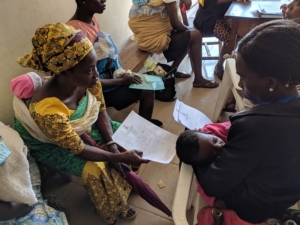
Reducing Maternal Mortality in NigeriaNigeria has around 2% of the world’s population, but accounts for nearly 10% of global maternal deaths. In 2008, the Nigeria Demographic and Health Survey (NDHS) identified Ondo State in southwestern Nigeria as one of the country’s most affected regions. At that time, Ondo State’s maternal mortality ratio (MMR) stood at 765 deaths per 100,000 live births.

In response to these shocking statistics, the Ondo State government launched the Abiye Project, meaning “Safe Motherhood,” in 2009. This program has become a pioneering initiative for reducing maternal mortality in Nigeria. The project is reducing maternal deaths by overhauling health care infrastructure, developing community-based services and eliminating financial barriers to maternal care.

Addressing the Four Delays

The Abiye Project was built around addressing the four leading delays responsible for the high rate of maternal deaths in the state:

  • Delays in patients recognizing danger signs and deciding to seek care.
  • Delays in reaching health facilities due to poor infrastructure, unreliable communication channels and lack of access to transport.
  • Delays in accessing proper care due to substandard facilities.
  • Delays in referrals to appropriate services in cases of complications or emergencies.

Before the implementation of the program, these delays had a devastating impact: only 16% of women registered at health facilities ended up delivering there, opting instead for far riskier home births.

The Abiye Project Strategies

  • Community Health Workers (Health Rangers). Health rangers are mobile health workers trained in basic obstetric care, intensive care and family planning support. Each ranger monitors the health of 25 pregnant women in their community, performing regular home visits and checkups.
  • Toll-Free Cellphones. The project provided these to every registered pregnant woman. It ensured free communication with health rangers, other pregnant women and emergency services.
  • A New and Improved Transport Fleet. It also provided a fleet of new ambulances suitable for multiple environments. They included motorcycles and speedboats, ensuring reliable transport is available so all pregnant women can access care safely and efficiently.
  • Facility and Staffing Improvements. It increased the number of Mother and Child Hospitals from two to seven. The government now trains all birth attendants in emergency obstetric and newborn care. It ensures every hospital and clinic is stocked with essential medical supplies.
  • Free Maternal Health Care. It made access to all services related to motherhood and childbirth free of charge at all government hospitals and clinics.

Impact on Maternal Health and Poverty

The results of the Abiye program were both rapid and transformative. Within its first year, antenatal registration surged by an astounding 1,855%, while facility-based deliveries increased by 1,602%.

By 2016, Ondo State’s MMR had dropped to 112 per 100,000, an 84.9% reduction within five years of the project’s inception. This achievement demonstrates how the program’s localized, person-centred strategies are invaluable for reducing maternal mortality in Nigeria.

The Abiye Project also had an impact on poverty levels. In 2022, Ondo State had the lowest poverty level in Nigeria, with around 27% of the population living in poverty, compared to the national average of 63%. These results demonstrate the capabilities of the project’s approach for not only saving lives but also improving the economic stability for all.

Conclusion

The Abiye Project is a powerful case study of how strategic health care interventions and a community-based approach can save lives and reduce poverty. By tackling the four key systemic causes of maternal deaths, it has set a new standard for reducing maternal mortality in Nigeria and beyond.

The project has earned recognition from the World Bank and UNICEF as a model for reform. With the project’s methods continuing to be adapted, the Abiye model has become a flagship in reducing maternal mortality in Nigeria, with the potential to revolutionize maternal care across developing countries.

– Reuben Avis-Anciano

Reuben is based in Oxford, UK and focuses on Good News and Global Health for The Borgen Project.

Photo: Unsplash

July 25, 2025
https://borgenproject.org/wp-content/uploads/borgen-project-logo.svg 0 0 Hemant Gupta https://borgenproject.org/wp-content/uploads/borgen-project-logo.svg Hemant Gupta2025-07-25 03:00:422025-07-25 03:04:08Reducing Maternal Mortality in Nigeria: The Abiye Project
Agriculture, Global Poverty

Boosting Yields and Income: Sustainable Farming in Nigeria

sustainable farming in NigeriaThe Foundation for Sustainable Smallholder Solutions (FSSS) is a nonprofit organization promoting sustainable farming in Nigeria. It’s helping local smallholder farmers increase their crop yields and lower costs. It currently operates in 54 different locations throughout the country, including several agricultural hotspots such as Nasarawa, Kano and Oyo.

Challenges of Smallholder Farming in Nigeria

Agriculture makes up a significant portion of the country’s economy, as the industry employs more than one-third of the entire workforce. Smallholder farmers, defined as those working on farmlands less than 24 acres, make up a large portion of this workforce and its production, with only 10% of the entire nation’s food supply coming from other sources. However, smallholder farmers face many challenges that inhibit productivity.

The regular use of the slash-and-burn technique to clear farmland, synthetic fertilizer and pesticides all contribute to a decrease in crop yields, as well as damage to their land. With Nigeria as a whole already impacted by climate instability and extreme weather, the additional damage done by these farming practices only worsens their predicament. Many of these practices lead to the erosion of soil and subsequent decrease in fertility. This issue currently impacts more than 23% of Nigerian land. However, many farmers do not have access to the knowledge of how to properly make the transition from their current methods to the practices of sustainable farming that the FSSS promotes.

Another obstacle that smallholder farmers face is a lack of access to proper resources. A majority of farmers do not have access to high-quality seeds and non-synthetic fertilizers. In addition, lack of access to loans and insurance means that many farmers would not be able to buy these products even if they were available, and cannot insure their lands against potential environmental damage. As a result of all of these elements, productivity has waned so greatly that, on average, these farmers are producing “less than half of their potential output per hectare.”

Food Insecurity in Nigeria

According to the Global Hunger Index, Nigeria’s hunger level is serious. It affects the population as a whole, as 18% are undernourished. However, it affects children the most, as 31.5% of Nigeria’s population under the age of 5 are stunted. In addition, more than 10% of children die before their 10th birthday, reflecting “the most serious consequence of hunger.”

This worrying level of food insecurity is due to a combination of many different factors. However, despite the country’s reliance on them as a main food source, the declining output of smallholder farmers is a significant contributor.

How FSSS is Helping Nigerians

To properly promote sustainable farming in Nigeria, the FSSS has several initiatives to improve the amount of education and resources available. One of its initiatives is the Farmer’s Service Centers, also known as Farmer’s Hubs. These centers are run for locals by locals and provide farmer’s necessities at low costs. They have tools such as high-quality seeds and fertilizers and rentals for farming machinery. Yusuf Haliru, the operator of the Farmer’s Hub in Bichi, said: “Now, everything is within their reach—and the impact has been massive.”

The FSSS also partners with local financial institutions to provide smallholder farmers with services such as low-interest loans and insurance. This helps farmers, especially those with little to no financial literacy, invest more into their farms and financially protect themselves and their lands in an emergency or natural disaster.

However, the organization’s foremost initiative is its education. The FSSS educates farmers on many techniques that help progress the advent of sustainable farming in Nigeria. These techniques include crop rotation and using organic fertilizers like manure to reduce soil erosion and degradation. The use of compost as fertilizer caused a “40% increase in crop yields compared to conventional fertilization,” according to the UNDP. It also teaches techniques such as agroforestry and intercropping. These methods all help the farmers produce more while using less.

In May 2025 alone, the FSSS reached more than 1,000 farmers across four states, including almost 300 female participants through its educational programs. It will continue expanding its reach and resources moving forward, maximizing its positive impact and helping improve the lives of farmers and all those who rely on its yield.

– Delaney Gouveia

Delaney is based in Newport, RI, USA and focuses on Good News for The Borgen Project.

Photo: Flickr

July 25, 2025
https://borgenproject.org/wp-content/uploads/borgen-project-logo.svg 0 0 Hemant Gupta https://borgenproject.org/wp-content/uploads/borgen-project-logo.svg Hemant Gupta2025-07-25 03:00:002025-09-05 09:39:59Boosting Yields and Income: Sustainable Farming in Nigeria
Global Poverty, Technology

Internet Access in Nigeria: The Evolving Landscape

Internet access in nigeriaInternet access in Nigeria is experiencing significant growth, with more than half of the population now connected. However, a notable digital divide persists between urban and rural areas. Mobile devices serve as the primary means through which Nigerians access the internet. Despite high penetration rates, affordability, availability and service quality challenges hinder broader access.

In 2024, despite substantial investments in Nigeria and other regions of Africa, only 38% of the population was online. The International Telecommunications Union (ITU) reported that Africa ranked the lowest in global internet usage, starkly contrasting the global average of 68%. The ITU highlighted that while internet adoption in Africa is on the rise, millions remain offline due to high service costs, digital illiteracy and inadequate infrastructure, particularly in rural communities.

Current Internet Landscape

As of April 2025, Nigeria’s internet landscape boasts approximately 142 million subscribers, with broadband penetration reaching 48.15%. Internet usage has surged to 983,283.43 terabytes (TB). In January 2025, there were 141 million internet subscribers and a broadband penetration rate of 45.61%. These statistics underscore Nigeria’s expanding digital footprint and the increasing demand for internet services.

Furthermore, according to the Nigerian Communications Commission (NCC), the telecommunications regulator, 141.2 million mobile connections were recorded as of April 2025. The market share by generation indicates that 89% of the country’s connectivity still relies on 2G and 4G technologies.

Affordability of Internet Access in Nigeria

The cost of internet access poses a significant barrier for many Nigerians, affecting both individual users and businesses. According to a report by ITU, affordability remains a critical obstacle to achieving broader digital inclusion.

The ITU highlighted that in 2024, the median price of an entry-level mobile broadband plan (2GB per month) was 4.2% of the gross national income (GNI) per capita, a slight decrease from 4.6% in 2023. However, this figure is still more than double the United Nations Broadband Commission’s affordability target of 2%, making it the highest among all ITU regions.

Government and Private Initiatives

In response to these challenges, the government and the private sector invest in infrastructure and initiatives to enhance internet access and affordability. One notable initiative is Project 774 LG Connectivity, which focuses on bridging the digital divide across local governments in Nigeria. Spearheaded by the Federal Ministry of Communications and Digital Economy, this project leverages NIGCOMSAT’s VSAT technology to provide reliable internet access in Nigeria.

The initiative aims to improve e-governance, education, health care, security and economic opportunities at the grassroots level by ensuring that communities can access affordable Internet services. The National Broadband Plan (2020-2025) also sets ambitious targets for internet penetration and affordability, aiming to achieve 70% broadband penetration by 2025.

In January 2025, the Center for Information Technology and Development (CITAD) revealed that about 27 million Nigerians have no access to telecom infrastructure, excluding those who can’t afford it. CITAD launched the Dakwa Community Hub in the rural area of Abuja to enable access to the internet in the community and online educational opportunities to about 50% of Nigerians who lack access.

– Damilola Bukola Omokanye

Damilola is based in Abuja, Nigeria and focuses on Technology and Solutions for The Borgen Project.

Photo: Wikimedia Commons

July 23, 2025
https://borgenproject.org/wp-content/uploads/borgen-project-logo.svg 0 0 Hemant Gupta https://borgenproject.org/wp-content/uploads/borgen-project-logo.svg Hemant Gupta2025-07-23 07:30:242025-07-23 00:50:32Internet Access in Nigeria: The Evolving Landscape
Electricity and Power, Global Poverty

Rural Communities and Renewable Energy in Nigeria

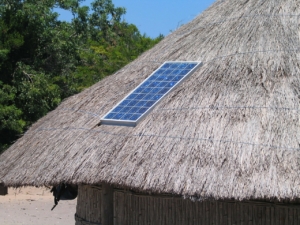
Renewable Energy in NigeriaNigeria, Africa’s largest economy and most populous nation faces a deep-rooted energy crisis. More than 85 million Nigerians, nearly 43% of the population, lack access to grid electricity. Rural areas are the worst affected, often relying on kerosene, charcoal and expensive diesel generators. This not only harms health and the environment but also perpetuates poverty and economic stagnation. As the global shift toward cleaner energy accelerates, Nigeria has started implementing innovative off-grid solutions to bring light to its darkest corners.

The Untapped Potential of Renewable Energy in Nigeria

Nigeria possesses vast renewable energy potential, particularly in solar energy. The country receives an average of 5.5 kWh/m²/day of solar irradiation, making it one of the most promising locations for solar energy development on the continent. However, until recently, this potential was largely untapped due to weak infrastructure, limited investment and policy gaps. In response, the Nigerian government and development partners are now leveraging this resource to establish decentralized solar systems, solar home kits and hybrid mini-grids as the backbone of rural electrification.

Overcoming Structural Barriers

Despite progress, Nigeria’s rural electrification efforts face persistent challenges. Many remote areas lack basic infrastructure like roads and telecommunications, complicating the delivery and maintenance of energy solutions. Financing remains a hurdle for both consumers and project developers.

Additionally, Nigeria’s regulatory landscape can be slow and fragmented, delaying project approvals. Weak grid infrastructure in urban areas also poses a barrier to expanding hybrid models that integrate renewables with the national grid. For Nigeria to meet its electrification goals, it has to streamline permitting processes and provide greater access to green finance.

The Power of Public-Private Collaboration

The success of Nigeria’s renewable energy drive lies in the strength of its public-private partnerships. Companies like Rubitec Solar, PowerGen Renewable Energy and Husk Power Systems collaborate with communities to install and operate mini-grids using a pay-as-you-go (PAYG) model. This approach lowers entry costs for rural users while ensuring systems are financially sustainable.

These companies also provide training to local technicians, fostering job creation and community ownership. Donor agencies such as USAID and the U.K.’s Department for International Development (DFID) help de-risk these projects through grants and technical support. PowerGen Renewable Energy, for instance, has been instrumental in expanding access to electricity in rural Nigeria. In partnership with international investors, PowerGen launched a distributed renewable energy platform aimed at deploying 120 MW of renewable power solutions, including battery energy storage, across Africa.

The initial focus is on Nigeria, Sierra Leone and the Democratic Republic of the Congo, with plans to expand further across the region. This initiative is supported by the African Development Bank’s Sustainable Energy Fund for Africa (SEFA), the Private Infrastructure Development Group (PIDG), the Danish Investment Fund for Developing Countries (IFU) and the European Development Finance Institutions (EDFI) Management Company. The platform is expected to serve nearly 70,000 households, enhancing electricity access and stimulating local economies.

Aligning With Nigeria’s Climate Commitments

In addition to its profound social and economic benefits, renewable energy stands as a cornerstone of Nigeria’s climate resilience and low-carbon development strategy. As a signatory to the Paris Agreement, Nigeria reaffirmed its climate commitment by submitting an updated Nationally Determined Contribution (NDC) to the United Nations Framework Convention on Climate Change (UNFCCC) in July 2021. This revised NDC commits the country to a 20% reduction in greenhouse gas (GHG) emissions by 2030, relative to business-as-usual projections and up to a 47% reduction with adequate international financial and technical support.

This ambitious climate pledge places renewable energy at the center of national mitigation strategies. Renewable energy technologies, particularly solar, wind and small hydro, produce virtually zero GHG emissions during operation. Their widespread adoption not only displaces high-emission diesel and petrol generators, which are commonly used for backup and off-grid electricity in Nigeria but also contributes to reducing localized air pollution and related public health risks. The expansion of solar infrastructure is particularly critical. It reduces reliance on fossil fuels, enhances national energy security and shields the economy from the volatility of international oil markets, a significant concern for a country that remains heavily dependent on oil revenues.

To enable this transition, Nigeria has adopted several supportive policies and institutional reforms, including Nigeria’s 2022 Energy Transition Plan (ETP), the first in Africa. ETP sets out a clear roadmap to achieve net-zero emissions by 2060. It outlines targets such as achieving 30% renewable energy in the electricity mix by 2030. These commitments are bolstered by partnerships with international organizations such as the United Nations Development Programme (UNDP) through its Climate Promise initiative, the World Bank and the African Development Bank. Such partnerships are mobilizing investment and technical expertise to scale renewable energy solutions, improve regulatory environments and drive innovation in climate-smart technologies.

A Brighter Path Forward

Access to reliable electricity is not just about powering light bulbs; it’s about unlocking human potential. Electrified communities experience improved health care, enhanced gender equality and increased school retention. Farmers utilize solar-powered irrigation and cold storage to reduce post-harvest losses and boost income. Women can cook safely with electric stoves, reducing hours spent collecting firewood. Microenterprises, from phone charging stations to poultry farms, flourish with a constant power supply.

The Nigerian government’s National Energy Compact aims to accelerate electricity access from 4% to 9% per annum and increase the share of renewable energy in the generation mix from 22% to 50% by 2030. This ambitious plan underscores the critical role of energy access in achieving broader development objectives. Furthermore, the Sustainable Energy for All (SEforALL) initiative’s Rapid Assessment and Gap Analysis highlights the need for coordinated efforts to address energy access disparities in Nigeria.

By investing in decentralized renewable energy solutions, Nigeria could make significant strides toward universal energy access and sustainable development.

– Kenneth Ebhomeye Oko-Oboh

Kenneth is based in Toronto, Ontario, Canada and focuses on Technology and Solutions for The Borgen Project.

Photo: Needpix

July 17, 2025
https://borgenproject.org/wp-content/uploads/borgen-project-logo.svg 0 0 Hemant Gupta https://borgenproject.org/wp-content/uploads/borgen-project-logo.svg Hemant Gupta2025-07-17 03:00:052025-07-17 01:09:27Rural Communities and Renewable Energy in Nigeria
Children, Global Poverty, Technology

Digital Birth Registration in Nigeria

Digital Birth Registration in NigeriaIn Nigeria, more than 50% of children under 5 years old remain unregistered at birth, leaving more than seven million children without legal identity or access to essential services. Without formal documentation, these children often cannot receive vaccinations, enroll in school or access societal protection programs. Birth registration is a fundamental right under the Convention on the Rights of the Child. It plays a critical role in protecting children from trafficking, child labor and early marriage. However, digital birth registration in Nigeria is a powerful tool for addressing this gap.

In partnership with UNICEF and the National Population Commission (NPC), the Nigerian government has launched an ambitious initiative to digitize birth registration in Nigeria. It aims to do this through an integrated Electronic Civil Registration and Vital Statistics (e-CRVS) system. The program aims to register more than nine million under 5 children and five million infants using mobile devices and a cloud-based digital database.

How Digital Registration Works

The pilot phase of the e-CRVS program was active at test sites in Nasarawa, Lagos, Kano, Borno and Enugu states, where local health facilities and mobile teams register children at the point of care. Digital tables and software allow frontline workers to capture live birth data and instantly generate certificates. The system is linked to Nigeria’s National Identity Number (NIN) platform, operated by the National Identity Management Commission (NIMC), ensuring each child receives a permanent identity number for life.

This integration allows public institutions to cross-reference birth records with healthcare, immunization and education systems. It also makes tracking child development easier, planning vaccine campaigns and ensuring social services reach the most vulnerable.

Health Benefits of Legal Identity

A legal identity is not just a certificate but a gateway to health equity. According to UNICEF, children enrolled through digital birth registration in Nigeria are more likely to be vaccinated, receive medical care earlier and attend school. In regions with low birth registration, health systems often struggle to track and follow up with children who miss vaccines or drop off routine care schedules.

Digital birth registration allows real-time data to be shared with national immunization registries, helping ministries of health identify gaps, forecast demand and avoid supply chain breakdowns. This is particularly crucial in rural areas where children are most at risk of preventable disease and malnutrition.

Supporting Sustainable Development Goals

Nigeria’s digital birth registration initiative aligns with Sustainable Development Goal (SDG) 16.9, which calls for providing legal identity for all, including birth registration, by 2030. The initiative also contributes to broader SDGs focused on child health (SDG 3), inclusive education (SDG 4) and gender equality (SDG 5) by ensuring that girls and boys alike are counted and protected from birth.

Final Remarks

According to the latest edition of the ID4D Global Dataset, approximately 1.25 billion people do not have a digitally verifiable identity, primarily due to documentary requirements and distance to registration points. Many of these people reported the consequences following them into adulthood through financial and technological barriers. Nigeria’s scalable model could serve as a blueprint for other low and middle-income countries seeking to close the identity gap.

By digitizing birth registration, Nigeria is improving access to basic health and education services and restoring visibility, dignity and protection to millions of children who have long been left out of the system. As implementation continues, the program could reshape how governments track child welfare, deliver public services and uphold the rights of every child, starting from day one.

– Rebecca Lee

Rebecca is based in Scotland and focuses on Technology and Global Health for The Borgen Project.

Photo: Flickr
July 10, 2025
https://borgenproject.org/wp-content/uploads/borgen-project-logo.svg 0 0 Hemant Gupta https://borgenproject.org/wp-content/uploads/borgen-project-logo.svg Hemant Gupta2025-07-10 07:30:362025-07-10 02:18:52Digital Birth Registration in Nigeria
Africa, Global Poverty, Humanitarian Aid

The Impact of Aid on Internally Displaced Persons in Benue

Internally Displaced Persons in BenuePoverty in Nigeria is on the rise, particularly in the North Central region of Benue State, which has endured persistent killings, clashes and displacement for many years. This has resulted in thousands of residents becoming homeless and trapped in cycles of hunger. Both international and local organizations play a crucial role in addressing and alleviating the ongoing crises in this region of Nigeria.

About Benue State

Benue State was established on February 3, 1976, during the reorganization of Nigeria’s states. It was carved out from the former Benue-Plateau State. With more than 30 distinct ethnic groups, including the Tiv, Idoma, Igede and other indigenous communities, Benue boasts a rich cultural tapestry, each contributing its language, customs and artistic expressions.

For decades, the region has been marred by crises, including violent clashes between farmers and herders, which have significantly contributed to the rise of poverty in Nigeria. A particular episode occurred in 2012, known as the “Agatu Massacre,” which persisted until 2016. This conflict between native Idoma farmers and Fulani herders in the Agatu Local Government Area resulted in the loss of approximately 3,920 lives between 2013 and 2017, with an additional 2,000 individuals succumbing to internally displaced person (IDP) camps.

The Benue Crisis

The Benue crisis has continued to escalate, with numerous incidents reported over the years. Notably, in June 2025, about 200 individuals, including IDPs, were killed in the Yelewata and Daudu communities within the Guma Local Government Area. As of 2024, the number of internally displaced persons in Benue has surged to about two million, increasing poverty in the region by preventing people from working and children from attending school, among others.

Local Impact on Internally Displaced Persons

Local humanitarian organizations, including the National Emergency Management Agency (NEMA), the Benue State Emergency Management Agency (BSEMA), the Nigerian Red Cross Society and various security agencies, have collaboratively conducted a rapid needs assessment to facilitate the distribution of essential relief materials. These materials include bags of parboiled rice, maize, spaghetti, vegetable oil, seasoning cubes, tomato paste, iodized salt and nonfood items like mattresses.

On its part, the Foundation for Justice Development and Peace (FIDP) has made significant contributions to the welfare of IDPs in the Guma Local Government Area. It has provided vital support, including constructing an optimized toilet block, solar-powered lighting and a solar-powered borehole for the Daudu 1 and Gbajimba 2 IDP camps. These facilities were developed with generous support from Catholic Relief Services (CRS) to end poverty in those areas.

Furthermore, in January 2025, Benue State Governor Rev. Fr. Hyacinth Alia launched a comprehensive five-year action plan to enhance IDPs’ livelihoods. This initiative includes the establishment of 210 farmers’ cooperatives across all camps in the state, which will benefit more than 4,200 IDPs. The program is designed to provide extensive training in cultivating rice, maize, cassava and vegetables, covering all stages of agricultural production.

International Impact on Internally Displaced Persons in Benue

In addition to local interventions to support IDPs, international organizations such as the International Organization for Migration (IOM) and the United Nations High Commissioner for Refugees (UNHCR) have collaborated to produce a biometric registration progress report. This report reveals verified figures indicating that there are currently 184,711 IDPs across 48,163 households in Benue State.

Notably, 86% of these individuals are women and children, with a demographic breakdown of 56% female, 44% male, 5% elderly, 12% classified as vulnerable and 16% children under five. These statistics were derived from six Local Government Areas (LGAs) identified as having IDPs, based on the Displacement Tracking Matrix (DTM) Round 11 conducted in March 2023.

As of 2025, the IOM has reported an expansion in the locations covered, with 31 new sites added to the 65 previously documented in 2024. This expansion has resulted in an additional 26,165 IDPs being recorded. While the overall distribution of demographics remains consistent, there has been a notable change in the percentage of individuals classified as vulnerable from 12% to 13%.

Utilizing the IOM biometric report, the United Nations Children’s Fund (UNICEF) actively supports the residents of Benue State through various programs, psychosocial resources and counseling initiatives.

Final Remarks

Despite ongoing local and international efforts, the humanitarian crisis in Benue State remains far from over. As displacement continues to rise and resources fall short, sustained support and decisive government action are urgently needed to restore hope and dignity to millions of affected lives.

– Damilola Bukola Omokanye

Damilola is based in Abuja, Nigeria and focuses on Good News for The Borgen Project.

Photo: Flickr

July 9, 2025
https://borgenproject.org/wp-content/uploads/borgen-project-logo.svg 0 0 Hemant Gupta https://borgenproject.org/wp-content/uploads/borgen-project-logo.svg Hemant Gupta2025-07-09 03:00:012025-07-08 14:05:37The Impact of Aid on Internally Displaced Persons in Benue
Economy, Global Poverty, Migration

The Divide Between Wealth and Poverty in Abuja

poverty in abujaNigeria, Africa’s most populous nation, has one of the youngest populations in the world, with more than 50% of its citizens aged less than 30. However, survival is a daily struggle for the majority due to limited opportunities and weak job creation. Nigeria’s social and economic situations have made migration attractive to the youth, with more than 3.6 million Nigerians leaving the country between 2022 and 2023.

Similarly, internal migration has become a growing trend in Nigeria, as those without the means to move abroad relocate to urban centers in pursuit of greener pastures. According to the United Nations (U.N.), approximately 49% of Nigerians now live in urban areas compared to 16% in 1960, highlighting the significant shift toward urbanization over the decades.

Internal Migration to Abuja

With terrorism, banditry and kidnappings in the north, along with separatist agitations in the southeast, internal migration to Abuja has been on the rise, especially among those who prefer it over Lagos. Abuja, Nigeria’s capital, is often seen as a city of wealth and opportunity. Skyscrapers, luxury estates and high-end shopping malls paint a picture of prosperity. However, beyond this facade lies a harsh reality for many residents. While the city continues to grow economically, this growth benefits only a small fraction of the population.

Poverty in Abuja

For the majority, poverty in Abuja is a daily struggle. Following a change in administration in 2023, Nigeria’s government removed fuel subsidies and floated the currency, increasing the nation’s inflation rate to more than 30% in September 2024. The government announced a new minimum wage of $43 per month in July 2024 to ease the financial burden on its citizens. However, it has yet to be implemented for primary school teachers and nurses in the Federal Capital Territory (FCT).

Consequently, more than 50% of people living in Abuja experience poverty, according to the Global Data Lab. Low-income earners, including cleaners and security guards, are the most vulnerable. Housing costs are exorbitant, with rents for studio apartments in Abuja ranging from $1,000 to more than $1,300 per year. Meanwhile, the average Nigerian employee earns less than $1,000 annually, forcing many into overcrowded slums or makeshift housing.

Despite Abuja’s reputation as a thriving metropolis, its wealth remains concentrated in the hands of a few, leaving the rest to struggle to make ends meet.

No Middle Ground

Abuja’s wealth gap is striking. In upscale areas like Asokoro and Maitama, luxury cars ply smooth roads, while nearby communities like Mpape and Dakibiyu struggle with poor infrastructure, scarce clean water and unreliable electricity. This stark contrast reflects the deep economic divide, where prosperity is concentrated among the few while many struggle to make ends meet.

The wealthiest 20% of Nigerians control 42% of the national income, while the most impoverished 20% share a mere 7%. This imbalance suggests that economic opportunities are disproportionately accessible to the affluent, leaving a significant portion of the population struggling to ascend the economic ladder.

Increased inflation has reduced purchasing power, making necessities harder to afford. The financial strain has sparked public outcry, with protests in major cities, including Abuja, as citizens demand relief from soaring living costs.

Can Change Come?

The Federal Government of Nigeria has implemented several economic reforms, including devaluing the Naira to stabilize the economy. However, these measures have also contributed to increased living costs, prompting debates about their efficacy and impact on the vulnerable population, especially those in the informal sector.

Therefore, nongovernmental organizations (NGOs) like Oxfam have highlighted the urgency of implementing progressive taxation and increasing social investments to bridge the widening economic divide. In pursuit of this goal, Oxfam actively works to enhance livelihoods, promote gender equality, strengthen governance and deliver humanitarian aid, all while creating sustainable economic opportunities for vulnerable populations.

Another NGO, the Ambience of Hope Exceptional Foundation, launched Operation Feed Abuja Municipal Area Council in December 2023, targeting vulnerable people in the city. The foundation distributed food items, sewing machines, generators, wheelbarrows, hair dryers, grinding machines, and more to uplift residents. Similarly, in 2024, the World Bank committed $12.2 billion to Nigeria’s economy to drive diversified growth, job creation and social inclusion, focusing on youth, women and marginalized communities.

Conclusion

While Abuja stands as a symbol of Nigeria’s aspirations and growth, it also embodies the profound challenges of economic inequality. Observing the city’s dual realities underscores the pressing need for policies that foster inclusive growth, ensuring that prosperity is accessible to all residents, reducing poverty in Abuja.

– Staff Reports
Photo: Flickr

June 27, 2025
https://borgenproject.org/wp-content/uploads/borgen-project-logo.svg 0 0 Hemant Gupta https://borgenproject.org/wp-content/uploads/borgen-project-logo.svg Hemant Gupta2025-06-27 07:30:092025-06-27 02:30:57The Divide Between Wealth and Poverty in Abuja
Africa, Global Poverty, Inequality

Ending Poverty in Nigeria by 2050

Ending Poverty in NigeriDespite Nigeria’s rich natural and human resources, including crude oil, coal, marble and gold, poverty remains one of the most pressing challenges. According to a National Bureau of Statistics (NBS) report, 40.1% of the population lives in poverty. This statistic indicates that, on average, four out of 10 individuals in Nigeria have real per capita expenditures that fall below $87.47 annually. Consequently, this translates to more than 82.9 million Nigerians considered poor by national standards.

However, with a strategic vision and well-defined government policies, ending poverty in Nigeria by 2050 is achievable. Collaborative efforts from the Nigerian populace will also play a crucial role. This goal is essential for achieving sustainable development.

Root Causes of Poverty in Nigeria

The root causes of poverty in Nigeria include:

  • Economic Underdevelopment and Lack of Diversification. Nigeria’s economy is predominantly dependent on oil, which has resulted in a significant lack of diversification and heightened vulnerability to global price fluctuations. This over-reliance on a single commodity stifles job creation and economic growth, ultimately affecting the overall standard of living for the population.
  • Corruption. Corruption remains a major obstacle to development in Nigeria, costing the country $550 billion since independence. According to Transparency International’s 2023 Corruption Perceptions Index, Nigeria ranked 145th out of 180 countries, reflecting persistent governance challenges. Corruption undermines public service delivery, diverts infrastructure, health and education funds and worsens poverty by restricting access to basic services.
  • Income Inequality. Income inequality in Nigeria remains a pressing issue, with the top 10% earning 14 times more than the bottom 50%. Nigeria’s Gini coefficient of 35.1 reflects a significant disparity in wealth distribution. This inequality limits social mobility and access to opportunities, reinforcing poverty, especially in rural areas.

Policy Initiatives to End Poverty in Nigeria

The Nigerian government has developed a strategic vision and key policy initiatives to end poverty in Nigeria. This includes a minimum wage increase from $19.23 to $44.86 in 2024 for those in the formal sector. This policy is designed to enable workers to afford essential needs, particularly in light of rising prices.

Similarly, collaborative initiatives, such as the Three Million Tech Talents (3MTT) initiative, represent a proactive approach by the Nigerian government to cultivate a generation of tech-savvy youth. This program empowers young individuals, particularly in the technology and creative industries. It fosters strategic partnerships with international organizations and the private sector. These efforts are aimed at ending poverty in Nigeria by the year 2050.

Final Remarks

Current economic conditions, characterized by inflation, a high cost of living, increased electricity tariffs and rising prices, have significantly weakened the impact of the wage increase. Additionally, minimum wage laws mainly apply to formal sector workers. This leaves much of the informal workforce uncovered, limiting the overall effectiveness of the policy. Therefore, ending poverty in Nigeria requires effectively enforcing the proposed minimum wage increase across both formal and informal sectors.

– Damilola Bukola Omokanye

Damilola is based in Abuja, Nigeria and focuses on Good News for The Borgen Project.

Photo: Pexels

June 12, 2025
https://borgenproject.org/wp-content/uploads/borgen-project-logo.svg 0 0 Hemant Gupta https://borgenproject.org/wp-content/uploads/borgen-project-logo.svg Hemant Gupta2025-06-12 01:30:172025-06-12 01:30:33Ending Poverty in Nigeria by 2050
Education, Global Poverty

Youth Empowerment in Nigeria: A Pathway to Stability and Growth

Youth Empowerment in NigeriaNigeria is a nation on the brink. With a population exceeding 227 million, more than 70% are under the age of 30. By 2050, Nigeria will likely have the third highest population in the world, surpassing the United States. Yet, the country faces a brewing demographic crisis: chronic youth unemployment, political disenfranchisement and rising insecurity threaten to ignite widespread unrest. Youth empowerment in Nigeria is no longer a development goal—it is a critical tool for national stability and economic growth.

Nationwide Youth Disillusionment

As of 2020, Nigeria’s youth unemployment rate hovered around 33.3% in 2020. This economic stagnation, paired with urban overcrowding and growing distrust in government institutions, has contributed to the rise of protests like #EndSARS and the spread of armed insurgency in northern regions.

The International Crisis Group has warned that Nigeria’s fragile social contract is under pressure, and that failure to provide meaningful opportunities for youth could destabilize West Africa’s largest democracy.

Investing in Peace Through Empowerment

Programs aimed at youth empowerment in Nigeria are increasingly viewed not only as developmental tools but as instruments of peacebuilding. One such effort is the Nigeria Jubilee Fellows Programme (NJFP), a government and UNDP initiative launched in 2021. The program offers year-long fellowships in private and public sector organizations for recent graduates, helping reduce the gap between education and employment. One measurable outcome of NJFP is that more than 20,000 fellows have been matched with host organizations across various sectors in Nigeria as of 2024.

Education Access and Human Development

Nigeria ranks 164h out of 191 countries on the United Nations Human Development Index (HDI) as of the 2023 report, placing it in the “low human development” category. The HDI measures key indicators such as life expectancy, education levels and gross national income per capita.

A closer look reveals that youth empowerment in Nigeria—or the lack thereof—is central to the country’s persistent development challenges. Youth represent the engine of national progress, yet many lack access to quality education, skills training or meaningful work. According to UNICEF Nigeria, around 10.5 million Nigerian children remain out of school, with many dropping out before completing a national secondary school education.

An initiative working to combat this is the Universal Basic Education Commission (UBEC), which partners with both federal and state governments to increase school enrollment through conditional cash transfers, free textbooks and girl-child education programs.

By investing in youth, Nigeria can significantly boost its HDI over time. Improvements in educational attainment, employment rates and health outcomes among young people directly translate to gains in national productivity, income growth and life expectancy. Empowering youth is not just social policy—it is a development strategy.

Long-Term Barriers to Empowerment

Despite promising initiatives, significant barriers remain. Many rural areas lack reliable electricity and internet connectivity—both of which are essential for participation in today’s digital economy. According to the International Telecommunication Union, only 12% of Nigerians have adequate access to the internet as of May 2022. 

Moreover, institutional bottlenecks and corruption continue to undermine youth-focused programs. Transparency International ranked Nigeria 145th out of 180 countries in its 2023 Corruption Perceptions Index.

Organizations like Tech4Dev and Andela are helping by building scalable programs that combine tech education with job placement services, particularly targeting underserved regions. These programs close the digital skills gap through scalable programs that merge education with employment opportunities, particularly for underserved communities.

Tech4Dev’s Digital for All Initiative

Tech4Dev’s Digital for All initiative emerged in partnership with Microsoft and Nigeria’s Federal Ministry of Communications and Digital Economy. It has provided basic to intermediate digital literacy training to more than 400,000 Nigerians with a strong focus on rural youth and women. The program includes job readiness tracks in areas such as cybersecurity, productivity tools and software development, with localized delivery to improve accessibility across all six geopolitical zones in Nigeria.

Andela’s Learning Community

With support from Google and Facebook, Andela’s Learning Community (ALC) offers intensive technical training in software engineering, product design and cloud computing. Since its inception, ALC has trained more than 100,000 young Africans with many participants securing freelance and full-time roles with global tech firms. The community-driven model allows learners to access mentorship, peer support and employment pipelines from entry-level to senior roles.

These initiatives not only equip youth with relevant, future-proof skills but also serve as bridges to employment, helping to reduce inequality and support Nigeria’s transition toward a knowledge-based economy.

Conclusion: Youth or Chaos

Nigeria stands at a major crossroad. Ignoring its burgeoning youth population invites instability. Empowering its young population—through targeted investments in education, jobs and leadership—can not only lift millions out of poverty but also prevent the next generation from resorting to violence. With the right support, Nigeria’s youth can become its greatest asset—not its greatest risk.

– Kenneth Oko-Oboh

Kenneth is based in Toronto, Ontario, Canada and focuses on Technology and Solutions for The Borgen Project.

Photo: Flickr

June 11, 2025
https://borgenproject.org/wp-content/uploads/borgen-project-logo.svg 0 0 Jennifer Philipp https://borgenproject.org/wp-content/uploads/borgen-project-logo.svg Jennifer Philipp2025-06-11 01:30:552025-06-11 00:49:13Youth Empowerment in Nigeria: A Pathway to Stability and Growth
Page 4 of 11«‹23456›»

Get Smarter

  • Global Poverty 101
  • Global Poverty… The Good News
  • Global Poverty & U.S. Jobs
  • Global Poverty and National Security
  • Innovative Solutions to Poverty
  • Global Poverty & Aid FAQ’s
Search Search

Take Action

  • Call Congress
  • Email Congress
  • Donate
  • 30 Ways to Help
  • Volunteer Ops
  • Internships
  • Courses & Certificates
  • The Podcast
Borgen Project

“The Borgen Project is an incredible nonprofit organization that is addressing poverty and hunger and working towards ending them.”

-The Huffington Post

Inside The Borgen Project

  • Contact
  • About
  • Financials
  • President
  • Board of Directors
  • Board of Advisors

International Links

  • UK Email Parliament
  • UK Donate
  • Canada Email Parliament

Get Smarter

  • Global Poverty 101
  • Global Poverty… The Good News
  • Global Poverty & U.S. Jobs
  • Global Poverty and National Security
  • Innovative Solutions to Poverty
  • Global Poverty & Aid FAQ’s

Ways to Help

  • Call Congress
  • Email Congress
  • Donate
  • 30 Ways to Help
  • Volunteer Ops
  • Internships
  • Courses & Certificates
  • The Podcast
Scroll to top Scroll to top Scroll to top