• Link to X
  • Link to Facebook
  • Link to Instagram
  • Link to TikTok
  • Link to Youtube
  • About
    • About Us
      • President
      • Board of Directors
      • Board of Advisors
      • Financials
      • Our Methodology
      • Success Tracker
      • Contact
  • Act Now
    • 30 Ways to Help
      • Email Congress
      • Call Congress
      • Volunteer
      • Courses & Certificates
      • Be a Donor
    • Internships
      • In-Office Internships
      • Remote Internships
    • Legislation
      • Politics 101
  • The Blog
  • The Podcast
  • Magazine
  • Donate
  • Click to open the search input field Click to open the search input field Search
  • Menu Menu

Tag Archive for: Poverty In Nigeria

Posts

Development, Foreign Relations, Global Poverty

Nigeria’s Nonoil Exports Reach $4.52 Billion

Nigeria's Nonoil Exports Reach $4.52 BillionNigeria, naturally endowed with various resources, has the potential to rank among the world’s top emerging economies. Unfortunately, the nation has not fully capitalized on the economic prosperity expected from such wealth. Global economic indices from reputable international organizations consistently categorize it as an underperforming economy. For instance, in 2005, the UNDP Human Development Index placed the country 164th among 197 nations for low per capita income and 141st for low quality of life. Research using the ARDL approach indicates that with proper management, Nigeria’s nonoil exports could significantly reduce poverty, transform rural areas, create jobs, ensure food security and improve the nutritional health of its people, similar to the oil sector.
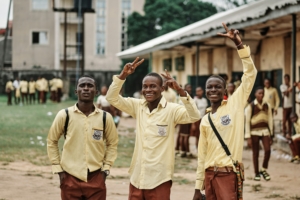
Growth Through Nonoil Exports

Nigeria’s recent surge in nonoil exports represents a vital boost for the national economy and a significant step toward poverty alleviation. By expanding nonoil exports, Nigeria is creating new job opportunities, encouraging local industry growth and reducing its dependence on oil, often subjecting it to volatile global oil prices. This economic diversification strengthens the country’s resilience against economic shocks. It helps lift many Nigerians out of poverty by providing more consistent income sources in agriculture, manufacturing and other nonoil sectors.

In 2023, Nigeria’s nonoil export sector surged, achieving a total export value of $4.52 billion from 6.685 million metric tonnes of products. This 28.04% increase from the previous year underscores Nigeria’s focused efforts to reduce its reliance on oil and diversify its economy. The Nigerian Export Promotion Council (NEPC) celebrated this achievement at a recognition dinner in Lagos, attended by major stakeholders in the nonoil sector.

International Trade Agreements

Nonye Ayeni, the Executive Director/CEO of the Nigerian Export Promotion Council (NEPC), recently highlighted the success of Nigeria’s nonoil exports in 2023, which showcased the country’s capacity to diversify its economy. Nigeria exported more than 273 unique products, including urea, cocoa beans, sesame seeds, soybeans, gold ore, cashew nuts, aluminum ingots and hibiscus flowers, to various global markets, significantly bolstering its foreign exchange inflows and supporting the naira’s stability. This growth in Nigeria’s nonoil export sector marks a promising shift, underscoring the potential to generate sustainable revenue beyond oil.

Further reinforcing this strategic focus, Dr. Doris Uzoka-Anite, Minister of Industry, Trade and Investment, discussed Nigeria’s recent trade agreements with nations such as the United Kingdom, the United States, China and India. These agreements aim to remove trade barriers and open international markets, supporting the growth of Nigeria’s nonoil exports. The government has also bolstered this sector by improving exporters’ access to financing through partnerships with the Bank of Industry (BOI) and Nexim Bank, offering single-digit interest rates to support their expansion. This comprehensive approach demonstrates Nigeria’s commitment to fostering an economically resilient nonoil sector, pivotal for stabilizing the country’s long-term economic growth trajectory.

The “Double Our Nonoil Export, DONE” Initiative

The Nigerian Export Promotion Council (NEPC) has launched the “Double Our Nonoil Export, DONE” initiative, which aims to bolster Nigeria’s nonoil export sector. Nonye Ayeni, the Executive Director/CEO of NEPC, highlighted that this initiative aligns with the country’s economic revitalization strategy, focusing on key objectives such as job creation, poverty alleviation and sustainable economic growth. The plan includes prioritizing 20 key products, supporting 10 leading exporters for each product and identifying five international markets for expansion.

The Export Support Officers (ESO) program, a significant aspect of this initiative, assigns dedicated officers to help major exporters overcome operational challenges. This program is expected to streamline business processes, further enabling Nigerian exporters to strengthen their presence in international markets. Through these ongoing efforts, Nigeria’s nonoil export sector is positioned for growth, enhancing the country’s economic stability and resilience, which in turn enhances living standards and economic stability for communities, ultimately contributing to poverty reduction.

Government Support for Export Manufacturing

At the event, Uzoka-Anite commended the achievements of the top 30 companies involved in export manufacturing, emphasizing that the government would continue to encourage industrialization and processing of raw materials for export. Such strategies, she argued, increase revenue and create employment opportunities. The government also introduced tax credits, reduced tariffs and other incentives to ensure the continued growth of the nonoil sector. “We want to enhance our industrialization efforts and support businesses by offering access to financing, market entry support and operational resources,” Uzoka-Anite explained.

The NEPC’s latest achievements in nonoil trade reflect Nigeria’s ability to become a competitive player in global markets. The efforts to prioritize value-added sectors indicate a clear direction in Nigeria’s economic transformation strategy, which aligns with the country’s broader industrial and trade goals.

Nigeria’s Path to a More Diversified Economy

Nigeria’s Path to a More Diversified Economy The nonoil sector has been a focal point in government policy, as the country aims to reduce its vulnerability to the fluctuations of oil prices on the global market. By boosting sectors such as agriculture and manufacturing, Nigeria is establishing a more sustainable path for long-term economic growth. The NEPC’s investment in quality standards and enhanced market access for Nigerian goods reflects the agency’s commitment to enhancing the global competitiveness of the country’s nonoil exports. 

The recent success in nonoil exports, as recognized by the nation, is that Nigeria is on the right track. Ayeni expressed her optimism about the future of the sector, commending the resilience of Nigerian exporters and the critical role they play in diversifying the economy. As Nigeria continues to attract foreign investment and prioritize nonoil products, the country’s economic landscape is poised for substantial growth in the coming years.

Building on Progress

Nigeria’s nonoil export growth has set a new precedent for economic diversification in the country. With initiatives like the DONE program, partnerships with financial institutions and government support for exporters, Nigeria is laying the foundation for a rich and diversified economy. As Ayeni and Uzoka-Anite emphasized, the government and the NEPC are committed to creating an environment conducive to export growth, marking a promising future for Nigeria’s nonoil sector.

– Alaya Laila

Alaya is based in Abuja, Nigeria and focuses on Business and New Markets for The Borgen Project.

Photo: Flickr

December 1, 2024
https://borgenproject.org/wp-content/uploads/borgen-project-logo.svg 0 0 Precious Sheidu https://borgenproject.org/wp-content/uploads/borgen-project-logo.svg Precious Sheidu2024-12-01 07:30:452024-12-01 00:24:15Nigeria’s Nonoil Exports Reach $4.52 Billion
Africa, Global Poverty, Nonprofit Organizations and NGOs

A Healthier Future: YEDI Is Empowering Adolescents in Nigeria

Adolescents in NigeriaYouth Development and Empowerment Initiative (YEDI) is a Nigerian nonprofit organization that delivers evidence-based programs aimed at building young people’s health assets, improving access to health services and promoting adherence to healthy behaviors. Since 2011, YEDI has been tackling the significant challenges faced by adolescents and young people in Nigeria.

These challenges include mental health issues, accessing sexual and reproductive health and rights (SRHR) information and services and a lack of quality information about SRHR. YEDI’s commitment to empowering young people is evident through its partnerships and programs, advancing adolescent health and well-being across the country. Through its various programs, YEDI has impacted more than 458,560 young people across Lagos, Kano, Abuja, Akwa Ibom and Rivers State.

The SKILLZ Program

Since 2012, YEDI has partnered with Grassroot Soccer (GRS) to implement the SKILLZ program in Nigeria. The program is delivered through fixed and outreach sites, which serve as safe spaces for young people aged 10-24, as well as the broader population in underserved communities. YEDI’s interventions provide comprehensive sexual and reproductive health education and services, equipping young people to make informed decisions about their health and future. The SKILLZ program also promotes gender equality, empowering young women and girls, as well as young men and boys, to become leaders and advocates within their communities.

The SKILLZ program has impacted at least 370,000 adolescents by providing comprehensive information and services related to SRHR, gender-based violence, gender equality, mental health and substance abuse prevention and treatment. YEDI collaborates with partners across diverse thematic areas, including gender-based organizations, to ensure that survivors of abuse and individuals in need of health care services, such as those requiring HIV/AIDS care, receive adequate counseling, support and treatment. Through its programs, YEDI has referred more than 56,000 people for proper care and treatment, helping them along their recovery journey.

Cultivating Safe Spaces for Young People

YEDI was also part of the consortium that implemented the USAID-funded Youth Powered Ecosystem for Adolescent Health (YPE4AH) project. This initiative aimed to improve the health and well-being of urban, underprivileged, out-of-school and unmarried adolescents aged 15–19 in Kano and Lagos. As part of the project, YEDI established and managed six youth-friendly centers in these cities, which played a crucial role in developing life skills for more than 66,000 out-of-school adolescents in Nigeria.

In addition, YEDI has extensive experience in creating safe spaces for young people. Since 2015, YEDI has managed seven Hello Lagos Youth Friendly Centers in partnership with the Lagos Ministry of Health and the United Nations Population Fund (UNFPA), benefiting about 1,000 young mothers and 100,000 adolescents in Lagos State.

Using Soccer to Engage Adolescents

YEDI uses soccer as a natural hook to engage adolescents on issues related to their health and relationships, identifying innovative ways for them to become champions within their communities. YEDI’s programs are designed to reflect the needs, interests and behaviors of young people while strengthening their SRHR and life skills. Both trained female and male “near-peer” coaches deliver the evidence-based and age-appropriate SKILLZ curriculum, which integrates soccer language, metaphors and activities to promote reflection on gender norms, goal setting and achievement.

The BEAT NTD Project

To combat neglected tropical diseases (NTDs) in Nigeria, YEDI implemented the “BEAT NTD” project in Lagos and Rivers states. This initiative resulted in a 45% increase in awareness and knowledge about NTD prevention and mitigation, improved access to health care and a 10% reduction in the prevalence of NTDs. The project successfully reached a total of 3,101 adolescents in the targeted communities, contributing to better health outcomes in these areas.

Furthermore, the organization actively participates in key networks and community bodies, including the Lagos State Adolescent Health and Development Technical Working Group, the Child Protection Network and the Society for Adolescent and Young People’s Health in Nigeria. These engagements strengthen YEDI’s capacity for impactful collaboration, advocacy and knowledge-sharing, all aimed at advancing adolescent health and well-being across the country.

Conclusion

YEDI plays a vital role in improving the health and well-being of adolescents in Nigeria. By creating safe spaces and engaging youth in meaningful discussions, the organization empowers the next generation to become advocates for their health and communities, paving the way for a brighter and healthier future.

– Staff Reports
Photo: Unsplash

November 24, 2024
https://borgenproject.org/wp-content/uploads/borgen-project-logo.svg 0 0 Hemant Gupta https://borgenproject.org/wp-content/uploads/borgen-project-logo.svg Hemant Gupta2024-11-24 01:30:552024-11-24 01:24:36A Healthier Future: YEDI Is Empowering Adolescents in Nigeria
Disability, Global Poverty, Nonprofit Organizations and NGOs

Bina Foundation: Promoting Inclusivity for PWDs in Nigeria

PWDs in NigeriaDespite various legal frameworks, many persons with disabilities (PWDs) in Nigeria face limited opportunities and widespread neglect, hindering their ability to participate fully in society. This issue is significant, as PWDs represent a large and often invisible population that continues to encounter barriers to inclusion. The problem extends to all sectors of society, affecting not only PWDs but also their families and communities.

Bina Foundation works to bridge these gaps by advocating for inclusive policies, providing skills development and economic empowerment programs, offering healthcare and psychosocial support and fostering greater awareness of the rights of PWDs. Its goal is to create a more inclusive society where every individual, regardless of ability, has the opportunity to lead a life of dignity and purpose. By doing so, it aims to increase the inclusivity of PWDs while making them economically self-reliant.

Addressing the Marginalization of PWDs in Nigeria

Bina Foundation is committed to addressing the marginalization of PWDs in Nigeria through inclusivity, empowerment and community-driven solutions. The organization believes meaningful change begins with understanding the unique challenges PWDs face, which is why it prioritizes direct engagement with individuals and communities.

The Foundation’s approach combines advocacy, capacity building and service delivery, ensuring that PWDs not only access essential resources but also gain the skills and confidence needed to thrive independently. It offers comprehensive training in skills acquisition, from computer literacy to vocational trades, empowering PWDs to become self-reliant. Additionally, the initiative provides grants, equipment and psychosocial support to sustain their progress long after the programs conclude.

Furthermore, the nonprofit incorporates sports and recreational activities into its interventions. Sports can be a powerful tool for promoting physical, emotional and social well-being, especially for PWDs. The organization’s specialized sports programs, including blind football, goalball, judo and blind powerlifting, not only promote fitness but also help PWDs build confidence, reduce anxiety and combat social isolation. Through this inclusive and multifaceted approach, it is gradually breaking down the barriers that prevent PWDs in Nigeria from leading fulfilling lives.

Empowering Vulnerable Populations

Bina Foundation has empowered many to overcome significant challenges, one of the most notable being the case of the first-ever pharmaceutical graduate in a wheelchair at the University of Nigeria, Nsukka. Despite meeting the required cut-off mark to study pharmacy at the institution, he was initially denied admission due to his disability, as authorities questioned his ability to complete the course. Bina Foundation intervened, advocating for his right to pursue his dream. Today, he stands as an inspiring example of how determination and support can break down barriers, showing that physical disability should never limit one’s potential.

Beyond advocating for educational rights, Bina Foundation has significantly impacted the economic empowerment of vulnerable populations. It has helped thousands of widows and PWDs become economically self-reliant through various funding and skills development programs. For many widows, losing a spouse meant losing financial security, but through its initiatives, more than 1,000 widows and people with special needs have been given the opportunity to start and sustain their own businesses. In addition to financial support, the organization provided equipment and resources needed to ensure the long-term success of their ventures.

Impact on Blind Sports in Africa

Bina Foundation’s work extends to sports, where it has actively promoted inclusivity for people with special needs, particularly in blind sports. Its blind football and goalball teams have gained international recognition, participating in numerous championships. Bina Foundation teams have competed in events such as the Goalball Championship in Ghana, the 2019 IBSA competition, which was kicked off at Nnamdi Azikiwe Stadium in Enugu, Nigeria and the 2022 IBSA Blind Football African Championship in Morocco.

In addition, it proudly hosted the International Blind Football Association African Championship in 2021 in Enugu, Nigeria, marking a significant milestone for blind sports in the country. Its team also competed in the blind football competition in France. “We didn’t just train and send these athletes to compete; we ensured they had all the support they needed, from providing housing to covering their food and essential needs throughout the training period,” a foundation representative said. “Our efforts continue to empower people with disabilities, not just through immediate interventions but by providing long-term solutions that enable them to become economically independent and socially included.”

Final Remark

Bina Foundation is not just addressing immediate needs but is dedicated to building a future where PWDs, widows and vulnerable populations can thrive independently. It is passionate about creating an inclusive society where everyone has the opportunity to realize their full potential.

– Staff Reports
Photo: Flickr

November 23, 2024
https://borgenproject.org/wp-content/uploads/borgen-project-logo.svg 0 0 Hemant Gupta https://borgenproject.org/wp-content/uploads/borgen-project-logo.svg Hemant Gupta2024-11-23 01:30:252024-11-23 02:09:38Bina Foundation: Promoting Inclusivity for PWDs in Nigeria
Africa, Developing Countries, Global Poverty

AFRYDEV: Empowering Women and Youth in Northeastern Nigeria

AFRYDEVThe Northeastern geopolitical zone of Nigeria has been grappling with a severe crisis largely driven by the activities of Boko Haram, an Islamist terrorist jihadist organization. This violent extremist group has inflicted significant harm on innocent citizens. Boko Haram’s ideology is rooted in establishing a “pure” Islamic state governed by Sharia law.

The group’s operations have gained traction in the region due to a confluence of socioeconomic factors, including widespread poverty, hunger, lack of education and limited social development.

African Youth for Peace Development and Empowerment (AFRYDEV), a nongovernmental organization established in 2013, is actively addressing the escalating challenges of poverty, gender-based violence (GBV) and socioeconomic inequality in this region.

The Situation in Northeastern Nigeria

The Northeast, Nigeria’s largest geopolitical zone, has been a conflict zone since 2009 when Boko Haram declared its goal to form an Islamic State in the region. In response, in 2013, the Federal Government of Nigeria (FGN) declared a state of emergency and launched military operations in the area. However, as of 2019, the conflict has resulted in more than 35,000 deaths and displaced more than two million people, including women and children. Furthermore, more than eight million people in the region are in need of humanitarian aid.

With the extremist group still a threat, carrying out attacks across different villages in the Northeast, many families are struggling to meet their basic needs in the face of relentless insecurity. Poverty remains rampant, with many households lacking access to essential services such as health care, education and safe water, perpetuating a cycle of deprivation and social instability. The ongoing conflict has worsened vulnerabilities, particularly for women and girls, who face heightened risks of gender-based violence (GBV) and exclusion from economic opportunities.

AFRYDEV recognizes that these issues are intertwined and significantly hinder the potential for sustainable development and peace within these communities. Therefore, as a youth- and women-led organization, AFRYDEV is dedicated to tackling the critical issues of poverty and hunger through innovative and targeted interventions aimed at addressing the essential needs of insurgency-affected communities.

AFRYDEV’s Strategy

AFRYDEV employs a multifaceted approach to address the intertwined challenges of poverty, GBV and socioeconomic inequality in conflict-affected regions of Northeast Nigeria. Its strategy is rooted in community engagement, peacebuilding and socioeconomic development. The NGO actively involves local stakeholders, including women, youth, traditional leaders and government representatives, in the design and implementation of its programs. This participatory approach fosters ownership and ensures that AFRYDEV’s initiatives are responsive to the specific needs and aspirations of the communities it serves.

For instance, its Youth Peace Camp Project empowers vulnerable youth through leadership and civic engagement training. It also establishes youth community service clubs that promote active participation in local governance, creating a platform for transparency, accountability and collaborative nation-building. Similarly, through projects like the European Union’s Support to Early Recovery, AFRYDEV facilitates the reintegration of women and girls affected by Boko Haram, enhancing social cohesion while also providing vocational training and economic opportunities.

Additionally, AFRYDEV’s focus on gender-sensitive programming ensures that women and girls are not only protected from GBV but are also empowered to participate fully in economic and social life. By combining humanitarian assistance with capacity-building initiatives, the nonprofit aims to transform communities, promote social stability and pave the way for a more peaceful and equitable society in northeastern Nigeria.

Empowering Women and Youth

AFRYDEV has empowered more than 50,000 women and youths through various initiatives aimed at promoting active citizenship, leadership and skills development. The establishment of youth community service clubs has further strengthened community ties and encouraged active participation in local governance. In Yobe State, its collaboration with various stakeholders has led to the successful reintegration of more than 1,000 girls and women who were previously abducted by Boko Haram insurgents, highlighting the organization’s commitment to social acceptance and healing.

Furthermore, programs like ‘’Resilience Building through Livelihood’s Support to Promote Durable Solutions’’ have provided sustainable livelihood options through the restoration of market systems, protection and income generation starter packages to more than 10,000 people affected by the conflict. The Community Clean-up Project in Borno State has improved the physical environment and also fostered a sense of inclusion and economic opportunity among marginalized youth, thereby building trust within communities.

The outcomes of AFRYDEV’s efforts extend beyond immediate interventions, contributing to broader socioeconomic development and resilience in the region. Its focus on livelihood and economic empowerment has provided training and resources to vulnerable women and girls, enabling them to start their own businesses and contribute to their families’ incomes. This approach has led to improved economic stability and has equipped individuals with marketable skills, fostering long-term self-sufficiency.

Additionally, AFRYDEV’s training programs for community stakeholders have enhanced local capacities in conflict resolution and dialogue, facilitating sustainable peace and human rights advocacy. Overall, the positive changes brought about by AFRYDEV’s work are evident in the strengthened community relationships, increased engagement in governance and enhanced well-being of conflict-affected populations, ultimately contributing to a more peaceful and resilient society.

Final Note

AFRYDEV is committed to providing life-saving protection services to address the impact of the humanitarian crisis on vulnerable women, adolescent girls, boys and men in host communities, internally displaced persons (IDPs) and returnees. The organization focuses on an integrated, survivor-centered and community-based approach to address gaps identified in the prevention and response to GBV in conflict-affected communities in northeastern Nigeria. This includes providing access to life-saving services for GBV survivors, skills building and livelihood options through localizing the production of dignity kits and reusable menstrual hygiene kits. These initiatives aim to improve the economic security of women and adolescent girls, leading to enhanced reproductive health outcomes and financial stability.

– Staff Reports
Photo: Flickr

November 22, 2024
https://borgenproject.org/wp-content/uploads/borgen-project-logo.svg 0 0 Hemant Gupta https://borgenproject.org/wp-content/uploads/borgen-project-logo.svg Hemant Gupta2024-11-22 01:30:512024-11-22 01:50:50AFRYDEV: Empowering Women and Youth in Northeastern Nigeria
Disability, Education, Global Poverty

Inclusive Education: Agatha Obiageli Aghedo Memorial Foundation

Agatha Obiageli AghedoIn Satellite Town, a bustling and diverse community in Lagos State, Nigeria, the absence of a conducive and enabling school environment for children with disabilities and those from impoverished backgrounds has long been a glaring issue. For too many families, access to quality education feels like a distant dream, particularly for children who require special attention and care. The stark reality is that children with disabilities often face multiple layers of exclusion—first from the broader society and then from an educational system ill-equipped to meet their needs.

The Challenge: A Community in Need

Satellite Town is a microcosm of the broader challenges facing many urban areas across Nigeria. The town is home to a significant population of children who come from low-income families, where the struggle to make ends meet often means that education becomes a luxury rather than a necessity. For children with disabilities, the situation is even more dire. The lack of specialized schools or programs that can accommodate their needs often leaves them excluded from the education system entirely.

These children are not just missing out on learning; they are being denied their fundamental right to grow, develop and participate fully in society. Despite the high rate of migration into Satellite Town, driven by its commercial activities, many families continue to struggle for survival. The community is marked by stark economic disparities, where the influx of new residents seeking opportunity overshadows the persistent needs of the most vulnerable.

The Agatha Obiageli Aghedo Memorial Foundation

The Agatha Obiageli Aghedo Memorial Foundation, founded and registered in 2012, was established out of a strong commitment to address these inequities. Led by Dr. Akhere Marian Aghedo-Akran, a Diversity, Equity, Inclusion and Belonging (DEIB) Strategist with a Ph.D. in Educational Management specializing in inclusion strategies, the Foundation passionately advocates for inclusive education and the dignity of all individuals.

Born and raised in Satellite Town, Aghedo-Akran has a deep personal connection to her community and strongly believes in giving back to uplift those in need, especially in the place where her mother lived until her passing. The foundation honors her mother’s legacy, who was a dedicated humanitarian. She treated everyone with love and fairness, never perceiving anyone as less or impaired and the foundation continues this commitment to inclusive support for all.

St. Agatha’s Inclusive Learning Center

The organization launched St. Agatha’s Inclusive Learning Center eight year ago. The center is a free school dedicated to providing equitable and inclusive education for all children, regardless of their physical abilities or socioeconomic status. This initiative has since become a lifeline for more than 200 children and their families in the community. The Foundation’s approach extends beyond traditional education, aiming to create an environment where every child feels valued and included.

One of its most impactful initiatives has been the introduction of sign language in its school, which has inspired some private schools in the community to adopt similar inclusive practices. This initiative has significantly reduced the stigma and isolation that many children with disabilities face, fostering a sense of belonging and community. Additionally, through its #NoChildShouldBeLeftBehind campaign, the Foundation has worked tirelessly to reintegrate out-of-school children into the educational system. These children receive free education, meals, uniforms, shoes and writing materials, ensuring they have the resources needed to succeed.

Transforming Lives and Communities

In 2024, the Foundation expanded its impact through the launch of the Disability Arts, Robotics, Technology and Safety (DARTS) Project. This innovative program provides persons with disabilities in the community with free training in essential life skills. Participants have learned fire safety, basic life support, Cardiopulmonary resuscitation (CPR) and information technology, empowering them to live more independently and safely. The DARTS Project is a critical step in its ongoing mission to equip individuals with disabilities with the tools they need to thrive in a rapidly changing world.

The Agatha Obiageli Aghedo Memorial Foundation’s efforts extend beyond education into the broader community. Since its inception, the Foundation has organized more than 20 quarterly community outreaches, distributing relief items to vulnerable families. These initiatives have impacted more than 500,000 people, providing essential support to those facing daily struggles to make ends meet. Additionally, during the COVID-19 lockdown, the Foundation distributed relief packs to more than 3,000 families consistently for 11 weeks, ensuring they had essential supplies to survive the difficult period.

Conclusion

The Agatha Obiageli Aghedo Memorial Foundation has made a lasting impact through its commitment to inclusive education and community support. The initiative is committed to continuing its work until every child in Satellite Town and beyond has the opportunity to access quality education, regardless of their circumstances.

– Staff Reports
Photo: AOAMF

November 18, 2024
https://borgenproject.org/wp-content/uploads/borgen-project-logo.svg 0 0 Hemant Gupta https://borgenproject.org/wp-content/uploads/borgen-project-logo.svg Hemant Gupta2024-11-18 01:30:362024-11-17 22:38:44Inclusive Education: Agatha Obiageli Aghedo Memorial Foundation
Africa, Developing Countries, Global Poverty

How IWAYEC Is Transforming Livelihoods in Borno State, Nigeria

IWAYECIntegrated Women and Youths Empowerment Center (IWAYEC), a nongovernmental organization (NGO) registered in 2003, has been instrumental in improving the livelihoods of vulnerable communities in Borno State, Nigeria, particularly in conflict-affected areas like Izge in Gwoza Local Government Area (LGA). One of the center’s flagship projects focuses on empowering local farmers by providing them with essential farming equipment, high-quality seedlings and necessary chemicals for both irrigation and traditional farming. 

This initiative aims to boost agricultural productivity and ensure food security in a region where farming is a primary source of livelihood. However, it has been severely disrupted by ongoing conflicts. Here is how IWAYEC is impacting lives in these conflicted-affected regions:

Uplifting Women

In addition to supporting farmers, IWAYEC is dedicated to uplifting women across Borno State through skills acquisition programs. More than 6,000 women in six LGAs have benefited from training in petty trading, cattle rearing and oil extraction. These skills are vital for enabling women to generate sustainable incomes and support their families. By focusing on both agricultural and entrepreneurial empowerment, IWAYEC is not only addressing immediate economic needs but also laying the groundwork for long-term resilience and self-sufficiency in these communities.

Integrating Communities and Local Stakeholders

IWAYEC employs a holistic, multi-layered approach to tackling the diverse challenges faced by vulnerable groups, especially in conflict-affected regions. Central to its strategy is the integration of community engagement and stakeholder collaboration. IWAYEC actively involves local leaders, civil society organizations and government agencies to ensure that its interventions are culturally sensitive and community-driven.

By facilitating open dialogues with beneficiaries, the organization tailors its projects to address the specific needs and challenges of each community. This grassroots approach fosters trust, strengthens local ownership and ensures the long-term sustainability of its programs.

Addressing Gender-Based Violence

Prioritizing child protection and safeguarding, IWAYEC implements initiatives that address abuse and exploitation, creating safe spaces for children and adolescents. A flagship initiative, the School-Related Gender-Based Violence (SRGBV) project, funded by the United Nations Children’s Fund (UNICEF) and the United Nations Population Fund (UNFPA), prevents and responds to violence in schools, ensuring safe learning environments for both girls and boys.

These initiatives, alongside community engagement efforts, have fostered economic empowerment, improved educational access and strengthened the social fabric of some of Nigeria’s most vulnerable communities, bringing IWAYEC’s mission and vision closer to reality. The organization also engages in advocacy efforts to address systemic issues affecting women and children, working to influence policy changes and promote social justice.

Final Remark

IWAYEC operates with a deep commitment to inclusivity and sustainability. Beyond its core projects, the organization places a strong emphasis on monitoring and evaluation to ensure the effectiveness and impact of its initiatives. IWAYEC regularly assesses the progress of its programs through feedback from beneficiaries, data analysis and collaboration with local stakeholders.

This continuous learning approach allows for the adaptation and enhancement of strategies to better meet the evolving needs of the communities it serves. Through its comprehensive approach and commitment to community-driven solutions, IWAYEC is making a meaningful and enduring impact on the lives of its beneficiaries.

– Staff Reports
Photo: Flickr

November 17, 2024
https://borgenproject.org/wp-content/uploads/borgen-project-logo.svg 0 0 Hemant Gupta https://borgenproject.org/wp-content/uploads/borgen-project-logo.svg Hemant Gupta2024-11-17 07:30:322024-11-17 01:10:36How IWAYEC Is Transforming Livelihoods in Borno State, Nigeria
Africa, Developing Countries, Global Poverty

The Havids’ Initiatives for Youth and Community Development

The Havids’ InitiativesFor years, the people of the Niger Delta, an oil-rich region in Southern Nigeria, have faced staggering challenges, including inadequate access to quality education, limited economic opportunities and environmental degradation. These factors have perpetuated a cycle of poverty, leaving the community’s most vulnerable children, particularly children and youths, without the resources they need to thrive.

Recognizing the urgent need for change, The Havids Center for Environment and Development (The Havids), founded in 1992, has embarked on a mission to empower Nigerian youths living in the delta region and even beyond. To achieve this, The Havids’ initiatives have been implemented, including:

The Scholar Diplomats – Building Future Leaders

The Havids designed the Scholar Diplomats program to nurture a new generation of leaders who are academically proficient and deeply committed to social change. The organization carefully selects bright young minds from the community and provides them with rigorous training in diplomacy, environmental stewardship and leadership. The program equips participants with the skills and knowledge needed to address local challenges while thinking globally.

The Wintersteen Hub: A Beacon of Hope

The Wintersteen Hub is a community center that serves as the focal point of The Havids’ efforts in Bakana (Rivers State, Nigeria) and its environs. The Hub offers a range of programs aimed at combating poverty, including a library, vocational training, entrepreneurship support and environmental education. It also serves as a safe space for community members to access resources, such as Internet services, educational materials and health information.

More than 200 individuals have completed vocational training programs at the Hub, with many going on to start their own businesses or secure gainful employment. Additionally, the Hub’s focus on environmental education has significantly reduced deforestation in the area, as community members have learned about sustainable farming practices and the importance of preserving their natural surroundings.

Reusable Sanitary Menstrual Pads for Schoolgirls

The Havids also addresses period poverty among schoolgirls in the Niger Delta through the Reusable Sanitary Menstrual Pads for Schoolgirls project. In many impoverished communities, young girls often miss school due to a lack of access to sanitary products, leading to significant disruptions in their education.

To combat this, the organization provides reusable sanitary pads to schoolgirls, ensuring they can attend school with dignity and without interruption. The Reusable Sanitary Menstrual Pads for Schoolgirls project has kept more than 500 girls in school, reducing absenteeism and empowering them to pursue their education without the stigma and challenges associated with inadequate menstrual care.

By educating girls about menstrual health and providing sustainable, cost-effective solutions, The Havids not only helps to keep them in school but also empowers them with the knowledge and confidence they need to succeed.

Practical Leadership Awards for Youths (PLAY)

PLAY, another of The Havids’ initiatives, seeks to recognize and empower young individuals who demonstrate exceptional leadership and a commitment to community development. It gives this award to youths who have shown a remarkable attitude toward tackling local issues, whether through innovative projects, community service or environmental conservation efforts.

Recipients of the PLAY award receive not only recognition but also mentorship opportunities, funding for their projects and the chance to network with other young leaders. By shining a spotlight on these young changemakers, PLAY aims to inspire a new generation of leaders dedicated to creating a poverty-free future for the Niger Delta and beyond.

The Havids’ efforts, demonstrated through these initiatives, are a testament to the power of innovative, community-driven solutions to poverty. By focusing on education, leadership and sustainable development, The Havids is not only changing the narrative in the Niger Delta but also inspiring others globally to take action.

– Staff Reports
Photo: Pexels

November 16, 2024
https://borgenproject.org/wp-content/uploads/borgen-project-logo.svg 0 0 Hemant Gupta https://borgenproject.org/wp-content/uploads/borgen-project-logo.svg Hemant Gupta2024-11-16 01:30:352024-11-15 10:33:48The Havids’ Initiatives for Youth and Community Development
Africa, Developing Countries, Global Poverty

Rays of Hope Support Initiative: Path to Healthier Lives in Ibadan

Rays of Hope Support InitiativeNoncommunicable diseases (NCDs) have become a significant public health challenge in Nigeria, particularly in urban areas. Hypertension and diabetes, in particular, have seen a surge in prevalence, disproportionately affecting vulnerable populations. These conditions often lead to severe health complications, disability and premature death, exacerbating poverty and inequality.

Nigeria’s Silent Health Crisis: Hypertension and Diabetes

More than 20 million Nigerians are living and battling with hypertension silently, while more than 11 million live with diabetes. More than half of those affected by these silent killers are unaware of their health status. Even among those who are aware, many are not taking action. Those trying to seek care are hindered by economic challenges and unable to afford or access health care. As a result, they resign to their fate, waiting for the inevitable.

Nearly 30% of deaths in Nigeria, either at the hospital or at home, stem from NCDs. The nation’s potential brightest contributors are lost to these illnesses. The most vulnerable are hit hardest, as a lack of resources cuts their dreams short.

Rays of Hope Support Initiative

Rays of Hope Support Initiative (ROHSI) has been operational since 2017. Located in Ibadan, Oyo State, Nigeria. ROHSI is dedicated to combating the rising burden of NCDs in Ibadan and Nigeria, where it has been implementing innovative solutions to address these pressing issues. As an organization working within the NCD health space, ROHSI has focused on empowering vulnerable populations, such as older people, women and children, who are disproportionately affected by NCDs. This involves providing targeted interventions, addressing social determinants of health and ensuring equitable access to health care services.

The ROHSI team, since inception, has been working closely with local health care providers through collaboration and partnerships to ensure that individuals with NCDs, especially hypertension and diabetes, receive appropriate treatment and care. This includes providing access to essential medications and connecting patients with support services. Through its community-based health education initiative, the organization conducts regular health education programs to raise awareness about NCDs, especially hypertension and diabetes, their risk factors and preventive measures.

These sessions are tailored to the specific needs of the community, ensuring that information is accessible and understandable. Furthermore, the ROHSI early detection and screening program allows for timely intervention, reducing the likelihood of severe complications, therefore saving many lives from avoidable deaths.

Impact of Rays of Hope Support Initiative

ROHSI’s efforts have yielded significant results in improving the health and well-being of the community in Ibadan. It has educated more than 10,000 citizens on disease prevention with an emphasis on hypertension and diabetes. The organization has made an impact across three states, reaching more than 5,000 direct beneficiaries through free screenings and medication.

The nonprofit currently has a thriving online community with access to daily, up-to-date health tips. More than 1,500 members are part of its combined Facebook group, with thousands more across other social media platforms, where they access up-to-date information on health-related issues.

Many of ROHSI’s community members have reported a significant improvement in their quality of life as a result of the team interventions, including reduced symptoms, increased energy levels and greater independence.

Final Note

ROHSI has strengthened its community members’ resilience by empowering individuals to take control of their health and well-being. It has done so through daily health tips and free access to its medical team for guidance on health and wellness issues. The organization has advocated for favorable health policy changes from the Nigerian government and policymakers to address the root causes of NCDs and improve access to health care services in Nigeria. It does this by fostering partnerships and collaborations with like-minded local and international organizations.

– Staff Reports
Photo: ROHSI

November 15, 2024
https://borgenproject.org/wp-content/uploads/borgen-project-logo.svg 0 0 Hemant Gupta https://borgenproject.org/wp-content/uploads/borgen-project-logo.svg Hemant Gupta2024-11-15 01:32:162024-11-15 01:32:16Rays of Hope Support Initiative: Path to Healthier Lives in Ibadan
Global Poverty, Nonprofit Organizations and NGOs

Queentrepreneur Women’s Foundation: Empowering Women

Queentrepreneur Women's FoundationIn Africa, women face significant challenges, including high rates of poverty, limited economic participation and widespread illiteracy. According to the United Nations Women, 127 women aged 25 to 34 are experiencing extreme poverty compared to every 100 men in sub-Saharan Africa. Furthermore, in sub-Saharan Africa, only 37% of women have a bank account, severely restricting their economic participation. In Nigeria, more than 60% of women are experiencing poverty and more than 10 million children are not in school, even though primary education is free and compulsory.

Furthermore, more than 37 million girls and women in Nigeria are affected by period poverty. Addressing these challenges could significantly reduce poverty rates among women, leading to an increase in economic growth. Estimates show that closing the gender gap in labor force participation could boost sub-Saharan Africa’s gross domestic product (GDP) by up to 10%. Improved literacy and economic inclusion for women would also ensure better education, health and protection outcomes for children, breaking the cycle of poverty for future generations.

The Queentrepreneur Women’s Foundation

The Queentrepreneur Women’s Foundation (QWF), a nonprofit organization, is addressing these issues through skill acquisition programs, AI-powered business tools, health education, legal aid partnerships and mentorship. By empowering women with economic, educational and legal resources, QWF aims to transform these challenges into progress and resilience, offering hope and the tools for self-reliance. In return, the women advocate for and look out for children, ensuring they receive the necessary care and protection.

The foundation’s vision is clear and ambitious: to create a sustainable ecosystem where women uplift each other, educate and contribute to eliminating poverty. This vision is brought to life through a series of innovative programs and partnerships that address the multifaceted challenges faced by women and children in Nigeria.

Impacts

The Queentrepreneur Women’s Foundation doesn’t just talk about change; it creates it, one life at a time. Its programs align closely with several of the United Nations Sustainable Development Goals (SDGs), demonstrating its commitment to global sustainable development.

  • Skill Acquisition for Children: In response to the global fight against poverty, the organization conducts skill acquisition training for children, equipping them with tools for future economic independence. QWF has trained 50 children in entrepreneurship skills. The foundation is also implementing a volunteer program where business women from the network train a child. In return, they receive points that boost their chances for business grant opportunities. This creates a sustainable cycle of empowerment and knowledge transfer.
  • Sanitary Product Distribution: Working with local schools, the foundation distributes sanitary products and conducts sensitization programs for children, addressing crucial aspects of health and education. It has supported more than 1,000 children through sanitary pad distribution in 20 public schools.
  • COVID-19 Education Support: During the pandemic, the foundation connected out-of-school children with mentors worldwide, ensuring that learning continued even when traditional classrooms were inaccessible. Around 122 children were mentored by 20 global mentors.
  • Pro Bono Legal Services: Collaborating with Legal Aid Nigeria, the foundation provides pro bono legal services to women who cannot afford lawyers, ensuring that justice is not a privilege reserved for the wealthy.
  • Rescuing Twins: Beyond economic empowerment, the foundation is also addressing deep-rooted cultural issues. The foundation works with a rescue home in Kuje, Abuja, saving twins from cultural infanticide and donating essential resources for these vulnerable children. This initiative highlights the foundation’s commitment to addressing complex social issues that intersect with women’s empowerment and child welfare.

A Sustainable Model of Empowerment

The organization is distinguished by its sustainable model. Women who benefit from the foundation’s programs are encouraged to give back through advocacy and fundraising, creating a cycle of empowerment that continues to grow and strengthen the community. Indeed, QWF’s core values of empowerment through education, community support and advocacy, innovative solutions and sustainability through giving back are evident in every aspect of its work.

Looking Forward

In a world where the path to gender equality and women’s empowerment can often seem daunting, QWF offers hope and a practical roadmap for change. It reminds us that when we empower women and children, we truly do grow nations and in doing so, we make significant strides toward achieving the global goals for sustainable development.

As QWF continues to grow and expand its reach, it stands as a shining example of what can be achieved when women come together to support and uplift each other and their communities. Furthermore, by addressing immediate needs while also focusing on long-term empowerment and education, the foundation is not just changing individual lives – it’s helping to build a stronger, more equitable future for all.

– Staff Reports
Photo: QWF

November 13, 2024
https://borgenproject.org/wp-content/uploads/borgen-project-logo.svg 0 0 Hemant Gupta https://borgenproject.org/wp-content/uploads/borgen-project-logo.svg Hemant Gupta2024-11-13 01:30:102024-11-12 23:46:18Queentrepreneur Women’s Foundation: Empowering Women
Developing Countries, Global Poverty, Nonprofit Organizations and NGOs

Excellent World Foundation and Its Approach to Poverty Alleviation

Excellent World FoundationPoverty remains a significant challenge in Nigeria, a country of more than 200 million people, where more than 80% of the population lives in abject poverty despite the nation’s wealth of natural resources. This situation is especially dire in the Niger Delta States, which include Abia, Akwa Ibom, Bayelsa, Cross River, Edo, Delta, Ondo, Imo and Rivers. The Niger Delta region is vital to Nigeria’s economy, contributing more than 70% of the country’s revenue. However, the communities here face severe poverty and a profound lack of social amenities.

In addition to poverty, the Niger Delta communities grapple with environmental degradation caused by oil spills from the oil and gas industry. This destruction of their surroundings is compounded by other issues, including conflict, insecurity and corruption, which further destabilize the region. The Excellent World Foundation focuses its efforts in these states, aiming to address the region’s challenges.

Efforts

As a grassroots-based organization, the Excellent World Foundation employs a variety of approaches and methodologies to implement its initiatives and engage critical stakeholders effectively. These methods emphasize direct engagement and allow for real-time feedback that supports continuous planning and evaluation. The key approaches include:

  1. Advocacy: Using an aggressive advocacy strategy, the organization reaches out to stakeholders and facilitates the implementation of its activities.
  2. Focus Group Discussions: This tool allows the foundation to engage stakeholders meaningfully, fostering an environment for open dialogue and active participation.
  3. Town Hall Meetings: Through these gatherings, it connects directly with its beneficiaries, ensuring their voices are heard and their concerns are addressed.
  4. Interactive Sessions: These sessions provide further opportunities for personal engagement and immediate feedback.

Impact and Outcomes

In partnership with the Nigerian Petroleum Development Company (NPDC) through the Community Development Board (CDB) of Oil and Mineral Lease (OML) 26 in Delta State, Nigeria, the Excellent World Foundation has previously implemented programs that have empowered more than 20,000 youths. These initiatives provided skill training and starter packs in areas such as welding and fabrication, fashion and design, solar installation, sewing and cake baking, among other trades, directly benefiting youths within the OML 26 communities.

Furthermore, in partnership with PRO-DATA, it has established more than 200 peace clubs, an early warning system, HIV/AIDs clubs and environmental watch in public schools in Nigeria. With funding support from the United States Agency for International Development (USAID), the Excellent World Foundation has established more than 200 Emergency Water Sanitation and Hygiene Group (EWASH) committees, providing essential training in more than 200 communities. Currently, the foundation is implementing “Skools” and digital skills training programs, aiming to reach more than 10,000 beneficiaries across Nigeria, with a focus on student participants.

Conclusion

The Excellent World Foundation has demonstrated a steadfast commitment to addressing poverty and promoting sustainable development in Nigeria, particularly within the Niger Delta and other underserved communities. Supported by partnerships with organizations like USAID and the NPDC, the foundation’s initiatives have positively impacted tens of thousands, equipping them with essential skills and resources to create lasting change.

– Staff Reports
Photo: Flickr

November 10, 2024
https://borgenproject.org/wp-content/uploads/borgen-project-logo.svg 0 0 Hemant Gupta https://borgenproject.org/wp-content/uploads/borgen-project-logo.svg Hemant Gupta2024-11-10 01:30:252024-11-10 01:46:18Excellent World Foundation and Its Approach to Poverty Alleviation
Page 6 of 11«‹45678›»

Get Smarter

  • Global Poverty 101
  • Global Poverty… The Good News
  • Global Poverty & U.S. Jobs
  • Global Poverty and National Security
  • Innovative Solutions to Poverty
  • Global Poverty & Aid FAQ’s
Search Search

Take Action

  • Call Congress
  • Email Congress
  • Donate
  • 30 Ways to Help
  • Volunteer Ops
  • Internships
  • Courses & Certificates
  • The Podcast
Borgen Project

“The Borgen Project is an incredible nonprofit organization that is addressing poverty and hunger and working towards ending them.”

-The Huffington Post

Inside The Borgen Project

  • Contact
  • About
  • Financials
  • President
  • Board of Directors
  • Board of Advisors

International Links

  • UK Email Parliament
  • UK Donate
  • Canada Email Parliament

Get Smarter

  • Global Poverty 101
  • Global Poverty… The Good News
  • Global Poverty & U.S. Jobs
  • Global Poverty and National Security
  • Innovative Solutions to Poverty
  • Global Poverty & Aid FAQ’s

Ways to Help

  • Call Congress
  • Email Congress
  • Donate
  • 30 Ways to Help
  • Volunteer Ops
  • Internships
  • Courses & Certificates
  • The Podcast
Scroll to top Scroll to top Scroll to top