Digital Birth Registration in Nigeria
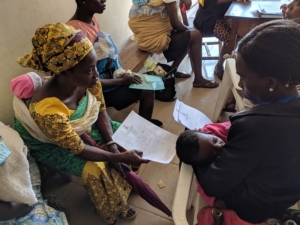 In Nigeria, more than 50% of children under 5 years old remain unregistered at birth, leaving more than seven million children without legal identity or access to essential services. Without formal documentation, these children often cannot receive vaccinations, enroll in school or access societal protection programs. Birth registration is a fundamental right under the Convention on the Rights of the Child. It plays a critical role in protecting children from trafficking, child labor and early marriage. However, digital birth registration in Nigeria is a powerful tool for addressing this gap.
In partnership with UNICEF and the National Population Commission (NPC), the Nigerian government has launched an ambitious initiative to digitize birth registration in Nigeria. It aims to do this through an integrated Electronic Civil Registration and Vital Statistics (e-CRVS) system. The program aims to register more than nine million under 5 children and five million infants using mobile devices and a cloud-based digital database.
How Digital Registration Works
The pilot phase of the e-CRVS program was active at test sites in Nasarawa, Lagos, Kano, Borno and Enugu states, where local health facilities and mobile teams register children at the point of care. Digital tables and software allow frontline workers to capture live birth data and instantly generate certificates. The system is linked to Nigeria’s National Identity Number (NIN) platform, operated by the National Identity Management Commission (NIMC), ensuring each child receives a permanent identity number for life.
This integration allows public institutions to cross-reference birth records with healthcare, immunization and education systems. It also makes tracking child development easier, planning vaccine campaigns and ensuring social services reach the most vulnerable.
Health Benefits of Legal Identity
A legal identity is not just a certificate but a gateway to health equity. According to UNICEF, children enrolled through digital birth registration in Nigeria are more likely to be vaccinated, receive medical care earlier and attend school. In regions with low birth registration, health systems often struggle to track and follow up with children who miss vaccines or drop off routine care schedules.
Digital birth registration allows real-time data to be shared with national immunization registries, helping ministries of health identify gaps, forecast demand and avoid supply chain breakdowns. This is particularly crucial in rural areas where children are most at risk of preventable disease and malnutrition.
Supporting Sustainable Development Goals
Nigeria’s digital birth registration initiative aligns with Sustainable Development Goal (SDG) 16.9, which calls for providing legal identity for all, including birth registration, by 2030. The initiative also contributes to broader SDGs focused on child health (SDG 3), inclusive education (SDG 4) and gender equality (SDG 5) by ensuring that girls and boys alike are counted and protected from birth.
Final Remarks
According to the latest edition of the ID4D Global Dataset, approximately 1.25 billion people do not have a digitally verifiable identity, primarily due to documentary requirements and distance to registration points. Many of these people reported the consequences following them into adulthood through financial and technological barriers. Nigeria’s scalable model could serve as a blueprint for other low and middle-income countries seeking to close the identity gap.
By digitizing birth registration, Nigeria is improving access to basic health and education services and restoring visibility, dignity and protection to millions of children who have long been left out of the system. As implementation continues, the program could reshape how governments track child welfare, deliver public services and uphold the rights of every child, starting from day one.
– Rebecca Lee
Rebecca is based in Scotland and focuses on Technology and Global Health for The Borgen Project.
Photo: Flickr
