The Push for Social Services in Nigeria
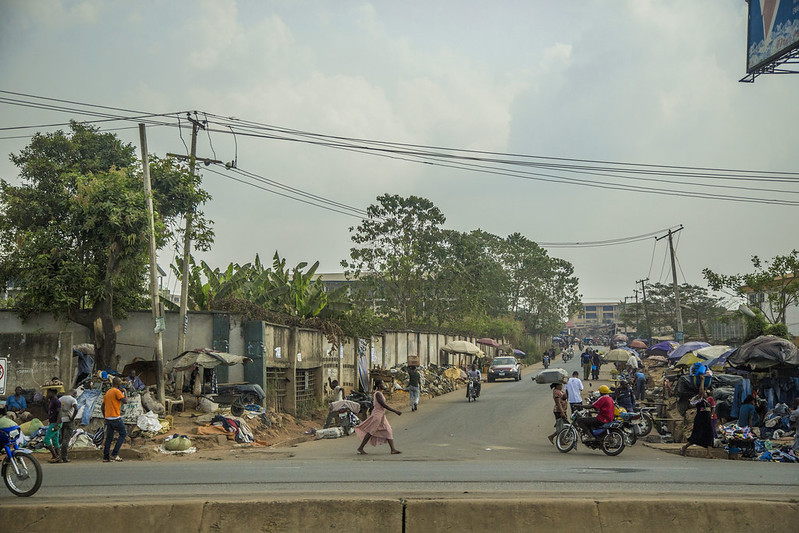 Nigeria, Africa’s most populous country, is home to more than 200 million people. That number could double by 2050, placing a lot of pressure on the nation’s ability to provide resources like affordable housing and other social services. For many Nigerians, especially young adults striving for independence, affording a home of their own is already a major challenge. Without financial support, this problem is set to worsen.
The Struggle to Find Social Services
Housing is more than just shelter for a lot of people. It also relates to stability and a quality of life. In Nigeria, where millions of people live in poverty, the housing crisis is high due to the lack of accessible social support systems. Many citizens are left to navigate high living costs, underemployment, and rising rent prices without government aid.
The housing crisis emphasizes the broader issue of limited access to social services in Nigeria. Social services are typically defined as essential resources that governments or nonprofit organizations usually provide to help individuals meet their basic needs. These services may include health care, food assistance and subsidized housing. While it is important to avoid long-term dependency, many individuals facing poverty, displacement, or other challenges need temporary support to regain stability and move forward.
Property and Perspective
James Sosan, a property owner from Nigeria currently residing in the United States, shares his perspective on the affordable housing crisis. With properties in both Nigeria and the U.S., Sosan has noticed major differences in affordability and government involvement. He told The Borgen Project, “In Nigeria, it is difficult to live on your own, especially without help.” He goes on to say the cost of living is high, and there is not much government support that helps people make ends meet.
Sosan explains that many young Nigerians who attempt to live independently often struggle to maintain housing. “They end up returning home,” not because they want to, but because they have no choice. It delays independence and creates this cycle where people stay financially dependent on their families for much longer than many would like. This kind of dependency could have an effect on long-term success and trap individuals in cycles of poverty that are difficult to break. James is disappointed by the lack of social services in Nigeria and wishes for more to be done.
Solutions
While access to such services remained limited, some initiatives in Nigeria are working to reverse this trend. One of the most prominent initiatives is the Renewed Hope Agenda. The agenda was launched under the Tinubu administration to enhance the quality of life for Nigerians. A significant part of this agenda involves working with the National Directorate of Employment (NDE). A multi-phase approach is in progress to create job opportunities. Recently, the second phase was approved, focusing on providing citizens with practical job skills in various industries. The NDE is working to strengthen the nation’s employment rate while providing people with important skills.
To further support the overall goal, the government has also launched the 3 Million Technical Talent Program. Led by the National Information Technology Development Agency (NITDA) and the Ministry of Communications, the program aims to train 3 million Nigerians in high-demand digital fields like artificial intelligence, software development, and more.
This initiative could allow Nigerians to establish a strong footing in the tech world. Furthermore, it could foster a community of skilled professionals who can participate in the rapidly growing digital economy.
Lastly, the Renewed Hope Housing Program is addressing Nigeria’s severe housing deficit by developing affordable housing across multiple states. These units are made for low-income families and are supported by public-private partnerships. These efforts aim to tackle both economic instability and the social barriers that trap many Nigerians in cycles of poverty.
– Knia Parks
Knia is based in Pepper Pike, OH, USA and focuses on Politics for The Borgen Project.
Photo: Flickr
