• Link to X
  • Link to Facebook
  • Link to Instagram
  • Link to TikTok
  • Link to Youtube
  • About
    • About Us
      • President
      • Board of Directors
      • Board of Advisors
      • Financials
      • Our Methodology
      • Success Tracker
      • Contact
  • Act Now
    • 30 Ways to Help
      • Email Congress
      • Call Congress
      • Volunteer
      • Courses & Certificates
      • Be a Donor
    • Internships
      • In-Office Internships
      • Remote Internships
    • Legislation
      • Politics 101
  • The Blog
  • The Podcast
  • Magazine
  • Donate
  • Click to open the search input field Click to open the search input field Search
  • Menu Menu

Tag Archive for: Poverty In Nigeria

Posts

Developing Countries, Education, Global Poverty

Education in Nigeria

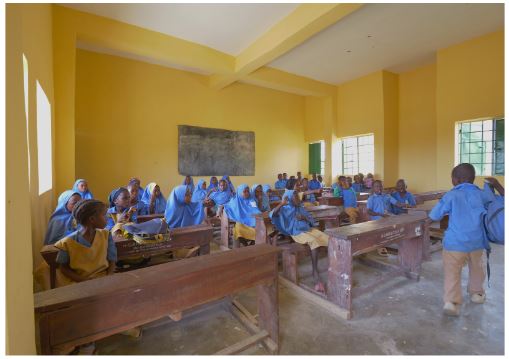
Education Struggles in Nigeria According to the United Nations International Children’s Emergency Fund (UNICEF), more than 10 million Nigerian children are not receiving formal education — the highest number in the world. Poverty, conflict and gender inequality are the biggest barriers keeping kids out of classrooms.

Causes of Educational Struggles in Nigeria

  • Lack of funding. Long-standing corruption within Nigeria, most prominently academic misconduct, defined as any action that gains or attempts to gain within an educational setting to gain an unfair academic advantage, has consistently undermined education funding in Nigeria. This has resulted in poor infrastructure, such as unsafe classrooms, limited access to clean water, untrained teachers, a lack of quality teaching materials and frequent failures to pay teachers’ allowances, all of which hinder children’s ability to secure adequate education.
  • Armed attackers. In northern Nigeria, armed attackers have attacked schools, leaving families afraid to send their children to class. “In 2022 and 2023, attacks on schools in Nigeria persisted in the context of armed conflict in northeastern states due to the presence of nonstate armed groups, as well as armed violence in northwestern and northcentral states due to pastoralist-farmer tensions.” Children ultimately suffer the most from these attacks, leaving them in a state of distress and unsafe when trying to access education. However, organizations including “Save the Children” have been working to resolve this issue and have provided 47 million children with education, medicine and food globally.
  • Girls’ vulnerabilities. Girls are especially at risk, as child marriage and household labor often hinder their educational needs. According to reports, 4 out of 10 girls marry before the age of 18 (44%) in Nigeria, totaling more than 24 million child brides. This prevents them from accessing education as they are forced to take on adult responsibilities, thereby removing their focus from necessary education. This high percentage of child marriage is detrimental to young girls, as it “violates the fundamental rights and freedoms of young girls.” Moreover, organizations supported by the United States (U.S.) foreign aid, such as UNICEF and the Global Partnership for Education, are working to address these challenges. They help rebuild schools, provide learning materials and promote safe, equal access to education for girls.

Ongoing Efforts to Refocus Attention on Education

Recognizing the urgent need to tackle the issue, representatives from multiple sectors came together at the “Child Marriage Stakeholders’ Consultations” to discuss long-term strategies for ending child marriage in Nigeria.

Participants pledged to work toward eliminating child marriage nationwide by 2030 through coordinated efforts and new policies and resources at the federal, state and community levels. A key initiative introduced in Nigeria to expand access to education, the Universal Basic Education (UBE) program, aims to provide free schooling to every child. It has shown success by improving access to basic education and reducing the number of children out of school. According to the United Nations (U.N.), primary school enrollment rates in Nigeria increased from 57% in 1999 to 71% in 2018. Efforts are also underway to increase investments, focusing on digital inclusion and the development of 21st-century skills, including AI integration.

Empowering Nigeria’s Future Through Education

By supporting education in Nigeria, the U.S. not only empowers millions of young people but also invests in a more stable and prosperous partner in Africa. Strong education systems reduce poverty, boost economies and help communities resist extremist groups, with benefits that extend far beyond Nigeria’s borders. In addition, reducing high levels of child marriage allows children to refocus on the education they need for a brighter future.

– Carise Wallbank

Carise is based in the United Kingdom and focuses on Global Health for The Borgen Project.

Photo: Flickr

October 5, 2025
https://borgenproject.org/wp-content/uploads/borgen-project-logo.svg 0 0 Precious Sheidu https://borgenproject.org/wp-content/uploads/borgen-project-logo.svg Precious Sheidu2025-10-05 01:30:002025-10-04 03:27:54Education in Nigeria
Global Poverty, Innovations, Technology

The Silicon Valleys of Africa: The Burgeoning Tech Hubs in Africa

Tech Hubs in AfricaThe media often depicts Africa as a deeply impoverished continent, where governments struggle to provide basic resources for their populations and rely heavily on Western aid. While Africa does suffer from some of the highest rates of poverty in the world, the entire picture is multifaceted.

It is an incredibly resource-rich continent that has been the victim of colonial exploitation. While the imagery of malnourished children with bloated stomachs draws sympathy, it does not tell the whole story. In truth, there are many thriving industries and burgeoning hubs in Africa.

Africa is the fastest-growing continent in terms of population and aid creates a pathway for future profitable trade relations. Aid should not focus only on short-term fixes but also on long-term paths to autonomy for African nations. Many cities are already prosperous markets that foster innovation. Here are three burgeoning tech hubs in Africa:

Lagos, Nigeria

Lagos has already established itself as one of the leading tech hubs of the future, not just in Africa, but globally. It ranked first in the Rising Stars category of Dealroom.co’s 2025 Tech Ecosystem Index, with a 1100% growth rate since 2017. There are five unicorns, private companies with valuations of more than $1 billion, based in Lagos.

The city provides a centralized market, as most industries are focused on the neighborhoods of Marina and Victoria Island, as opposed to the split markets of Johannesburg and Cape Town. Infrastructure currently poses a challenge to expansion in Lagos. It is difficult to “find anywhere in Lagos that would take 3,000 people in one go.” In response, Tech entrepreneur Iyin Aboyeji is building a 72,000-square-foot business park near the metro area.

Education is one of the foundations of upward mobility. Providing equal access to education is a way to improve the lives of those suffering and ensure that a nation’s best talent is placed in the proper roles. The Global Partnership for Education grant is a partnership between the United Kingdom’s Foreign, Commonwealth and Development Office and Nigeria’s Ministry of Education that provides funding for education initiatives within Nigeria.

The program has pledged $100 million in funding from 2024 to 2027. Some of its priorities include improving school infrastructure and teacher training in various facets of education.

Nairobi, Kenya

Nairobi, also known as Silicon Savannah, is one of the burgeoning tech hubs in Africa and has cemented itself as East Africa’s center of innovation. The international community is taking notice of Nairobi, as Microsoft has just invested $1 billion in a data center in Kenya. This will provide cloud computing through Microsoft Azure to East Africa.

M-Pesa, a mobile payment enterprise, is largely responsible for Nairobi’s rise as a tech hub. In 2007, it pioneered a secure platform that enabled people to transfer money using only their cellphones. The fintech sector has continued to expand, with other companies, such as M-Kopa, Lendable and Tala, basing their operations in Nairobi.

Incubators have also found a foothold in Silicon Savannah. The U.S. Embassy operates tech hubs for entrepreneurs who may not have proper access to technology. Both founded in 2010, iHub and Nailab are two incubators intended to accelerate African innovation and improve Kenya’s economic prosperity by bringing together creative thinkers and providing proper mentorship.

Programs that foster innovation will help maintain Nairobi’s growth and its status as one of the burgeoning tech hubs in Africa.

Kigali, Rwanda

Although currently a smaller market than the previous two cities, Kigali remains one of the burgeoning tech hubs in Africa. Unlike Nairobi’s private enterprise-driven expansion, Kigali maintains substantial support from Rwanda’s government. There has been a state-led effort for “digital transformation.” 4G or 5G currently enables 95% of the city.

The Kigali Innovation City is a business hub that houses universities, incubators and office spaces for emerging tech companies. Additionally, the city hosts the Africa Tech Summit. However, the city faces challenges like the infamous “brain drain.”

Because Kigali’s innovation efforts are public endeavors, salaries remain more lucrative in cities such as Nairobi and much of Kigali’s top talent is being lured out of Rwanda. The solution, once again, lies in education. In conjunction with Andela’s coding boot camp, institutions such as Carnegie Mellon University and African Leadership University produce approximately 2,600 tech graduates annually.

The Timbuktu Fund, sponsored by the United Nations Development Programme (UNDP), aims to foster startups around Africa. Programs like these help drive up wages and economic growth in places like Kigali, which in turn helps the city maintain its workforce.

Conclusion

Lagos, Nairobi, and Kigali show that Africa is redefining its story, from dependency to innovation. With growing investment, talent and education initiatives, these hubs are positioning the continent as a rising force in global technology.

– Patrick Feeney

Patrick is based in Los Angeles, CA, USA and focuses on Business and Technology for The Borgen Project.

Photo: Flickr

September 28, 2025
https://borgenproject.org/wp-content/uploads/borgen-project-logo.svg 0 0 Hemant Gupta https://borgenproject.org/wp-content/uploads/borgen-project-logo.svg Hemant Gupta2025-09-28 03:00:142025-09-28 01:01:51The Silicon Valleys of Africa: The Burgeoning Tech Hubs in Africa
Global Poverty, Humanitarian Aid, Hunger

US Aid to Nigeria: $32.5 Million To Fight Hunger

US Aid to NigeriaIn 2025, the U.S. approved $32.5 million in humanitarian aid to Nigeria to respond to one of the country’s worst hunger crises in decades. The U.S. aid to Nigeria will reach more than 764,000 individuals. It will deliver food supplies, nutritional supplements for malnourished children and support for pregnant and breastfeeding women. This package underscores the U.S.’s continued role in addressing global poverty, even amid broader cuts to foreign aid.

By targeting food insecurity in conflict-affected regions, the initiative highlights how American humanitarian assistance provides immediate relief while promoting stability and advancing long-term development goals.

The Hunger Crisis in Nigeria

Nigeria is experiencing a severe hunger crisis, with 30.6 million people unable to obtain enough food. On top of that, 17 million children are suffering from malnutrition, the second-highest number in the world. About 300,000 children are at risk as a result of the closure of more than 150 nutrition clinics in the states of Borno and Yobe due to a lack of funding.

Supply chains have been disrupted by insecurity. Many families can no longer afford the high cost of food due to inadequate infrastructure, high transportation expenses and significant post-harvest losses of up to 50%. Despite these obstacles, farmers continue planting in areas of relative stability. Local food is being processed and sold by women-led projects and youth-led logistics projects are starting to take shape.

U.S. aid to Nigeria will reach those who need it most. It will also strengthen local markets and agricultural systems by combining locally sourced food, cash-based assistance and targeted support for displaced populations.

The World Food Programme’s Role in Nigeria

The World Food Programme (WFP) is the largest humanitarian organization in the world. WFP helps communities recover from economic shocks, natural disasters and conflict while providing life-saving food assistance during emergencies. WFP works to improve nutrition, support smallholder farmers and strengthen local food systems in more than 120 countries.

Where possible, WFP pairs short-term assistance with livelihood programs. These programs help displaced people develop food processing, aquaculture and tailoring skills, providing them with opportunities for long-term stability. Beyond these, WFP coordinates logistics for more than 90 humanitarian organizations, provides secure communications and emergency connectivity. It also manages the U.N. Humanitarian Air Service to deliver relief supplies and personnel to isolated communities.

WFP is primarily funded by voluntary donations from governments, organizations, businesses and individuals. The nonprofit collaborates with the government, nongovernmental organizations (NGOs), U.N. agencies and private sector partners to reach vulnerable populations in Nigeria. The organization has effectively decreased child malnutrition in Nigeria and offers emergency food assistance.

WFP works alongside the Nigerian government to strengthen food security policies, expand the country’s nationally owned school feeding program and build shock-responsive social protection systems.

How US Aid to Nigeria Will Address the Hunger Crisis

Despite significant cuts to U.S. foreign aid, Washington has made a new commitment. This support targets Nigeria’s northeast and northwest regions, where conflict and displacement have deepened food insecurity for hundreds of thousands. The funding arrives at a critical moment, as the WFP had warned of suspending operations due to resource shortages.

Nigeria has “unprecedented” levels of hunger, with millions at risk of malnutrition, according to WFP’s Regional Director for West Africa, Margot van der Velden. By channeling resources through WFP, the U.S. contribution helps stabilize communities on the brink of famine while reinforcing broader international efforts to support Nigeria in its hunger crisis.

– Isaac Nelson

Isaac is based in Florianópolis, Santa Catarina, Brazil and focuses on Politics for The Borgen Project.

Photo: Flickr
September 20, 2025
https://borgenproject.org/wp-content/uploads/borgen-project-logo.svg 0 0 Hemant Gupta https://borgenproject.org/wp-content/uploads/borgen-project-logo.svg Hemant Gupta2025-09-20 07:30:142025-09-20 03:03:02US Aid to Nigeria: $32.5 Million To Fight Hunger
Education, Global Poverty

From Streets to Schools: The Uweza Foundation

Uweza FoundationIn Nairobi’s largest informal settlement, Kibera, people prioritize survival over education. Nevertheless, despite the difficulties, a significant change is taking place due to the influence of mentoring. The sponsorship and guidance programs run by the Uweza Foundation, led by locals, assist community members and former street youth in becoming agents of education and hope. This tale of perseverance is based on the idea that change can happen when someone in your shoes takes your hand.

The Educational Environment in Kibera

Kibera, home to thousands of Kenyans, has served as a symbol of East African urban poverty for many years. Although elementary and secondary education is legally free, many children are forced to drop out due to hidden costs that families must pay for supplies, uniforms and school-related fees.

Approximately 65 students are receiving academic scholarships through Uweza’s Sponsorship Program; many of these students complete their primary, secondary and even post-secondary education.

However, stronger statistics show how big the issue really is. According to research, more than one million Kenyan children do not attend primary school, the ninth-highest rate in the world. Despite nearly universal attendance, roughly one-third of teenage girls in Kibera are at least one grade behind, highlighting the academic disparities associated with instability and poverty.

Why From Streets to Schools Matters

Hope becomes real for kids when they see someone from their own neighborhood who has walked a similar path, trusted it and used education to succeed. The significance of that lived experience extends far beyond standardized interventions.

The bond between mentor and mentee acts as a catalyst, bridging gaps in resilience, academic engagement and confidence. Programs that embody this, such as Uweza’s, have a greater capacity to foster lasting transformation.

Holistic Model of the Uweza Foundation

The Uweza Foundation, which was founded in 2008 and is headed by actress Rooney Mara, gets its name from the Swahili word meaning “opportunity, ability and power.” Through mentorship, sports, art, education and life skills initiatives, it aims to empower women and youth in Kibera.

The Uweza Foundation offers scholarships through its sponsorship program that cover tuition, supplies, uniforms and even boarding school if necessary. Life skills workshops and mentorship from the Uweza Foundation accompany these scholarships.

Backed by Research and Impact

Studies show that after-school programs and mentorship significantly improve learning and school retention, especially for girls in informal settlements. One pilot study found that underprivileged girls benefit from mentoring in core subjects as they transition to secondary school.

Similarly, the Adolescent Girls Initiative–Kenya (AGI-K) trial in Kibera showed that adolescent girls achieved better long-term results when education was combined with interventions related to wealth, health and violence prevention. This strategy underscores the need for multifaceted support, a model Uweza already provides, even though its work is not solely on mentoring.

Looking Ahead

The Uweza Foundation is demonstrating in Kibera that change is not only possible but is actually taking place when mentorship that is compassionate and rooted in the community is combined with educational access. This remind us that a child’s potential is based on our ability to help them, not their geographical boundaries.

– Kyra Cribbs

Kyra Cribbs is based in Charleston, SC and focuses on Good News for The Borgen Project.

Photo: Unsplash

September 18, 2025
https://borgenproject.org/wp-content/uploads/borgen-project-logo.svg 0 0 Hemant Gupta https://borgenproject.org/wp-content/uploads/borgen-project-logo.svg Hemant Gupta2025-09-18 03:00:382025-09-18 02:40:50From Streets to Schools: The Uweza Foundation
Clean Water Access, Global Poverty, Water

Clean Water Access in Nigeria: How Communities Solve the Crisis

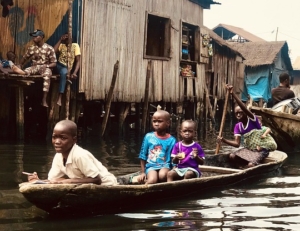
Clean Water Access in NigeriaRural communities in Nigeria face the steepest hurdles to access clean, safe drinking water and basic sanitation. Many households still rely on unprotected wells, streams or vendors, while schools and clinics struggle without reliable WASH services. UNICEF estimates that millions remain without basic drinking water and that open defecation persists on a large scale, with the burden falling hardest on rural families.

Nigeria’s Water Sanitation and Hygiene National Outcome Routine Mapping (WASHNORM) 2021 assessment shows wide rural and wealth-based gaps in access, underscoring the need to invest where services lag the most.

Health and School Attendance

Unsafe water and poor sanitation drive diarrheal disease, cholera outbreaks and undernutrition, which in turn keep children out of class. Schools without toilets or handwashing stations see higher absenteeism and girls are more likely to miss lessons during menstruation when facilities are inadequate.

UNICEF reporting links improved school WASH to better attendance and fewer disease outbreaks, while global WASH-in-Schools data show that safe water, private toilets and soap at school are tied to learning and dignity, particularly for girls.

WaterAid Nigeria: Community WASH in Action

WaterAid Nigeria partners with state governments and communities to install and maintain water points, expand sanitation and promote everyday hygiene behaviors. Its 2023–2028 country strategy prioritizes systems strengthening so local authorities can finance, operate and sustain services beyond a single project cycle.

WaterAid is also part of technical groups that support behavior change, supply chains and accountability, helping rural districts build reliable access and keep services working.

Clean Nigeria: Use the Toilet

The federal government’s Clean Nigeria campaign aims to end open defecation by 2025 and move households toward safely managed sanitation. The campaign mobilizes states, local governments and households through community-led approaches, public awareness and certification of open defecation-free areas.

UNICEF supports the effort with technical assistance and outreach and recent updates highlight the urgency of accelerating progress so that gains are sustained across rural districts.

National Action Plan: A Path to 2030

Nigeria’s National Action Plan for the Revitalization of the WASH Sector sets a three-phase roadmap that includes an 18-month emergency plan, a five-year recovery program and a long-term strategy through 2030.

The plan outlines a renewed federal-state partnership, more precise service targets and stronger financing so rural communities can gain and sustain access. Civil society groups summarize how the plan links with the national sanitation campaign, aligning policy and implementation at the state and local levels.

Building Pathways Out of Poverty

Expanding rural access to clean, safe water and sanitation reduces disease, protects household income and keeps children in school in Nigeria. It also creates jobs in construction, operations and local supply chains. Indeed, the World Bank’s SURWASH program projects service gains in water and sanitation and upgrades in schools and health facilities, complementing Clean Nigeria and NGO partnerships.

Continued investment in these approaches could help Nigeria scale reliable services and unlock health and education gains that drive long-term poverty reduction.

– Joseph Hasty

Joseph is based in Winter Park, FL, USA and focuses on Technology and Global Health for The Borgen Project.

Photo: Flickr
September 15, 2025
https://borgenproject.org/wp-content/uploads/borgen-project-logo.svg 0 0 Hemant Gupta https://borgenproject.org/wp-content/uploads/borgen-project-logo.svg Hemant Gupta2025-09-15 03:00:442025-09-15 02:13:18Clean Water Access in Nigeria: How Communities Solve the Crisis
Global Poverty, Housing Security, Innovations

Nigeria’s Promise of Plastic Bottle Bricks

Plastic Bottle BricksNigeria faces a critical housing deficit, estimated at more than 20 million units. As the population exceeds 220 million and continues to grow, the demand for affordable and adequate housing far outpaces supply. This shortage has led to overcrowded urban areas, substandard living conditions and increased socioeconomic stress on low-income households.

A Parallel Plastic Waste Problem

Traditional construction methods, reliant on expensive materials like cement and concrete, remain out of reach for much of the population. At the same time, Nigeria is also battling a major plastic waste crisis. The country is the world’s second-largest plastic polluter and inadequate waste management services mean that plastic often accumulates in public spaces or is burned, creating further environmental hazards.

The Rise of Plastic Bottle Bricks

In response to these pressing challenges, several communities, engineers and social enterprises are exploring an unconventional but promising solution: building homes using plastic bottle bricks. This method involves filling discarded plastic bottles with sand or other materials and using them in construction as a substitute for conventional bricks.

Research and field trials have shown that these bottle bricks are cost-effective, up to 30–50% cheaper than traditional bricks and structurally sound. Compacted sand inside the bottles is nearly 20 times stronger than regular bricks. Additionally, these structures offer thermal insulation, making them well-suited to Nigeria’s hot climate.

One notable example is the work of Yahaya Ahmed from Nigeria’s Development Association for Renewable Energies. According to Ahmed, homes made from bottle bricks cost only a third of traditional concrete structures. These homes also help reduce plastic waste, a significant environmental benefit given Nigeria’s growing consumption of bottled water.

Pilot Projects Showing Promise

Pilot projects across Nigeria, including in Yelwa village and Paipe community, have shown successful implementation of this technology. In Paipe, a prototype home was built at 35% of the cost of a standard house and integrated renewable energy and water systems. These projects address the housing and waste crises and provide employment and technical training for young engineers and local workers.

Social enterprises like Brickify are also contributing to this movement. Founded in 2019, Brickify recycles plastic waste into interlocking “Lego-style” bricks for building low-cost homes, schools and public toilets. The organization has recycled more than 50,000 tons of plastic waste and engages local communities by offering incentives, such as school fees or meals, for collecting plastic waste. Its water, fire and wind-resistant bricks significantly reduce construction time and material costs.

Barriers and the Path Forward

Despite its promise, bottle brick technology faces several challenges, including a lack of skilled labor, insufficient government incentives and limited research funding. For wider adoption, sustained collaboration between government bodies, private investors and environmental organizations will be necessary.

Ultimately, while plastic bottle brick homes are not a complete solution to Nigeria’s housing crisis, they offer a practical and sustainable model that addresses multiple issues at once: housing, waste, unemployment and environmental degradation.

– Sriya Regulapati

Sriya is based in Vancouver, Canada and focuses on Business and Technology for The Borgen Project.

Photo: Flickr
September 11, 2025
https://borgenproject.org/wp-content/uploads/borgen-project-logo.svg 0 0 Hemant Gupta https://borgenproject.org/wp-content/uploads/borgen-project-logo.svg Hemant Gupta2025-09-11 03:00:522025-09-11 00:57:07Nigeria’s Promise of Plastic Bottle Bricks
Economy, Global Poverty, Innovations

Solutions to Rapid Urbanization in Wetlands

Rapid Urbanization in WetlandsRapid urbanization in wetlands is an increasing problem for multiple cities throughout sub-Saharan Africa and is often driven by population growth, economic development, infrastructure development and migration. Rapid urbanization in wetlands affects biodiversity loss, flooding and altered hydrology, water quality degradation and loss of livelihood. Some patterns identified with rapid urbanization affecting wetlands are informal settlements, fragmented urbanization and densification.

Lagos, Nigeria and Kinshasa in the Democratic Republic of Congo (DRC) experience some of these issues. However, they’ve developed sustainable solutions that help control and maintain livelihoods and infrastructures.

Lagos

Lagos, Nigeria, is a wetland area heavily affected by rapid urbanization. Housing and informal settlements, transportation infrastructures, solid waste management, environmental pollution and unemployment are all problems throughout the city.

Nigeria’s Federal Ministry of Housing and Urban Development has previously stated that it is committed to constructing more than 10,000 housing units nationwide, including Lagos, with the Renewed Hope Cities and Estates Program. This opportunity also created 252,800 jobs for Nigerians, contributing to the country’s economic landscape. The workers also received wages significantly above the national minimum wage.

Waste-to-energy plants offer sustainable solutions to water disposal and energy generation, many of which can be seen in Lagos. Harvest Waste Consortium has formalized a partnership with Lagos to construct a waste-to-energy plant using advanced technology to create clean energy from the state’s solid, commercial and industrial waste. Around 40,000 homes will be taken off the national electricity grid due to clean energy.

Kinshasa

Kinshasa, Democratic Republic of the Congo, is another wetland area that is impacted by rapid urbanization. Increased risk of flooding continues throughout the city due to population growth and improper drainage systems. Informal settlements also affect the quality of life in Kinshasa, making strategic urban planning essential to manage the city’s growth and transformation.

A Participatory Slum Upgrading Program works in Kinshasa to improve slum conditions while preventing the possibility of creating new slums. The program aims to ensure access to safe, adequate, affordable housing and basic services to upgrade the slums.

As rapid urbanization in wetlands continues, Kinshasa has developed nature-based solutions. These solutions help to build urban climate resilience, lower carbon emissions and provide socioeconomic benefits. Proper drainage systems that can handle channel runoff from heavy rains were developed and restoring soil fertility, creating jobs and providing food for locals are also possible because of these solutions.

Conclusion

Rapid urbanization in wetlands presents serious challenges for cities like Lagos and Kinshasa. Yet, both cities demonstrate that these impacts can be managed with strategic planning and sustainable solutions, such as housing initiatives, waste-to-energy projects and nature-based approaches.

Addressing rapid wetland urbanization requires long-term investment, innovative policies and community participation to balance urban growth with environmental protection and improved quality of life.

– Eva Wakelin

Eva is based in Atlanta, Georgia, USA and focuses on Good News and Technology for The Borgen Project.

Photo: Unsplash

September 5, 2025
https://borgenproject.org/wp-content/uploads/borgen-project-logo.svg 0 0 Hemant Gupta https://borgenproject.org/wp-content/uploads/borgen-project-logo.svg Hemant Gupta2025-09-05 01:30:182025-09-04 11:34:30Solutions to Rapid Urbanization in Wetlands
Disease, Global Health, Global Poverty

Mobile Vaccination in Nigeria is Saving Kids Lives

mobile vaccination in nigeriaNigeria is the most populous country in Africa, and it has the second-highest number of children who have not received any vaccines in the world. But it’s addressing this problem with mobile vaccination teams. While there is still a long way to go, mobile vaccination in Nigeria has proven to be very successful.

What Are Zero-Dose Children?

Children who have not received any vaccinations are referred to as zero-dose children. These children make up a substantial portion of preventable deaths in children worldwide. Most zero-dose children live in lower and middle-income countries.

Globally, “Nigeria has one of the highest proportions of zero-dose children.” In 2021, experts estimated that more than 2.2 million zero-dose children were in the country. The children of teenage and young mothers are particularly likely to be zero-dose children.

There are many reasons parents do not vaccinate their children. The majority of zero-dose children in Nigeria are born to poor families. As a result, they often live in an area where a health center is not readily accessible. Meaning they have to pay for transportation to the health center, something many of them can not afford to do. This need to travel also means that parents must take a day off from work, meaning lost wages.

Another common reason is misinformation about vaccines and their safety. Young mothers face extra challenges, and many avoid traditional health centers due to stigmatization and hostility from other mothers there as well as the health care workers. The social stigma that comes with being a young mother prevents them from returning after their first visit.

Mobile Vaccination in Nigeria is Working

Several steps make up mobile vaccination in Nigeria. Step one is identifying an area with a high number of zero-dose children. In Nigeria, vaccination of children is “lowest in the north,” according to the New Incentives. This knowledge, together with short surveys of areas, gives decision makers real-time data on the vaccination status of children.

Step two is providing parents with correct information about vaccines and their importance. That includes talking about possible side effects and addressing misinformation about vaccines. The final step is vaccinating the children. All of this requires working with the local communities and their leaders.

Mobile vaccination in Nigeria has proven to be very effective. One study found that thanks to mobile vaccination, six states in Northern Nigeria saw an average increase in fully immunized children aged 12–23 months, from 19% to 55%.

Conclusion

Mobile vaccination in Nigeria has been proven to be effective and is saving lives. While there is still more work to do, particularly with the children of young mothers, this is a fantastic start. With continued use of mobile vaccination and strong leadership, Nigeria can help save more lives.

– Axtin Bullock

Axtin is based in Georgetown MA, USA and focuses on Technology and Global Health for The Borgen Project.

Photo: Flickr
August 15, 2025
https://borgenproject.org/wp-content/uploads/borgen-project-logo.svg 0 0 Naida Jahic https://borgenproject.org/wp-content/uploads/borgen-project-logo.svg Naida Jahic2025-08-15 01:30:062025-08-14 07:12:10Mobile Vaccination in Nigeria is Saving Kids Lives
Africa, Technology

Mobile Banking: How Internet Access is Reducing Nigerian Poverty

Reducing Nigerian PovertyAccording to 2018 data, 30.9% of Nigerians lived in conditions of extreme poverty. As modernization advances and access to smart technologies becomes more widely available, researchers observe how the positive correlation between the availability of high-speed internet tools and mobile banking is reducing poverty in Nigeria. With these positive research findings, the Nigerian government has acknowledged the necessity of internet availability in poverty reduction initiatives like its National Broadband Plan.

Poverty in Nigeria

Based on data from the World Bank, poverty significantly impacts Nigeria. The 2025 research shows nearly one-third of Nigerians live on less than $2.15 per day. Inequality in poverty is also drastically exacerbated by region. Research from 2018/19 found that 46.5% of residents within Nigeria’s northern provinces experienced poverty compared with 13.5% of those in Nigeria’s south.

Efforts to reduce extreme poverty have slowed since before the recent COVID-19 pandemic. Lack of national economic policy transformation has only exacerbated the Nigerian struggle of increasing employment opportunities. This has left the majority of living conditions suboptimal. Though Nigeria’s government has made macroeconomic changes to stimulate the economy, income has remained unable to keep up with sustained inflation, the World Bank reports.

Growth in Technology

As modernization brings technological access around the globe, nations experiencing substantial poverty bear the benefits. Smartphone technology has brought both global connectivity and the availability for benefiting from applications which require the internet. The 2018 Pew Research data found that 32% of Nigerians own a smartphone. Though figures show that smartphone ownership is broadly stratified by income, Nigeria has notably high low-income ownership compared to other sub-Saharan nations.

In 2018, 93% of high-income Nigerians owned smartphones, alongside 74% of low-income Nigerians. With ownership rates soaring overall, a 2020 GSMA and the World Bank study named Nigeria as “the largest mobile market and economy in Africa.”

Reducing Nigerian Poverty

Other global research studies have found a link between internet access, mobile banking, and reductions to national poverty rates. The 2020 GSMA and World Bank study focused on monitoring the effects of internet access on Nigerian poverty. In addition to the study’s assertion of Nigeria as one of Africa’s mobile giants, researchers found that after two years of broadband internet access, 2.5 million Nigerians had escaped extreme poverty. Additionally, the study noted how Nigerian households in rural areas benefited more substantially than those in urban communities.

The benefit of internet access experienced by impoverished Nigerians in rural communities is one reflected in a 2023 national survey. Conducted by the Department of Finance and Banking at the Rivers State University in Nigeria, scholars cited how rural communities often lack local banking branches. 2018 data from the World Bank noted that Nigeria has only 4.3 banks per 100,000 people. With access to the internet for these rural communities, mobile banking allows the ease of financial literacy without the necessity of extensive travel.

The study notes statistical evidence that mere knowledge around savings, payments, and credit positively impacts the poor and the success of new businesses. The researchers concluded that digital payment platforms provide substantial poverty alleviation for Nigerians in the Rivers State with implications for the nation at large.

Companies/Governmental Initiatives

In light of these findings that internet access is reducing Nigerian poverty, the national government has recently sought to expand broadband across the country. As Nigeria’s economy continues to stagnate, government officials see the availability of broadband as a possible solution for future economic growth.

The Broadband Strategic Plan 2020-2025 focuses on providing free nationwide areas where Nigerians can access the internet free of charge. Though the government has designated 75 public places itself (like airports, universities, marketplaces), Nigeria’s seven state governments have instituted their own initiatives for free Wifi. The Edo State government, for example, launched its “Free Wifi Initiative” in June 2023. The initiative provides free 24-hour internet coverage in both governmental and recreational areas, according to ICT Works.

Mobile Money on the Rise

As Nigeria continues to promote free internet access for its citizens, access and usage of mobile banking have only increased. In addition to governmental Wifi initiatives, institutions such as the Central Bank of Nigeria have planned to highlight their mobile framework.

In its 2024 Report on Mobile Money, the GSMA cited how in 2022 alone, Nigeria saw exponential growth in the usage of online banking services. As evidence proves that internet access is reducing Nigerian poverty, the continuance of government broadband initiatives and financial education programs could continue to be instrumental in this national eradication of hardship.

– Piper Aweeka

Piper is based in AReno, Nevada, USA and focuses on Technology and Solutions for The Borgen Project.

Photo: Flickr
August 12, 2025
https://borgenproject.org/wp-content/uploads/borgen-project-logo.svg 0 0 Naida Jahic https://borgenproject.org/wp-content/uploads/borgen-project-logo.svg Naida Jahic2025-08-12 07:30:012025-08-11 11:11:50Mobile Banking: How Internet Access is Reducing Nigerian Poverty
Conflict, Global Poverty, Violence

Fragility and Rule of Law in Nigeria

Fragility and Rule of Law in NigeriaNigeria, based in West Africa, has the largest economy and most populous country in Africa. It has a great amount of natural resources, such as oil, yet it remains one of the poorest countries globally, with an estimated 87 million Nigerians living below the poverty line. There are many reasons for endemic poverty in the region but one of these is the state of the rule of law in Nigeria, in particular, the nature of corruption and violence. These two features exist as persistent structural problems in the region. They undermine development efforts, job creation and service delivery. Poor Nigerians are most affected by these problems as they depend most on security and public institutions. These two issues weaken institutions and efforts to reduce poverty. Here are some of the ways that the state of the rule of law in Nigeria affects poverty.

Corruption and Poverty

Nigeria remains one of the most corrupt countries in Africa with a score of 26/100 from Transparency International, an organization dedicated to monitoring corruption. There is poor government accountability. Public institutions routinely suffer from embezzlement, ghost workers and contract fraud.

These practices drain funds that are meant for poverty reduction initiatives such as social welfare and infrastructure projects. Corrupt officials also often divert aid or demand bribes to release public goods. While there are some anti-poverty programs like N-Power, they often fail to reach the poorest and political favoritism further reduces their impact.

Corruption also worsens access to services. Citizens sometimes have to pay bribes to access health care, school enrollment, land documents or housing support. This inflates the cost of these services and makes them inaccessible to the poorest who need them the most.

Corruption also shapes access to job opportunities as nepotism and bribery influence public sector jobs, scholarships and government contracts. Poor people, lacking money or political connections, are often excluded from these opportunities. This reinforced cycles of inequality and poverty as elites stay empowered while the poor stay locked out. The poor state of the rule of law in Nigeria, as it pertains to corruption, reduces trust in the system and discourages participation in government programs or elections, furthering the cycle of poverty.

Violence and Poverty

Violence in Nigeria, since the fourth republic, has largely been concentrated in the northern and central regions. These regions also experience the highest poverty rates in Nigeria. Several studies have drawn the link between insecurity and deprivation in these regions. 

In particular, in the north-east (Borno, Yobe, Adamawa), Boko Haram has terrorized civilians in their attempt to overthrow the government, leading to mass displacement. Meanwhile, in the north-west (Zamfara, Katsina, Sokoto), there is widespread banditry, kidnapping and extortion. Additionally, in the middle belt of the country (Benue, Plateau, Taraba), there are herder-farmer conflicts and communal violence which lie along ethnic and religious lines.

In these regions, their poverty rates range from 60-80%. In contrast, the southern regions, such as Lagos and Anambra, have much lower poverty rates, suggesting a geographic overlap between insecurity and extreme poverty.

While it is likely the case that extreme poverty has led to violence in these regions, the violence itself has exacerbated poverty and its plight. It affects food production by reducing farming and livestock output and leads to great food insecurity as tens of millions are put at risk.

It also affects education as the destruction of schools and fear leads to dropout and inaccessibility. Likewise, Internally Displaced Persons from the violence, generally lack stable housing, health care and clean water. The weakened rule of law in Nigeria produces great violence which worsens poverty now and makes it more difficult to escape it in the future.

Anti-Corruption Initiatives

There have been some recent promising efforts to tackle corruption. In 2024, the Economic and Financial Crimes Commission (EFCC) secured 4,111 criminal convictions and recovered about $214.5 million USD in looted funds. The establishment of the Integrated Payroll and Personnel Information System (IPPS) has gone a long way to eliminate ghost workers. The launch of the Open Treasury Portal in 2019 has provided public access to federal government expenditures.

These initiatives have had some effect on tackling poverty. Recoveries help plug fiscal gaps for services, although they have limited impact on direct poverty alleviation. The elimination of ghost workers helps free up some salary funds. Transparency tools can build long-term trust and enable advocacy which is crucial in the fight against poverty although they currently remain underused or inconsistently updated. 

Security Reforms & Community-Based Approaches

Some efforts recently taken to address violence include military offensives such as Lafiya Dole against insurgents. The Civilian Joint Task Force (CJTF) has increasingly involved itself in local defense. Additionally, the government has initiated peacebuilding and deradicalization programs in Borno and Zamfara and has further emphasized community policing and state security networks.

These efforts have allowed the return of displaced persons in some areas such as in Borno, which goes a long way in tackling poverty. However, poverty reduction is slow due to damaged infrastructure, trauma and loss of livelihoods. Localized success stories exist but are not yet scalable or systemic. However, efforts in bolstering the rule of law in Nigeria goes a long way in facilitating poverty reduction in the country.

Looking Ahead

Nigeria faces complex and varied challenges, with insecurity, poverty, and corruption, but these difficulties are not insurmountable. Recent steps show a growing awareness that change is both urgent and possible. There remains real hope that Nigeria’s immense potential can be more fully realized.

– Seun Adekunle

Seun is based in Scotch Plains, NJ, USA and focuses on Politics for The Borgen Project.

Photo: Flickr
August 10, 2025
https://borgenproject.org/wp-content/uploads/borgen-project-logo.svg 0 0 Jennifer Philipp https://borgenproject.org/wp-content/uploads/borgen-project-logo.svg Jennifer Philipp2025-08-10 01:30:462025-08-09 23:24:14Fragility and Rule of Law in Nigeria
Page 3 of 11‹12345›»

Get Smarter

  • Global Poverty 101
  • Global Poverty… The Good News
  • Global Poverty & U.S. Jobs
  • Global Poverty and National Security
  • Innovative Solutions to Poverty
  • Global Poverty & Aid FAQ’s
Search Search

Take Action

  • Call Congress
  • Email Congress
  • Donate
  • 30 Ways to Help
  • Volunteer Ops
  • Internships
  • Courses & Certificates
  • The Podcast
Borgen Project

“The Borgen Project is an incredible nonprofit organization that is addressing poverty and hunger and working towards ending them.”

-The Huffington Post

Inside The Borgen Project

  • Contact
  • About
  • Financials
  • President
  • Board of Directors
  • Board of Advisors

International Links

  • UK Email Parliament
  • UK Donate
  • Canada Email Parliament

Get Smarter

  • Global Poverty 101
  • Global Poverty… The Good News
  • Global Poverty & U.S. Jobs
  • Global Poverty and National Security
  • Innovative Solutions to Poverty
  • Global Poverty & Aid FAQ’s

Ways to Help

  • Call Congress
  • Email Congress
  • Donate
  • 30 Ways to Help
  • Volunteer Ops
  • Internships
  • Courses & Certificates
  • The Podcast
Scroll to top Scroll to top Scroll to top