• Link to X
  • Link to Facebook
  • Link to Instagram
  • Link to TikTok
  • Link to Youtube
  • About
    • About Us
      • President
      • Board of Directors
      • Board of Advisors
      • Financials
      • Our Methodology
      • Success Tracker
      • Contact
  • Act Now
    • 30 Ways to Help
      • Email Congress
      • Call Congress
      • Volunteer
      • Courses & Certificates
      • Be a Donor
    • Internships
      • In-Office Internships
      • Remote Internships
    • Legislation
      • Politics 101
  • The Blog
  • The Podcast
  • Magazine
  • Donate
  • Click to open the search input field Click to open the search input field Search
  • Menu Menu

Tag Archive for: Poverty In Nigeria

Posts

Electricity and Power, Global Poverty

Investments to End Poverty: Renewable Energy in Nigeria

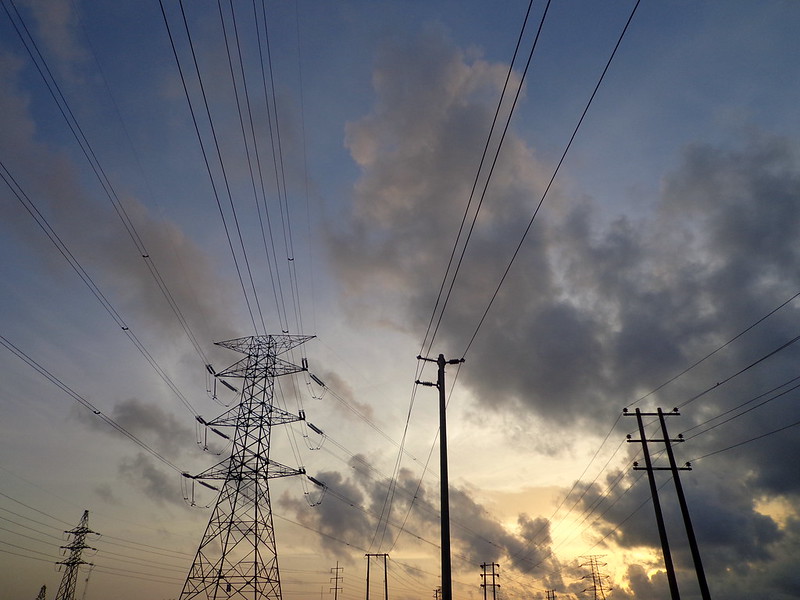
Renewable energy in NigeriaNigeria is home to more than 220 million people, yet more than 85 million still live without access to electricity. According to the World Bank, this places Nigeria among the countries with the largest energy access deficits globally. To address this, the federal government has introduced a 450 billion naira (approximately $290 million) renewable energy budget aimed at reducing poverty and boosting inclusive development.

Electricity access influences nearly every aspect of daily life, from communication and business operations to school attendance and health care outcomes. In rural Nigeria, a lack of reliable power often forces health clinics to rely on candlelight or diesel generators, which are costly and inefficient. Students in off-grid communities struggle to study after sunset, while farmers face difficulties storing perishable goods for the market. Without intervention, this electricity gap reinforces existing inequalities.

Energy Access and Poverty Reduction

The government’s renewable energy initiative seeks to reduce poverty by expanding access to reliable electricity across rural and underserved regions in Nigeria. According to Nigeria’s Minister of Humanitarian Affairs and Poverty Reduction, Professor Nentawe Yilwatda, energy poverty contributes to wider inequality, limits educational attainment and hinders health service delivery. Improved access to electricity can support small businesses, boost crop processing and reduce household reliance on costly, polluting generators. In support of this strategy, the Global Energy Alliance for People and Planet (GEAPP) has partnered with Nigerian agencies to scale up distributed renewable energy solutions and implement low-carbon infrastructure across the country.

Nigeria’s Evolving Energy Infrastructure

The country’s current energy transition includes solar, wind, geothermal and hydropower components. These renewable energy sources in Nigeria are expected to replace aging fossil fuel-based systems, enabling a reduction in emissions and creating new economic opportunities. According to Konrad Adenauer Stiftung, this transition supports Nigeria’s broader ambition to achieve net-zero emissions by 2060. Updated infrastructure could also generate up to 340,000 new jobs by 2030 across the renewable energy and energy efficiency sectors, according to the International Renewable Energy Agency.

Regional Potential and Global Implications

Nigeria’s push for distributed renewable energy forms part of a broader continental effort to address energy poverty. The World Bank estimates that scaling up distributed access renewable energy (DARES) systems could benefit more than 200 million people across Africa. Nigeria’s model—focused on affordability, decentralization and local capacity—provides a framework other low-income countries could adopt.

Looking Ahead

As Nigeria advances its national electrification plan, future efforts could focus on improving grid resilience, expanding community-based mini-grid networks and fostering private sector collaboration. Streamlining regulatory frameworks and offering incentives for local manufacturing of renewable components may lower project costs and promote self-sufficiency. Expanding technical training programs could also help address skill shortages in the clean energy workforce.

According to the International Energy Agency (IEA), sub-Saharan Africa requires more than $25 billion annually in energy investments to meet universal access goals by 2030. Sustained political commitment and effective monitoring could be key to ensuring that these investments translate into lasting, inclusive progress for all Nigerians.

– Anastasia Flerchinger

Anastasia is based in Richland, WA, USA and focuses on Good News and Politics for The Borgen Project.

Photo: Flickr

May 30, 2025
https://borgenproject.org/wp-content/uploads/borgen-project-logo.svg 0 0 Precious Sheidu https://borgenproject.org/wp-content/uploads/borgen-project-logo.svg Precious Sheidu2025-05-30 01:30:092025-05-29 10:55:49Investments to End Poverty: Renewable Energy in Nigeria
Financial Instruments, Global Poverty, Sustainable Development Goals

How the MOBILIST Program Promotes Sustainable Development


How the MOBILIST Programme Promotes Sustainable Development
The Mobilising Institutional Capital Through Listed Product Structures (MOBILIST) program connects global investors to investment products that promote sustainable development in developing countries.
In February 2025, the United Kingdom (U.K.) announced up to an additional £100 million in funding for the program. This funding expands the program’s ability to mobilize more investment and strengthen its partnerships with entities such as Thai Credit Bank and InfraCredit.

The MOBILIST Program

The U.K.’s MOBILIST program promotes sustainable development by identifying investment products that align with the Sustainable Development Goals (SDGs) and removing obstacles that prevent those products from listing on public exchanges. MOBILIST helps overcome these challenges by offering expertise, hands-on assistance and government backing. This approach improves investor confidence and funding access for SDG-aligned ventures.

The SDGs, adopted by the United Nations (U.N.) in 2015, are a set of 17, wide-ranging targets that aim to achieve long-lasting progress. The SDGs operate on the premise that goals such as ending poverty must align with other objectives, including economic growth and gender equality. By supporting investment solutions that promote the SDGs, MOBILIST brings these products more funding, widening their impact.

The U.K. expects its £100 million funding pledge to attract between £400 million and £600 million in investments. Since its 2021 launch, the MOBILIST program has assisted the public listing of investment products such as the Thai Credit Bank and InfraCredit. 

The Thai Credit Bank

On Feb. 9, 2024, the Thai Credit Bank completed its public listing with support from the MOBILIST program. The bank provides loans to micro, small and medium enterprises (MSMEs). These enterprises are crucial to Thailand’s economy but have difficulty obtaining the funding necessary to grow. Through funding MSMEs, the bank supports the SDG of economic growth, therefore decreasing poverty and raising standards of living.

The Thai Credit Bank will use the profit from its public listing to further finance MSMEs, specifically focusing on businesses in rural areas and those owned by women. As an essential investor, MOBILIST was key in making the IPO possible. The expansion of this SDG-promoting product is an example of how the program promotes sustainable development. 

Infracredit in Nigeria

The Nigerian-based company, InfraCredit, de-risks investing in Nigerian infrastructure projects by providing credit guarantees to investors. Nigeria needs more than $2.3 trillion from 2021 to 2043 to close its infrastructure gap. InfraCredit’s model supports job creation, infrastructure development and clean energy growth, aligning with multiple SDGs.

On April 14, 2025, MOBILIST announced its investment of $6 million to support InfraCredit’s public listing on NASD. The listing attracted local institutional investors, including pension funds. Subsequently, InfraCredit obtained two investments from pension funds since its NASD listing.  

MOBILIST’s investment also supports InfraCredit’s movement toward investing in renewable energy. Its focus on promoting infrastructure, creating jobs, increasing quality of life and its green movement reflects the SDG of clean energy.

Looking Ahead

MOBILIST’s support for Thai Credit Bank and InfraCredit has strengthened their financial reach and visibility. With the U.K.’s additional investment, more companies that align with the SDGs could gain access to capital markets. The program continues to widen its impact by helping sustainable development-focused businesses scale across emerging economies.

– Madison Fetch

Madison is based in Glasgow, Scotland and focuses on Business and Politics for The Borgen Project.

Photo: Flickr

May 21, 2025
https://borgenproject.org/wp-content/uploads/borgen-project-logo.svg 0 0 Precious Sheidu https://borgenproject.org/wp-content/uploads/borgen-project-logo.svg Precious Sheidu2025-05-21 07:30:522025-06-05 03:29:15How the MOBILIST Program Promotes Sustainable Development
Aid Effectiveness & Reform, Global Poverty

Policies to Reduce Poverty in Nigeria

reduce poverty in NigeriaNigeria, Africa’s most populous nation, has long struggled with high poverty rates despite its abundant natural resources. Recent estimates from the World Bank reveal that around 40% of Nigerians live below the poverty line. Rural areas are particularly affected, with poverty rates nearly double those of urban regions. This ongoing challenge to reduce poverty in Nigeria persists, even though Nigeria holds the title of Africa’s largest economy and remains a significant oil producer.

Early Policy Responses

A comprehensive effort to reduce poverty in Nigeria is the National Social Investment Program (NSIP), introduced in 2016. Key components include:

  • N-Power Programme. Targets unemployed graduates and nongraduates aged 18 to 35. It offers skills training, job placements and stipends. Since its launch, 960,000 participants have enrolled across agriculture, health, education and technology sectors.
  • Conditional Cash Transfer (CCT). Provides N5,000 monthly to extremely poor households. Beneficiaries must meet conditions like school enrollment for children and regular health checkups.
  • Home-Grown School Feeding Program. Supplies one nutritious meal daily to primary school children, boosting enrollment and supporting local agriculture.
  • Government Enterprise and Empowerment Program (GEEP). Offers microloans through platforms such as MarketMoni, FarmerMoni and TraderMoni to small businesses and artisans.

President Tinubu’s Antipoverty Initiatives

Since assuming office in 2023, President Bola Ahmed Tinubu has introduced several transformative policies:

  • Consumer Credit Scheme. Launched in February 2024, this program improves access to credit, allowing Nigerians to buy essential goods and build credit histories.
  • CNG Bus Initiative. Following the removal of fuel subsidies, compressed natural gas–powered buses were deployed in major cities to provide affordable transportation alternatives.
  • Renewed Hope Infrastructure Development Fund. A N20 trillion ($22 billion) fund dedicated to investing in critical infrastructure like roads, education, power and railways, aiming to stimulate job creation.
  • Expanded Conditional Cash Transfer Program. Extended to cover 15 million households, each receiving a monthly N25,000 to cushion economic reforms.
  • Food Security Council. Established to boost local food production and curb inflation. The Central Bank also supported farmers by distributing 2.15 million bags of fertilizer valued at N100 billion.

Positive Outcomes from Recent Reforms

Although many initiatives are still in early stages, initial results show progress:

  • Increased Government Revenue. The removal of fuel subsidies freed up more than N1 trillion in the first six months, according to the Minister of Finance, Wale Edun. These savings are being redirected toward development projects.
  • Growth in Foreign Investment. Exchange rate unification led to a surge in foreign direct investment. Investor commitments have surpassed $30 billion since the reforms began.
  • Agricultural Output Increases. Pilot regions report higher yields of staple crops like rice, maize and cassava, reflecting renewed government focus on agriculture.
  • Consumer Credit Expansion. As of November 2024, more than 25,000 civil servants accessed the credit scheme. Projections expect this figure to grow to 400,000 participants by the second quarter of 2025.

Looking Ahead

Poverty in Nigeria remains a persistent challenge. However, recent policy shifts under President Tinubu’s administration reflect a multi-pronged approach to economic recovery and poverty reduction. With early indicators of progress in government revenue, investment inflows and agricultural output, Nigeria is laying the groundwork for broader, long-term improvements. Sustained commitment to these reforms will be critical to achieving lasting change and improving livelihoods for millions of Nigerians.

– Vanuza Antonio

Vanuza is based in London, UK and focuses on Good News and Global Health for The Borgen Project.

Photo: Flickr

May 3, 2025
https://borgenproject.org/wp-content/uploads/borgen-project-logo.svg 0 0 Precious Sheidu https://borgenproject.org/wp-content/uploads/borgen-project-logo.svg Precious Sheidu2025-05-03 01:30:152025-05-02 12:52:08Policies to Reduce Poverty in Nigeria
Global Poverty, Nonprofit Organizations and NGOs, Women and Children

Empowering Widows and Orphans in Nigeria: The Fight Continues

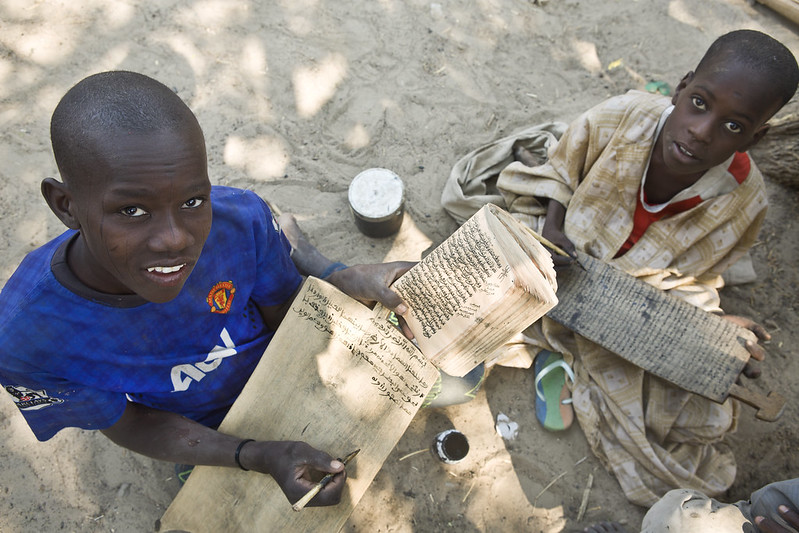
Empowering Widows and Orphans in Nigeria: The Fight Continues“Religion that God our Father accepts as pure and faultless is this: to look after orphans and widows in their distress and to keep oneself from being polluted by the world,” reads James 1:27. This Bible verse inspired Apostle Folorunso Alakija to found the Rose of Sharon Foundation (RoSF). Motivated by faith, Alakija launched the foundation to alleviate the hardships faced by widows, their children and orphans in Nigeria.
The Reality Facing Widows and Orphans

More than 15 million widows, about 21 million children and 17.5 million orphans live in Nigeria. Many in these groups face poverty due to economic hardship, a lack of resources and harmful cultural practices. Gender-based violence (GBV) compounds the difficulties. Around 30% of Nigerian women and girls experience physical, emotional or sexual abuse. Many survivors of GBV—about 55%—do not seek any support to end the violence. Cultural practices, such as widowhood rites, continue to restrict women’s advancement socially, economically and politically.

Folorunso Alakija

Alakija is a Nigerian businesswoman, philanthropist and one of Africa’s highly prominent entrepreneurs. Her endeavors in business cover the real estate, oil exploration and printing industries. Dipping into many hats, she was also a fashion designer and made the “Rose of Sharon House of Fashion” a household name in Nigeria. In collaboration with her husband, they founded the Rose of Sharon Glorious Ministry International and the next step was to tend directly to widows and children. 

RoSF Programs Driving Change

RoSF uses baseline data collection, capacity-strengthening programs, advocacy and community engagement to understand and address the needs of widows and children. In partnership with local governments and international NGOs, the foundation has helped more than 900 widows access microcredit schemes and interest-free loans to expand their businesses. More than 340 graduates have also benefited from RoSF’s programs. Mentorship and educational initiatives have had a life-changing impact. Agbayi Agu, a widow from Lagos, said, “[RoSF] has been a second God to my life… they are the ones who changed my mentality in a time of despair, that I can still forge ahead.”

The Importance of Legislative Protection

Legislation plays a key role in protecting women and promoting equality. Yet, as of 2023, women account for only 3.6% of Nigeria’s House of Representatives and 7.3% of the Senate, far below the global average of 27%. The Violence Against Persons Prohibition (VAPP) Act, passed in 2015, was a landmark achievement. RoSF and other NGOs championed the law, which protects widows from violence, discrimination and harmful practices. Before VAPP, widows endured cruel rites, such as sleeping beside a husband’s corpse to prove innocence, being confined indoors, or undergoing forced head shaving. The Act introduced punishments for perpetrators and offered legal protections for victims and their families.

Threats to Progress and Continued Advocacy

Although the VAPP Act was passed at the federal level, it took nearly 10 years for 35 out of 36 states to domesticate and enforce it. In 2024, Senator Jibrin Isah of Kogi East proposed repealing the VAPP Act, citing “legislative errors” and claiming the law lacked comprehensiveness. In response, RoSF and partners like the Malala Fund and Invictus Africa are working to defend the VAPP Act. Bukky Shonibare, Executive Director of Invictus Africa, advocates for amendments and stricter enforcement, rather than repeal.

Building Toward a Brighter Future

Since its founding, RoSF has grown from serving three widows to reaching nearly 1,000 widows directly, empowering more than 4,200 women overall. Indeed, through vocational training, scholarships and economic support, the foundation is creating opportunities for widows to rebuild their lives. Future goals include expanding NGO partnerships, reducing reliance on self-funding, strengthening social protection laws and rallying policymakers to support widows and orphans in Nigeria.

– Rachael Wexler

Rachael is based in Chicago, IL, USA and focuses on Good News and Global Health for The Borgen Project.

Photo: Flickr

May 2, 2025
https://borgenproject.org/wp-content/uploads/borgen-project-logo.svg 0 0 Precious Sheidu https://borgenproject.org/wp-content/uploads/borgen-project-logo.svg Precious Sheidu2025-05-02 01:30:252025-05-01 09:39:54Empowering Widows and Orphans in Nigeria: The Fight Continues
Africa, Aid, Global Poverty

Addressing Poverty in Nigeria: The Obijackson Foundation

obijackson foundation Ernest Azudialu Obiejesi established the Obijackson Foundation in 2010 “to improve the socio-economic wellbeing of the poor in the community through access to education, health care and good nutrition.” These challenges prevent people from getting food, education and medical care, making it difficult to lead healthy and fulfilled lives. With high unemployment rates, poor infrastructure and limited services, many Nigerians are stuck in a cycle of poverty.

Key Areas

To help break this cycle of poverty in Nigeria, the Obijackson Foundation aims to bring the poor and marginalized back into the community by focusing on five main areas: education, health care, nutrition, enterprise and welfare. It strives to help Nigerian people build better futures for themselves not only by solving short-term problems but also by addressing the deeper causes of poverty, leading to more resilient communities over time.

The Foundation uses a holistic community-driven approach that looks at both the causes and the effects of poverty, understanding that real change must address both. Pamela Egbo, the Executive Director of the Foundation, stated, “We have a robust team of people who oversee our different areas of intervention and impact. In all our programs, we are very hands-on and involved on a personal level with our beneficiaries.” By filling important gaps in services and creating more opportunities, the Foundation helps build a more equitable society. The Foundation’s work has made a huge difference in many people’s lives by focusing on creating a long-lasting, positive path to end poverty in Nigeria for the next generation of Nigerians can live a better future.

Education

The Obijackson Foundation strongly believes that education is a basic human right and key to reducing poverty, and Egbo states that the Foundation is “very intentional in making sure that the citizens of Okija get the opportunity to access quality basic education.” Although global progress has been made in school enrollment, there remain barriers such as distance to schools, poor infrastructure, lack of materials and shortage of teachers.

The Foundation provides sponsorship for 40 children annually into the Gonzaga Jesuit Academy. Egbo stated: “This is one of our biggest accomplishments to date.” Egbo also adds that “many of these children cannot read or write fluently or speak English when they start, and it is amazing to see tremendous progress.” It also provided 200 scholarships so far and hopes to award 500 more by the end of 2025. It distributes textbooks and laptops and organizes seminars and workshops for teachers. The foundation also supports Yearly Computer-Based Testing (CBT) for training, quizzes and essay contests. with scholarships awarded to winners.

Health and Nutrition

The Foundation focuses on making affordable, quality health care available, especially for women and children. In partnership with the Obijackson Women and Children’s Hospital, it provides:

  • Maternal and pediatric care: The hospital’s maternal and neonatal intensive care units offer advanced care for preterm and growth-restricted newborns.
  • Health insurance: Over 100 people enrolled in free healthcare insurance.
  • Eye health: Over 200 free eye screenings and 18 eye surgeries (cataract and glaucoma).
  • Health and hygiene education: HIV/AIDS, breast cancer, and hepatitis B awareness, the “One Girl, One Pad” program to educate female students on menstrual health with sanitary pad donations to 1,300 girls.

The Obijackson Foundation’s nutrition programs include:

  • Pantry & Nutrition Program: Provides raw food items to widows, physically challenged and people with low-income, with distribution of dry food and provisions through 23 centers.
  • Soup Kitchens: Serves hot meals to over 6,000 people each month, including inmates in Anambra and Lagos during festive seasons.
  • Other Support Programs: Distributes food and personal items for beneficiaries such as the Oji River Special School for the blind, deaf and mute in Enugu, RECDOT, Jesus Abandoned Home, St. Joseph Home and Ebute Metta Leper’s Colony.

Job Creation

Despite challenges like rising feed costs, economic instability and unfavorable policies, the Foundation remains focuses on job creation and transforming agriculture and nutrition through programs such as Obijackson farm, which creates jobs for unemployed youth in Okija, with crop growing and livestock farming to meet the rising demand for animal products. It operates with 4,000 laying birds, producing about 30,000 crates of eggs annually and with 1,000 broilers quarterly. The piggery unit has grown to 385 pigs, with the ability to sell over 250 pigs yearly.

The Obijackson Foundation is more than just a charity, it is helping to create lasting change in society by tackling poverty in Nigeria. The Foundation’s work is crucial for future development in a country where poverty and inequality are still major problems. As it continues to grow and reach more communities, the Foundation stays true to its core mission and supports those in need and help build an equitable, healthier and more educated society for a better future.

– Rafe Photopoulos

Rafe is based in Gainesville, FL, USA and focuses on Good News for The Borgen Project.

Photo: Flickr

April 12, 2025
https://borgenproject.org/wp-content/uploads/borgen-project-logo.svg 0 0 Naida Jahic https://borgenproject.org/wp-content/uploads/borgen-project-logo.svg Naida Jahic2025-04-12 07:30:492025-04-12 02:48:27Addressing Poverty in Nigeria: The Obijackson Foundation
Global Poverty, Women's Empowerment, Youth Empowerment

How SOIF Is Empowering Youth and Women in Nigeria

Youth and Women in NigeriaNigeria is an economic powerhouse in Africa. With a gross domestic product (GDP) of more than $360 million, it is one of the wealthiest countries in the region. Yet, the Nigerian population experiences significant wealth disparity. The country possesses the resources to lift its most impoverished out of poverty. Still, with 10 million children out of school and 112 million living on less than $2 per day, the cycle of poverty continues.

Youth and Women in Nigeria

Women in Nigeria experience additional inequalities among communities experiencing poverty. They are five times less likely to own land and face more obstacles to a decent education. This intersection of gender and income has led to only 25% of women in poverty attending school, with an alarming 94% illiteracy rate.

Young people seeking employment have to navigate Nigeria’s high unemployment rate, ranging from 12% to 21.5%. Oxfam International calls for stronger government efforts to address this crisis. In 2012, Nigeria allocated only 6.5% of its national budget to education, just one-third of Ghana’s expenditure. This underinvestment has led to persistent gaps in education and job training.

Single Oasis International Foundation

To address this crisis, Single Oasis International Foundation (SOIF) is uplifting women and educating youth in Nigeria. SOIF is a nonprofit that helps reduce the high unemployment rate in Africa by assisting individuals to find financial independence. It is currently focused on populations in Nigeria but is working to expand to all Africans in need.

Stable employment is a pillar of escaping poverty. This is why SOIF is committed to Goal 8 of the SDGs, which is to promote sustainable economic growth and decent work for all of a given population. Reliable work allows families to support their basic needs and build generation wealth, breaking the chains of poverty.

SOIF’s Programs for Youth and Women in Nigeria

SOIF conducts multiple programs to address specific issues among Nigerian communities. SOIF has already met great success in its efforts. It has provided nutritious food to 300 households and educational materials to 100 children. Through its curriculum initiatives, the organization has trained 900 youth and women in Nigeria and given 50 women the tools to manage their businesses.

  • Preparatory programs: The career and business preparatory programs allow women and youth in Nigeria to build skills for financial wellness and independence. These virtual courses aim to promote higher employment rates. Both programs provide students with eight virtual training sessions and the option for continued mentorship. The former bridges the employment skills gap in Nigeria and prepares students to enter the workforce confidently. In contrast, BPP motivates young people and women to open and manage independent small businesses effectively.
  • The Akara project: Business training and capital are hard to access in Nigeria, so owning a small business can be challenging. The Akara project has created a network of women in Nigeria who support one another in providing their communities with healthy, hygienically prepared food. The name “Akara,” comes from the traditional Nigerian food of fried cake made with beans or peas. These women are uplifting themselves financially and socially with the help of SOIF and improving local nutrition.
  • Rural Community Outreach program: Through RuCO, SOIF manages food and clothes banks. It collects donations of food, books and other items for redistribution to vulnerable communities, mostly women and children. Women and children in need can also access services like skills acquisition activities and health education through RuCO.

Summary

SOIF is significantly impacting Nigeria by empowering women and youth through education, job training and financial support. By addressing critical issues such as unemployment, financial literacy and food insecurity, SOIF helps individuals achieve self-sufficiency and break the cycle of poverty.

– Sarah Lang

Sarah is based in Pittsburgh, PA, USA and focuses on Technology and Politics for The Borgen Project.

Photo: Pexels

March 24, 2025
https://borgenproject.org/wp-content/uploads/borgen-project-logo.svg 0 0 Hemant Gupta https://borgenproject.org/wp-content/uploads/borgen-project-logo.svg Hemant Gupta2025-03-24 07:30:312025-03-23 04:20:56How SOIF Is Empowering Youth and Women in Nigeria
Africa, Global Poverty, Poverty Eradication

Being Poor in Nigeria

Being Poor in NigeriaNigeria is a multiethnic and culturally diverse federation with 36 autonomous states and the Federal Capital Territory. The ruling All Progressives Congress party (APC) partially dominate the political landscape, which controls the executive branch of government and holds a majority of seats in the Senate and House of Representatives in parliament as well as a majority of the states. Nigeria has a sizable population and a thriving economy, making it the largest in the West African sub-region. The oil industry produced a third of GDP, 85% of foreign exchange earnings and 95% of export income. Nigeria’s abundant resource reserves make it a prospective market for foreign businesses looking to create a thriving economy, combat poverty and deliver basic services.

Poverty in Nigeria

Most people would wonder why Nigeria still faces the prospect of poverty even though it is known as the nation with the greatest economy in the West African sub-region. Because its population has few opportunities, poverty is a problem for the government. The World Bank has stated that “Nigerians born in 2020 are only 36% as productive as they could be if they had access to health and education,” and their country has the seventh-lowest human capital index in the world. Many workers emigrate as a result of poor job creation and entrepreneurial opportunities.

In 2023, 87 million Nigerians were living below the poverty level, representing a 38.9% poverty rate. The best-performing regions are compared to upper-middle-income nations, demonstrating the persistence of spatial inequality. Insecurity and violence are pervasive, state capacity is inadequate and service delivery is constrained. Inadequate infrastructure impedes domestic economic integration and limits access to electricity. These difficulties are made more difficult by newly emerging issues like extreme weather events.

What Does It Mean to Be Poor in Nigeria?

Nigeria is facing a wave of violence, including kidnappings, clashes, terrorist attacks, brutal murders, food insecurity, inadequate health care and a disproportionate increase in living costs.

Residents of a refugee camp in Zamfara state in northwest Nigeria said “We are suffering greatly. We have almost nothing to eat and for more than four years we have not been able to dedicate ourselves to agriculture because the bandits have driven us out of our communities. We urgently need the government’s support.”

More than 2.2 million people in Nigeria have experienced displacement.  Many of them are now living in congested, resource-poor camps. In the northeast, continuous battles are also impacting food production and agriculture. Families are afraid to grow outside of military cities. Being poor in Nigeria has led to some families eating cassava husks to survive because food shortages are so bad. As a result of poverty in Nigeria, the Nigerian government introduced the National Multisectoral Action Plan for Food and Nutrition in 2020, a 2021–2025 initiative to address malnutrition and food security. However, this initiative has received enough funding.

More than 30% of Nigeria’s workforce is employed in the agriculture sector, which contributes 24% of the country’s GDP. Yet support for this sector is still below the 10% goal that the African Union established in the 2003 Maputo Declaration. With 32% of children under five suffering from childhood stunting, Nigeria has one of the highest rates in the world.

The Path to Economic Stability and Poverty Reduction

Since May 2023, Nigeria has implemented significant measures aimed at reestablishing macroeconomic stability. There is now a single, better-regulated, and market-reflective official exchange rate as a result of the government’s shift to market-based gasoline pricing and significant FX policy reforms. Nevertheless, this has increased the strain already placed on businesses and people. Although the macroeconomic environment is getting better, further steps are necessary to guarantee long-term deflation and better policy communication. Four main fiscal priorities can lower debt risks and free up funds for pro-poor and development investment. Wage jobs, macro fiscal stability, growth, private sector development and human capital creation are all necessary for long-term poverty reduction.

While higher-paying jobs are unavailable, short- and medium-term initiatives to increase production in household businesses, both farm and non-farm, can offer assistance. Youth and women’s policy measures can also increase the labor market’s capacity to reduce poverty.

The World Bank’s Efforts

To prevent the threat of being poor in Nigeria, the World Bank approved two operations on Wednesday, June 13, 2024: $750 million for the Nigeria Accelerating Resource Mobilization Reforms (ARMOR) Program-for-Results (PforR) and $1.5 billion for the Nigeria Reforms for Economic Stabilization to Enable Transformation (RESET) Development Policy Financing Program (DPF). Nigeria’s pressing attempts to stabilize the economy and increase aid for the poor and most economically vulnerable are immediately supported financially and technically by this $2.25 billion package. It also backs Nigeria’s multi-year, ambitious plan to protect oil income and increase non-oil revenues in order to foster fiscal sustainability and provide enough funding for high-quality public services.

– Abdulhameed Olanrewaju

Abdulhameed is based in Exeter, UK and focuses on Technology and Global Health for The Borgen Project.

Photo: Flickr

March 3, 2025
https://borgenproject.org/wp-content/uploads/borgen-project-logo.svg 0 0 Jennifer Philipp https://borgenproject.org/wp-content/uploads/borgen-project-logo.svg Jennifer Philipp2025-03-03 07:30:102025-03-03 01:15:15Being Poor in Nigeria
Global Poverty, Health, Technology

AI in Nigeria: Innovations Transforming Health and Education

AI Innovations Transforming Health and Education in NigeriaIn Nigeria, doctors remain spread thin, with one physician serving approximately 2,500 people, this shortage leaves millions without timely access to health care. Education faces similar challenges, with UNICEF reporting that more than 10 million children are out of school despite the government’s policy of free primary education. In conflict-affected northeastern states, more than 800 schools remain closed, with nearly 2,000 classrooms damaged or destroyed. Amid these challenges, artificial intelligence (AI) offers a glimmer of hope, with platforms like Ada Health and EDVES leading transformative change across Nigeria’s health care and education sectors.

Ada Health: AI-Driven Medical Guidance

AI is making significant strides in Nigeria’s health care system, with Ada Health at the forefront. This app provides free, user-friendly symptom assessments, bridging the gap between patients and health care providers. In a country where communicable diseases cause nearly 64% of deaths, early detection and accurate guidance are vital.

Ada Health’s platform begins by asking users a series of simple, jargon-free questions about their symptoms. It then analyzes the responses using advanced algorithms, providing preliminary assessments and recommendations for care. The app also stores medical history, tracks allergies and generates reports for doctors, streamlining the diagnostic process once patients seek treatment.

This innovation reduces the workload on Nigeria’s already overstretched health care professionals. With nearly 40% of Nigerian doctors emigrating to practice abroad, AI-driven solutions like Ada Health help fill the gap by providing preliminary health care guidance. As Nigeria’s population is projected to reach 400 million by 2050, such technological advancements will become increasingly essential.

EDVES: Revolutionizing Education Access

While health care sees progress through Ada Health, Nigeria’s education sector is transforming through EDVES, one of Africa’s largest AI-powered education platforms. With more than 10 million Nigerian children out of school, EDVES offers a lifeline by making learning accessible, even in rural communities with limited internet connectivity.

EDVES operates as a comprehensive school management system, equipping teachers, students and administrators with AI-powered tools in Nigeria. Students access video lessons, homework folders, downloadable notes and attendance tracking through mobile and desktop apps. Teachers can monitor academic progress, compare subject performance across terms and streamline communication with parents.

AI’s Role in Poverty Reduction

Beyond improving health care and education, AI-driven platforms like Ada Health and EDVES are tackling the root causes of poverty. Early health intervention prevents families from falling deeper into economic hardship due to prolonged illness, while accessible education creates pathways for future employment. However, challenges remain. Limited smartphone access, inconsistent internet connectivity and concerns about data privacy could hinder AI adoption in rural areas. Collaboration between the Nigerian government, private sector and civil society could be crucial in scaling these initiatives and ensuring equitable access.

Looking Ahead

AI is reshaping health and education landscapes in Nigeria, offering scalable solutions to longstanding challenges. Ada Health provides critical medical guidance, while EDVES brings quality education to remote communities. Together, they illustrate AI’s potential to break cycles of poverty, empowering Nigerians with the knowledge and care they need to build brighter futures. Furthermore, as AI continues to evolve, partnerships between innovators, governments and communities will determine how far its benefits can reach. With thoughtful implementation and sustained investment, AI could transform not only Nigeria but also other developing nations striving to overcome health care and education disparities.

– Jacob Christopher

Jacob is based in Granite Falls, NC, USA and focuses on Technology and Global Health for The Borgen Project.

Photo: Flickr

March 3, 2025
https://borgenproject.org/wp-content/uploads/borgen-project-logo.svg 0 0 Precious Sheidu https://borgenproject.org/wp-content/uploads/borgen-project-logo.svg Precious Sheidu2025-03-03 01:30:462025-03-03 01:01:02AI in Nigeria: Innovations Transforming Health and Education
Africa, Development, Global Poverty

How Historical Resource Extraction in Africa Fuels Modern Poverty

historical resource extractionThe history of colonial exploitation has deeply shaped economic and social structures in sub-Saharan Africa, particularly through large-scale resource extraction. European powers profited extensively from Africa’s natural wealth while providing limited support to local economies and communities. The impact of colonial-era practices remains evident in the economic challenges facing many African countries today, such as dependency on raw exports and foreign corporations. This article explores how the colonial exploitation legacy influences modern poverty, focusing on Nigeria and the Democratic Republic of the Congo (DRC). It also examines current efforts to reduce dependence on foreign entities through sustainable development and resource sovereignty initiatives.

Historical Resource Extraction and Economic Dependency

During colonial rule, European powers extracted valuable resources from African nations without regard for long-term economic development. In the DRC, Belgium controlled vast resources, including rubber, copper and ivory, while failing to invest in essential infrastructure like roads, schools or health care. The Belgian administration’s primary attraction to the DRC was its natural resources that could be exploited for profit. This exploitation by Belgium ​​set the stage for decades of future conflict and violence leaving behind an unstable country unable to grow economically. Evident in how the majority of Congolese people have not benefited from the natural resources. The DRC is one of the poorest countries in the world with an estimated 73.5% of Congolese people living on less than $2.15 a day in 2024.

Similarly, Nigeria’s British colonial rulers focused on extracting oil, positioning Nigeria as one of Africa’s major oil producers. However, with approximately 40% of Nigerians living below the national poverty line, wealth distribution remains a significant issue.

Nigeria’s economy, heavily reliant on oil exports, faces the consequences of price fluctuations in global markets, which can destabilize the local economy and deepen poverty. The United Nations Development Programme (UNDP) has documented the economic instability that accompanies raw material dependency, noting that countries lacking the infrastructure to process their resources into higher-value products struggle with poverty and limited economic diversification.

Long-Term Impacts

Historical resource extraction systems left African countries reliant on raw exports, which today are often controlled by foreign corporations. In Nigeria, international oil companies hold a significant stake in oil production. Their influence limits Nigeria’s ability to fully capitalize on its oil wealth for national growth, as foreign profits outstrip contributions to the local economy and infrastructure.

In the DRC, foreign corporations dominate cobalt mining, a resource crucial to technology production worldwide. Local communities receive minimal benefits from the cobalt industry, often facing poor working conditions, environmental damage, and limited economic opportunity. Artisanal miners, who produce over 20% of the DRC’s cobalt, frequently earn less than $2 per day despite grueling and dangerous conditions.

Furthermore, child labor remains a significant concern, with an estimated 40,000 children working in cobalt mines across the country, Wilson Center reports. According to the UNDP, economies heavily reliant on raw exports without diversified industry struggle with job scarcity and vulnerability to market fluctuations, hindering efforts to reduce poverty. The presence of foreign corporations in critical industries leaves these countries at the mercy of global market dynamics, which often prioritize profit over local development.

Sustainable Development and Economic Empowerment

Several African nations have launched initiatives to reduce reliance on raw exports and foreign corporations in response to colonial legacies. Nigeria, for instance, has started developing oil refineries to process crude oil locally, hoping to reduce its need for imports and increase job opportunities. By adding value within Nigeria, these efforts aim to boost economic resilience and retain a larger share of resource-generated wealth within the country.

The U.S. government-supported Public-Private Alliance for Responsible Minerals Trade (PPA) focuses on creating a sustainable and responsible minerals trade in the Democratic Republic of Congo (DRC) by promoting local ownership and ethical mineral sourcing. By creating conflict-free supply chains for resources like gold and cobalt, the PPA helps communities gain more control over their resources.

It also emphasizes empowering women in mining communities and improving working conditions. These efforts aim to create sustainable economic opportunities, reduce exploitation by foreign corporations, and build resilience in the DRC’s mining regions. Transparent supply chains and community-focused projects are critical steps toward self-sufficiency and long-term poverty alleviation.

Addressing Colonial Impacts to Alleviate Poverty

Historical resource extraction continues to affect African economies, leaving many reliant on raw exports and vulnerable to global market shifts. European powers took significant wealth from African nations without fostering sustainable local industries, creating economic structures that persist today. Sustainable development and resource sovereignty initiatives are helping African countries reclaim control over their resources and invest in local economic growth. Addressing these historical injustices remains crucial for building economies that empower African communities and reduce poverty by ensuring African wealth benefits the continent itself.

– Harriet Conway

Harriet is based in London, UK and focuses on Politics for The Borgen Project.

Photo: Flickr

December 31, 2024
https://borgenproject.org/wp-content/uploads/borgen-project-logo.svg 0 0 Naida Jahic https://borgenproject.org/wp-content/uploads/borgen-project-logo.svg Naida Jahic2024-12-31 01:30:532024-12-30 02:29:50How Historical Resource Extraction in Africa Fuels Modern Poverty
Africa, Global Poverty

Fighting Poverty in Nigeria by Creating Jobs

Poverty in NigeriaNigeria is giving its young entrepreneurs a chance to create small businesses which, among other initiatives, could reduce the unemployment rate and help fight poverty in the country.

Poverty in Nigeria: A Youthful Outlook

To accomplish such a feat, the country has created a Youth Entrepreneurship Investment Bank for the specific purpose of financing youth in the country, regarding their entrepreneurial endeavors. Nigerian leaders hope that the $100 million invested into such an establishment would make a positive impact in the reduction of Nigeria’s multidimensional poverty. Nigeria’s Multidimensional Poverty Index (MPI) is at 0.175, according to the 2024 Human Development Reports. While this index would indicate a better performance regarding multidimensional poverty, the impact still exists in the country.

The country’s African Development Bank (AfDB) Group President expresses his hope that the youth will help the country rise with the following statement: “Certainly, Nigeria, 64 years after independence, should not be a developing country. Nigeria should be a developed nation!”

Nestle: Empowering Nigeria’s Women

Through its “Rural Women Empowerment Program,” Nestle is providing various opportunities for women in Nigeria. According to Vanguard, the program provides training, mentoring and grants to young Nigerian women in rural areas looking to boost their businesses, sometimes providing up to three times the value of their existing businesses

Nestle is also hiring women into executive positions of leadership within the company. Women hold almost half of the company leadership positions, with 46.4% being the current number and slowly rising, with the initiation of the program that Nestle started in 2021. Since then, Nestle has empowered 332 women in the workforce in Nigeria, helping to generate financial independence and foster businesses for women for years to come.

Nigeria’s Increasing International Innovations

More recently, in November 2024, the Nigerian President attended a G20 Summit in Brazil, where he addressed the positive impacts of an alliance between Brazil and Nigeria. “By collaborating with international partners, Nigeria aims to leverage best practices, innovative solutions, and financial support to enhance its efforts to combat poverty and hunger,” he stated. The President also added that “Nigeria’s endorsement of the declaration of commitment to join the Global Alliance Against Hunger and Poverty is a significant step forward in our ongoing efforts to address hunger and poverty. The endorsement demonstrates our commitment to leveraging international cooperation and resources to bolster domestic strategies that will deliver inclusive growth and socio-economic development.”

In short, Nigeria is also utilizing its international relations with Europe and other African Nations to provide the economy with better sustainable development and long-term economic growth.

Fighting Poverty in Nigeria

Overall, Nigerian entrepreneurism and international relations would seem to be on the rise in Africa, and the reduction of poverty in the country could be the result. Between the investment bank being created, women holding leadership positions in conglomerate companies like Nestle, and alliances between Brazil and Nigeria growing stronger, the country could well be on its way to eradicating poverty within its borders. For Nigeria, an investment in the youth of today is a future for the youth of tomorrow.

– Sadie Treadwell

Sadie is based Grovetown, GA, USA and focuses on Business and Good News for The Borgen Project.

Photo: Unsplash

December 11, 2024
https://borgenproject.org/wp-content/uploads/borgen-project-logo.svg 0 0 Naida Jahic https://borgenproject.org/wp-content/uploads/borgen-project-logo.svg Naida Jahic2024-12-11 01:30:572024-12-11 01:23:29Fighting Poverty in Nigeria by Creating Jobs
Page 5 of 11«‹34567›»

Get Smarter

  • Global Poverty 101
  • Global Poverty… The Good News
  • Global Poverty & U.S. Jobs
  • Global Poverty and National Security
  • Innovative Solutions to Poverty
  • Global Poverty & Aid FAQ’s
Search Search

Take Action

  • Call Congress
  • Email Congress
  • Donate
  • 30 Ways to Help
  • Volunteer Ops
  • Internships
  • Courses & Certificates
  • The Podcast
Borgen Project

“The Borgen Project is an incredible nonprofit organization that is addressing poverty and hunger and working towards ending them.”

-The Huffington Post

Inside The Borgen Project

  • Contact
  • About
  • Financials
  • President
  • Board of Directors
  • Board of Advisors

International Links

  • UK Email Parliament
  • UK Donate
  • Canada Email Parliament

Get Smarter

  • Global Poverty 101
  • Global Poverty… The Good News
  • Global Poverty & U.S. Jobs
  • Global Poverty and National Security
  • Innovative Solutions to Poverty
  • Global Poverty & Aid FAQ’s

Ways to Help

  • Call Congress
  • Email Congress
  • Donate
  • 30 Ways to Help
  • Volunteer Ops
  • Internships
  • Courses & Certificates
  • The Podcast
Scroll to top Scroll to top Scroll to top