Mobile Vaccination in Nigeria is Saving Kids Lives
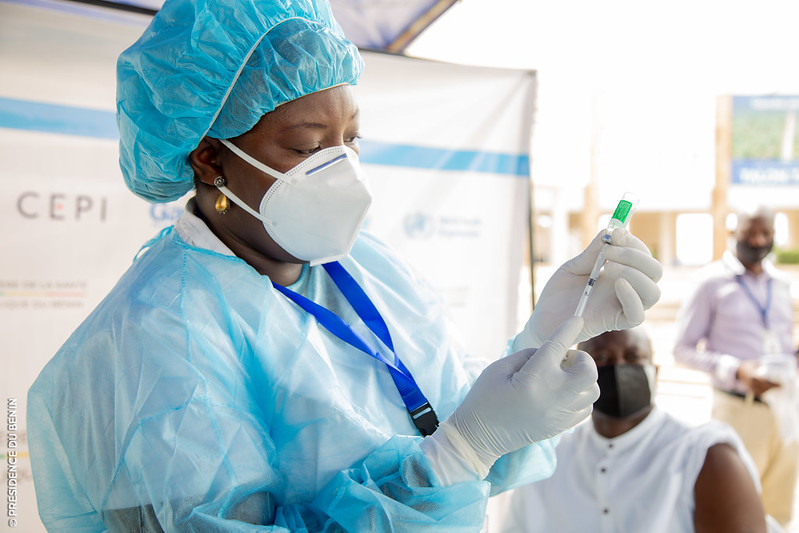 Nigeria is the most populous country in Africa, and it has the second-highest number of children who have not received any vaccines in the world. But it’s addressing this problem with mobile vaccination teams. While there is still a long way to go, mobile vaccination in Nigeria has proven to be very successful.
What Are Zero-Dose Children?
Children who have not received any vaccinations are referred to as zero-dose children. These children make up a substantial portion of preventable deaths in children worldwide. Most zero-dose children live in lower and middle-income countries.
Globally, “Nigeria has one of the highest proportions of zero-dose children.” In 2021, experts estimated that more than 2.2 million zero-dose children were in the country. The children of teenage and young mothers are particularly likely to be zero-dose children.
There are many reasons parents do not vaccinate their children. The majority of zero-dose children in Nigeria are born to poor families. As a result, they often live in an area where a health center is not readily accessible. Meaning they have to pay for transportation to the health center, something many of them can not afford to do. This need to travel also means that parents must take a day off from work, meaning lost wages.
Another common reason is misinformation about vaccines and their safety. Young mothers face extra challenges, and many avoid traditional health centers due to stigmatization and hostility from other mothers there as well as the health care workers. The social stigma that comes with being a young mother prevents them from returning after their first visit.
Mobile Vaccination in Nigeria is Working
Several steps make up mobile vaccination in Nigeria. Step one is identifying an area with a high number of zero-dose children. In Nigeria, vaccination of children is “lowest in the north,” according to the New Incentives. This knowledge, together with short surveys of areas, gives decision makers real-time data on the vaccination status of children.
Step two is providing parents with correct information about vaccines and their importance. That includes talking about possible side effects and addressing misinformation about vaccines. The final step is vaccinating the children. All of this requires working with the local communities and their leaders.
Mobile vaccination in Nigeria has proven to be very effective. One study found that thanks to mobile vaccination, six states in Northern Nigeria saw an average increase in fully immunized children aged 12–23 months, from 19% to 55%.
Conclusion
Mobile vaccination in Nigeria has been proven to be effective and is saving lives. While there is still more work to do, particularly with the children of young mothers, this is a fantastic start. With continued use of mobile vaccination and strong leadership, Nigeria can help save more lives.
– Axtin Bullock
Axtin is based in Georgetown MA, USA and focuses on Technology and Global Health for The Borgen Project.
Photo: Flickr
