Posts

EVs in EthiopiaOn Jan. 29, 2024, Alemu Sime, Ethiopia’s Minister of Transport and Logistics, announced his government’s new electric vehicle (EV) and internal combustion engine (ICE) vehicle policy. The policy, the first of its kind globally, banned the importation of diesel- and gasoline-powered ICE vehicles while dramatically lowering import tariffs on EVs. Import tariffs for completed EVs were reduced to 15%, to 5% for semi-assembled vehicles and to 0% for vehicles shipped in parts and locally assembled.

Several global players are currently benefiting from the new EV policy. For instance, international EV manufacturers have experienced substantial market growth in sub-Saharan Africa. The Toyota bZ4x EV has become increasingly popular in Ethiopia since 2024, as has the Mercedes-Benz EQ range.

The policy’s impact on the environment cannot be understated. Ethiopia aims to accommodate 60 EV manufacturing plants by 2030 and have 500,000 EVs on the roads by 2032; both aims will lead to a significant and sustainable reduction in the state’s hydrocarbon emissions. The policy, while contributing to environmental protection and the growth of international conglomerates, is also set to aid poverty reduction in Ethiopia through three distinct pathways.

Import Cost Redistribution

The new EV policy will free up significant government resources, which it can invest in vital infrastructure and social services. Before passing the EV bill, the Ethiopian government spent roughly $7.6 billion per year importing fossil fuels, approximately 5% of its GDP. This led to the accrual of billions of dollars in international debt.

Ethiopia defaulted on its sovereign bonds in 2023 and received an International Monetary Fund (IMF) bailout in 2024. Without the enormous financial pressure imposed by the cost of importing fossil fuels, the Ethiopian government will have more capital to invest in education, health care and infrastructure.

Approximately 55% of children in Ethiopia complete primary schooling. Increased investment in education could encourage school attendance by subsidizing stationery, uniforms and school meals. An increase in educational access in Ethiopia would provide a stable basis for economic development in traditionally deprived communities, contributing to the alleviation of poverty.

Job Creation

The new EV policy, through the construction of EV manufacturing plants, is set to create thousands of new jobs. The policy’s staggered import tariff favors the assembly of EVs in Ethiopia over traditional vehicle imports. As a result, many new manufacturing plants are currently being built in Ethiopia. Seventeen are currently operational.</span>

Ethiopia’s labor market is stable; unemployment sits at just 3.9%. However, the growing EV industry will provide opportunities for workers traditionally employed in agriculture to earn higher, less seasonally dependent wages in skilled secondary-sector manufacturing jobs. This will support poverty alleviation through increased wage stability.

Vehicle Distribution

Vehicle ownership in Ethiopia has traditionally been concentrated in Addis Ababa. Cars are a rare luxury in the sub-Saharan country, with just 13 cars per 1,000 people. The increase in local car manufacturing is forecast to lower vehicle prices by offsetting import tariffs and other costs.

Cheaper cars will democratize access, allowing a greater proportion of Ethiopia’s population to commute. These activities will encourage economic development in areas that have traditionally lacked strong transport links, such as deprived rural areas, thereby contributing to poverty reduction. Overall, Ethiopia’s new EV policy is set to help alleviate local poverty.

It will do so by freeing government resources for reinvestment in social infrastructure, providing secondary-sector employment and democratizing vehicle ownership. Large corporations and states, while also benefiting from the policy, are not the only actors set to benefit from EVs in Ethiopia.

– Arthur Horsey

Arthur is based in Hampshire, UK and focuses on Business and Politics for The Borgen Project.

Photo: Flickr
Foreign Aid to EthiopiaEthiopia remains one of the poorest countries in the world. Despite decades of foreign aid from as far back as the Cold War, the World Bank expects that 43% of its 138-million-person population is living below the poverty line of $3 per day. As much as 72% of the country lives without reliable education, health care or basic services, presenting immense challenges to people in rural and urban areas alike. However, with global politics constantly evolving, a growing number of nations and independent organizations have begun to help lift this developing nation above the line of poverty. Here is more information about foreign aid to Ethiopia.

Ethiopia’s History With Aid

The United States and Ethiopia have long held an important bilateral relationship in terms of aid. This east African country has consistently stood among the top recipients from the U.S, and the U.S. has consistently been its top donor. However, the U.S. Agency for International Development (USAID) paused its foreign aid to Ethiopia in 2023, following reports that large amounts were being diverted away from the residents who relied on it and resold locally. The agency oversaw reforms in the distribution of its aid that year, allowing its vital efforts to continue its life-saving work. The assistance that USAID provided has helped reduce AIDS-related deaths by 79% and supplied locals with essential testing materials and medication kits.

As the U.S. continues to taper its contribution, other key actors are met with the responsibility of filling in its role. The World Food Programme (WFP) is a leading international organization in distributing humanitarian aid to those who most need it, regardless of political tension. Conflict, drought and rising food prices have displaced an alarming number of men, women and children without stable food supplies, making emergency assistance essential for survival. In 2024, the WFP detailed its plan to support 1.9 million high-risk Ethiopians and a further 1 million refugees through its assistance. Its unique initiatives involve optimizing and protecting harvests by providing seed inputs, expanding market access and preventing post-harvest loss.

Impact of the Humanitarian Efforts

The $1.3 billion in U.S. foreign aid to Ethiopia in 2024 has helped drive Ethiopians through periods of immense strain in several regions. The combination of armed conflict and a multi-year drought has proved challenging for tens of millions of residents, but the country has not gone without external aid. The vast majority of the U.S. donation—$831 million—was humanitarian, supporting emergency food distribution, malnutrition treatment for children and mothers and school meals for children in displaced communities. Smaller portions went toward long-term economic development, pro-democratic governance and stabilizing efforts like education and the environment.

Wealthy nations are not the only actors in the fight for global development. The International Rescue Committee (IRC), a humanitarian nonprofit that Albert Einstein helped create, is one of many independent organizations working to alleviate the country’s refugee crisis. Ethiopia accepts more than 1 million refugees and asylum seekers from neighboring nations, making it one of the world’s largest refugee hosts. Since 2000, the International Rescue Committee has played a decisive role in supporting vulnerable residents and refugees in the region, especially for women and children.

The Future of Funding

As the United States cuts back on large amounts of its foreign aid to Ethiopia and other countries, European and international bodies are placing a greater emphasis on humanitarian efforts in the area. The European Union has offered about $700 million to support the developing nation through 2027, focusing on development that promotes conflict resolution, governance and peacebuilding. Denmark has pledged a further $238 million sum over five years in bilateral grants, marking efforts to support sustainable growth amid waning U.S. assistance.

The WFP has outlined five goals for its operations in Ethiopia, each underscoring the importance of long-term solutions rather than solely monetary contribution. Among these, they hope to see crisis-afflicted populations gain “strengthened livelihoods supported by resilient food systems that enable them to withstand multiple shocks and stressors.” The primary aim of the WFP is in developing social and political systems in the country that allow residents to thrive despite unexpected conflict or natural disaster.

– Jayhan Adhi

Jayhan is based in Chicago, IL, USA and focuses on Business and Politics for The Borgen Project.

Photo: Flickr
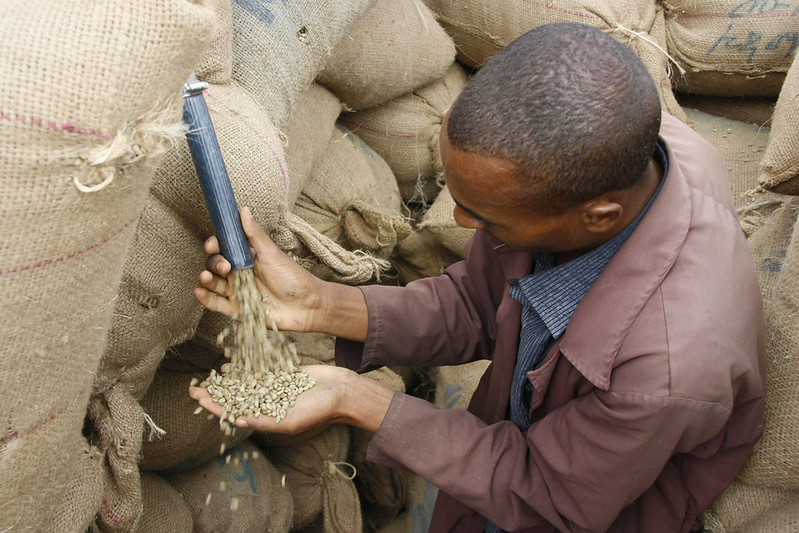
ethiopia coffeeEthiopia produces some of the best specialty coffee in the world. Demand for specialty coffee is rising, and Ethiopia’s potential to market 6,000 more varieties creates an opportunity to export coffee at a higher rate. Yet, many of the farmers do not see the benefits of their own labor.
Many farmers lack access to basic necessities such as potable water, a proper education and electricity. Rural and remote coffee farmers produce 95% of the coffee while owning less than five acres of land. A disconnect between the coffee supply chain and smallholder coffee farmers prevents them from receiving fair pay. This causes intermediaries to control the flow of money. REgrow Yirga is reshaping the coffee industry in Ethiopia to address these issues.

REgrow Yirga

The USDA, JDE and Peet’s Coffee started REgrow Yirga to change the Ethiopian coffee sector. Their goals include enhancing competitiveness, increasing productivity, improving supply chain performance and strengthening market conditions, according to TechnoServe.

The program targets the Gedeo Zone in southern Ethiopia, an area widely known for its Yirgacheffe coffee. This project supports 45,000 smallholder coffee farmers and 45 private wet mills by addressing the root problems hindering growth in the coffee sector.

How It Works

The program prioritizes addressing the gap in education on agronomy for Ethiopian coffee farmers. This involves a two-year agronomy training program from the TechnoServe Coffee Farm College, which is responsible for teaching farmers how to adopt regenerative agronomic practices through practical and knowledge-based training. REgrow Yirga equips coffee farmers with the necessary equipment and support to begin independently increasing their incomes.

Another issue that the program is tackling is the replacement of outdated coffee trees. Many of the current coffee trees are more than 20 years old, limiting coffee production. REgrow Yirga is reshaping the coffee industry in Ethiopia by teaching farmers the benefits of cutting coffee trees at the stump in a process called rejuvenation.

The process removes trees from production for one year while they regrow. Many farmers avoid doing this because they cannot afford to lose a year’s worth of income, but this process creates a more productive tree and a higher yield of coffee over time.

Gaining Independence

Through education on renewable practices, and by providing the resources to increase productivity, REgrow Yirga is reshaping the coffee industry in Ethiopia by allowing smallholder farmers to gain independence. This project brings equity to the coffee industry. Farmers gain a fair share of the value that their coffee creates. These long-term sustainability efforts will serve as a model for changes that are driving reform for equality for marginalized farmers worldwide.

– Sachin Kapoor

Sachin is based in Atlanta, GA, USA and focuses on Technology and Solutions for The Borgen Project.

Photo: Flickr

Productive Safety Net ProgramEthiopia launched the Productive Safety Net Program (PSNP) in 2005 to reduce food insecurity and strengthen resilience to climate-related shocks. The program operates through cash transfers, public works and targeted nutrition support. According to the Climate Policy Initiative, the program reaches more than 8 million households each year, representing more than 7% of the population.

Background

The Climate Policy Initiative reports that Phase V of the PSNP began in November 2020 under the Strengthen Ethiopia’s Adaptive Safety Net Project. This project received a $200 million credit and a $312.5 million grant. It also received $430 million from USAID, $281 million from the United Kingdom’s Foreign, Commonwealth and Development Office and $600 million from the Government of Ethiopia.

This phase aims to expand the geographic scope of the program, improve PSNP implementation and strengthen disaster response efforts. These objectives support broader policy goals. According to the European External Action Service, this focuses on reducing extreme poverty in targeted rural areas and strengthening household resilience to recurrent shocks. 

It also aims to prevent harmful coping mechanisms, promote sustainable livelihoods and improve food security and access to essential services for vulnerable populations.

Project Components

The PSNP includes a range of components and policies. The European External Action Service reports that this program provides cash or food payments to about seven million people who participate in public works initiatives. Participants receive benefits for up to six months while engaging in community-building tasks.

One million people identified as chronically impoverished or unable to work receive unconditional benefits for 12 months. The program implements public works projects in both livestock-based and non-livestock-based areas to protect residents from resource losses linked to poverty and disasters. These projects focus on strengthening infrastructure, improving soil and water conservation and supporting environmental protection efforts.

Some policies include developing roads and schools, planting seedlings for reforestation, preventing soil erosion and creating or rehabilitating irrigation systems. PSNP provides financial and social services to beneficiaries. This program facilitates grants and loans for farming and nonfarming activities to support poverty reduction.

This program connects beneficiaries to social support services across nutrition, health and education. The Shock Responsive Safety Net administers assistance to beneficiaries facing food insecurity, particularly those affected by droughts and other shocks.

Environmental Shocks

Environmental policy plays a key role in the PSNP. As stated by the European External Action Service, integrating climate shift adaptation into public works projects helps minimize the impact of climate shocks on food insecurity. For example, watershed rehabilitation and area closures can promote vegetation growth for livestock feed.

In addition, environmental management efforts can lessen the risk of landslides, floods and soil erosion. According to the World Bank, a significant portion of Ethiopia’s population depends on rain-fed agriculture. The country has endured recurrent droughts in previous decades, historically occurring every three to five years.

While the frequency of environmental shocks has varied over the years, they remain a consistent concern that has shaped Ethiopia’s social protection response. The World Bank further states that droughts and famines have affected millions of people over multiple periods. Environmental degradation, weak resource management and shrinking landholdings driven by constraints in policy implementation have worsened the effects of droughts.

These factors have led to the degradation of productive assets and the erosion of household and community resilience.

Economic Impacts

Programs like the Productive Safety Net Program help stabilize incomes and productive assets, enabling households to participate in local and regional markets. By reducing financial uncertainty connected to recurrent shocks, PSNP helps create a predictable economic environment that supports trade and investment. Over time, these factors can expand consumer markets and reinforce supply chains, creating trade opportunities for companies based in the U.S. and the U.K.

– Sasha Banaei

Sasha is based in San Diego, CA, USA and focuses on Business and New Markets for The Borgen Project.

Photo: Flickr

Ethiopian Highland MalariaRising temperatures are changing where malaria is transmitted in Ethiopia. Multiple studies show that as the climate warms, thermal thresholds suitable for malaria shift upward in elevation, increasing risk in places that were previously considered lower risk. This trend is directly relevant to Ethiopian highland malaria exposure.

A landmark analysis of long-term data from the highlands of Ethiopia (and Colombia) found that interannual temperature variability drives upslope movement in malaria incidence, providing clear evidence of altitudinal change. Complementary climate work using Ethiopia’s enhanced national climate dataset (ENACTS) identified statistically significant increases in the elevation of key temperature thresholds linked to transmission suitability, reinforcing concerns about such risks. Ethiopia’s malaria risk has traditionally been determined by altitude and temperature.

Program profiles identify “malaria-free” areas above roughly 2,500 meters—or above 2,000 meters where average annual temperatures stay below about 16 °C, highlighting how climate historically restricted transmission at higher elevations. As those conditions change, the boundary of receptivity can move, with implications for surveillance and response in fringe highland districts.

National Strategy and Health System Planning

Ethiopia’s National Malaria Elimination Program (NMEP) operates under a five-year strategic plan (2021–2025). It aims to consolidate gains, further reduce malaria burden and interrupt transmission in selected areas. The plan emphasizes evidence-based stratification, vector control (long-lasting insecticidal nets [LLIN]/Indoor Residual Spraying [IRS]), case management and surveillance, pillars that can be calibrated as malaria exposure changes.

Ethiopia’s recent malaria situation highlights the stakes. The World Health Organization (WHO) reported more than 7.3 million malaria cases and more than 1,100 deaths between January 1 and October 20, 2024, a reminder that national systems must plan for surges and geographic shifts. While these figures are national (not highland specific), they frame the operational urgency for climate-informed malaria control.

Climate-sensitive planning is already embedded in Ethiopian research and practice. Recent analyses link El Niño and other climatic drivers to epidemic risk in Ethiopia and programmatic efforts have piloted integration of climate information with disease surveillance to strengthen early warning and response.

Donor Financing and Policy Frameworks

The Global Fund and Ethiopia have launched three new grants totaling more than $441 million for 2024–2027 to sustain progress against HIV, TB and malaria while strengthening health and community systems. This funding can also support climate-aware targeting, improved surveillance and vector control, aligned with national health priorities. Globally, the Global Fund’s 2023–2028 Strategy and subsequent guidance explicitly encourage integrating climate considerations into malaria programming, including grant reprogramming to address climate-related shifts in risk.

These frameworks offer a pathway for aligning budgets and activities with evolving transmission zones. Partner inputs extend beyond financing. Program profiles from the U.S. President’s Malaria Initiative (PMI) detail Ethiopia’s stratification and intervention mix, a baseline that can be recalibrated if Ethiopian highland malaria risk zones expand.

Compounding Factors: New Vectors and Urbanization

In addition to climate-driven altitudinal shifts, the emergence of Anopheles stephensi, an invasive urban malaria vector, has complicated control in the Horn of Africa. WHO has issued an alert on its spread and peer-reviewed studies from Ethiopia have implicated the vector in outbreaks, underscoring the need for expanded entomological surveillance and tailored control in urban and peri-urban settings.

Actionable Recommendations

  • Continuously update high-elevation risk maps by adopting climate-informed micro-stratification that uses high-resolution temperature data and surveillance information to identify newly receptive highland areas. Reassess historical altitude thresholds (for example, the 1,750–2,000 m guidelines) where warming has increased thermal suitability for malaria transmission.
  • Strengthen climate-informed early warning systems by integrating meteorological drivers (rainfall, temperature anomalies, El Niño) with routine case data for predictive action; deploy tools and workflows documented in Ethiopian pilots and international reviews.
  • Target vector control to shifting zones. Prioritize LLINs/IRS and larval source management in highland districts where suitability has increased; expand entomological surveillance along elevation gradients, including monitoring for Anopheles stephensi in at-risk urban corridors.
  • Use flexible financing to adapt grants by leveraging Global Fund climate and malaria reprogramming guidance. Adjust budgets and activities mid-cycle as risk maps evolve, for example, by increasing procurement of nets and IRS supplies, adding surveillance sites or deploying rapid response teams.
  • Protect equity in access. As highland communities confront new exposure, ensure case management, outreach and supply chains reach newly affected areas to prevent delays in diagnosis and treatment.

Conclusion: Health, Equity and Stability

The evidence is clear that warming can shift malaria suitability to higher elevations, challenging historical assumptions about Ethiopian highland malaria. By aligning national strategy, donor financing and climate-informed surveillance, Ethiopia and its partners could anticipate and respond to highland malaria risk before outbreaks take hold. Doing so is not only a public health imperative but a matter of equity and system resilience in a changing climate.

– Clara Garza

Clara is based in Los Angeles, CA, USA and focuses on Global Health and Politics for The Borgen Project.

Photo: Flickr

Marburg Virus in EthiopiaMarburg virus is a rare disease that can be spread between humans via contact with bodily fluids from another infected individual. The disease is severe and in 80% of cases fatal. The virus causes symptoms such as fever, headaches, muscle aches, rash, vomiting and more. 

The virus is most commonly found in sub-Saharan Africa. Multiple countries in this region have been affected in the past, with the most recent outbreak reported in Ethiopia. Ethiopia is a country located in the Horn of Africa, with the second-largest population on the continent.

The country has already battled multiple viruses, such as yellow fever, hepatitis, HIV and more. On November 12, 2025, a new outbreak of Marburg virus was detected in Ethiopia. This strain is reportedly the same strain that had broken out in other African countries. There are at least nine cases of Marburg virus in Ethiopia, with six confirmed deaths.

The Cause

The virus spreads to humans from infected Egyptian rousette bats. According to scientists, there is an increased risk of outbreaks as “climate [instability], as well as deforestation and urbanization, is steadily destroying the habitats of the fruit bats that harbor diseases like Marburg and Ebola…” Once the virus has infected humans, it can be transmitted to others through contact with infected bodily fluids.

To prevent transmission, experts recommended that those working in or visiting areas inhabited by bat colonies take protective measures, such as wearing gloves and masks. They also advised avoiding contact with individuals who are already infected.

Treatment

Treatments and vaccines for the virus currently do not exist. However, some vaccines are under investigation and early supportive care has also been shown to improve the survival rate of those infected. Nonetheless, multiple other countries, such as Rwanda, Tanzania and the Democratic Republic of the Congo, have experienced Marburg outbreaks but managed to control the virus in a short period through several effective methods.

This was achieved through community engagement and intervention practices, such as case management, reducing the risk of human-to-human and bat-to-human transmission (through isolation, masks and other measures), surveillance, contact tracing and more. These methods may be implemented to combat the virus in Ethiopia.

Responses

Multiple responses have been implemented to aid those who were infected, prevent transmission and eliminate the virus from the country. Various health organizations have carried out these measures:

  • Ministry of Health: The Ethiopian Ministry of Health has taken multiple measures to fight Marburg virus in Ethiopia. This includes establishing a National Task Force to aid in decision-making and resource mobilization, along with a three-month response plan. It has also been informing the public about the outbreak and conducting surveillance and response activities.
  • The World Health Organization: The WHO has also been supporting Ethiopia during this time. The organization has deployed a team of expert responders and provided the necessary medical supplies and equipment.
  • Africa CDC: Ethiopia’s molecular diagnostic and genomic surveillance capacity was immediately put to use during the outbreak. Africa CDC supported these efforts by providing sequencing equipment, PCR detection kits with Marburg-specific assays, extensive training and other resources.

– Renata Hirmiz

Renata is based in San Diego, CA, USA and focuses on Global Health for The Borgen Project.

Photo: Flickr

How Ethiopian Donkey Libraries are Advancing Education In Ethiopia, around 90% of children cannot read and comprehend an age-appropriate text by the age of 10. Troublingly, 89% of children do not achieve the Minimum Proficiency Level (MPL) by the end of their school careers. These failures stem from many factors, such as low enrollment in schools, subpar teacher training and limited financial resources. However, one of the most prevalent issues plaguing the Ethiopian school system is limited access to schoolbooks and learning materials. In response, a range of creative initiatives have emerged, including Ethiopian Donkey Libraries, which deliver reading materials to the country’s most isolated schools and villages.

Limited Access to Resources

This lack of access to books has a profound impact on education, contributing to the country’s adult literacy rate of just 52%. In many schools, students are forced to share textbooks—sometimes one copy among several pupils—which restricts their ability to study independently and freely, while also reinforcing inequality between urban and rural areas. According to reports, only one in five children in rural regions have books at home beyond their school textbooks, and many schools lack functioning libraries or sufficient classroom resources. This has been described as “learning poverty,” and—like any form of poverty—it carries far-reaching consequences that deeply impact Ethiopia’s sustainable development. 

Donkey Libraries

One of the most striking initiatives combating child illiteracy is the Ethiopian Donkey Libraries. Set up by Yohannes Gebregiorgis in 2005 as part of the Together We Learn Foundation, this project consists of a donkey and cart loaded with a selection of books, traveling through remote or rural areas of Ethiopia that lack resources. Each donkey library is managed by a trained “donkey librarian,” who leads reading sessions, helps children select books and lends them to take home. Outfitted with book shelving and stools for reading sessions, storytelling and other literacy-boosting activities, the cart functions as an entirely self-sufficient and easily transportable library.

Scalability

This project aims to reduce access barriers, such as distance, transportation and cost, so that all children have a fair and equal education. The use of a donkey, or horse cart, reflects rural transportation realities—where roads are often poor and ill-suited to motor vehicles—making it a culturally appropriate and low-tech solution to the country’s literacy challenges. This supports both sustainability and scalability, giving the program potential to reach several rural schools across Ethiopia over time.

The foundation visits 13 rural elementary schools each year, supporting about 7,000 students aged 7 to 15, and has shipped tens of thousands of books across Ethiopia. Since its creation, the Donkey Libraries initiative has received sponsorship from Ethiopia Reads and the Rotary Club, enabling expansion and continued success across the country.

A New Joy for Learning

The operation of education is being revolutionized. This innovative and engaging form of learning transforms reading into an exciting activity, encouraging children to explore stories and textbooks for both pleasure and skill. Ethiopian Donkey Libraries stock a range of fiction and nonfiction books, both new and secondhand, in local languages such as Amharic and Tigrinya, as well as in English. This allows children to foster a love of reading from a young age while acquiring valuable multilingual skills.

Real Improvements

By beginning the journey to literacy early, children gain critical thinking skills that set them up for fulfilling lives and promising careers. The initiative not only benefits individuals but also strengthens the human capital and development of the country as a whole.

Students in schools that utilize Ethiopian Donkey Libraries improved their English literacy score from 5% to 38% over one year, demonstrating the tangible success of the project in changing children’s futures. Within just one month, 708 students—both male and female—visited a donkey library, showing strong commitment from Ethiopian organizations to bridge the educational gap between urban and remote children.

Looking Ahead

By improving learning access among rural children, often from disadvantaged households, the project contributes to long-term social and economic mobility, using education as a key lever out of poverty.

– Emily Wooster

Emily is based in Birmingham, UK and focuses on Good News and Global Health for The Borgen Project.

Photo: Flickr

Fight Poverty in EthiopiaEthiopia faces rising poverty risks as climate shocks intensify, yet traditional surveys capture these struggles years too late. A new approach using machine learning and climate data offers a faster, more cost-effective way to map poverty and guide timely interventions.

Using Climate Data to Fight Poverty in Ethiopia

Poverty surveys in Ethiopia are costly and infrequent, leaving policymakers with outdated information. A novel machine-learning method uses temperature and satellite imagery to predict poverty at a fraction of the cost and with much faster turnaround. This innovation promises to sharpen targeting of resources and improve climate resilience.

Ethiopia’s economy is agriculture-heavy, with more than 70% of livelihoods tied to climate-sensitive farming. Yet, poverty measurements rely on household surveys conducted every five to 10 years, which tend to fail to capture sudden crises like droughts. These long intervals and high costs mean that aid often misses emerging hotspots of need.

Machine Learning and Climate Data

The process involves a two-step transfer learning model: it first trains a neural network to predict surface temperature from satellite images, then extracts image features useful for predicting household consumption as an indicator of poverty. The model achieves 80% accuracy in temperature prediction and offers poverty estimates on par with traditional surveys.

By using widely available satellite and climate data, this approach enables real-time, scalable poverty estimation. It can detect early signs of distress like crop failure or environmental degradation, enabling preemptive aid distribution before crises deepen.

In order to be effective, the model must be embedded within Ethiopia’s early-warning systems, development plans and social protection strategies. Integrating these data-driven poverty maps could bolster infrastructure planning, health and education targeting and climate adaptation investments. Collaboration with agencies like the World Bank or the United Nations Development Programme (UNDP) could support institutionalization.

Challenges and Equity Considerations

Despite signs of promise, machine models depend on high-quality data, satellite and survey data whose coverage may be uneven, especially in rural or conflict-affected regions. There is also the risk of excluding marginalized groups such as pastoralists or internally displaced populations. Transparent methods and participatory feedback loops are essential to ensure equitable representation.

This modeling aligns with U.N. Sustainable Development Goal 1 (No Poverty) and Goal 13 (Climate Action). By pushing “beyond surveys,” Ethiopia can pioneer scalable, climate-informed interventions, a model that could inspire other nations in Sub-Saharan Africa and beyond.

Looking Ahead

The use of satellite and climate data with machine learning marks a breakthrough in the fight against poverty in Ethiopia. This method enables timely, cost-effective responses tailored to environmental vulnerabilities. With continued partnerships and ethical oversight, Ethiopia could lead a shift toward climate-smart, data-driven poverty reduction.

– DeMarlo Jon Gray

DeMarlo is based in Long Beach, CA, USA and focuses on Good News and Global Health for The Borgen Project.

Photo: Unsplash

Poverty Reduction in EthiopiaEducation is a tool for shaping equality, stability and opportunity. In Ethiopia, where poverty and conflict have long disrupted daily life, the United States (U.S.) support for literacy programs has gone beyond helping students read. By investing in education, the U.S. has tied its aid to broader goals of resilience, democracy and regional stability. The READ II initiative, launched by the U.S. Agency for International Development (USAID), demonstrates how targeted efforts in early grade literacy can build stronger institutions and reduce inequality. At its core, this is a story about poverty reduction in Ethiopia and how education has become both an economic strategy and a political act.

Education as a Driver of Growth and Equity

A country’s knowledge capital, the skills and competencies of its people, is one of the strongest predictors of long-term economic growth. Studies have shown that three-quarters of the variation in GDP growth across nations between 1960 and 2000 was tied to cognitive achievement, particularly in math and science. In other words, expanding education quality is not a luxury; it is a necessity for national prosperity and poverty reduction in Ethiopia.

Yet education’s importance is not purely economic. As global development organizations emphasize, inequality is often the result of political choices. When good schooling is accessible only to the wealthy, it entrenches privilege, prevents social mobility and locks families into cycles of poverty. Conversely, universal education can halve rates of extreme poverty, with each additional year of schooling raising earnings significantly, up to 20% for women.

Formal education also has lasting effects on cognitive development and problem-solving skills, equipping individuals to navigate challenges such as climate risks, economic shocks or social upheaval. In this sense, expanding access to education strengthens not only economies but also the adaptive capacity of entire societies.

The Role of READ II in Ethiopia

Recognizing these links, USAID partnered with Ethiopian institutions to launch READ II, a five-year program designed to improve literacy for 15 million children. The initiative provided teachers with training and materials in seven local languages and English, encouraged a culture of reading in schools and homes and emphasized gender equity in education.

READ II was not just a technical intervention—it was a political collaboration. By working with Ethiopia’s Ministry of Education and a coalition of nongovernmental organizations (NGOs), the project aimed to institutionalize literacy improvements, ensuring they could outlast donor funding. This alignment of local and international actors underscores how education aid is deeply tied to governance and policymaking, not just classroom outcomes.

Adapting to Crisis: The Impact of READ II

Over its first three years, READ II supported 3,000 schools across more than 70 districts, reaching at least 3 million primary students. Teachers, administrators and volunteer literacy leaders received training, while reading camps and girls’ clubs helped broaden educational access.

When the COVID-19 pandemic and political conflict threatened these gains, the program pivoted. Remote learning through radio and television, teacher training delivered virtually and even hotline services kept students connected to education. As conflict displaced communities, READ II (renamed the Education Recovery Activity) delivered supplies, temporary classrooms and psychosocial support for students in 1,156 conflict-affected schools. These adjustments revealed the program’s deeper role: sustaining social stability during crises.

Education and Poverty Reduction in Ethiopia

The results of initiatives like READ II have been measurable. Between 2010 and 2016, Ethiopia’s poverty rate fell from 29.6% to 23.5%, lifting more than 5 million people out of poverty. While many factors contributed, the expansion of quality education provided critical pathways to opportunity and poverty reduction in Ethiopia. By shaping who has access to opportunity, education influences whether inequality deepens or poverty declines. In Ethiopia, U.S.-funded literacy programs have been both an economic and a democratic investment, with long-term implications for national stability.

Looking Ahead

Education empowers individuals not only with skills for the workforce but also with the civic tools to participate in democracy. Studies consistently show that increased education correlates with higher rates of political engagement and more equitable governance. In Ethiopia, this means that programs like READ II are about more than textbooks and classrooms; they are about shaping the country’s future trajectory.

By prioritizing education as a central tool for development, U.S. aid has supported both economic opportunity and democratic resilience. In doing so, it has played a role in poverty reduction in Ethiopia, proving that literacy and stability go hand in hand. For Ethiopia and for U.S. policymakers alike, the lesson is clear: education is one of the most powerful political investments a nation can make.

– Alyse Rhee

Alyse is based in Winter Garden, FL, USA and focuses on Good News and Politics for The Borgen Project.

Photo: Flickr

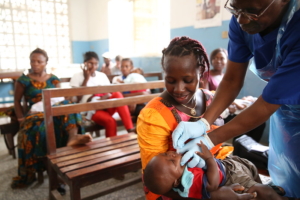
African Vaccination WeekThe 2025 African Vaccination Week (AVW), celebrated in April, was themed “Immunization For All is Humanly Possible.” The celebratory week began in 2010 as a World Health Organization (WHO) initiative to promote vaccination and its necessity within global health. The WHO found that in 2023 alone, vaccination saved 1.8 million lives in Africa.

The four goals of this year’s AVW were clear. The first was to reach un-immunized children through better initiatives. The second was to display the benefits of vaccines for African society. The third was to emphasize the importance of vaccines for the health care system coverage. The fourth was to increase immunization through further investment.

Sierra Leone

In Sierra Leone, celebrating AVW involved governmental action focused on minimizing national gaps in immunization. Along with support from the WHO, UNICEF and Africa’s CDC, Sierra Leone has received more than $200 million worth of support from Gavi, an international vaccine supplier.

From April 24 through May 2, Gavi assisted Sierra Leone in conducting mobile drives to vaccinate disadvantaged areas. It supplies missed dosages to children and adults, promotes positive campaigns and more.

Ethiopia

Celebrating AVW in Ethiopia began with a commemoration held at the Woreda 03 National Health Center on April 30. An area facing some of the largest historical disparities in immunization, the event was financially supported by the WHO. Among the organizations in attendance were UNICEF representatives, advocates from the Gates Foundation, Save the Children and Ethiopian leaders.

Ethiopia’s State Minister of Health, Dr. Dereje Duguma, gave a speech highlighting the importance of vaccines. Duguma also thanked the volunteer efforts that have resulted in the vaccination of hundreds of children within the Woreda region in the previous six months.

South Sudan

The 2025 AVW marked several significant advances in South Sudan’s efforts toward national immunization. South Sudan is introducing three new vaccines to its standard program this year. Gavi is helping supply South Sudan with Pneumococcal Conjugate vaccine (PCV), the Rotavirus vaccine and the second dose of Measles-Containing Vaccine (MCV2).

In addition to introducing these immunizations and with support from UNICEF and the WHO, the nation has also launched its “Big Catch-Up” initiative. Targeting 30 counties across South Sudan, the initiative is holding vaccination activities to reach untreated children.

Looking Forward

Across Sierra Leone, Ethiopia and South Sudan, the 2025 African Vaccination Week event focused on immunizing unvaccinated citizens. The AVW’s Pan-African framework has motivated ongoing vaccine efforts and improved overall health care. According to WHO data, since 2011, a cumulative 180 million lives have been saved due to health system improvements, including vaccination.

With continued support from global organizations such as UNICEF, the WHO and Gavi, immunization rates in Africa are expected to keep rising, providing greater safety in an increasingly populated world.

– Piper Aweeka

Piper is based in Alicante, Spain and focuses on Good News and Global Health for The Borgen Project.

Photo: Flickr