US Aid Supports Poverty Reduction in Ethiopia
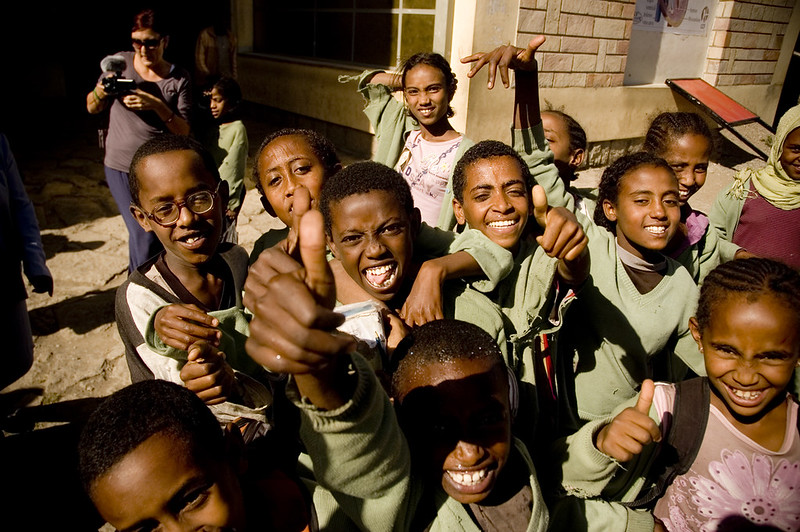 Education is a tool for shaping equality, stability and opportunity. In Ethiopia, where poverty and conflict have long disrupted daily life, the United States (U.S.) support for literacy programs has gone beyond helping students read. By investing in education, the U.S. has tied its aid to broader goals of resilience, democracy and regional stability. The READ II initiative, launched by the U.S. Agency for International Development (USAID), demonstrates how targeted efforts in early grade literacy can build stronger institutions and reduce inequality. At its core, this is a story about poverty reduction in Ethiopia and how education has become both an economic strategy and a political act.
Education as a Driver of Growth and Equity
A country’s knowledge capital, the skills and competencies of its people, is one of the strongest predictors of long-term economic growth. Studies have shown that three-quarters of the variation in GDP growth across nations between 1960 and 2000 was tied to cognitive achievement, particularly in math and science. In other words, expanding education quality is not a luxury; it is a necessity for national prosperity and poverty reduction in Ethiopia.
Yet education’s importance is not purely economic. As global development organizations emphasize, inequality is often the result of political choices. When good schooling is accessible only to the wealthy, it entrenches privilege, prevents social mobility and locks families into cycles of poverty. Conversely, universal education can halve rates of extreme poverty, with each additional year of schooling raising earnings significantly, up to 20% for women.
Formal education also has lasting effects on cognitive development and problem-solving skills, equipping individuals to navigate challenges such as climate risks, economic shocks or social upheaval. In this sense, expanding access to education strengthens not only economies but also the adaptive capacity of entire societies.
The Role of READ II in Ethiopia
Recognizing these links, USAID partnered with Ethiopian institutions to launch READ II, a five-year program designed to improve literacy for 15 million children. The initiative provided teachers with training and materials in seven local languages and English, encouraged a culture of reading in schools and homes and emphasized gender equity in education.
READ II was not just a technical intervention—it was a political collaboration. By working with Ethiopia’s Ministry of Education and a coalition of nongovernmental organizations (NGOs), the project aimed to institutionalize literacy improvements, ensuring they could outlast donor funding. This alignment of local and international actors underscores how education aid is deeply tied to governance and policymaking, not just classroom outcomes.
Adapting to Crisis: The Impact of READ II
Over its first three years, READ II supported 3,000 schools across more than 70 districts, reaching at least 3 million primary students. Teachers, administrators and volunteer literacy leaders received training, while reading camps and girls’ clubs helped broaden educational access.
When the COVID-19 pandemic and political conflict threatened these gains, the program pivoted. Remote learning through radio and television, teacher training delivered virtually and even hotline services kept students connected to education. As conflict displaced communities, READ II (renamed the Education Recovery Activity) delivered supplies, temporary classrooms and psychosocial support for students in 1,156 conflict-affected schools. These adjustments revealed the program’s deeper role: sustaining social stability during crises.
Education and Poverty Reduction in Ethiopia
The results of initiatives like READ II have been measurable. Between 2010 and 2016, Ethiopia’s poverty rate fell from 29.6% to 23.5%, lifting more than 5 million people out of poverty. While many factors contributed, the expansion of quality education provided critical pathways to opportunity and poverty reduction in Ethiopia. By shaping who has access to opportunity, education influences whether inequality deepens or poverty declines. In Ethiopia, U.S.-funded literacy programs have been both an economic and a democratic investment, with long-term implications for national stability.
Looking Ahead
Education empowers individuals not only with skills for the workforce but also with the civic tools to participate in democracy. Studies consistently show that increased education correlates with higher rates of political engagement and more equitable governance. In Ethiopia, this means that programs like READ II are about more than textbooks and classrooms; they are about shaping the country’s future trajectory.
By prioritizing education as a central tool for development, U.S. aid has supported both economic opportunity and democratic resilience. In doing so, it has played a role in poverty reduction in Ethiopia, proving that literacy and stability go hand in hand. For Ethiopia and for U.S. policymakers alike, the lesson is clear: education is one of the most powerful political investments a nation can make.
– Alyse Rhee
Alyse is based in Winter Garden, FL, USA and focuses on Good News and Politics for The Borgen Project.
Photo: Flickr
