• Link to X
  • Link to Facebook
  • Link to Instagram
  • Link to TikTok
  • Link to Youtube
  • About
    • About Us
      • President
      • Board of Directors
      • Board of Advisors
      • Financials
      • Our Methodology
      • Success Tracker
      • Contact
  • Act Now
    • 30 Ways to Help
      • Email Congress
      • Call Congress
      • Volunteer
      • Courses & Certificates
      • Be a Donor
    • Internships
      • In-Office Internships
      • Remote Internships
    • Legislation
      • Politics 101
  • The Blog
  • The Podcast
  • Magazine
  • Donate
  • Click to open the search input field Click to open the search input field Search
  • Menu Menu

Tag Archive for: Poverty in Ethiopia

Posts

Electricity and Power, Global Poverty, Water Crisis

The Grand Ethiopian Renaissance Dam: Powering a Nation

The Grand Ethiopian Renaissance Dam: Powering a Nation Out of PovertyThe Grand Ethiopian Renaissance Dam (GERD) was named to reflect Ethiopia’s ambitions for national renewal and economic growth. As Africa’s largest hydroelectric power plant, the expectation is to expand electricity access in a country where more than 60 million people lack power and millions more live in poverty. While the GERD often receives praise for its potential to alleviate poverty within Ethiopia, its potential to promote development across the entire Nile Basin does not get as much emphasis.

Building the Grand Ethiopian Renaissance Dam

In 2011, Ethiopia announced its plans to construct GERD on the Blue Nile. The $4.8 billion dam, funded primarily by the Ethiopian people through government-issued bonds, quickly became much more than just a standard infrastructure project. With a planned power capacity of 5,150 megawatts, GERD promised to lift countless Ethiopians out of darkness and poverty – and into a better future. 

Ethiopia is among the world’s poorest countries, with 67.14% of its population classified as multidimensionally poor. It also has one of the largest electricity access deficits. As of 2022, only 55% of Ethiopians had electricity, leaving millions in energy poverty on top of economic hardship. This reality is not only a symptom of widespread poverty but a perpetuator of it.

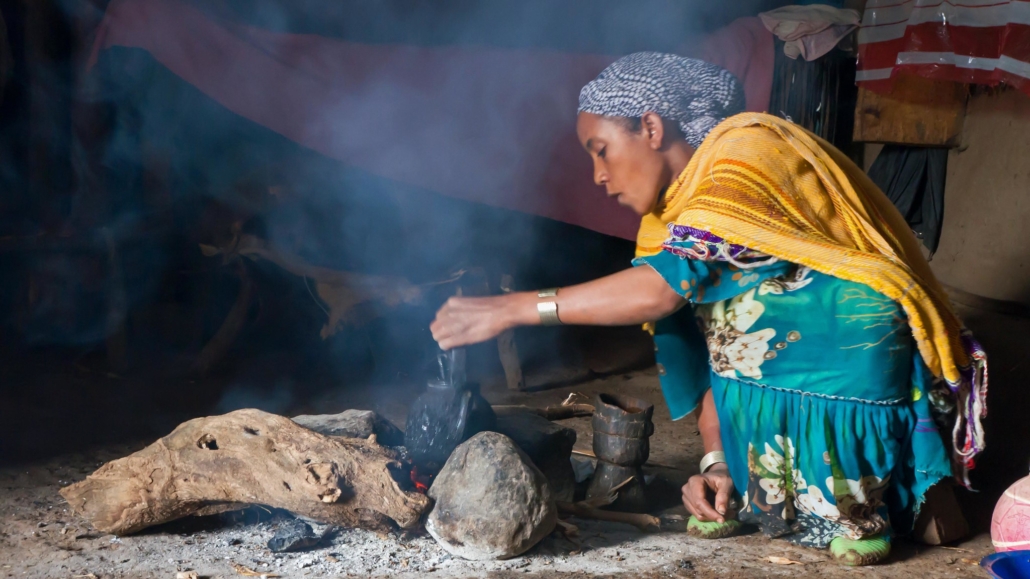
Without power, two-thirds of Ethiopian children struggle to study after dark. Women and girls spend hours gathering firewood and cooking over open stoves, losing time to pursue education or work. And patients are deprived of lifesaving equipment and treatment. For exactly these reasons, GERD, with its ability to double Ethiopia’s energy output, is a beacon of possibility. It offers a concrete path to power, education and development to a nation long denied all three.

Conflict on the Nile

Miles downstream, however, many fear that the dam guarantees the exact opposite. Egypt, a country that relies on the Nile for approximately 90% of its water needs, sees the prospect of reduced flow as a threat to its very survival. While Ethiopia frames the dam as an existential necessity, Egypt insists it is an existential threat. 

These dichotomous perspectives lie at the heart of the Nile dispute, a centuries-old debate over who has the right to own and control the river. Unfortunately, the Nile has often been a source of division instead of unity. Ethiopia, Egypt and the other riparian countries have struggled to find a compromise when it comes to water allocation. Yet the needs of the different parties may not be as incompatible as they appear. 

Collaboration Over Conflict

In a study published in Nature, water resources expert Mohammed Basheer of the University of Toronto and his team argue that collaboration could leave the Nile Basin as a whole better off. If managed efficiently, GERD can help Egypt meet its water needs during times of scarcity while generating hydroelectric power for Ethiopia when river flows are strong. 

The study’s modeling shows that the GERD can serve to meet the individual needs of different countries, rather than making those needs mutually exclusive. Just as it can generate hydropower to spur economic growth and development in Ethiopia, the dam can also reduce irrigation deficits in Egypt, boosting agriculture and production in other water-dependent industries. 

Fostering Unity Through Music

Basheer and his team make a clear case for cooperation, but they are not alone. Though their medium is very different, The Nile Project – a musical and educational initiative – reaches the same conclusion: harmony is key to a prosperous future. 

Founded to inspire collaboration, The Nile Project brings together musicians from various riparian countries. The artists blend their languages and cultures, creating a unique sound and reminding audiences both regionally and abroad of the value in working together. By promoting the Nile as a point of connection rather than division, the organization helps build the cultural foundation needed for shared economic benefit. 

Building a Shared Future

Resolving conflict and reaching a compromise is often challenging, but by choosing cooperation, Nile Basin countries could see positive results. Expert opinions suggest that GERD is unquestionably crucial to Ethiopia’s development and with the right approach, it could be a key tool in the fight against poverty across the entire region. 

– Caroline Clark

Caroline is based in Needham, MA, USA and focuses on Global Health and Politics for The Borgen Project.

Photo: Flickr

September 10, 2025
https://borgenproject.org/wp-content/uploads/borgen-project-logo.svg 0 0 Precious Sheidu https://borgenproject.org/wp-content/uploads/borgen-project-logo.svg Precious Sheidu2025-09-10 01:30:252025-09-10 01:12:58The Grand Ethiopian Renaissance Dam: Powering a Nation
Development, Electricity and Power, Global Poverty

Increasing Access to Electricity in Ethiopia

Access to Electricity in EthiopiaThe continent of Africa has one of the lowest electricity access rates in the world, making life more difficult for millions of people. Africa is home to 19% of the world’s population, yet many—mostly in sub-Saharan Africa—are living without electricity. Those who do have access often rely on power sources that are unreliable and unsustainable. Electricity demand has continued to grow over time, especially in Ethiopia, but the World Bank has been making moves to change that.

The ELEAP Program

The Ethiopia Electrification Program (ELEAP) is under the leadership of the World Bank Group. Its main goal is to reach complete electrification in Ethiopia by the end of 2025 and to support the rollout of new electrification systems. The plan is to expand electricity through solar mini-grids, with some grid (65%) and some off-grid (35%) energy systems.

So far, the results have been positive. As of 2025, the program has made strong progress. From March 1, 2018, to June 4, 2024, 6.3 million people gained access to on-grid electricity sources. Solar energy is the most viable option for renewable energy and the most reliable source, as it has already been a major part of Ethiopia’s electrical landscape. The implementation of solar energy fits easily with the systems already in place, which allows them to work together effectively. Because of these systems, more than 19,000 public facilities have gained access to electricity, including health clinics and schools. Forecasts suggest that by 2026, 10 million more people in Ethiopia will have access to electricity.

The Burden of Limited Electricity Access

Ethiopia is one of the most populous countries in sub-Saharan Africa, with more than 100 million people. The country is experiencing rapid population growth, which has contributed to challenges such as food insecurity, environmental strain and low electricity access. Even though Ethiopia has substantial renewable energy resources, most of the population still relies on traditional biomass energy such as firewood and coal.

Even when households have access to power, financial constraints often prevent them from using it. Most electricity needs are for cooking, but the existing systems are not large-scale enough to provide the energy required for all Ethiopians to prepare their meals. As electricity reaches more areas, household chores have become easier since many families can now use electric stoves instead of fire-burning stoves, saving time and benefiting the environment. Solar-powered water pumps have also been introduced to provide clean water to rural communities. 

Before the introduction of new energy systems, women and children had to go outside and search for wood to use as fuel and poor households had to devote all their income to energy. With expanded access, energy is now reaching both large infrastructure projects and poor urban communities.

Looking Ahead

Access to electricity in Ethiopia has risen to 55.4% and continues to grow rapidly. ELEAP has made significant progress in electrifying the country within just a few years. The outlook for Ethiopia and ELEAP remains positive, with sustainable energy sources supporting growth and improving the lives of many.

– Bowie Aldrich

Bowie is based in North Syracuse, NY, USA and focuses on Good News and Global Health for The Borgen Project.

Photo: Flickr
September 7, 2025
https://borgenproject.org/wp-content/uploads/borgen-project-logo.svg 0 0 Precious Sheidu https://borgenproject.org/wp-content/uploads/borgen-project-logo.svg Precious Sheidu2025-09-07 03:00:202025-09-07 01:15:21Increasing Access to Electricity in Ethiopia
Education, Global Poverty, Health

Ethiopia’s Health Workforce Shortage: Strategies To Train & Retain

Ethiopia’s Health Workforce ShortageEthiopia is one of the most populous nations in Africa. It is dealing with a severe shortage of trained medical providers, particularly in rural and low-income areas. This shortage reduces access to quality health care, undermines the effectiveness of public health initiatives and ultimately affects life expectancy.

Ethiopia’s Health Care Workforce Shortage

Ethiopia has one of the lowest health care worker-to-patient ratios in sub-Saharan Africa, with only one physician per 5,843 people. Many rural clinics operate with just one or two nurses and sometimes, no trained doctors. Programs like the Health Extension Program improve access to basic services.

However, a lack of trained health professionals continues to limit the success of health programming and the overall quality of health care for the population. Key factors contributing to the workforce shortage include a lack of medical training and vocational programs, low salaries, poor working conditions and limited opportunities for advancement. Together, these challenges drive many trained professionals to leave Ethiopia in search of work elsewhere.

Increasing Educational Opportunities

Increasing educational opportunities is an essential component to tackle Ethiopia’s workforce challenges. Ethiopia has made major strides in expanding medical schools and allied health programs nationwide. There has been some success in establishing higher outputs of trained doctors and nurses in a short time.

However, the need continues to grow for trained doctors, nurses and specialists. This requires investments in teaching hospitals, training facilities and qualified faculty. It also calls for partnerships with international universities and health institutions to create opportunities for knowledge transfer, skill development and student exposure to professional exchange programs in global health settings.

Such measures would strengthen medical education in Ethiopia and provide students with valuable pathways to gain experience.

Ethiopia’s Health Care Workers Retention Challenge

Retaining health care personnel is another significant challenge. Many health workers and other health care professionals are often under extreme stress due to a high patient load, old equipment and fluctuating salaries. Such conditions can lead to burnout and increase the likelihood of trained workers leaving their country to work elsewhere for relatively better conditions.

There are many solutions to these retention issues, such as improved standards of care, better health care systems, consistent supply chains for medical equipment and medicines and salaries that are compliant or more than the salaries in the region. Financial incentives such as bonuses for performance or relocation expenses for trained health professionals returning to work in Ethiopia can also boost recruitment and retention of trained health care professionals currently working abroad.

Ethiopia can build a healthier and more robust workforce if it can start to solve retention challenges.

Efforts To Boost the Health Workforce

Technology-based solutions exist to relieve tensions related to the health care workforce shortage in Ethiopia. Programs like the International Virtual e-Hospital Foundation’s (IVeH) telemedicine initiative aim to enhance health care access and education in Ethiopia.

Telemedicine cannot wholly substitute in-person care; however, it is a vital tool to deal with the burden of having limited staff to meet the health care needs of individuals in remote areas for timely consultations.

Public engagement and awareness are also important to create a sustainable health care workforce. Campaigns highlighting the benefits and importance of health care careers can motivate young Ethiopians to pursue medical training and lay a strong foundation for a commitment to service in their communities.

Schools, community settings and social media can all encourage students to consider health care professions. Indeed, by promoting health care as a respectable and impactful career, graduates will be more likely to remain in Ethiopia and support the development of the national health system.

Conclusion

Tackling Ethiopia’s health care workforce shortage has ramifications beyond public health, extending into national development. A stronger and more equitable workforce could expand access to care, prevent avoidable deaths and restore public confidence in the health system.

Training and retaining health care personnel is a health investment and an economic one, as improved health fosters a more productive population capable of advancing national development goals. Furthermore, by aligning efforts in medical education, workforce retention, technological innovation and public engagement, Ethiopia can build a sustainable health care system that meets the needs of its growing population.

– Sophia Scelza

Sophia is based in Lindenhurst, NY, US and focuses on Good News and Global Health for The Borgen Project.

Photo: Flickr
September 4, 2025
https://borgenproject.org/wp-content/uploads/borgen-project-logo.svg 0 0 Hemant Gupta https://borgenproject.org/wp-content/uploads/borgen-project-logo.svg Hemant Gupta2025-09-04 03:00:232025-09-04 03:01:01Ethiopia’s Health Workforce Shortage: Strategies To Train & Retain
Global Poverty, Health, Sustainable Development Goals

Updates on SDG 1 in Ethiopia: Progress Toward Ending Poverty

SDG 1 in EthiopiaDespite ongoing instability in the Tigray region, Ethiopia is steadily advancing in its fight against extreme poverty, aligning with Sustainable Development Goal 1 (SDG 1), which aims to eradicate poverty in all its forms by 2030. This goal includes ensuring equal access to resources, basic services and economic opportunities for all. As one of Africa’s most populous countries, Ethiopia’s progress on SDG 1 is critical for the continent’s development.

Updates on SDG 1 in Ethiopia

The most recent data indicates that Ethiopia is on track in reducing extreme poverty. As of 2024, the proportion of people living on less than $2.15 per day has dropped to 14.01%, according to worldpoverty.io. A decade ago, this figure was much higher. The number of people living under the $3.65 threshold has also decreased significantly—from 72.79% in 2014 to 37.77% in 2024. These numbers reflect consistent efforts to improve access to basic services, employment and rural development. 

Government programs like the Productive Safety Net Program (PSNP) have played a key role. Established in 2005, the PSNP provides food or cash in exchange for public work to millions of food-insecure households, helping them avoid selling assets during times of crisis.

Public Health and SDG 1

Improved health care directly supports SDG 1 by reducing the financial burden of illness. Ethiopia has made significant strides in maternal health and HIV prevention. For example, new adult HIV infections fell to just 0.08 per 1,000 people in 2022, thanks to expanded education, free testing services and access to antiretroviral therapy. Maternal health has improved due to wider coverage of prenatal services and an increase in skilled birth attendants.

Gender Equality and Poverty Reduction

Gender inequality remains a root cause of poverty, including in the labor force. But there are positive updates on SDG 1 in Ethiopia when it comes to empowering women. In 2023, women occupied 41.3% of parliamentary seats—up from just 2% in 2000. The female-to-male labor force participation rate rose to 87.05%, showing progress toward economic equality.

Still, women – especially in rural areas –  face higher unemployment, limited access to land and greater exposure to unpaid labor. Government initiatives and NGO-led training programs have been essential in boosting financial literacy and entrepreneurship among women. For instance, the Adult and Non-Formal Education Association in Ethiopia (ANFEAE) launched the “Literacy Plus” program in 2008, training more than 6,200 rural women in basic business and income-generating skills.

Responsible Waste Management and Urban Poverty

Ethiopia has also made progress in responsible consumption and production, an important component in fighting urban poverty. Ethiopia now meets its targets for managing municipal, plastic and electronic waste.

In Addis Ababa, TechnoServe’s LIWAY initiative collaborated with the city cleaning agency to launch more than 580 micro-enterprises run by women and youth. These small businesses collected more than 41,800 tonnes of paper and plastic in the year 2023 alone, generating nearly $10 million in revenue while providing regular income opportunities to vulnerable groups. In a related project started earlier, 125 micro-enterprises involving 1,250 members were established; 70% remained active after a year, and half saw a rise in income. By 2021, 117 micro‑enterprises had collected 7,000 tonnes of paper and generated $400,000 in sales, creating employment for more than 2,200 women and young people.

Climate Vulnerability and Poverty

Changing weather remains a challenge that exacerbates poverty. In Ethiopia, erratic rainfall and prolonged droughts damage crops, displace rural families and reduce food security. While the country is making progress in reducing its own carbon emissions, vulnerability to climate-related shocks still poses a serious threat to SDG 1.

Integrating climate resilience into poverty alleviation programs is therefore essential. Projects like the Climate Investment Funds’ $500 million resilience initiative and the expansion of Ethiopia’s early warning systems offer promising solutions. Additionally, Ethiopia’s Drought Resilience and Sustainable Livelihoods Program, which launched in 2013, has helped rehabilitate degraded land, improve water access, and enhance food security for pastoralist communities in drought-prone areas. Lately, a new financial support for “lowlands livelihood resilience,” continues to scale the drought resilience efforts for about 3 million pastoralists and agro-pastoralists.

Looking Ahead

Updates on SDG 1 in Ethiopia reveal steady progress, especially in reducing poverty, improving gender equality and expanding access to health services. Continued investment in climate resilience, sustainable waste systems and inclusive policies will be key to ensuring that no one is left behind.

– Alexandra Diallo-Scholler

Alexandra is based in Los Angeles, California and focuses on Good News for The Borgen Project.

Photo: Flickr
August 19, 2025
https://borgenproject.org/wp-content/uploads/borgen-project-logo.svg 0 0 Jennifer Philipp https://borgenproject.org/wp-content/uploads/borgen-project-logo.svg Jennifer Philipp2025-08-19 01:30:352025-08-18 10:25:14Updates on SDG 1 in Ethiopia: Progress Toward Ending Poverty
Disease, Global Poverty, Health

Diseases Impacting Ethiopia

Diseases Impacting EthiopiaEthiopia is a country in the Horn of Africa. Ethiopia is home to 126 million people. It is the second most populous country in Africa, behind Nigeria. Ethiopia is known for being the cradle of humanity. However, many different diseases are impacting Ethiopia, which have made the lives of its citizens difficult.

Neglected Tropical Diseases

Millions of Ethiopians are at risk of neglected tropical diseases (NTDs). NTDs are a group of diseases primarily caused by pathogens (such as bacteria, viruses and parasites). Ethiopia has Africa’s third-largest number of NTDs, behind Nigeria and the Democratic Republic of the Congo.

Similarly, Ethiopia has the highest number of cases of diseases such as trachoma, podoconiosis and cutaneous leishmaniasis in all of sub-Saharan Africa. It has the second highest number of cases involving ascariasis, leprosy and visceral leishmaniasis. And it has the third highest number of cases involving hookworms.

Infectious Diseases

Infectious diseases are also prevalent across Ethiopia. The most common contagious diseases in Ethiopia are HIV/AIDS, tuberculosis and malaria. The prevalence of HIV/AIDS in Ethiopia stands at around 1.5%. While this is lower than Africa’s average, it’s still higher than the global average (0.7%).

The prevalence of malaria in the country is about 0.39% to 1.1%. Research showed that population density was a standard variable in the spread of all three infectious diseases. Low urbanity and low population density correlate with a lower risk for contagious diseases.

Government Efforts

Ethiopia is still a developing country. About 68.7% of Ethiopians suffer from multidimensional poverty and a further 18% are at risk of doing so. Impoverished people are the most vulnerable to NTDs. Those living in extreme poverty lack access to proper health care and basic health services. They also live in areas where vectors of infectious diseases thrive.

However, the Ethiopian government has taken active steps to combat both NTDs and other infectious diseases. In 1999, the country developed a national plan to address onchocerciasis. The Ministry of Health established the National Onchocerciasis Task Force the following year. This task force focused on mobilizing and educating affected communities and distributing Mectizan tablets to help control the disease.

The Ethiopian Ministry of Health also established the National Dracunculiasis Eradication Program in 1993. In collaboration with The Carter Center, Ethiopia launched a national program to combat lymphatic filariasis. Additionally, the country has implemented several programs and strategies targeting other neglected tropical diseases, including podoconiosis, soil-transmitted helminths, schistosomiasis, leishmaniasis and leprosy.

Conclusion

Ethiopia continues to struggle with the burden of infectious and noninfectious tropical diseases, which disproportionately affect its underserved communities. While the challenges are significant, the country’s proactive health initiatives and partnerships offer hope. Sustained investment in public health, education and poverty reduction is essential to combat the diseases impacting Ethiopia and improve health outcomes for millions.

– Samriddha Aryal

Samriddha is based in Centreville, VA, USA and focuses on Global Health for The Borgen Project.

Photo: Wikimedia Commons

August 4, 2025
https://borgenproject.org/wp-content/uploads/borgen-project-logo.svg 0 0 Hemant Gupta https://borgenproject.org/wp-content/uploads/borgen-project-logo.svg Hemant Gupta2025-08-04 14:46:292025-08-04 14:46:29Diseases Impacting Ethiopia
Agriculture, Global Poverty, Nonprofit Organizations and NGOs

Acumen’s Agricultural Investments in Ethiopia

Agricultural Investments in EthiopiaA large portion of Ethiopia’s population is experiencing poverty and a lack of necessities. However, the nation of Ethiopia has been an assembly point for organizations and nonprofits seeking to fund agricultural investments.

Poverty in Ethiopia

Despite some progress in poverty reduction, ongoing climate and inadequate infrastructure issues leave roughly 68.7% of Ethiopia’s population facing multidimensional poverty. Multidimensional poverty expands on the financial aspects of poverty, assessing a population’s social aspects and living conditions. In Ethiopia, additional portions of the population risk falling into this elevated category if poverty rates continue.

Ethiopia struggles with a lack of clean water, a strong health care system and increasing food insecurity, all hindering efforts to reduce poverty. Malnutrition, largely driven by food insecurity, disproportionately affects children and can prevent individuals from accessing education or employment that could lift them out of poverty.

Treating malnutrition requires a functioning health care system, but Ethiopia’s medical infrastructure is underfunded and lacks sufficient professionals and resources. According to the World Food Program (WFP), more than 10 million people currently face food insecurity and many more risk displacement due to ongoing conflict in the region.

In 2021, Ethiopia’s government introduced the Food Systems Transformation Plan, aligning national policies with the United Nations Sustainable Development Goals (SDGs). The plan will enable organizations to fund agricultural investments in Ethiopia, including the agricultural sector. It also has the potential to create jobs, helping more Ethiopians earn a stable income and contribute to economic growth and poverty reduction.

About Acumen

Acumen, a nonprofit organization, focuses on using capital to reduce global poverty through innovations. Founded in 2001, the organization works to help impoverished populations access health care, education and clean water and address food security.

Acumen utilizes innovations to enhance energy and bring beneficial agricultural techniques that increase productivity and support communities. Acumen has worked to eradicate poverty around the world, but has recently focused on sub-Saharan Africa and East Africa.

EthioChicken 

Acumen supports efforts to fund agricultural investments in Ethiopia, including EthioChicken. EthioChicken was founded in 2010 and has since increased food access and boosted local economies in Ethiopian communities. EthioChicken has enabled customers to consume 83% more eggs, a nutritional food and find a new source of revenue.

Different breeds of chickens have different growth and survival rates. Before EthioChicken, many breeds were unsustainable due to diseases, climate and other growth hindrances, creating a negative balance in the agricultural sector and eliminating possible economic gains and health benefits. EthioChicken provides farmers access to improved chicken breeds, helping farms achieve higher survival rates and better growth.

This allows farmers to sell more eggs and generate additional income by selling older chickens for meat. Each chicken comes with nutritious feed and medicine to prevent disease and protect the flock. Healthier chickens lead to more nutritious meals, supporting communities struggling with both poverty and malnutrition.

After Acumen and other organizations invested in EthioChicken and similar agricultural programs in Ethiopia, the company expanded rapidly, reaching around 35 million chickens sold to farmers annually. Acumen’s support also helped improve Ethiopians’ economic and health conditions in raising, selling and purchasing the chickens.

With continued backing for initiatives like EthioChicken, Ethiopia’s agricultural sector is poised to grow, offering new opportunities for its impoverished population.

Future Policies and Initiatives To Reduce Poverty in Ethiopia

Government initiatives like the Food Systems Transformation Plan, the Homegrown Economic Reform and the National Food and Nutrition Policy show Ethiopia’s active efforts to reduce poverty and secure international support for agricultural investments. For example, Ethiopia’s Ministry of Health states that the National Food and Nutrition Policy aims to ensure food and nutritional security while improving public access to nutritious foods.

While Ethiopia’s government has collaborated with international organizations, all regions within the country must work together to improve the well-being of Ethiopians and reduce poverty. This unity helps prevent conflicting interpretations or unwilling participants from undermining national policies. According to the Consultative Group on International Agricultural Research (CGIAR), sectoral fragmentation poses a major threat to a unified national approach in Ethiopia, as various groups have competing interests in controlling parts of the country’s food system.

However, sustained efforts and legislation to reduce poverty remain essential to driving social progress and enabling effective collaboration with organizations that fund agricultural investments.

– Avery Kachmarsky

Avery is based in Los Angeles,CA, USA and focuses on Business and Politics for The Borgen Project.

Photo: Flickr
July 30, 2025
https://borgenproject.org/wp-content/uploads/borgen-project-logo.svg 0 0 Hemant Gupta https://borgenproject.org/wp-content/uploads/borgen-project-logo.svg Hemant Gupta2025-07-30 07:30:042025-07-30 02:53:18Acumen’s Agricultural Investments in Ethiopia
Gender Equality, Global Poverty, Technology

Women Coders: Empowering Women in Ethiopia

SheCodes: Empowering Women in Ethiopia Through CodingIn 2025, women in Ethiopia continue to face steep barriers in escaping poverty. This reality spurred the Federal Democratic Republic of Ethiopia to adopt the National Policy on Women in 1993, aimed at addressing gender inequities in access to resources and social opportunities. Despite good intentions, this legislation fell short in eliminating the structural and cultural disadvantages that keep many women in poverty.

Fast forward to the global tech boom of the 2000s and Africa now represents the fastest-growing region for technology worldwide—an enormous opportunity for poverty alleviation through economic growth and increased market access. But as the tech sector grows, gender disparities also widen. In Ethiopia, the digital economy has magnified decades-old inequalities in income, leadership and opportunity.

The Feminization of Poverty

With a population nearing 127 million, Ethiopia ranks as Africa’s second most populous country and one of its fastest-growing economies. Yet, approximately 69% of the population—about 82 million people—live in multidimensional poverty. Additionally, 18.4% or more than 22 million Ethiopians remain vulnerable to poverty.  Women in Ethiopia are particularly affected, facing a unique phenomenon known as the feminization of poverty, a concept representing the disproportionate number of women facing debilitating barriers to personal development. The following statistics reflect systemic barriers:

  • Only 21.9% of girls complete lower secondary school.
  • Women face an 18.9-point adult literacy gap compared to men, higher than the Sub-Saharan Africa average of 12.4 points.
  • Vulnerable employment affects 87.4% of women.
  • The account ownership gap between men and women is 15.9 points.
  • Roughly 50% of women are not homeowners.
  • About 37% of women experience intimate partner violence, 10% above the global average.
  • Women trail 44% behind men in hourly wages.
  • Only 30% of women receive STEM training or work in tech.

These gaps cost the country an estimated $3.7 billion annually, underscoring the economic consequences of gender inequality.

Tech Training for a New Generation

In Ethiopia, where only half of all primary school girls reach fifth grade, forging a new path to sustainability and financial independence for future generations of women is critical. SheCodes, in partnership with the Delac Foundation, provides a tech-based solution to these ongoing challenges.

The initiative offers coding education to 5,000 Ethiopian women, delivering free online workshops in front-end development, product design and project management. Indeed, with every purchase at SheCodes, one Ethiopian woman receives free coding education through online workshops focusing on product development, design and management.

Founded in 2017 by Matt Delac, SheCodes initially started as an idea supporting only 10 female students. Almost a decade later, SheCodes has provided online training to more than 235,000 women, of whom 2,257 reside in Ethiopia and across 191 developing countries.

Closing the Gender Gap Through Technology

The program’s work includes growing the number of women coders seeking professional and career development by boosting female participation in technology. This increased involvement is pivotal in poverty reduction, driving economic growth and the continued ascent of women and their families.

Research from the World Bank demonstrated how helping women break into the male-dominated digital and tech sector improves income, raises employment and creates new opportunities for all. The Harvard University Center for  African Studies demonstrated how women-led tech firms experienced a 34% higher return on investment than those led solely by men. With one coding class at a time, SheCodes bridges the employment and wage gap, equipping aspiring women coders in Ethiopia with the skills to build a better future. 

Looking Ahead

Efforts to address gender-based poverty in Ethiopia increasingly intersect with opportunities in the digital economy. Initiatives empowering women coders like SheCodes demonstrate how targeted training and inclusive tech education can equip women with marketable skills and access to emerging job sectors. While challenges remain, expanding such programs may contribute to broader development goals. Additionally, this could lead to improved economic resilience and support more equitable growth in Ethiopia.

– Marcus Villagomez

Marcus is based in Galveston, TX, USA, and focuses on Technology and Solutions for The Borgen Project.

Photo: Flickr
May 24, 2025
https://borgenproject.org/wp-content/uploads/borgen-project-logo.svg 0 0 Precious Sheidu https://borgenproject.org/wp-content/uploads/borgen-project-logo.svg Precious Sheidu2025-05-24 07:30:292025-05-24 04:02:21Women Coders: Empowering Women in Ethiopia
Economy, Global Poverty, Poverty Reduction

5 Countries Leading the Fight Against Poverty – And Winning

Fight Against PovertyAround the world, many developing and emerging countries are leading the fight against poverty. Among them, some are achieving remarkable success through innovative strategies.

China 

China has recently made significant investments in rural infrastructure to connect remote populations to economic opportunities, with the ultimate goal of reducing poverty. Between 2006 and 2015, the country, with the support of the World Bank, rehabilitated approximately 1,299 roads. These projects have directly benefited more than 1.3 million people by improving their connectivity and access to essential services. These infrastructure improvements not only enhance access to these essential services but also facilitate economic growth by linking rural areas to larger markets, enabling local businesses to thrive.

Beyond road rehabilitation, China has implemented several other initiatives to enhance rural infrastructure and lead the fight against poverty. For instance, investments in irrigation and drainage facilities have directly improved agricultural production conditions. This is enabling farmers to adjust crop structures, develop large-scale breeding programs and engage in processing and non-agricultural industries, thereby reducing poverty.

Bangladesh

Bangladesh has made significant strides in education and workforce development, increasing literacy rates and creating new job opportunities. The country, still one of the neediest in the world, has been making notable progress through two key areas: education and workforce development. In terms of education, Bangladesh has seen significant improvements in its literacy rate. In 2021, the country’s literacy rate reached 76.36% (15 years old and above), reflecting a 1.45% increase from 2020. This improvement demonstrates the nation’s ongoing efforts to boost educational access and quality.

In addition to its focus on education, Bangladesh has prioritized job creation, with significant growth in the tourism sector. As the industry expands, it is driving the creation of jobs across various fields, “including hospitality, transportation, food services, handicrafts and retail.” This tourism growth is contributing to both economic development and job opportunities, particularly in rural and underserved areas.

Ethiopia 

Ethiopia has been focusing on agricultural development, exemplified by the Agricultural Growth Program. This program has enabled more than 700,000 farmers to benefit from the initiative, leading to a 25% revenue increase. Farmers’ productivity has risen by approximately 10%, contributing to poverty reduction and economic stability in these remote communities.

Furthermore, the International Fund for Agricultural Development (IFAD) collaborates with the Ethiopian government to enhance the population’s living conditions, focusing on agricultural productivity, food security and rural development. IFAD supports smallholder farmers, pastoralists and agro-pastoralists with loans, helping them purchase the necessary equipment to enhance their productivity and escape the cycle of poverty.

Vietnam

Vietnam’s economic reforms and trade liberalization have created millions of jobs and boosted growth. The country was once among the most impoverished in the world. However, its government has achieved remarkable economic growth relatively quickly. Thanks to the Doi Moi campaign, which focused primarily on agricultural reforms, land was redistributed among small farmers, significantly boosting farm productivity and improving food security. This transformation helped lift millions out of poverty and laid the foundation for broader economic development.

However, the reforms extended beyond agriculture. The government implemented measures to reduce the budget deficit, stabilize the economy and attract foreign investment. A key objective was to integrate Vietnam into the global economy by promoting trade liberalization and joining international organizations such as the World Trade Organization (WTO). These efforts led to a surge in exports, the expansion of the manufacturing sector and the creation of millions of jobs, positioning Vietnam as one of the fastest-growing economies in the world.

Rwanda

Rwanda has made significant progress toward achieving universal health care, ensuring that even its most vulnerable citizens can access essential medical services. Since the 1994 genocide, the country has significantly improved health care access, a fact that was evident during the COVID-19 pandemic, when 82% of the population received at least one dose of the vaccine within two years.

Moreover, Rwanda has prioritized the expansion of health care infrastructure to improve accessibility. Since August 2021, the Ministry of Health has established 1,179 health posts nationwide, particularly in underserved communities.

In conclusion, these countries demonstrate that targeted investments in infrastructure, education, agriculture, health care and economic reform can drive significant progress in the fight against poverty. Their diverse strategies offer valuable lessons for other developing nations striving to build more inclusive and resilient economies.

– Eléonore Bonnaterre

Eléonore Bonnaterre is based in London and focuses on Good News for The Borgen Project.

Photo: Pexels

May 10, 2025
https://borgenproject.org/wp-content/uploads/borgen-project-logo.svg 0 0 Hemant Gupta https://borgenproject.org/wp-content/uploads/borgen-project-logo.svg Hemant Gupta2025-05-10 01:30:552025-05-09 04:16:575 Countries Leading the Fight Against Poverty – And Winning
Charity, Developing Countries, Global Poverty

International Charities Working To Fight Poverty in Ethiopia

Poverty in EthiopiaNearly 70% of people live in multidimensional poverty in Ethiopia, with rural areas the worst affected. Multidimensional poverty encompasses various aspects of life, from food and job insecurity to poor health and living conditions. As such, Ethiopians suffer a crisis of circular poverty, with generations experiencing the same lack of access to clean water, education and life-saving health care. Due to the complexity of poverty in Ethiopia, international support and humanitarian aid play a vital role. Here are three of the international organizations working to make lasting change.

Mercy Corps

Mercy Corps has supported communities across Ethiopia since 2004. Its mission is to provide immediate, long-lasting support that will impact this generation and all those to come. Within 20 years, the organization has helped more than four million people in Ethiopia. Mercy Corps focuses its support on vulnerable communities, particularly marginalized Ethiopians such as women and those living in conflict-affected areas.

For many, support comes in the form of business skills acquisition, help in fostering market relationships and professional mentorship. Training and support like this are given to aid the building of stable economic opportunities throughout the country, allowing individuals to secure reliable employment and income streams.

Immediate support also plays a key role in Mercy Corps’ support, particularly in ensuring access to food for many Ethiopians. While some of its programs deliver agricultural support and climate-resistant seeds to rural areas, others provide immediate relief to Ethiopia’s impoverished people. This includes food deliveries and cash aid to allow families to purchase household necessities and ensure they have access to food.

Tikkun Olam Ventures (TOV)

TOV started with a two-year pilot program in Ethiopia, building upon decades of existing humanitarian work done by The American Jewish Joint Distribution Committee (JDC) across the country. The initiative aims to provide innovative Israeli technology to those still reliant on traditional farming methods and break the cycle of poverty in communities. Since then, tomatoes, onions and hot peppers have been grown using drip irrigation systems, fertilizers and hybrid seeds using this vital technology.

It’s estimated that two-thirds of those living in extreme poverty worldwide make their livelihoods from farming. This global reality is particularly staggering in Ethiopia, where agriculture is the largest economic sector, contributing 43% to the country’s gross domestic product (GDP). Despite its importance, many farmers, especially smallholder and family farmers, remain trapped in a cycle of poverty, relying heavily on their crops for both income and sustenance.

To ensure that farmers can continue improving crop yields and ensure food and income security, TOV has used funding from an Ethiopian bank to purchase technology, seeds and technical support. When loans are repaid, the money returns to the loan fund, allowing more farmers to receive the benefits of Israeli technology.

For-Ethiopia

For-Ethiopia aims to reduce poverty in Ethiopia through education and health services. It believes that real change begins with small developmental projects focused on the community and its residents. The organization’s support includes providing medical equipment and training to health centers and health posts to ensure that everyone has access to clean, sterile environments and experienced health care workers.

A key priority of its aid is responding directly to community needs. For example, when health care workers requested fridges, For-Ethiopia ensured they received them. For-Ethiopia believes ending poverty in Ethiopia begins with access to education and health care, including clean, sanitary water.

Just as it supports health care facilities with essential equipment, it also supplies schools with resources such as books, bathrooms with handwashing stations and more. It credits these efforts with a more than 20% increase in girls’ school enrollment.

For-Ethiopia is currently running the Women and Children First campaign, which focuses on reducing maternal and infant mortality rates in the country.

Conclusion

Organizations like Mercy Corps, TOV, and For-Ethiopia are making a significant impact in Ethiopia by addressing poverty through agriculture, education, and health care. Their work demonstrates that lasting change is achievable with global support and community-driven solutions.

– Macy Hall

Macy is based in Dover, Kent, UK and focuses on Good News for The Borgen Project.

Photo: Unsplash

April 12, 2025
https://borgenproject.org/wp-content/uploads/borgen-project-logo.svg 0 0 Hemant Gupta https://borgenproject.org/wp-content/uploads/borgen-project-logo.svg Hemant Gupta2025-04-12 01:30:522025-04-12 02:38:28International Charities Working To Fight Poverty in Ethiopia
Africa, Global Health, Global Poverty

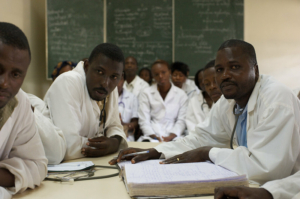
How big is the hole? Suspension of USAID in Ethiopia

ethiopia usaidEthiopia is the largest recipient of USAID in sub-Saharan Africa. After receiving the money for 2023, Ethiopia has seen a suspension in the $1 billion in aid it receives. The funding cut has left the country in a vulnerable position, disrupting critical aspects of its healthcare system, including data management, medicine procurement, delivery, and workforce training and retention

Where the Suspension Has Hit Hardest?

The suspension of USAID funding has severely disrupted Ethiopia’s fight against diseases like malaria, HIV and tuberculosis. Around 5,000 health care workers lost their jobs, affecting vital services such as vaccinations, patient care and disease surveillance. The funding cut also threatens Ethiopia’s global “95-95-95” HIV treatment goals, with 503,000 people receiving care across 1,400 health facilities. Additionally, 10,000 data clerks responsible for managing HIV treatment have lost their jobs, further hindering the delivery and monitoring of care.

This could cripple efforts to combat HIV in the short to medium term, leaving many patients vulnerable. This has worsened the strain on the health care system, leaving it unable to provide basic services and hindering disease eradication efforts, deepening health poverty. 

With USAID support, Ethiopia launched a five-year health sector plan (HSTP-II) from 2020-2025 to improve health care. The plan aims to ensure quality, accessible health care, strengthen governance and leverage technology for reliable health data. A key challenge is the severe shortage of health care workers, with less than 100,000 staff members, far below the 445,000 necessary for universal health coverage. The plan’s success is crucial to expanding services and addressing this workforce gap.

The suspension of USAID funding has severely impacted Ethiopia’s HSTP-II, halting training programs and delaying the expansion of the health care workforce. Many NGOs have been hit hard by the suspension, including the Tesfa Social and Development Association (TSDA), which aids HIV patients with food, clothing and school supplies, according to The Guardian. The funding cut has crippled the organization, leaving those who depend on TSDA in even worse health and poverty. Staff layoffs and operational challenges have worsened the already dire situation for those relying on the organization’s support.

Solutions

The government has tried to enhance its support for local NGOs by trying to empower them by simplifying regulatory frameworks, in the hope this will enhance the operational efficiency and sustainability of NGO’s despite the budget constraints they are now facing. Following the advice of the Ethiopian Civil Society Organisation Authority, NGOs that did not rely on USAID funding are forming alliances with other local NGOs, enabling them to share resources, have joint fundraising efforts, and increase advocacy for policy changes to support the nonprofit sector during this challenging period.

NGOs such as the Mekedonia Humanitarian Association focus on supporting the critically disabled, elderly and mentally ill by providing housing, clothes and other vital amenities. Another organization is the Ethiopian Human Rights Council, which focuses on providing legal aid and investigating human rights abuses. These have turned out to be important practices for non-USAID-funded NGOs as it has provided support for these NGOs to allow them to continue their work during the period of the suspension.

Conclusion

The suspension of USAID has left Ethiopia’s health care system in an unprecedented crisis, affecting disease eradication efforts, health care workforce expansion and the operations of vital NGOs. The abrupt withdrawal of $1 billion in aid has crippled essential programs, forced widespread layoffs and disrupted Ethiopia’s ability to meet global health commitments. The impact on HSTP-II and organizations like the Tesfa Social and Development Association underscores how deeply intertwined USAID funding was with Ethiopia’s healthcare infrastructure.

Efforts to diversify funding streams, improve private sector involvement and empower local NGOs mark a shift towards long-term self-sufficiency, though the short-term outlook remains dire. Ultimately, while Ethiopia is making strides to mitigate the crisis, the loss of USAID has left an undeniable mark on its healthcare system. Whether the government’s measures will be enough to compensate for the loss of funding remains uncertain, but one thing is clear: The suspension has deepened Ethiopia’s health crisis, and the road to recovery will be long and arduous.

– Oliver Hedges

Oliver is based in Lancaster, UK and focuses on Global Health for The Borgen Project.

Photo: Flickr
March 15, 2025
https://borgenproject.org/wp-content/uploads/borgen-project-logo.svg 0 0 Naida Jahic https://borgenproject.org/wp-content/uploads/borgen-project-logo.svg Naida Jahic2025-03-15 01:30:292025-03-14 07:37:27How big is the hole? Suspension of USAID in Ethiopia
Page 2 of 7‹1234›»

Get Smarter

  • Global Poverty 101
  • Global Poverty… The Good News
  • Global Poverty & U.S. Jobs
  • Global Poverty and National Security
  • Innovative Solutions to Poverty
  • Global Poverty & Aid FAQ’s
Search Search

Take Action

  • Call Congress
  • Email Congress
  • Donate
  • 30 Ways to Help
  • Volunteer Ops
  • Internships
  • Courses & Certificates
  • The Podcast
Borgen Project

“The Borgen Project is an incredible nonprofit organization that is addressing poverty and hunger and working towards ending them.”

-The Huffington Post

Inside The Borgen Project

  • Contact
  • About
  • Financials
  • President
  • Board of Directors
  • Board of Advisors

International Links

  • UK Email Parliament
  • UK Donate
  • Canada Email Parliament

Get Smarter

  • Global Poverty 101
  • Global Poverty… The Good News
  • Global Poverty & U.S. Jobs
  • Global Poverty and National Security
  • Innovative Solutions to Poverty
  • Global Poverty & Aid FAQ’s

Ways to Help

  • Call Congress
  • Email Congress
  • Donate
  • 30 Ways to Help
  • Volunteer Ops
  • Internships
  • Courses & Certificates
  • The Podcast
Scroll to top Scroll to top Scroll to top