• Link to X
  • Link to Facebook
  • Link to Instagram
  • Link to TikTok
  • Link to Youtube
  • About
    • About Us
      • President
      • Board of Directors
      • Board of Advisors
      • Financials
      • Our Methodology
      • Success Tracker
      • Contact
  • Act Now
    • 30 Ways to Help
      • Email Congress
      • Call Congress
      • Volunteer
      • Courses & Certificates
      • Be a Donor
    • Internships
      • In-Office Internships
      • Remote Internships
    • Legislation
      • Politics 101
  • The Blog
  • The Podcast
  • Magazine
  • Donate
  • Click to open the search input field Click to open the search input field Search
  • Menu Menu

Tag Archive for: Poverty In Brazil

Posts

Electricity and Power, environment, Global Poverty

Brazil’s Waste-to-Energy Conversion Systems

Brazil's waste-to-energy conversionBrazil is making significant strides in waste-to-energy technology, which turns waste into energy and addresses both urban waste management and renewable energy demands. Cities like São Paulo, Curitiba and Rio de Janeiro are leading the way, implementing projects that transform organic waste, sewage, and landfill gases into biogas and ultimately electricity. These waste-to-energy systems help keep cities clean and provide renewable power, reinforcing Brazil’s commitment to sustainability and urban development.

Urban Waste as an Energy Source

With rapid urbanization and increased consumption, Brazil faces mounting waste disposal challenges. The nation produces approximately 79 million tons of waste annually and managing this output has long been a complex issue. While traditional landfills have been the mainstay for waste disposal, they come with environmental costs, such as methane emissions, a potent greenhouse gas. Recognizing this, Brazil has started investing in waste-to-energy projects, using organic waste and other municipal refuse to generate clean, renewable energy.

These waste-to-energy projects follow a relatively simple process. Organic waste, which includes everything from food scraps to sewage sludge, undergoes anaerobic digestion—a process where microorganisms break down waste in an oxygen-free environment, according to Global Recycling. This decomposition releases biogas, a combination of methane and carbon dioxide, which can be converted into electricity. By transforming waste into energy, Brazil not only diverts a substantial amount of refuse from landfills but also reduces its carbon footprint.

Landmark Projects Leading the Way

In São Paulo, one of Brazil’s largest and most densely populated cities, a pioneering waste-to-energy plant exemplifies the potential of the Brazil waste-to-energy conversion system. This facility transforms various organic waste types, such as food scraps and biodegradable materials, into biogas, Global Recycling reports. This biogas is then distributed locally, helping reduce waste and reliance on fossil fuels. São Paulo’s waste-to-energy project underscores the city’s commitment to environmental sustainability and urban resilience, offering a model for other cities to follow.

Curitiba, known for its eco-friendly efforts, has launched a large-scale composting project that further enhances Brazil’s waste-to-energy conversion strategies. This project primarily turns organic waste into compost for agriculture and green spaces, yet it also captures methane for modest energy production, showcasing that diverse approaches can strengthen Brazil’s waste-to-energy conversion efforts.

Meanwhile, Rio de Janeiro is making headway with biogas initiatives aimed at capturing landfill gases. The city’s main landfill, the Seropédica Landfill, is one of Latin America’s largest and includes a biogas recovery system that extracts methane emissions and converts them into energy. Rio’s biogas initiatives provide enough electricity to power thousands of households, highlighting waste-to-energy’s potential to meet urban energy needs sustainably.

Economic and Environmental Impact

These projects represent more than just waste disposal solutions—they contribute to economic growth and energy security. By tapping into waste-to-energy technologies, Brazil can reduce its reliance on imported fossil fuels, foster local employment in green technology, and promote innovation in renewable energy. The environmental benefits are equally substantial, as waste-to-energy systems drastically reduce methane emissions from organic waste, a critical factor in the fight against climate change.

Moreover, the success of Brazil’s waste-to-energy conversion initiatives could encourage other Latin American countries to explore similar strategies. Brazil has become a regional leader in green energy solutions, showing that waste-to-energy systems can be both economically viable and environmentally beneficial. This leadership extends beyond borders as Brazil collaborates with international organizations to improve its waste-to-energy capabilities, drawing on global expertise to optimize local projects.

A Sustainable Future for Brazil

Brazil’s commitment to waste-to-energy conversion solutions showcases the country’s forward-thinking approach to sustainability. By converting waste into energy, Brazilian cities are cleaning up their streets, reducing emissions, and powering communities—all while supporting a circular economy. As these projects expand, Brazil is not only addressing today’s waste and energy challenges but also paving the way for a cleaner, more sustainable future.

– Laila Alaya

Laila is based in Abuja, Nigeria and focuses on Technology and Solutions for The Borgen Project.

Photo: Wikimedia Commons

November 18, 2024
https://borgenproject.org/wp-content/uploads/borgen-project-logo.svg 0 0 Naida Jahic https://borgenproject.org/wp-content/uploads/borgen-project-logo.svg Naida Jahic2024-11-18 07:30:442024-11-17 23:27:48Brazil’s Waste-to-Energy Conversion Systems
Conflict, Developing Countries, Global Poverty

Sawré Muybu: A Landmark Win for Indigenous Peoples in Brazil

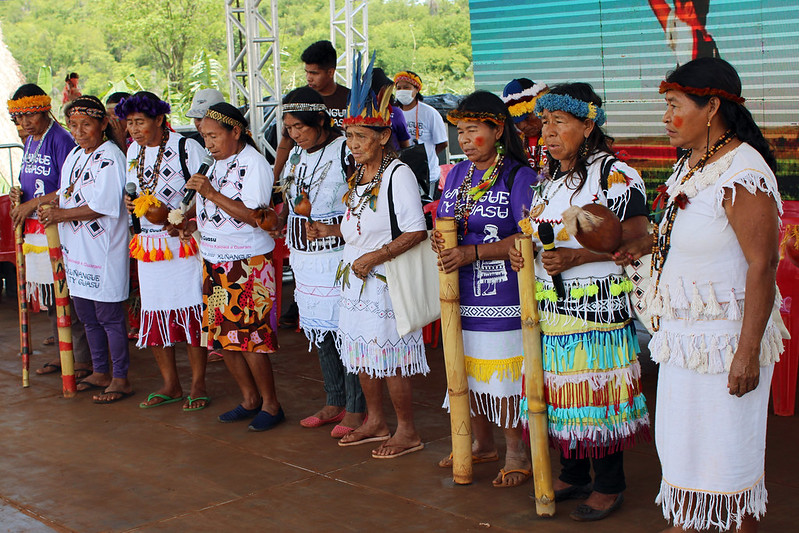
Sawré MuybuIn 2022, the Statista Research Department reported that 33.2% of Indigenous peoples in Brazil live below the poverty line, subsisting on less than $2.15 a day. This statistic highlights the many systemic barriers that Indigenous communities in Brazil face. Among the most pressing is the ongoing encroachment on Indigenous lands: miners and loggers increased their invasions from 109 in 2018 to 305 in 2021.

These incursions threaten the livelihoods of Indigenous communities who rely on the land for farming, fishing and hunting. One egregious example of the detrimental effects of these invasions is the use of toxic mercury by gold miners to extract gold. This contaminates rivers and endangers both community health and cultural traditions like fishing. Furthermore, the resulting food scarcity and deforestation have driven many Indigenous people to relocate to cities, where they face discrimination and have limited access to health care.

Conflict Over Sawré Muybu

Within the heart of the Amazon lies the Sawré Muybu, an Indigenous land inhabited by the Munduruku people for generations. Rich in diverse plant and animal life, safeguarding this land is essential to preserving an ancestral way of life that connects deeply to the forest and is grounded in cultural and spiritual harmony. However, frequent land invasions by miners and loggers threaten the Munduruku people’s livelihoods and their ability to sustain this ancestral way of life. Leaders of the Munduruku community have endured violence and death threats for defending their territory, highlighting the severe risks they take to protect their land and heritage.

Demarcation establishes the legal process of officially defining and protecting Indigenous lands, creating clear boundaries to recognize and safeguard the rights of Indigenous communities to their ancestral territories. This process is crucial for preventing incursions by external parties, such as miners and loggers and preserving Indigenous livelihoods and culture. The demarcation process for the Sawré Muybu territory began in 2007 but saw long delays due to the economic sway of the mining industry in the region.

In 2014, the Munduruku people took control by self-demarcating their land, marking its borders and driving out intruders. This act carried significant political weight and inspired other Indigenous communities across Brazil to assert their rights in similar ways.

The Demarcation of the Sawré Muybu Territory

On September 25, 2024, Brazil’s Minister of Justice officially decreed the demarcation of the Sawré Muybu territory, achieving a major victory for Indigenous peoples in Brazil. This 17-year struggle for the Munduruku’s ancestral land highlights the power of solidarity and persistent advocacy in influencing political decisions on Indigenous rights. With this demarcation, incursions on the land are now illegal, placing a duty on the government to enforce the decree, remove land invaders and prevent any acts of violent retaliation.

The Path Ahead for Indigenous Rights

This victory marks a pivotal step toward Indigenous dignity and rights amid the numerous pressures affecting Indigenous peoples in Brazil. Indeed, it stands not only as a landmark in the fight for land rights but also as a triumph for human rights, poverty reduction and environmental preservation. Furthermore, it demonstrates that Indigenous voices possess strength—and, if ignored, will find ways to be heard.

Chief Juarez Saw of Sawré Muybu village aptly expressed this sentiment upon the decree’s signing: “Yesterday was a victory for all of us who depend on the forest, which means the whole world. For forest defenders, the minister’s signature was very important in helping us to guarantee the preservation of nature and the standing forest. When I speak of our victory, I speak of our collective victory.”

– William Pickering

William is based in Nottingham, UK and focuses on Good News and Technology for The Borgen Project.

Photo: Flickr

November 11, 2024
https://borgenproject.org/wp-content/uploads/borgen-project-logo.svg 0 0 Hemant Gupta https://borgenproject.org/wp-content/uploads/borgen-project-logo.svg Hemant Gupta2024-11-11 01:30:222024-11-10 23:59:40Sawré Muybu: A Landmark Win for Indigenous Peoples in Brazil
Charity, Global Poverty, Nonprofit Organizations and NGOs

5 Charities Operating in Brazil

Charities Operating in BrazilBrazil, the largest nation in South America, boasts a population of more than 200 million and a GDP of more than $2 trillion. However, despite such a promising economy, it remains an extremely unequal nation in terms of income, with Oxfam citing that the richest 5% of the country have as much income as the remaining 95%. Factors such as lack of access to housing or education have only served to widen the gap between rich and poor. Poverty disproportionately affects women, Afro-Brazilians and Indigenous communities due to wage inequality. Here are five charities operating in Brazil that work to combat the various social problems facing the country.

The Lemann Foundation

Limited access to education is a problem that affects a significant proportion of Brazil’s population; 48% of the nation’s children reach age 10 without ability to read, whilst total illiteracy rates reach as high as 80% in the most deprived areas. The Lemann Foundation combats “learning poverty” by working to ensure children and young people in Brazil have access to high-quality education. It collaborates with more than 15,000 schools, provides teachers and local governments with relevant resources and helps produce online learning material to ensure those in deprived areas are still able to achieve strong academic qualifications. The Lemann Foundation also notes the particular educational exclusion of Indigenous and Afro-Brazilian communities and stresses the importance of quality education in building a progressive and equal society.

The Catholic Agency for Overseas Development (CAFOD)

Founded in 1960 as the official aid department of the English and Welsh Catholic Church, CAFOD’s work in Brazil focuses on providing aid to those dealing with homelessness in São Paulo, the country’s most populous city. With an estimated homeless population of up to 50,000 in 2023, the number of residents sleeping rough has increased by 31% since the COVID-19 pandemic.

The CAFOD combats this by supporting those living in unsanitary housing conditions by ensuring they have access to clean water and basic health care. It also recognises the disproportionate impact poverty has on Indigenous groups in Brazil, so works to ensure these groups have access to education and employment opportunities.

The Favela Foundation

Favelas are slums or impoverished areas often located on the outskirts of Brazil’s larger cities. The Favela Foundation is one of the charities operating in Brazil that focuses its support on the residents of these neighborhoods. The organization raises money for local NGOs that provide educational opportunities such as English lessons, as speaking English can often ensure access to better employment.

Revive International

Founded in 2012, Revive is one of the charities operating in Brazil that works in the North East of the country, focusing on supporting children who have been victims of abuse or trafficking. As poverty and homelessness put young people more at risk of exploitation, Reviva runs safe houses for those in unsafe domestic conditions, alongside a fostering service for younger children to ensure they receive a safe upbringing.

ActionAid

This U.K.-based charity has been working in Brazil for more than 25 years and supports a wide range of communities and initiatives across the country. The organization’s principal goal is the support and protect young girls from exploitation, for example through organizing educational services or sports activities. However, ActionAid also assists those facing other issues, such as providing resources to rural Brazilians in drought-stricken areas to ensure they can still grow food. In total, it has worked with over 300,000 people to help improve lives in the country.

Although the country faces disproportionately high levels of poverty and inequality, these charities operating in Brazil are working to improve the lives of its impoverished citizens. Both local and wide-ranging international organizations provide support within the country to support those dealing with a vast variety of issues such as homelessness, learning poverty, gender-based violence and environmental changes.

– Izzy Tompkins

Izzy is based in Leeds, UK and focuses on Global Health and Politics for The Borgen Project.

Photo: Flickr
September 26, 2024
https://borgenproject.org/wp-content/uploads/borgen-project-logo.svg 0 0 Jennifer Philipp https://borgenproject.org/wp-content/uploads/borgen-project-logo.svg Jennifer Philipp2024-09-26 01:30:572024-09-26 00:47:525 Charities Operating in Brazil
Child Poverty, Children, COVID-19

ChildFund in Brazil

ChildFund in BrazilBrazil is one of the largest and most populated countries in South America; it has more than 200 million people within its population. Yet, Brazil scored 48.9 on the Gini index for economic inequality and a significant proportion suffers from discrimination, and income inequality and around 24% of people live below the poverty line. ChildFund is a global charity that focuses on supporting children suffering by providing education, better access to health care or improving the cleanliness of drinking water where possible.

Education and Youth

Due to the effects of COVID-19, the education system was in dire need of support, UNICEF stated that, in 2022, 2 million children from the ages of 11 to 19 had not completed basic education and had not returned after the closures from COVID-19. ChildFund in Brazil have been persistent in trying to eradicate the education system to make a more positive environment; it has started introducing awareness workshops within the community schools. Additionally, more than 12,000 young people took part in ChildFund’s “Skilled and Involved Youth” projects in 2015. The organization conducted several workshops focusing on natural disasters and violence.

There are several campaigns that ChildFund runs and networking sessions to get more young people involved in current affairs which also, opens more avenues for young people to be involved in decisions directly relating to them. ChildFund is working alongside local partners (OSPs) to encourage children to have a routine to stick to and they have several social groups that support children in several activities, such as dance and judo. OSPs have also created several play kits to support the children with art supplies and they supply the correct age-appropriate items. All of these initiatives help support the children of Brazil.

Health Care

Brazil has purposefully attempted to rebuild the health care system after the devastating disaster of COVID-19 and the government’s focus has been on achieving Universal Health Coverage (UHC). Although there are several improvements to health care and being more available there are still shortages in public funding, suboptimal resource allocation and weaknesses in health care delivery persist. Those who are most vulnerable to these issues are children, the elderly and those with terminal illnesses; thus, ChildFund aims to improve the health care systems for children. In 2015 ChildFund in Brazil created a “Taking Care of the First Years of Life” program which has benefitted more than 8,000 children in 31 different areas in Brazil, according to its website.

During the COVID-19 pandemic, it was very difficult to support people physically however, ChildFund partnered with local staff who could help them connect with families virtually and provide at-home kits for caregivers and educators. It also hand-delivered food to more than 7,700 families including baby supplies such as baby cribs and clothes.

Safe Drinking Water

There have been several severe droughts in the southeastern areas of Brazil and these conditions have created a shortage in water for agriculture and clean, drinking water for people, according to ChildFund. ChildFund in Brazil has constantly worked with local partners and organizations to have a better monitoring system in place for when these events occur and in particular making sure the water quality is clean for drinking.

According to ChildFund, it collects regular samples and tests for bacteria and any other pollution and it has created a backup system to be more prepared and also, encourage others to be aware of these issues and raise awareness. The World Food Programme (WFP) Centre of Excellence against Hunger and ChildFund in Brazil signed a partnership to promote food and nutritional security for children and find solutions to fight hunger. ChildFund has always tried to defend children’s rights and they are an important asset to building sustainable solutions for children.

– Charlotte Johnston

Charlotte is based in London, UK and focuses on Good News for The Borgen Project.

Photo: Flickr

September 14, 2024
https://borgenproject.org/wp-content/uploads/borgen-project-logo.svg 0 0 Naida Jahic https://borgenproject.org/wp-content/uploads/borgen-project-logo.svg Naida Jahic2024-09-14 01:30:022024-09-13 02:38:02ChildFund in Brazil
Child Poverty, Global Poverty, Nonprofit Organizations and NGOs

4 Charities Combating Child Poverty in Brazil

Child Poverty in BrazilBrazil has the second-highest economy in the Americas. Despite the country having a whopping gross domestic product (GDP) range of $2.17 trillion as of 2023, it is also home to millions of children living in poverty. Vast disparities in wealth and access to essential resources persist, leaving many children and teenagers alike impoverished. Fortunately, several charities are working tirelessly to address these challenges and improve the lives of the most vulnerable children in Brazil. 

ChildFund

Since 1966, ChildFund has been helping impoverished children in Brazil, focusing on improving the lives of children and families in disadvantaged areas. The organization’s efforts center on education, health care and protecting children from violence and exploitation. ChildFund also aims to train community members to monitor water quality and has partnered with multiple programs to implement measures that promote safe water drinking—one of these partnerships accomplished providing clean water to more than 24,000 people in Brazil’s Jequitinhonha Valley.

One of ChildFund’s key initiatives in Brazil is its focus on education and skills training. The organization provides educational support to children, ensuring access to quality schooling and essential resources for success. This includes reducing violence in classrooms and socioeducational activities promoting leadership. Additionally, ChildFund Brazil empowered 8,200 children through its “Taking Care of the First Years of Life” program.

Children of Bahia

Children of Bahia is a nonprofit organization dedicated to supporting children in one of Brazil’s most impoverished regions, the state of Bahia. Established in 2005, the organization provides food, education and health care to children living in extreme poverty. By working directly with local communities, Children of Bahia addresses the needs of the children it serves and provides targeted support where needed most.

The organization also supports projects where children receive meals, access necessary health care and participate in extracurricular activities like the Wednesday Club. In addition to providing direct support, Children of Bahia strengthens families and communities by offering workshops and community development programs. This approach ensures children get the support they need to thrive at home and within their communities.

GlobalGiving

GlobalGiving is an international crowdfunding platform connecting donors with grassroots projects worldwide, including Brazil. The platform supports various initiatives to combat child poverty in Brazil through its platform. These projects are run by local organizations that deeply understand the communities they serve, ensuring that donations are used effectively to create lasting change.

In Brazil, GlobalGiving supports projects that provide education, health care and necessities to needy children. For example, some projects focus on improving rural communities’ access to clean water and sanitation. In contrast, others provide scholarships and educational resources to children who would otherwise be unable to attend school. The organization’s model allows donors to choose specific projects they want to support, providing transparency and ensuring that their contributions make a direct impact.

Compassion International

Compassion International is a well-known organization that works to alleviate child poverty through its child sponsorship programs. The organization provides children access to education, health care and spiritual guidance in Brazil. Compassion’s sponsorship programs connect donors with individual children. It provides them with the financial support needed to attend school, receive medical care and participate in extracurricular activities.

The organization has also served 223 churches to create safe and nurturing environments for the children, for which approximately 69,000 have received aid. In addition to meeting basic needs, Compassion’s programs emphasize the importance of emotional and spiritual well-being. They offer counseling and support to help children overcome the challenges they face.

Conclusion on Charities in Brazil

The work of charities such as ChildFund, Children of Bahia, GlobalGiving and Compassion International demonstrates that the power of collective action. These organizations have sufficiently reduced child poverty in Brazil via education, health care, food and water supply and sponsoring.

– Christian Core

Christian is based in Princeville, HI, USA and focuses on Good News for The Borgen Project.

Photo: Flickr

September 1, 2024
https://borgenproject.org/wp-content/uploads/borgen-project-logo.svg 0 0 Hemant Gupta https://borgenproject.org/wp-content/uploads/borgen-project-logo.svg Hemant Gupta2024-09-01 01:30:382024-08-31 02:32:234 Charities Combating Child Poverty in Brazil
Global Poverty, Human Rights, Women and Children

Child Human Rights Defenders in Brazil

Child Human Rights Defenders in BrazilFounded in 1991, the Committee on the Rights of the Child oversees the implementation of the Convention on the Rights of the Child. The Convention’s Preamble advocates for raising children in a spirit of peace, dignity, tolerance, freedom, equality and solidarity. Every two years in Geneva, the Committee conducts a Day of General Discussion (DGD) focusing on children’s issues related to the Convention on the Rights of the Child. Child Human Rights Defenders play a significant role in these discussions. The Defenders bring attention to the practical applications of the Convention in their lives and communities.

2018 Day of General Discussion Focus

In 2018, the Committee on the Rights of the Child’s Day of General Discussion (DGD) centered on protecting and empowering children as human rights defenders. This first global discussion in 2018 significantly raised awareness and understanding of the roles and activities of child human rights defenders. It established a clear definition of a child human rights defender and laid the groundwork for state obligations under the Convention on the Rights of the Child regarding these defenders. In addition, this 2018 initiative marked a phenomenal achievement: 60 children attended the DGD in person. It also featured the online participation of more than 800 individuals worldwide. The efforts of the DGD brought to light the experiences of children serving as human rights defenders.

Child Human Rights Defenders in Brazil

According to Child Human Rights Defenders (CHRDs), a child human rights defender is a child who takes action to promote, protect and fulfill human rights, including children’s rights.

  • Camila Moradia. A recipient of the Front Line Defenders Award for Human Rights Defenders at Risk in the Americas region in 2021, has been a child human rights defender in Brazil since she was 5 years old. Camila joined her mother in advocating for women’s rights and participated in social projects developed by the State Government of Rio de Janeiro. She also championed housing rights in the Alemão complex, advocating for 1,300 families. In 2015, she founded Women in Action in Alemão (MEAA). MEAA’s mission focuses on ending violence against women, empowering women and their families, strengthening their autonomy and ensuring basic rights. Additionally, the organization has successfully supported more than 400 women in Complexo do Alemão, a slum in Rio de Janeiro.
  • Gabriel. A 16-year-old child human rights defender emphasizes the absence of effective addressal of violence within schools. The pressure on children to sit, listen and remain silent diminishes the participation of children. This leads to the systematic absence of incorporating human rights education in the school curricula. 
  • Melissa. A 17-year-old child human rights defender highlights the importance of digital media for communicating useful information. Young individuals gather together to discuss matters concerning public policy-making. These discussions allowed these child human rights defenders in Brazil to highlight the need for new hospitals and to increase the employment of new teachers. This good practice provides feedback to the Government in Brazil from child human rights defenders in Brazil.
  • Mary Lawlor. The U.N. Special Rapporteur on the situation of human rights defenders, during her official country visit to Brazil, recognizes the gross violations against human rights defenders in Brazil. Human rights defenders in Brazil seeking dignity and pursuing justice are subject to denial and destruction. Mary Lawlor commends them on the level of resilience and solidarity that these human rights defenders show despite facing extreme violence and inequality.

Support for Child Human Rights Defenders in Brazil

Set up in 1983, Child Rights Connect has played an instrumental role in influencing child rights developments across the world. Some of its notable achievements include the participation of more than 200 children, child rights experts and practitioners, 74% being girls and women, to assess the obstacles faced by child rights movements and how to tackle these ongoing challenges. 

Child Rights Connect has empowered children worldwide to actively report to the U.N. Committee on the Rights of the Child. Additionally, 93% of civil society actors have reported that the technical assistance provided by Child Rights Connect has been extremely useful in connecting them with human rights mechanisms.

Contribution of the Alana Institute

The Alana Institute aims to create an equal, inclusive and plural world for children and established the Alana Center in 1994. Over the past 27 years, the center has actively engaged with local government and community stakeholders to focus on the development of children and families. This involvement, along with investments in socio-economic and geographic studies and collaborations with social actors such as residents and public agencies, has significantly improved the quality of life in the community.

Child Rights Connect and the Alana Institute have joined hands to improve the situation of child human rights defenders in Brazil. Empowering child human rights defenders in Brazil, engaging in a safe and sustainable promotion of human rights, engaging with the concerned authorities for effective recognition and providing support for the work of the child human rights defenders in Brazil is of principal focus.

Looking Ahead

The 2018 Day of General Discussion by the Committee on the Rights of the Child significantly raised awareness about child human rights defenders. Additionally, discussions defined their roles and the state’s obligations under the Convention on the Rights of the Child. Efforts by organizations like Child Rights Connect and the Alana Institute in Brazil highlight the ongoing commitment to empower these young defenders. Through initiatives that support education, digital communication and policy feedback, these organizations are helping children advocate for their rights and improve their communities.

– Caren Thomas

Caren is based in Dubai, UAE and focuses on Good News and Technology for The Borgen Project.

Photo: Flickr

July 15, 2024
https://borgenproject.org/wp-content/uploads/borgen-project-logo.svg 0 0 Precious Sheidu https://borgenproject.org/wp-content/uploads/borgen-project-logo.svg Precious Sheidu2024-07-15 01:30:422024-07-15 01:00:13Child Human Rights Defenders in Brazil
Advocacy, Developing Countries, Global Poverty

Brazil’s Sound: Samba Music and Social Justice

Social JusticeSamba music is a staple of Brazil’s urban culture, from influences found in African drum patterns brought over by enslaved people to the now world-famous Brazilian carnival. This style of music provides communities with opportunities for bonding and culture away from poverty. In recent years, communities brought together by Samba music have also become advocates for social justice. Amid Brazil’s political turmoil during the Bolsonaro years, jam sessions became both moments of release and powerful meeting points in favor of social justice.

A Brief History of Samba Music

Samba Music originates from drum patterns transported across the Atlantic by enslaved people taken from their homeland to work on the Brazilian plantations. Originally, the word Samba is thought to derive from the Kimbundu term “Semba” loosely translatable as “invitation to dance” or designating the informal parties held by slaves in Rio’s rural areas. In the early 20th century, following the abolition of slavery in 1888, Samba grew in popularity and enriched its tradition through exposure to other genres of popular music also brought to Brazil by immigration. German polka or Cuban Habanera brought song structure and lyrics to the rhythmic form leading to an early style of Samba popular among Brazil’s aristocracy, pairing slower tempos with melancholic and romantic lyrics.

However, it was during the ’50s in the favelas that Samba took on its most popular shape. In these poor urban areas, faster rhythms were oriented toward communal events like the Carnival, where bands of musicians would rehearse all year round to perform at the event. During the 50s, Brazil saw its music export grow considerably, with the likes of Gilberto and Jobin popularising Bossa Nova in cooperation with American jazz musicians. With the now world-renowned fame of the genre, urban populations have incorporated other styles of music into Samba, such as jungle drum patterns. Its strong association with the Carnival and urban popular culture pairs samba music and social justice deep within its roots.

Samba Music and Social Justice

As a style of music popular at its chore, the popularity of Samba intertwined its development with social justice struggles in the country. In the ’30s, during the dictatorship of General Getulio, Samba music offered a rallying crowd where protesters could mask socially engaged lyrics within the music and avoid censorship. This trend continued during the military dictatorship of the ’60s and ’70s. Carnivals offered moments of reversals of social structures, allowing a release for much of the grievances built out of social inequality and income disparity.

The music also grew as a tool for affirmation and protestation against racial injustices plaguing the country. The 1988 Carnival theme “One Hundred Years of Freedom: Reality or Illusion” asked burning questions amid the celebration of the 100 years of slavery’s abolition. The harsh conditions in urban slums were highlighted, pegging the question of true social evolution since the abolition of slavery.

Samba Music and Social Justice Today

Today, much of Brazil’s poverty remains urban. The United Nations (U.N.) reports that 72% of the country’s poor live in urban areas, with rates of informal settlements climbing as high as 22.15% in Rio de Janeiro and 54.47% in Belèm. Those tough circumstances are further reinforced by high rates of criminality in poor urban areas and high rates of inequalities across the country; Brazil clocks in as one of the most unequal countries in the world. Samba music in these underprivileged areas offers moments of community cohesion and peace.

Different institutions, such as the Renaissance Club in Rio de Janeiro, became a stronghold for social justice protests and community-led actions. Upholding, at its root, both the Afro-Brazilian roots of the music style and the historically underprivileged positions occupied in society as part of the same fight. Amid the COVID-19 crisis and the high death toll that struck poor urban communities hard, the Renaissance Club was a place in which the grievances of the community could be expressed through music and raise voices of social equality across race and economic backgrounds. The Club shows that samba music and social justice are still interlinked both by their heritage and current issues.

– Felix Stephens

Felix is based in London, UK and focuses on Business and New Markets and Politics for The Borgen Project.

Photo: Flickr

May 4, 2024
https://borgenproject.org/wp-content/uploads/borgen-project-logo.svg 0 0 Hemant Gupta https://borgenproject.org/wp-content/uploads/borgen-project-logo.svg Hemant Gupta2024-05-04 07:30:462024-05-04 00:31:20Brazil’s Sound: Samba Music and Social Justice
Agriculture, Development, Global Poverty

Cultivating Hope: Urban Farming in São Paulo

Urban Farming in São PauloAs one of the largest cities in the world, São Paulo faces numerous challenges, including poverty, food insecurity and environmental degradation. However, innovative initiatives centered around urban agriculture are offering a ray of hope for its residents. The movement to make urban areas greener and more sustainable has been gaining ground in Brazil and worldwide since the early 2000s. Moreso, urban farming in São Paulo is emerging as a pivotal strategy to address ongoing issues, highlighting its growing importance in the city’s efforts to improve the quality of life for its residents.

Urban Farming in São Paulo

Urban farming refers to growing fruits, vegetables and herbs within urban areas, utilizing limited space such as rooftops, vacant lots and community gardens. In São Paulo, where access to fresh, nutritious food can be scarce in low-income neighborhoods, urban farming initiatives are playing a crucial role in addressing food deserts and improving food security. By bringing agriculture closer to urban dwellers, these initiatives reduce the distance food needs to travel from farm to table, thereby lowering costs and increasing accessibility.

Despite the numerous benefits of urban farming, it still faces challenges and limitations. Land tenure issues, limited access to resources and bureaucratic hurdles can hinder the scalability and sustainability of urban farming initiatives. In addition, the unequal distribution of wealth and resources within the city exacerbates existing disparities, making it difficult for some communities to fully engage with urban farming efforts.

Environmental Impact of Urban Farming

Urban farming in São Paulo has environmental benefits that extend beyond its economic and social impacts. By converting vacant lots into green spaces, urban farms help mitigate the urban heat island effect, improve air quality and promote biodiversity. Additionally, these initiatives often employ sustainable farming practices such as composting, rainwater harvesting and organic cultivation methods, thereby reducing the city’s ecological footprint and enhancing its resilience to climate change.

Hortelões Urbanos

The Hortelões Urbanos network or Urban Horticulturists, stands out as a leading initiative in São Paulo. Its members champion food autonomy and strive to lessen reliance on traditional farming practices, agribusiness and large retailers. Key principles of the network include fostering equal partnerships between rural and urban communities and opposing the adverse effects of agribusiness on natural resources, transportation, excessive packaging, waste production and labor exploitation.

Nagib and Nakamura report that initiatives like these promote the sharing of experiences and information about urban agriculture, whether at the household or community level. Involving residents in the cultivation process fosters a sense of ownership and empowerment within these communities.

Urban farming in São Paulo offers economic opportunities for vulnerable populations, thereby contributing to poverty alleviation. Through training programs and cooperatives, individuals living in impoverished areas are equipped with the knowledge and resources to grow their food or even start small-scale agricultural businesses. By selling surplus produce at local markets or participating in community-supported agriculture (CSA) programs, urban farmers can potentially generate additional income, thus reducing their reliance on expensive store-bought groceries and improving their financial stability.

Looking Ahead

Urban farming offers significant potential as a strategy for reducing poverty and developing communities in São Paulo. The ongoing initiatives enhance access to fresh food, generate economic opportunities and promote environmental sustainability, presenting a comprehensive solution to the intricate issues urban populations encounter. As São Paulo expands and progresses, urban farming is poised to play a crucial role in the city’s endeavors to create a more equitable and resilient environment for all residents.

– Rhys Woodward

Rhys is based in Edinburgh, Scotland and focuses on World News for The Borgen Project.

Photo: Flickr

April 10, 2024
https://borgenproject.org/wp-content/uploads/borgen-project-logo.svg 0 0 Precious Sheidu https://borgenproject.org/wp-content/uploads/borgen-project-logo.svg Precious Sheidu2024-04-10 01:30:482024-04-09 14:09:22Cultivating Hope: Urban Farming in São Paulo
Children, Food Insecurity, Global Poverty, Nonprofit Organizations and NGOs

Child Hunger in Brazil – The Sesc Mesa Programme

Child Hunger in Brazil - The Sesc Mesa ProgrammeThe Guardian reports that child hunger in Brazil is a critical issue. It also notes that the country loses about 26.3 million tonnes of food each year in production and transportation. In addition, Brazilian households discard around 60 kilograms of food per capita annually. This wastage contrasts starkly with the country’s undernourishment issues, as the Food and Agriculture Organization reports that about 7% of Brazilians are undernourished. Hence, redirecting the excess food waste could make it easier for the 10 million Brazilians struggling to feed their families. Brazil’s largest network of Food Banks, Sesc Mesa aims to capitalize on this opportunity.

Sesc Mesa and Its Mission

Sesc Mesa operates more than 95 units nationwide to ensure children in Brazil attend school, nursery or play groups well-nourished. A key depot in Rio de Janeiro serves as a prime example of how organizations like Sesc Mesa address Brazil’s food shortage on a national scale. Covering 400 square feet in Rio’s northern suburbs, the program’s depot recovers unsellable food from supermarkets and collects wonky or otherwise deemed unfit produce from farms, where most of Brazil’s food wastage happens, for supermarkets and restaurants.

Cida Pessoa, program manager for Sesc Mesa in Rio, says, “People want nature to be completely uniform, for carrots to grow in the same way, for papayas to come without spots, for apples to be identical,” leading to vast amounts of perfectly good produce being wasted. This could otherwise help solve Brazil’s undernourishment crisis. After gathering the undesirable produce, Sesc Mesa donates it to soup kitchens, schools, nurseries and other institutions that provide free meals, ensuring daily nourishment for those in need. Due to the program’s success, Sesc Mesa is relocating to a facility 12 times larger. Moreover, this expansion means the potential to feed 12 times more children. With Sesc Mesa feeding 2.1 million people monthly in 2023, the impact of this growth is unmistakable.

Educational Events

Sesc Mesa also organizes educational activities, including courses, classes, seminars and workshops for corporate donors, social institutions and communities. These programs aim to offer information, guidance and training on food hygiene and proper handling. The goal is to maximize the use of foods for preparing safe, healthy and balanced meals for Brazil’s hungry population.

Expanding the Program’s Success

Looking ahead, the efforts to combat child hunger in Brazil by organizations like Sesc Mesa illuminate a path toward a more nourished and prosperous nation. Through its innovative approach to redistributing food waste, it is not only addressing immediate nutritional needs but also fostering a culture of sustainability and care. The potential for international collaboration opens new avenues for expanding its impactful work, moving Brazil closer to eradicating hunger. As Sesc Mesa continues to grow, its model serves as a beacon for other countries grappling with similar issues, showcasing the transformative power of community-driven solutions. Ultimately, the fight against hunger in Brazil is a critical step toward enhancing education, employment and economic vitality in the post-pandemic world.

– Ethan Leyden

Ethan is based in Manchester, UK and focuses on Business and New Markets for The Borgen Project.

Photo: Unsplash

April 2, 2024
https://borgenproject.org/wp-content/uploads/borgen-project-logo.svg 0 0 Precious Sheidu https://borgenproject.org/wp-content/uploads/borgen-project-logo.svg Precious Sheidu2024-04-02 01:30:562024-03-31 09:45:06Child Hunger in Brazil – The Sesc Mesa Programme
Global Poverty, Mental Health

Creative Writing Helps Isolated Individuals Find a Community

Creative WritingCreative writing often emerges as a valuable coping mechanism for mental health challenges. With many individuals experiencing situational depression, such as isolation, creative writing can serve as a means to connect and find solace within a community. Writing groups have increasingly become a famous avenue for individuals to gather, share their passions and support one another. In Brazil, where mental health services are overseen by the Psychological Care Network, i.e., Rede de Atenção Psicossocial (RAPS), incorporating creative writing initiatives into existing support structures could offer isolated individuals a pathway to community connection and emotional well-being.

Challenges in Mental Health Care: The Landscape in Brazil

In Brazil, individuals with disabilities are categorized as disability-adjusted life years (DALY), accounting for more than 7.5% of the nation’s mental health patients. Additionally, there are individuals classified as Institute for Health Metrics and Evaluation (IHME), encompassing a range of physical and psychological health conditions. Regrettably, the prevalence of mental health disorders has been increasing by 0.5% annually, resulting in 57.7% of the population experiencing such conditions as of 2023.

With more than half its population grappling with mental health issues, Brazil finds itself among the nations with the most significant challenges in mental health care. Despite efforts such as World Mental Health Day and other awareness campaigns, considerable strides are needed to address the nation’s mental well-being. In 2020, the COVID-19 pandemic profoundly impacted the globe, imposing lockdown measures in many countries and exacerbating isolation for individuals battling depression. Among the people of Brazil, those residing in the northern regions bore the brunt of the pandemic, with around 84% experiencing depression or anxiety induced by isolation.

Strategies for Coping With Severe Depression

Individuals grappling with severe depression are frequently provided with coping mechanisms aimed at alleviating their anxieties. These strategies encompass a range of approaches, including breathwork, engaging in physical activities, practicing mindfulness and seeking support from loved ones or professional therapists.

Many therapists and mental health advocates endorse writing as a means to express and manage emotions, particularly anger or sadness, offering individuals a sense of empowerment over their narratives. The University of Cumbria promotes writing poetry as a therapeutic activity for National Poetry Day, encouraging students to explore a common theme and gather to share their creations.

In the United Kingdom (U.K.), poetry clubs have emerged as popular venues for isolated individuals to connect with like-minded peers and bond over shared literary interests while enjoying tea or coffee. Established organizations like the Poetry Society, which has been operating since 1909, offer platforms for writers worldwide to showcase their work, including through competitions. Notably, the organization has expanded its reach to publish the works of poets from countries beyond the U.K., such as Brazil, featuring poets like Adelia Prado.

Empowering Mental Health Initiatives 

Regrettably, the mental health campaign in Brazil has not reached as many individuals as intended, possibly due to inadequate funding for mental health services and historical reports of patient mistreatment in psychiatric hospitals during the ‘70s and ‘80s, which has left many Brazilians distrustful of such institutions.

Establishing a creative writing society in Brazil is an attainable goal. Taking inspiration from organizations like UK’s Poetry Society, a Brazilian-based website dedicated to creative writing, could gain traction swiftly and independently without relying on government funding.

 With access to the internet and basic computer skills, individuals can learn to set up and publish their websites, showcasing their literary creations to a global audience. Utilizing website builder tools like HubSpot, WiX, Adobe and IONOS, individuals can customize their platforms and even feature works from friends and family. This endeavor can evolve into a prominent creative writing platform, fostering community engagement and artistic expression. Pre-made platforms like YouTube or TikTok dedicated to content creation can be viable alternatives for those hesitant about website creation.

Individuals without internet access or those who prefer in-person interaction can distribute invitations via community boards or public information centers to promote poetry or creative writing gatherings. Numerous community facilities across Brazil offer spaces for both educational and recreational purposes, serving as ideal venues for hosting writing groups.

In 2018, an exceptional community center called Community Center Camburi was opened. It was built entirely from bamboo! Building the center from bamboo it saves Brazilian financial resources. Centers like Camburi can be used to serve as a place for creative writing groups and those artists can use their creative writing skills to influence others to be more environmentally friendly.

Conclusion

Through diligence, commitment and leveraging available resources, individuals in Brazil can unite around a common theme, fostering connections and reducing feelings of isolation as they exchange thoughts and ideas. Socializing can provide a reprieve from negative thoughts for those experiencing depression, igniting their interests and engaging with others, ideally leading to a more optimistic, vibrant and innovative future.

– Phoebe Vaughan
Photo: Unsplash

March 22, 2024
https://borgenproject.org/wp-content/uploads/borgen-project-logo.svg 0 0 Hemant Gupta https://borgenproject.org/wp-content/uploads/borgen-project-logo.svg Hemant Gupta2024-03-22 21:52:242024-03-26 04:53:37Creative Writing Helps Isolated Individuals Find a Community
Page 5 of 7«‹34567›»

Get Smarter

  • Global Poverty 101
  • Global Poverty… The Good News
  • Global Poverty & U.S. Jobs
  • Global Poverty and National Security
  • Innovative Solutions to Poverty
  • Global Poverty & Aid FAQ’s
Search Search

Take Action

  • Call Congress
  • Email Congress
  • Donate
  • 30 Ways to Help
  • Volunteer Ops
  • Internships
  • Courses & Certificates
  • The Podcast
Borgen Project

“The Borgen Project is an incredible nonprofit organization that is addressing poverty and hunger and working towards ending them.”

-The Huffington Post

Inside The Borgen Project

  • Contact
  • About
  • Financials
  • President
  • Board of Directors
  • Board of Advisors

International Links

  • UK Email Parliament
  • UK Donate
  • Canada Email Parliament

Get Smarter

  • Global Poverty 101
  • Global Poverty… The Good News
  • Global Poverty & U.S. Jobs
  • Global Poverty and National Security
  • Innovative Solutions to Poverty
  • Global Poverty & Aid FAQ’s

Ways to Help

  • Call Congress
  • Email Congress
  • Donate
  • 30 Ways to Help
  • Volunteer Ops
  • Internships
  • Courses & Certificates
  • The Podcast
Scroll to top Scroll to top Scroll to top